Category: UK

  • Walk Around Bungay and South Elmham

    Walk Around Bungay and South Elmham

    This walk was from a couple of days ago with my friend Rob, starting in Earsham and then going to see the new bridge that has been installed, before walking around The Saints and then returning to the bridge. It wasn’t the dryest of days, but Bungay is in the national press today due to flooding, so it could have perhaps been worse.

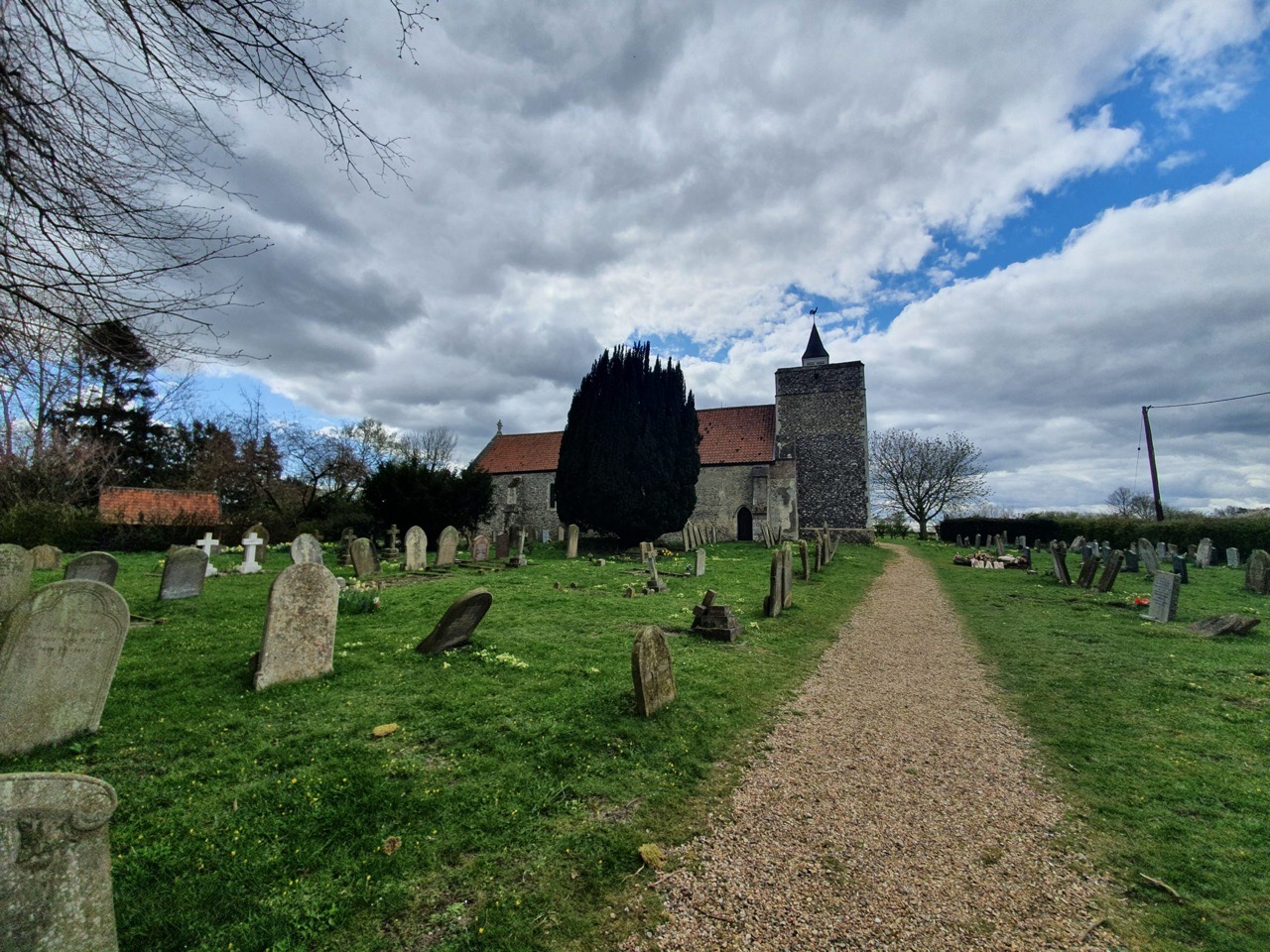
    Earsham was the start and end point of the walk, wet at the beginning and the rain started to pour down just as we arrived back. There’s been a church here since the Saxon period, although the current structure is from the twelfth century with bits added on and restored since.

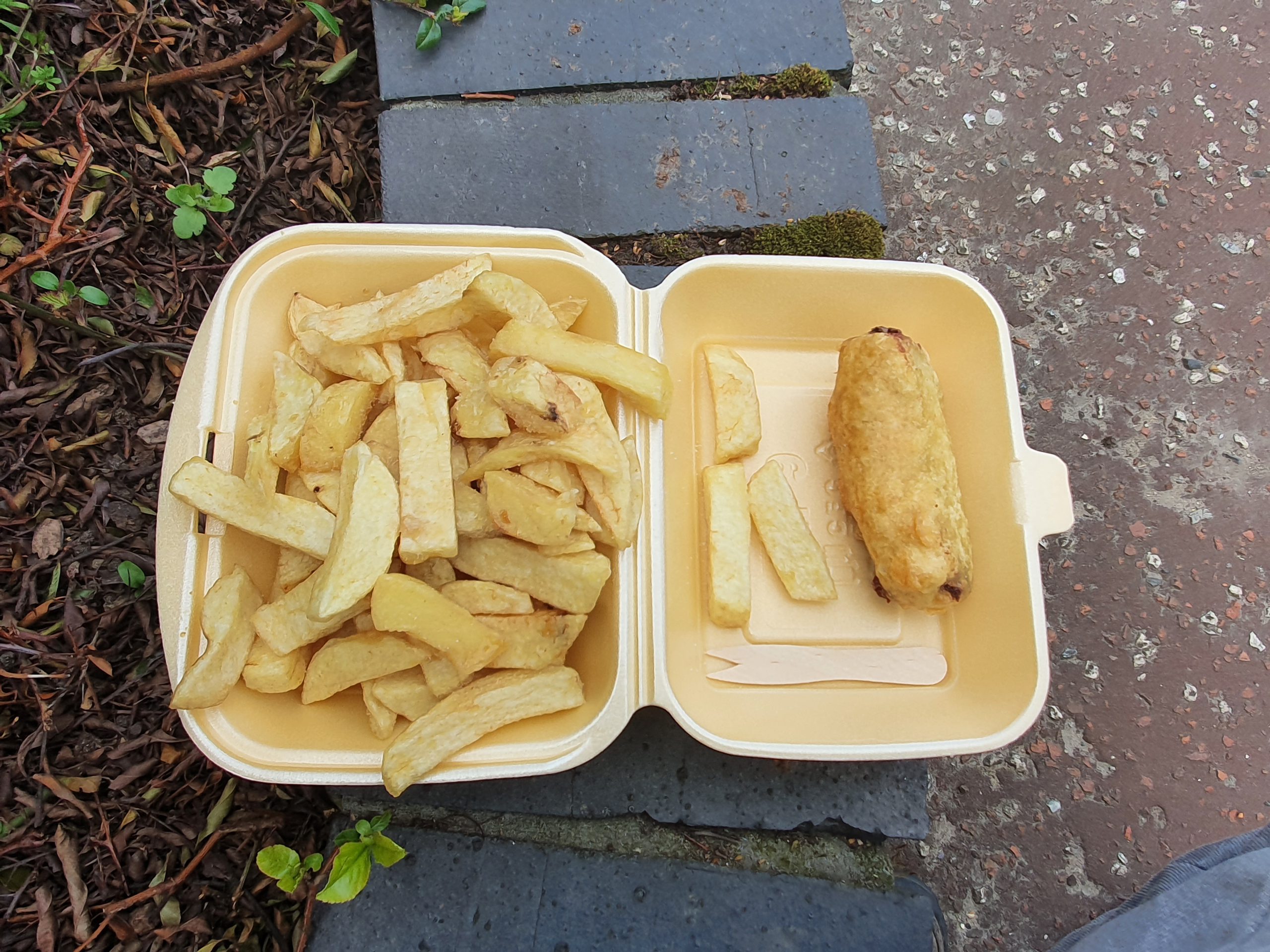
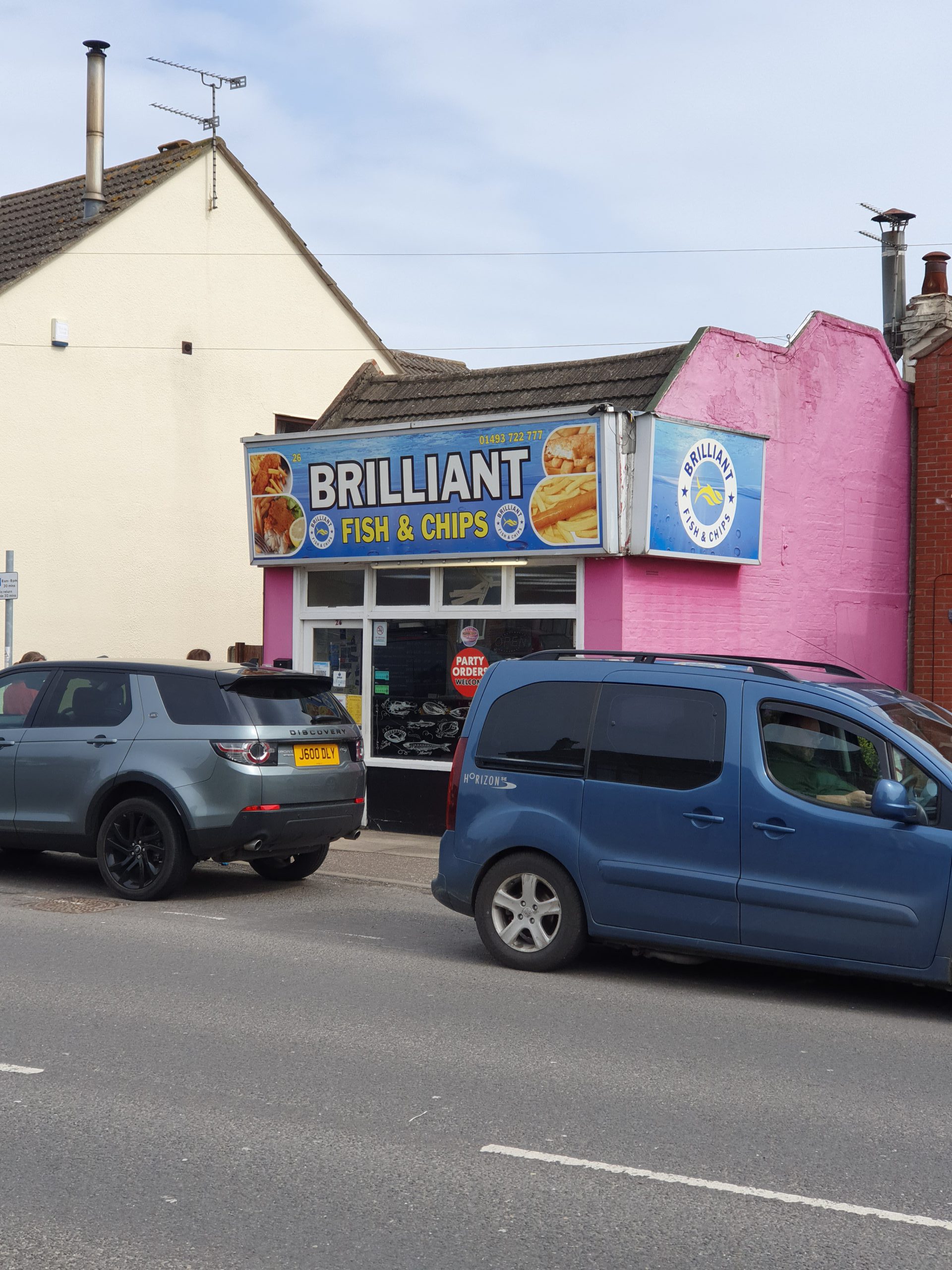
    My trip to get the day’s lunch was delayed slightly as they couldn’t get the till to turn on. I don’t think the Bungay Shopper themselves would claim that they have a range of high quality artisan food and drink, but it was convenient and cheap.

    I’ve never seen Bungay Castle, I hadn’t realised it was visible from the footpath. It was financed by Roger Bigod of Norfolk and was constructed just after the Norman Conquest. It fell out of use many centuries ago, being owned by the Dukes of Norfolk from 1483, but the family gave it to the town in 1987.

    Flixton Road Mill, built in 1830 and now converted into residential accommodation.

    The temperature was quite warm, although there were occasional showers.

    A rainbow appeared between the rain showers.

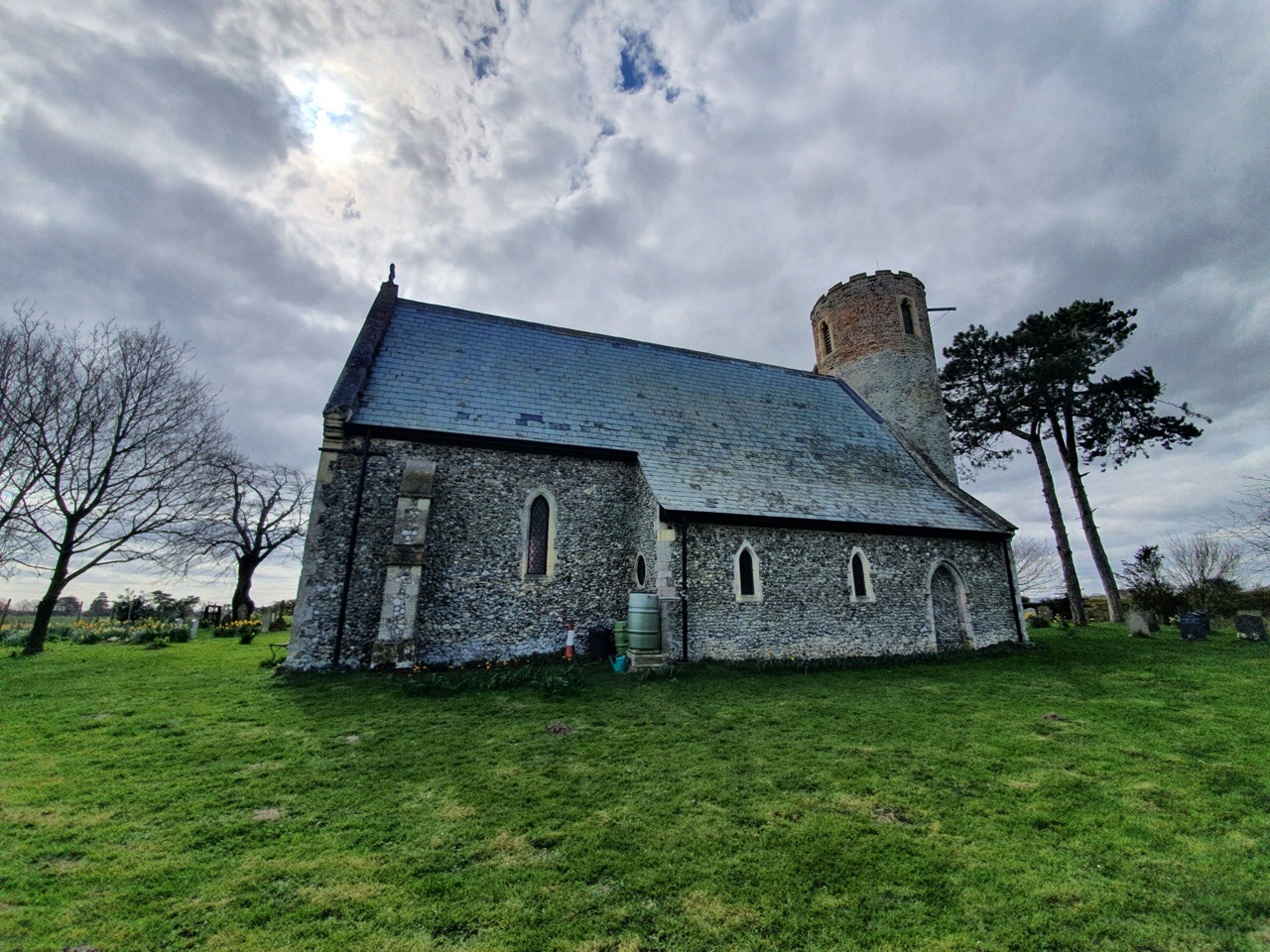
    We visited three churches on the walk, all of which were open to go inside. This is St Margaret’s Church in Ilketshall St Margaret and more of this in another post. But, the highlights here are what I think is a Saxon window in the tower and the completely ridiculous decision made by English Heritage to render the tower. They accepted this was in error and it is neither historically accurate nor particularly beautiful. But, it’s there now, part of the church’s story.

    I rather liked the path in the above photos, I think from the width it’s a former drovers’ road. One of those routes which could have easily have become a road.

    Fortunately, the mud in Suffolk isn’t generally too clay-like (unless certain parts of Essex…..), otherwise this could have been an annoying walk across a field with mud welding to my boots.

    Part of my lunch from the Bungay Shopper….. Very decadent.

    Streams and ponds that are often low in water certainly aren’t at the moment.

    Some aggressive looking sheep.

    I’m not sure of the age, but this road bridge looks to have some history to it. A nice feature to have in the garden as well.

    St. Peter’s Church in South Elmham.

    St. Peter’s Brewery, which was founded in 1996, and occupies a site which includes an ancient thatched barn and St. Peter’s Hall. The brewery own one just pub in the country, which I have meant to go to, it’s located in Farringdon in London.

    Norfolk and Suffolk can be hilly. Well, relatively hilly.


    One of the reasons we went on this walk was to see the new bridge which has been installed here on the Angles Way. This map (in .pdf format) shows the temporary route which the broken bridge caused. It took six years for this bridge to be replaced and numerous local politicians were involved, and the Ramblers really engaged with the process.

    The area was a little more moist than was ideal, perhaps the bridge set-up wasn’t ideal, but the main thing is that the Angles Way route has now been restored. Fortunately, that water wasn’t too deep.

    This is Rob’s route of the walk, I like the colours showing when we were walked a little quicker.

  • South Elmham – St. Michael’s Church

    South Elmham – St. Michael’s Church

    Perhaps the best known fact about the parish of St. Michael in South Elmham is that it’s one of the Thankful Villages, as it lost none of its men during the First World War. And, on top of that, it lost none during the Second World War, one of only 14 villages in the country to be this fortunate.

    I was walking in the area with my friend Rob, who mentioned he saw that they were putting new render on the church last year. It is unusual to see a church with such a modern render, as the Victorians frequently stripped it off as part of their modernisations. I do prefer seeing the stone behind the render, but it was a protective layer against water ingress and so churches are a little vulnerable without it.

    I’m not a rendering expert, but this looks neat and clean. It’s not quite visible from this photo, although it is from the one below, that the church used to have a thatched roof.

    This is the other side of the church, where there is no render, with the wall looking faintly ridiculous and more like something constructed for a shed.

    There are no windows on this chancel wall, some of that brickwork at the top looks alarmingly modern and it’s all a bit botched. But, such is the necessity to patch up buildings that have structural issues, although some render here might make the whole edifice look much more appealing. The process of restoration must be frustrating, the church received some extensive work in the early part of the twentieth century, which was much damaged during the storms of February 1906.

    The end of the chancel and it’s evident visually that the current building is leaning somewhat in places. And, it’s possible to see the buttressing efforts from previous generations, in their attempt to protect the church.

    I found this a rather pretty chancel, despite having no windows on the side walls. Unlike some of the quite sterile designs of some Victorian chancels, the history here is evident.

    The chancel wall is leaning, but has been repaired to some extent recently. I’m unclear what that larger bricked up door is, I can only assume that it led to some sort of chantry chapel arrangement.

    I do like brick flooring, I think it adds to the atmosphere of the church. There’s one prominent tombstone in the nave, with the bodies of Henry Lone who died in 1727, and his wife Rebecca, who died in 1735. The glass in the windows is quite plain, although that’s because much was lost during the Second World War, but that has meant that the interior is brighter.

    The ladder to the top of the tower.

    The church’s font dates to the fifteenth century.

    This is one of the most beautiful church arches that I’ve seen recently, an original Norman decorated surround which is probably from the twelfth century. The door itself is modern, but the eye is drawn to the arch. Well, mine was.

    And a slightly quirky sundial on the exterior of the church.

    I thought that this was a quite beautiful church, even ignoring some of the patched walls and that part of the building was leaning. That all adds to the historical attraction of the church, it hasn’t been overly mauled about by the Victorians (although they did replace the seating and boarded up some of the roof) and it still feels medieval. The churchyard is moated, which is an historic quirk by nature of being next to a common, and the church itself is Grade I listed.

    The first child to be baptised in the church’s fifteenth century font would have been a Catholic and the religious set-up would have been different. But yet, there’s that reassuring feeling that really not much has changed in this church since then. If the parents of that child being baptised looked up and down the church as it is today, I suspect they wouldn’t have been much surprised at the changes. Well, unless someone got a phone out and took a photo, but otherwise, this is a little piece of what England was once like.

  • Norwich – Earlham Cemetery (Thomas Alfred Tyrrell)

    Norwich – Earlham Cemetery (Thomas Alfred Tyrrell)

    This is the war grave of Thomas Alfred Tyrrell, buried in the older military graves area of Earlham Cemetery. The volume of records that remain about an individual varies so much, there is nearly nothing on some poor souls, whereas for others the documentation is extensive. And this is so for Thomas, whose military records remain intact from his service during and before the First World War.

    Thomas was born in Dereham in 1877, the son of John Tyrrell and Mary Ann Tyrrell. After briefly working in the shoe industry, he signed up (being given the service number 4080) to join the military on 29 September 1894, opting for a short service option of seven years with colors and five years in the reserves. It was noted at Thomas’s medical that he was 5’4″ in height, he weighed 9.3 stone, had brown eyes and dark brown hair.

    During his service (and he served with the 1st, 2nd and 3rd Norfolk Regiments), Thomas served in Calcutta (now Kolkata) and Barrackpore in India, amongst many other locations. I’m fascinated by what he and other soldiers would have made of that experience, but as an adventure, I think it must have been one of the most exciting possible for someone without any other financial means at the time. Otherwise, for those from Norfolk, it would likely be employment as an agricultural labourer or in the shoe industry.

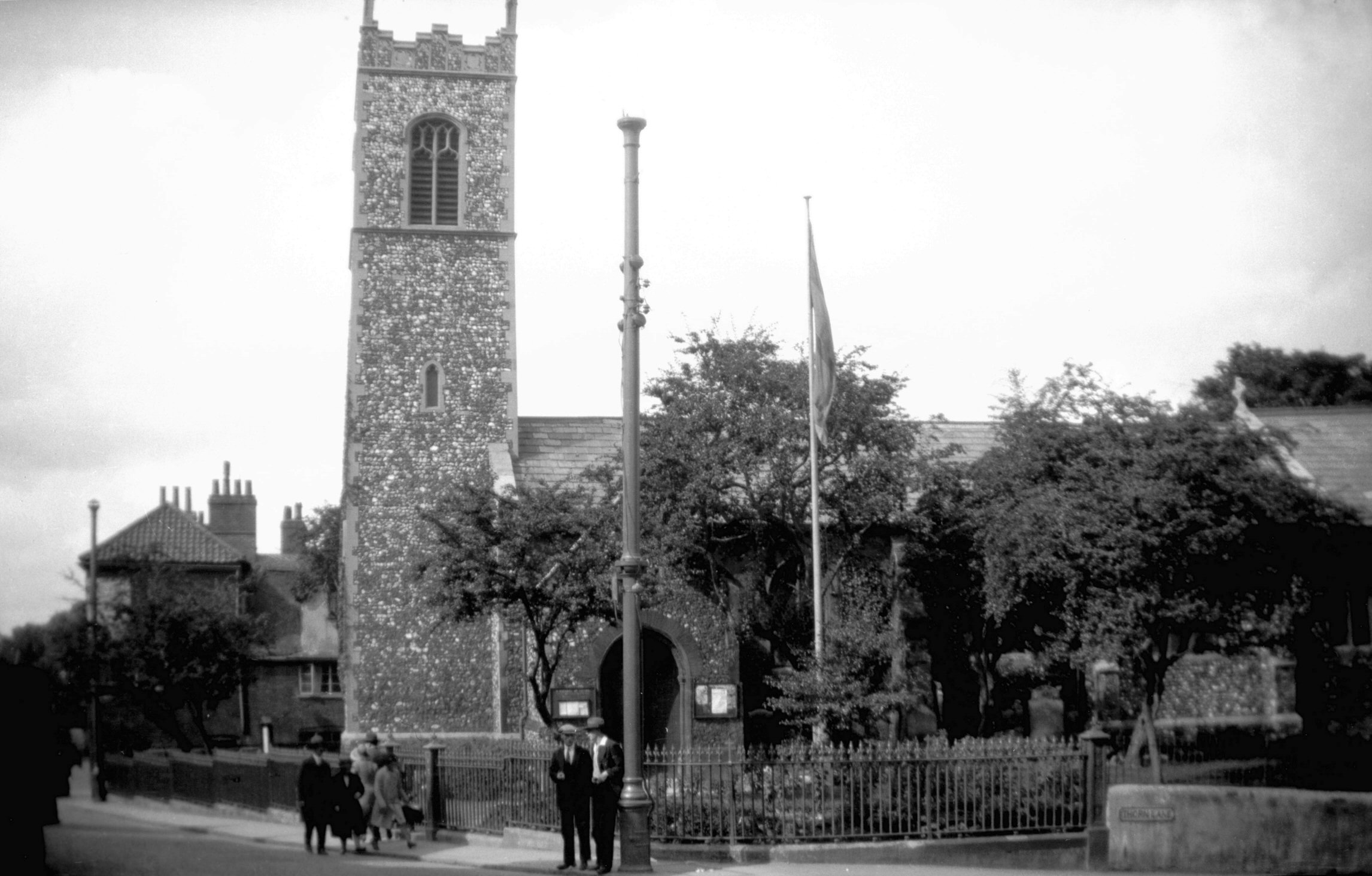
    Thomas left the military in early 1907, but he signed up again to serve in Section D of the Army Reserves on 1 July 1907. He had married on 24 June 1907, although this was pre-planned and he didn’t hate the situation so much that he immediately to enlist again. He married Ethel Georgina (born on 31 December 1889) at St. Paul’s Church in Norwich, now sadly demolished, and she was ten years younger than him. Their first child was born on 18 February 1908, Alfred Thomas.

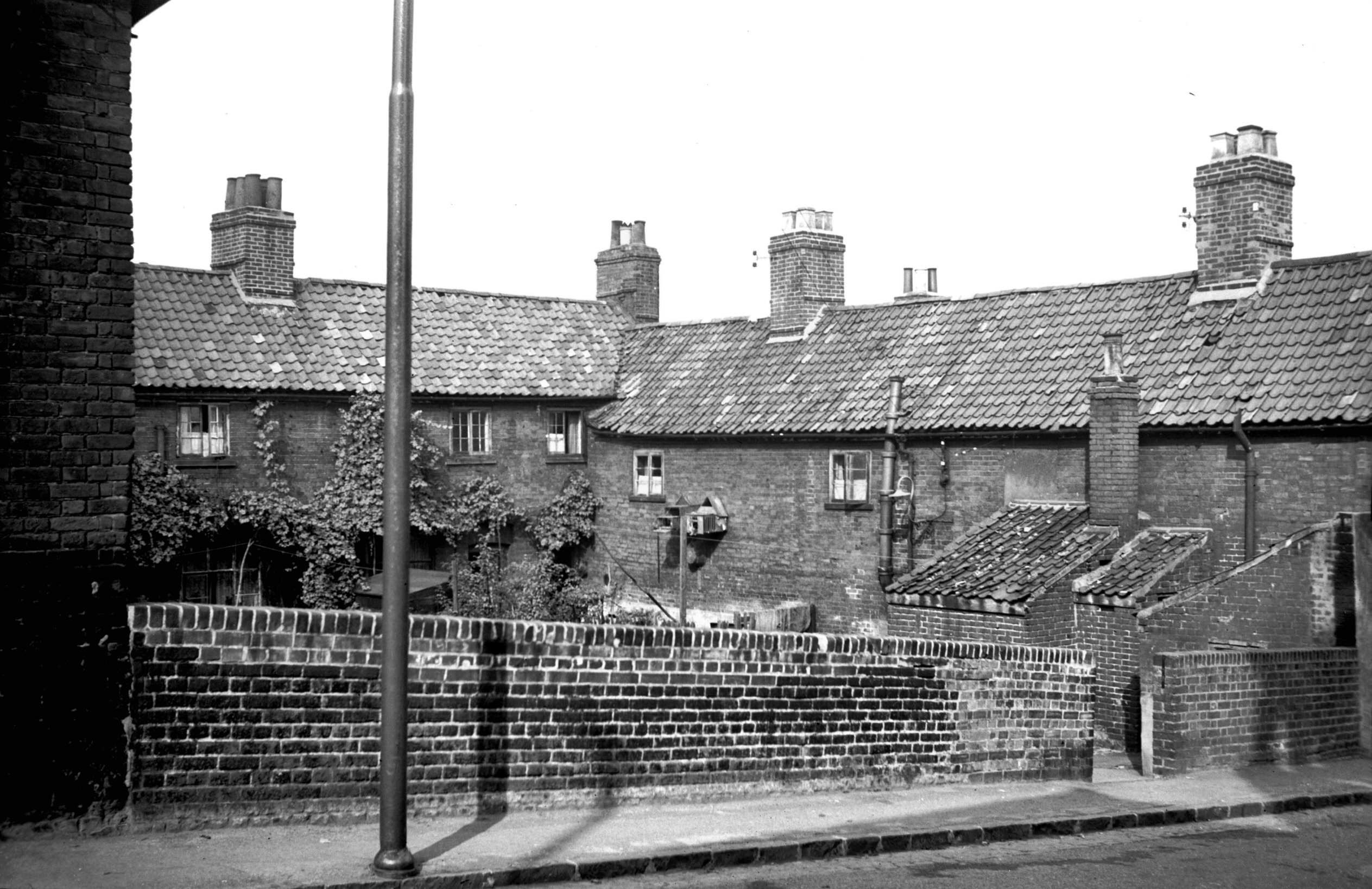
    At the 1911 census, Thomas, his wife and his son were all living at 2 White Entry Yard, which was located just off Bull Close. As a little aside, this would have been very convenient for the Leopard and Plasterer’s, as well as three other nearby pubs which were open when Thomas was living there.

    Thomas was discharged on 26 January 1915, being declared as “physically unfit for war service” and he had experienced numerous illnesses and ailments during his time in the military. This included a period at the Cliff Hospital in Felixstowe between 17 and 27 November 1914, suffering with rheumatism.

    More of a technicality I understand, but under the Military Service Act of 1916, Thomas was called in once again on 19 July 1916 and given a new service number, 20999. He served at home between then and 15 December 1916, before being discharged again. During this time he became a father for a second time, with Ethel Violet being born on 29 August 1916. By now he had moved to 5 Compass Street, located off King Street, now directly underneath Normandie Tower. He had returned to work as a boot maker and his military records show that he had served in total for 18.5 years.

    Thomas died on 14 August 1920 and this would have been linked to an injury caused during military service. What is puzzling is that the grave notes he was aged 41, which is incorrect by two or three years. Errors aren’t uncommon, but the details of these stones were usually checked with family members, but perhaps a mistake or omission was made.

    At the beginning of the Second World War, the mother and daughter, both named Ethel, were living in the same location on Compass Street. The younger Ethel had married as her surname was Baker, and she worked as a cardboard box maker, living until 2007. Thomas’s wife, Ethel Georgina, died in Norwich in 1975, which was 55 years after her husband.

  • Norwich – A New Public Cemetery at Mousehold Heath (1848)

    Norwich – A New Public Cemetery at Mousehold Heath (1848)

    Thanks to Google and archive.org, this short book from 1848 is available on-line. The book contains a proposal to turn land at Mousehold Heath into a cemetery, something which wasn’t enacted, although Earlham Cemetery opened in 1856 to deal with the issues raised in this book.

    The author of this book isn’t given, but it was addressed to the Lord Bishop of Norwich, who was then Edward Stanley. The author painted a clear picture of the situation in Norwich churchyards at the time:

    “In many of the Norwich churchyards the soil is now almost level with the windows; piled up four, five or six feet above the original surface with the ashes of the dead, which are allowed to lie undisturbed for a period far too short for total decay of the corpse and its tenement”.

    That’s not an ideal situation and nor was the outbreak of cholera in 1848, which strengthened the author’s case. Indeed, the Home Secretary actually forced the council’s hands, saying that churchyard burials in Norwich must stop by 1855 because of the cholera issue.

    The author of the book suggested:

    “There is lying, hardly beyond the precincts of Norwich, within half a mile of the Cathedral, a tract of land, which I can hardly be wrong in stating as comprising from 100 to 200 acres, not only uncultivated but wholly unproductive; bearing only thorns and briers; the stones and gravel extending to the very surface”.

    He added that the owners of the land, who were the Church of England, had granted permission for it to be used, but they wanted in recompense:

    “Funds to be appropriated towards the establishment and maintenance of a National School in the neglected, and wellnigh near heathen, district of Pockthorpe”.

    This is a slightly blunt way of describing the area of Pockthorpe…. (it’s around where Norwich Puppet Theatre is, Silver Road and the area at the base of Mousehold Heath).

    The author’s vision of how the new cemetery should turn out was modern and indeed the basis of how the new wave of burial grounds were built. The Rosary Cemetery had already opened by this time, with a chapel and plenty of space allocated for burials. The author noted though the necessity for two rooms to place the dead body before burial, saying a requirement was:

    “Two large rooms for the dead, to which a corpse may be removed shortly after death, till the time of interment; one being set apart for those who have died of a fever or other infectious disease. I would make this a very principal point. Nothing can be more distressing than the state of many a poor man’s family after a death has taken place, and before the body can be interred. I speak only from what I have myself seen in country parishes: often is a man and his wife and a large family of children – some perhaps nearly grown up – living in two rooms, or perhaps even in one, with the corpse of one of its members occupying one out of the two or perhaps three beds, and this perhaps in the hottest weather of summer”.

    There was also an interesting observation about the difference between English graveyards, which the author noted were “little else than a passage leading to it, or a large enclosure overgrown with weeds and rank grass”, compared to European graveyards which were more spacious and were destinations in their own right.

    The proposals for this cemetery were that it should be primarily for the Church of England, along the lines of Mill Road Cemetery in Cambridge where each parish received its own chunk of land. When Earlham Cemetery was opened, there was though much more room provided for dissenters. So, although the burial needs of the city of Norwich were resolved in the 1850s, this was an interesting proposal. There had been suggestions of using Mousehold Heath as a site for burials since the late eighteenth century, proposals which were never enacted.

  • South Elmham – St. Peter’s Church

    South Elmham – St. Peter’s Church

    The rain cleared a bit by the time that we got to St. Peter’s Church in South Elmham, a church where it’s hard to see how its small parish was ever able to support it.

    The tower is in need of some attention, the foliage growing on it will eventually start to cause structural damage.

    The four-stage tower, likely from the late fourteenth century.

    The fourteenth century porchway, with the carved stone faces still visible.

    There have been some rather crude repairs here over the years and I wonder whether they just rendered over that to hide the patchwork of stone. There have been some recent repairs to the end chancel wall, which have now been completed

    This external chancel wall doesn’t look overly exciting perhaps, but it’s where the chantry was installed in the late fifteenth century and would have been located on this patch of greenery. There would have been a large opening in the wall here and it held the tombs of John Tasburgh and his wife, Margery Tasburgh. The chantry was damaged during the Commonwealth period and later became left open to the elements, with the tombs damaged. The structure was taken down in the 1830s, although the remains of the doorway are visible.

    The church has an interesting photo in the chancel which explains a little more about the history of this wall. To the left, out of shot, is the former chantry arch, but visible here is the coursed flint from the twelfth century forming most of the wall, with the higher thirteenth century wall visible at the top of the two windows when the building was heightened.

    Looking down the nave of the church, which has been heavily Victorianised inside.

    The chancel arch is from the fourteenth century and fortunate that the rood screen is still in place.

    It’s a well proportioned chancel.

    The open base of the tower is visible at the rear and the font is from the fifteenth century.

    Some decorative arrangement in the chancel, likely the base from the chantry tombs.

    I have no idea what this hole in the wall near to the door is doing…..

    Published in the 1840s, this text by the author of a history of Suffolk is a reminder that theft from churches is nothing new:

    “In the year 1819, while the writer was visiting this parish, collecting the materials which form the matter of the present notice, a person of gentlemanly address drove up to St. Peter’s Hall, tenanted by the late Mr. Alden, the then churchwarden, inquiring if the church contained any brass effigies, as he was travelling through the country collecting such records of ancient families, with a view to their cleaning and restoration, promising to return them shortly to their original places. St. Peter’s church afforded nothing to add to his collection, having been already stripped by some earlier iconoclast. The writer remembers that the applicant’s gig-box was half full of brass effigies, which it is vain to hope ever found again their respective matrices. The observation is simply recorded to expose a system of plunder once recklessly pursued, and to warn all churchwardens to repulse applications of a like nature.”

  • Norwich – The Norwich Plan for Downtown Restoration

    Norwich – The Norwich Plan for Downtown Restoration

    Norwich Plan for Downtown Restoration (in .pdf format)

    Back in the late 1950s, Magdalen Street in Norwich saw a piece of urban renewal that became known throughout the world. The above PDF document (courtesy of archive.org) is a short book of how that came about, with the publishing element of the project being backed by Norwich Union.

    It was quite an inspired project which received the support of nearly all the property owners along Magdalen Street. The street was tidied up in terms of signage and clutter, with shopkeepers and property owners smartening up their buildings as well. The Civic Trust did a fine job, also ensuring that historic buildings were protected and that people became proud of their local area. A new park was formed, buildings were painted and thought was given to the placement of noticeboards and electricity boxes.

    The document above was issued to inspire and encourage cities around the world to undertake similar projects. It showed that the Norwich project hadn’t cost that much money, but had seen many benefits. The book concluded that “this can make a community a better place in which to live and work”.

    Incidentally, the foot-note to this was that just over ten years later, Norwich City Council built a flyover through the middle of the project, knocked down several of the buildings and destroyed the character of Magdalen Street. The chaos that they caused is still problematic today, as no-one is quite sure what to do with Anglia Square. It wouldn’t perhaps be a bad idea for the council to look back at this project at what can be achieved when the community works together on a scheme.

  • Norwich – General Regulations of the Bethel Hospital in 1861

    Norwich – General Regulations of the Bethel Hospital in 1861

    Bethel Hospital Regulations (in .pdf format)

    The above PDF file (thanks to archive.org and the Wellcome Library) is the General Regulations of the Bethel Hospital in Norwich which were issued in 1861. They’re surprising forward looking to what I had expected, although still regimented as might be expected from a Victorian institution. It was noted that staff should not “strike the patients or speak harshly to them”, but should be “kind and indulgent”.

    On the last page of the document are the meals that were expected to be served to the patients, which weren’t ungenerous. Women were generally allowed the same menu as the men, although they weren’t to be given as much of it.

    The milk broth for breakfast was commonplace at the time, although it’s not something you see in many restaurants and hotels today. Or not the ones that I go to anyway. Wednesdays don’t sound too bad, the evening meal was either sausages, potatoes and beer, or, a sausage roll, potatoes and beer. Indeed, beer is provided on a regular basis, although not in large quantities, but extra was given to patients helping with the washing, laundry and in the workshop. I’m not sure that patients in the N&N get to do the washing and laundry today, although perhaps some would help if there was beer provided for their assistance.

    There was the bonus of roast beef and plum pudding on Christmas Day, although even then the plum pudding term was misleading and that would be what we call Christmas Pudding today. For that week there were also mince pies and cake, so perhaps not that much has changed over the last 160 years. On Shrove Tuesday, there was also coquilles, which were effectively Hot Cross Buns without the cross.

    Incidentally, I’m not quite sure what the male patients were encouraged to do during their recovery, but the document notes that the women should be “encouraged to occupy themselves in needle and household work”. Men and women were encouraged to take the air though, and to also read wholesome books and periodicals.

  • London – Kensington and Chelsea (Borough of) – Norland Square Railings

    London – Kensington and Chelsea (Borough of) – Norland Square Railings

    There are many things that annoy me. These include people being loud in libraries, Greggs running out of sausage rolls and people putting their feet on the seats of trains. There are other things as well of course (crime and corruption aren’t great either), but I’ll limit myself here. Historically there’s one particular decision which is annoying and it has wrecked many parks, gardens, buildings and churchyards across the country, which was when iron was collected for the war effort.

    It’s not the collection of the iron that’s the problem here, it’s that historians seem to agree that only around 25% of it was used. And the Government never stopped collecting it, despite it being clear that they didn’t need any more. Paperwork has been “lost” by Government departments and it’s widely thought much of the iron was just dumped after the end of the Second World War. Perhaps it was good for morale and making people feel involved, but it simply caused more anger later on when the truth started to out.

    Now that I don’t live in London, I’m no longer a member of the London Library at St. James’s Square, but I’m pleased to note that £500,000 has been spent restoring the railings there. There’s further information at https://www.stjamessquaretrust.co.uk/railings-project and it’s a worthwhile project. But, at least some railings had already been put back here, in so many other locations across the country all that remains eighty years on are the stumps of the railings. Churches suffered terribly from this, as well as many residential property owners. Although, as with many things, other wealthy property owners found reasons for their iron not to be taken in the first place, whilst those of more limited means were busy tearing up their front gates.

    Lord Hemingford in 1943 queried this whole arrangement, although he wasn’t give much succour when he said in the Lords:

    “To go a little lower down the social scale, I saw only the other day a row of very small cottages, I suppose cottages with not more than four rooms at the outside, with their small gardens in front of them, many of them tended with very great care, where the railings—which can have been of very little use to the Government, for they were not much more than wire made into an upright fence—have been taken away from the front of the gardens. I cannot but imagine that those railings were useless for the purpose for which they were taken, and must have been among those which have since been sold by the Ministry of Supply.”

    And, the reason I mention all of this is that the photo at the top is of Norland Square Gardens, with their lovely iron railings. These date to 2007, when Susan Walkers Architects (who are engaged with the St. James’s Square project) and the Cast Iron Co. Ltd produced these new railings for the gardens, funded by the Norland Square Garden Committee. They’re not overly decorative, but they define the area much better than some generic chain-link fence or indeed nothing at all.

    There seems to have been a little bit of a wave of these transformations over recent years, but mostly they seem limited to wealthy areas of London or to property owners with some money. Perhaps it’s time to fund the restoration of iron railings back to churches, parks and many other locations where they were taken from, an apology from the Government that this scheme to collect iron wasn’t stopped when it was realised that it wasn’t productive.

    There’s a video of the patrotic need for this at https://www.britishpathe.com/video/park-railings-for-munitions.

  • Norfolk Regiment – October 1914 War Diary

    Norfolk Regiment – October 1914 War Diary

    Diary (in .pdf format – the war diary of the 1st Battalion of the Norfolk Regiment for October 1914)

    I’ve downloaded most of the war diaries of the Norfolk Regiment from the National Archives (currently free of charge whilst the reading rooms are closed) and have become endlessly fascinated by them. They’re a real snapshot of what life must have been like, even though much of the detail is quite short. I’m also reading up on the lives of those who fought in the First World War, so this adds a fair chunk of detail to my understanding of where they were. And, this is why I’m trying to get a better understanding of where the battalion was, so I can try to have an understanding of the journey that the men went on.

    Unfortunately, the August to September 1914 records for the 1st Battalion have got lost somewhere, so we have to start in October. I do know though that the battalion was fighting in Ireland when the First World War started, they mobilised on 4 August and then left Belfast on 14 August. From there, they arrived in Le Havre, France, a few days later. The diary for the month of October starts with the 1st Battalion marching to Droizy, with mention that it was cold.

    On 3 October 1914, the battalion set off to Longpont (the photo above, © IWM Q 47947, is of Longpont, but shows the French defense in 1918, it was much quieter when the Norfolk Regiment arrived), which is around 15 kilometres away and it took them just over four hours. Longpont is only around 90 kilometres from Paris and this must have been something of an adventure for those there. The horrors of war weren’t yet perhaps quite obvious from this far away from the front line.

    Longpont is dominated by an abbey which was forcibly closed during the French Revolution, and the troops arrived at 22:00 and slept in the woods in the village. They stayed the next day, 4 October, in the village and I wonder whether they were involved in training or had chance to look around the small village. After spending a day in the village they then went on a night march to Pondron and it took them around four hours, arriving on the morning of 5 October.

    I like a night hike and find that there’s a sense of adventure in them, but I can’t quite imagine what it must have been like in wartime and in a military capacity. I’m assuming that the troops walked down the road and so looking at Google Street View, it’s possible to see what the men would have gone by. It’s not very built up now, so this would have likely been similar to walking in the Norfolk countryside in terms of the scenery. It was noted that the journey was inconvenienced with the number of French motors passing by, something I know from my walking can be a bloody nuisance (not French motors in particular, just cars in general). It would interesting to follow their journey, although they did later go by rail and road, although most of their route would be easy to walk (along with the occasional train journey).

    On the 6 October, they marched from Pondron to Bethisy, where they stayed overnight, before crossing the River Oise on 7 October. I’m unsure why that needed a specific mention in the diary, unless the road wasn’t available and so they had to cross on foot, which would have been quite notable…. From here they went overnight by train to Abbeville, which must now have felt much closer to the front line action, should the men have been aware of what faced them.

    After arriving in Abbeville (the painting above – © IWM Art.IWM ART 5394 – is by Olive Mudie-Cooke, an ambulance worker, painted in Abbeville in 1916/1917) at 04:00 on 8 October, the men then marched to Neuilly, where they arrived after seven hours of walking. They then had a period of rest before, later that same day, marching for over six hours to Boufflers. That couldn’t have been an easy day of walking, especially with the fear of the unknown that must have hung over them.

    On 9 October, the men were meant to be transported by road, but the vehicles didn’t arrive. Instead, on 10 October, the men were taken by car to La Thieuloye and on the following day, 11 October, they marched to Bethune. At the time, this location was becoming increasingly important as a military meeting area and it was here that the men helped reinforce a French Cavalry outpost. This might have been when the Norfolk battalion started to meet other French troops for what could have been one of the first times.

    The diaries note that the Germans took the nearby village of Vermelles on 12 October, with the Norfolk Regiment moving to Festubert that evening. Just to the south of this is the village of Givenchy and on 13 October, the Dorset and Bedford Regiments were attacked, with the Norfolk Regiment being ready to support, but the Germans didn’t pursue them.

    It’s clear now that the movements were going to be slower, with the troops remaining at Festubert until the 16 October before making a few minor travels, and then ultimately, spending the rest of the month at Festubert. Two of the men were injured on 20 October, with Lieutenant Foley killed on 25 October. This must have felt pivotal, as although things were clearly getting more dangerous, to see a colleague lose their life must have been hugely challenging.

    I couldn’t find any photos of the 1st Battalion of the Norfolk Regiment at Festubert, but this photo (© IWM Q 90282) was taken in the village a few months later, showing the Royal Field Artillery.

  • Greater Anglia : London Liverpool Street to Norwich

    Greater Anglia : London Liverpool Street to Norwich

    The Prime Minister hadn’t quite made his latest announcement (or u-turn if you prefer) by the time that I was about to board the 13:30 Greater Anglia train back to Norwich from London Liverpool Street. But, when that statement was made, it was effectively saying that London was now entering Tier 4 and that from midnight the residents of the city shouldn’t leave the area. Things appear to have gotten worse with a new virulent strain of the virus, which is not ideal at all.

    There were reports in some elements of the media that there were huge flurries of Londoners rushing out to the countryside, although that appears to have been dismissed by the rail companies who said few trains were actually full. Either way, the train that I was on didn’t seem particularly busy, so I had a block of four seats around a table to myself for the journey. And, for those who note my annoyance on this matter when Stansted Express trains are pushed into service, this train did actually have tables. I bought my ticket over a week ago, another bargain priced £10 advance single fare.

    The most interesting part of the journey for me was annoyance at myself for either being asleep or not paying attention, I can’t remember which (and couldn’t at the time, so I was probably asleep) whilst pulling into what I think was Manningtree station. The driver made a furious announcement, although made professionally, that he had been forced to sound the train’s horn as he nearly hit a passenger’s bag which was being carried so near to the platform as to have actually been mostly off of it. The driver said several times, in excess of four, that the person responsible was a male, in carriage D and with a duffel bag. I was positively disappointed not to be in the carriage as otherwise I could have looked and tutted, to show my British displeasure, at this act of idiocy. I say idiocy, as that’s what the driver called it, along with other words.

    Anyway, I quite liked that the driver made his coffee order over the announcement system and that the refreshment team made one back, apologising for not having the biscuit he wanted. It was sufficiently light hearted to add some humanity back to the journey and I think it calmed the annoyed driver down.

    And here we are back in Norwich, on time and that really is the end of my travel for 2020. I didn’t think in early November that I’d be travelling again in 2020, but this twelve-night stay in London was worthwhile and interesting. What I’m more disappointed about now is that travel in early 2021 is looking effectively impossible. I’m likely to cancel my trip to Bilbao, whereas British Airways have already cancelled my trips to Lisbon and Dublin. I can’t imagine that I’ll be going to Inverness or Palma either, which are both in January, although haven’t yet been cancelled by British Airways.