Category: Norfolk

  • Hemblington – All Saints Church (George Weston and Godfrey Weston War Graves)

    Hemblington – All Saints Church (George Weston and Godfrey Weston War Graves)

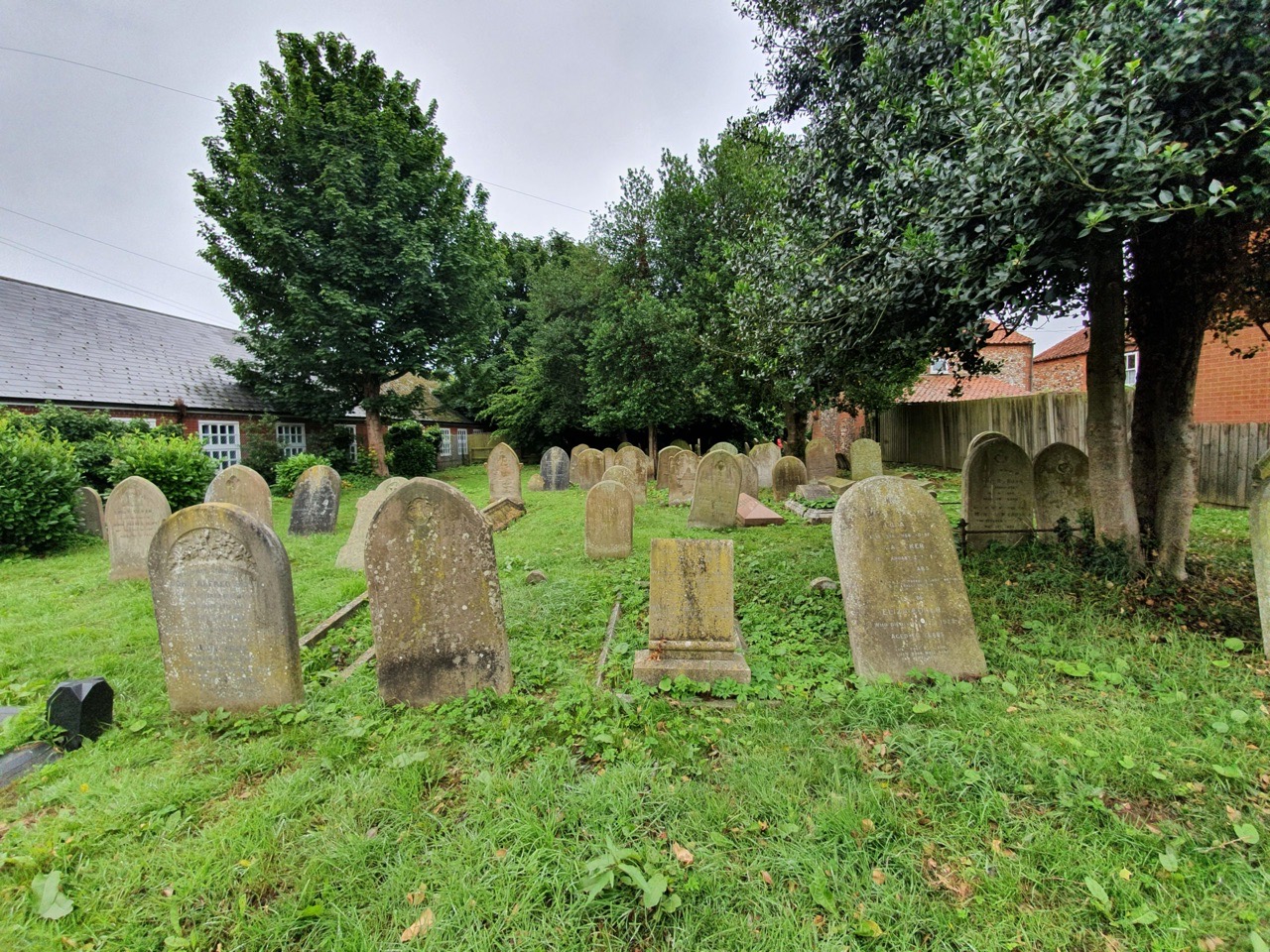
    It’s not that common to see Commonwealth War Graves at remote Norfolk churches, but All Saints at Hemblington have two war dead, both marked on one grave. They are the graves of Squadron Leader George Ernest Weston, who died at the age of 23, and Flight Sergeant Godfrey Randal Weston, who died at the age of 22.

    The men were brothers, sons of George and Frances Lesley Weston, of Nelson City, New Zealand and they were buried together, but died in separate air crashes, with George dying on 1 October 1942 and Godfrey dying on 20 April 1944. There’s a photo of Godfrey at https://www.aucklandmuseum.com/war-memorial/online-cenotaph/record/C22286.

  • Hemblington – All Saints Church

    Hemblington – All Saints Church

    The real highlights of this rural church are inside, a medieval wall painting, rood stairs and a spectacular font, so I’ll have to return when they’re able to open internally.

    The church are busy praying for lots of people, seems like a pro-active congregation.

    The round tower is the oldest part of the church, constructed in the twelfth century.

    The bulk of the rest of the church was built in the early fourteenth century, although some dates from the twelfth and thirteenth centuries. There was a sensitive restoration that took place to the church in 1904 and a piscina and niche were discovered, although the wall paintings weren’t noticed until later on in the twentieth century.

    The porchway which was added to the church in the early part of the sixteenth century.

    Part of the churchyard has been turned into a wildlife garden. I’m looking forwards to going back when I can see the interior, this is a beautiful and remote church.

  • Hassingham – St. Mary’s Church

    Hassingham – St. Mary’s Church


    We visited this church at the end of a walk a few days ago, just as the weather started to look a little bleak. Perhaps that added to the majestic beauty of this rather remote church though. There was probably some sort of Saxon religious building here, although the structure now dates primarily to the twelfth and fifteenth centuries.

    Some of the church looks modern, but this is because of a serious fire in the late 1960s which meant that nearly everything inside was lost and the roof was also destroyed. Fortunately, the situation at Bixley was avoided and the church was rebuilt, but this time no longer with a thatched roof.

    The round tower is from the twelfth century if the listed building record is accurate, and they usually are, although it just looks a bit older to me. The top bit of the tower, which I’m not entirely sure fits in, was added in the fifteenth century.

    Wikipedia notes, so it must be true, that William Haslam was the vicar here in the 1860s and he managed to be converted into a more evangelical approach by listening to his own sermon. That’s one persuasive vicar…..

    There is also the beginning of an interesting story which was repeated in the Norfolk News in 1888 from times long past, which is that the notorious criminal Bartholomew de Devonshyre killed Adam Wyre in Hemblington and then rushed to Hassingham to seek sanctuary at St. Mary’s Church. Unfortunately, there was no mass media at the time and details on this story are somewhat hard to find.

    Not relating to the church, but instead to Broad Farm opposite, there was a huge invasion of coypu in 1960. The local farmer, Wesley Key, said “we catch coypus at the rate of fifty a week, but they still multiply as fast as ever”. Fortunately for the farmer, these have now been eradicated from the British countryside, but I have visions of the coypu over-running the church as well…..


  • Norwich – Waterloo Park Area Photos

    Norwich – Waterloo Park Area Photos

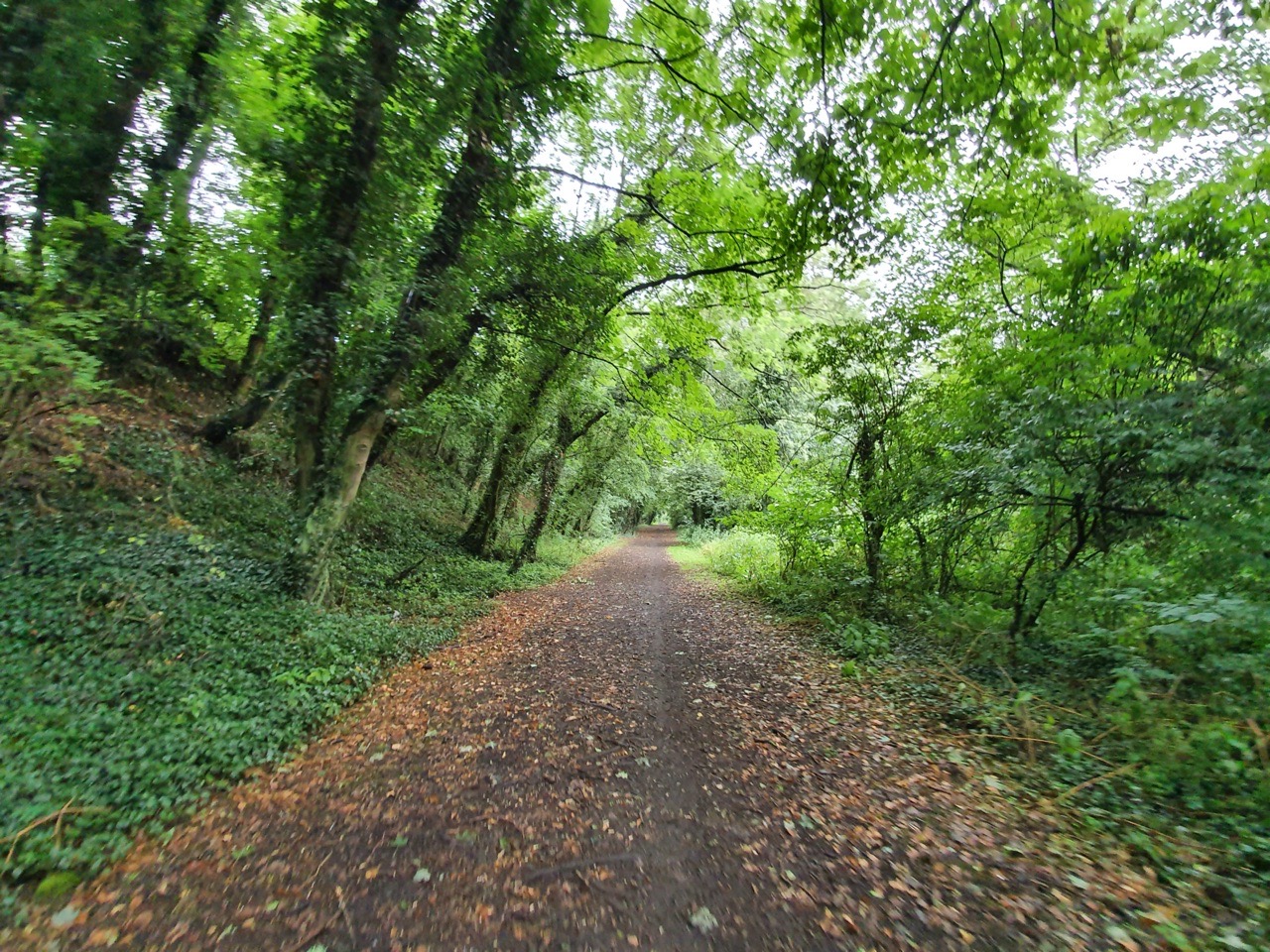
    Just photos of the Waterloo Park area, along with Wensum Park and the Marriott’s Way, which is the former rail line between Norwich and Aylsham. It’s a reminder of much green space there is in areas relatively near to the city centre.

  • Shotesham – Photos

    Shotesham – Photos

    Some of the photos that I didn’t upload from the Shotesham walk a couple of weeks ago….


  • Caistor Saint Edmund – Photos

    Caistor Saint Edmund – Photos

    Just photos in this post, from a walk around the Caistor Saint Edmund area. Could have done without the aggressive sheep stamping its foot in one of the fields, but fortunately, it thought better of attacking us. And we were also pleased not to see the snakes mentioned on a sign near High Ash Farm.


  • Norwich – Thorpe Marshes and Dead Cygnets

    Norwich – Thorpe Marshes and Dead Cygnets

    Not particularly positive news, Thorpe Marshes (where I visited a couple of weeks ago) has had dogs running off leads which have killed some cygnets.

    Norfolk Wildlife Trust said about the three killed cygnets:

    “One of them was witnessed by somebody who is a regular visitor to the marshes and it was very upsetting for them to see. The mute swan had moved her nest to a dyke near a footpath, but that does not excuse the owners of these dogs. They should be kept on leads. We understand that people like to walk dogs, but running them off a lead in a nature reserve is not a good idea. We are appealing to people to be sensible and responsible”.


  • Tunstead – Name Origin

    Tunstead – Name Origin

    Back to The Concise Oxford Dictionary Of English Placenames to look up the origins of the village name Tunstead.

    Tunstead, Norfolk. Tunesteda in 785, Tunstede in 1044, Tunesteda in Domesday Book. Old English for farmstead.

    That’s nice and easy, it means farmstead and there are a few of these around the country, with ‘tun’ meaning farm and ‘stead’ meaning, well, stead. It’s a true piece of English history for a place name to stay the same for at least 1,250 years.

  • Coltishall – Name Origin

    Coltishall – Name Origin

    After visiting Coltishall yesterday evening, I had a little look at The Concise Oxford Dictionary Of English Placenames to understand its name origins.

    Coltishall, Norfolk. Coketeshala in Domesday Book, Couteshal in 1200 and Couteshale in 1219.

    Like with Brundall, the ‘halh’ bit is usually a secret place, a tucked away area or some land which is separate from its administrative area. So, it’s a tucked away place owned by an Anglo-Saxon known as Cohhede or Coccede.

  • Coltishall – Railway Tavern

    Coltishall – Railway Tavern

    Just to show how rarely I go to Coltishall, the last time I went by the Railway Tavern it looked something like this. It opened just before the First World War, originally known as the New Inn, before becoming known as the Railway Inn and later on the Railway Tavern.

    And this is what it looks like now, which is quite sad as I suspect that with the seemingly ever-increasing number of people coming to Coltishall for walking and canoeing that it would likely have been able to be viable once again. I admit it’s at the wrong end of the village for that, but start serving craft beer and it’ll soon attract the hoards…. It closed in 2012, although it remained empty for some time before it was permanently delicensed. It’s a former Morgans, Bullards and then Watley Mann owned pub, before going through a series of pubco owners.

    What is interesting is the heritage statement required, primarily relating to the lime kiln behind the building, when planning permission was approved, with the document referring to the planning inspector being “spectacularly wrong” in 1991. It’s an intriguing read….