Category: London

  • London – City of London – Museum of London (Lead and Glass from Merton Priory)

    London – City of London – Museum of London (Lead and Glass from Merton Priory)

    This might not look the most exciting of exhibits at the Museum of London, but there’s a lot of heritage in it. It’s a combined lump of smashed glass and window lead from Merton Priory, which would have been caused during the Dissolution of the Monasteries. It’s not known how old the glass and lead is, but it’s probably from the mid to late fifteenth century.

    Normally, this would have been carried away by those demolishing the building, but somehow it was overlooked and it was only discovered during excavations of the site between 1986 and 1990. It was quite a fall for the wealthy priory, which in 1437 had held a ceremony in honour of King Henry VI. The site is now a Sainsbury’s supermarket, which isn’t ideal (other than for shoppers) although the foundations of the chapter house remain. Not much else is left, materials were mostly taken to Nonsuch Palace, which in turn was demolished in 1682 to pay off gambling debts. But, at least some of the lead has survived, perhaps not in such a glamorous format as its design intended, but still here as a reminder that the priory once existed.

  • London – City of London – Museum of London (Savoy Grill Sign)

    London – City of London – Museum of London (Savoy Grill Sign)

    This sign, now in the Museum of London, dates back to 1929 when it would have been a little exotic in its styling (there would have been light bulbs behind it to provide sufficient illumination), designed to appeal to American tourists to the hotel. I like that museums keep quirky things like this, it reminds me of the Neon Museum in Las Vegas (I accept they have more than one sign though).

    The name of the bar at the Savoy, the American Bar, was also evidence of who it was trying to target, namely those wealthy American visitors to London. The bar, which was most decadent, was one of the first in the city to produce a cocktail menu and this was seen as most sophisticated. The museum notes that the grill restaurant would have served “terrapin, clams and oysters imported directly from the US”. I’m not sure about the terrapin….

  • London – Tower Hamlets (Borough of) – Hung, Drawn and Quartered

    London – Tower Hamlets (Borough of) – Hung, Drawn and Quartered

    [NB – since I wrote this, the pub has entered the Good Beer Guide]

    I’m going to try not to comment that I think this pub name should be the Hanged, Drawn and Quartered. Even Wikipedia agrees that Hung, Drawn and Quartered is wrong, with meat being hung and humans being hanged. However, I won’t dwell….. This is a Fuller’s pub located near to the Tower of London, which has always seemed busy when I’ve walked by in the past (the pub that is, not the Tower of London, although that is generally busy too).

    The beer choice didn’t surprise and delight me, but at least there were three options to choose from.

    The London Pride was at the appropriate temperature and tasted as it should have done.

    It’s fair to say that the pub wasn’t packed. However, there were a couple of customers who came in, but they sat outside. This enabled me at least to get photos of the interior, in what is a clean and comfortable location. There were three bar staff and two kitchen staff, so I’m not sure they were making a fortune at the pub, but everything seemed professional managed.

    The service was engaging and welcoming, the staff were keen to greet customers at the door, although that wasn’t difficult given there weren’t many of them coming in. The environment was clean and comfortable, with the track and trace being properly implemented. The drinks prices are reasonable, although the food prices are towards the higher end of the scale.

    The reviews of this pub aren’t too bad at all, indeed, it’s clear that the customer service is actually excellent here. The pub responds with some integrity and professionalism to any negative reviews, and it just all feels well managed. In all fairness, this was a much better pub that I had expected given that it would have been easy to turn it into a tourist trap given its location.

  • London – City of London – Museum of London (Newgate Prison Door)

    London – City of London – Museum of London (Newgate Prison Door)

    There have been numerous Newgate prisons over the years, but the medieval one was destroyed during the Great Fire of London in 1666. The new one was designed by Sir Christopher Wren and opened in 1672, but work started in 1770 on a more modern building. No doubt much to the annoyance of the authorities, the new prison that hadn’t yet quite opened was destroyed during the Gordon Riots of 1780 (the worst rioting in the city centre of London that has ever been seen).

    So, they started again, with the new prison buildings being completed in 1782. This door, dating from that time, is on display at the Museum of London and it’s fair to say that its wooden and iron construction makes it look well-built and secure. The prison itself survived until 1902 and it was pulled down in 1904, with the Old Bailey building constructed on the site.

  • London – City of London – Museum of London (Pilgrimage Badge – Becket in 1170)

    London – City of London – Museum of London (Pilgrimage Badge – Becket in 1170)

    The Museum of London has placed some of its large collection of pilgrimage badges on display, part of what was meant to be an exhibition marking 850 years since the death of Thomas Becket. I like pilgrimage badges, they were produced in vast quantities and modern examples still exist for those who walk routes such as the Camino de Santiago (many other routes also exist, although that’s the one I did and so that’s the one that’s getting mentioned here).

    This badge is made from pewter and dates to the end of the fourteenth century, marking when Thomas Becket returned from exile in 1170. He was murdered in Canterbury just a few weeks later by knights who misunderstood what King Henry II wanted. There are numerous figures on the badge, there’s Becket himself, along with a knight, a clerk, a companion of Becket and sailors.

    Pilgrimage badges aren’t rare, but they all hold the same historic value that it was likely a treasured possession of someone who had gone on a pilgrimage, often a dangerous journey, and it would have been of great symbolism to them.

  • London – City of London – Ward of Cheap

    London – City of London – Ward of Cheap

    I like this sign, but the modern meaning of the word isn’t the same as the old meaning, which is from ‘chep’, meaning market, derived from the old English ‘cēap’. However, they’re linked, as the modern meaning evolved from a fifteenth-century phrase which was ‘good cheap‘. That means a decent deal from a market-trader, so there’s a pleasant circular nature to all of this.

  • London – City of London – Museum of London (1681 Pudding Lane Bakery Site Plaque)

    London – City of London – Museum of London (1681 Pudding Lane Bakery Site Plaque)

    This is another marvellous exhibit in the Museum of London, a plaque dating to 1681 which was placed outside the site where the Great Fire of London started on Pudding Lane. The museum notes that the plaque had to be removed in the early eighteenth century, as traffic jams were caused by people stopping to read it.

    The plaque reads:

    “Here by ye permission of heaven, hell broke loose upon this Protestant City from the malicious hearts of barbarous Papists, by ye hand of their agent Hubert, who confessed, and on ye ruins of this place declared the fact, for which he was hanged vizt. that here began that dreadful fire, which is described and perpetuated on and by the neighbouring pillar.”

    This attempt to blame the Catholics, as someone always has to be blamed for disasters, was also replicated on the Monument which still stands today by the underground station of the same name. The text on the main monument was though scratched out in the early nineteenth century. Hubert refers to Robert Hubert who confessed to the fire, but no-one really believed him during the criminal trial. However, it suited the authorities to find him guilty and he was hanged at Tyburn on 27 October 1666.

    The actual state of the plaque is a little more complex than the signage at the museum suggests, as the plaque was taken down on the orders of King James II, not unsurprising as he was a Catholic monarch (the last one in this country). King William III ordered it back up again, before its removal for the traffic reason mentioned by the museum, probably in around 1750 to 1755.

    After the plaque was taken down for the final time, it was placed in the cellars of the building of 23 Pudding Lane, where it remained until the authorities demolished it to build Monument Street. It is remarkable that this has survived, but it’s a reminder of the days when people made false statements about those with other beliefs in a bid to create disharmony and hate. Perhaps those days haven’t quite yet gone away. Anyway, it’s rather lovely that no-one ever destroyed it and that it is today in the Museum of London.

  • London – City of London – Museum of London (1667 Tavern Sign)

    London – City of London – Museum of London (1667 Tavern Sign)

    Unfortunately, the lighting in this part of the Museum of London wasn’t very good when I took the photo, but this is still one of my favourite exhibits. It’s a tavern sign for the Three Kings pub and it dates to 1667, the period when the city was rebuilding following the devastating Great Fire of London. A rule at the time meant that the sign had to be placed flat on the external part of the building, signs weren’t allowed to stick out.

    The sign is made from limestone and it was found in Bucklesbury, an area of London which is long gone, although it’s somewhere around where Bank underground station is today.

    A line drawing of the sign from the late nineteenth century. I liked this because the labourers rebuilding London would have seen this sign when they went into the tavern for their one or eight pints, a rather lovely little piece of history. As for the pub, not much seems to exist in the records, it may have been somewhere that was only trading for a few years. But, thanks to this sign, its memory lives on.

  • London – Kensington and Chelsea (Borough of) – Rushmore Hotel

    London – Kensington and Chelsea (Borough of) – Rushmore Hotel

    I’m using up the numerous Rewards Nights that I have with hotels.com and this accommodation option was keenly priced at under £40. It’s located around the corner from Earl’s Court underground station and easy to find. I was fortunate that a staff member was leaving the door just as I arrived as I’m not sure that the reception was routinely manned, although I was the only guest checking in that day so the process was all quick and easy.

    The stairs have a protective covering on, I assume due to decoration work which is going on.

    The room is small, although that was apparent when booking, but spotlessly clean. Indeed, a real effort has been made with the cleaning and I assume that it has been refurbished recently, as it’s in a good state of repair. The power points along one side of the room don’t work, although the ones on the other side do. The bathroom felt a little older in style, but it was just as clean, although the shower was quite small. But, everything worked and the toiletries provided were of a decent quality.

    I’m not a huge fan of keys like this and the process for getting in and out of the hotel seems to be a bit convoluted. I assume that the staff are usually around and so pressing the doorbell is sufficient, but if I had wanted to arrive back at 02:00 then I’m not sure what would have happened.

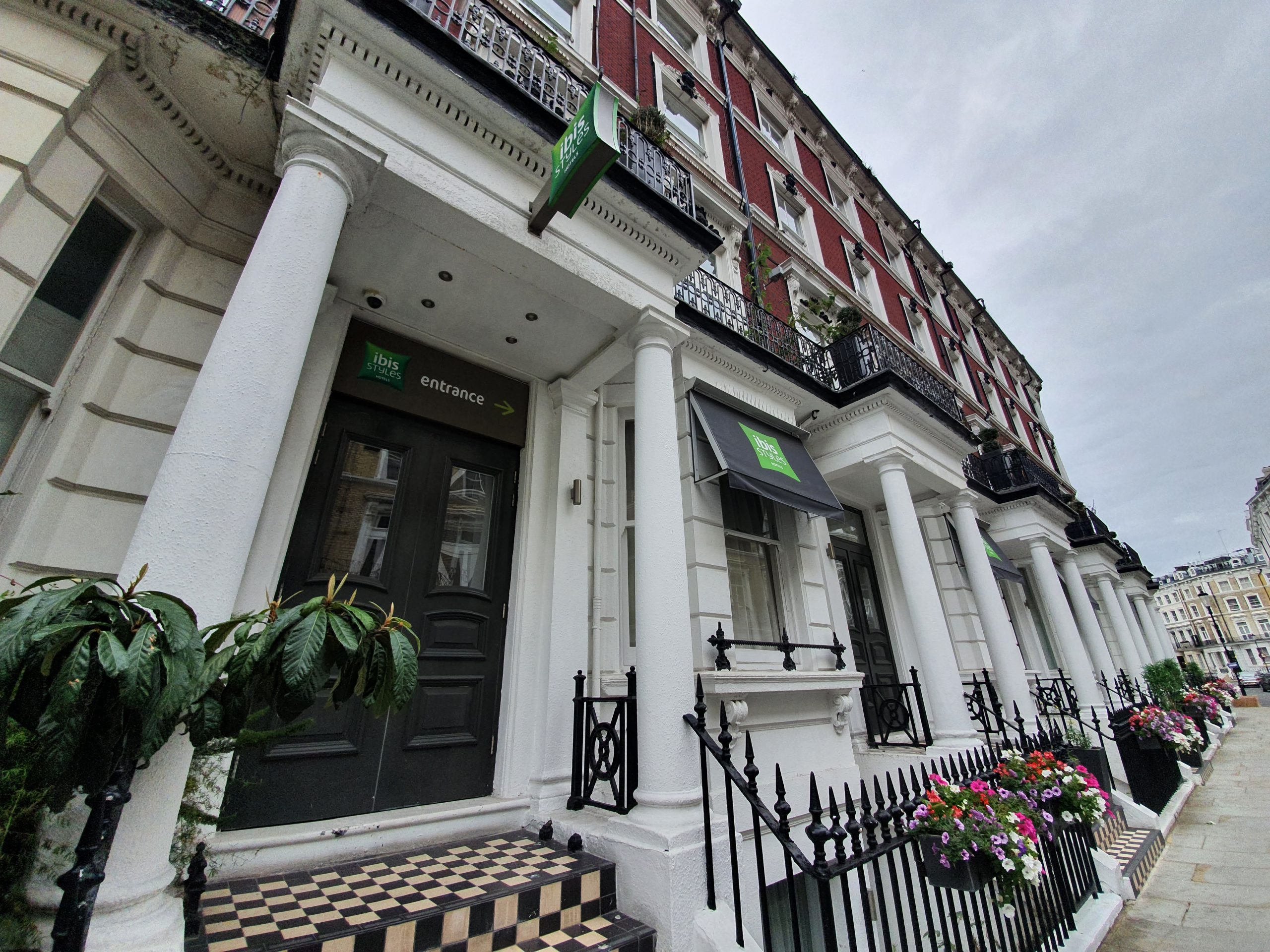
    Onto the matter of staffing, the welcome was authentic and genuine, there were no problems with the customer service here. The personable staff members gave the hotel a comfortable and informal feel, so it was all rather agreeable. I didn’t pay extra for breakfast, although this is available for those who want it. I’m staying, it seems quite frequently at the moment, at the nearby Ibis Styles, but I’d happily stay at this hotel again.

  • London – City of London – Museum of London

    London – City of London – Museum of London

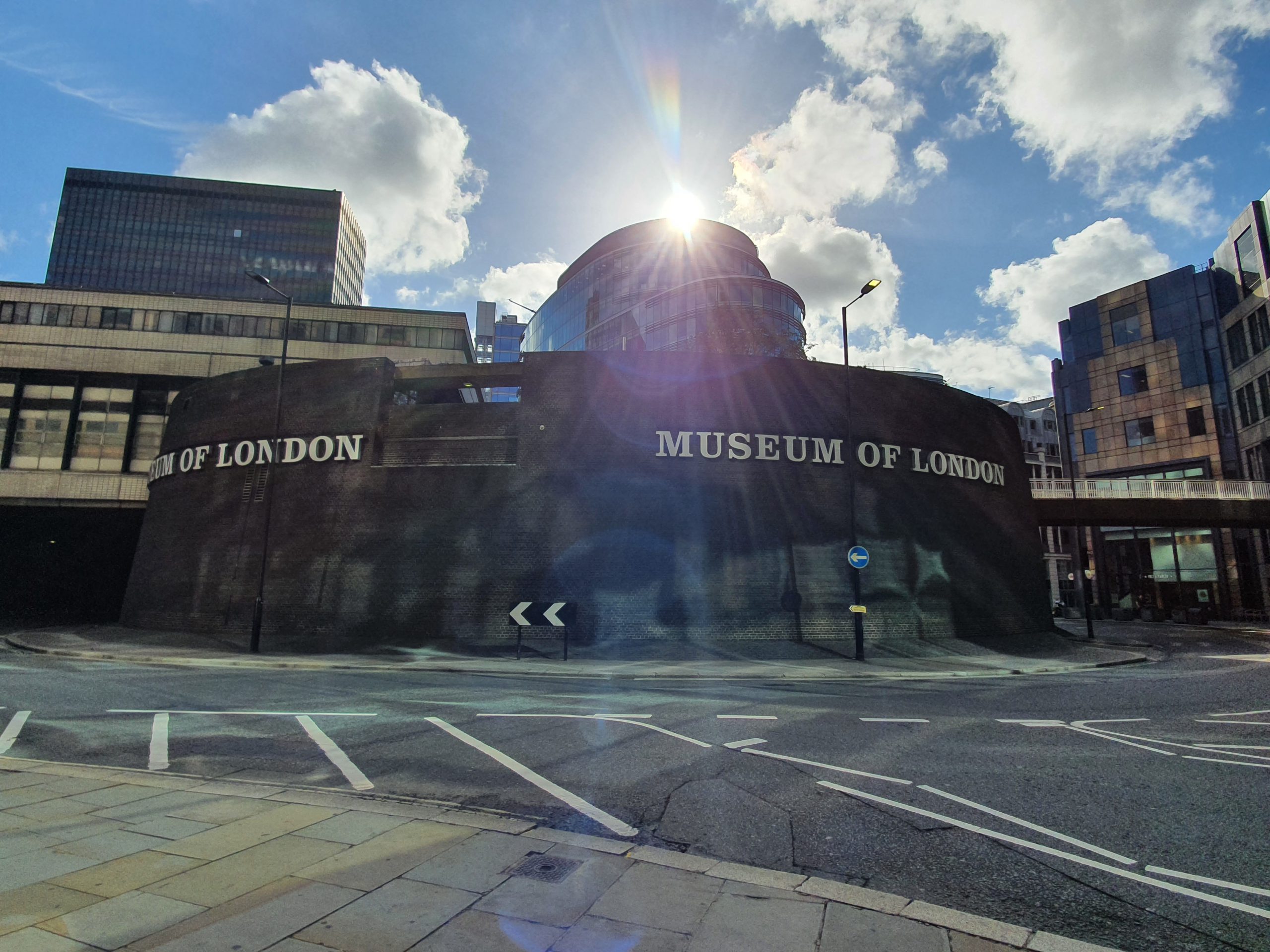
    It’s about eight years since I last visited the Museum of London, and it might be the final time as they’ll be on the move to a new site in Smithfields in a couple of years. The design of the whole Barbican area isn’t great, it puts road users first and it’s meant that the museum is only accessible by pedestrian bridges. It’s not ideal.

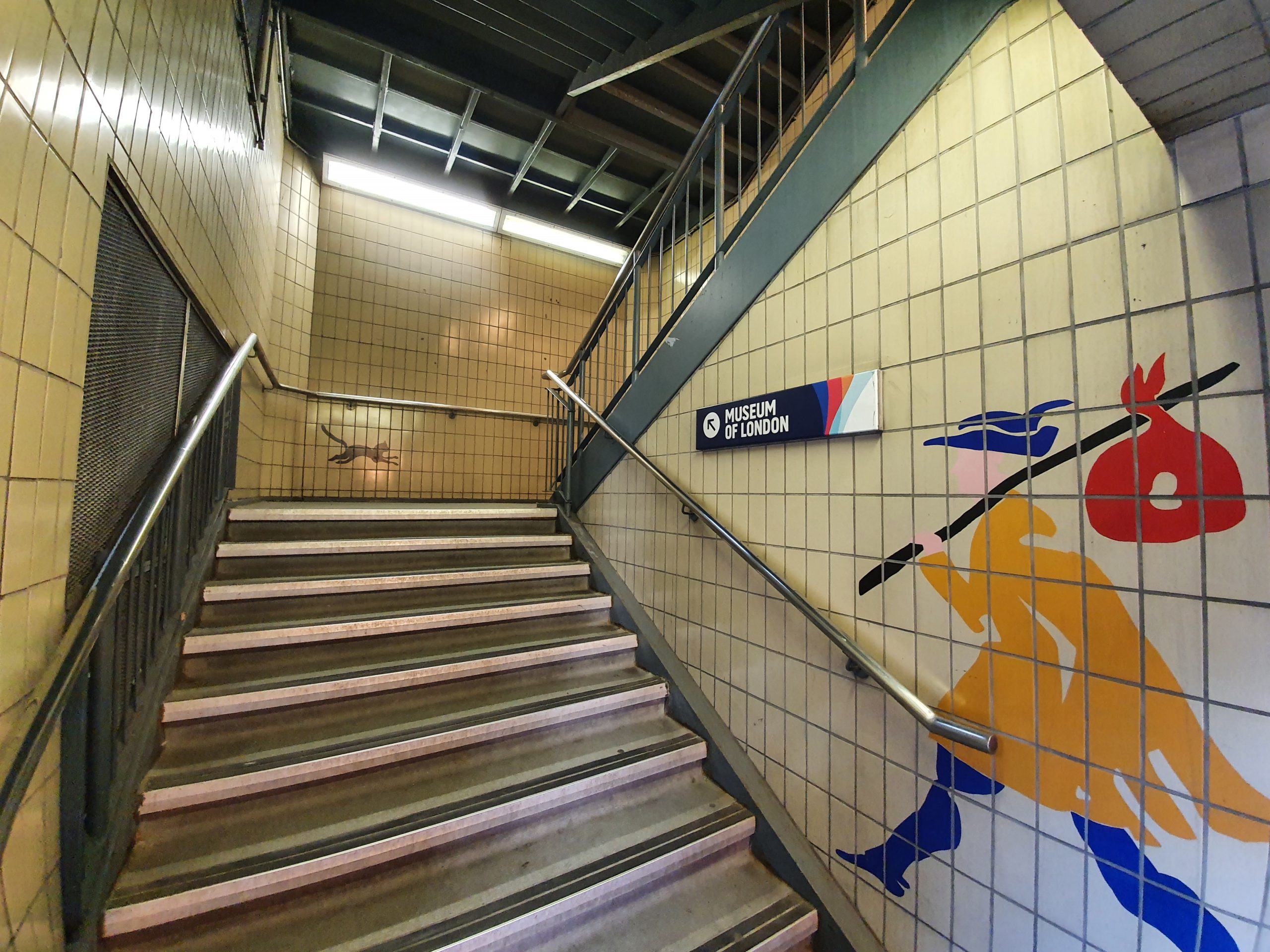
    The stairs to get to the museum are gloomy, although they’ve done what they can to brighten them up a bit.

    My ticket was for 10:00, which was when the museum opened, and a small queue had formed. There was the choice to visit an exhibition on some rock band, which I ignored, instead wanting just to see the permanent collection. The museum was sufficiently quiet to allow for social distancing, although the queues were much longer when I left the building. This is also the first museum I’ve been to which scans visitors on the way out, which makes sense so that they know how many people are still in the building.

    The museum was sufficiently interesting, although the lighting in some places is quite poor. There are also some huge chunks of the city’s history missed out and although it’s inevitably impossible to show everything, there’s not much about industry or ethnography. Hopefully, the larger amount of space at the new museum will perhaps give them chance to tell these stories as well.

    There are numerous interactive elements that visitors are usually welcome to touch or engage with, although they’ve had to put plexiglass over all of those. There was though no shortage of hand sanitiser around the museum and sufficient staff to monitor visitors without getting in the way.

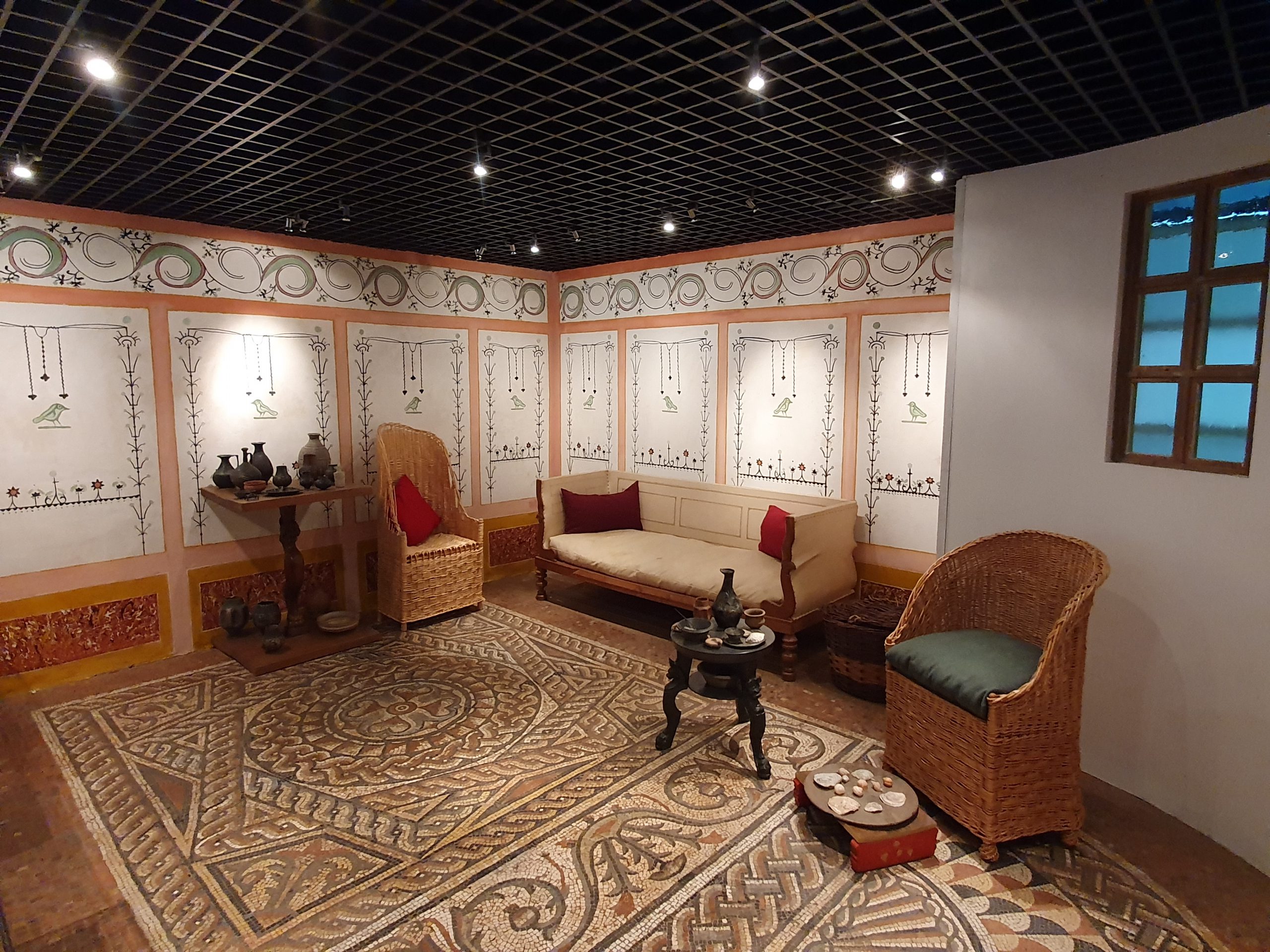
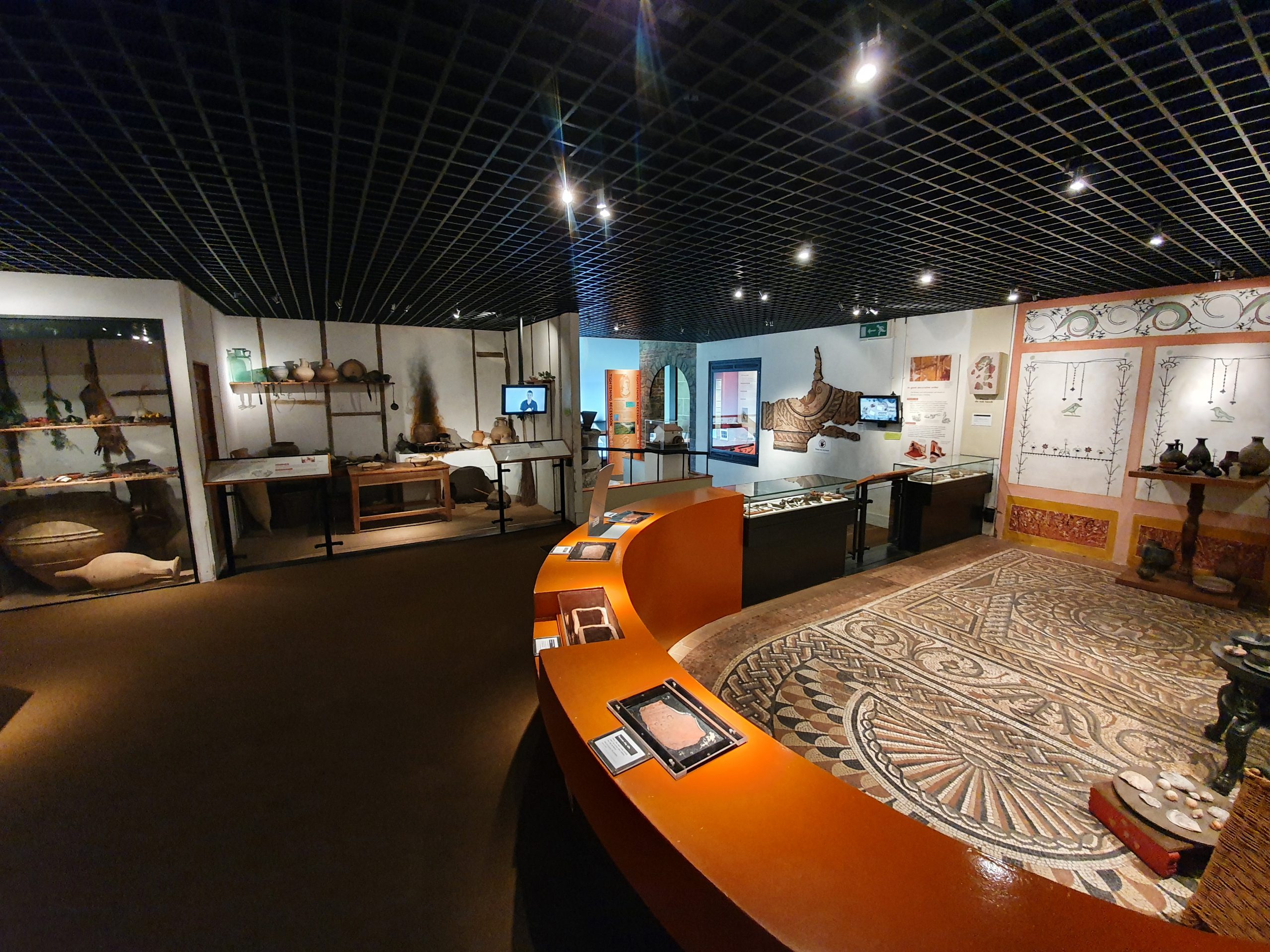
    Anyway, some photos below of the interior of the museum, more posts about some individual exhibits I liked will follow. At some point…..