Category: Kensington and Chelsea (Borough of)

  • London – Kensington and Chelsea (Borough of) – Victoria and Albert Museum

    London – Kensington and Chelsea (Borough of) – Victoria and Albert Museum

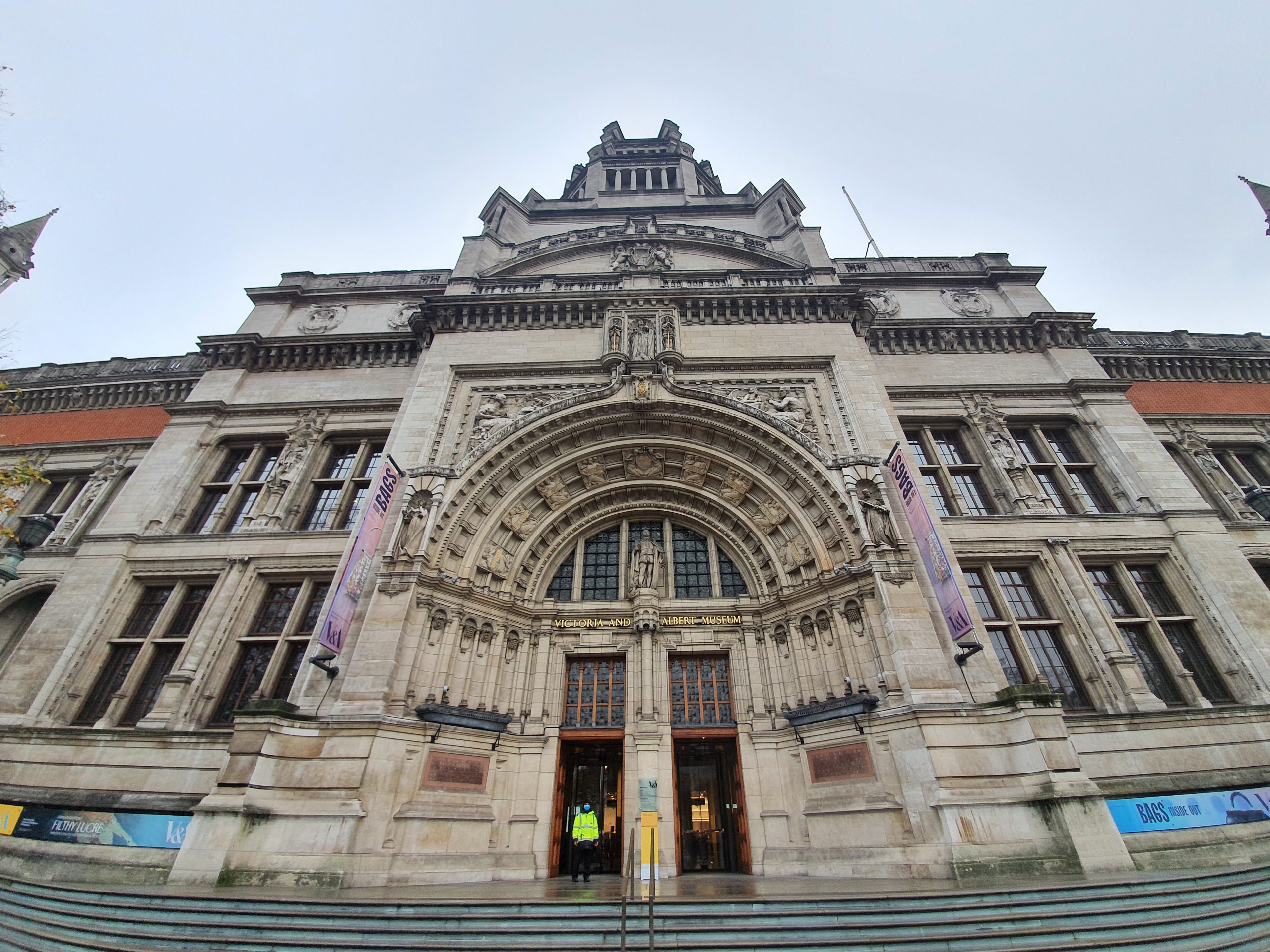
    I can’t remember the last time that I went to the Victoria and Albert Museum, it certainly isn’t in the last few years. I’ve also never quite understood what the collections policy of the museum is and what they focus on, although I think it’s primarily decorative items that aren’t covered by other national museums.

    The museum opened in 1852 as the Museum of Manufactures, something of a legacy from the Great Exhibition of 1851. The museum was renamed as the South Kensington Museum, moved to its current location in 1857 and was renamed again as the Victoria and Albert Museum in 1899.

    The V&A is is one of the best rated museums in the world on review sites and I couldn’t find anything negative about my four hour visit there today. The staff at the entrance were welcoming, the security guard was friendly, the signage was clear, the web-site is detailed, everything worked as it should. The collections are enormous, I hadn’t realised that there were seven miles of exhibits should they somehow be stretched out.

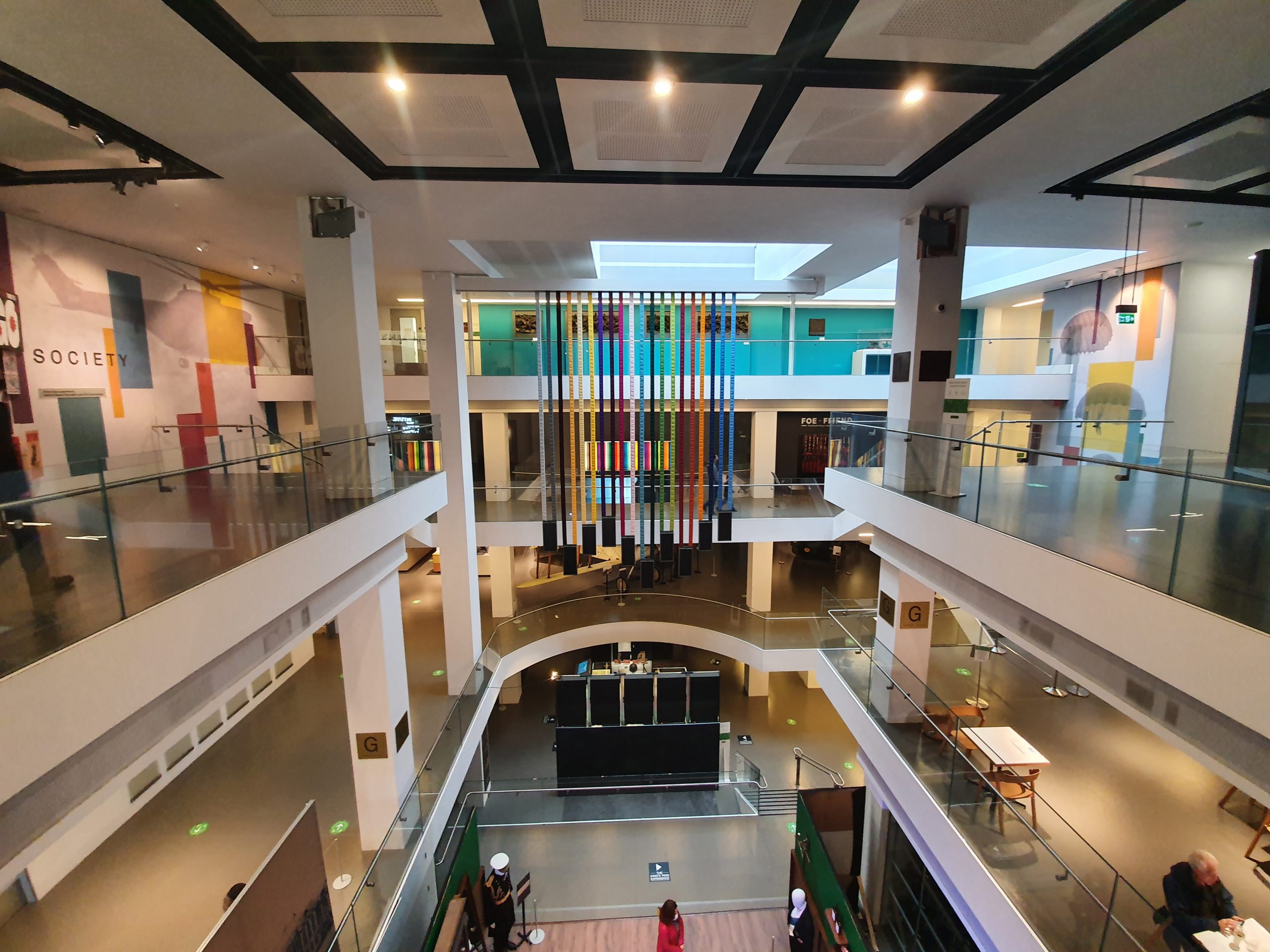
    Anyway, lots more individual posts on certain exhibits to follow, but below are some photos from the interior. One thing that might be apparent is that it wasn’t exactly packed with other visitors. Despite spending four hours at the museum, I didn’t get to see everything, this is somewhere that needs multiple visits to properly understand.

  • London – Kensington and Chelsea (Borough of) – Ibis Styles Kensington (Seventh Visit)

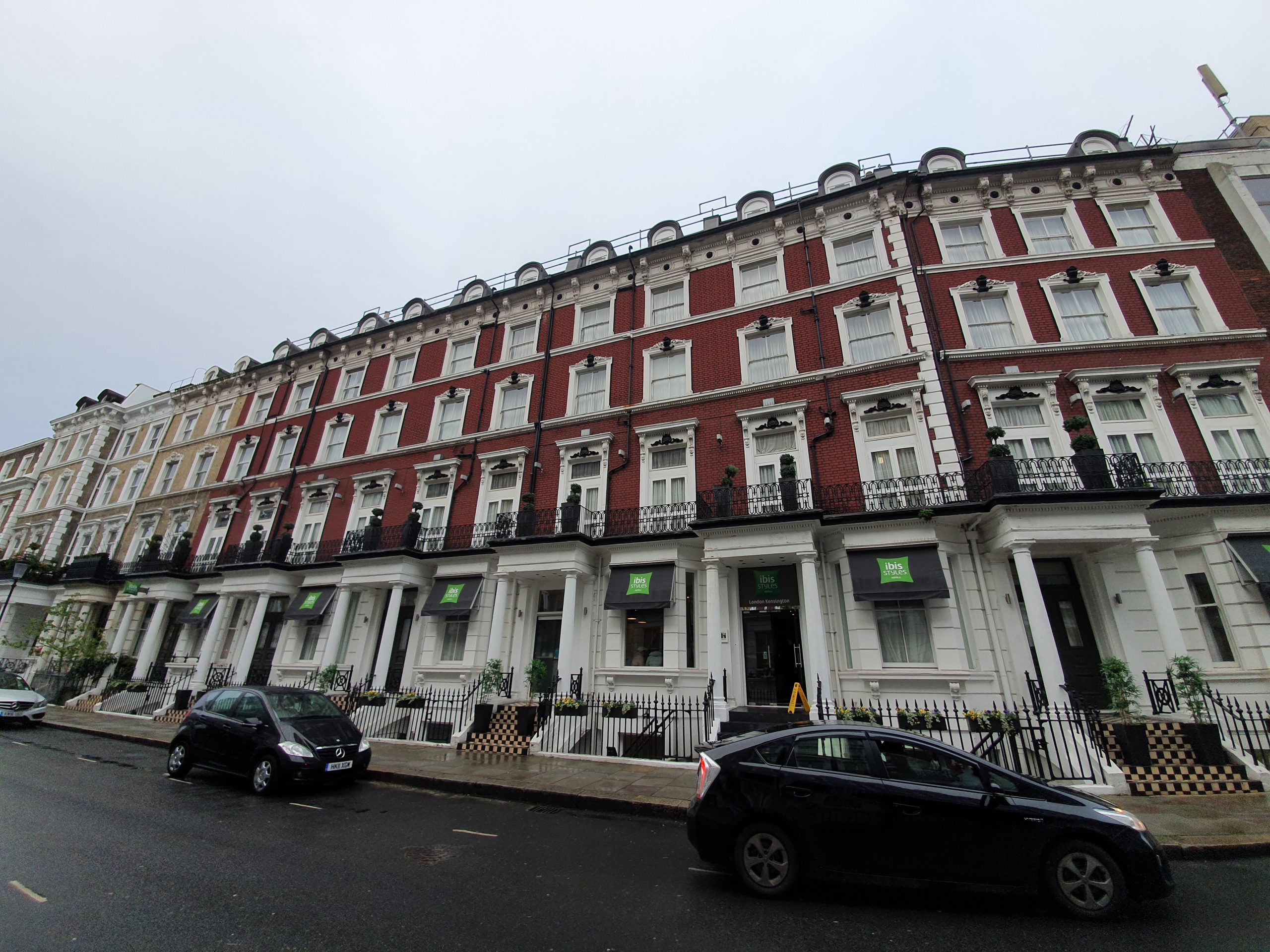
    London – Kensington and Chelsea (Borough of) – Ibis Styles Kensington (Seventh Visit)

    There has long not been much point my writing up my repeated visits to this hotel for anyone else, the duplication is rather high to say the least. But, since I’m writing this to remind me where I’ve been, I shall happily indulge myself.

    For the first time I’ve been given a room that I’ve had before, which was an upgrade to a larger double room. Spotlessly clean and with a window that opens to ensure ventilation. I like that. Incidentally, the hotel had a heap of heaters near to reception, so I’m probably the only guest that decided the room could be just that bit cooler. The only fault with the room was the one that was there weeks ago, the light on the table doesn’t work. But, I battled on without such luxury and decadence.

    The free welcome drink, my standard choice…..

    The breakfast hasn’t changed much over the last few months, it’s probably not going to satisfy some, but it’s perfectly sufficient as a little snack and I like their coffee. It’s hard for me to find fault, especially taking into account that this room cost under £25 per night, even before reward points are taken into account.

    So, not much else to add to my previous visits, but this is an excellent value for money option and just a short walk away from Earl’s Court railway station.

  • London – Kensington and Chelsea (Borough of) – Holland Park (Walking Man)

    London – Kensington and Chelsea (Borough of) – Holland Park (Walking Man)

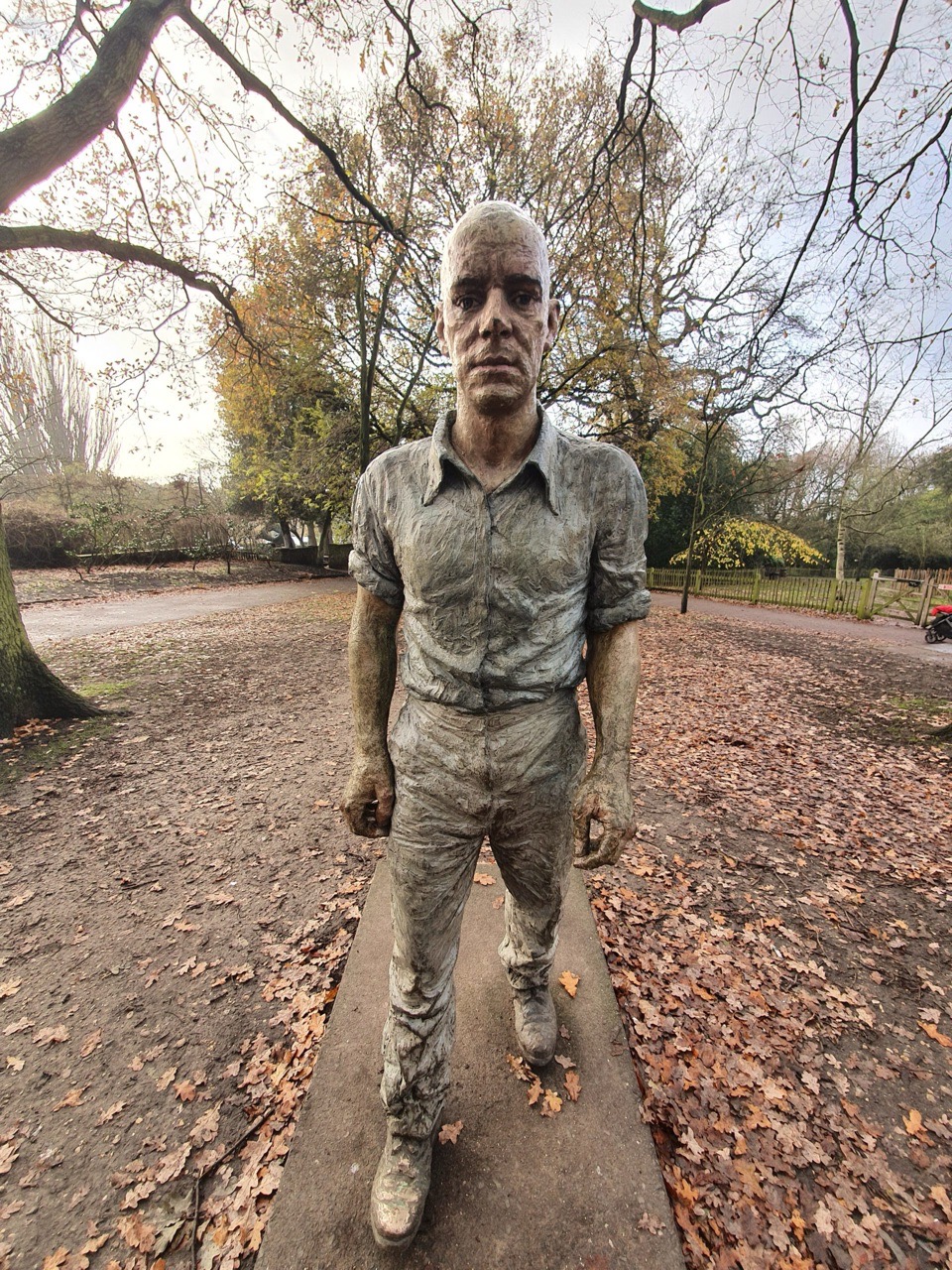
    This must be quite a scary thing to stumble across in the dark, although, I suspect Holland Park isn’t open at night which does avoid that dilemma….. It’s an artwork by Sean Henry and a text about the artist’s sculptures in this series (and he’s created numerous different versions within the theme) notes:

    “His figurative sculptures are self–contained, often pensive, and preoccupied by their inner imaginings and on occasion verge on melancholic representations of our human existence.”

    There was meant to be an exhibition by Henry on this month in London, although the current crisis means it has been cancelled or postponed. There’s an interesting on-line version though at https://experience.osbornesamuel.com/waiting-for-the-sun/virtual-tour/.

    With regards to the above artwork in Holland Park, Henry notes:

    “The Royal Borough of Kensington & Chelsea have joined forces with the Friends of Holland Park this month to purchase Sean Henry’s final cast of ‘Walking Man’ 1998 for permanent installation in the beautiful grounds of Holland Park, West London. A privately owned version of the sculpture had been on loan to the Royal Borough from 2000 until recently, and the new sculpture will stand in the same location, close to the famous Kyoto Gardens.”

    I’m not sure I entirely understand it, but I like the concept and where the artist can go with it. A nice choice by the council.

  • London – Kensington and Chelsea (Borough of) – Holland Park Mews

    London – Kensington and Chelsea (Borough of) – Holland Park Mews

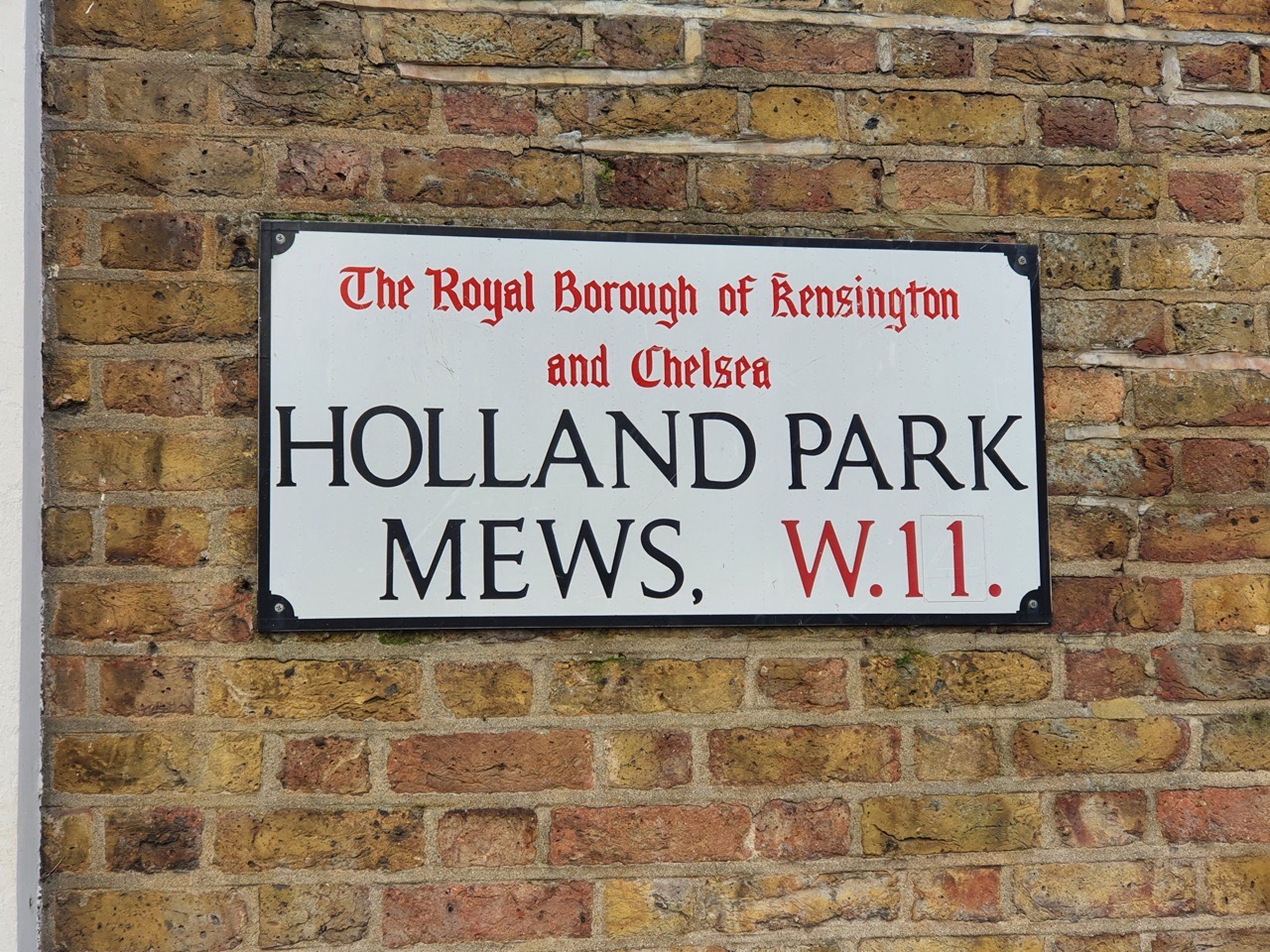
    This rather lovely looking street is located next to Holland Park itself and seems to be a quiet environment. It has 67 different properties on it and it was constructed between 1860 and 1879 as stables for the properties on either side.

    Here’s how it looked in the late nineteenth century, with the stables being on the ground floor (obviously, it would be fiddly if they weren’t) and servants from the villas would live above. These have since been converted to residential properties, now with garages below. The conversions have taken place in a rather piecemeal way, as the listed building record suggests:

    “Some houses unsuitably altered with ground floor remodelled or stairs removed and some without balustrades.”

    I had a look at some of the property prices of the houses down here, they’re now priced at around £2 million to £4 million each. That’s some change from when they were once stables….

  • London – Kensington and Chelsea (Borough of) – National Army Museum (Hellfire Corner Sign)

    London – Kensington and Chelsea (Borough of) – National Army Museum (Hellfire Corner Sign)

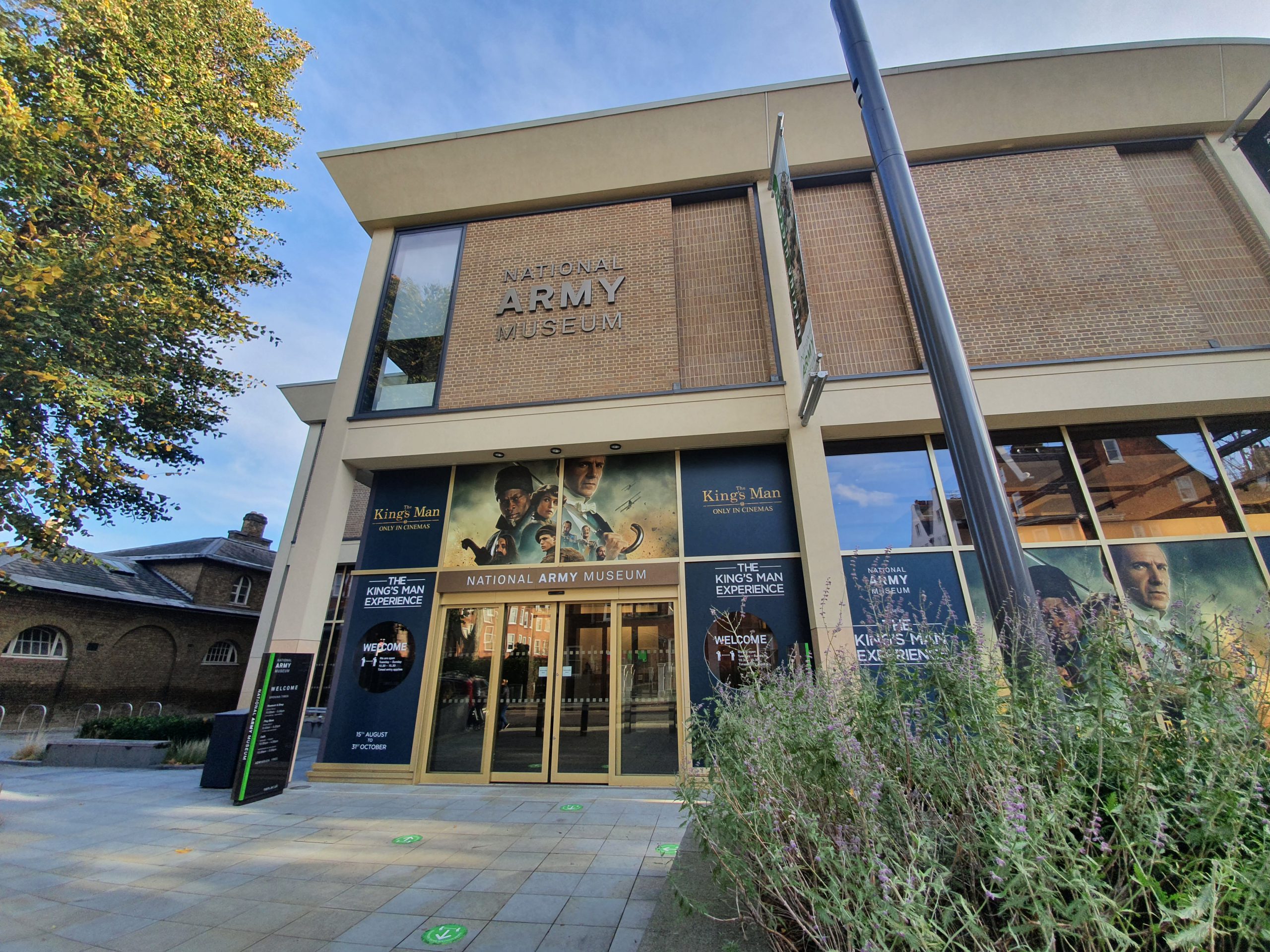
    The National Army Museum is very proud of having this item in its collections, it’s an original wooden sign that was in a dangerous location at a junction on the Menin Road leading from Menin to Ypres. Many soldiers would have gone by the sign during the First World War, but the area was under near constant attack by German soldiers whose nearby defences meant that they had good visibility and it became a very dangerous stretch of road.

    There’s a stone marker at the site now, an otherwise innocuous roundabout on the outskirts of Ypres. The marker is one of a series which show the furthest point that the German troops were able to reach.

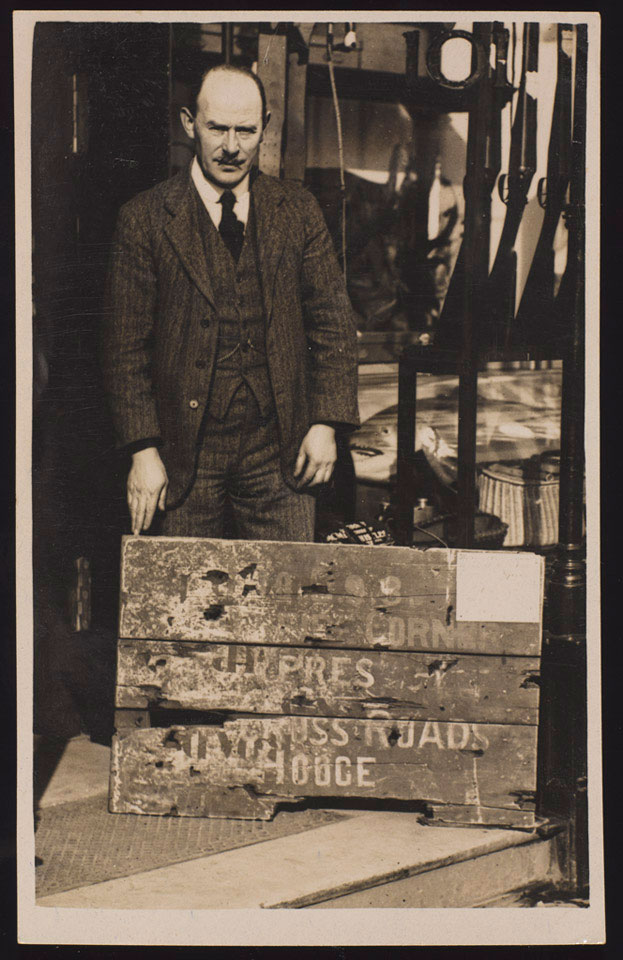
    The sign was brought back from Belgium by William Storie (above) and he used it as a promotional device to encourage sales at his shop in Edinburgh. The above photo was taken in March 1920, with the sign being seemingly nearly undamaged since then, although it seems to have spent much of its life in a storeroom before being donated to the National Army Museum in 1996.

    There’s an interesting video above which shows Hellfire Corner (i) during the First World War, (ii) before the roundabout was constructed and (iii) how it looks now. It’s possible to see an earlier Hellfire Corner sign in the video, but the National Army Museum believes the one on display is the final one from that location.

  • London – Kensington and Chelsea (Borough of) – National Army Museum (Letter to Wife of Man Killed)

    London – Kensington and Chelsea (Borough of) – National Army Museum (Letter to Wife of Man Killed)

    This letter (clicking on the image brings up a larger version) is in the collections of the National Army Museum and was written on 23 November 1915 by Corporal Kempstell to the wife of the killed soldier Harry J Baldwin. This must have been a traumatic letter to write, and of course to receive, although it’s been very thoughtfully done and doesn’t seem to have been taken too much from a template.

    The museum notes that the place of death is never given, although there’s an address at the top of the letter which is the 2nd King’s Royal Rifles in France. I can find details of only one Harry Baldwin dying in 1915 and that person died on 22 November 1915, so I assume it must be the same one unless there’s something of a coincidence. Given that, the letter is nonsense, as Harry died in Basra fighting the Ottomans, so he wouldn’t likely have been killed by a German shell. Harry was buried near Basra, at a war cemetery which was moved to a new location in 1997.

    If it is the case that it’s the same Harry who died in Basra, I’m not entirely sure that the wife would have believed the rest of the letter when the truth came out.

  • London – Kensington and Chelsea (Borough of) – National Army Museum (Bombardier Beer Pump)

    London – Kensington and Chelsea (Borough of) – National Army Museum (Bombardier Beer Pump)

    This is an exhibit from the rather wonderful National Army Museum and, as another of my irrelevant asides, it’s a word that I always have to think to pronounce. In this case, the beer from Wells Brewery is pronounced as the English military word, whereas if talking about the French Canadian multi-national Bombardier train and aviation company, it’s the different French pronunciation.

    As for beer, and this pump was donated to the museum in 2015, it was marketed for a time as the “beer of England”, although that was somewhat aspirational branding. There was some controversy a couple of years ago when the pump clip moved away from the traditional one in the photo, with the St George’s Flag in the background, towards a more generic style. The brewers perhaps felt that the claim of being the ‘beer of England’ was not really based in reality, so they’re kept the new generic branding and changed their claim to it being a “British beer”. This, to be fair, is now accurate.

  • London – Kensington and Chelsea (Borough of) – National Army Museum (Earl Haig Fund Poppy Badge)

    London – Kensington and Chelsea (Borough of) – National Army Museum (Earl Haig Fund Poppy Badge)

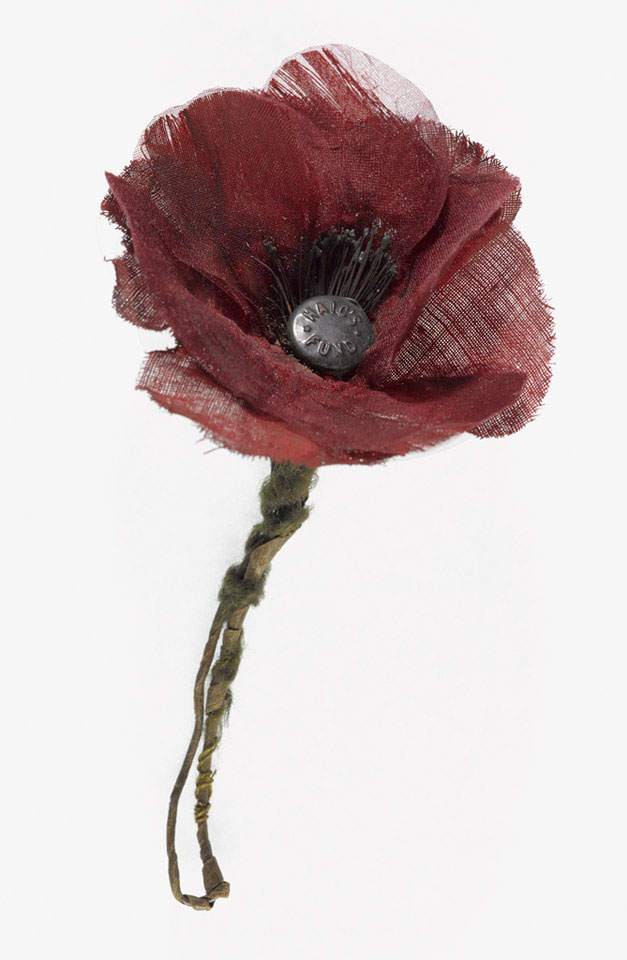
    This is my photo of the Earl Haig fund poppy which is on display at the National Army Museum.

    This image (courtesy of NAM) is much clearer though. The poppy was made at a factory in Edinburgh and the operations there were set up Earl Haig’s wife, as few of the poppies produced in London were getting to Scotland. The factory was opened in March 1926 and initially employed just two people, but this increased to over 100 within just a few years.
    The poppy in the collections of the National Army Museum dates to around 1930, at a time when poppies were made out of different materials which were charged at different prices. It wasn’t until 1954 that only the paper poppy was produced, with no fixed price but offered instead by donation.

    And one thing I never knew until today, the Scottish poppy has four petals, whereas those produced in the Richmond factory in London have two petals. Which goes to show how unobservant I am…..

  • London – Kensington and Chelsea (Borough of) – National Army Museum (Fragments of Arm Bone)

    London – Kensington and Chelsea (Borough of) – National Army Museum (Fragments of Arm Bone)

    This is another cheery little number from the collections of the National Army Museum, it’s fragments of bone taken from the damaged arm of Lieutenant Charles Fletcher, from the 48th Bengal Native Infantry. The incident took place during the Indian Rebellion when the compound at the Residency in Lucknow came under attack in 1857. A musket ball hit Fletcher, which isn’t ideal, causing this damage to his arm. The Residency building is still there in ruins, a reminder of the last days of the East India Company, before the 1858 Government of India Act transferred power to the British Raj. It’s an interesting souvenir to keep, I’m not sure that it’s something I would have kept in a little box though to remind me of the event….

  • London – Kensington and Chelsea (Borough of) – National Army Museum (Ration Biscuit)

    London – Kensington and Chelsea (Borough of) – National Army Museum (Ration Biscuit)

    I’ve seen ration biscuits that have been sent home in many museums, they weren’t particularly popular with troops and they did make for useful souvenirs. Bread couldn’t be distributed because it went mouldy, so members of the armed forces received these dried things usually made from flour, water and salt, which then had to be mixed with a liquid to become vaguely edible.

    The National Army Museum has this item on display, sent back home by Trumpeter S Foster from the 12th (Prince of Wales’s Royal) Lancers. It can’t be seen from how the museum has presented it, but on the rear is the receiver’s address and two postage stamps, so it really did go through the postal system. I imagine that amused the postal authorities and it is remarkably undamaged given its journey from South Africa.