Category: Poland

  • Kielce – Their Smog Problem

    Kielce – Their Smog Problem

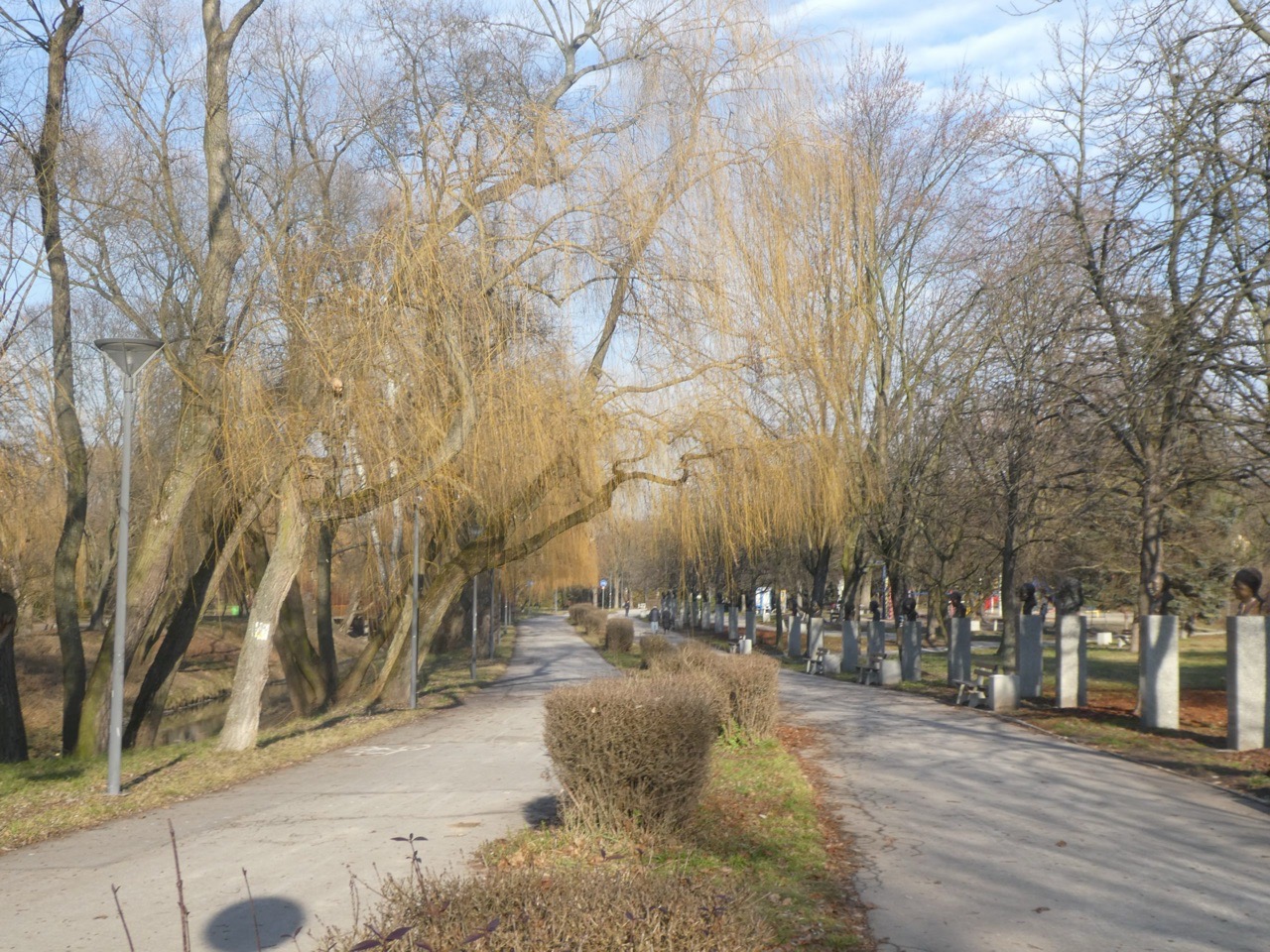
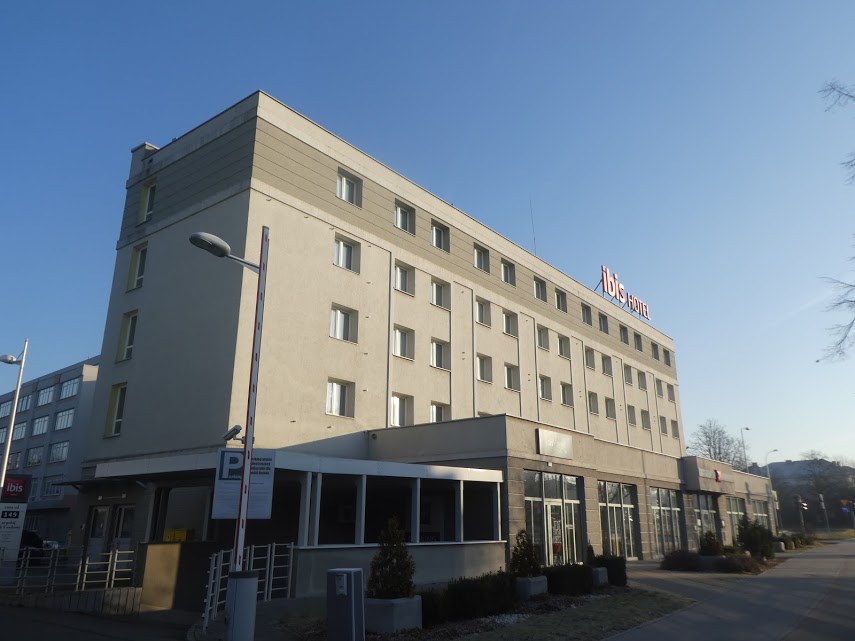
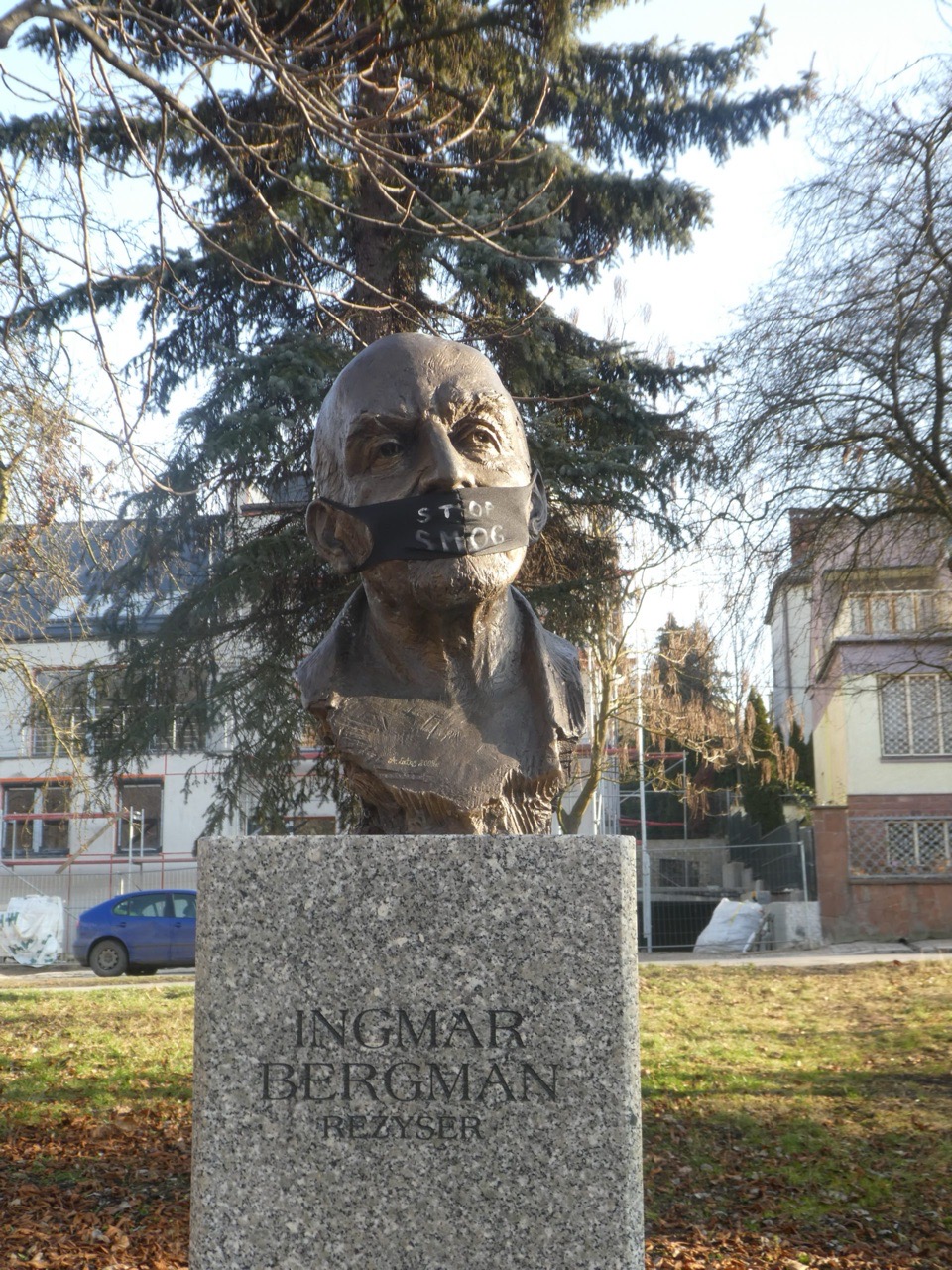
    I noticed in one of the city’s parks that some of the statues there have smog masks on them, which slightly bemused me at the time, although I thought no more of it. Anyway, yesterday evening I initially thought that the hotel’s air conditioning was somehow circulating cigarette smoke, which was slightly surprising as it’s a non-smoking hotel and it’s a relatively new build hotel.

    So, to deal with what seemed like smoke pollution, I opened the window, but it was apparent that it was getting no better. Indeed, this transpired to be a bloody stupid thing for me to do, as the problem wasn’t the hotel, it’s the air in Kielce. The smog here is at levels which should be unacceptable in any city, and although there are plans by the EU to cut down on the problem, it’s certainly not yet resolved.

    Looking at the levels for the last two days that I was here, they were low, so I never really noticed the problem. But, now the levels are high today, it’s definitely noticeable. It can’t be doing the health of the city’s residents any good at all, nor can it be doing anything to promote tourism to the region. I did feel slightly short of breath yesterday, which entirely confused me as that’s not something that I usually ever have a problem with. I’m leaving this wonderful city today, but I’ll be glad to be away from the air pollution.

  • Kielce – The National Museum in Kielce

    Kielce – The National Museum in Kielce

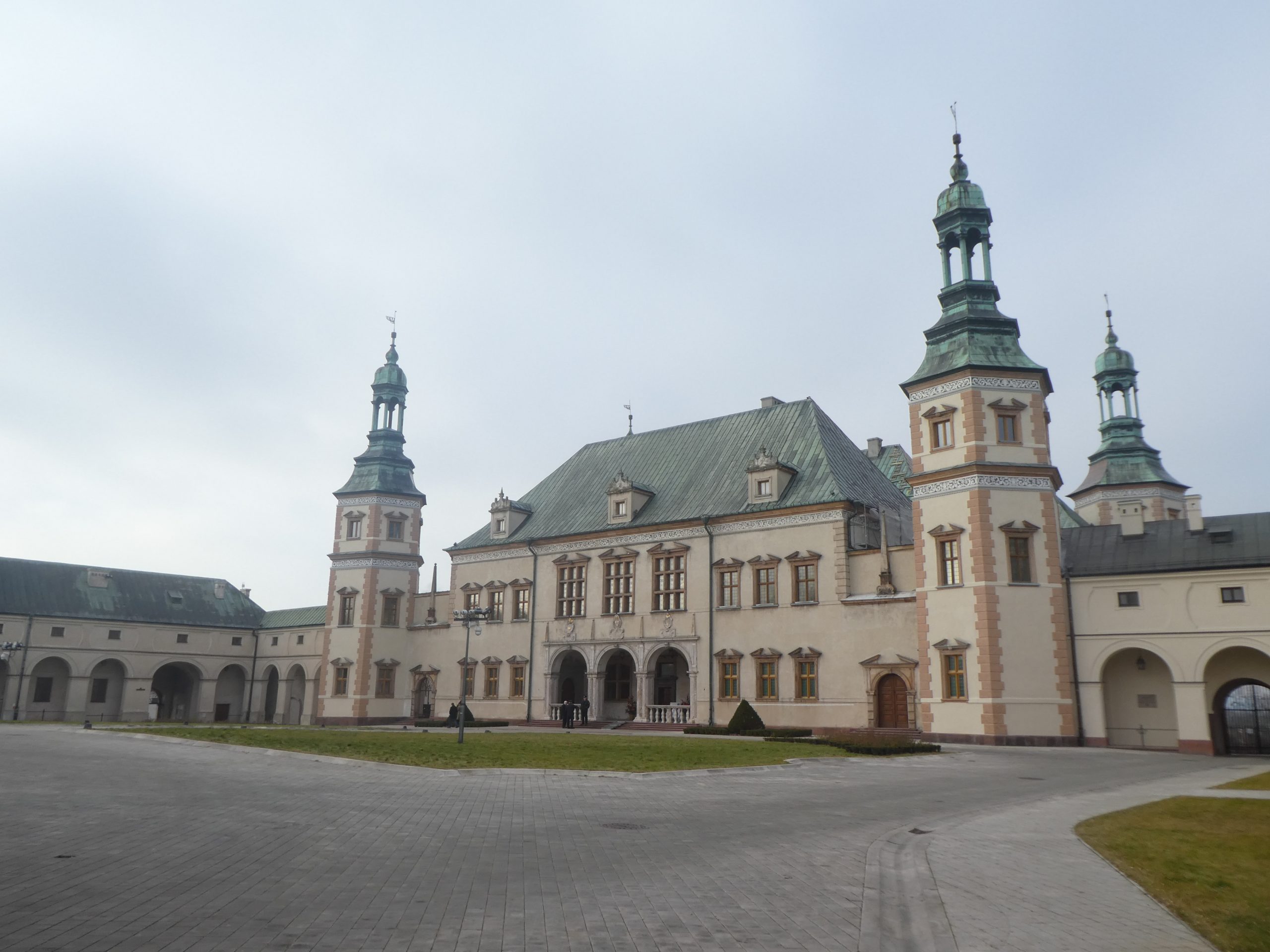
    This is the National Museum’s outpost in Kielce, located in the former Palace of the Krakow Bishops. As can be seen from the front of the building, not much expense was spared for the comfort of the bishops. Very humble…. Today, the building is used as a museum, although some of it is currently closed due to renovation work.

    The welcome at the counter was friendly, with the museum staff giving me a rather nice little book in English giving the history of the building. It’s one of the most professional books that I’ve seen given to visitors, equivalent to the books that museums usually charge several pounds for in the UK. I knew that entry to the museum was free on Saturdays, but I pretended to be excited when the staff member told me, not least because it was a relief I had got the correct day for free admission.

    The museum has a little problem at the moment with trying to get visitors around the building when part of it is shut. This is a particularly big problem for the staff when they have an English visitor who can only follow very basic instructions in Polish, and even then, likely wrongly. So, I was escorted through sections of the building at some speed, but it was always done kindly. I did get lost at one point, but so did a Polish visitor, so we teamed up to work out where to go. All was well, such is the benefit of an international collaboration.

    The first part of a visit to the museum is to see the former private rooms of the Bishops of Krakow, which were used between the building’s construction in 1642 until the State Treasury decided they wanted it in 1789. Above is the First Bishop’s Room, which was formerly the second antechamber, later used for private meals although it was for a long time a bedroom. Handily, there were cards in English in each room which gave a history of what it was once used for, as well as an explanation of the exhibits.

    Originally a lobby, this is the small room that Bishop Kajetan Soltyk used as a bedroom.

    The grand Upper Hall, where celebrations would have taken place.

    This well is from the eighteenth century and goes down a long way. I like the little alcove which is visible in the floor below, with this well being located within the centre of the former Palace.

    The next part of the visit is to the collection of the Polish paintings, which takes up fifteen or so rooms. There is also an international collection, but this is part of the museum which is closed, with many of the artworks temporarily being located at Szczecin. I’ve posted about the Amalfi Cathedral painting and the Concentrating Area XVII elsewhere, with the Polish collections being interesting, although I hadn’t heard of many of the artists.

    It’s a grand building and it’s positive that it is in use as a museum, as it has been used for all manner of things since it was taken in 1789. It’s been used by the local government, as a technical academy, a mining school, by the Poles in military campaigns and by the Germans in military campaigns. There has been some restoration work to show the painted ceilings and interiors as they might have been, although much of the original features have remained.

    All told, this is a nicely managed museum, especially given the technical problems they must be facing at the moment shunting visitors around the building. There’s also apparently an impressive garden which can be visited in the summer, which I can imagine isn’t as exciting in January……

  • PKP Intercity : Warsaw to Kielce

    PKP Intercity : Warsaw to Kielce

    Although I’ve been pleased with how good the services from Flixbus have been recently in Poland, I’m also conscious that I do prefer rail travel. The fare to get from Warsaw to Kielce was around £6 with both Flixbus and PKP Intercity, so on this occasion, I went for the rail option.

    The ticket purchasing process is all very easy with PKP and it can be done on-line and the ticket is sent as a PDF file which can be saved to the phone. Although international tickets and berth tickets need to be printed, there’s no such need for intercity services within Poland. I completed the purchase on PKP’s Polish site, but they do have an English version.

    Everything was very clear, this is platform 3 at Warszawa Centralna, with the yellow printed timetables visible, as well as on displays in numerous places. Like nearly everything else in Poland, the platform and railway station were clean and tidy.

    This tells passengers where to wait on the platform depending on which carriage their reservation is at, with mine being the 14:25 service to Krakow.

    The European way of presenting track information isn’t always obvious at first, this is platform 3, track 2.

    And the sector of the platform I have to wait at. So, platform 3, track 2, sector 3.

    Here comes the train, dead on time. I used my phone to take this and so it’s a bit blurry, but the signage along the train makes things nice and clear for passengers who want to check that this is the correct service. I appreciate this, I hate confusion when using public transport, especially when it’s avoidable. Also, trains across much of mainland Europe, and indeed the United States, have a number on, which makes it much easier to see which service is which. The UK don’t have this and perhaps they should….

    It’s not the most luxurious, but second class is sufficiently comfortable. There is wi-fi and power at every seat, both of which worked fine. The passenger next to me had an argument with the conductor for about three minutes, which seemed very exciting. It was more of a complaint than an argument and I was disappointed that I couldn’t follow exactly what was going on and what was being said. It was something to do with the out of order toilet, but I’m not sure exactly what, nor why the discussion went on for so long. But, little dramas like this are exciting.

    Disembarking at Kielce, the train arrived on time. I was surprised that the bulk of passengers got off here, I thought most would be going from Warsaw to Krakow.

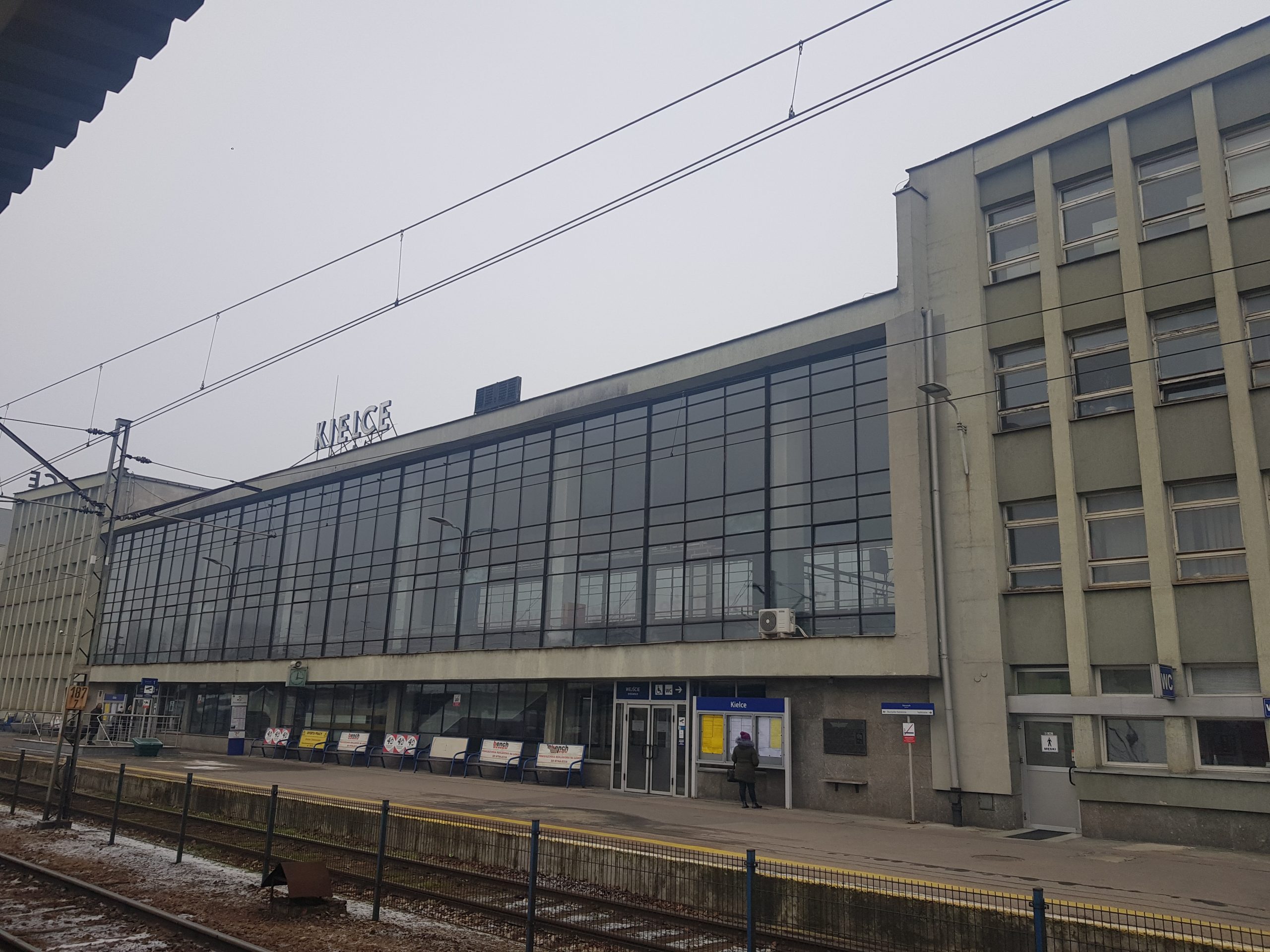
    And Kielce railway station. All was well with this journey, the staff were polite and the ticketing purchasing was easy to understand. There is a catering carriage on board, but a staff member also pushes a trolley through selling hot and cold drinks, as well as snacks.

  • Kielce – The National Museum in Kielce (The Concentrating Area XVII by Jan Berdyszak)

    Kielce – The National Museum in Kielce (The Concentrating Area XVII by Jan Berdyszak)

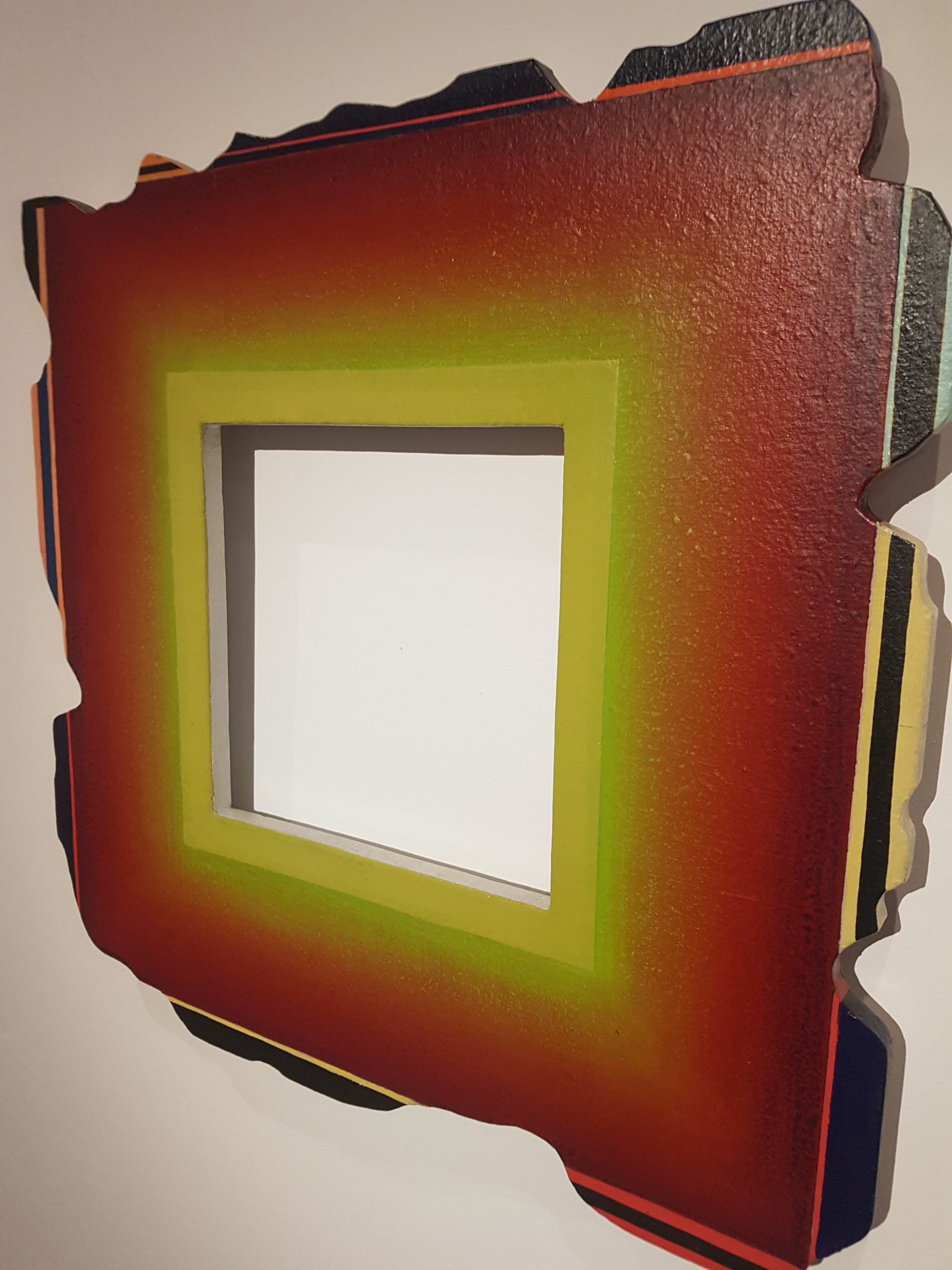
    The National Museum in Kielce doesn’t have a large collection of modern art from Polish artists, but it does have a couple of rooms. I took this photo from such an oblique angle as the lighting set-up meant that my shadow was otherwise cast firmly across the centre.

    Anyway, this artwork is by Jan Berdyszak (1934 to 2014) and I have absolutely no idea what it’s supposed to mean or represent. The middle bit is empty, so we’re left to look at the rest, which is acrylic and which was created in 1977. There’s a series of these, entitled The Concentrating Area, which are apparently designed to encourage meditation and thought. I have to confess to not meditating for very long.

  • Kielce – Cukiernia Sowa

    Kielce – Cukiernia Sowa

    Cukiernia Sowa have over 150 outlets in Poland, and I have been to their location in Gniezno which was very pleasant. They are becoming a little like the Polish Greggs, but I only realised a few weeks ago that this chain is now opening up outlets in the UK. They’ve only got a handful, but they seem well reviewed, so we’ll see how they perform against the mighty Greggs…..

    They sell ice creams, cakes, coffees and the like, but no sausage rolls or chicken bakes. And certainly no vegan sausage rolls yet, but their time will no doubt come.

    I ordered a doughnut and coffee, both of which were very lovely, with the coffee having a suitable richness of flavour and it wasn’t served at a ridiculously hot temperature. Their serving process is slightly inconvenient, as food is handed over at the counter and then the drinks have to be collected from what I consider to be a marginally obscure place. However, the staff guided me on what to do, so all was well.

    Obviously, it’s not quite as good as Greggs, but they have set the bar very high. The prices are good though, it was £2 for the coffee and doughnut, which is competitive for Poland. Everything was also clean and comfortable, with the food all looking rather appetising.

  • Kielce – Carrier Bags at Tesco

    Kielce – Carrier Bags at Tesco

    Of not much particular relevance, but it seems strange to see Tesco using plastic carrier bags in their Polish outlets. There is a charge now of 5p per bag, a new national law, but Tesco seem to be doing little to get rid of them here. Tesco corporate in Poland did have a page on their web-site explaining their policy, but it’s been removed, so goodness knows what their policy now is.

  • Kielce – The National Museum in Kielce (Amalfi Cathedral by Aleksander Gierymski)

    Kielce – The National Museum in Kielce (Amalfi Cathedral by Aleksander Gierymski)

    This was a pleasant reminder of my trip to Amalfi last year when I went into this cathedral, with this 1890s painting looking like the scene when I visited, so little has changed. Well, there were now people standing there taking selfies, but the buildings hadn’t changed. Gierymski was a Polish painter who lived from 1850 until 1901, born in Warsaw in 1850, but he spent most of the 1870s in Rome after studying at the Academy of Fine Arts in Munich. He lived between Warsaw and Italy for the rest of his life, spending his final years in various parts of Italy.

    Another one of this artist’s paintings, the Jewess with Oranges, was featured in the international press when the National Museum (in Warsaw, the museum in Kielce is one of its outposts) purchased it. It was more of a repurchase, as it had been stolen by the Nazis during the Second World War and only came to light again in 2010. The National Museum will never get back everything that was stolen from it, but bit by bit, they get artworks back from time to time.

  • Kielce – Kielce Cathedral

    Kielce – Kielce Cathedral

    The first excitement about this cathedral (of which the full name is Cathedral Basilica of the Assumption of the Blessed Virgin Mary) was getting into it. The entry door was obvious, but on entering there were a group of people and no entirely obvious inner door as there were numerous options to choose from. Fortunately, logically the door towards the side aisle seemed to be where I would put an entrance door and I picked correctly, thereby not entering some private priestly room.

    The first church on this site was built in the early twelfth century, but then destroyed by the Tatars. It was heavily reconstructed in 1719, which included the demolition of two medieval towers, with the result of those changes broadly reflecting what remains here today. It became a cathedral in 1805, was relegated back down in 1818 and then re-designated as a cathedral in 1883.

    The interior of this cathedral is glorious, full of colour, vibrancy and yet still calm.

    The colourful and beautiful roof.

    The side aisle.

    The cathedral’s nativity scene.

    One of the stained glass windows.

    It’s not that common to see triptychs in cathedrals and churches any more, they’re usually now in museums and galleries. However, it’s a decorative addition which fits well.

    I didn’t take any more photos as there were many people praying quietly, and it would likely be irritating for them if I walked around them or near to them. I like that so many people are using the cathedral for its purpose of religion though, there’s nothing touristy about this building. Very lovely, although the lack of tourism also meant that there was a lack of obvious information about the cathedral’s history.

  • Kielce – Jaroslaw Haszek

    Kielce – Jaroslaw Haszek

    I’m not entirely sure what this representation of Szwejk, or the good soldier, by Jaroslaw Haszek is doing in Kielce. I can’t find any links between the author and the city, but his works are popular across Poland and it’s a fun little depiction of him. Józef Szwejk was created as an Austro-Hungarian members of the armed forces, but he was clever and was able to mock some of the ridiculous features of the country’s elite.

  • Kielce – Random Photos

    Kielce – Random Photos

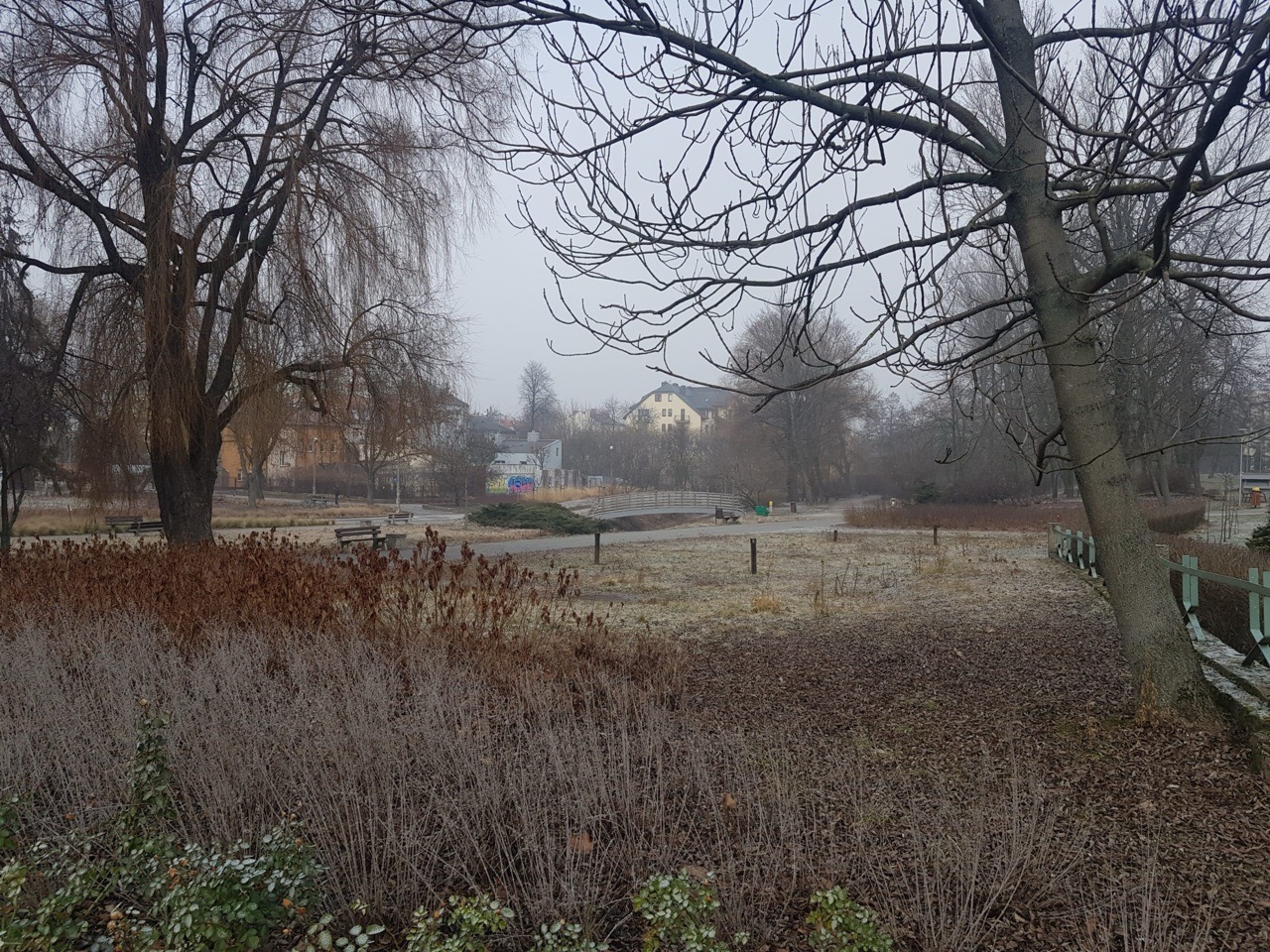
    Some random photos of Kielce from today….