Category: Poland

  • Warsaw – Wayside Shrine

    Warsaw – Wayside Shrine

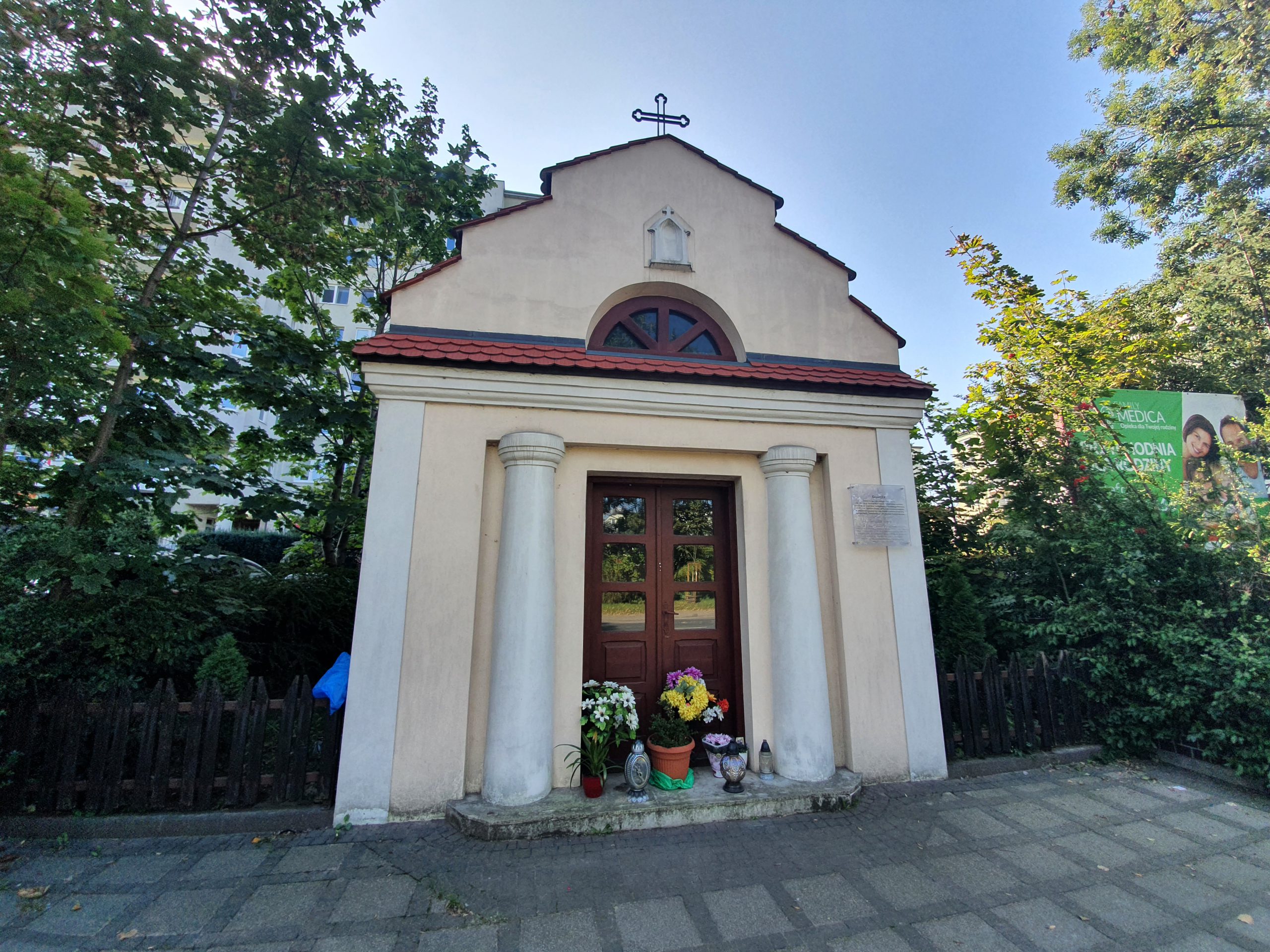
    This rather lovely wayside shrine, or Kapliczka, is located on Dzieci Warszawy in the Ursus region of Warsaw. It has been here since the early nineteenth century and inside there was a painting of Our Lady of Częstochowa and a painting of St. Stanislaus. The shrine became derelict in the twentieth century, but was restored in the 1990s and modern copies of the paintings were placed back inside the shrine.

  • Warsaw – Sadist JW

    Warsaw – Sadist JW

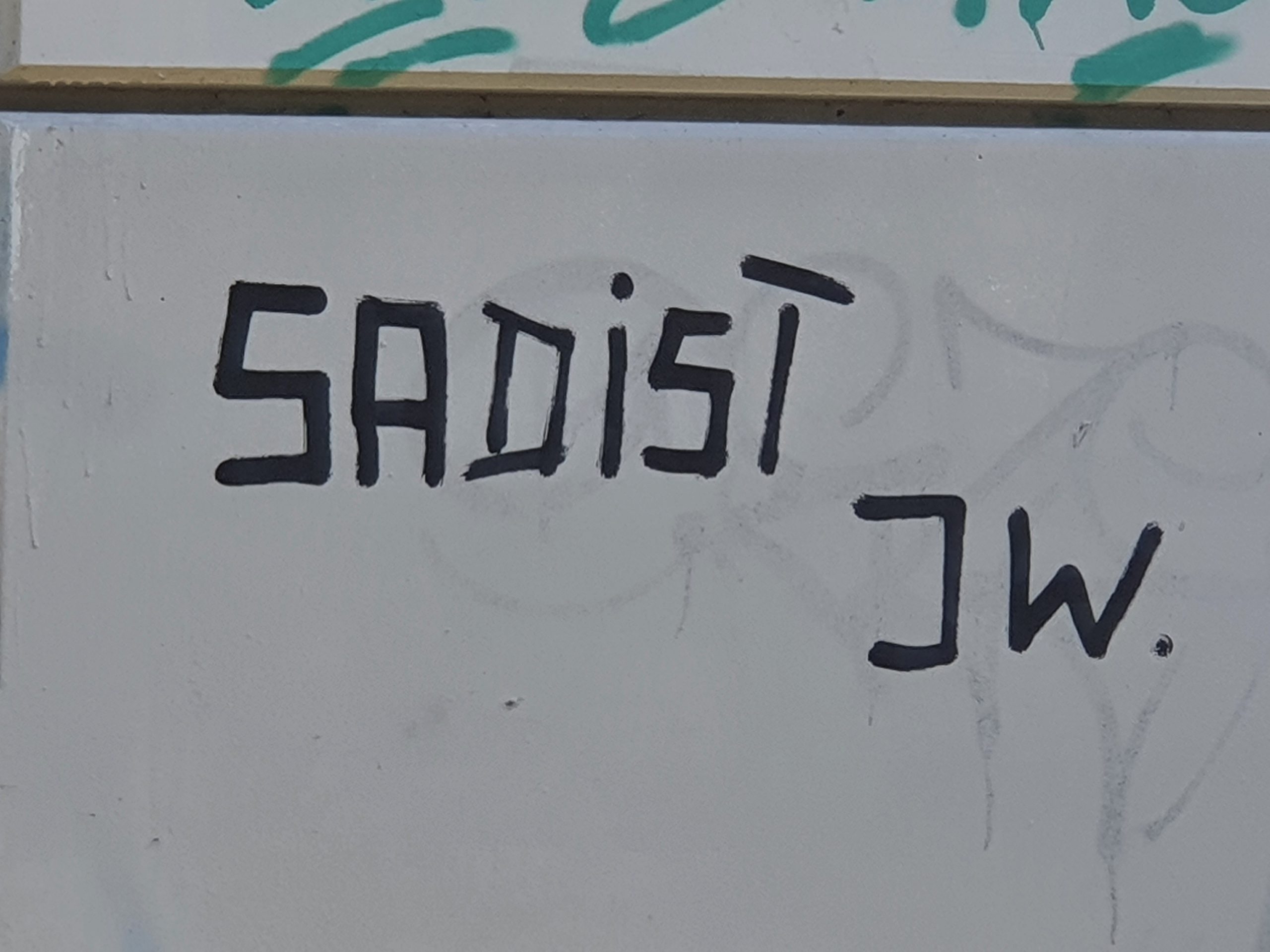
    I have no idea what this graffiti means, but I noticed it given my own initials…. Perhaps there’s a deeper meaning.

  • Warsaw – Ursus Parish Cemetery

    Warsaw – Ursus Parish Cemetery

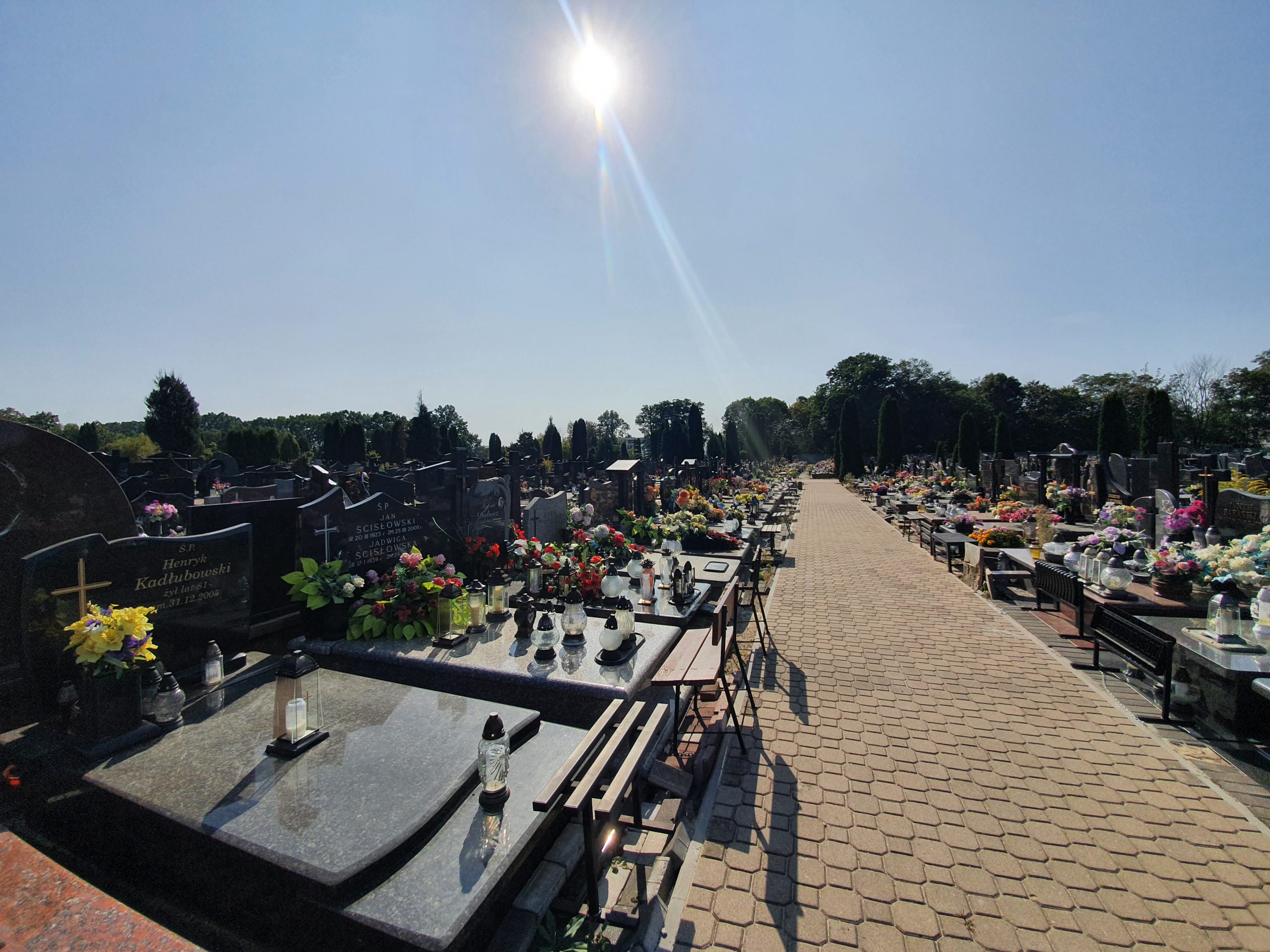
    I don’t have much to add about this cemetery in Warsaw other than to note the remarkable number of flowers on the graves (compared to British ones at least) and how spotlessly clean it was. It was quite a busy cemetery with quite a community feel it and I got the impression that tending graves was bringing people together.

  • Warsaw – Fort V Włochy

    Warsaw – Fort V Włochy

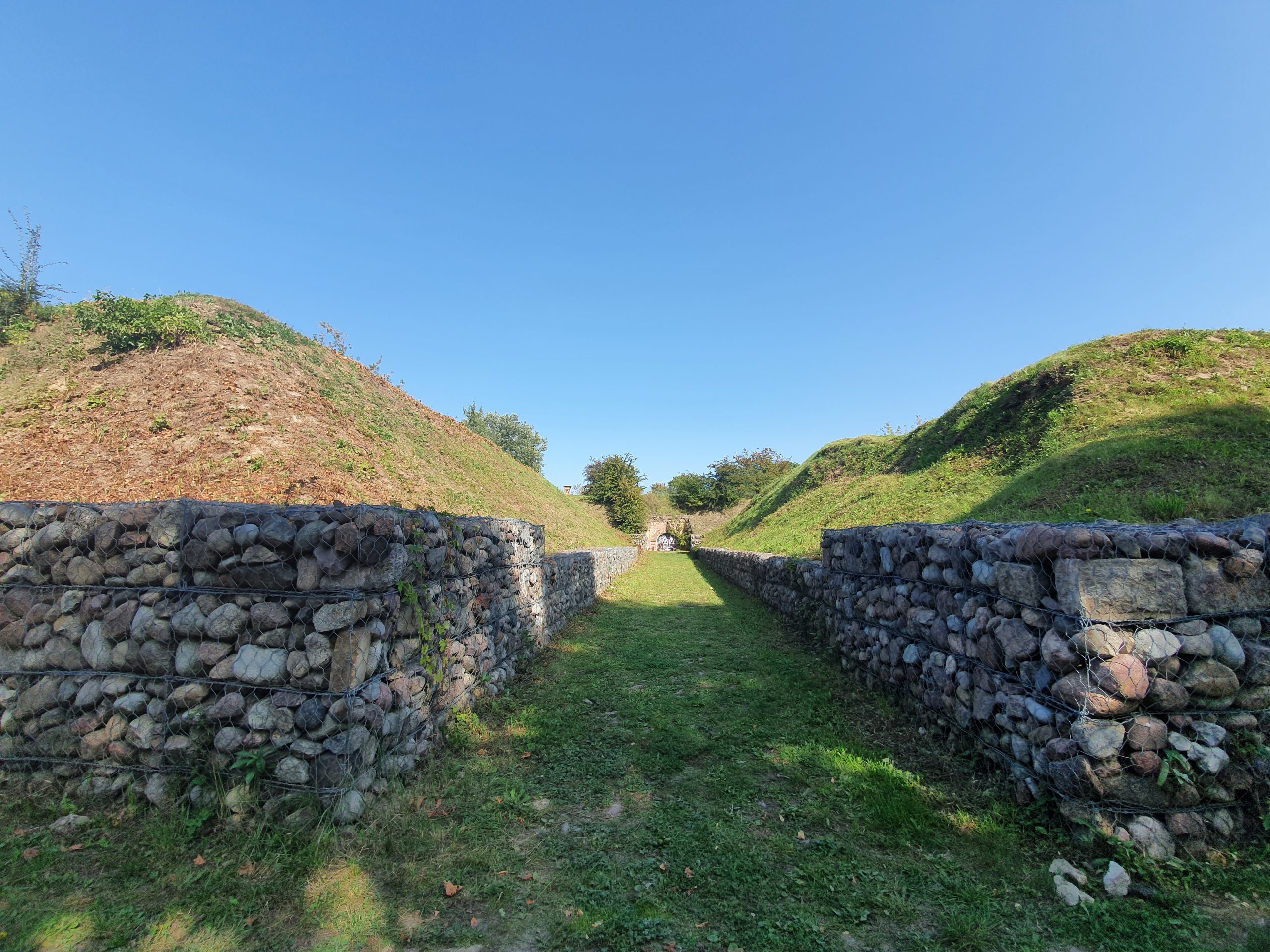
    Fort V, also known as Włochy, is part of the outer ring of the Warsaw Fortress which was constructed by the Russians in 1880s. The fortresses, of which there were ultimately 29, weren’t particularly effective in the defence of the city and they had to be upgraded soon after completion due to them already becoming out-of-date against modern weaponry. Then the ridiculous situation occurred in 1909 when the Russians, to save money, started to withdraw from the forts and they destroyed some parts of them. Then, in 1913, it was decided that they’d better start rebuilding them due to the threat of war. They were bloody useless anyway, the city surrendered to the Germans in 1915 without a fight.

    One advantage in the Russians leaving Warsaw after the First World War was that a decision was made to allow development outside the ring of forts. The Russians had banned this and it had held the city back from growing. After the First World War, the Poles didn’t really do much with the forts, although they were used when fighting the Germans during the Second World War.

    Today, the area of Fort V is a peaceful area with lots of paths and no shortage of lumps and bumps around the place. They could do with some interpretation boards though to try and explain what exactly used to be here, it’s quite a complex site.

    Anyway, some photos of the fort…..

  • Warsaw – Paperwork to Enter Poland

    Warsaw – Paperwork to Enter Poland

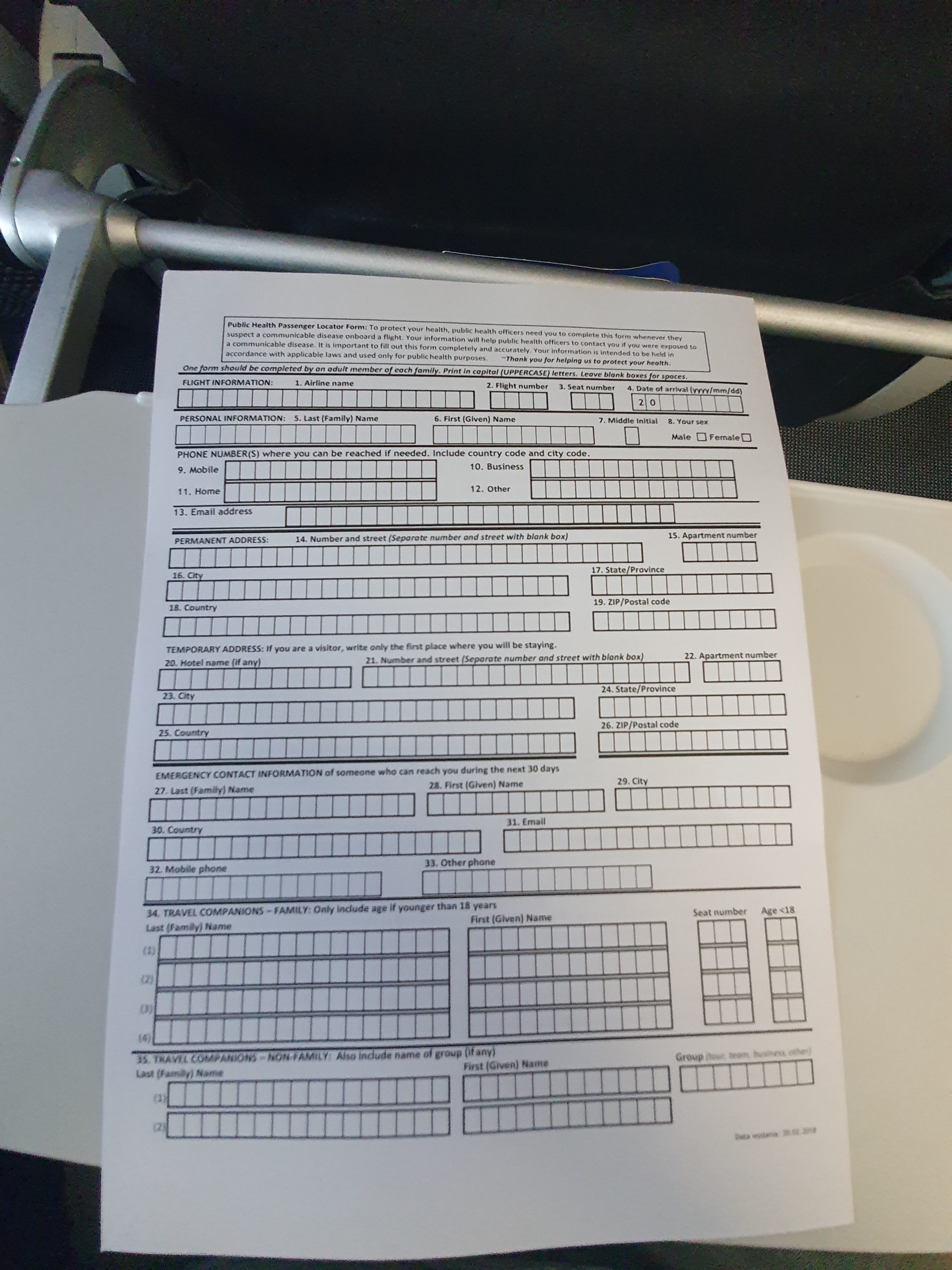
    This is the new two-page form that everyone entering Poland needs to complete. It’s provided by the airline, although it was only handed out after landing and customers couldn’t leave the aircraft until they’d completed it. This is a slightly odd arrangement as it means customers without pens had to borrow them from others, which negates the non-sharing rule, although fortunately I always have a pen in case I need to fill out a voucher for discounted fast food. One customer didn’t seem keen to fill it in and tried to walk off without handing it over, but the Polish authorities stopped him and walked him back somewhere. It’s quite a detailed form, but at least it means that in the case of emergency the authorities can easily get in touch with those who had been on board.

  • Warsaw – Warsaw Chopin Airport

    Warsaw – Warsaw Chopin Airport

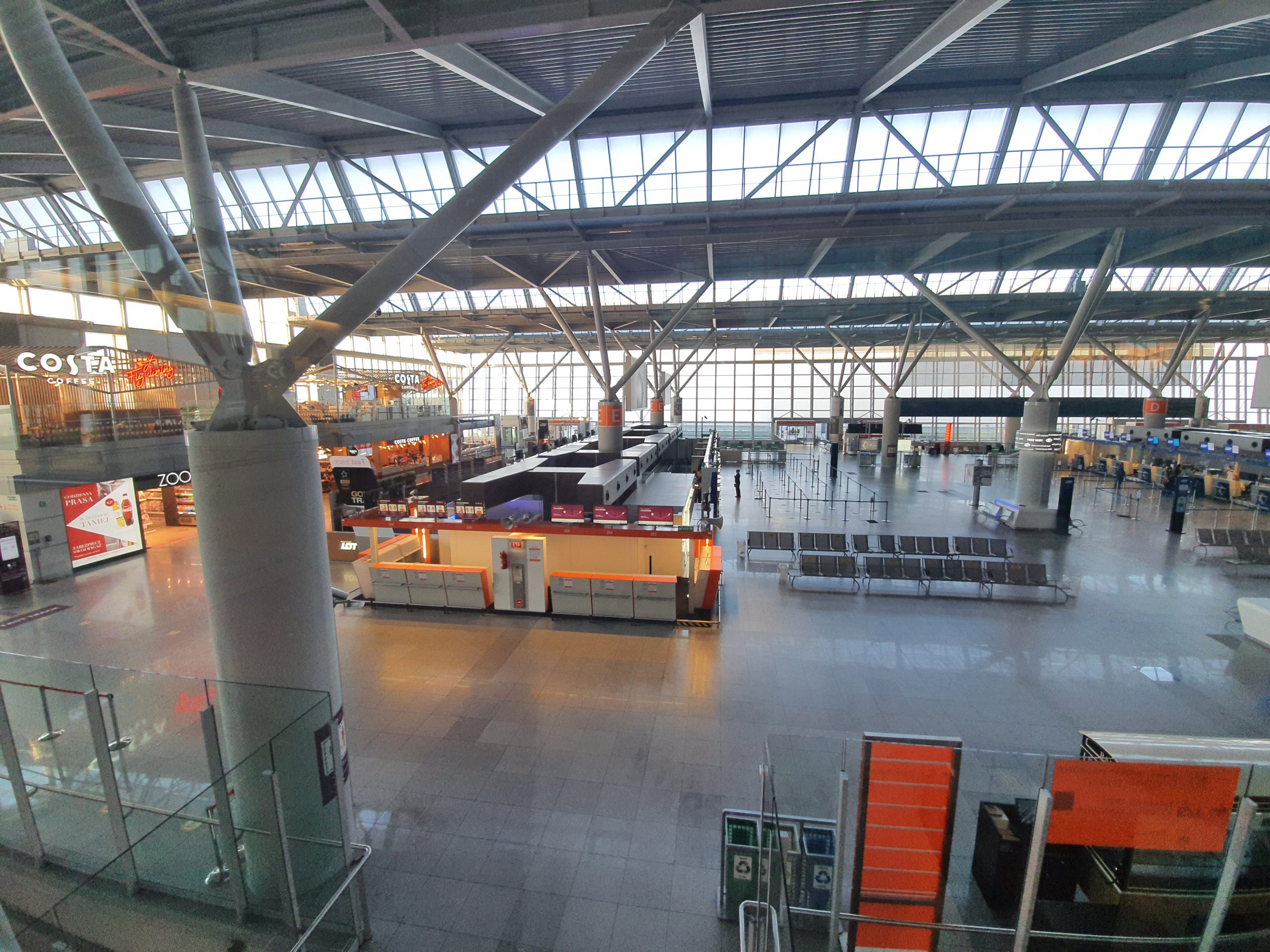
    Having arrived in to Warsaw with British Airways, this was the quietest that I’ve seen Warsaw Chopin airport. The immigration check was via a self-service kiosk, so I didn’t have to interact with anyone during that process.

    This moderately concerned me for a while, the signs for the railway into the city centre have been taped over. It’s also fair to say that there were nearly no passengers in the terminal, it all felt a little desolate.

    There’s a McDonald’s at the end of this corridor, that only had a handful of customers. It took me a while to establish what the airport had done, which wasn’t to close the train connection with the city, but simply to shut some of the connecting passages. Unusually for this very precise airport, the signage wasn’t entirely clear, but I was pleased to discover (after following some other people) that they had simply directed passengers to the trains via a different route.

    I do wonder how long airports will be like this for, they seem very sterile places at the moment, although at least that means they’re clean. The airport staff were also checking the temperatures of everyone entering the terminal, which didn’t happen at London Heathrow.

  • British Airways (Heathrow T5 to Warsaw)

    British Airways (Heathrow T5 to Warsaw)

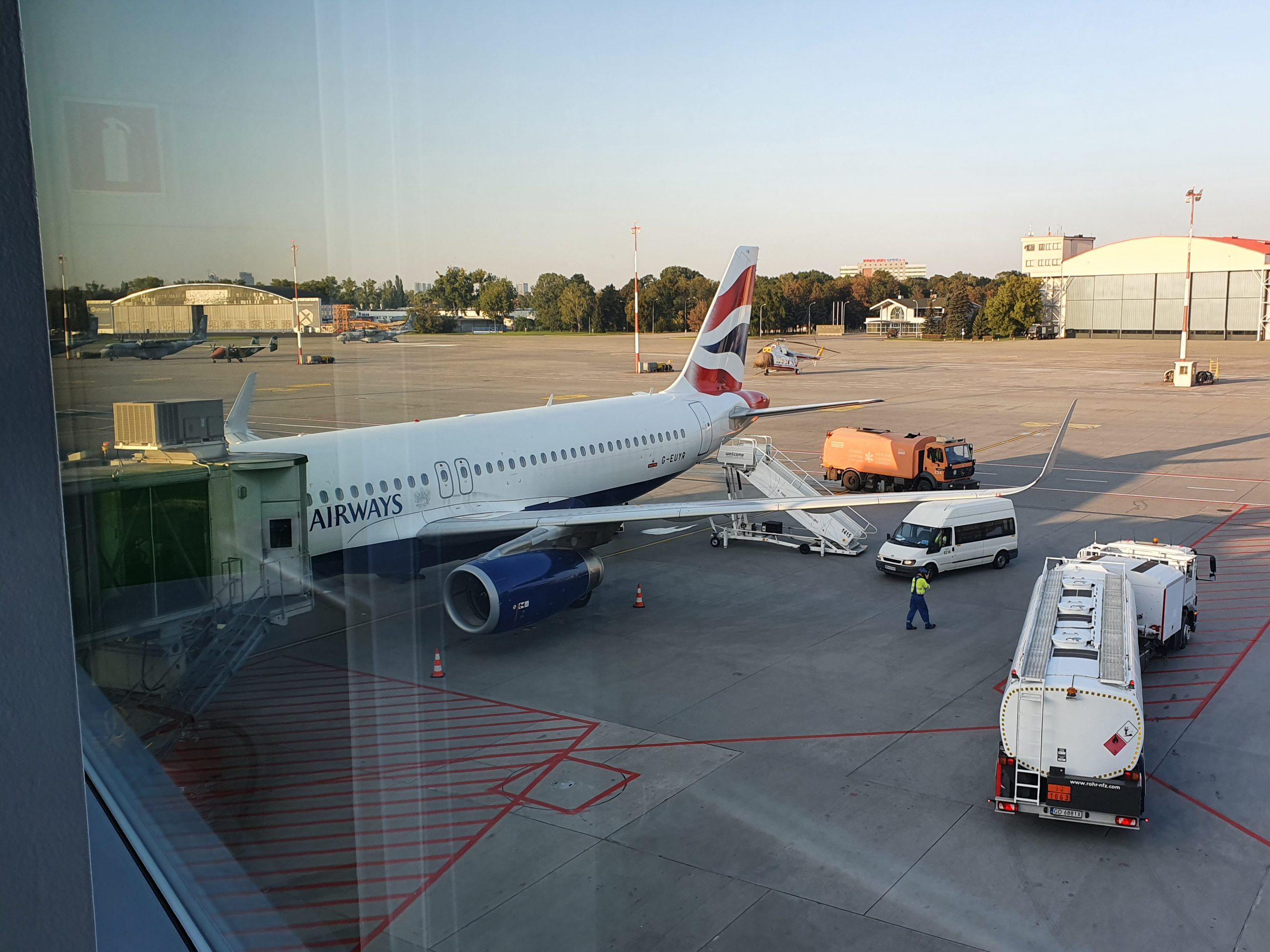
    This is BA A320 G-EUYR after arriving into Warsaw Chopin Airport, an aircraft which has been in the BA fleet since 2013 and one I’ve not been on before. The boarding process at Heathrow T5 C Gates was well managed and customers were boarded from the rear seats to the front, which was efficient and has replaced the previous priority boarding system.

    The aircraft, which was probably around 40% occupied.

    I had a row of emergency exit row seats to myself and the overhead lockers were only lightly filled, so there was no problem in finding a space.

    Power was available in the form of plug sockets and USB sockets.

    When boarding, every customer received a hand gel and disinfecting wipe in a larger plastic bag, which the crew collected later on during the flight. The aircraft was as clean as I’ve seen BA manage before, so I’m confident that their new cleaning regime is working for them.

    The Buy on Board (BOB) system, which I always hated, has been scrapped for the moment and customers were given this bag free of charge. It contains a packet of crisps, a packet of shortbread and a bottled water. The crew members were visible throughout the flight, giving clear announcements about what customers could do. This was important as I was unsure of the process, so customers had to wear masks throughout and could only go to the washrooms when the green light was on. Anyone who wasn’t going to wear a mask had to explain this situation to the staff at the gate and the crew reminded a few customers to put their mask up over their nose during the flight.

    High Life Magazine is no longer offered in the seat backs, but it can be read on-line. There’s wi-fi which costs £2.99 for a flight, but I wasn’t that desperate to check e-mails during the journey.

    This flight was reasonably priced at £30.52 for a single journey, which I consider to be excellent value bearing in mind BA also supplied me with lunch and drinks in the lounge, as well as on-board snacks. All told, I remain very impressed that British Airways have managed to deliver such a positive experience given the ridiculous limitations that they’re operating within. And, this is why I don’t feel the need to switch to another airline.

  • Oświęcim – Auschwitz-Birkenau Concentration Camp (Execution of Rudolf Hoess)

    Oświęcim – Auschwitz-Birkenau Concentration Camp (Execution of Rudolf Hoess)

    From May 1940 until January 1945, other than for a short period in early 1944 when he was in Berlin, Rudolf Hoess was the camp commandant at Auschwitz-Birkenau. He managed to evade capture after the end of the Second World War, but British forces eventually caught up with him, arresting him in his new role as a farm-worker. The trial was under the control of the new Polish government and it began on 11 March 1947. Hoess was found guilty on 2 April 1947 and after some deliberation, it was decided that he should die at Auschwitz on 14 April 1947.

    This is the location where Hoess was hanged for his crimes against humanity. The execution was photographed, but the public was mostly limited from watching, following the grisly scenes in Poznan when Arthur Greise was executed when it turned into almost a day out for families.

    Copyright Auschwitz Museum

    Hoess being escorted to the gallows. Before he died, the Polish authorities had encouraged him to write his memoirs, to ensure that his story was told. Before his death, Hoess had sought the presence of a priest, which was allowed and Hoess was the last person to be killed at Auschwitz-Birkenau.


  • Oświęcim – Auschwitz-Birkenau Concentration Camp (Railroad Car)

    Oświęcim – Auschwitz-Birkenau Concentration Camp (Railroad Car)

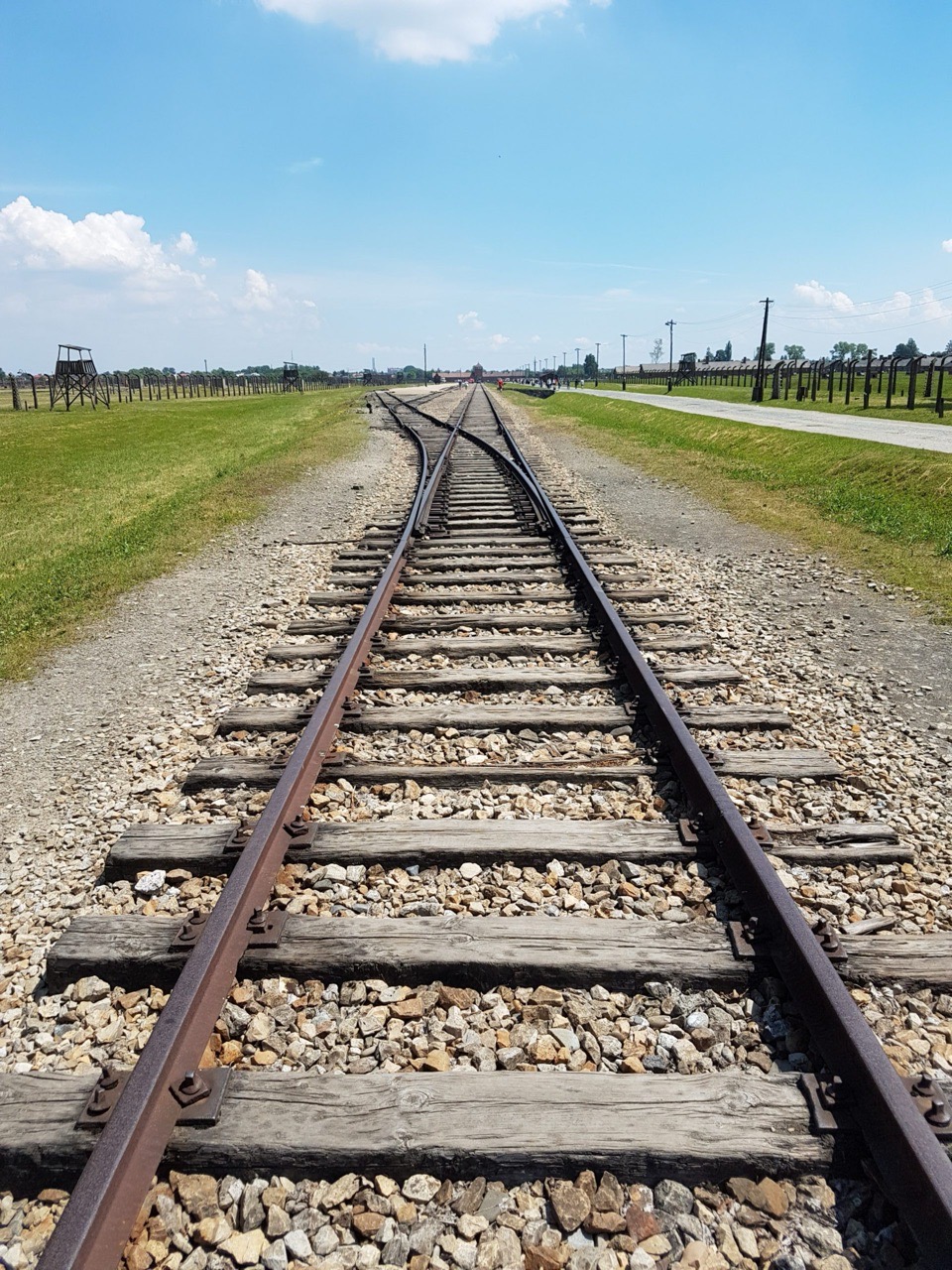
    This railroad car has been placed at the ramp at Birkenau concentration camp where victims were hounded off trains to face the selection process, where most were sent immediately to their deaths. Over 120,000 of these cars were produced in Germany between 1919 and 1925, designed to transport freight around the country. Thousands of them were ultimately used to transport victims as part of the Nazi’s final solution plan, each initially intended to hold 50 people but there were frequently over 150 in this small space.
    The railroad car here was restored with funding from Sir Frank Lowy, the former chairman of the Westfield shopping centre company. His father, Hugo Lowy, was beaten to death here on the ramp when he refused to leave his Jewish prayer shawl on the train. Frank Lowy only found out about this over forty years on and he said about his father:

    “Actually, in a way, in all my sadness, I felt very proud: that my father was able to make such a sacrifice of his life for his principles. I finally found out what happened to him. I used to dream about him, but after I discovered it, I didn’t dream anymore. You know, it was kind of a closure. In my dreams about my father, he bent over me and I didn’t know if he was really there or not. I dreamed about him many, many times. The dreams have not returned. So it must have been some kind of closure.”

    The railroad car may not have been one which actually transported prisoners, but is an authentic one from the period. What is known though is that Hugo Lowy died at around the spot where the railroad car is now placed. A tribute not just to him, but to all those who died here.

  • Oświęcim – Auschwitz-Birkenau Concentration Camp (Room of Shoes)

    Oświęcim – Auschwitz-Birkenau Concentration Camp (Room of Shoes)

    Much has already been written about this room at Auschwitz-Birkenau, the shoes that were taken from victims when they arrived at the concentration camp. There are around 25,000 pairs of shoes here, this would be about the number of shoes taken every day or two at the camp, to give this some sense of perspective. The leather smell from the shoes is also evident when visitors walk into the room as the shoes very slowly decay.

    United States Holocaust Memorial Museum, courtesy of Yad Vashem (Public Domain)

    This photo was taken at Auschwitz in May 1944, when the female prisoners were given the task of sorting the shoes that had been taken from mostly Hungarian Jews.