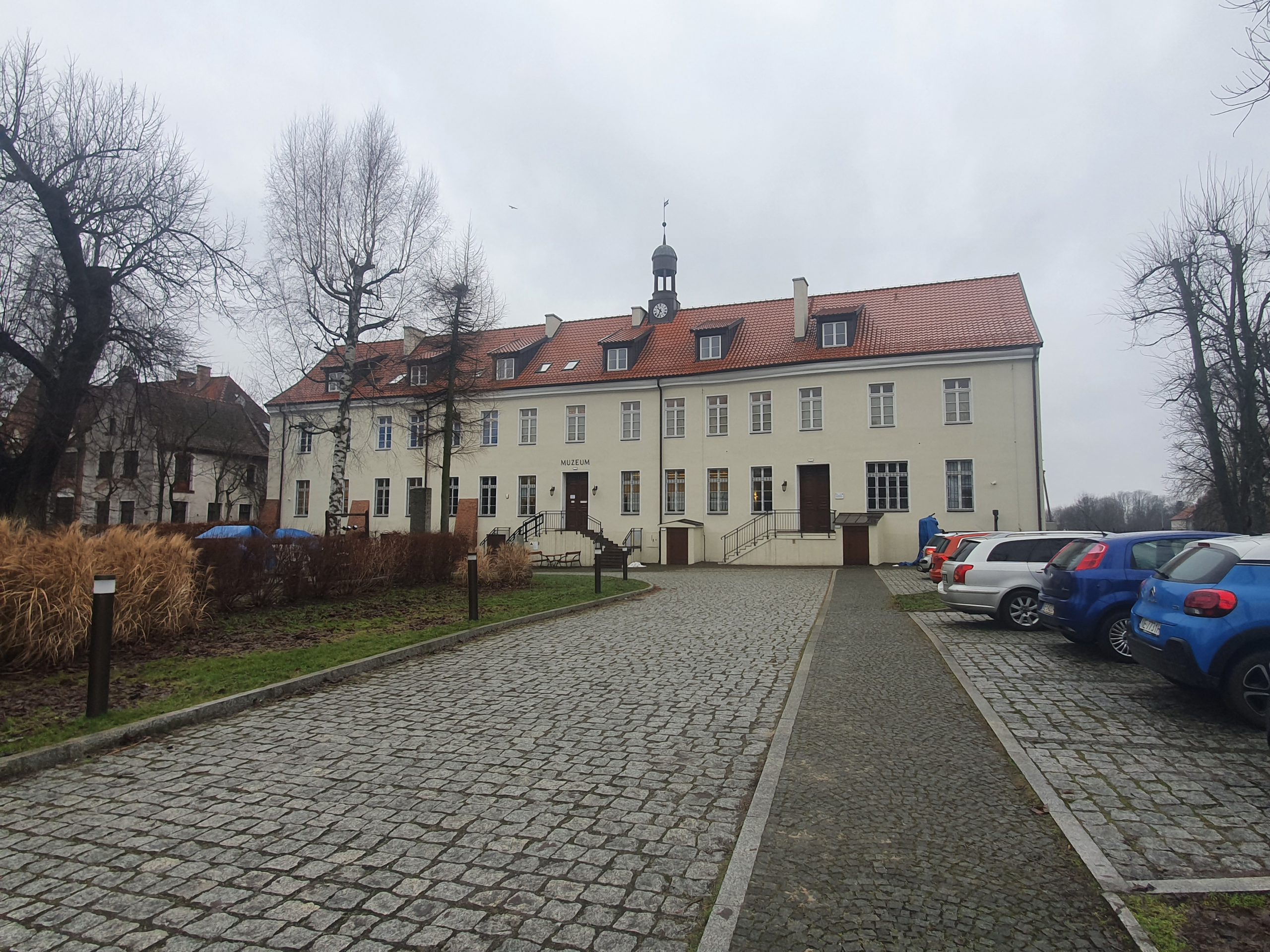
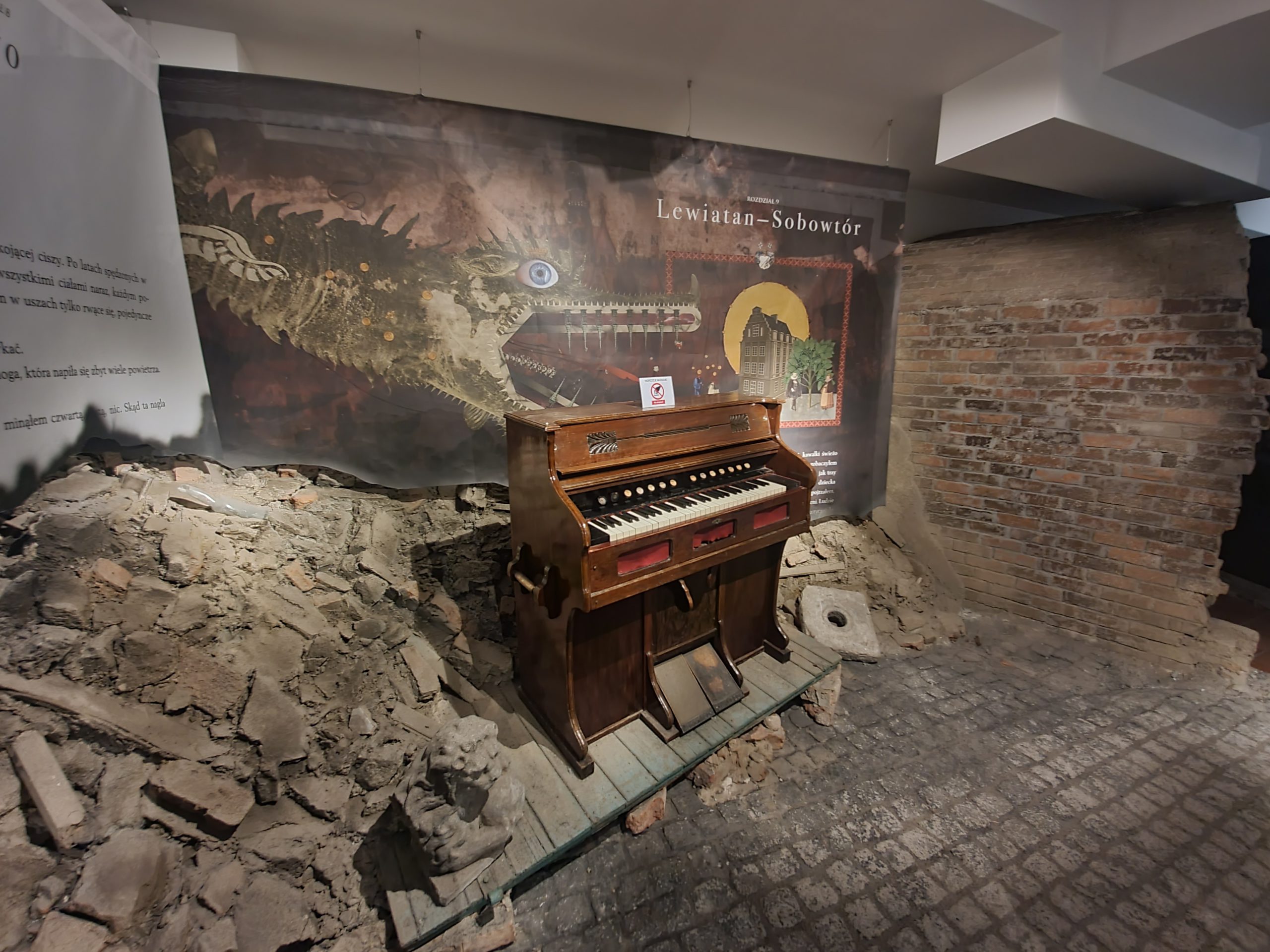
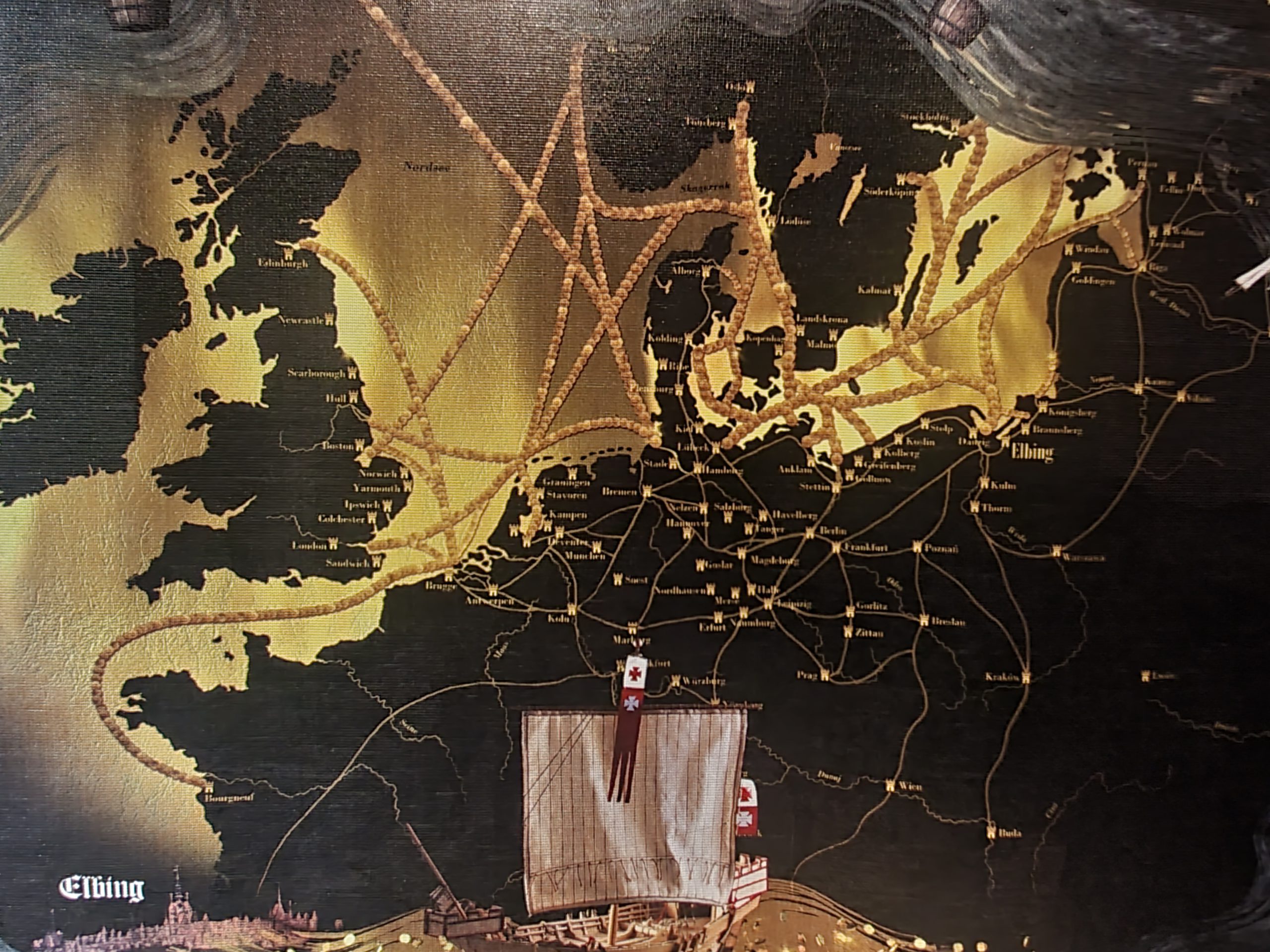
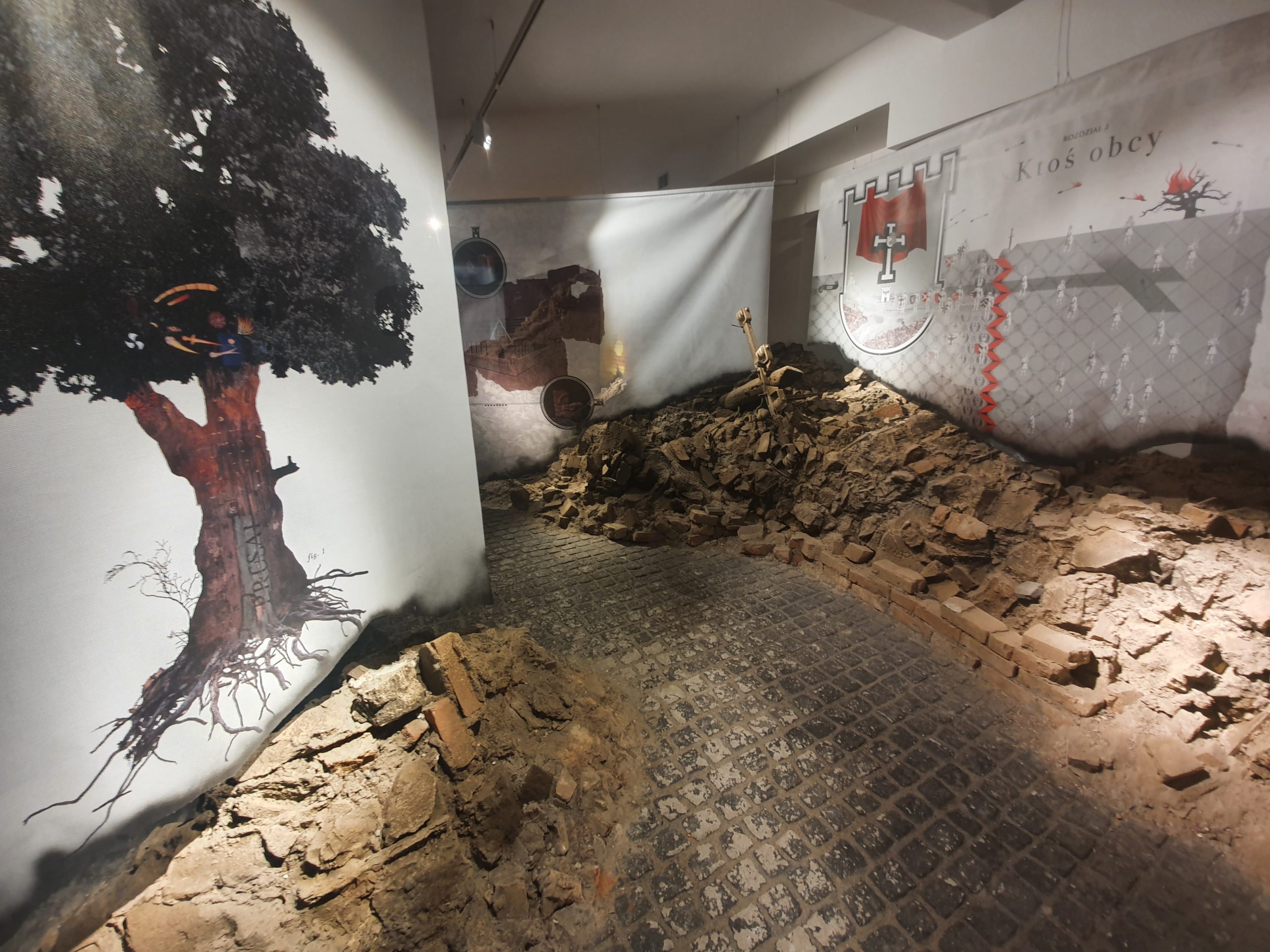
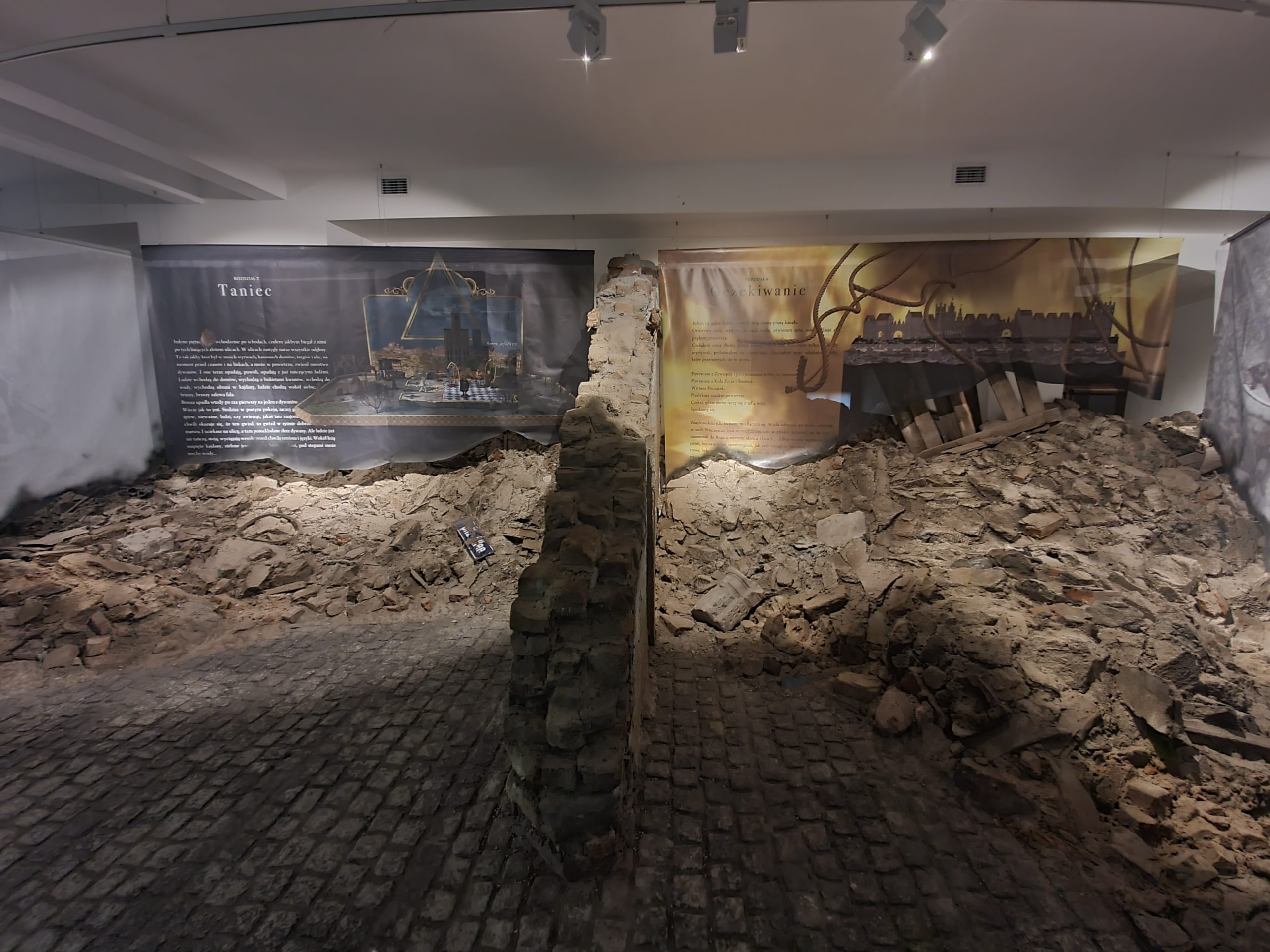
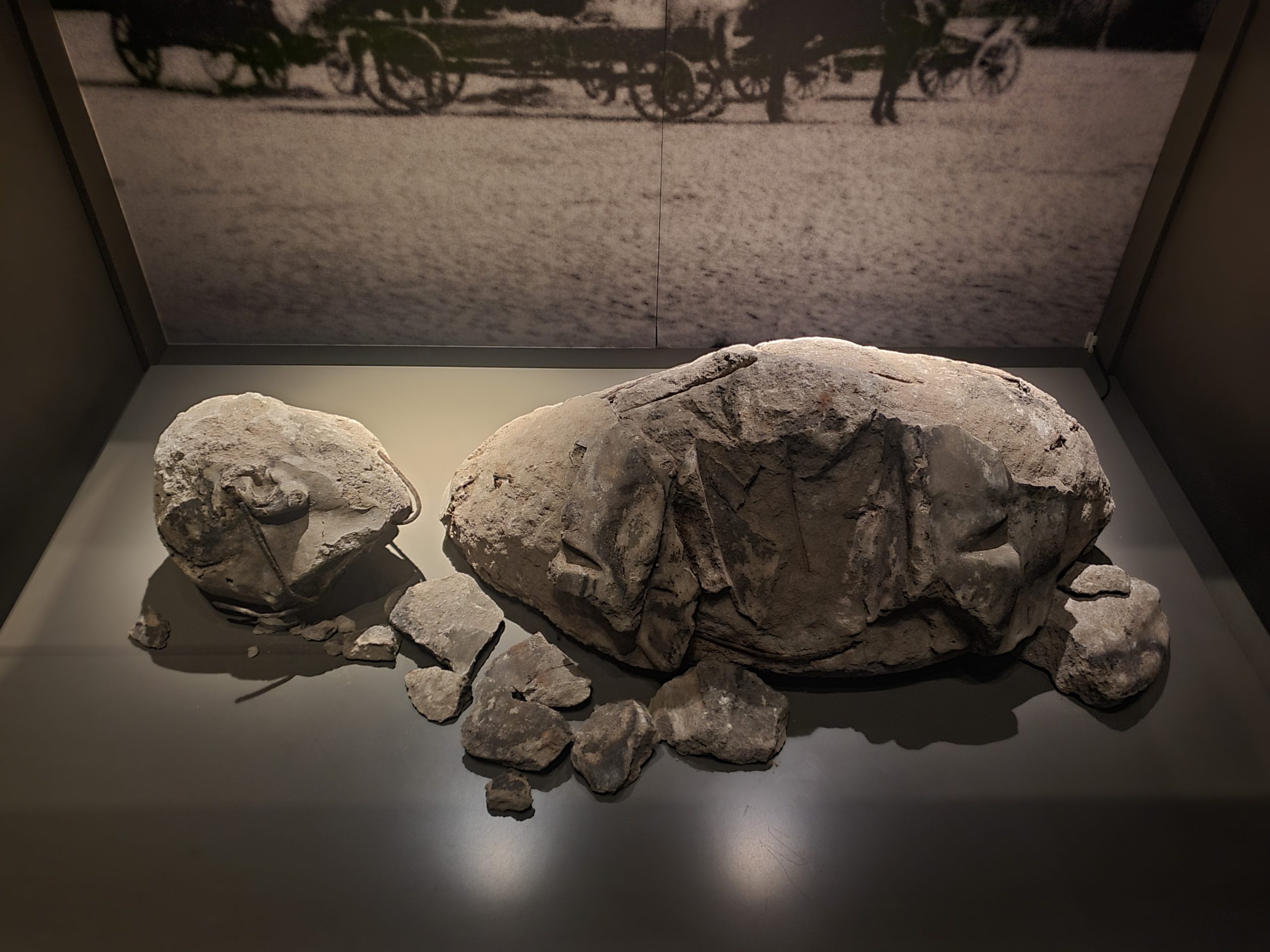
This museum wasn’t quite completed when I was last in Gdansk and it was one of the main things that I wanted to visit on this trip. It’s the national Second World War museum and there was some controversy building it, but it’s completed and very well reviewed. The museum is operating on a reduced capacity at the moment to allow for social distancing and tickets can be purchased in advance on-line. I took a chance on going on free visiting day, which is a Tuesday, conscious that getting a ticket might be difficult given the demand as it’s not possible to get the free tickets in advance on-line.
To cut a long story short, I arrived at the museum twenty minutes before they opened, and I expected a short queue at the ticket office. The set-up wasn’t quite as I imagined it, as the ticket office is down on the third floor underground, but I was surprised that they’d opened this already. I went down, collected my free ticket and then waited the 15 minutes or so for them to open the doors for the permanent collection. The design of the museum is really all quite odd and it isn’t particularly logical, but it is clearly signed. The main desk on entrance isn’t the ticket desk and it’s a moderately confusing set-up that seemed to be confusing a fair number of people.

There are two elements here, firstly, absolutely everything is available in English, including the multimedia installations, whilst, secondly, the wording is quite strong. It’s not inaccurate, but there is something of an equivalence made between the Soviet Union and Germany, which runs through the whole museum.

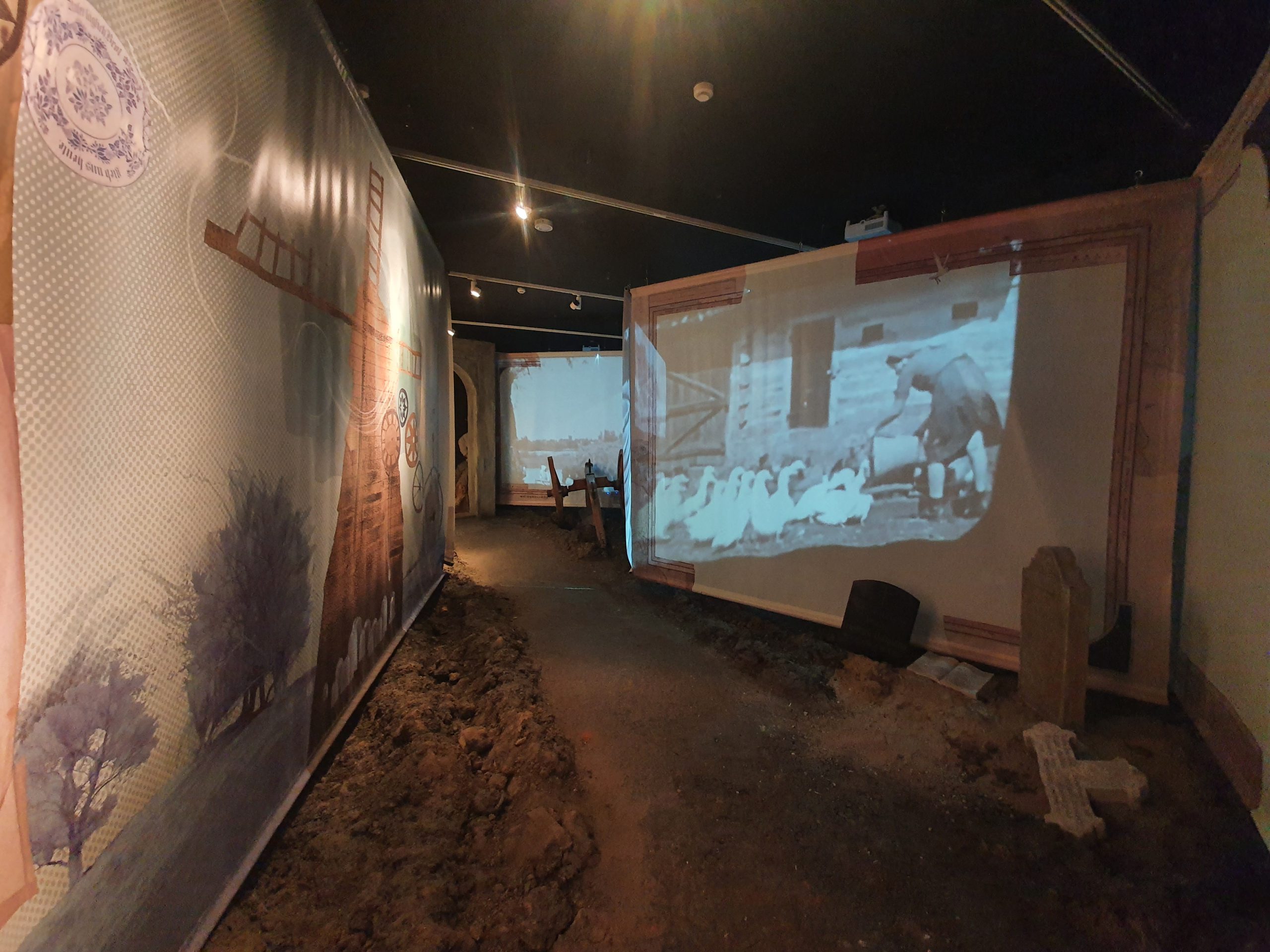
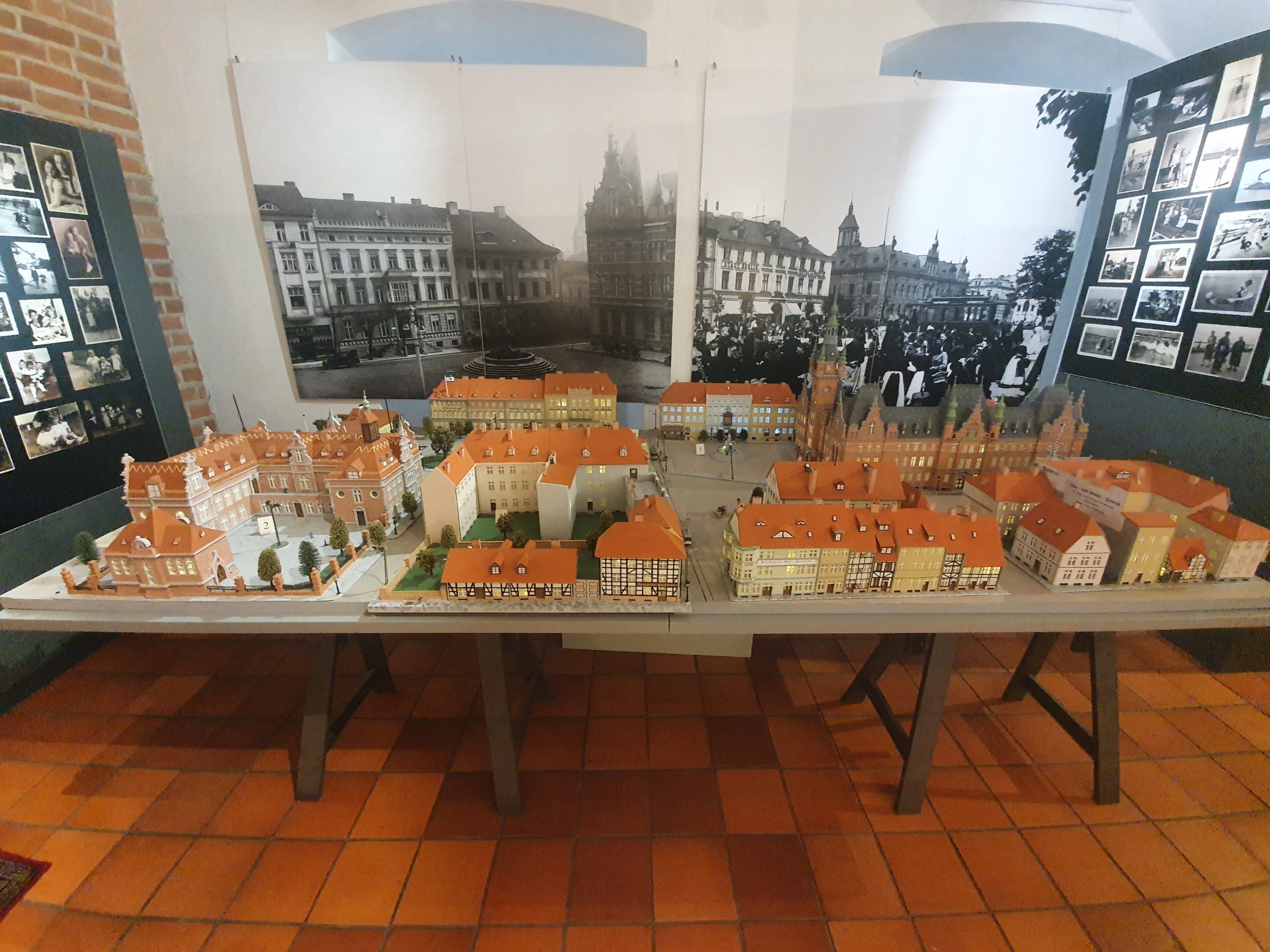
One of the scenes of what a peaceful Polish high street might have looked like during the inter-war period.

In the centre are actual flags from the war period, and another reminder of how the Soviets and Germans are equated in the exhibits.

A large-scale version of the Molotov–Ribbentrop Pact map which sought to carve up Polish lands between the Soviets and the Germans, with Gdansk coming under German control.

One of the museum rooms which contained a variety of weaponry. This isn’t something I’m particularly engaged with, but there were plenty of guns for those who wanted to look at them.

A display which serves as a reminder of the starvation that so many suffered from during the conflict.

An example of one of the exhibition rooms and it was generally quiet throughout the museum, although there were quite a few people clumped together near the beginning. There were a range of Nazi recruiting posters on display on the left that were particularly interesting.

This means terror in Polish (my language skills are really coming on).

There’s no known history about this rail car other than it was made by the Germans during the First World War. It was though the type of transport that was later used by the Soviets to transport Poles and the Germans to transport Jews to concentration camps.

This was quite a sobering room, some of the many individuals who died in the concentration camps.

Opór, which in English means the resistance, with this section of the museum covering the efforts made in numerous countries to undermine German rule in their territories.

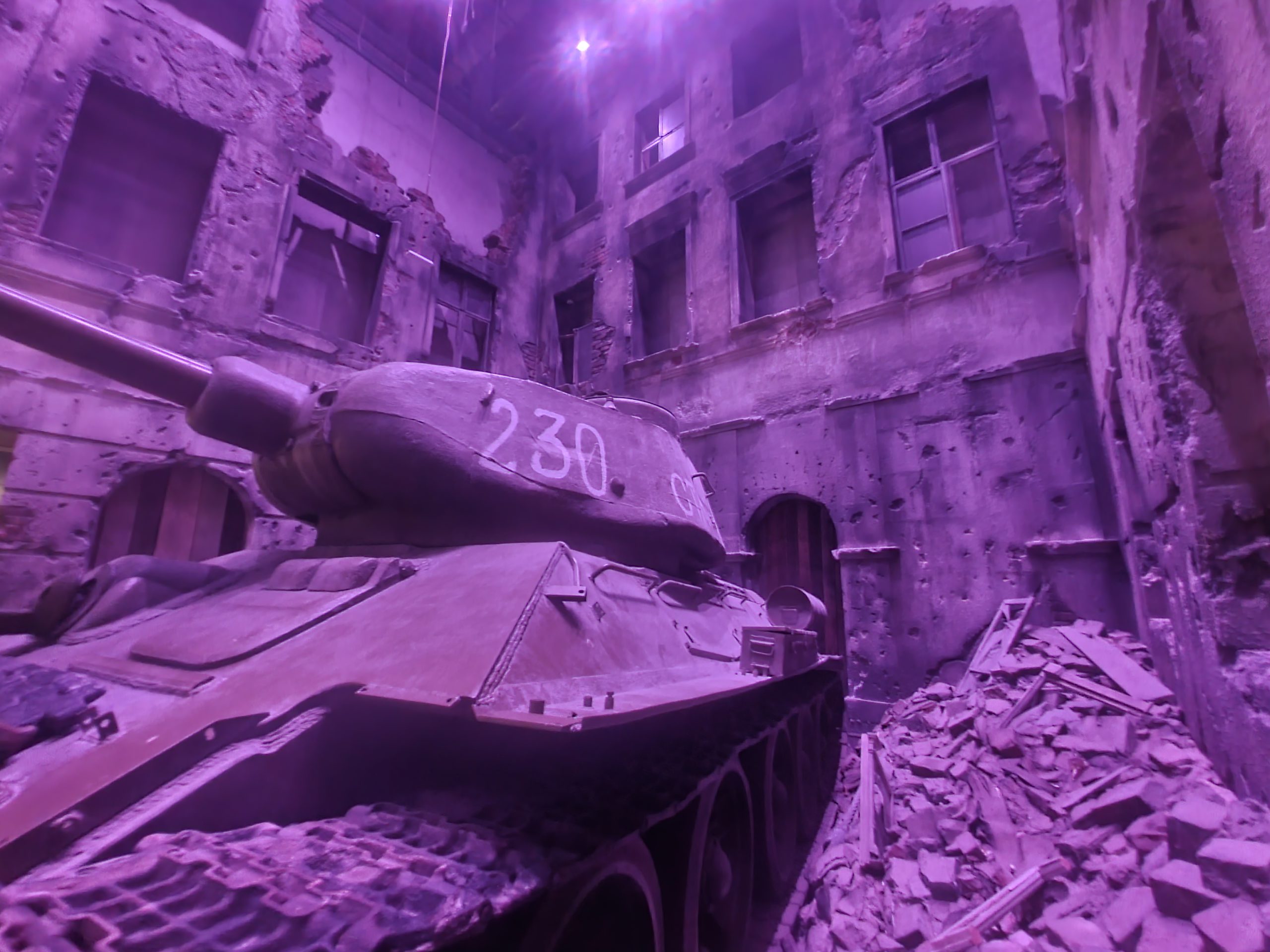
This is quite a remarkable room, a recreation of some of the destruction to so many cities.

I spent over three hours in this museum and although I didn’t skip anything, I did start to tire a little by the end and stopped watching every video and reading every piece of text. This wasn’t because the museum was dull or tiresome, but it was a little emotionally draining given the content and that’s also a long time to spend in the same museum. What was evident was how much times others were taking, I got the impression that a three hour visit was almost the average and the museum themselves say that’s the minimum needed.
This is a very nicely put together museum and it flows in chronological order and keeps up the narrative in an engaging manner. The signage is generally excellent, although it was slightly unclear where to go in places, but it was hard to go too far wrong. I’m not sure why Gdansk was chosen for this museum, but it’s appropriate given that the war started here for the Polish at Westerplatte.
I went to look at the reviews for the museum and they are exceptionally high, the same rating as the Louvre and just behind what is perhaps my favourite museum, the Metropolitan Museum of Art in New York. Indeed reading the reviews can be a bit dull, they’re just all full of praise, although I accept that’s all for the good. I wanted to see how anyone could not like this museum, and I noted that a few people tried hard.
“Total waste of time. The exhibition is very static and boring. No visitor activities at all. It looked like an art museum, not a history one. Everyone walked around in total silence with no emotions and no discussions – even the small ones. Like in funeral services or something 🙂 It was like a walkthrough using Wikipedia articles, photos and videos. In some halls were no chairs for elderly. My little girl who is very intrested about military stuff said also it was so boring.”
I’m unsure what visitor activities the museum could bring in (you too can smash some buildings up?), maybe they wanted some sort of theme park experience. Although there was a sombre feel to the museum I did notice, I felt that was hugely to their credit as the majority of visitors seemed to be engaged about the exhibits and the implications of the text and imagery. There were a couple of school groups as well, perhaps the best behaved I’ve seen, entirely attentive to their tour guides. I’m actually not sure that I’d bring a little child to the museum and the museum recommends that visitors should be at least twelve years old, although that’s not enforced and is just a guide.
“Horrible experience, the staff barely speaks English so I cannot get support on my issue of not having a mask and being late to catch up to my group. She just spoke to me in polish.”
It’s almost as if the museum is in Poland…..
“Couple of tanks & motorcycle on display. Mainly video & pictures, I guess you could find all on internet.”
The museum isn’t actually packed with exhibits, but it’s new and there’s a limit to what they’re going to be able to get in a relatively short space of time. I’d still say that they had 1,000 or so exhibits, and probably more. That’s actually an issue the museum authorities must have faced, as they wanted to cover the resistance, but the Warsaw Uprising Museum has much of that material, as well as items from concentration camps, but there’s a limited availability of such exhibits and most are already in museums. I’d struggle to find a lot of the material here on the Internet though, and museums are all about curation.
“I only recommend this place if you’re a fan of WWII.”
This was a 1/5 review mostly about how someone got locked in the toilet (it’s quite an involved tale which intrigued me for a while), but I’d be surprised if someone not interested in the Second World War went to the Second World War museum. Probably not that many visitors are what I would call fans, but there we go.
“This place is more about the civilian cost to Europe and the world rather than a military museum”
Good. That’s the reality of war.
“Director of this museum is absolutely ruthless and hateful to Soviet Soldiers and the history!”
I think this relates to a political storm a few years ago with this museum, but it’s fair to say that the Soviets don’t come out well here in the museum. It’s hard though for a museum in Gdansk to really develop this any other way, the Soviets tried to give the city to Germany in 1939 and then the Red Army caused mass destruction in the city after they have liberated it, with some morally reprehensible behaviour. There’s a rather excellent article about this at https://www.thefirstnews.com/article/incredible-forgotten-photos-reveal-true-horror-of-red-armys-destruction-of-gdansk-but-also-its-subsequent-rebirth-11681, with plenty of photos of the destruction.
“After visiting the old part of the city, I decided to visit this museum. When I came to buy a ticket..they did not want to receive the euro, only the local Polish currency”
Nice, someone giving a rating of 1/5 as the museum didn’t want to accept a different currency and couldn’t really come up with an alternative….
Anyway, I’ve digressed again, but most of the negative reviews are about the difficultly in getting tickets, which has been a problem for the museum to deal with, although I was pleased with my experience. I thought that the entire visit was positive, not least because it was free today, but because it was an informative, decently curated and well put together museum. Very lovely.
And to follow at some point in the future are some individual posts about items in the collection that I felt were particularly noteworthy.