Category: March

  • March – 38 West End

    March – 38 West End

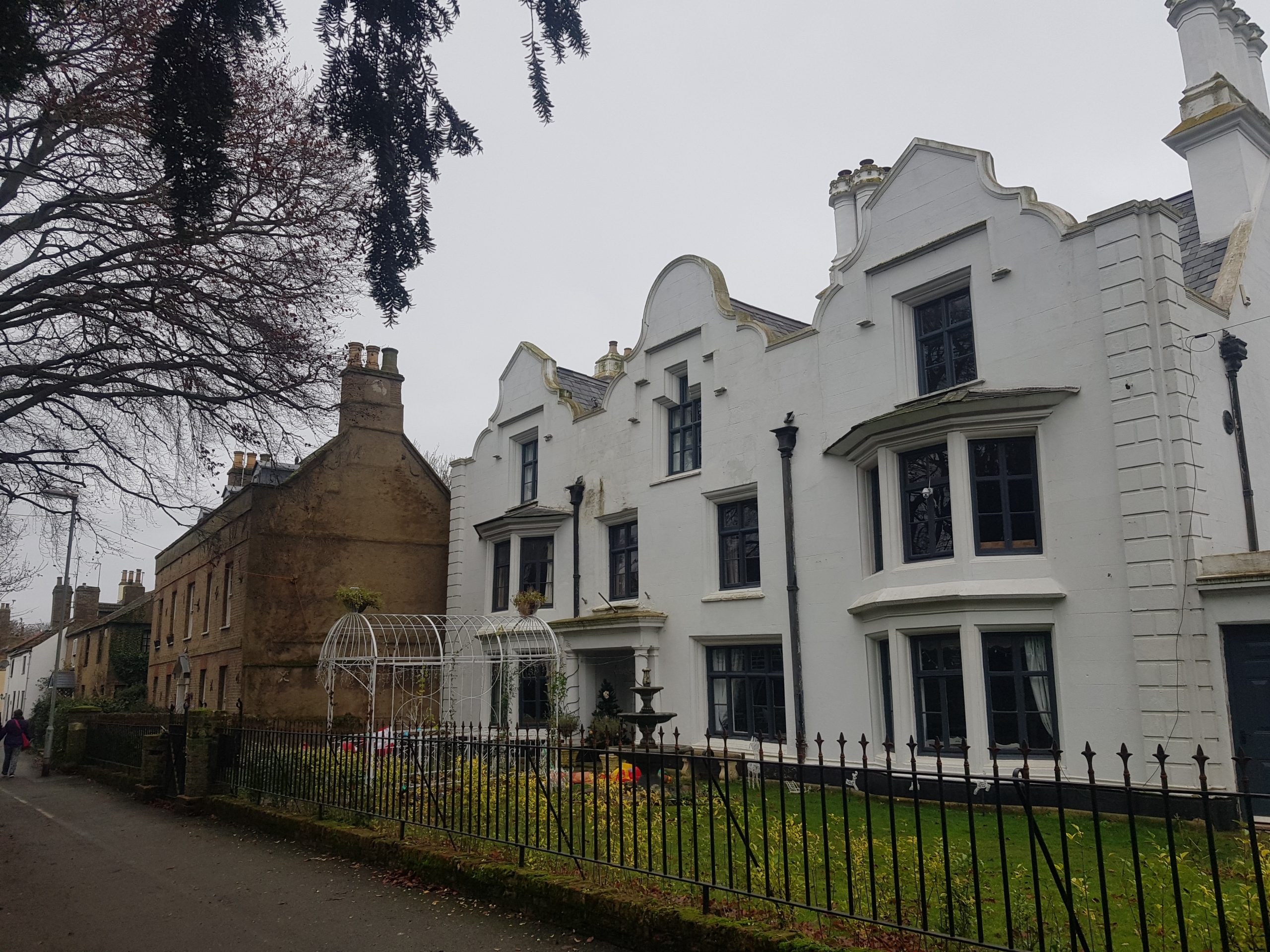
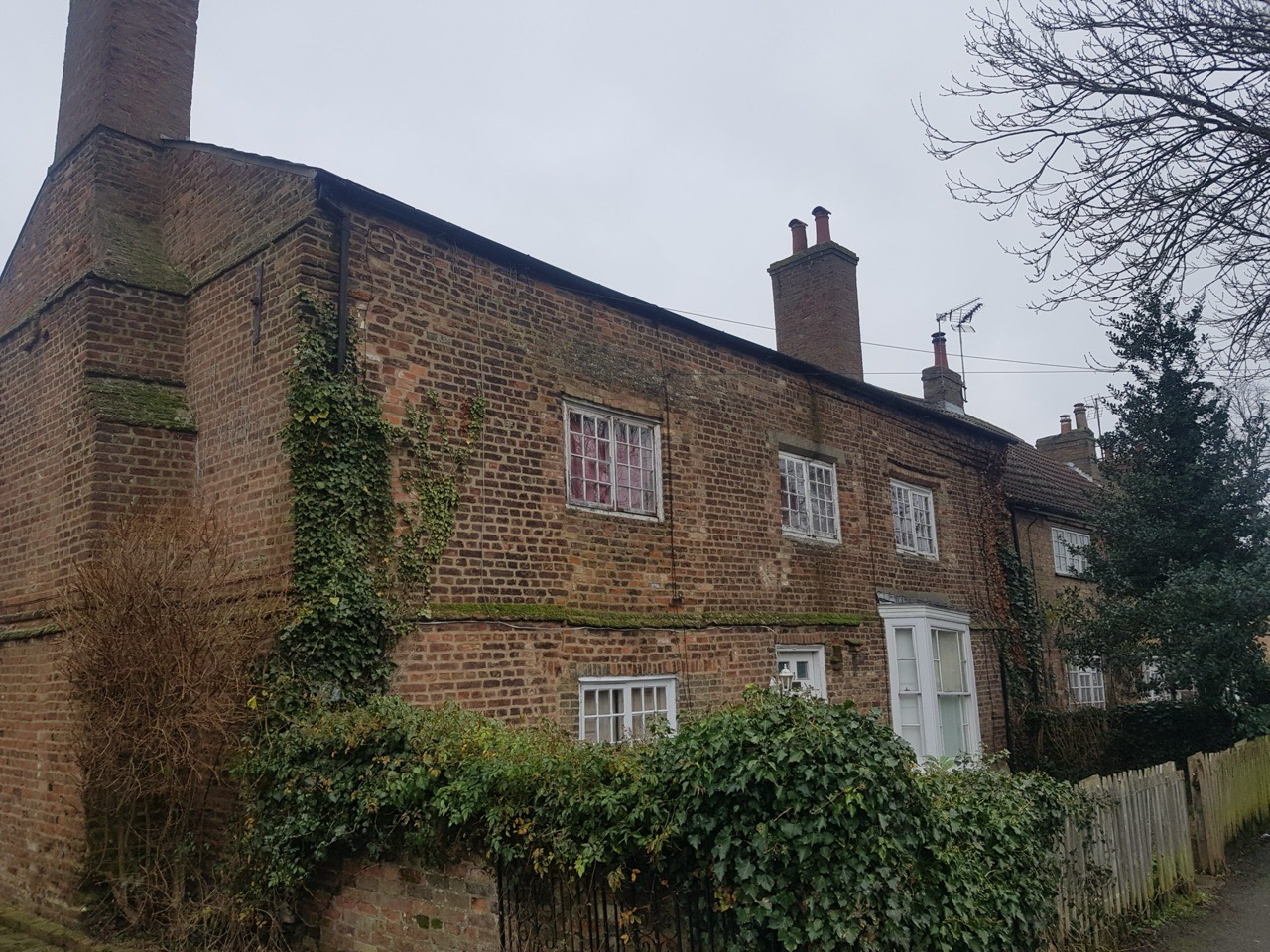
    This property is one of the oldest in the town of March, with the central part dating to 1626, with extensions added in the nineteenth century. The town guide notes that, “inside, the house has elaborately carved wooden beams, one depicting the ‘Tree of Life’, the other grotesque heads and fantastic animals”. There are currently plenty of photos of the property at Zoopla and it looks like a building packed with character and history.

    Assuming that the houses haven’t been renumbered, in 1939, the house was occupied by Errol R Bassham and Violet M Bassham, along with their family. Errol worked as a bank cashier and was also an ARP warden, where Violet was a nurse for the Red Cross. Errol died in 1955 at the age of 60 and Violet appears to have become involved with local amateur dramatics.

  • March – Old Bank House

    March – Old Bank House

    This glorious building was constructed as a residential property in the seventeenth century, but was repurposed to become a National Provincial Bank in the 1840s. It is once again a residential property and the building is Grade II listed, with a note that an eighteenth century staircase remains in situ.

    There are some photos of the interior at the moment at Zoopla and the property sold recently for what seems a rather reasonable price. I don’t know when it stopped being a bank, but it was still open in 1916 and the manager at the time was Herbert N Shaw.

  • March – March Fountain

    March – March Fountain

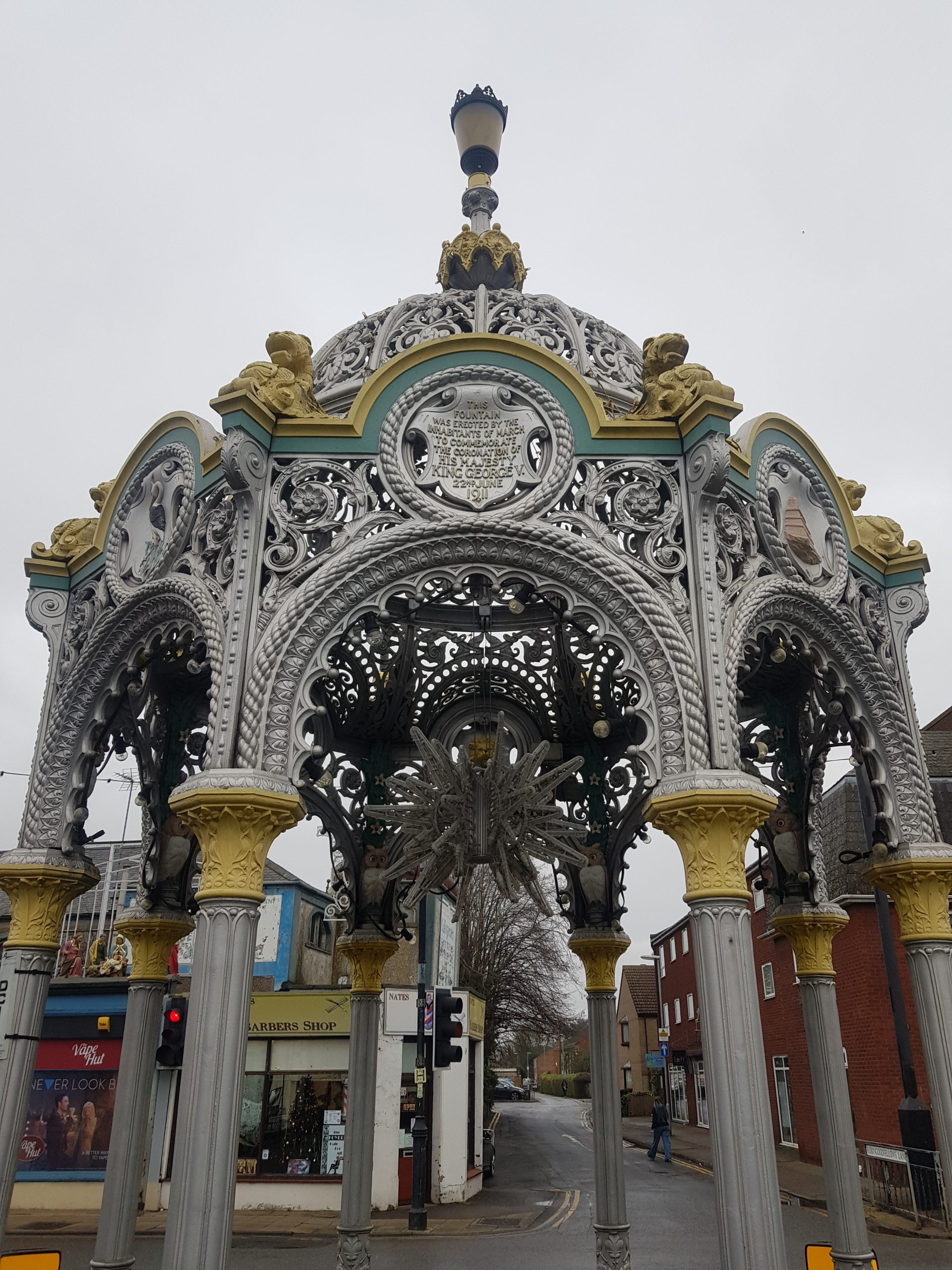
    This puzzled me, as I was looking for the fountain and couldn’t initially see it, before I realised that it has been repurposed a little. And by repurposed, I mean it’s not a fountain at all. The fountain was constructed to mark the Coronation of King George V in 1911 and although this is also the date on the structure, it was unveiled in 1912.

    Modernisation got the better of the fountain though, as it was seen as a complete nuisance that drivers couldn’t see through it, so the fountain element of the, well, fountain, was removed. And they got rid of the troughs as well at the same time, as it was originally built to allow humans and animals to get water (the humans didn’t have to use the troughs).

    March’s lovely fountain, which has no water. Personally, I think it looks a little ridiculous stuck on this traffic island, bereft of its original functionality and with barriers to discourage anyone crossing the road to actually look at it properly.  It has now lost its original purpose and any real context.

    It was listed in 1985, so its history has at least been recognised, although I would like to think that Nikolaus Pevsner would have offered some sharp note about the fountain in its current state. The barriers have though offered some useful protection, as in early 2019 a drunk driver’s car was saved from damaging the fountain when the barriers took much of the force from the car when it left the road.

  • March – Marriage of Thomas Arks and Mary Ann Cadwell

    The marriage licences for the Cambridge area in the eighteenth and nineteenth centuries have been published, including many which required a bondsman, rather than the reading of banns in the church. This is a much more exciting method in my eyes, a bondsman would guarantee financially that the marriage was legitimate, rather than it just being read out in church over a few weeks.

    Picking names at random, Thomas Arks and Mary Ann Cadwell obtained a licence on 22 October 1750 to marry each other in March. The bondsman was Charles Cadwell, the father of the bride who worked as a grocer in March. Thomas Arks was also a grocer and I assume that he and Mary Ann got married at St Wendreda, the church in the town. This was also the church in 1778 where Arks was to be buried and also where Charles Cadwell had been laid to rest in 1763.

    Thomas Arks seems to been a relatively successful man, so being a grocer must have been a useful exercise. In 1753, he was paid £15 by the family of Bartholomew Ramsay for the young man to become an apprentice of Arks. This likely worked out well, as in turn Ramsay received £10 in 1762 to be the master to John Eaton, who also wanted to become an apprentice grocer.

    Unfortunately, the daily happenings and goings on at grocer shops in provincial towns during the mid-eighteenth century isn’t well recorded. So, to my knowledge, there is little more known around Thomas Arks……

  • March – March Railway Station

    March – March Railway Station

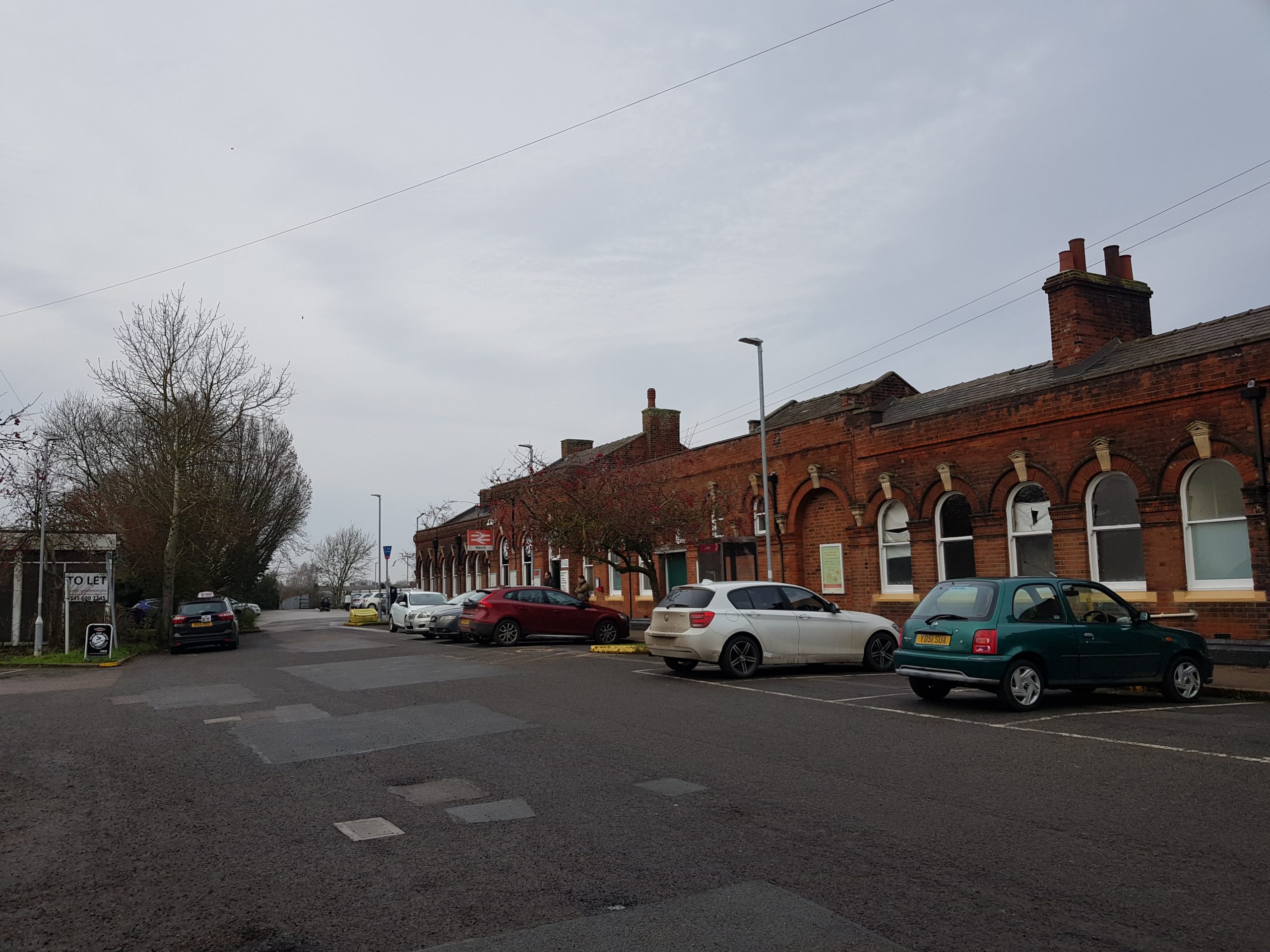
    Above is the entrance to March railway station, which first opened to the public in 1847. I’m sure it made a good impression when soon after opening a hot cinder fell from a train engine and set light to numerous fields, machines and a barn. Although at least a house was saved from the fire. Initially, the railway station solely served the Ely to Peterborough route, initially an important route which connected Norwich to London before the direct service was created between those two cities.

    During the late nineteenth century, the railways were a key driver of growth to the town, with more people employed in the railway industry as a percentage of population than in towns such as Swindon. New routes opened and the town had a substantial freight yard, making the railway station a real hub.

    The two main platforms which are currently in use. To the right of these platforms are disused platforms, which form the lost link to Spalding. There are also plans to reopen the Bramley Line, which goes to Wisbech, although not much has come to fruition despite the hopes raised by numerous politicians over recent years.

    This is a good idea, a timeline of the railway’s history, clearly displayed on the wall.

    The Stamford Mercury reported in December 1904 the sad story of a lad called “Pratt”, although they don’t give his first name. He had been employed as a gateboy at the railway station gates and he jumped onto the footboard of an engine to fix a minor problem with the brakes, only to fall off and have his right foot cut off by the train and the other foot damaged. Unfortunately, I have no idea what happened to the poor boy, the media don’t seem to have reported it.

    The railway station today is a bit of a mess, not only because of the closed off platforms. The ticket desk was shut since it was a Saturday (although quite why I’m not sure, as it’s meant to be open on Saturdays) there were queues on the platforms, the toilets were closed and the only thing open was a small coffee shop. For a railway station serving over 400,000 people a year, it’s a pretty unimpressive effort from the station operators, Greater Anglia. The Friends of March Railway Station do a marvellous job at beautifying the site, but it needs a lot more funding both in terms of new routes and station modernisation.

    Hopefully though in a few years, this is one of those railway stations which would have been transformed.

  • March – Centenary Baptist Church

    March – Centenary Baptist Church

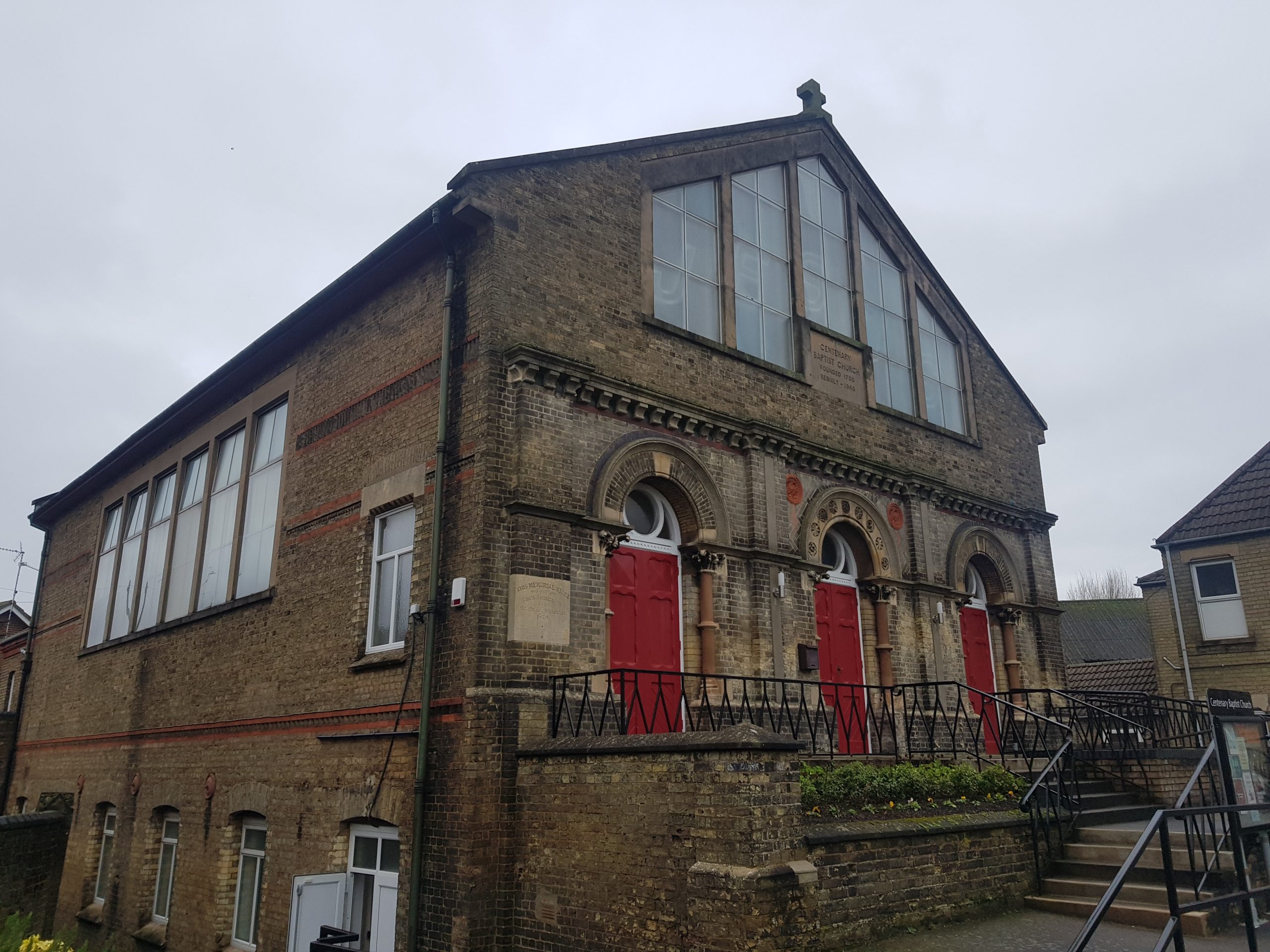
    The town’s baptist community existed at the beginning of the eighteenth century and their first place of worship was at the house of Stephen Coward. They obtained a license for worship in 1703, with their pastor, Thomas Speechley, having a congregation of 160 by 1715.

    This centenary church was built in 1799 and was rebuilt in 1870 and 1960. The 1870 rebuilding led by John Usher cost £4,600 and it gave seating for 800 people within the church. The 1960 rebuilding was necessary due to the slight issue of the church nearly burning entirely down in 1959. Pevsner refers to the 1960 rebuilding as a “violent modernisation”, which I assume is why the building looks so disparate.

  • March – Ash Grove

    Intrigued, as ever, by the 1939 register, I picked a random street in March to see what occupations the residents had at the beginning of the Second World War.

    2 Ash Grove : Charles Hopkin (Ironmonger’s Store Manager)

    4 Ash Grove : Sarah Marriott (Unpaid Domestic Duties) – I think that this is the mother of Frank Marriott, who died in the First World War

    6 Ash Grove : Bertie John Casey (LNER Fireman) – born in 1903 and died in March in 1980

    8 Ash Grove : Flora Parsons (Unpaid Domestic Duties)

    10 Ash Grove : Alfred Nichols (Local Government Clerk and ARP Warden)

    12 Ash Grove : Edward Martin (LNER Shunter Operator)

    14 Ash Grove : Walter John Houlgrave (LNER Engine Driver) – born in 1895 and died in March in 1975

    16 Ash Grove : Sidney Culpin (LNER Lampman)

    18 Ash Grove : Charles Woodbine (LNER Goods Guard)

    That doesn’t seem untypical for the period, there are nine households and in five of them the main wage earner worked on the railways. All five of the LNER workers had different roles, some of which, such as lampman and fireman no longer exist, and I’m not sure that the goods guard role still exists either.

    I also noticed the below in the Victoria County History:

    “The sidings at Whitemoor on the Spalding line, constructed in the 1930’s, are the largest in England and among the largest in Europe, and in its industrial structure the town is more akin to Peterborough or Wellingborough than the other towns of the Isle, whose industrial interests are closely tied to the land. In 1921 a remarkably high percentage of the population (22.3 per cent. of occupied males) was engaged on the railway. Proportionately, this was three times as many as in the railway town of Swindon.”

    All of the houses are still standing, but I imagine the stories of the men and women who lived on this street have mostly been lost to history….

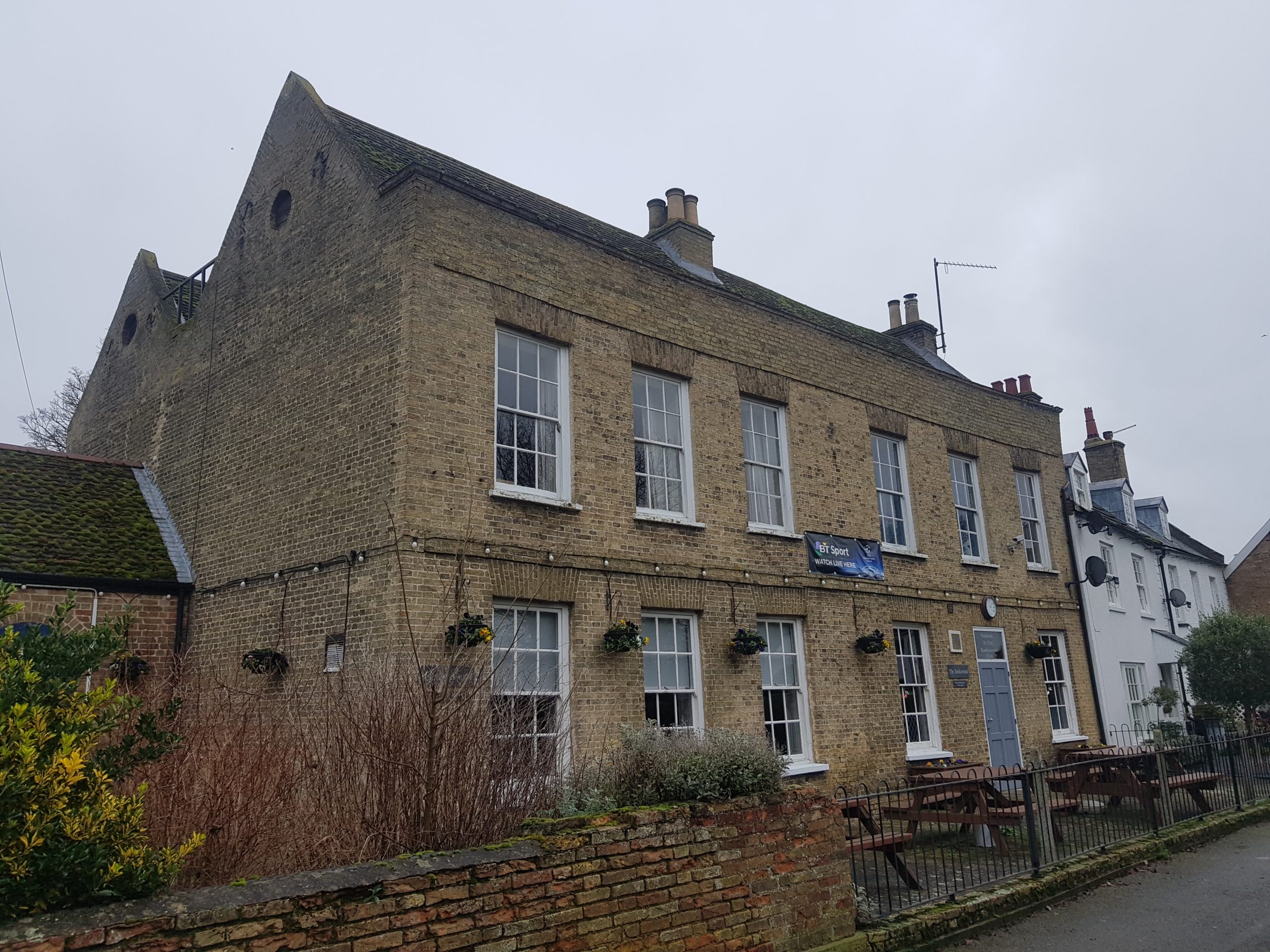
  • March – Rookswood Club

    March – Rookswood Club

    The Rookswood Club, formerly known as the March British Legion, is a bit of a community hub for members and there are a number of organisations who use the building such as the March model railway club. It takes its current name from the original name of the property, which was Rookswood House. Located at 27 West End, it was constructed as a residential property in either the late eighteenth century or the early nineteenth century.

  • March – Garden Improvements

    March – Garden Improvements

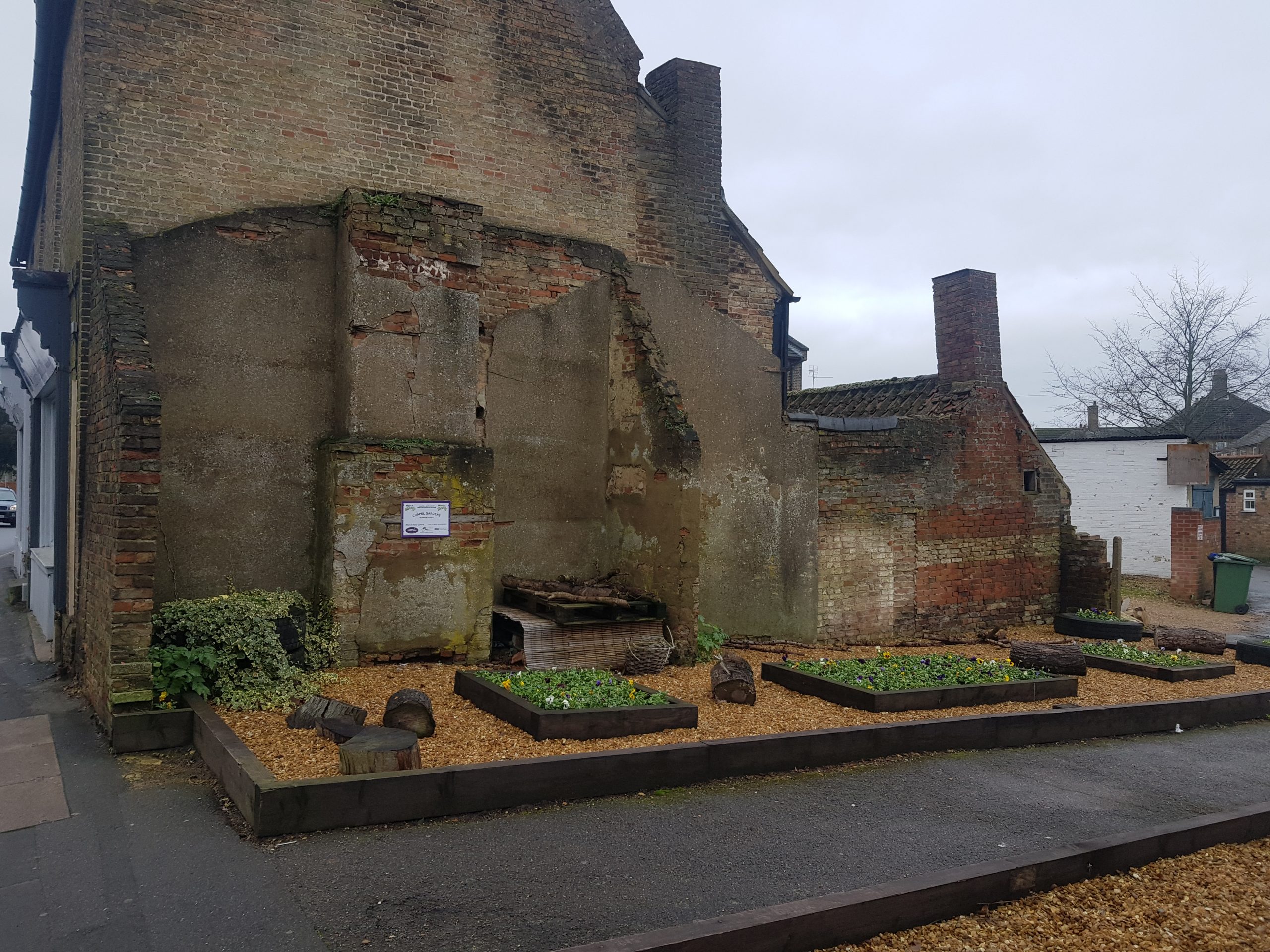
    This is a rather pleasant little addition to the High Street, the creation of a garden in what was previously a discarded plot. I’m not sure who is responsible for this, but I think it’s March in Bloom.

    From this….

    To this….

    Very nice.

  • March – Old Courthouse

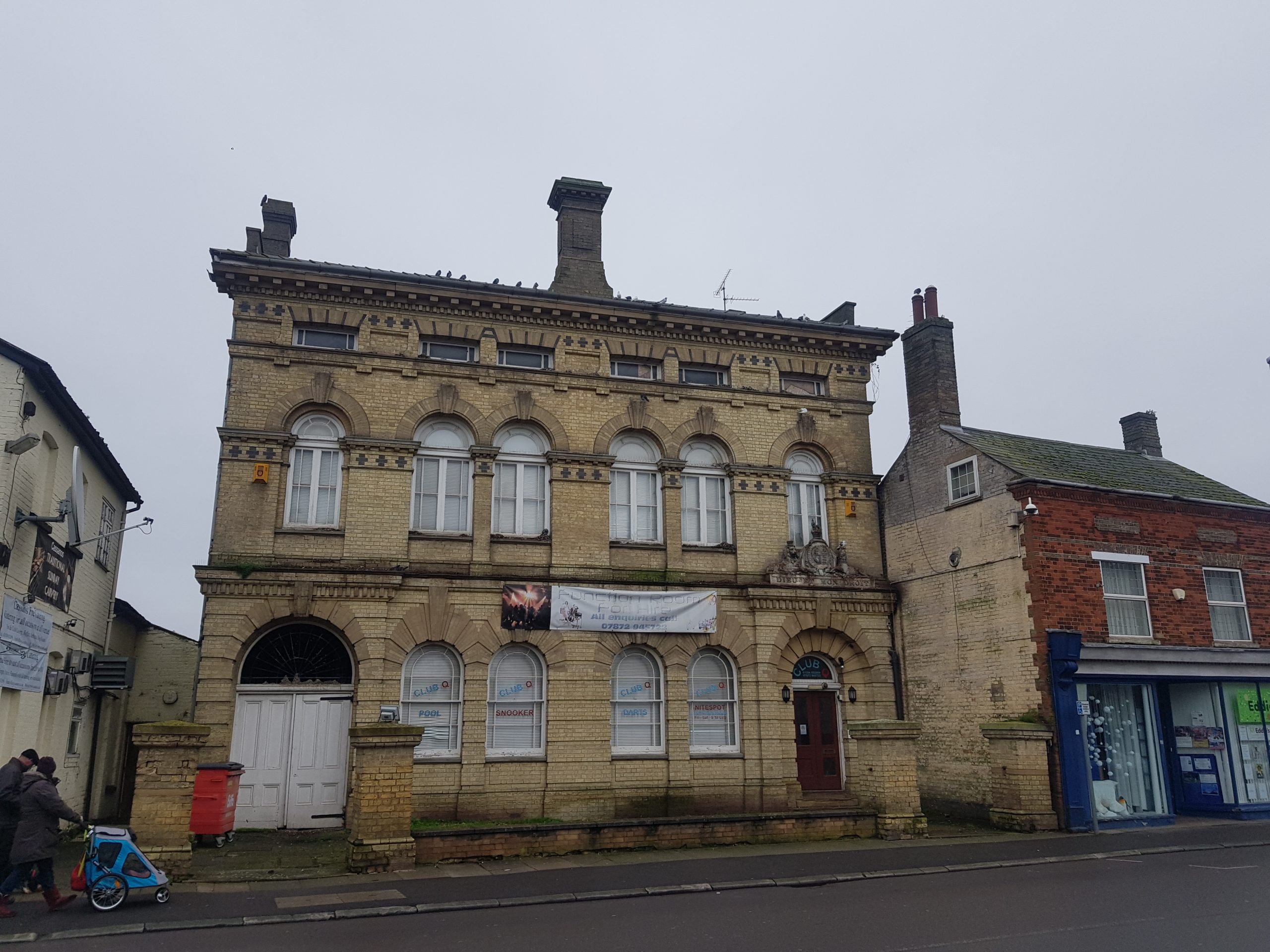
    March – Old Courthouse

    Located at 86 High Street, March’s courthouse was built in 1875, with previous sittings having been held at the neighbouring Guildhall. There were court sittings twice a month and the magistrates also sat on the third Tuesday of each month. Internally, the original court room and staircase are still present, although the ceiling of the courtroom is now obscured. Externally, the left-hand side is where carriages once entered and the Royal Coat of Arms is still visible on the right-hand side entrance.

    There was also a police station at the rear and it was the offices of the Chief Constable for the Isle of Ely. This was due to March being the county town of the Isle of Ely for the period that this administrative division existed, from 1889 until 1965. March was chosen because of its railway connections and it was more convenient for the majority of people to get to than the other main options of Wisbech and Ely itself.

    The building is now used by ClubQ, but it seems a slight shame that it hasn’t been restored to a rather more grand use, much as I’m sure the current operators are doing a marvellous job.