Category: London

  • London – Havering (Borough of) – Upminster – St. Laurence’s Church

    London – Havering (Borough of) – Upminster – St. Laurence’s Church

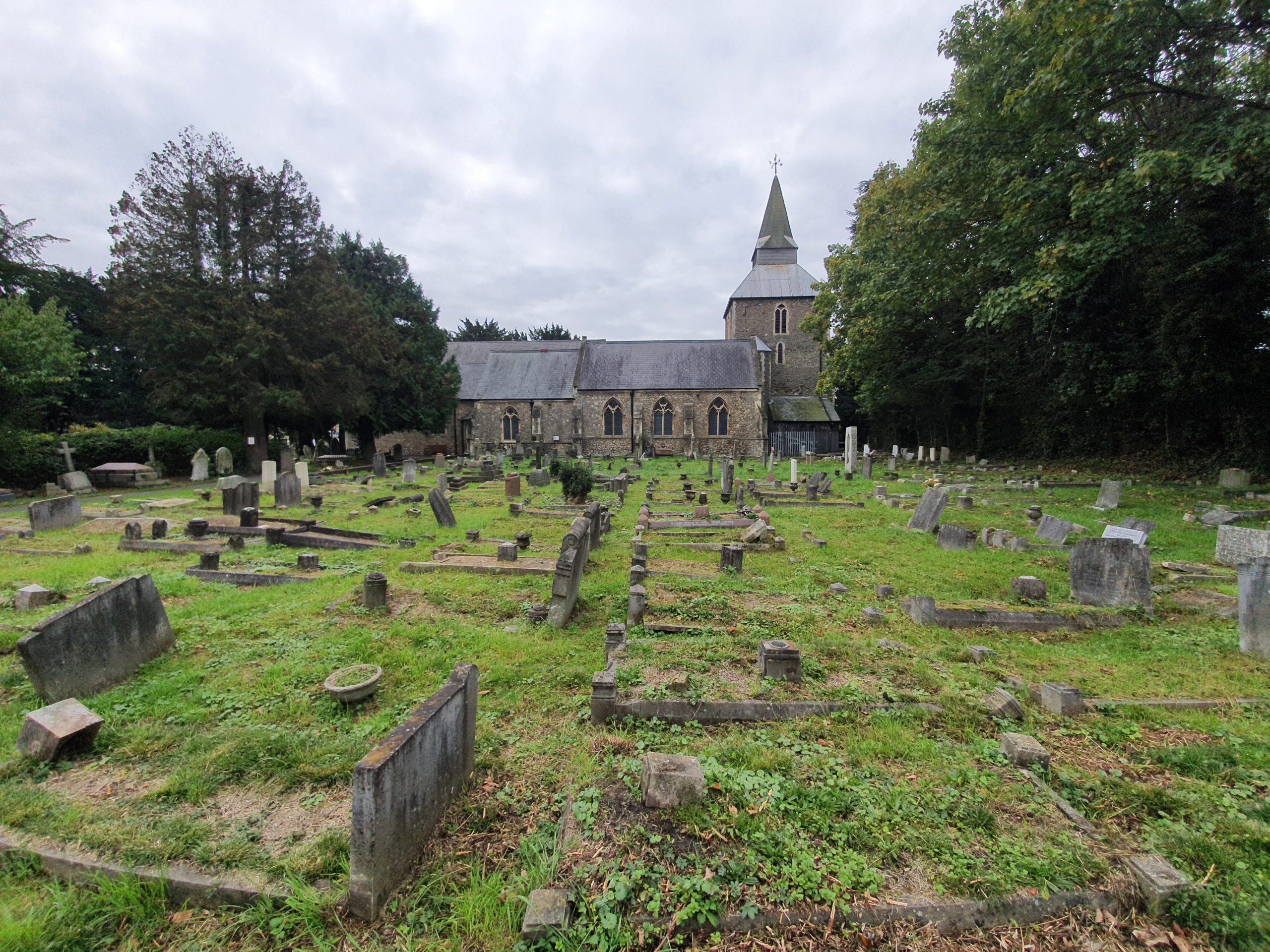
    The Church of St. Laurence is important to Upminster for numerous reasons, not least because it’s the origin of the town name. The church, or Minster, may have been on higher ground, hence the Upper Minster, or Upminster. There was likely a church here from as early as the seventh century, probably just made from thatch and wood, with a stone replacement not constructed until the twelfth century.

    As a little more history, somewhere in this graveyard is the body of Alice Perrers, the mistress of King Edward III of England, who was for a while as influential as a Queen.

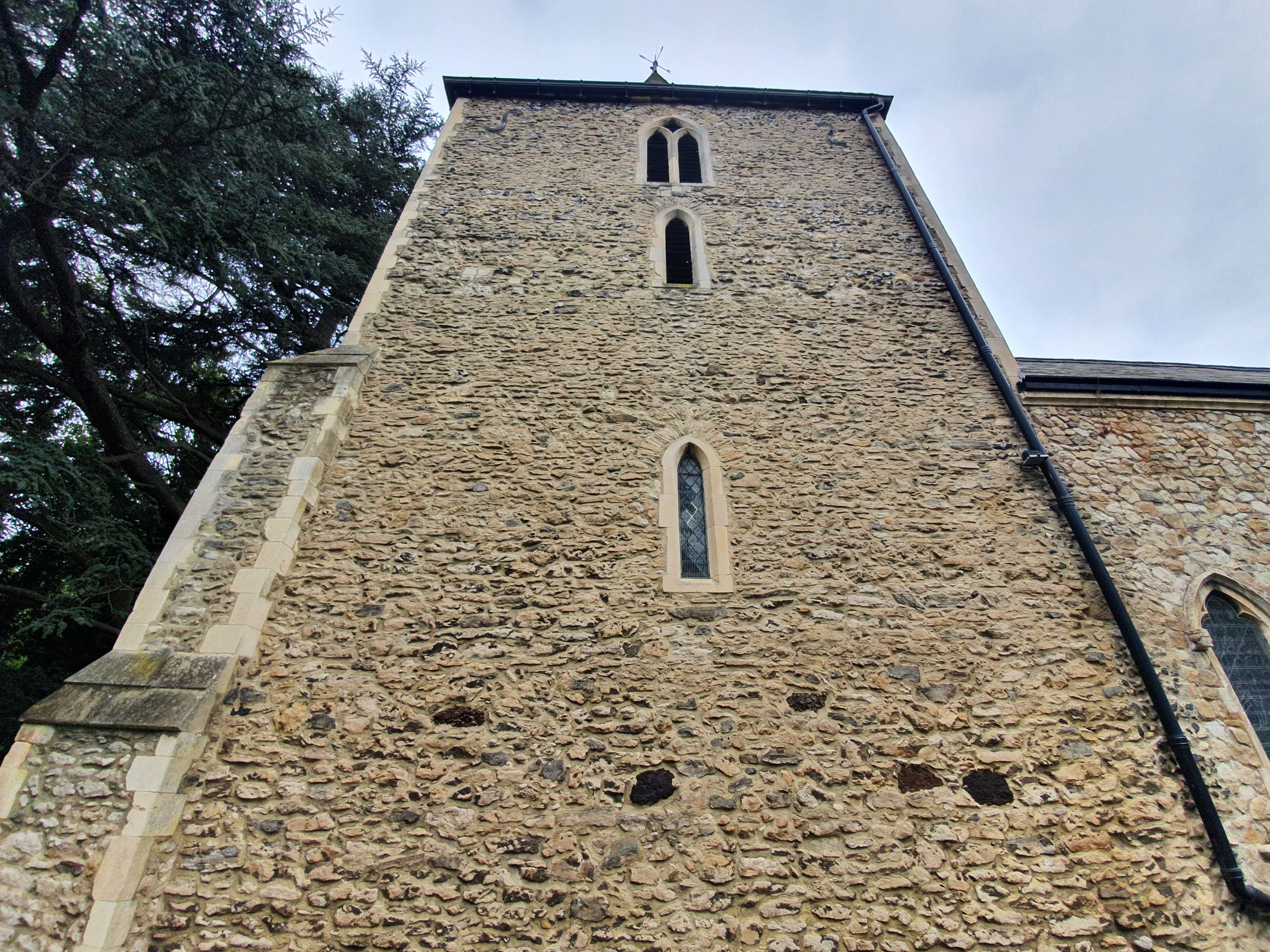
    The tower may date from as early as the twelfth century and the wooden frame which supports the spire is from the thirteenth century. That’s quite an impressive piece of engineering, to make it last for seven centuries. This is also the tower from where the speed of sound was first recorded, by William Derham (1657-1735), the rector of the church and keen scientist.

    Much of the rest of the building is later, mostly a rebuild from 1863 overseen by W G Bartlett, with twentieth century additions due to the increasing size of the congregation.

    One gravestone seems to have got itself caught up in the path.

    One of several chest tombs in the churchyard from the eighteenth and nineteenth centuries.

    The path of trees.

    The metal grave marker of Lydia Tunbridge.

  • London – Havering (Borough of) – Upminster – St. Laurence’s Church (Lydia Tunbridge)

    London – Havering (Borough of) – Upminster – St. Laurence’s Church (Lydia Tunbridge)

    I thought this metal grave was intriguing, located at St. Laurence church in Upminster. It commemorates the life of Lydia Tunbridge, who died in 1918 at the age of 70.

    At the 1901 census, Lydia lived at Hacton School House in Rainham along with her husband, George, who was an agricultural labourer. They had four children living with them, Ethel who was born in 1885, Herbert who was born in 1888 and was already working as an agricultural labourer at the age of 13, Ernest who was born in 1889 and was still at school and Mabel who was born in 1892. They also had an older sister, Alice, who was no longer living with them, but who appeared in the 1891 census.

    At the 1911 census, Lydia lived at Mission House in Hacton, with George still working as an agricultural labourer. Herbert, Ernest and Mabel were all still living with them, with Herbert also still working as an agricultural labourer and Ernest who worked as a horseman on a farm. Also now residing at the property was Winnie Fairchild, their grand-daughter.

    Lydia died in 1918 and she still lived at the Mission House at that time. The particularly sad element of this is that she died just a year after finding out that her son Ernest was killed during the First World War. Ernest died on 1 July 1917, at the age of 28, and is buried at the Cologne Southern Cemetery in Germany, which is where bodies were moved to from other parts of the country. Ernest fought in the 7th Battalion of the Northamptonshire Regiment and became a prisoner of war during the conflict, having already been injured in 1916, being discharged from a field hospital on 30 December 1916. He left a wife, RM Griffiths, who lived at 3, Westbury Rd., Walthamstow, London.

    I’m not sure why this burial used a metal headstone, but it may have been that a blacksmith could have made it for them. Ernest was working as a horseman on a farm, so, perhaps (and very much as a random guess) this was arranged for the family.

  • London – Havering (Borough of) – Romford – Romford Market

    London – Havering (Borough of) – Romford – Romford Market

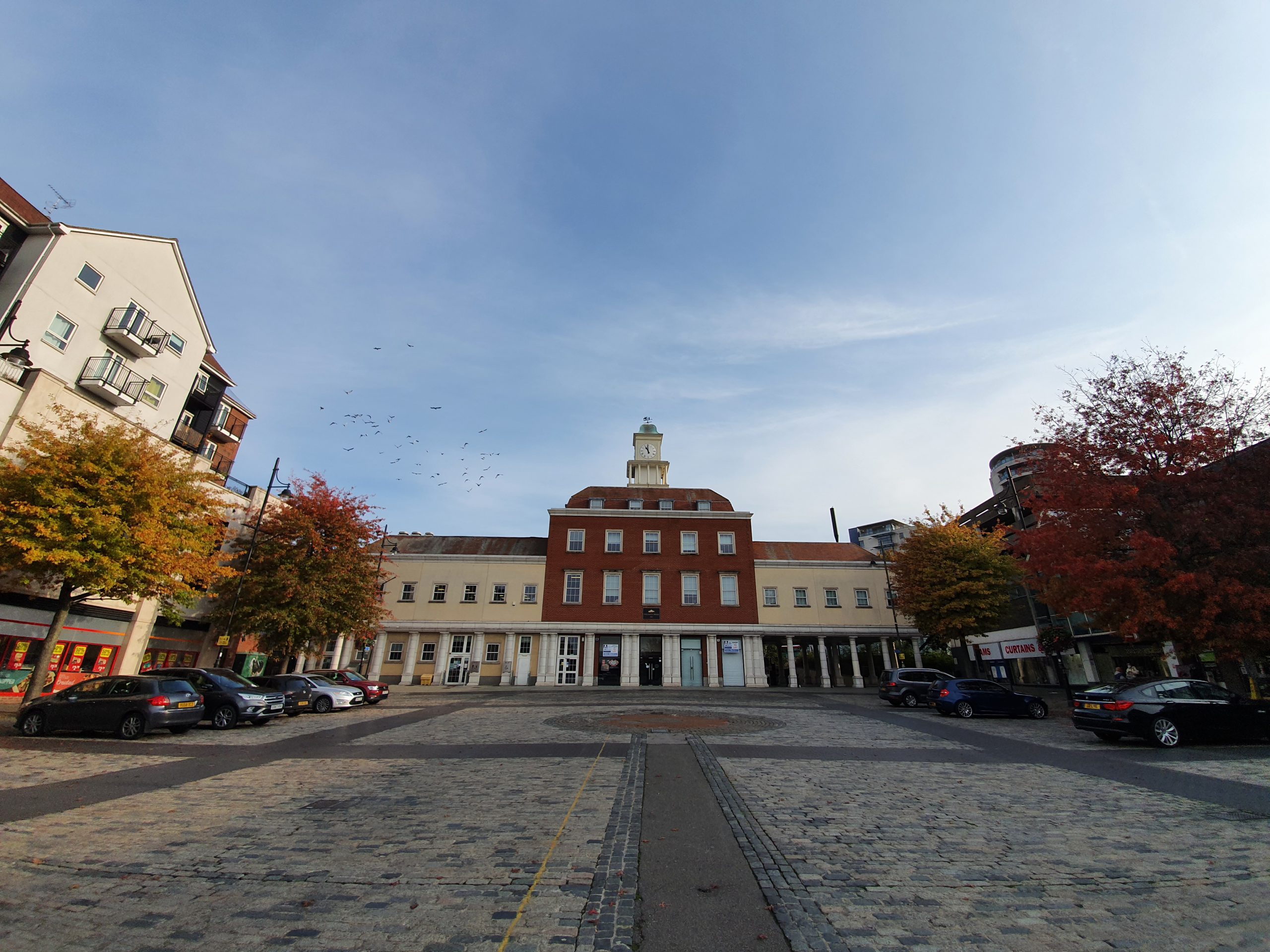
    There has been a market in this area since 1247, when it was used as a location to buy and sell sheep. King Henry III gave Romford the right to hold this market and banned any other settlement from having a similar one if they were within one sheep-driving day away in distance. It later became used as a more general market, but the sale of cattle continued until 1958.

    As can be seen from this map from the early twentieth century, the road used to be more defined on one side, with the cattle market having a permanent area. The general market currently takes place on Wednesdays, Fridays and Saturdays and on other days it’s used as a car park and an opportunity to nearly run over unsuspecting pedestrians who think it’s pedestrianised (not referring to me, but to two other people who had to dodge cars).

    Not wanting to sound like a town planner, but it’s a shame that more isn’t done with this area of Romford, it clearly used to be its beating heart and it’s now a bit of a sideshow.

  • London – Havering (Borough of) – Romford – Church House

    London – Havering (Borough of) – Romford – Church House

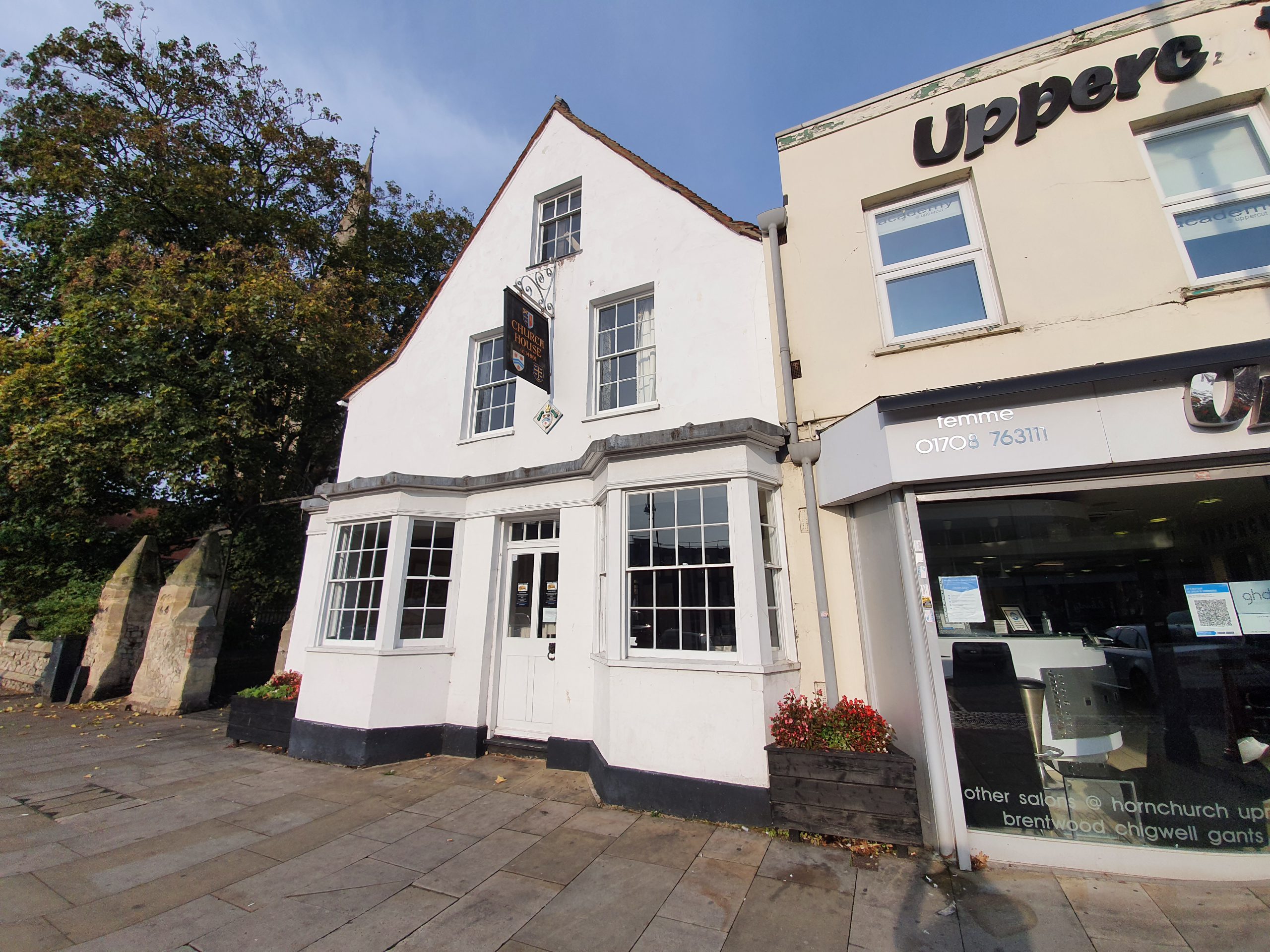
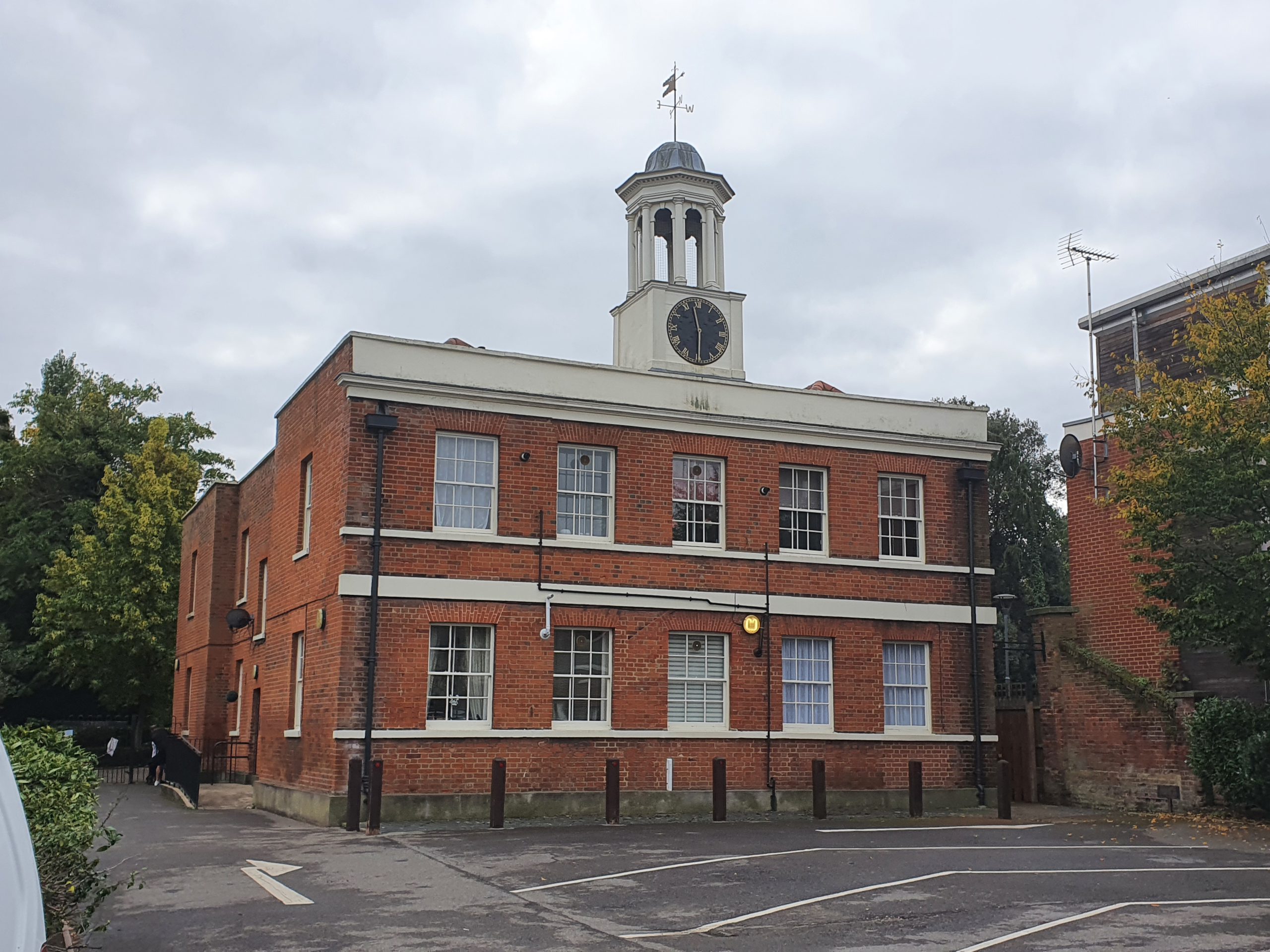
    This property was originally used by priests from the Church of St Edward the Confessor which is located next door. It’s much older than the church, as this was built in the fifteenth century (it’s thought about 1480) and the church is a mid-nineteenth century replacement for the earlier building.

    Although closed at the moment due to the health crisis, it’s normally open as a cafe which is open to the public. This usage is appropriate, as the property was turned into an inn towards the end of the sixteenth century. It remained in use as a licensed premises until 1908 when the building was sold and taken over by New College, Oxford University. They named it Church House and since then it has been used by officials from the Church of England, as well as being a cafe.

  • Romford to West Brompton – TFL Rail and London Overground

    Romford to West Brompton – TFL Rail and London Overground

    My route early this afternoon was to get from Romford in east London to West Brompton in west London. Checking the TFL fare finder there are four possible prices for this journey.

    (i) Peak: £5.10 Monday to Friday from 0630 to 0930 and from 1600 to 1900.
    (ii) Off Peak: £3.10 At all other times including public holidays.

    (iii) Peak: £2.80 Monday to Friday from 0630 to 0930 and from 1600 to 1900.
    (iv) Off Peak: £2.60 At all other times including public holidays.

    The first two fares involve going through central London, the second two fares involve going via the London Overground. I was before the peak time, but always ready to save 50p, I decided to go for that. But, during peak time, it would save £2 going the alternate route.

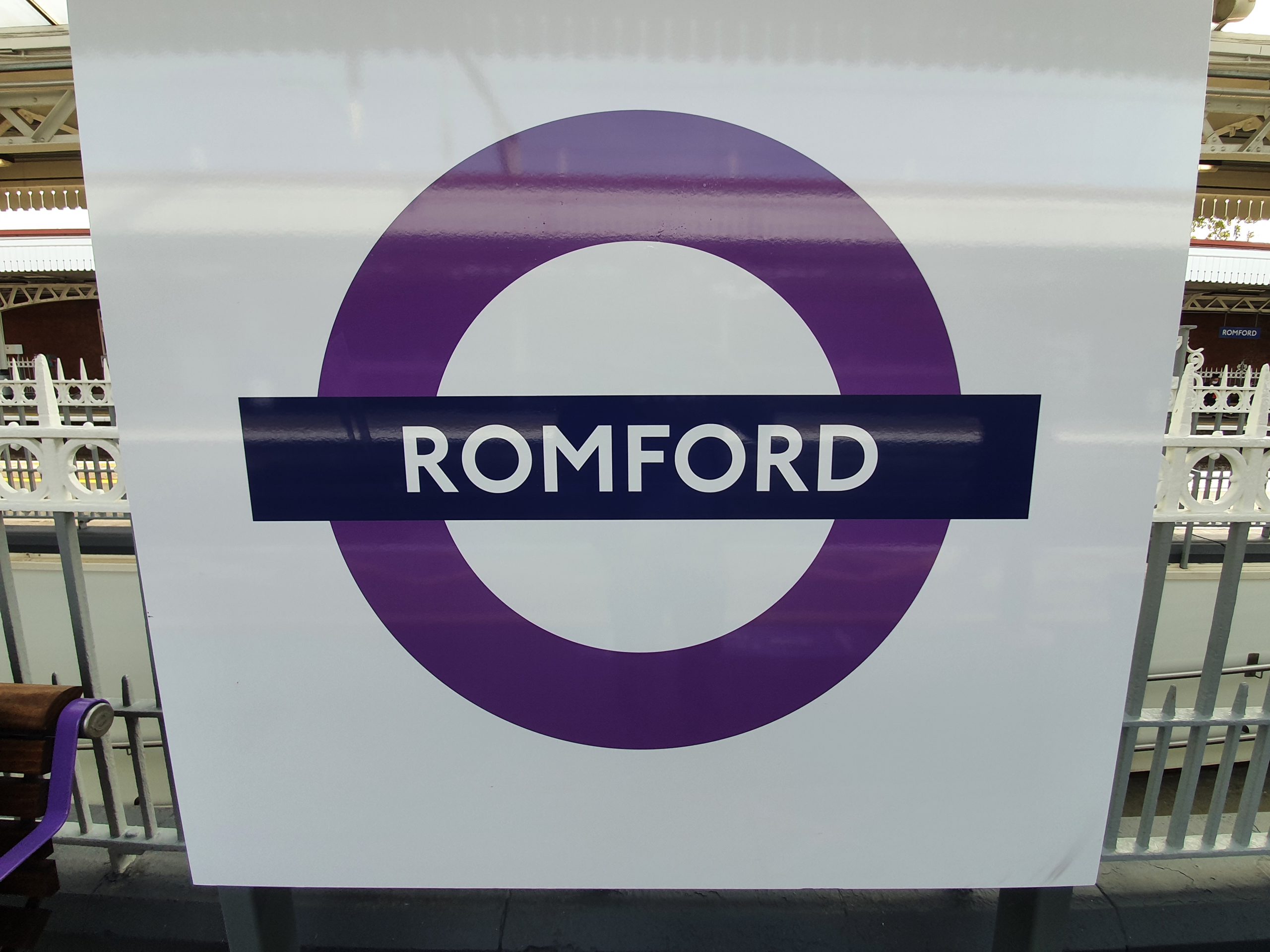
    The Romford roundel, with the colours of the Elizabeth Line, or, as most people will probably keep calling it, Crossrail.

    Until Crossrail is fully operational, so in about 71 years, TFL rail are running services between Romford (starting from Shenfield) and London Liverpool Street. This is the service which used to be run by Abellio, until it was switched in 2015.

    Inside the train, which has frankly seen better days. I’m not very good at train recognition, but I think it’s a Class 315, which were built by British Rail (when they weren’t busy closing stations) in 1980. The train was six minutes late in arriving, but there are trains every ten minutes, so it doesn’t make much difference. The train got busier as we got nearer to London.

    To get the cheaper fare, I couldn’t go into London Liverpool Street, I had to change at Stratford. This is easy enough, but it’s necessary to tap the pink oyster reader so that the system knows that you’ve switched to the Overground. You couldn’t really cheat this, as the TFL Rail train would arrive into the mainline platforms at London Liverpool Street and customers would have to switch to the underground, which would then be noted by the oyster readers.

    Here’s the Overground train at Stratford, I think a Class 378. My knowledge about this is very limited…..

    It wasn’t very busy to begin with, but it got a little busier over the route. I saw Grenfell Tower for the first time and then went to read the Guardian online who had just that moment put up a story about it. Very sobering and sad.

    And here we (well, me, no-one else would want to faff around like this) are in West Brompton, arriving 11 minutes late. It is possible to claim delay repay for these services if they are up to 30 minutes late, but I couldn’t get any money back on this occasion. Hopefully, and I shall find out tomorrow, I have been charged £2.60 for this journey. That is a decent fare for a distance of around 19 miles (measured in a straight line).

  • London – Havering (Borough of) – Romford – Church of St Edward the Confessor

    London – Havering (Borough of) – Romford – Church of St Edward the Confessor

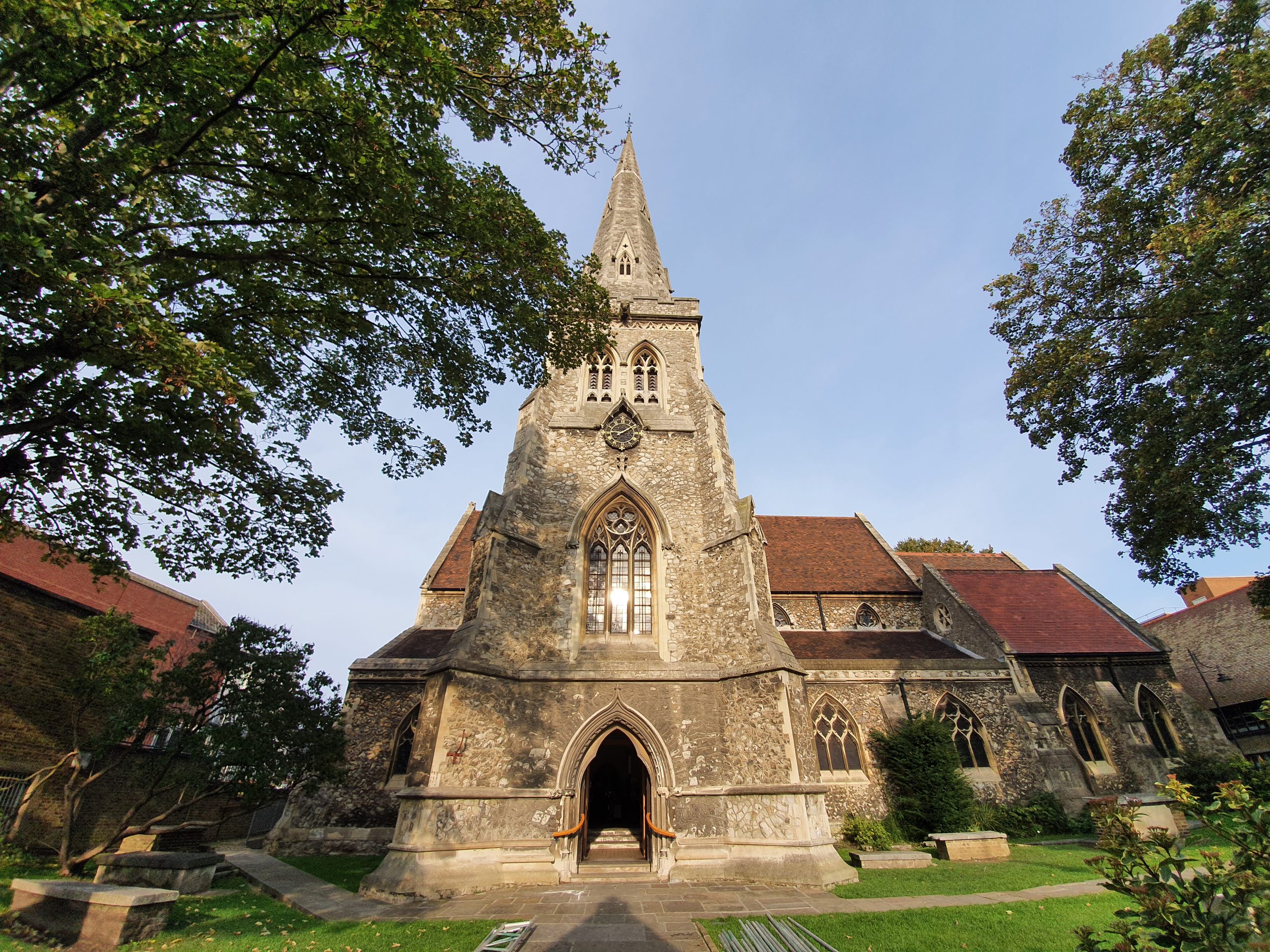
    This church is located in the market-place of Romford and there has been a religious building here for centuries as the main parish church. The current building dates only to 1849 and was designed by John Johnson, with the previous structure from the early fifteenth century being demolished.

    Edward the Confessor (1003-1066) was a King of England and he was made a saint, perhaps one of the more controversial appointments if I’m being honest. But, to be fair, it was several centuries ago and it’s hard to reverse these things now.

    Interesting entrance way.

    The design is a little different to many other churches, quite an imposing frontage and the spire is 162 feet in height.

    The side of the church and it appears impossible to get to the rear of the building now, but the area behind is still a green. There was a load of scaffolding being taken in and out of the church when I was meandering around, so I felt best not to try and get in. There are though apparently some older monuments inside which are from the previous building.

    Some of the older gravestones remain in the churchyard, although few of them are now readable.

  • London – Havering (Borough of) – Romford – Golden Lion

    London – Havering (Borough of) – Romford – Golden Lion

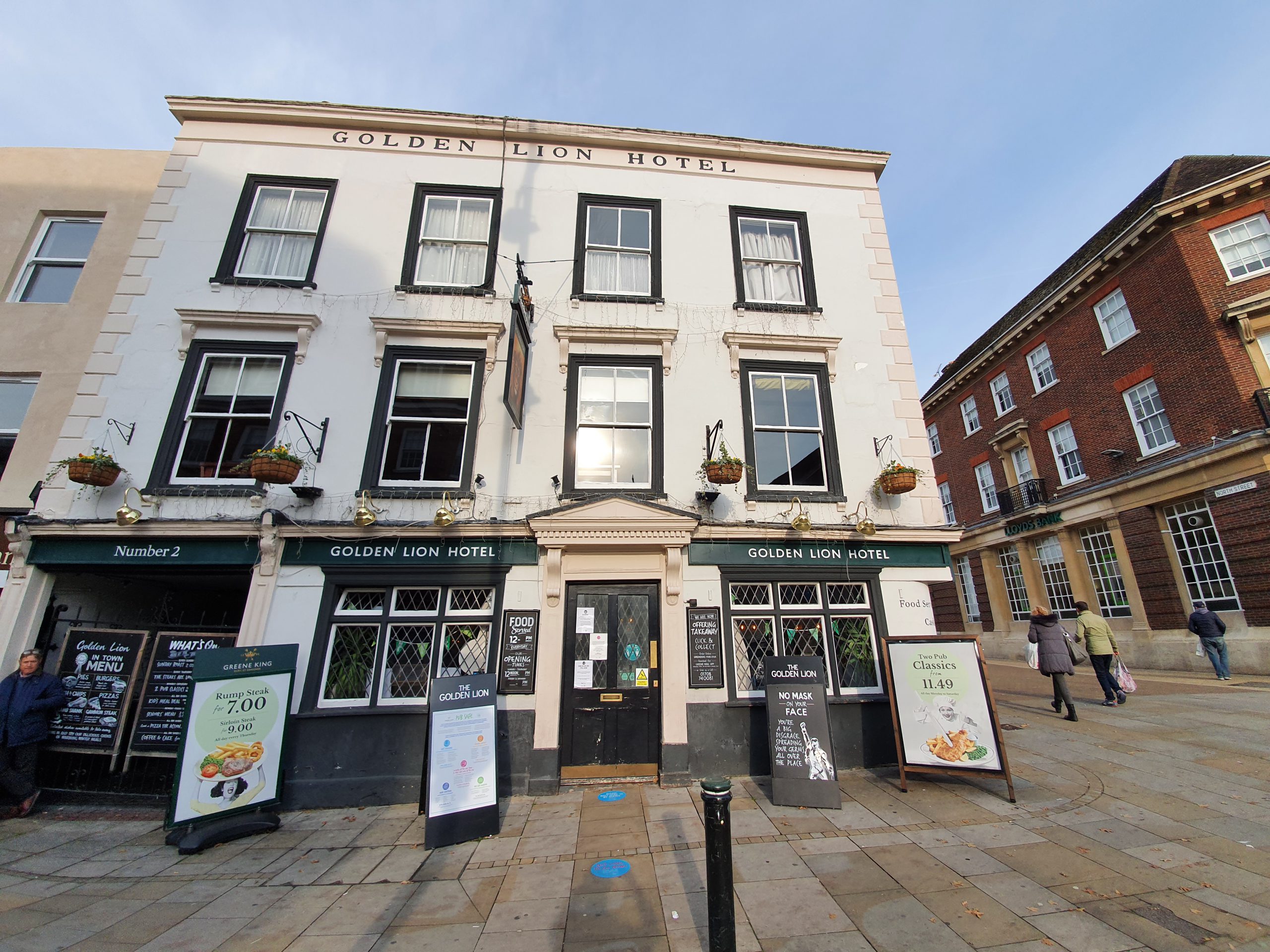
    I didn’t go inside this Greene King pub, but it’s worthy of some note as it’s claimed that it’s the pub which has been in the longest continuous use as an inn in the country. It’s known to have been trading since the early fifteenth century, which is one hell of a heritage to have. It’s located on the High Street in Romford, which was once the main road which went from Colchester to London. This meant it was an ideal location for a coaching inn and the building of the turnpike gave them a suitable boost in trade. It has generally kept the same name throughout its history, although was known as the Red Lion for a period during the fifteenth and sixteenth centuries.

    The side of the pub. Staggeringly, as recently as the 1960s there was discussion about knocking the pub down to help build the new road system around Romford, but this was fortunately avoided.

    It’s a sizeable location, which I assume once had space for tens of horses. As an aside, this property was once owned by Francis Bacon (as in the philosopher and not the painter) and it might have been where Will Kemp stayed when he was morris dancing from London to Norwich.

  • London – Havering (Borough of) – Romford – Travelodge Romford Quadrant

    London – Havering (Borough of) – Romford – Travelodge Romford Quadrant

    At just over £20 for a night’s stay, I wasn’t entirely hopeful about what this Travelodge might offer. The exterior doesn’t look the most exciting for a hotel either.

    My first impressions weren’t great with the state of this carpet.

    But, appearances can be deceptive. The staff member at reception was warm and personable, with plenty of information being provided. The room, which was a little smaller than some other Travelodges, was clean and comfortable. There were also no noise issues either internally or externally.

    And, some significant credit should go to Travelodge for their Samsung air conditioning unit. Sometimes hotels have the same heating/cooling throughout, they pump warm air through in winter and cold air through in summer. It’s usually insufficient and gives the individual no ability to choose how warm they want their room. In other hotels the air conditioning is either limited or just doesn’t work. However, here, it worked very effectively and allowed me to get the room to my preferred temperature of cold.

    Some work was probably needed on the state of the old windows.

    All told, this stay represented excellent value for money, I was very impressed. It’s also in the centre of Romford for anyone who wants to treat themselves to a day there (I’m sure that there are some) and it’s easy to get to central London using TFL trains.

  • London – Havering (Borough of) – Romford – High Street Old Bridge

    London – Havering (Borough of) – Romford – High Street Old Bridge

    This plaque is on the external wall of the former Star Brewery building, which is now Havering Museum. I didn’t understand the relevance of why it was here, but a map helps to make sense of this. They knocked down the bridge in 1906 and it’s been partly covered over now. It’s the River Rom and the brewery had incorporated it into their brewing process, clearly deciding that the High Street no longer needed a bridge.

    The former location of the bridge is more obvious in this map. The Latin inscription on the stone notes that the bridge was rebuilt during the reign of King George II, and although the date of the rebuild wasn’t listed on the stone, it was likely in 1737.

  • London – Havering (Borough of) – Romford – Romford Brewery Company

    London – Havering (Borough of) – Romford – Romford Brewery Company

    The Brewery in Romford today is a shopping centre and entertainment complex, but this was once a brewery that operated over a large site.

    To be fair, the brewery seems to have taken up most of central Romford. It was founded at the beginning of the eighteenth century and was initially part of the Star Inn pub. Makes sense to run a brewery if you have your own pub to sell it in. It was also handily located next to a river, the River Rom which the town was named after, as well as having good transportation links.

    The brewery traded until 1993, but the site was redeveloped and re-opened as a shopping centre and entertainment complex in 2001.

    Housing has also now been constructed on the site.

    The frontage of the brewery on the High Street, which was historically the main road that went through Romford.

    The former entranceway to what was known as the Star Brewery for much of its life (due to the pub it was once attached to), with some interesting photos at http://breweryhistory.com/wiki/index.php?title=Ind_Coope_Ltd.

    The old brewery gates have been cleaned up and kept, a permanent reminder of what was once here.