Category: Aarhus

  • Aarhus – End of a Visit

    Aarhus – End of a Visit

    [This post is originally from April 2018 but I’ve reposted it and fixed the broken image links]

    20180421_133222

    The local bus company runs services from Aarhus city centre to the airport at times that are co-ordinated with flight departures. However, I considered the connection time to be far too close for my liking and so I bordered a coach for the flight two before mine. They are no doubt right to leave such a small gap, but I get panicked if I don’t arrive early. As can be seen from the above photo, I was first to arrive for my flight. Again.

    The coach journey was uneventful, other than for an enormous bee which forced me to move my seat. I was very brave, but could have done without this existentialist threat to my on-board safety. I can’t help be reminded though that the cost of the coach was more than my Ryanair flight ticket, and I hope that one day Ryanair take over the operating of the coach service itself. I’d be content with them offering me lottery tickets and all manner of other items if it reduced the price of the coach.

    20180421_145113

    20180421_145212

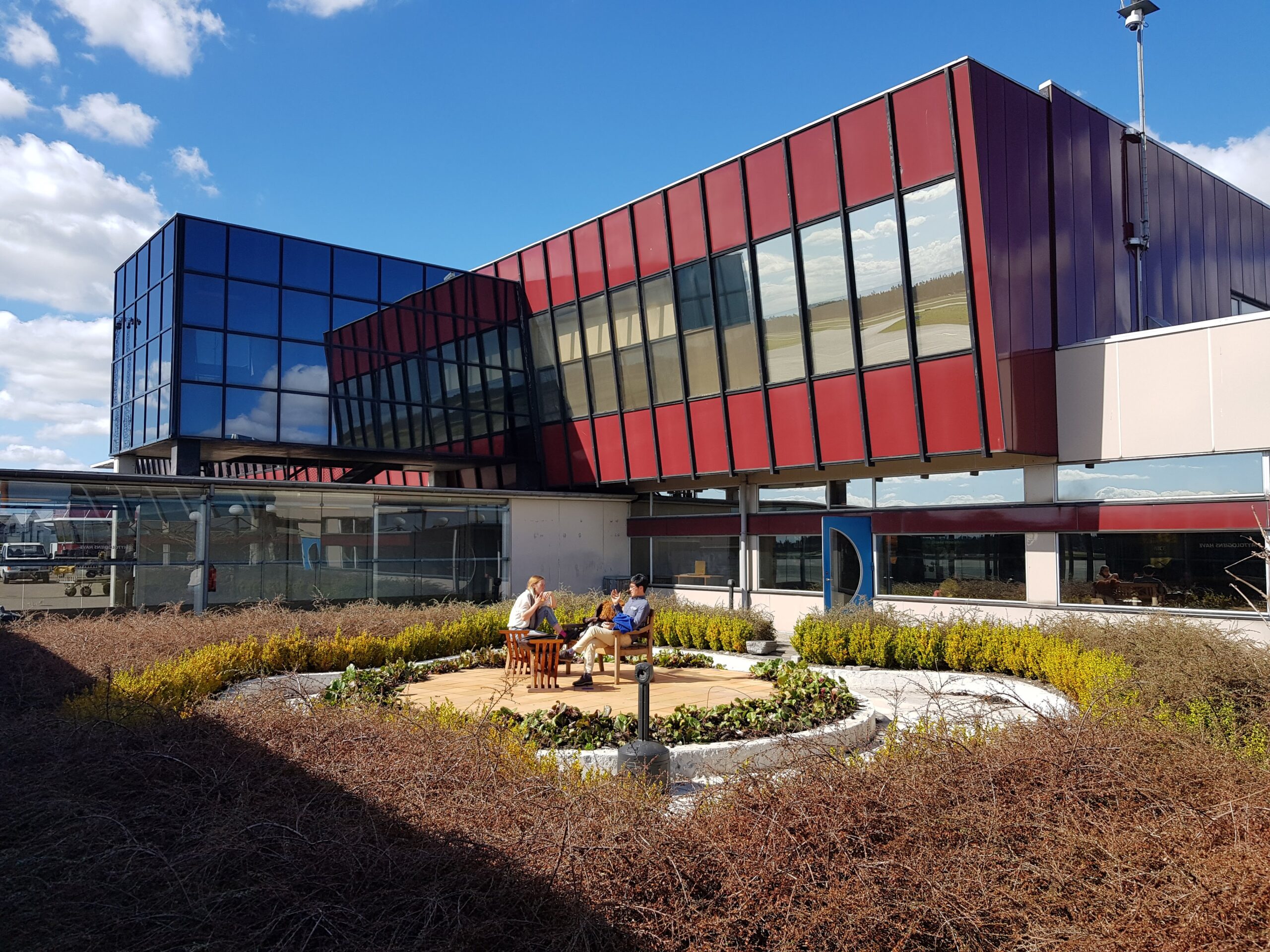
    The airport has a post-departure garden area, which is rather lacking in seating. And I worried about the threat of bees, so I went outside, took a photo and then came back to sit in the cold. I’m not really an outdoors sitting person.

    It was rather a lovely visit to Aarhus, although slightly limited my hobbling around for part of it because of an injury from my walking last week. The city is clean, friendly, organised and modern in its feel. It feels safe and I’m slightly impressed at how Aarhus feels just so relaxed and so at ease with itself.
  • Aarhus – Aarhus Cathedral

    Aarhus – Aarhus Cathedral

    [This is a repost from April 2018 as I needed to fix the broken image links]

    20180418_105321

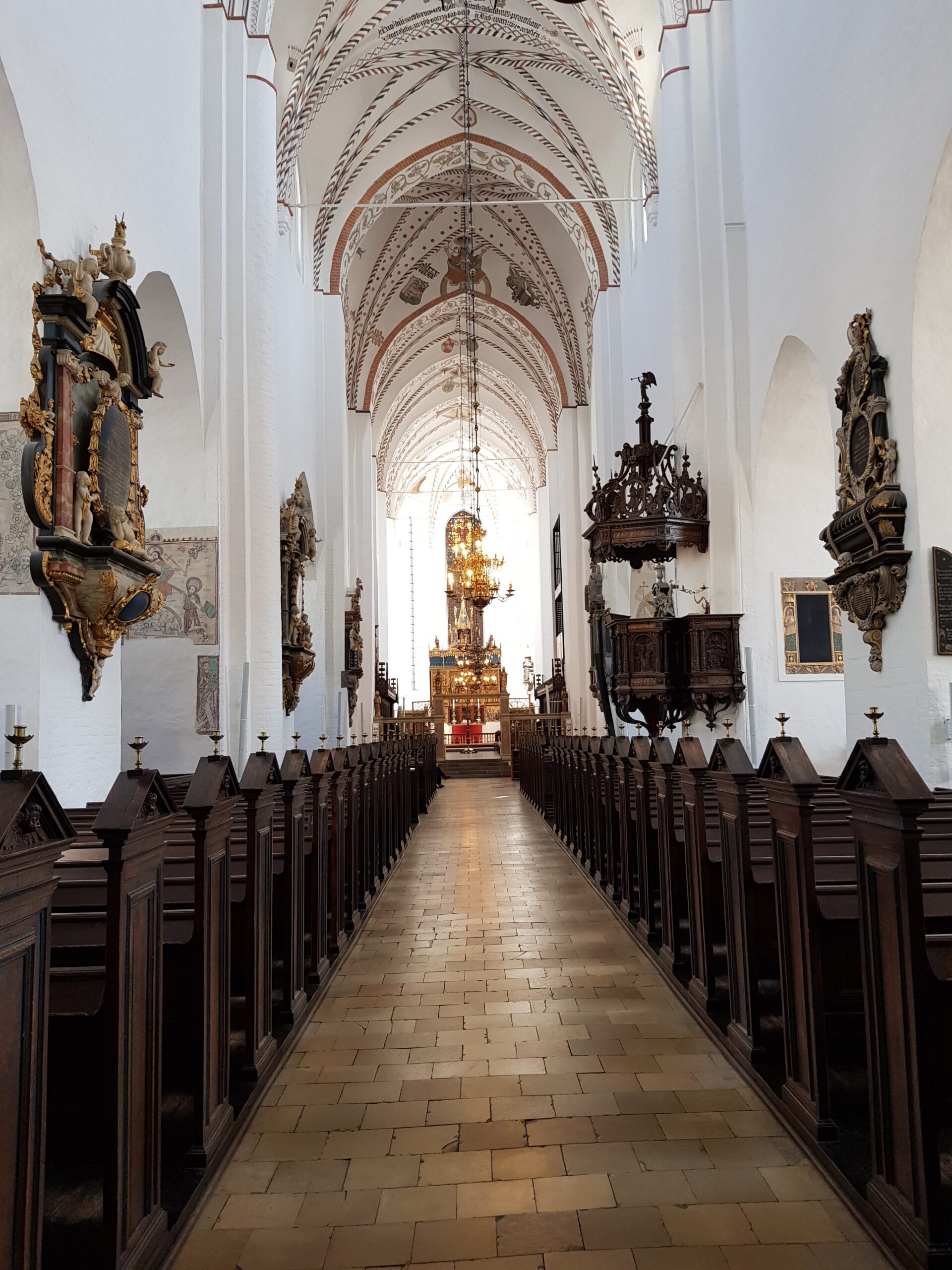
    Aarhus Cathedral is the tallest religious building in the country and rather inevitably dominates over the central area of Aarhus. It was built in the twelfth century and it replaced the previous church which was located outside of the city’s fortifications (and which can still be visited).

    The spire of the original church was destroyed in a seventeenth century fire and was replaced with a rather inadequate version known as the “coffee pot lid”. This situation was resolved in 1867 when a more fitting spire was placed back on top of the building.

    20180418_110615

    There’s a large and bright interior with a rather impressive altar dating designed by Bernt Notke and dating to the late fifteenth century.

    20180418_110550

    The clock above the entrance to the chapter house.

    20180418_110029

    The floor in the aisles is made up of broken former tombs.

    20180418_111329

    20180418_110133

    There are numerous grand tablets on the walls of the building.

    20180418_110059

    The ship dates to around 1720 and it’s located here to remember all of those who have died at sea. It’s 3.5 metres in height and it’s the largest such ship in any Danish church.

    20180418_110451

    20180418_105919

    There are frescoes throughout the building and these were mainly painted between the late fifteenth and early sixteenth centuries. Many were covered up and have since been restored, although some of the originals have been lost over time.

    20180418_110053

    The height of the aisle is more obvious from this photo and one nice touch is that the Cathedral has placed large boards at the end of this aisle with old photos and drawings of the building.

  • Aarhus – Den Gamle By

    Aarhus – Den Gamle By

    [This is a repost of a post I made in April 2018 to fix the broken image links].

    20180420_125229

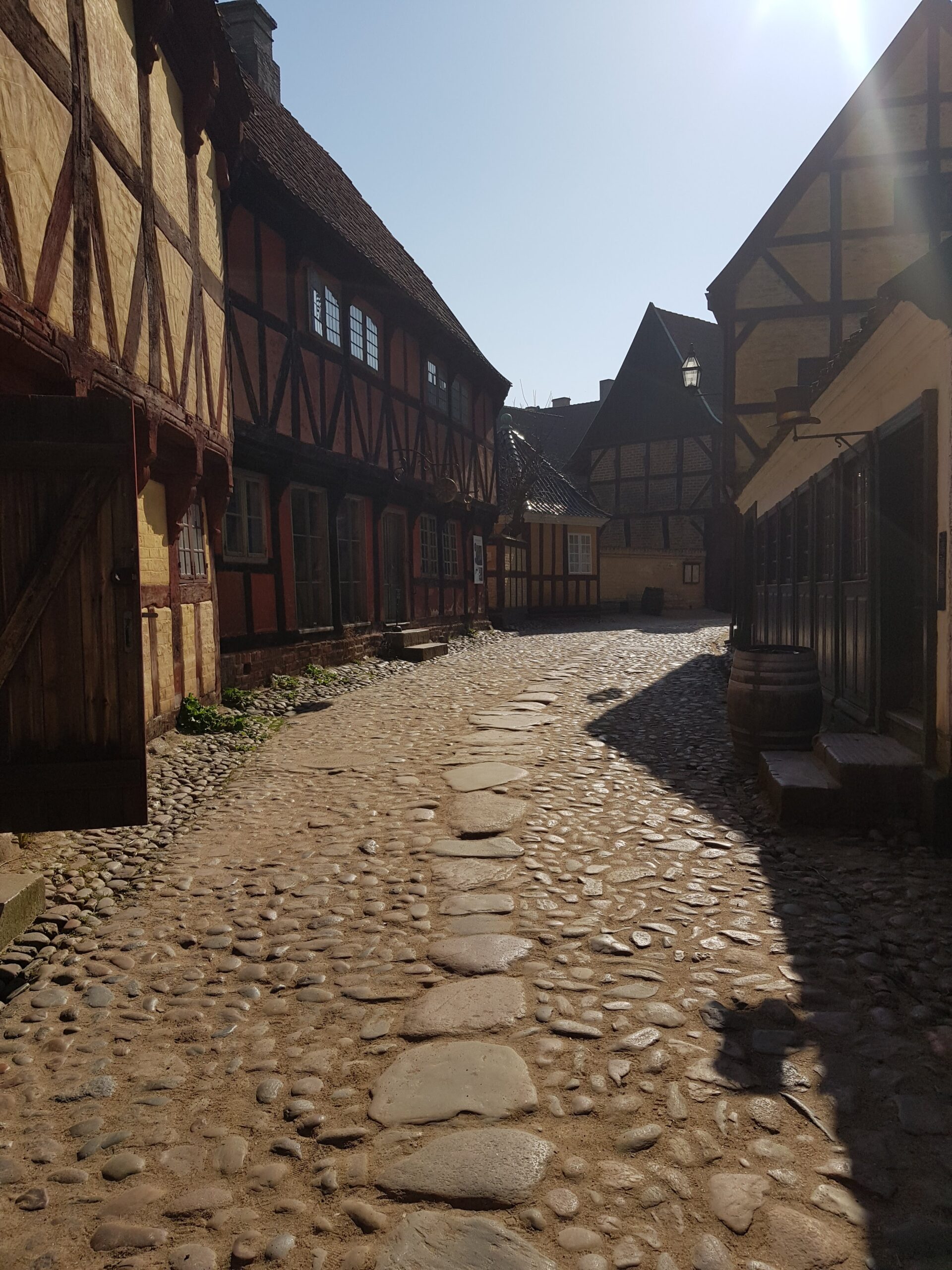
    Den Gamle By (meaning old town) is a substantial open air museum with tens of recreated buildings. The site is large, with several museums and visitors can go in most of the buildings.

    20180420_101902

    One of the main streets around the museum, which are all clearly described on plaques which are placed on the building. They’ve also got a handy app which I downloaded, although there was sufficient information on the buildings to mean that I didn’t really use it much.

    20180420_102446

    It did feel like a rather quaint old town that could have been anywhere in northern Europe. There were also characters placed around the buildings, and walking between them, who visitors could interact with (or ignore if they preferred).

    20180420_105010

    To add to the character of the museum there was a horse drawn carriage being taken around which offered rides to visitors.

    20180420_124101

    Inside the site there were several museums, including one which told the history of Aarhus. This plan to build a huge road through the centre of the city in the 1950s was only narrowly avoided, but it showed the contempt that some officials had for heritage. The museum itself opened in the 1920s in a bid to protect historic buildings which would otherwise be demolished and they’ve done a great job of getting so many.

    20180420_105840

    As well as saving buildings from the last few centuries, work is now on-going to create a 1970s section. They’ve made good progress with this, with a new harbour section currently being constructed opposite. Given that there isn’t a huge amount of land for the museum to use, as it’s actually in the city and not in a rural location, they’ve done really well to fit quite so much into the site.

    20180420_110935

    The museum went on and on, with so many of the buildings being packed with exhibits. This is the motorcycle workshop, with the signage explaining that initially there was no such thing as a car mechanic. The job evolved from bike repairers moving on to repairing motorbikes, then in turn repairing cars.

    20180420_123509

    20180420_123827

    The train was a bit of a surprise, I hadn’t expected it to have sound effects and for smoke to pump out of it as I walked by. Very impressive, and visitors are allowed to board it to see how all the engineering worked.

    I spent several hours at the museum, unfortunately not as long as I wanted because I had some pain with my foot because of the whole coast to coast walk from last week. As usual I was very brave, although my resting it has rather put an end to the day’s exploration of the city.

  • Aarhus – The Church of our Lady

    Aarhus – The Church of our Lady

    [This is a repost of a post I made in April 2018 as I needed to fix some broken image links]

    20180421_102745

    The exterior of the rather glorious Church of our Lady doesn’t initially suggest just how old the building, or at least parts of it, is. The main part of the church dates from the twelfth century and it was originally a Benedictine monastery.

    20180421_103109

    20180421_103226

    20180421_103842

    The church’s interior is large and open, with numerous quite substantial tablets in the walls, mostly dating to the late seventeenth and early eighteenth centuries. The organ is quite recent, having been installed in 1962. The altar is from the 1520s in the baroque gothic style.

    20180421_103351

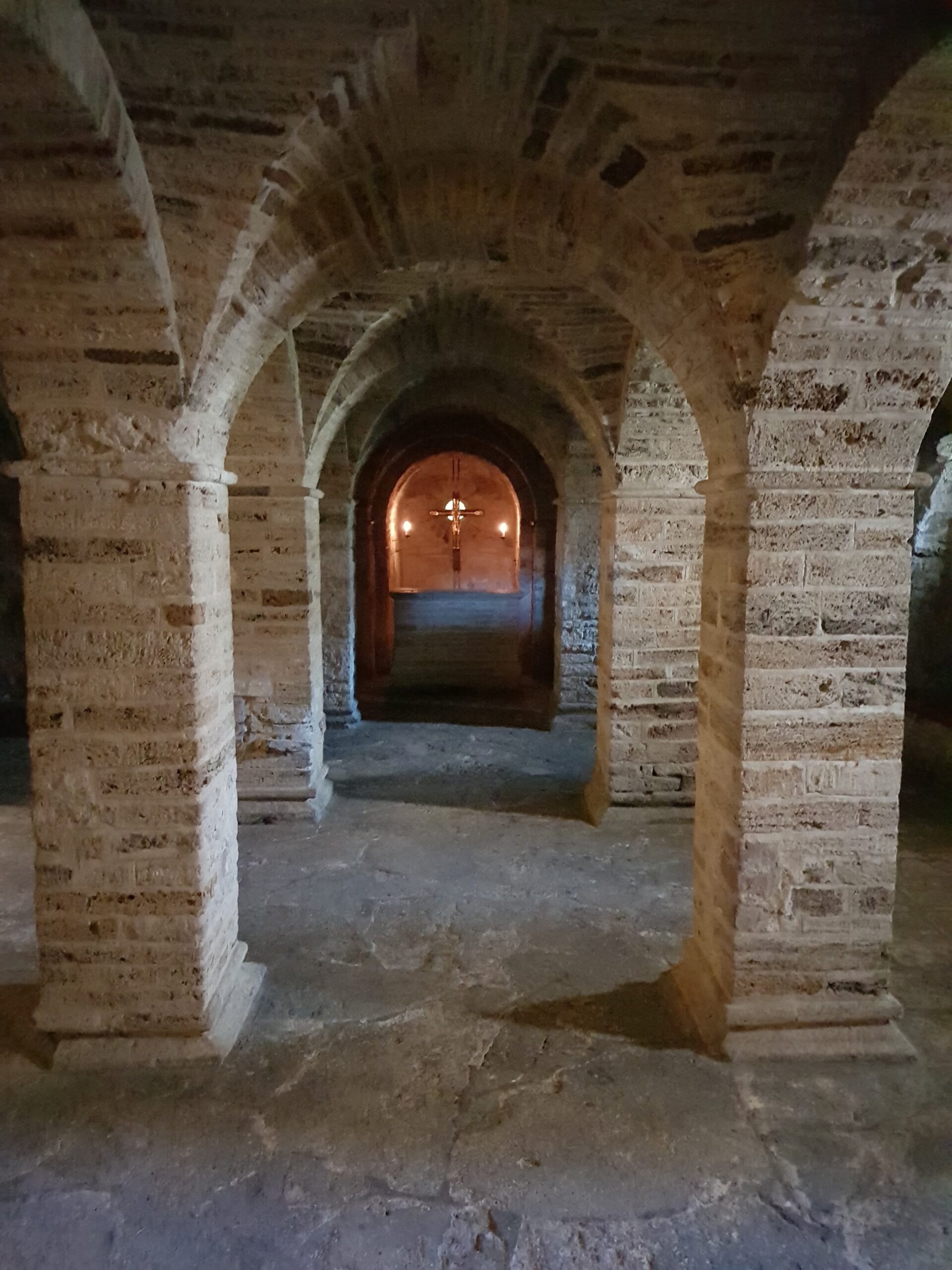
    One of the highlights of the church is though the crypt, which has numerous different claims, including being the oldest stone structure in Denmark, the oldest church in the city and the oldest arched space in Scandinavia. I’m unsure of the veracity of these claims, but it is likely that this was the first church in the city.

    When the main cathedral was built this church was no longer needed and was given to the Benedictine monks in the twelfth century. The existence of the crypt was eventually forgotten about until the 1950s when it was discovered by chance by gardeners (doing what I’m not quite sure) and after a large archaeological dig it was excavated and restored.

    20180421_104051

    The church ceased to be a priory in the sixteenth century, following the Danish Reformation, but the buildings were mostly retained. The cloisters can still be visited and some of the original arched stonework has remained in situ.

  • Aarhus – The Well of Pigs

    Aarhus – The Well of Pigs

    [Reposted from April 2018 to fix some broken image links]

    20180419_114632

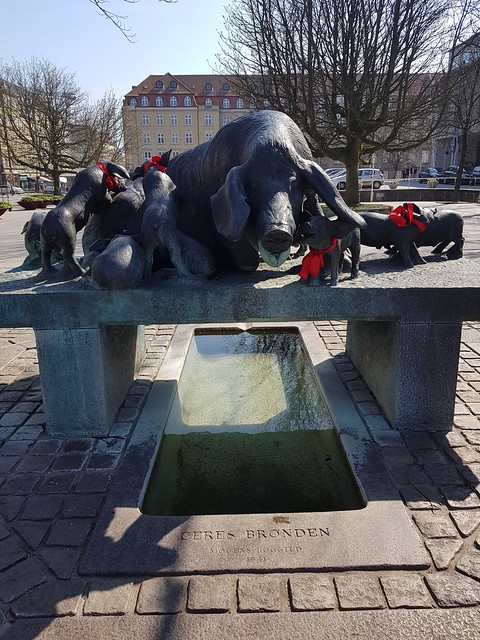
    This rather interesting sculpture, known as Grisebrønden, was designed by Mogens Bøggild and was donated to the city by Ceres, a local brewery. Ceres was an important local employer, but their main factory in the centre of Aarhus was closed in 2008 and has since been demolished.

    20180419_114650

    The sculpture isn’t unfortunately the original 1941 version, it was replaced in 1992 after it was vandalised on several occasions. The original is still though in existence and is located in Skejby, a short distance from Aarhus.

  • Aarhus – Smørrebrød

    Aarhus – Smørrebrød

    [This is a repost of a post I made in April 2018 as I needed to fix a broken image link]

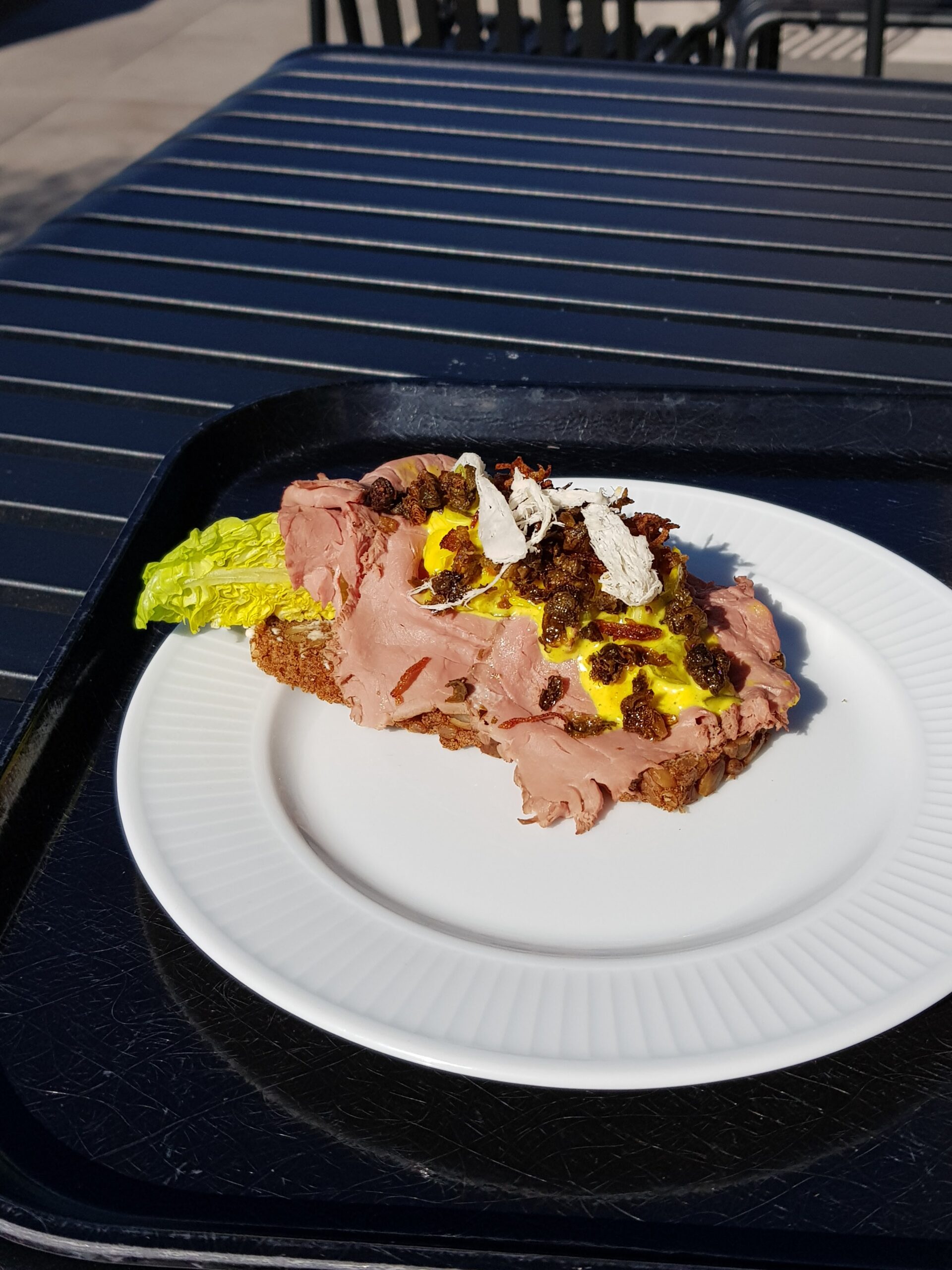
    A roast beef Smørrebrød on the rooftop terrace of Sallings. Rather lovely.

  • Aarhus – Romkugler

    Aarhus – Romkugler

    [This is a repost of a post I made in April 2018 to fix the broken image link. I’d forgotten about these, I’ll have to go and acquire more at some point]

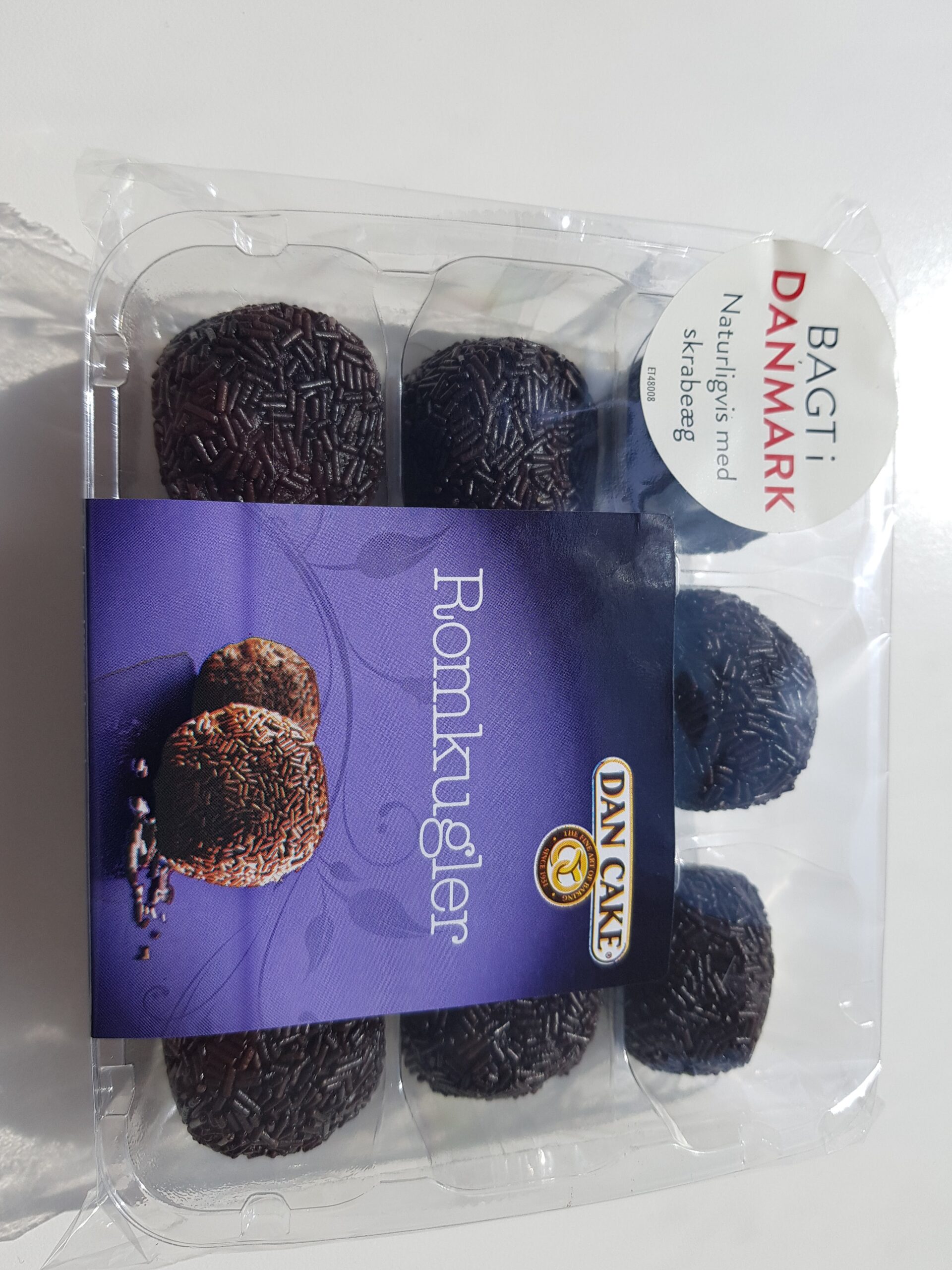
    Rum balls (Romkugler) – I’m not sure that they’re particularly Danish in origin, but they are very moreish!

  • Aarhus – San Pellegrino

    Aarhus – San Pellegrino

    [This is a repost of a post I originally made in April 2018 as I’ve corrected the broken image links. Incidentally, these drinks today are nowhere near as exciting as they were, the removal of sugar hasn’t helped the taste….

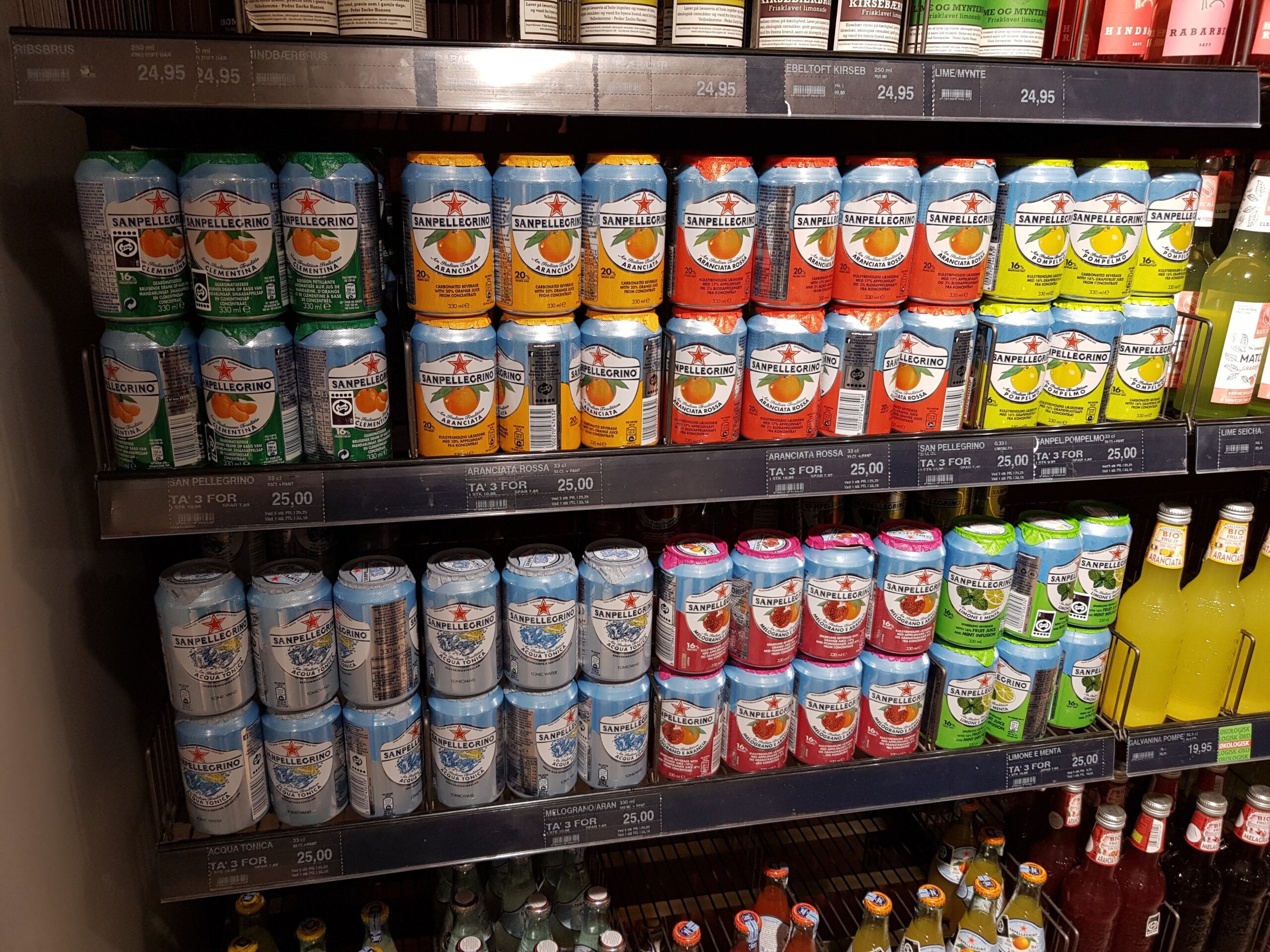
    Back on the topic of food and drink, it’s always a delight to see a decent selection of San Pellegrino flavours. And the prices weren’t too bad at all, around 85p a can. Although I still haven’t found where I can take the empty drink cans and bottles back to, since they all have a deposit on them……

    Well, how lovely.

  • Aarhus – Aros (Boy)

    Aarhus – Aros (Boy)

    [This is a repost of my original April 2018 post as I needed to fix the broken image links]

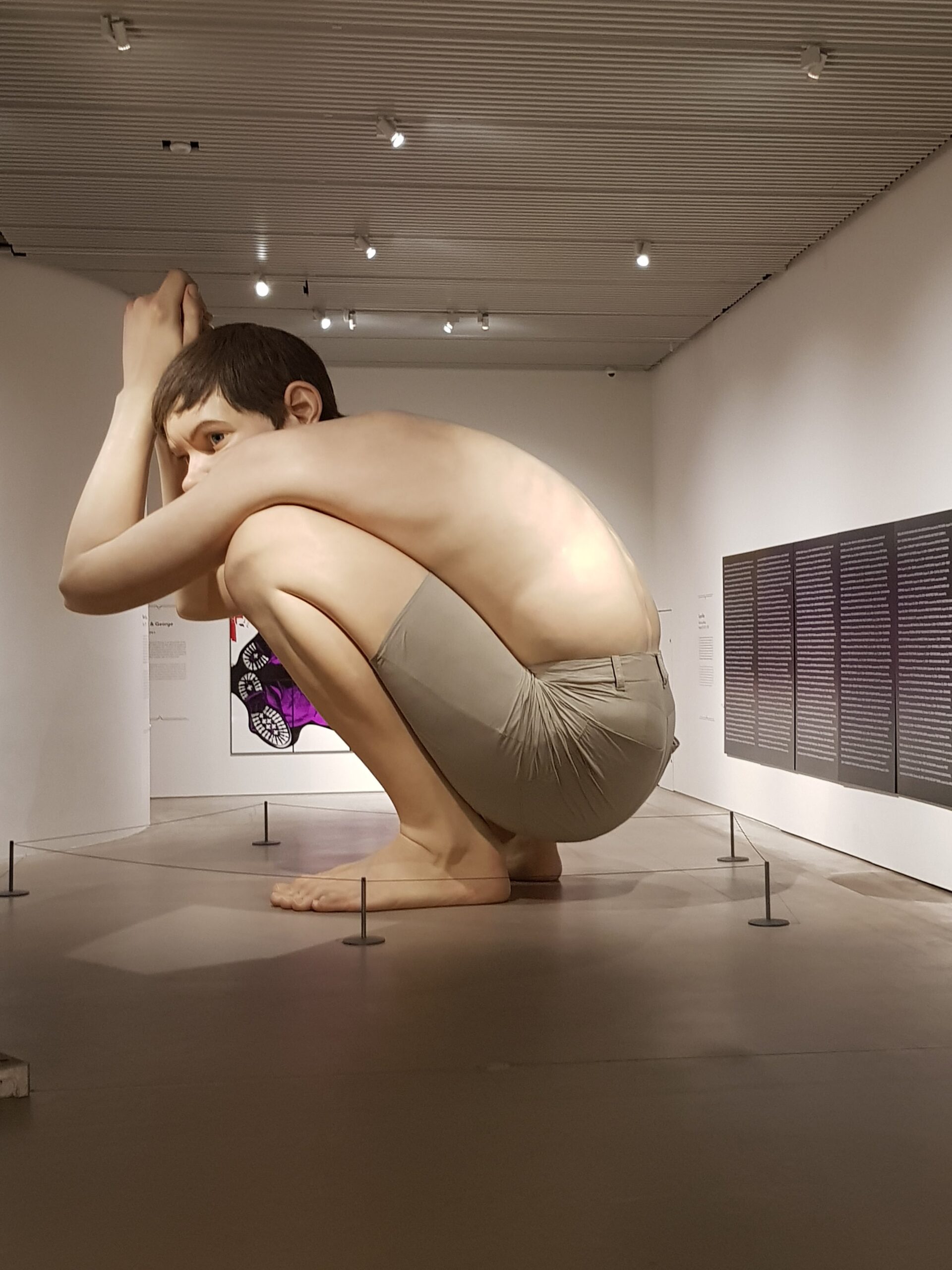
    Still on my blog posts about the Aros gallery in Aarhus, one of their best known displays is known as ‘Boy’. It was created in 1999 by Ron Mueck, an Australian who currently works in the UK.

    The sculpture is five metres tall and has been cast in fibre glass to help it make more realistic, which it certainly does. The artist said that he was inspired by how Australian Aborigines sit.

  • Aarhus – Aros (Rosenquist)

    Aarhus – Aros (Rosenquist)

    [I originally posted this in April 2018, but I’ve reposted it with the image links fixed]

    One of the displays at the gallery, which is a special exhibition, are works by James Rosenquist. The information provided by the gallery tells me that there can be hardly anyone who hasn’t heard of him and his work. I had never heard of him or his work, although I’ve heard of the Pop Art movement and Andy Warhol and Roy Lichtenstein which is at least something.

    I had no idea of what was going on with a lot of these artworks, they were bright and colourful, but I couldn’t understand the meaning behind any of them. The gallery has a little book for visitors which tries to explain the concept of the works, but I’m not entirely convinced that they knew either.

    The artist died a few years ago, and there was a serious fire at his house in 2009 which destroyed some of his artworks. He’s clearly a hugely influential artist though, with the large scale of his works being particularly interesting. One day I might understand the meaning behind all of these artworks though, as sadly I didn’t have any clue about their message or if there was a message.

    20180419_104810

    20180419_104622

    20180419_104415

    20180419_105225

    20180419_104608

    20180419_104924

    20180419_112715

    20180419_105225 (1)

    20180419_105430

    20180419_104431