Blog

  • Palma – Palma Cathedral

    Palma – Palma Cathedral

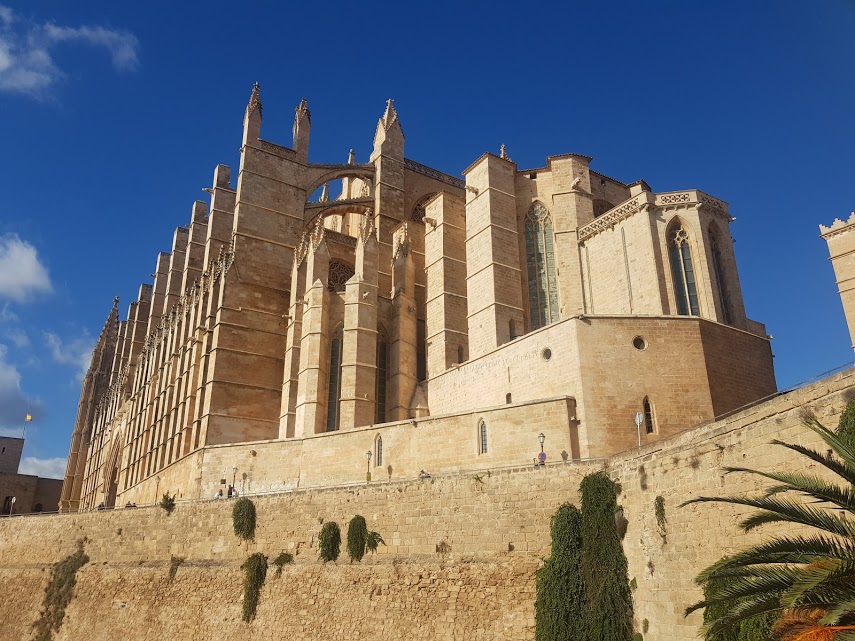
    There’s no missing the beauty of Palma Cathedral when walking along the harbour and the line of the former city walls, it dominates the landscape like some ship moored on the land. And, it’s a beautiful building.

    There’s an admission charge of €8 to get in, although I had already purchased a ticket which gives entry into numerous religious buildings in the city. The staff member at the front desk was aware of this ticket and a rope was pulled away by a security guard to let me in, a brief feeling of being a VIP…. Although, on the matter of the entrance fee, it does seem quite expensive by all accounts, but it was a busy cathedral and so it clearly hadn’t put many off entering.

    The frontage of the cathedral, which had been constructed on top of what was formerly a Mosque, which was partly pulled down when the Moors were defeated, with the rest falling down around a century later. Work started on the cathedral in 1229 on the instruction of King James I of Aragon, but work didn’t finish until 1601. We all have civil engineer friends like that, let’s be honest.

    A photo looking along the nave, with the cathedral having a feel of some considerable space, not least because this is the highest nave in Spain (although Wikipedia disagrees with the cathedral’s booklet, saying that the Sagrada Família is higher, but I won’t quibble either way), at 44 metres in height. It’s also the eighth highest nave in the world, so it was worth the wait for them to build it.

    The altar.

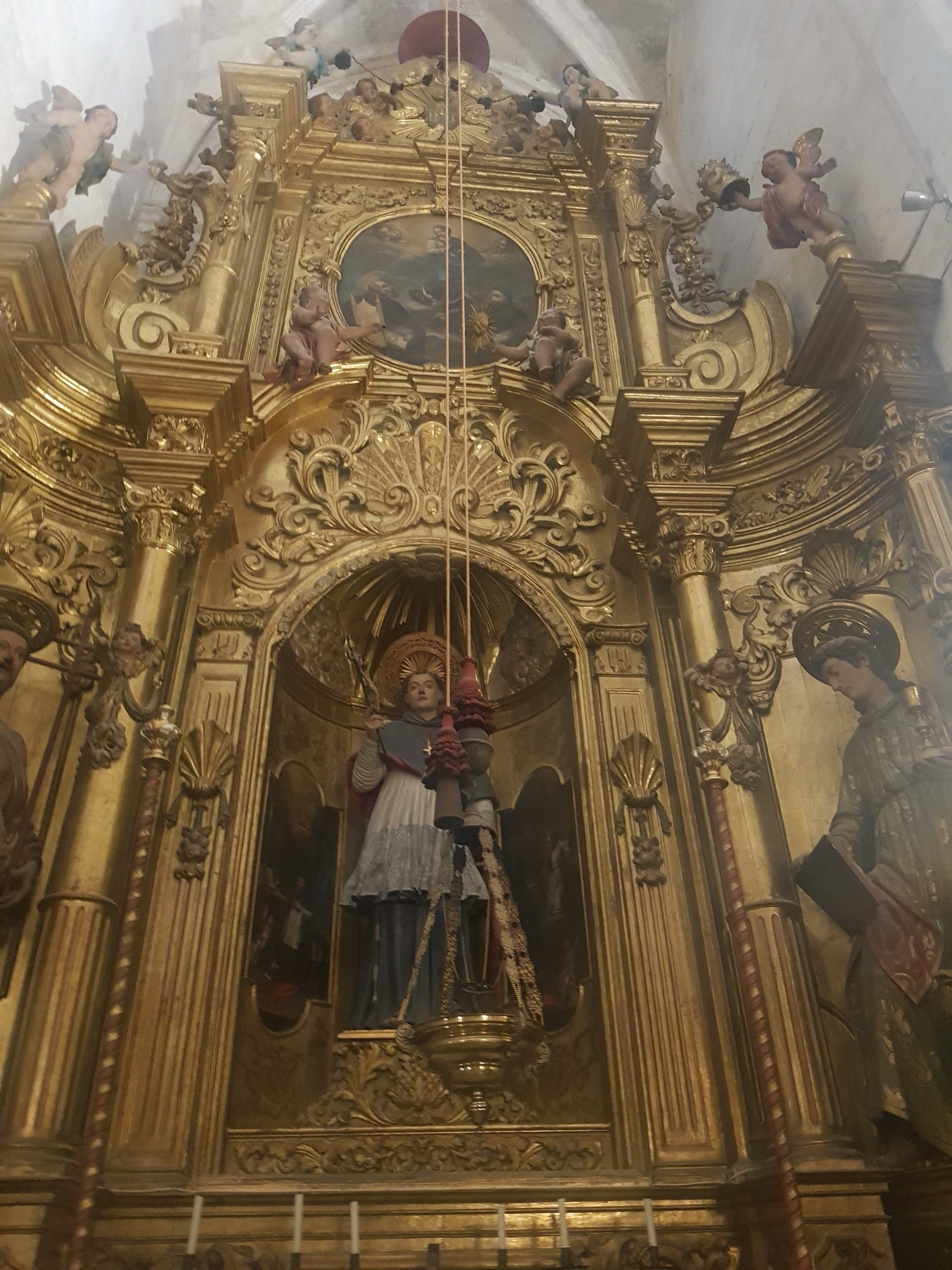
    This is something quite different, the Chapel of the Blessed Sacrament, designed to encourage visitors to think about the miracle of how bread and fish could feed thousands. It’s in a chapel dedicated to the Last Supper and it was attracting some interest, although it has been here for around fifteen years.

    The cloister area, which is moderately beautiful, although nothing akin to the grand Gothic style of the Royal Monastery.

    Visitors exit the cathedral after they’ve visited the cloisters, although they have to go through the shop first. Then there were two visitors, with one rather assertive female being told she couldn’t take her ridiculously big baggage into the building with her. She was haggling with the security staff and they kindly agree to let her go in for twenty minutes whilst they looked after her bag, then suggested her husband (or who I assume was her husband) could then go in for twenty minutes whilst she looked after the bag. On a technical point, I couldn’t see the point of that, as if they weren’t going in together they didn’t need the security staff to look after the bag at all. But, then the lady decided that she couldn’t possibly go in on her own anyway and she said she’d instead be finding a cafe. There will probably be a 1/5 TripAdvisor review this time next week.

    Actually, on the subject of TripAdvisor, this is my favourite review on the cathedral: (it’s all one review, I’ve broken it up)

    “Any church or cathedral, when visited upon paying a fee, loses its luster and holiness as a place for worship of the Most High God and Jesus Christ, and should therefore by all means be boycotted by tourists as a matter of principle, whether you are a believer or not.”

    It is the highest rated attraction in Mallorca and would likely be swamped by visitors during the summer months if it was free, I can’t imagine that does much for its holiness either.

    “Having visited Palma de Mallorca, Spain, twice since 2011, the more recent occasion being this past April of 2019 as one of our ports of call on MSC Seaview, I have made a point of not paying a fee to visit this particular “cathedral”, nor have I done so with respect to any such places of worship located elsewhere for charging fees such as the Duomo in Milan.”

    The MSC Seaview holds over 5,000 passengers, which is half the reason that cities such as Palma have such problems with visitor numbers….

    “Regardless of these comments, I wish to note for the purpose of this review that the “Cathedral of Mallorca”, when seen from outside, does not remind you of its history as a former mosque.”

    The mosque was pulled down, it’s not entirely surprising the exterior doesn’t look like a mosque. It does though look quite like a cathedral.

    “How should I rate this “cathedral” or former mosque, without having seen its interior?”

    Not at all? Just how useful can a review be of a location that someone hasn’t visited?

    “Well, it should not be that hard.”

    Oh good.

    “Having visited the Saint Peter’s Cathedral in Rome thirty years ago in January of 1989, Saint Paul’s Cathedral in London in January of 2000, the National Cathedral in Mexico City in June of 2016, and Basilica of San Petronio in Bologna, Italy, this past April of 2019, among numerous magnificent churches and cathedrals around the world over the past 30 years, I will not hesitate to dismiss Catedral de Mallorca as something not worthy of my time or respect. Period.”

    I’ve been to all of these locations (and St. Paul’s charges) and Palma Cathedral has little in common with any of them. Period.

    “Shouldn’t you do the same?”

    No.

    Anyway, in my usual tradition, more posts to come as I seem to have taken far too many photos again.
  • Palma – And the Rain Comes Down

    Palma – And the Rain Comes Down

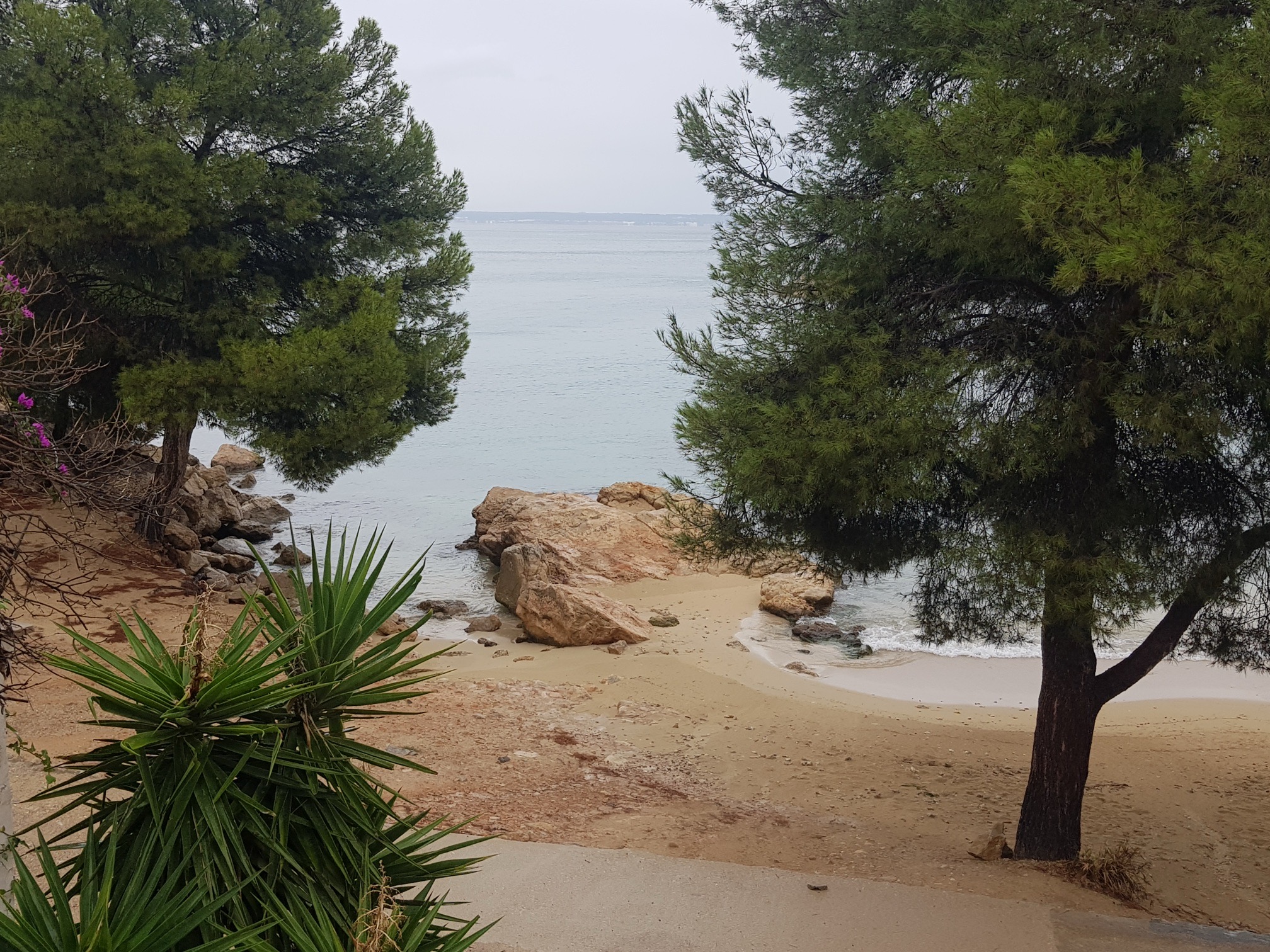
    It has been a day of mostly non-stop rain today in Palma, so my planned walking expedition didn’t really get very far as it got almost torrential at times. I might still get to see more of the coastline this week in Mallorca, perhaps more of the above, which still looks just a little tropical even in the morning’s rain.

  • Palma – Royal Monastery of Sant Francesc (Capilla de San Buenaventura)

    Palma – Royal Monastery of Sant Francesc (Capilla de San Buenaventura)

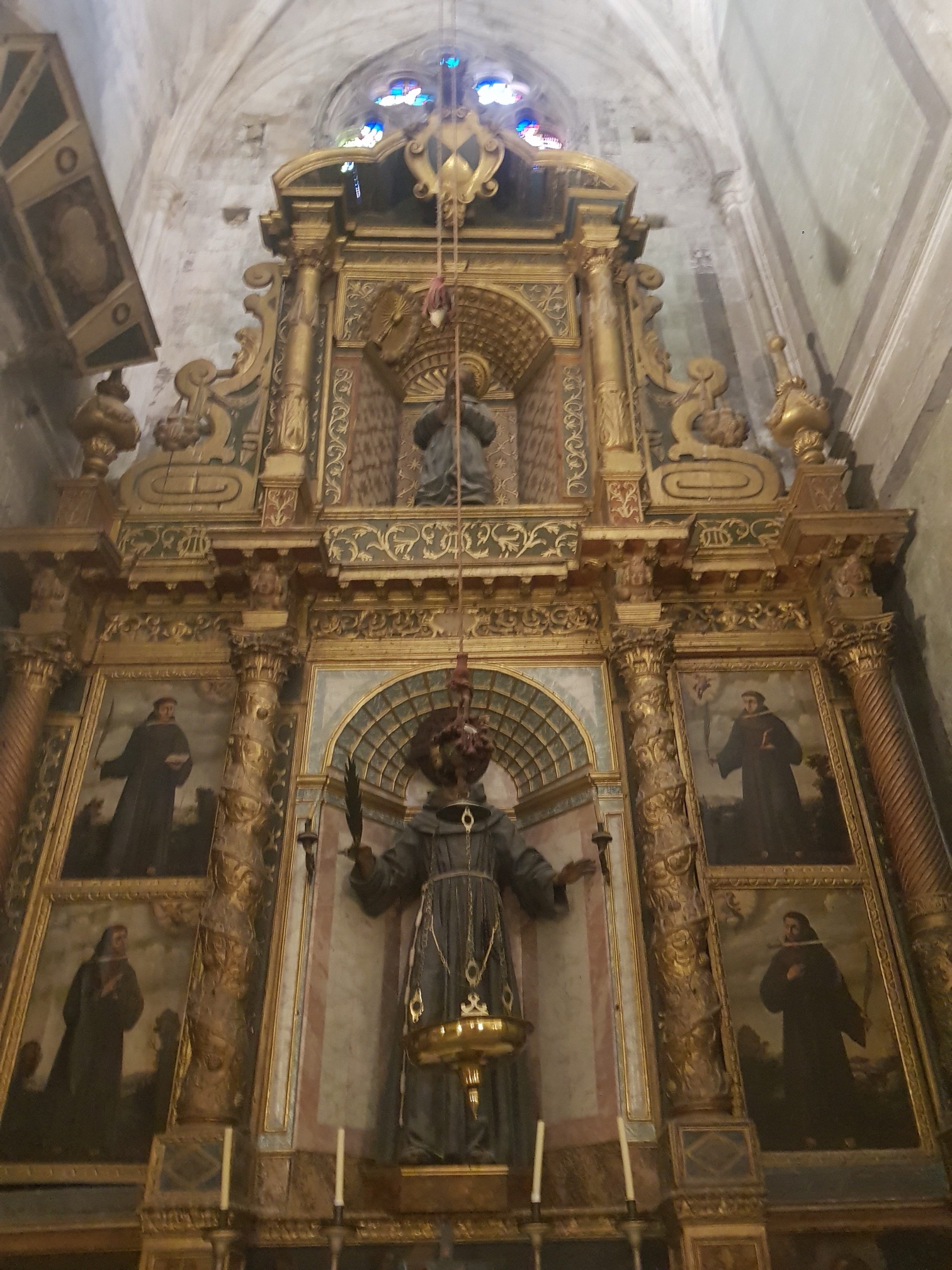
    The Chapel of St. Bonaventure is located within the Royal Monastery. The chapel was restored in 1742 and it was re-dedicated at this stage, having previously been the Chapel of St Esteban (St. Stephen). St. Bonaventure is intriguing, as he was an Italian who later studied in France and became Minister General of the Franciscans, before being chosen as the Archbishop of York. He was never consecrated in this role, but he remains listed as one of the Minster’s Archbishops.

    Figures at the base of the chapel.

    The chapel’s information board.

  • Palma – Royal Monastery of Sant Francesc (Capilla de San Berardo)

    Palma – Royal Monastery of Sant Francesc (Capilla de San Berardo)

    Following on from my main post about the Royal Monastery, this is the chapel of San Berardo within the church.

    There’s a lot of blood and gore in the annals of religious history. This is a depiction of St. Berardo, who was canonised by Pope Sixtus VI in 1481 after dying in Morocco when trying to preach the Christian gospel. The story goes that the local Sultan told Berardo, and four other people with him who were Peter, Otto, Acursio and Adyuto, that if they converted to the Muslim faith that they would be given women and money. The five said no, so the Sultan had a blade put through the mens’ heads.

    The plan of the chapel.

  • Palma – Royal Monastery of Sant Francesc (Sacristy)

    Palma – Royal Monastery of Sant Francesc (Sacristy)

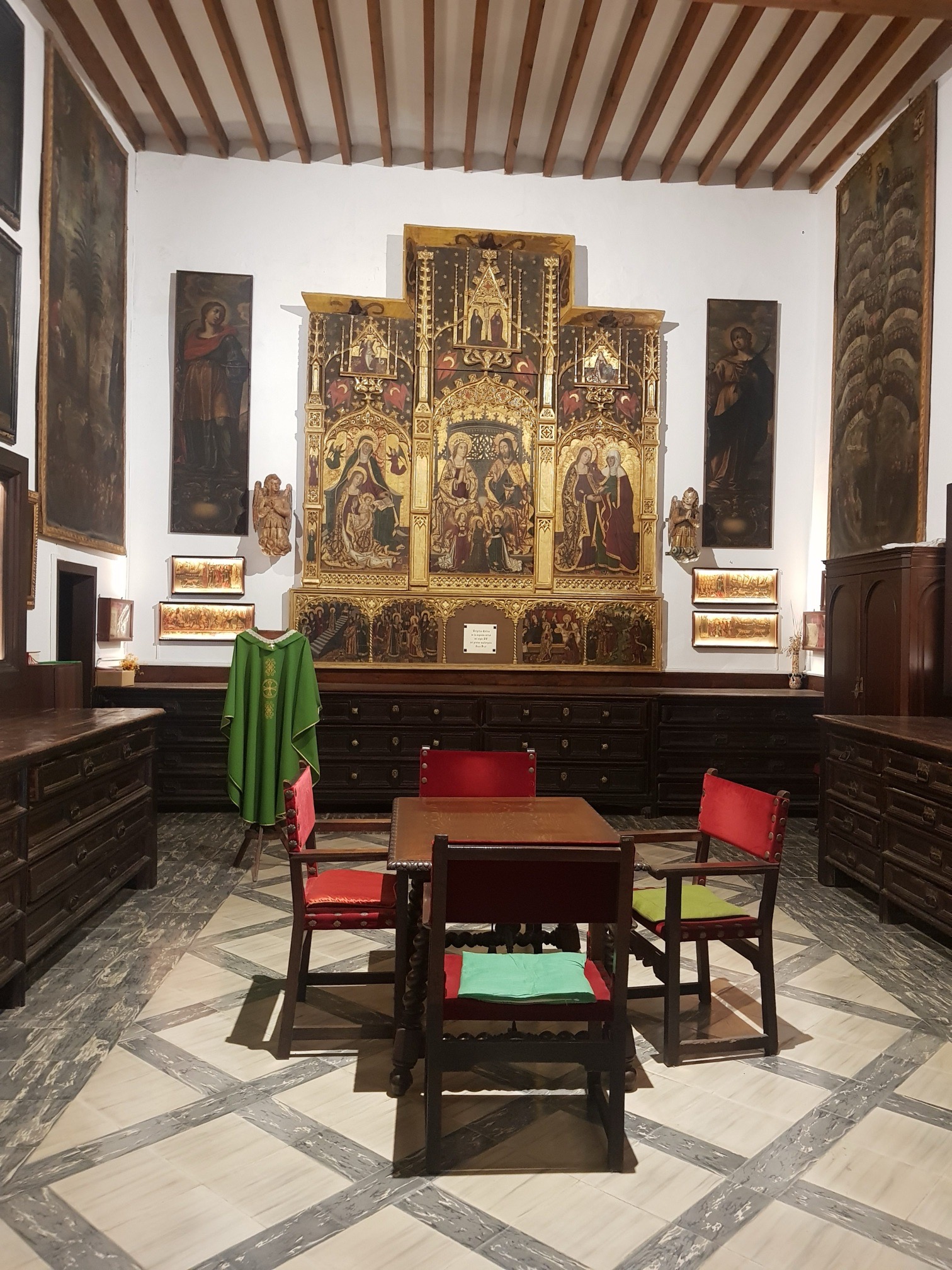
    Further to my main post about the Royal Monastery, there was much more to see within the complex of religious buildings. The sacristy, where the priest prepares themselves before the service, is a spacious room which is located just off the main church, through a short passage.

    There are two elements of particular interest here, with the first being the large Gothic style altarpiece which dates to the fifteenth century. Secondly, located underneath this, are four paintings which show the life of St. Ursula from the late thirteenth century. As an aside, there’s only church in the UK which is dedicated to St. Ursula, which is at Llangwryfon, in Wales.

    A selection of some of the vestments which were once used during services in the church itself.

  • Palma – Royal Monastery of Sant Francesc

    Palma – Royal Monastery of Sant Francesc

    I was hovering around the entrance to this former monastery in my very best confused manner and I was pleased that a kind lady came out to tell me that I could come in, even though it looked closed. She was a real ambassador for the church, welcoming, friendly and engaging. It also meant that, to all intents and purposes, I had the monastery building to myself for some time.

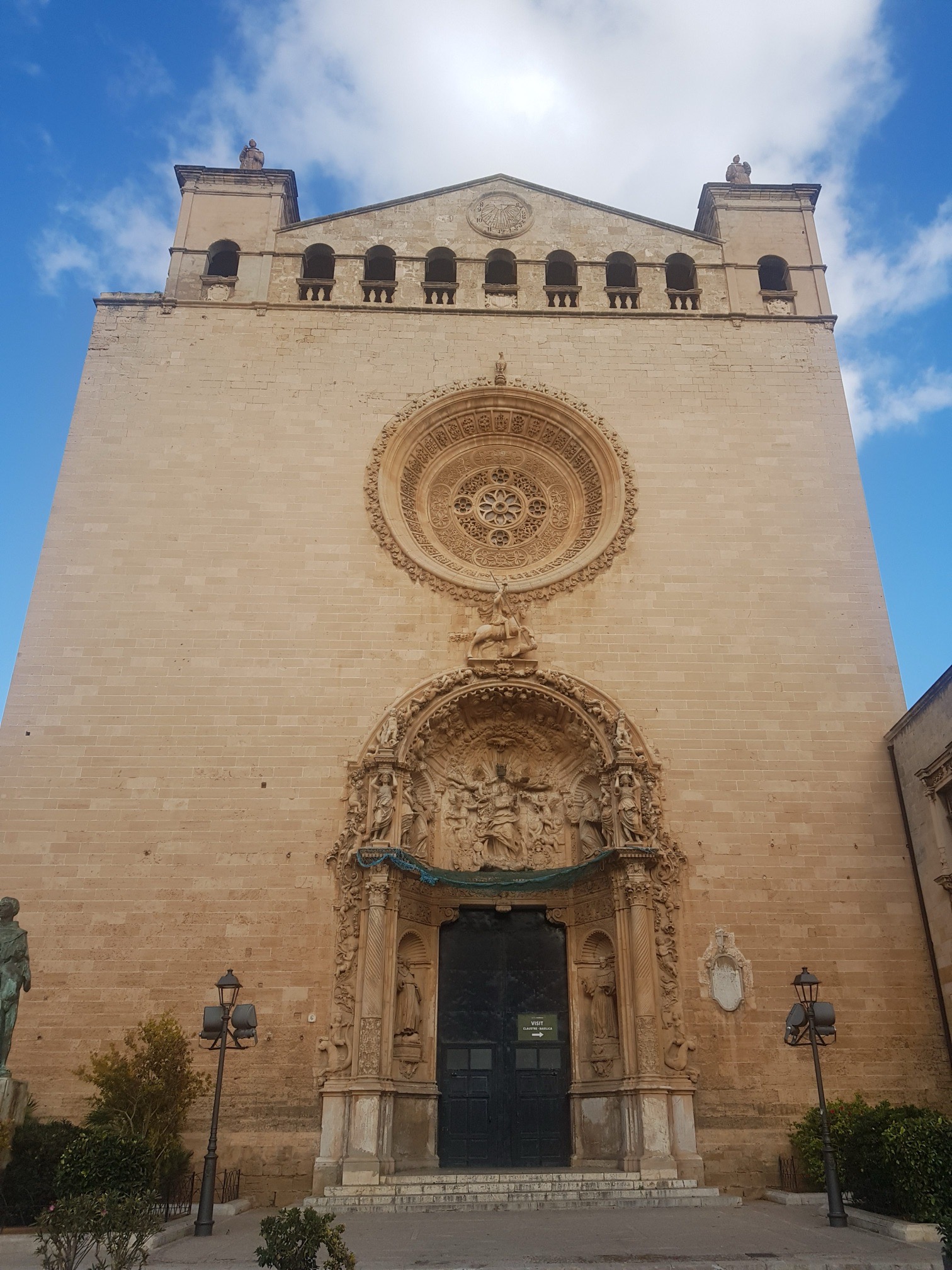
    The entrance to the church is via the cloisters, with the lower Gothic designed section dating from the fourteenth century, although a second tier was added in the seventeenth century.

    A view of the church from within the cloisters.

    The altarpiece was installed here in 1739.

    A look back along the nave of the church, which is larger than this photo perhaps suggests. The church is the second largest in the city, behind only the Cathedral, with its Royal designation as King James II of Majorica laid the foundation stone on 31 January 1281.

    But, the experience was heightened for me by being the only one in the church and that’s quite a rare feeling in such a large and impressive religious structure. I could hear the clock in the sacristy, which was a little distance away, with the church itself being entirely still and quiet. Without sounding overly trite, it did seem possible to imagine what it must have been like for the monks when the construction of their monastery ended and they took over control of such a peaceful and contemplative location.

    The way that the building has been used has changed many times over the centuries, so there are numerous blocked off doors around the site. This door leads to the exterior of the building, with an extension visible on the left hand-side, I assume made to create one of the private chapels.

    This church was home to Franciscan monks until 1835, when the 140 members of the order were all expelled and the building confiscated. This was all due to Spain’s Prime Minister of the time, Juan Álvarez Mendizábal, who decided to close all the monasteries in Spain and seize their assets without compensation. After this, the building was used for numerous purposes, including as a private residence, a military barracks and also a court. The Franciscans were able to return in 1906 and they converted many of the buildings to be used as a school, which opened in 1952.

    Anyway, more on this building in separate posts as it sufficiently intrigued me.

  • Palma – Ombu Trees

    Palma – Ombu Trees

    I’m not a tree expert, but these are impressive trees which are located at Plaça de Llorenç Villalonga, near to the city’s cathedral. If they are ombu trees, they’re fast growing South American trees which offer plenty of foliage cover.

  • Palma – Baños árabes (Arab Baths)

    Palma – Baños árabes (Arab Baths)

    There’s not much left of the Moors in Palma, nearly all of the Muslim architecture has been destroyed and lost in the near thousand years since they were in Mallorca (the Balearic Islands were controlled by the Muslims between 902 and 1229). But, the Arab Baths are an exception, created in around the tenth to twelfth centuries.

    The garden area around the baths, which was once used as an orchard.

    This is the Caldarium, or the hot water bath room, which has a domed roof. The columns aren’t all the same, which comes down to a decision made by the builders nearly one thousand years to use recycled building materials, which is very environmental. This means that there are a collection of slightly random pillars, some Roman and some later, which have been used in the construction.

    There were at least five baths during the Muslim period of the city’s history, with this one thought to be attached to a private house, rather than a public facility.

    The barrel vaulted cold room, located next to the main domed room.

    There’s not a vast amount to see at the site, but it’s still fairly astounding that there is anything left at all given just how old this structure is. It’s not clear what the building has been used for over the last several hundred years, but it has likely just been used for storage and that’s what has saved it.

  • Palma – Demolished House

    Palma – Demolished House

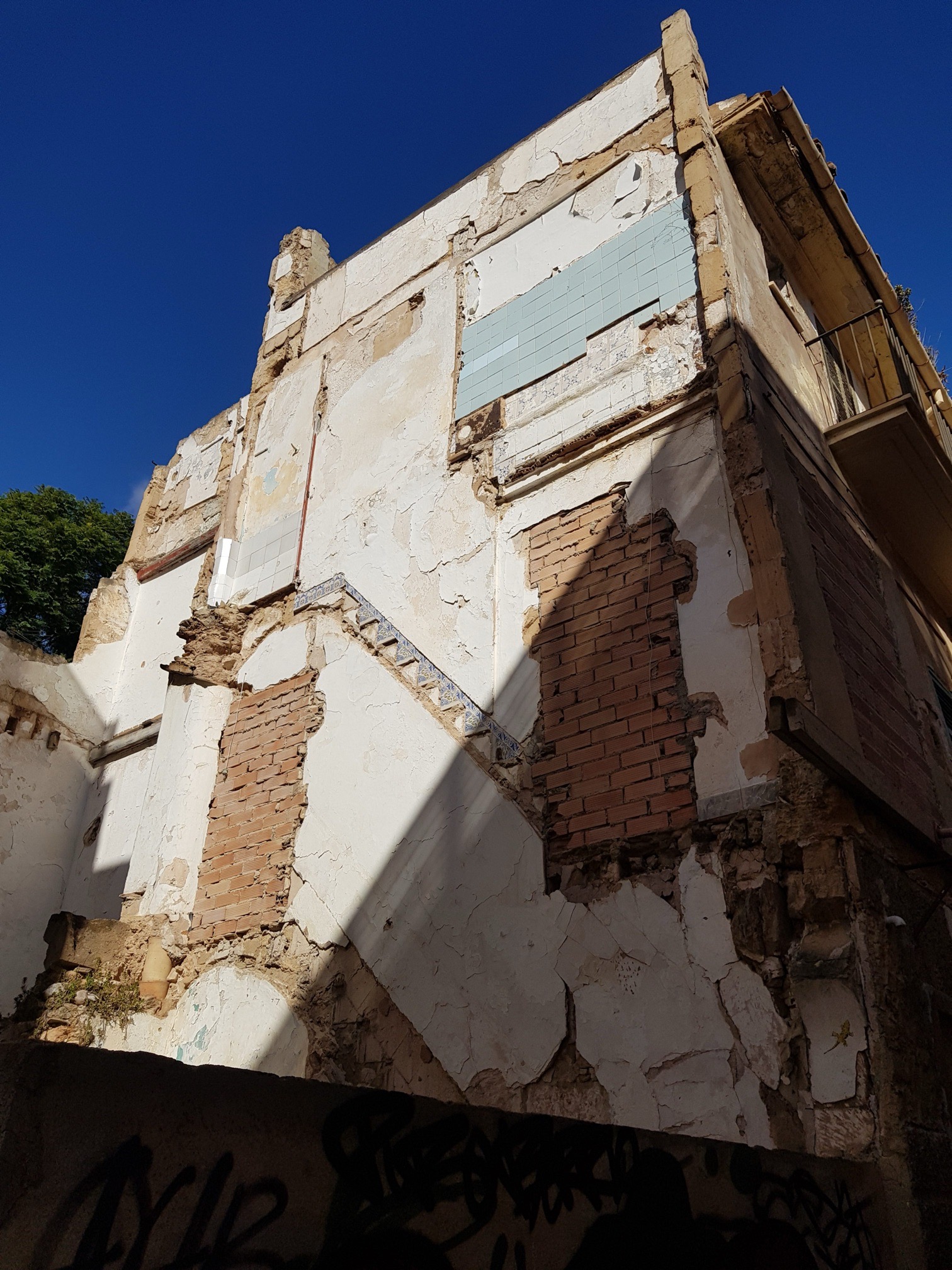
    There’s not much of a story here, but these ghosts of where buildings used to stand can be just a little intriguing. It’s possible to see where the stairs once were in the building, along with where a bathroom was located.

  • Palma – Ca’n Joan De S’aigo

    Palma – Ca’n Joan De S’aigo

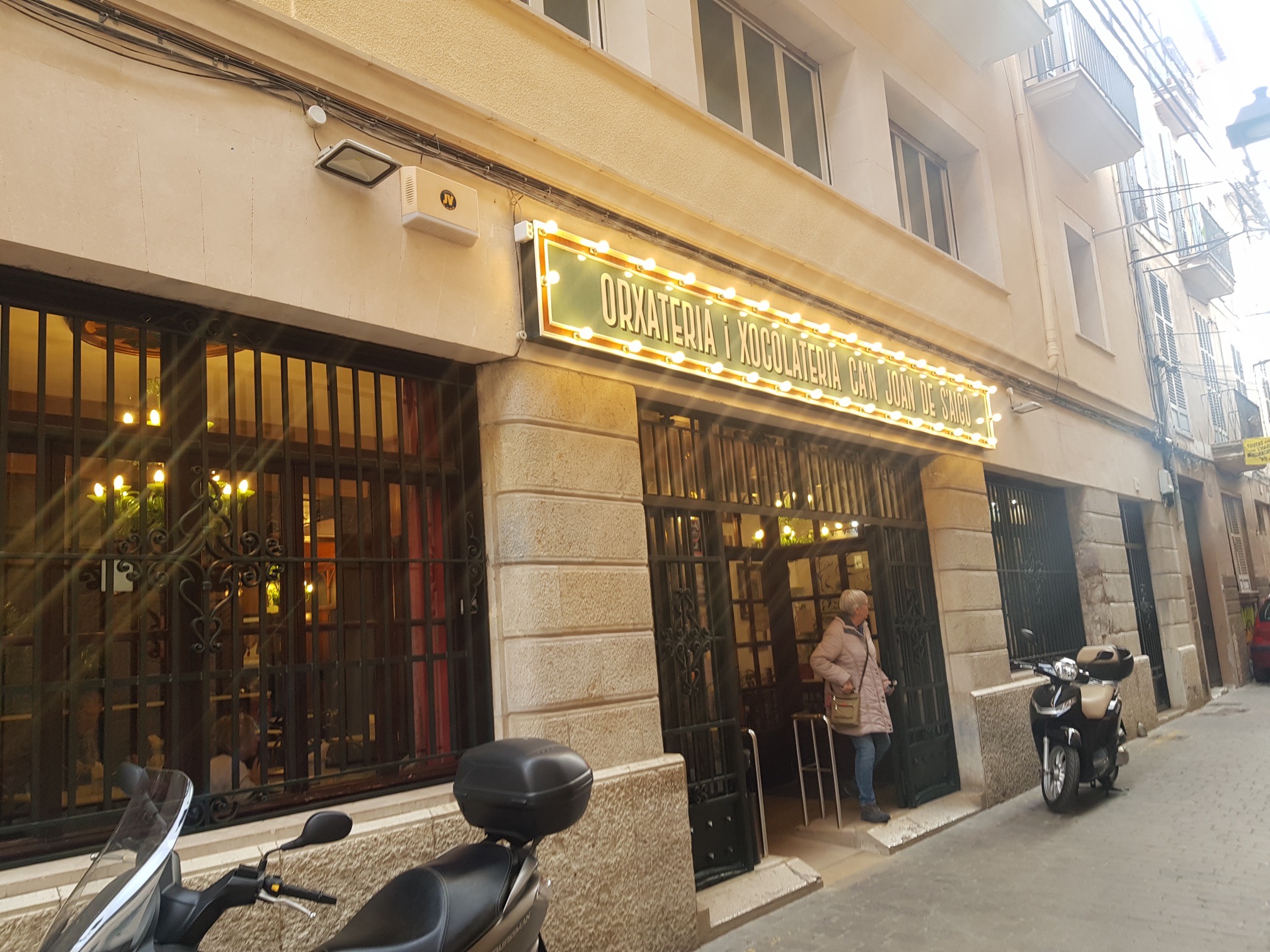
    This chocolate and dessert cafe was opened in the eighteenth century, one of the earliest of its type in the country. The cafe has a feeling of heritage, it reminded me of some of the older cafes in Trieste. Anyway, it was also one of the relatively few locations in this part of Palma that was open in the afternoon, and since it was well reviewed, I felt a little visit was necessary.

    Grand surroundings, but the environment still felt informal and comfortable. The service was attentive and engaging, with the staff members smiling and greeting customers promptly. Some reviews said that customers should order at the counter, but there seemed to be a full table service in operation when I was there. It was helpful that there were menus in English, although the pastries section still used the Spanish terms and that’s understandable as there’s probably no obvious English word, but I did quickly rush to Google to find the most local option that I could find.

    Thanks to Google, I made a decision. This spiral pastry is a speciality of the Balearic Islands, the Ensaïmada, and I went for the Chantilly Cream option. It was a larger pastry than I was expecting with a generous filling of cream, with the pastry being light and sweet. The coffee was also entirely acceptable, with a rich taste. The pastry and coffee came to around £3.75, reasonable given the comfortable and historic surroundings.

    At lunch-times and during the evenings, it’s apparently often so busy that a queue forms and there can be quite a wait for a table. I can see why, there’s some tradition here and it’s the original branch as a couple of other cafes have been opened by the same family. It was also notable that when I was in the cafe there was a mixture of locals and tourists, rather than it just being a tourist trap.