The main page for this walk is here, this blog post is just the section from Rockland St. Mary to Norwich Railway Station.

This photo is really just for Leon. DIGGER!


So, we’d now reached Rockland St. Mary and that’s Rockland Staithe, meaning that we’d completed 28 miles of the walk and it was 19:30.

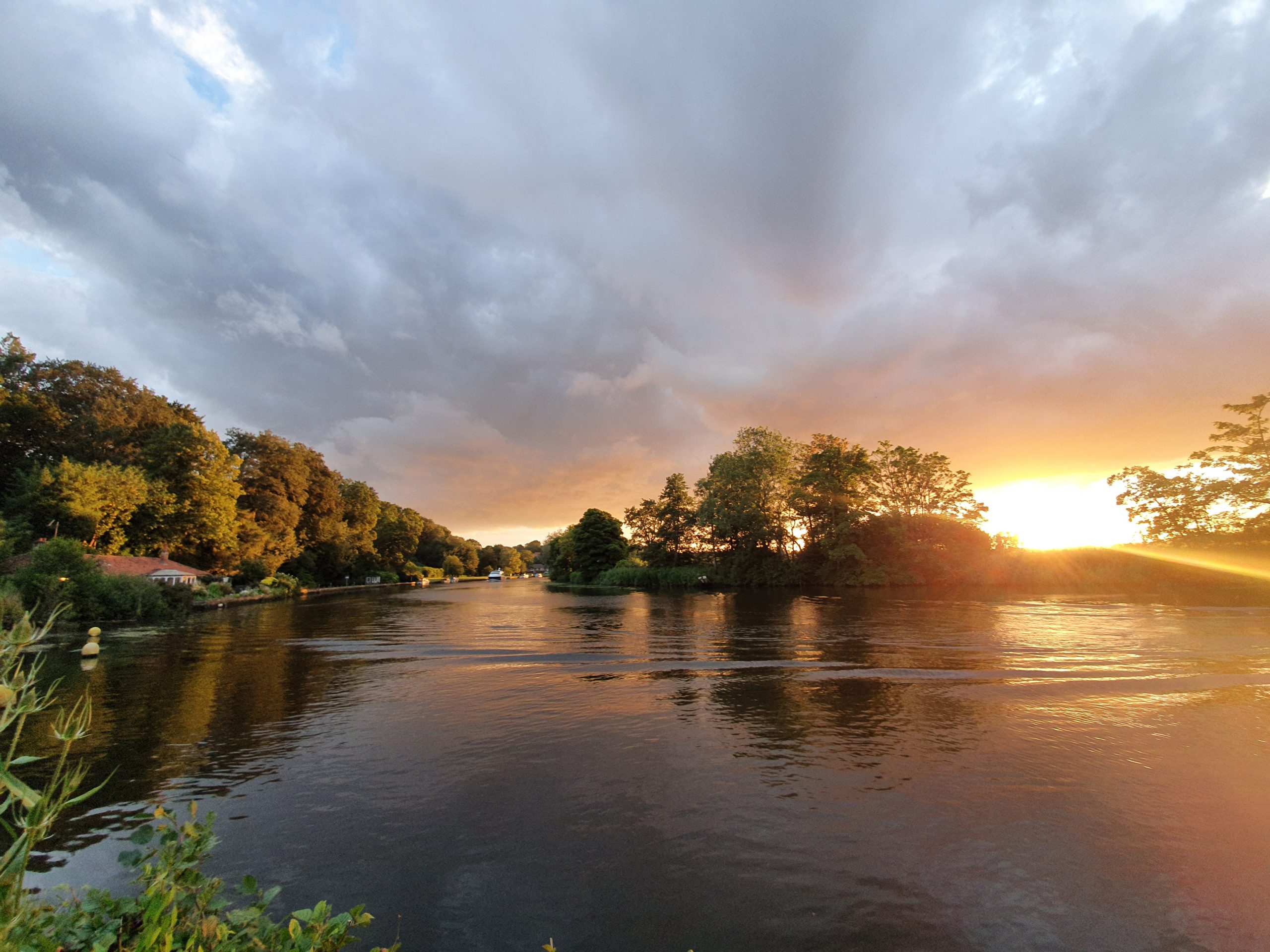
From this time of the evening, the lighting started to work well for photos.

The beer garden of the Surlingham Ferry.

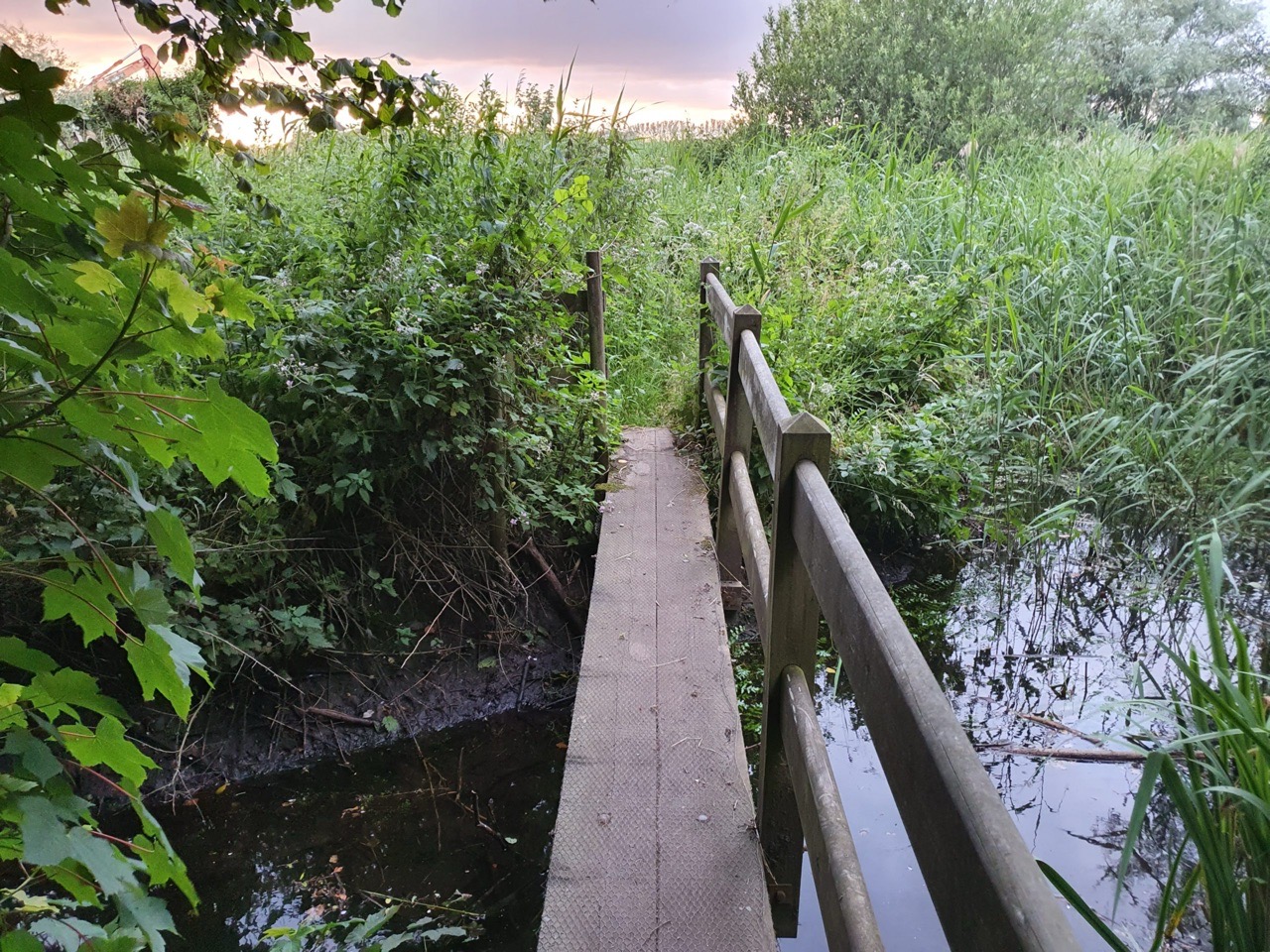
This was the final stretch of walk along the river and we were a little nervous that it might be just slightly overgrown in places and we could do with being stung by nettles. It actually proved to be fine, but by now, general fatigue was starting to creep in as we went past the 30-mile mark.


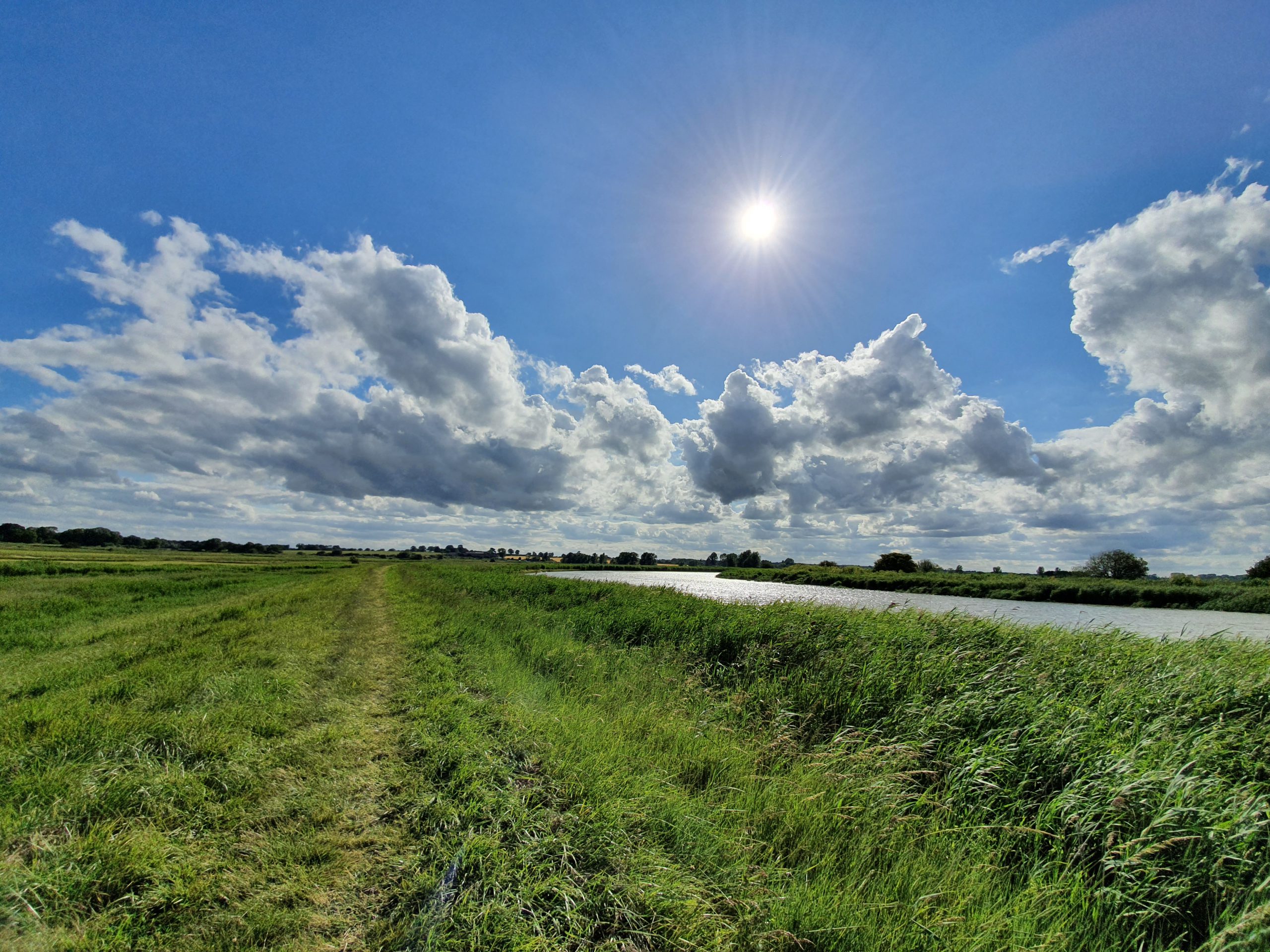
It was true that we were tired, but these were some beautiful views.

This is the RSPB reserve at Surlingham.

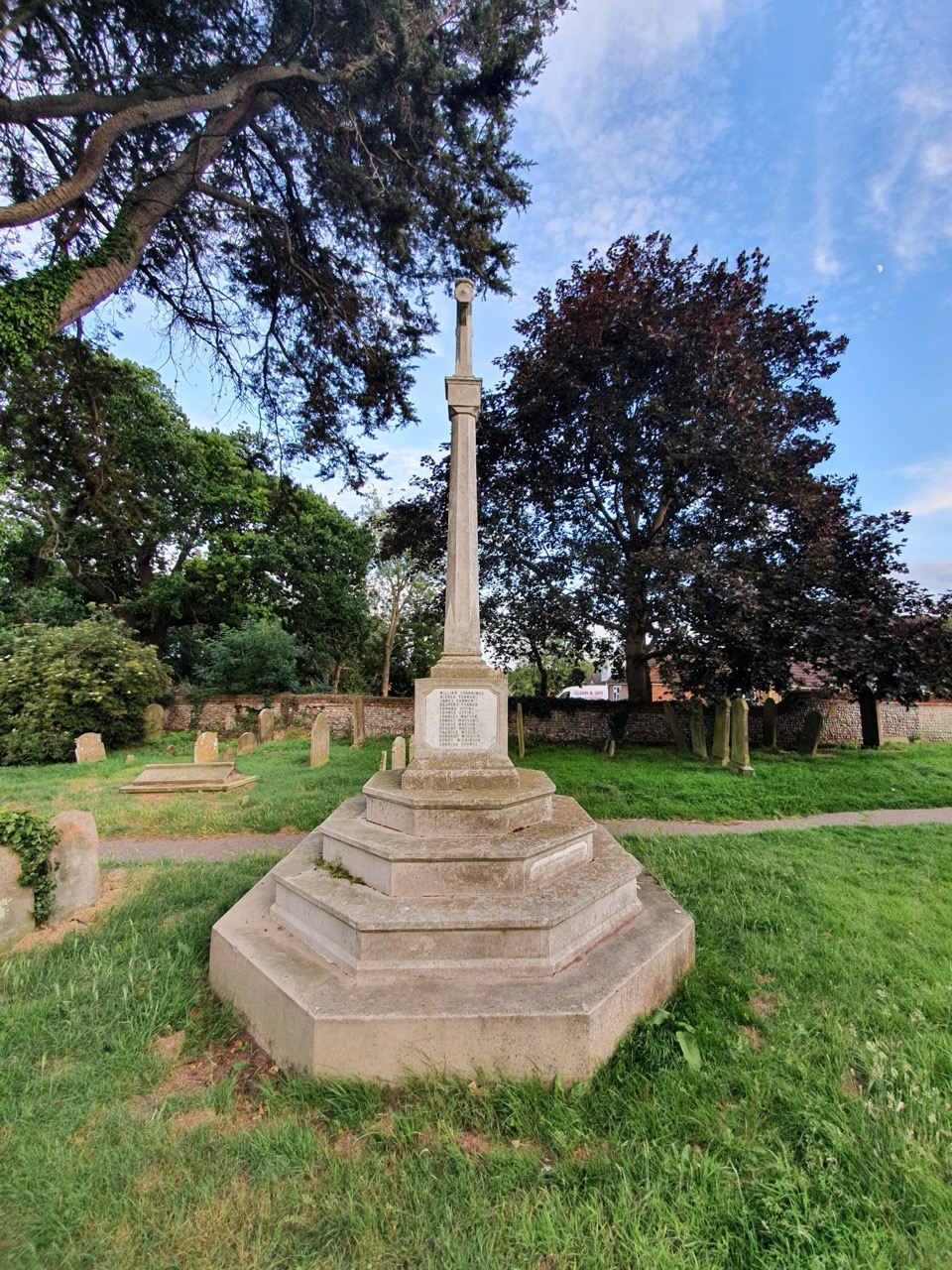
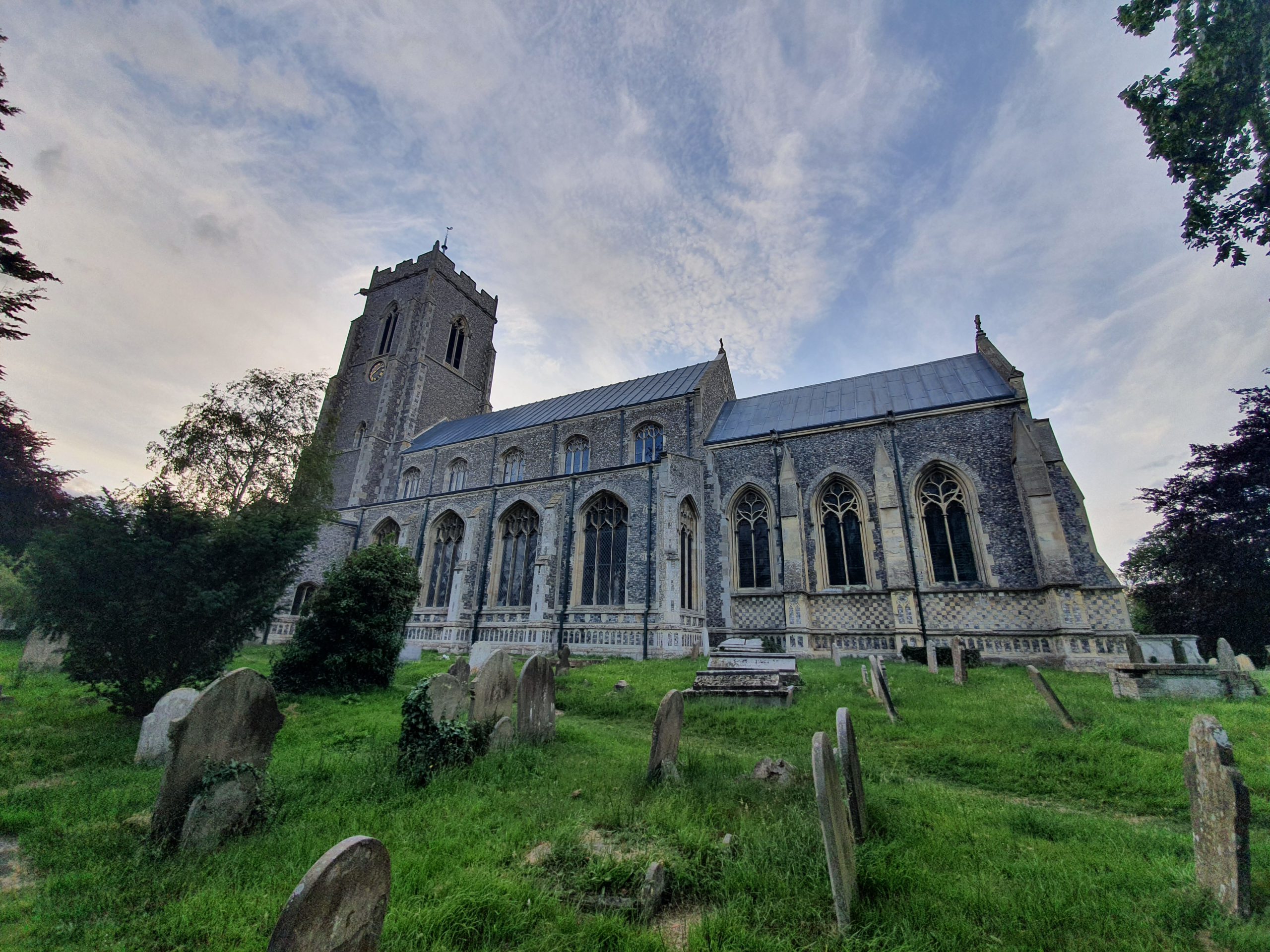
Saint Mary’s in Surlingham and by this stage, this was as near as I was prepared to go as I didn’t want to add on any extra distance to walk around it taking photos. Interesting round tower church, I’ll go back there at some point.

This looks narrower in the photo than I remember it.


Some of the photos as it started to get dark, I’m still very pleased by my new (well, relatively new) phone camera.

This is Billy Bluelight, the nickname of William Cullum (1859-1949) who here is decked out in his protective equipment. I’ll write more about him another time, as he’s an important local figure, but the salient point here is that he was known for his running. He’d run up and down the riverside path and offer a race to those on boats, claiming he could get there faster. He usually did manage to get there faster and would be rewarded by pennies and beer. And perhaps, this is a new summer job for Nathan. He could sit at the pub and offer to run up and down the path in reward for a pint at Reedham.

The statue is at Water’s Edge in Bramerton.

I don’t think Nathan will mind me saying that by this point, he was struggling a little, but his achievements in getting this far were still remarkable for someone who hasn’t done long-distance walking. I didn’t help by telling him there were no more fields, then there was this one that I’d forgotten about. I also made a slight navigational error, although fortunately we worked it out quickly and so only went around 20 metres wrong.

As can be seen, it was starting to get just very slightly dark. This photo was taken along Whitlingham Lane, which I’ve walked down many times and it just seems to go on and on…..

By this time, we were well and truly looking forwards to getting back home, this is Riverside in Norwich.

The Queen of Iceni pub in Norwich, operated by JD Wetherspoon, where the partitioning for their re-opening is already mostly in place.

And, this was the end, Norwich Railway Station, which we reached at 22:55, so we had beaten our target of 23:00 which we’d set a few hours before. Nathan was only moderately annoyed to see that there were no taxis at the railway station, which meant he had to walk home, adding another mile onto his route. I was pleased to only have a walk of half a mile back home.
So, did we enjoy it? Speaking for myself, the last ten miles weren’t the easiest, although I was in no pain and had absolutely no feet problems. For someone who gets blisters, this was very important and gives me lots of confidence for the 100. And writing this a couple of days on, and after checking with Nathan, we absolutely did enjoy it and want to do similar distances again. There’s a strange thing about these walks, there are times when they are a nightmare and you ask yourself why you’re not at the pub (well, obviously that’s an easy one to answer at the moment, but my point is more general), but when they’re over and you look back, there’s a certain fondness to the whole arrangement.
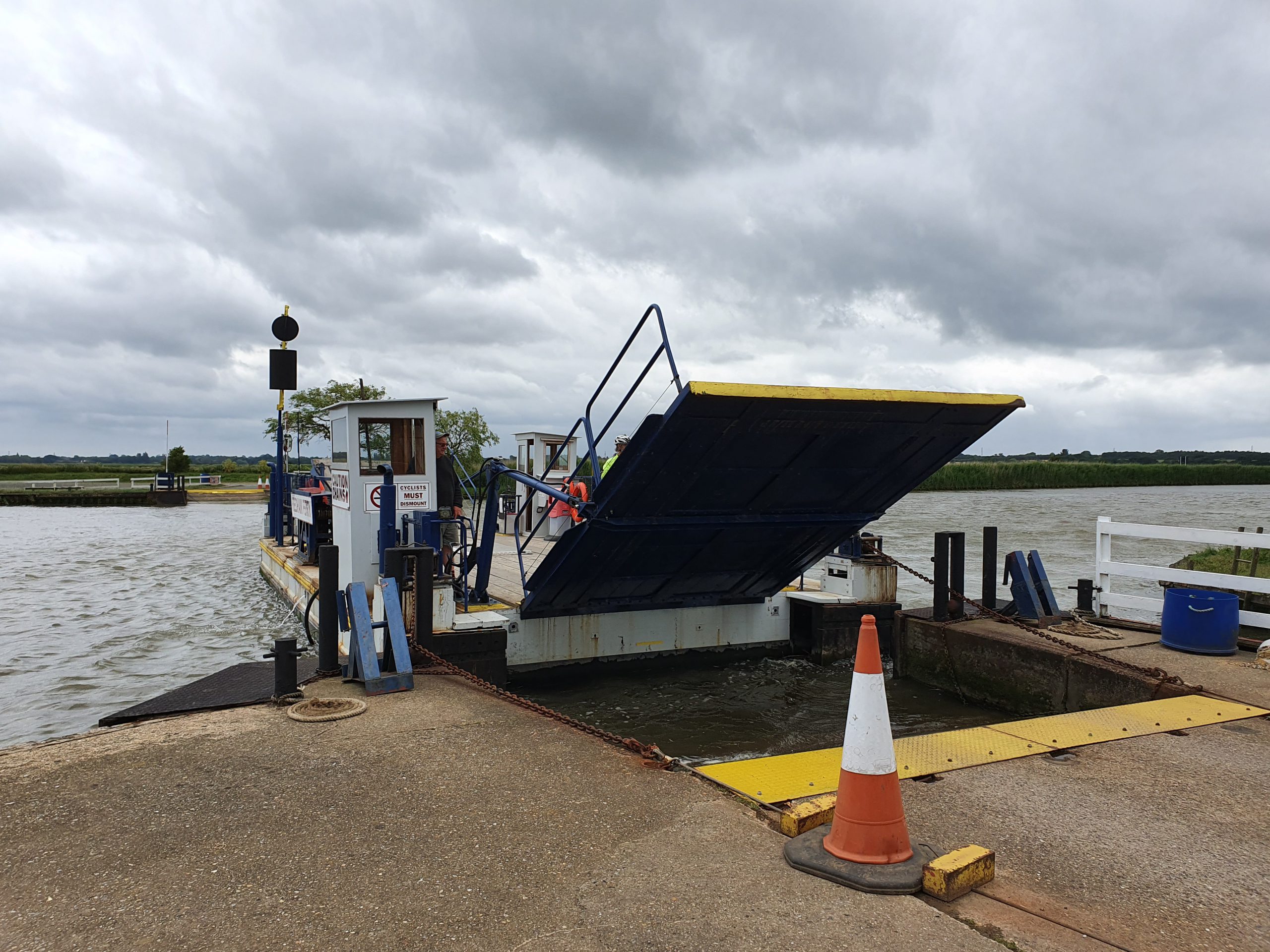
The highlights for me of the day were going on Reedham ferry for the first time, being delighted when sheep moved out of the way early on (thereby not attacking us), as well as having a beer in Loddon/Chedgrave (I get them muddled up). The walk was 37.87 miles (although Nathan and I did around a mile each outside of this to get to and from home) and it took 13 hours, 46 minutes and 32 seconds. That’s an average of 21.49 minutes per mile and a burn of 3,537 calories. The highest elevation during the walk was 50 feet (who says there are no hills in Norfolk?) which was towards Norwich and the lowest elevation was apparently -43 feet a few miles from Norwich. I have no idea how accurate those statistics are.
Unlike Nathan, I don’t pause Runkeeper when we break, so his time splits are more useful as my timings include breaks. However, we started off doing around 18 minutes per mile, slowed down by vegetation a bit and then we returned to those sort of times. Our fastest mile was thirteen miles in, when we achieved a mile in 16 minutes and 53 seconds.
Particular credit to Nathan for this, as he was having to power through, but our last three miles were done in an average of 17 minutes and 30 seconds (indeed our second-fastest mile of the day was the 37th mile at 17 minutes and 15 seconds) so we made one hell of a pace towards the end. Of course, we could have speeded this all up by not having as many breaks, but they’re part of the fun of a walk like this and we were never that focused on the time, as long as we were back by midnight. The least exciting part was the problems we had with a rash from the vegetation that we had ploughed through, which wasn’t ideal.
So, all told, this was a suitably exciting adventure. I think we’ll do this again……