I’m not sure that I can recall seeing such a neatly overgrown grave (is that a thing?), but this one stands out at St. Mary’s in Attleborough.
I’m not sure that I can recall seeing such a neatly overgrown grave (is that a thing?), but this one stands out at St. Mary’s in Attleborough.
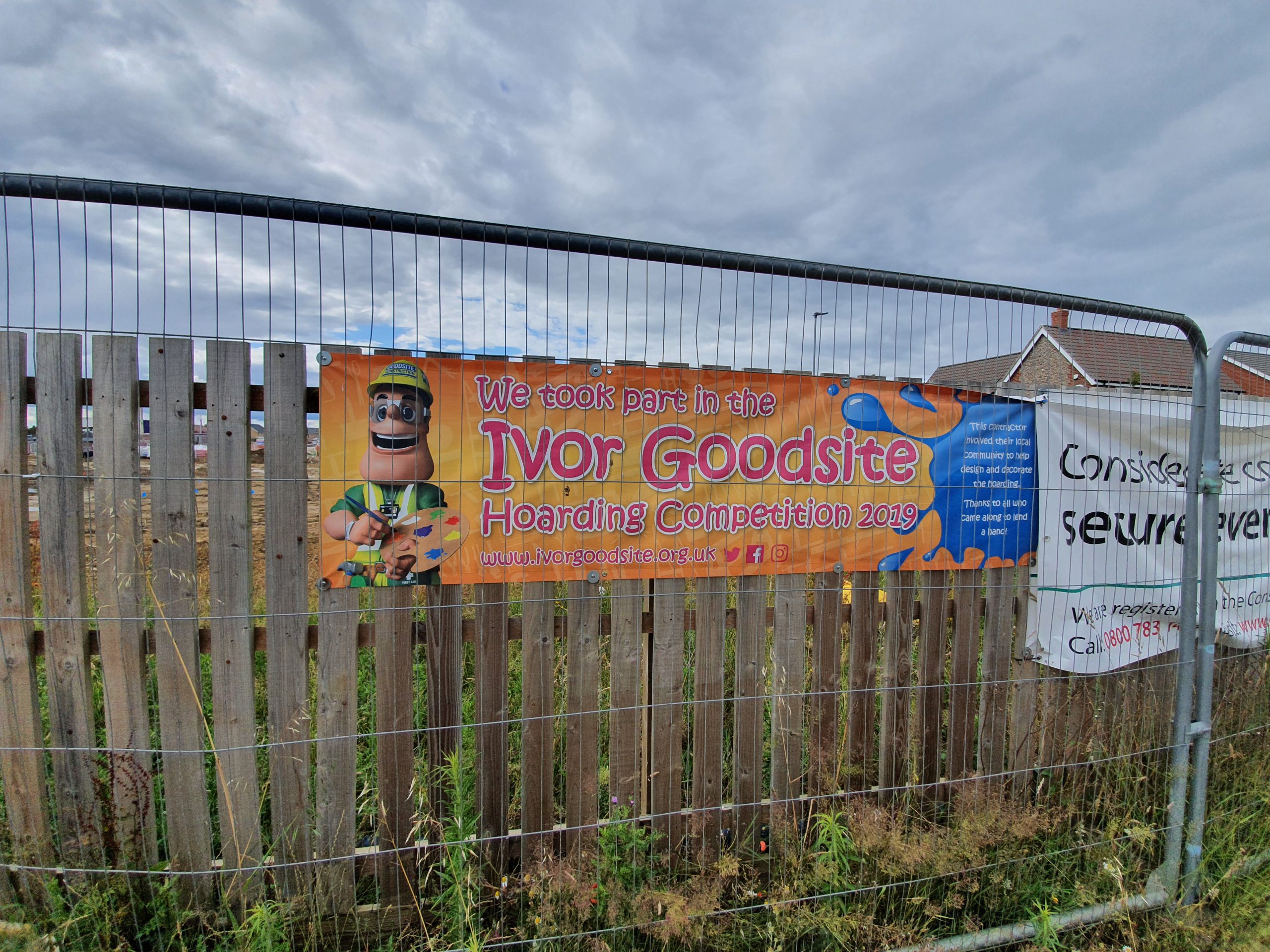
This is some fun and seriously intentioned branding, very nice. I wonder whether Liam should create something for the construction sites he works at…..

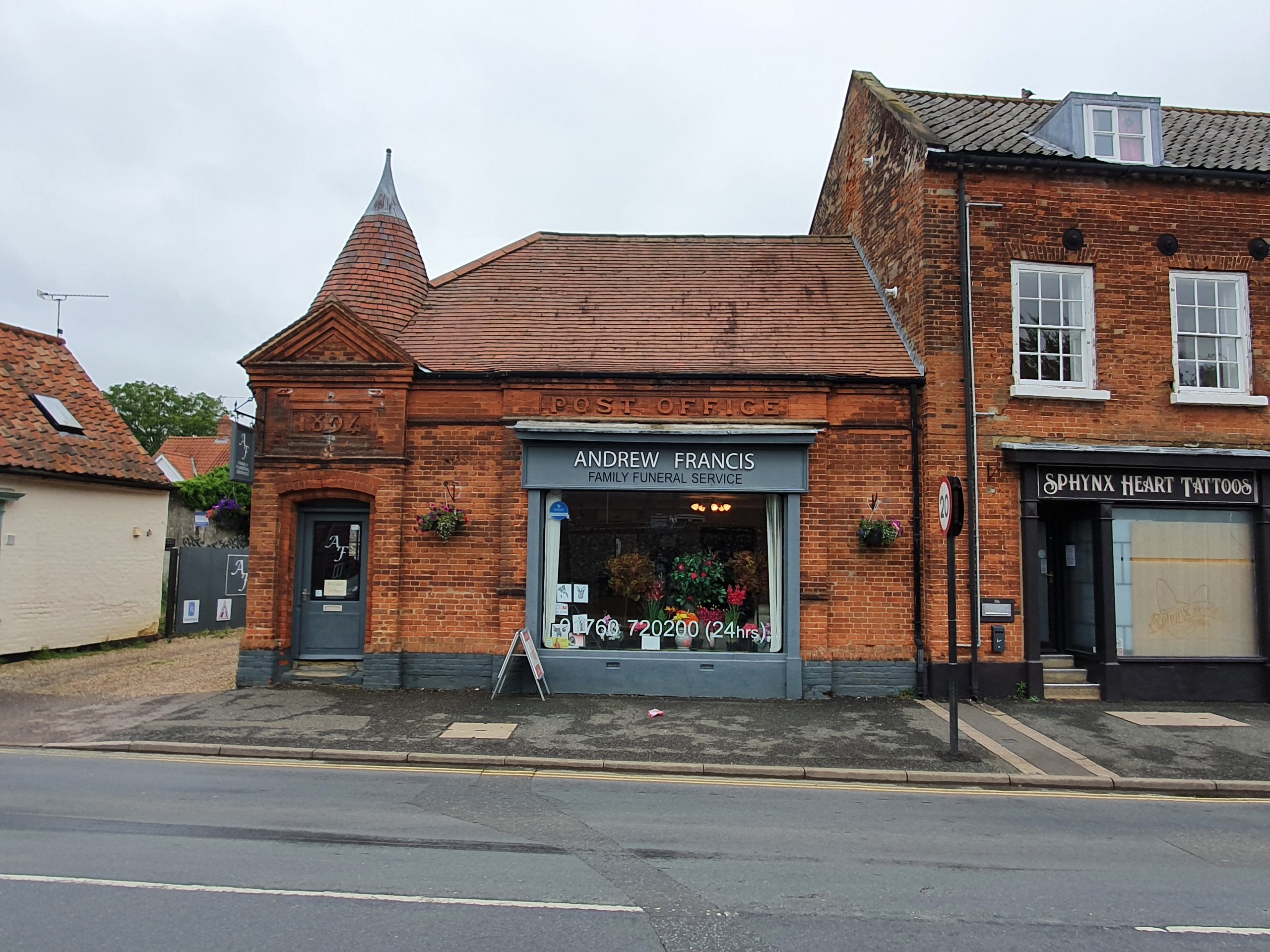

This is quite an enchanting little extension, added in 1894 to serve as Swaffham’s Post Office. It’s quite brave to actually mark in brick what the building is going to be used for, as things inevitably change, but it does make it easier over a century on to understand its original purpose. This set of buildings is listed, with the main part of the structure dating from the eighteenth century, but the listed building record makes no specific mention to the post office.
Things didn’t quite work out in 1903 at what I will call ‘beegate’. A swarm of bees decided that they liked the dome on the building (to the left of the photo) and they set up residence there. Local bee-keepers decided they weren’t dealing with that, so the fire brigade came with hoses to wash the bees into the gutters. The Norwich Mercury reported that after the bees were in the gutters, “the sun being warm revived the bees, and an angry swarm hovered all day just above the doorway of the Post Office”.
The Norfolk Chronicle reported in 1908 that the Post Office had a public house sign swinging above its doors. The reason is that this sign used to hang from outside the Crown pub, and when the new postal building opened, it was thought that some relic of the old coaching inn should remain (the Crown had closed in the 1870s). So they shoved the pub sign up at the Post Office, which I’d have thought caused more confusion than anything else.
There’s a photo of the Post Office from 1937 here, and I can see where they have delicately placed this pub sign (which had by that time gone).
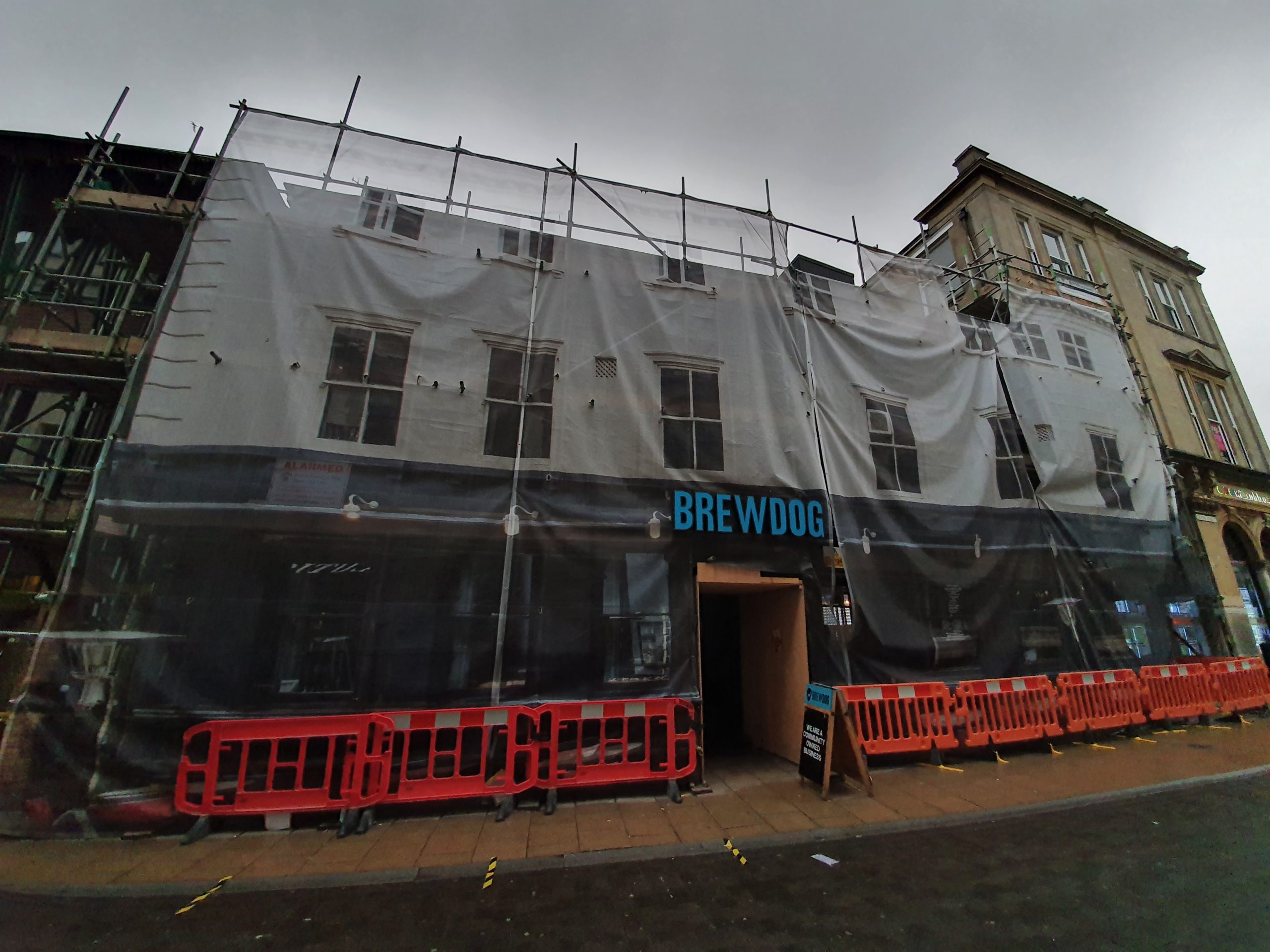

Back to Brewdog, which I’ve written about before, but some of my favourite pubs are still closed and I think this chain has handled things well in recent months. And I like their craft beer. So, I pre-booked a table in advance and this was acknowledged and confirmed around a day later.

The bar area with the list of beers on the back bar. I took these photos when leaving, at a time when it was quieter, because otherwise it was relatively busy throughout the evening. When entering the bar, there’s a staff member near to the door and they explain how everything is working in terms of hygiene and safety. Customers need to scan a QR code (I won’t mention that Nathan’s Nokia 8210 doesn’t have this facility, so he had to stand and look confused) and that allowed me to give my contact details to comply with Government rules, and there’s also an ordering facility as well on the app. Customers can decide whether to use the app to order, but table service is still offered.

Another photo of the front bar area.

My drink was Layer Cake, a pastry stout with layers of flavour including marshmallow and chocolate. Decadent, rich and very sippable. I was also conveniently seated next to a hand sanitiser, which was quite handy given that the food choice for the evening wasn’t the cleanest to eat.


And, Wings Wednesday, which is either cauliflower or chicken wings for £10 and they keep on bringing them until you tell them not to bring them. Which seems a very good deal. The wings were excellent, evenly coated with a pleasantly flavoured sauce and they were all cooked well. I like blue cheese, but not always blue cheese dip, but this one complemented the chicken wings nicely, and they also brought me over some hot sauce.
Service was friendly and engaging throughout, everything was brought over with no real delay and the staff seemed to be in control of the whole process. There is an air of professionalism to Brewdog, so the whole efficiency of the process wasn’t unsurprising.
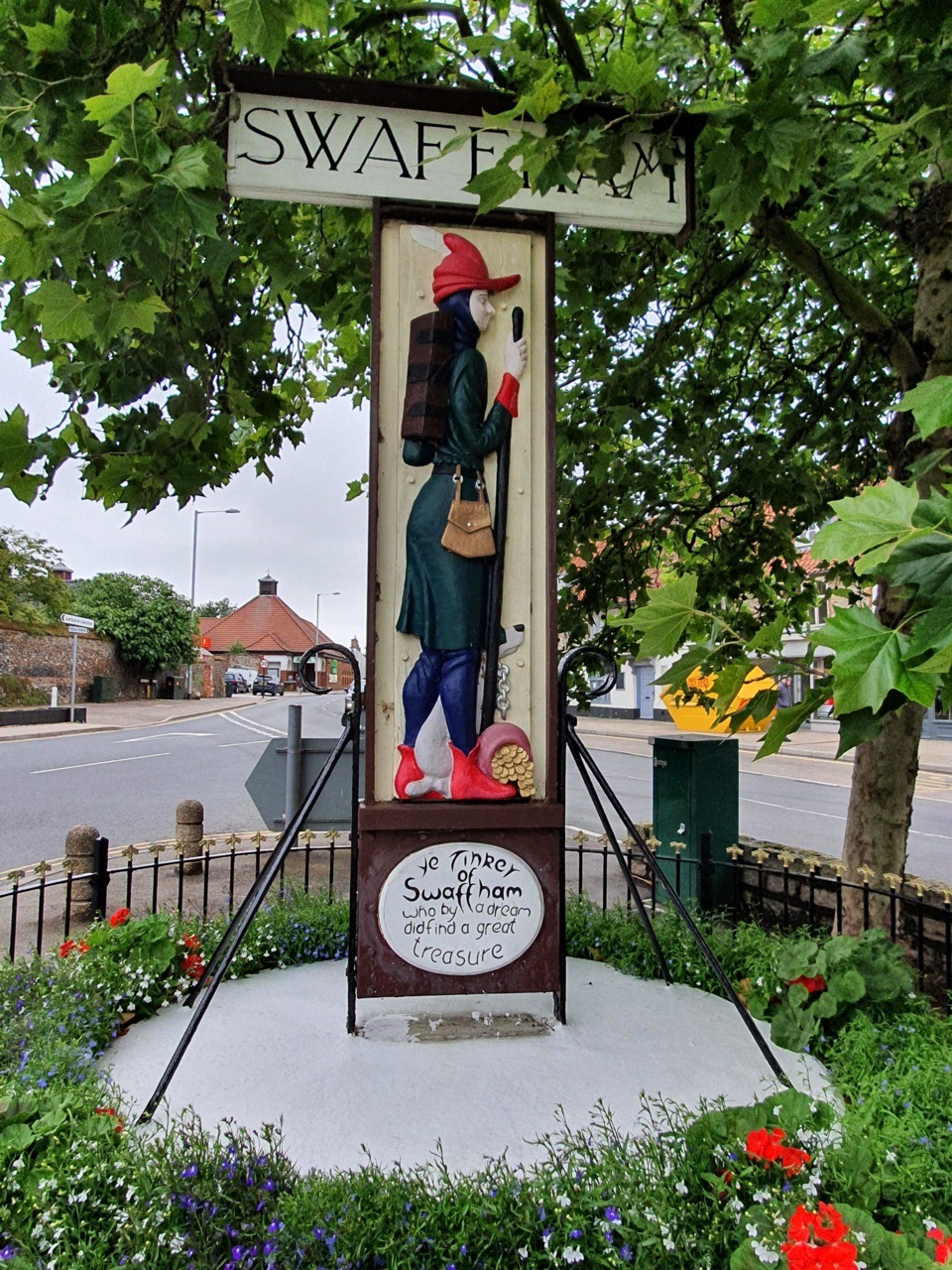

After my little trip to Swaffham this week, this is what The Concise Oxford Dictionary Of English Placenames have to say about the name origin of the town.
Swaffham, Norfolk. Swafham in Domesday Book, Swaffham in 1130. The first element is the tribal name Swaefas in its stem form. The name means the ‘ham’ of the Swaefas, or Swabians in early sources.
The Swaefas were a German tribe, or the Angles, who came to settle in Britain as visible in the below image (https://upload.wikimedia.org/wikipedia/commons/5/56/Anglo-Saxon_Homelands_and_Settlements.svg). So, Swaffham was a settlement where the Angles resided, one of their earlier places of residence in the country, and the town name has also hardly changed in the last millennium.

The Dictionary of the Vulgar Tongue was first published at the end of the eighteenth century, and given that the current health crisis is giving too much time to read books, I thought I’d pick a daily word from it until I got bored….
Earth Bath
Short and simple, this is defined by the dictionary as “a grave”.

The phrase is also very much a nineteenth-century one, it fell out of usage after that. More recent usages tend to be with reference to the treatment of being buried to one’s neck in soil for medical purposes, rather to the original rather more morbid meaning.
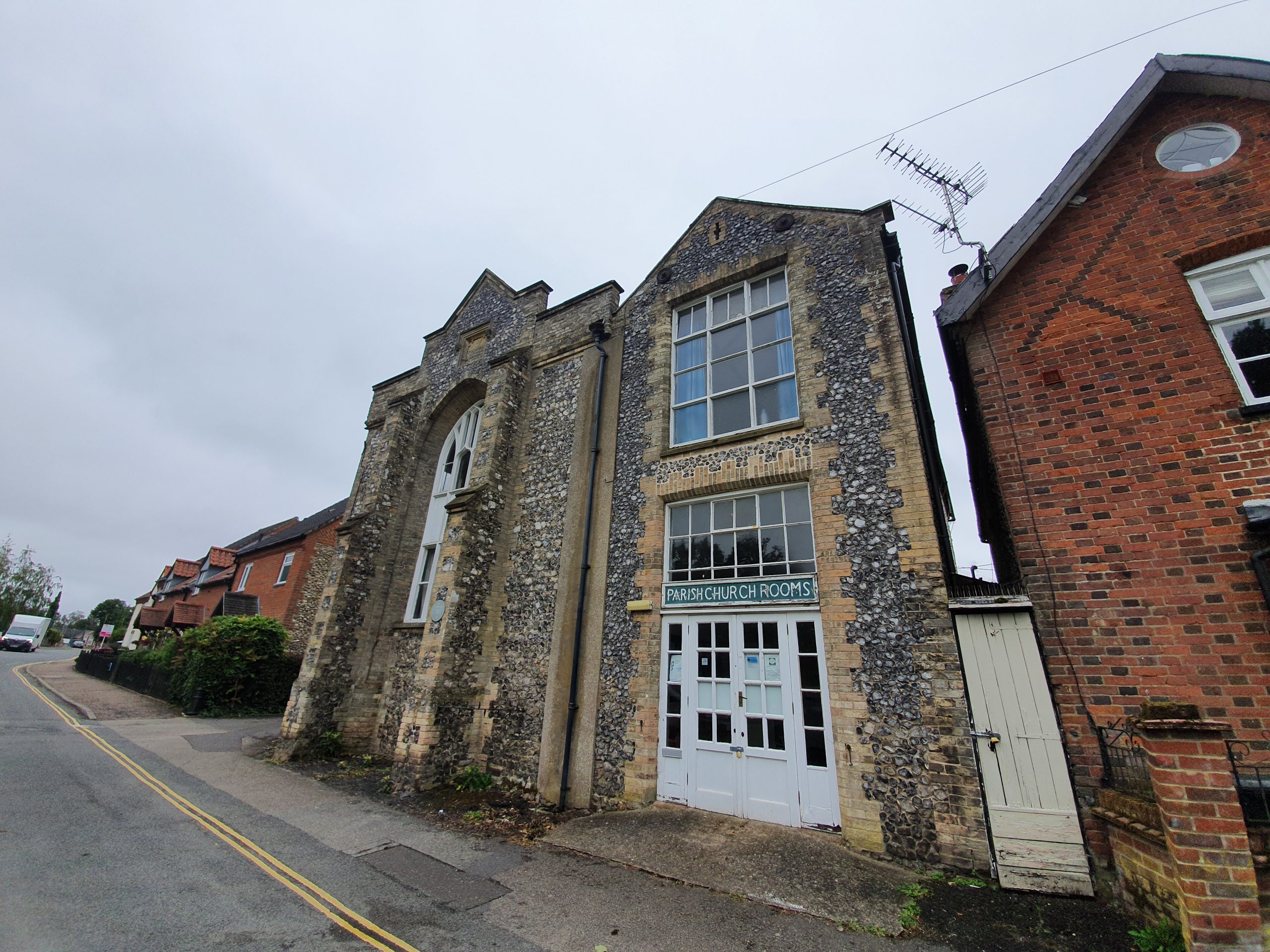

This quite imposing building dates from 1838, when it was built as Swaffham’s national school. It was designed by William Donthorne (1799-1859), a notable Norfolk architect who had been born in Swaffham and he also designed Cromer Hall, elements of Felbrigg Hall and Aylsham Workhouse. The national schools were established by the National Society for Promoting Religious Education, which taught religion along the Church of England lines, and from 1833 the Government provided grants for the running of these schools.
There was a treat for the children on New Year’s Day 1839, when the new school held a celebration dinner to mark the opening of their new building. The local press reported that there was “an excellent dinner of beef and plumb pudding, provided for them by the inhabitants of the town. It was gratifying to witness the interest taken by the company present on this occasion, and great merit is due to those individuals who so kindly exerted themselves in providing this treat”.

The building was converted in the twentieth century into church rooms and they remain in use for this purpose today.

In another of my irrelevant content posts, the new loyalty scheme from M&S was introduced today. The company has been busy trailing the news that shoppers would be given free gifts, and they were specifically mentioning Percy Pigs.

I got a pastry. No Percy Pigs….. And a free tote bag next time I visit. I’m sure the pastry will be delicious, but it’s not a pack of Percy Pigs.
On the bright side, they had some of the packs of Percy Pigs reduced to 45p, so I got some anyway. That’s what I call a successful shopping trip. Given that this was the highlight of my afternoon, I’ve decided that I need to get out more……
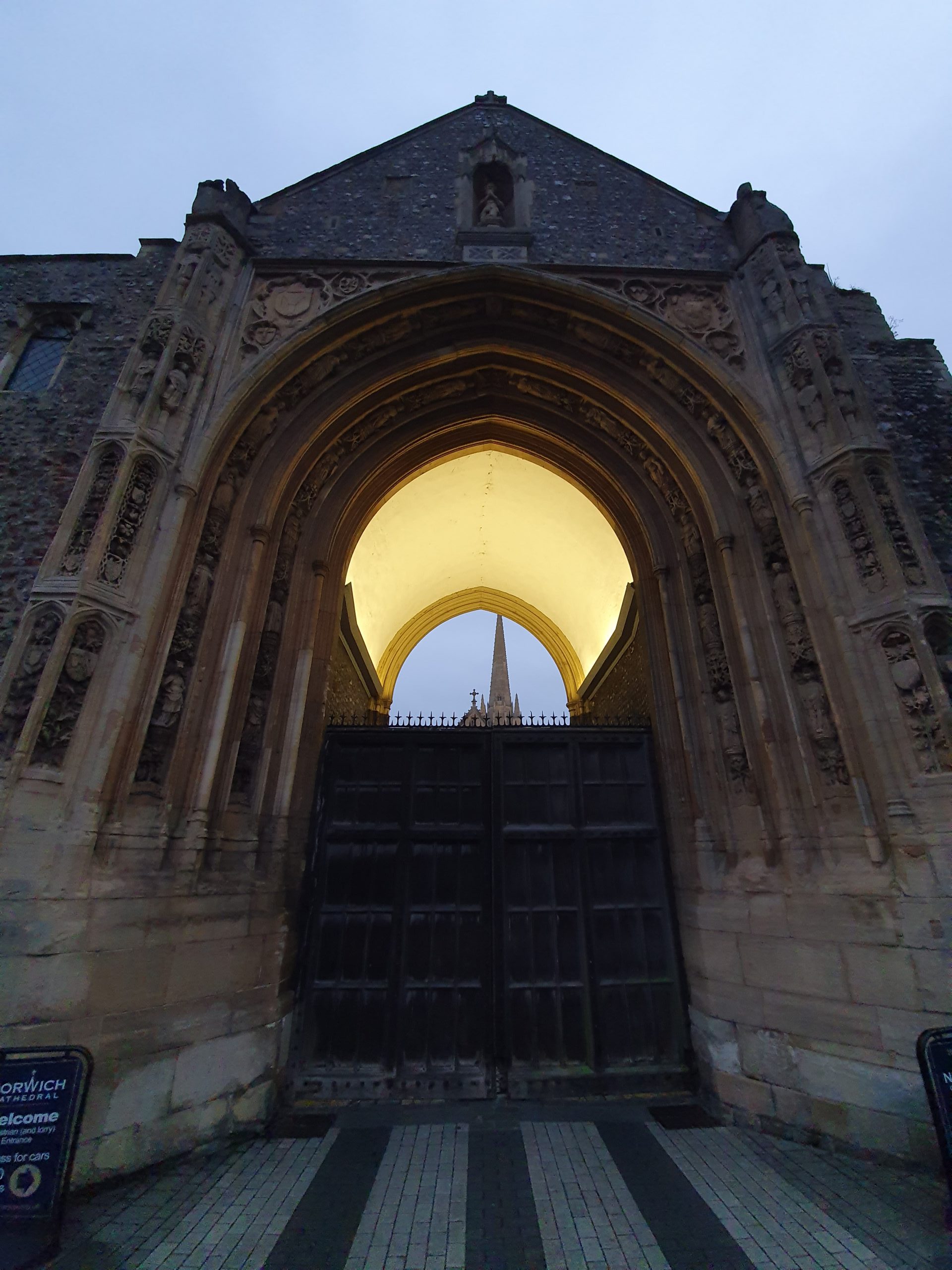
I’m not sure that I can recall a time when the Erpingham and Ethelbert Gates have both been closed in the evening, I wonder whether it’s related to the Nelson statue incident.