Blog

  • London – Havering (Borough of) – Upminster – Former Workhouse

    London – Havering (Borough of) – Upminster – Former Workhouse

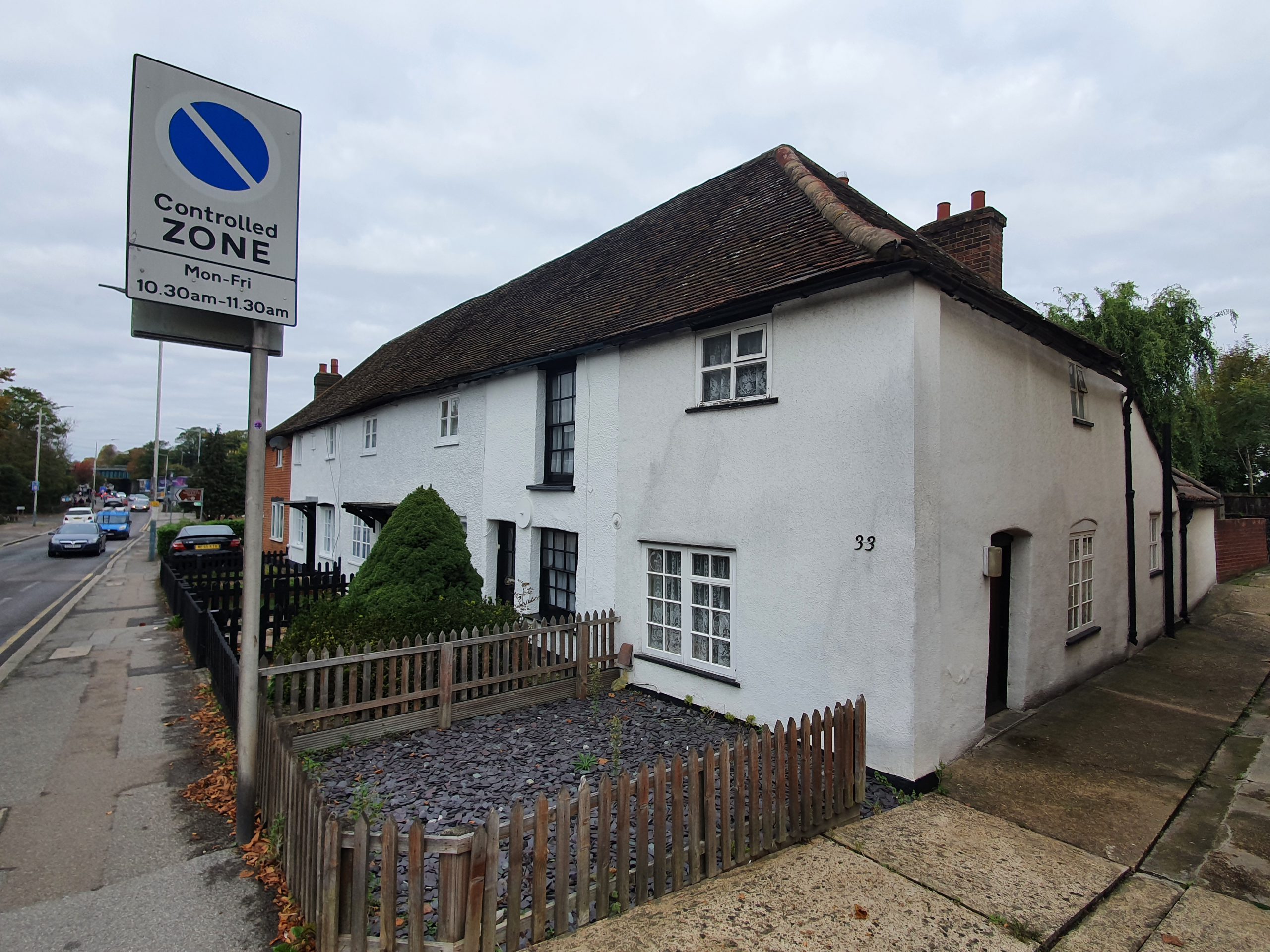
    This property was built in 1751 as the workhouse for the area, being extended in 1783. As the need for workhouses increased, a new building was necessary as this could only hold just over twenty inmates. After a new workhouse was constructed in Romford, this building was turned into a row of cottages.

    Now known as Ingrebourne Cottage, the frontages have been quite modernised, although the buildings retain some historic charm.

  • London – Havering (Borough of) – Upminster – Clockhouse

    London – Havering (Borough of) – Upminster – Clockhouse

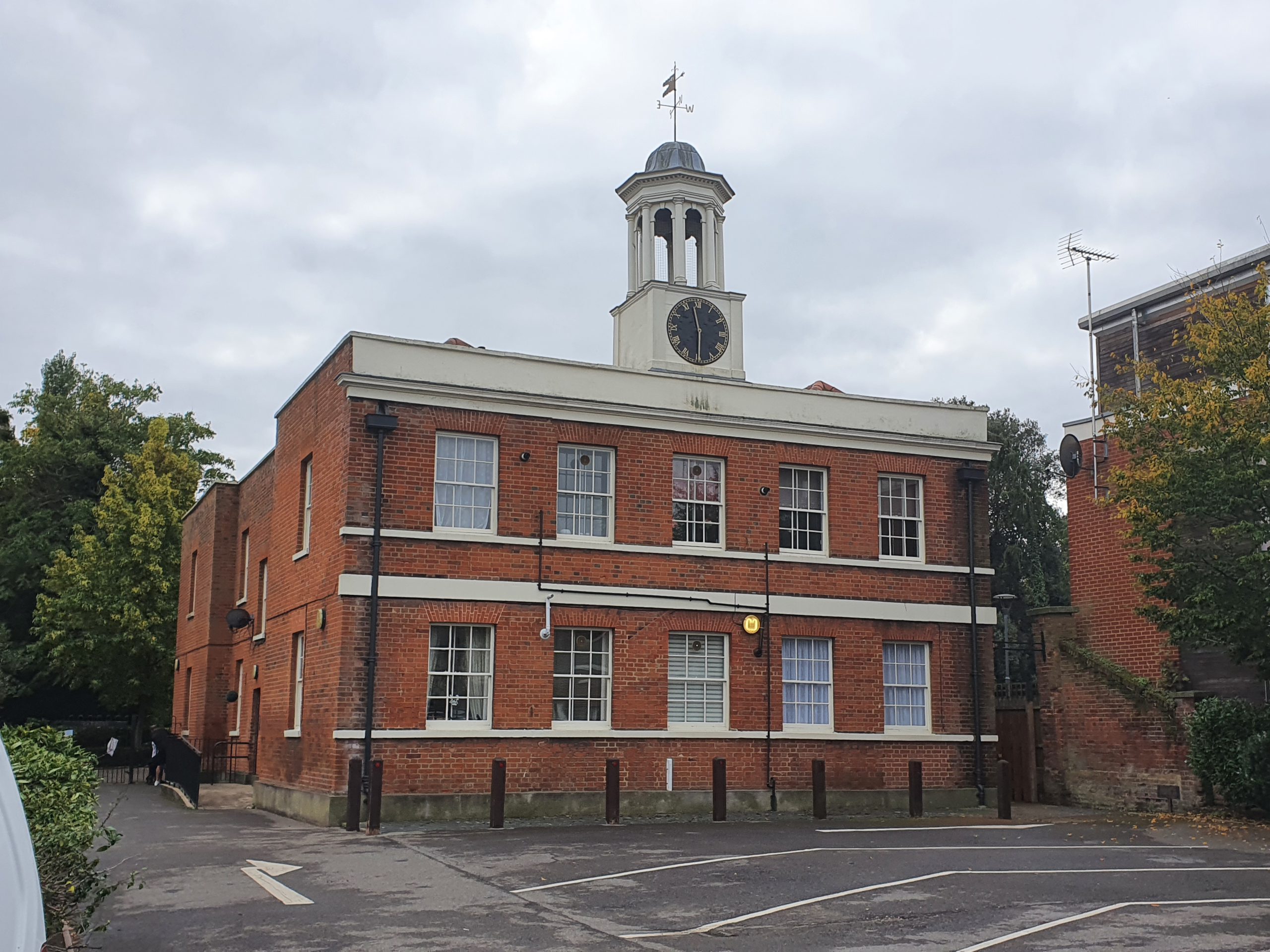
    This is the former stable block to the manor house of New Place, now demolished, and it’s known today as the Clockhouse. It’s been turned into flats now, although the gardens behind the property can still be accessed. The building was constructed in 1775 and the clock is from the same period, designed by Edward Tutet. A weather vane was moved from Woolwich Arsenal to the building in 1775, with this vane from 1700 now stored somewhere inside the building.

  • London – Havering (Borough of) – Upminster – The Old Chapel

    London – Havering (Borough of) – Upminster – The Old Chapel

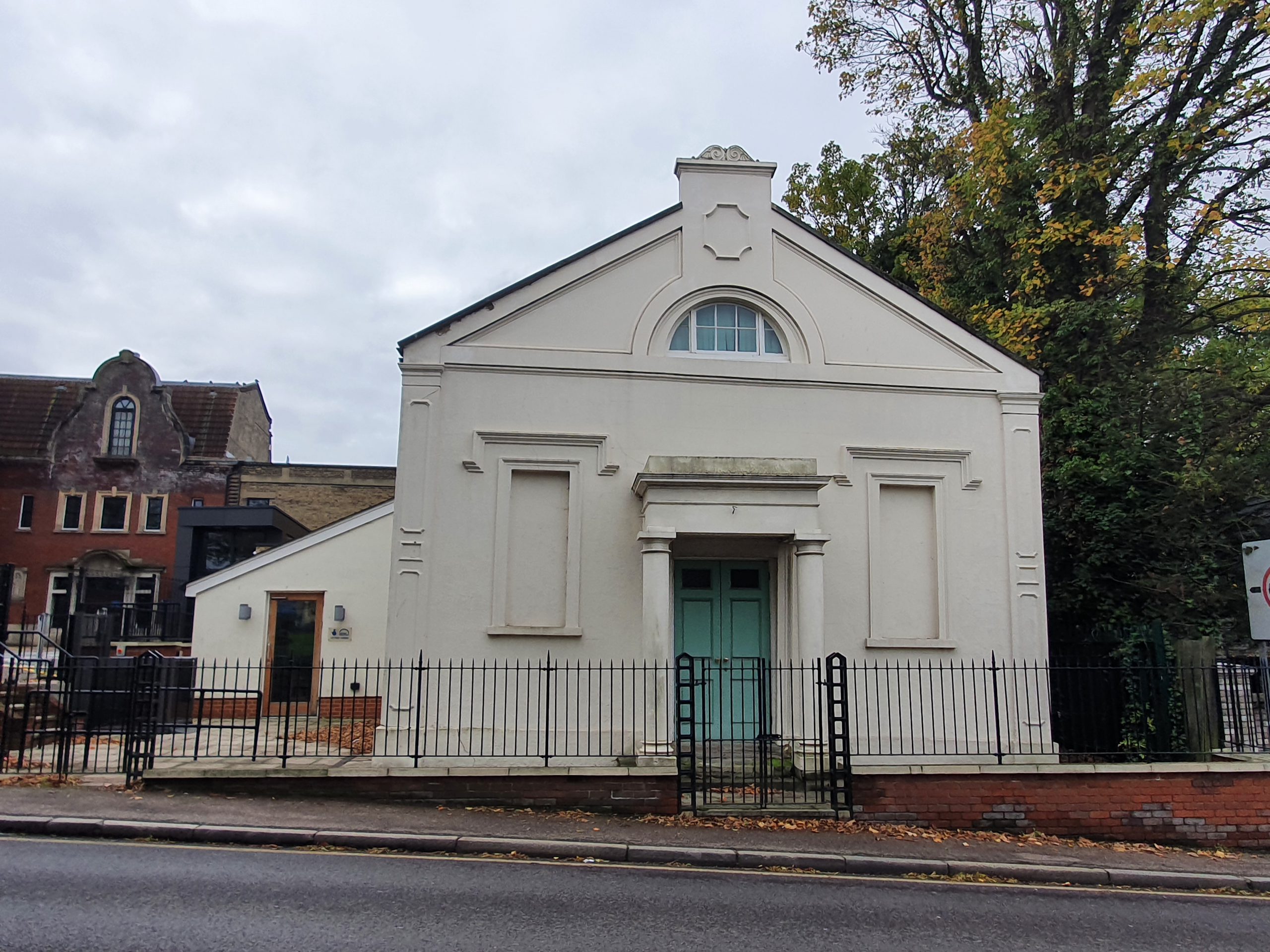
    This chapel is part of the Upminster Heritage Trail and is located on St. Mary’s Lane. It was first built in 1800 and was remodelled in 1847. It was used by the Plymouth Brethren until 1989, when it became used by the Sacred Heart of Mary Girls’ School. In normal times, it is open to the public at weekends and has been restored inside.

  • Pret – Coffee Subscription (unimpressed….)

    Pret – Coffee Subscription (unimpressed….)

    I cancelled my Pret coffee subscription after one month, which was the one that they gave me. Anyway, since I’m in London and they have lots of branches here, I thought that I’d resubscribe. The account process is terrible, it’s fiddly to log-in and I know other people are just making up new e-mail addresses to get free coffee, so they probably haven’t had vast amounts of people manually resubscribing.

    Anyway, with code in hand, the store at Moorgate refused the transaction suggesting that my payment hadn’t gone through. My payment had gone through, but these things happen. I heard the store manager say “nothing we’re prepared to do about it”. I contacted Pret and the problem, which was theirs, was immediately fixed. It might have been easier for them to just give me the coffee they’d poured and ask if I could resolve it with Pret customer service, but it’s possible they get too many people trying it on. As it wasn’t busy, a “do you need any help, or a contact phone number for Pret?” might have been really useful though.

    I was more annoyed by having to go back ten minutes later and then I ordered again and they forgot to pour that one entirely (I don’t think it was because they were annoyed at me, they forget an order from another customer as well). The service was polite and the coffee was fine and these things do happen, but it’s the “nothing we’re prepared to do about it” means I’m not prepared to renew….. Disappointing, as I very much like Pret.

    NB, and as an addendum written the next day, things improved  🙂

  • Dictionary of the Vulgar Tongue – Day 201

    Dictionary of the Vulgar Tongue – Day 201

    The Dictionary of the Vulgar Tongue was first published at the end of the eighteenth century, and given that the current health crisis is giving too much time to read books, I thought I’d pick a daily word from it until I got bored….

    Malkin or Maulkin

    This is one of Grose’s longer definitions, which is “a general name for a cat; also a parcel of rags fastened to the end of a stick, to clean an oven; also a figure set up in a garden to scare the birds; likewise an awkward woman. The cove’s so scaly, he’d spice a malkin of his jazey: the fellow is so mean, that he would rob a scare-crow of his old wig”.

    Another definition in this book, that of Grimalkin, is very similar, and these words are the origin of the name Matilda.

    The word was used much more in the late eighteenth and early nineteenth centuries, generally fading away since, although it’s perhaps a more intriguing word than just saying ‘cat’.

  • London – Havering (Borough of) – Upminster – St. Laurence’s Church

    London – Havering (Borough of) – Upminster – St. Laurence’s Church

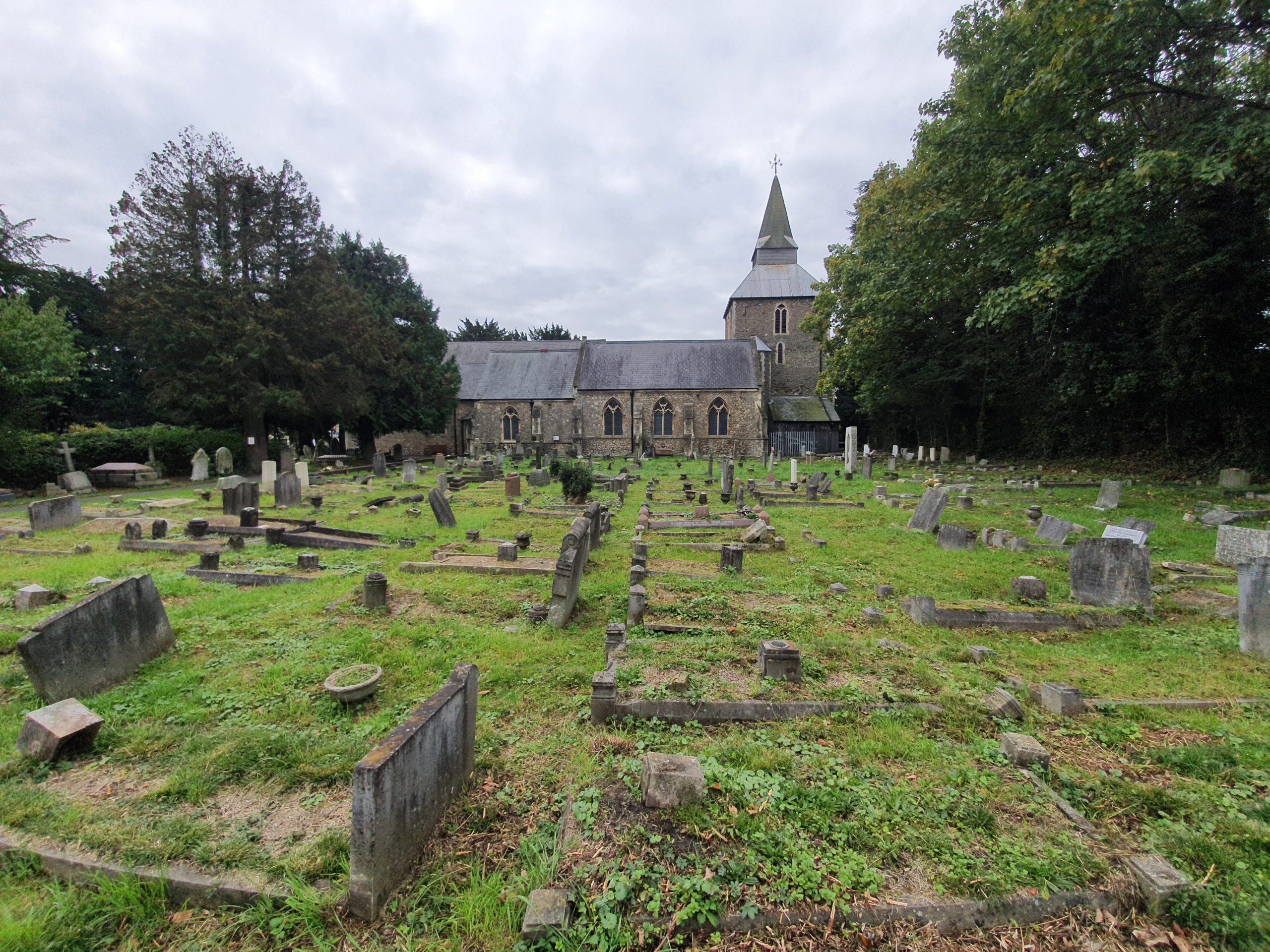
    The Church of St. Laurence is important to Upminster for numerous reasons, not least because it’s the origin of the town name. The church, or Minster, may have been on higher ground, hence the Upper Minster, or Upminster. There was likely a church here from as early as the seventh century, probably just made from thatch and wood, with a stone replacement not constructed until the twelfth century.

    As a little more history, somewhere in this graveyard is the body of Alice Perrers, the mistress of King Edward III of England, who was for a while as influential as a Queen.

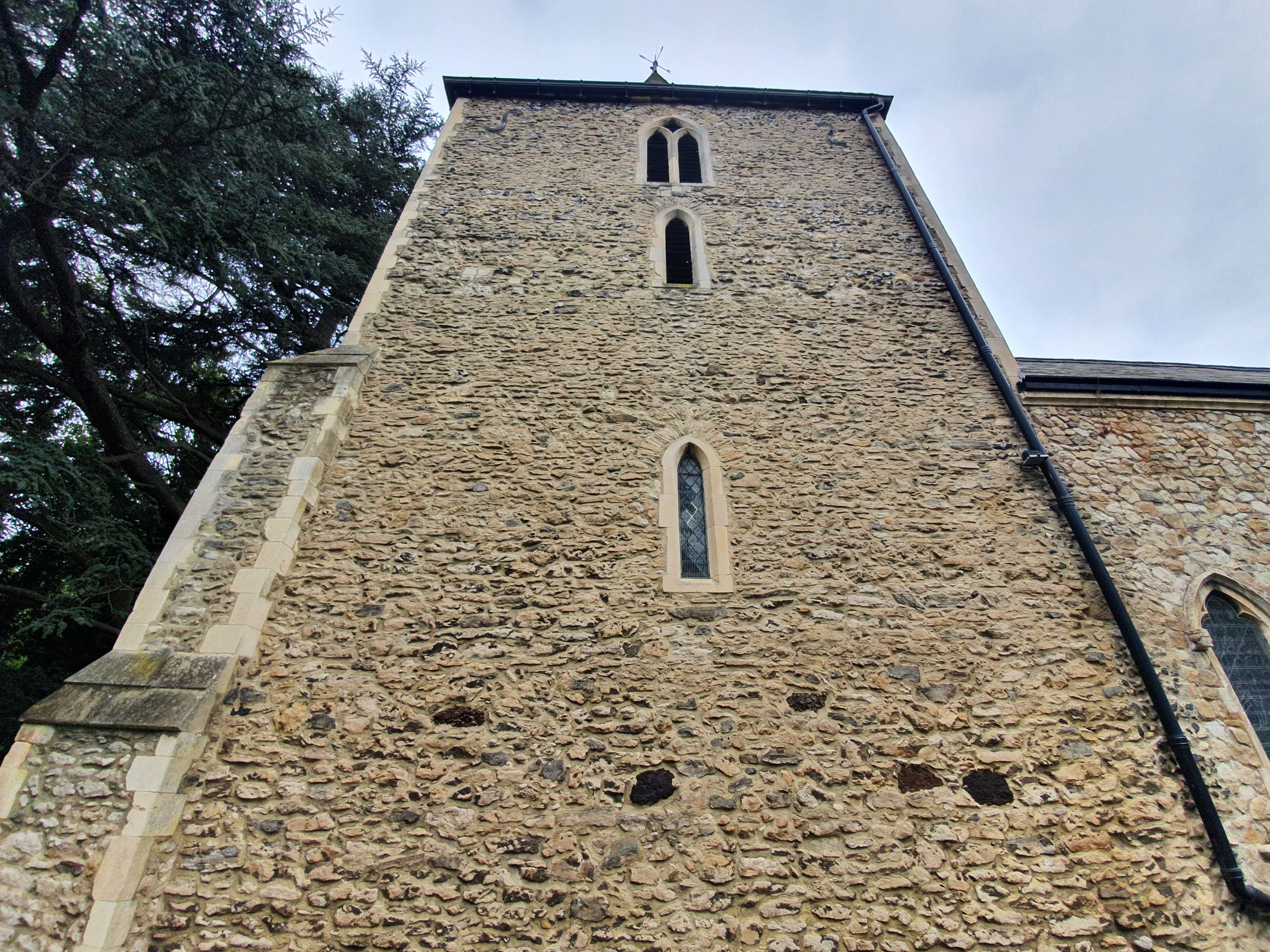
    The tower may date from as early as the twelfth century and the wooden frame which supports the spire is from the thirteenth century. That’s quite an impressive piece of engineering, to make it last for seven centuries. This is also the tower from where the speed of sound was first recorded, by William Derham (1657-1735), the rector of the church and keen scientist.

    Much of the rest of the building is later, mostly a rebuild from 1863 overseen by W G Bartlett, with twentieth century additions due to the increasing size of the congregation.

    One gravestone seems to have got itself caught up in the path.

    One of several chest tombs in the churchyard from the eighteenth and nineteenth centuries.

    The path of trees.

    The metal grave marker of Lydia Tunbridge.

  • Dictionary of the Vulgar Tongue – Day 200

    Dictionary of the Vulgar Tongue – Day 200

    The Dictionary of the Vulgar Tongue was first published at the end of the eighteenth century, and given that the current health crisis is giving too much time to read books, I thought I’d pick a daily word from it until I got bored…. NB, it’s nice to reach number 200, although I’ve got a few days behind somewhere, as I should be on day 210 by now. I’ll catch up.

    Mahometan Gruel

    This slightly ridiculous phrase is defined by Grose as “coffee, because formerly used chiefly by the Turks”. I’d have thought it easier just to say coffee, a word which came into the English language in the sixteenth century via the Turkish word ‘kahveh’. The phrase was used in the seventeenth and eighteenth centuries, although I’m not entirely convinced that it was widely used as it appears only infrequently in print.

  • London – Havering (Borough of) – Upminster – St. Laurence’s Church (Lydia Tunbridge)

    London – Havering (Borough of) – Upminster – St. Laurence’s Church (Lydia Tunbridge)

    I thought this metal grave was intriguing, located at St. Laurence church in Upminster. It commemorates the life of Lydia Tunbridge, who died in 1918 at the age of 70.

    At the 1901 census, Lydia lived at Hacton School House in Rainham along with her husband, George, who was an agricultural labourer. They had four children living with them, Ethel who was born in 1885, Herbert who was born in 1888 and was already working as an agricultural labourer at the age of 13, Ernest who was born in 1889 and was still at school and Mabel who was born in 1892. They also had an older sister, Alice, who was no longer living with them, but who appeared in the 1891 census.

    At the 1911 census, Lydia lived at Mission House in Hacton, with George still working as an agricultural labourer. Herbert, Ernest and Mabel were all still living with them, with Herbert also still working as an agricultural labourer and Ernest who worked as a horseman on a farm. Also now residing at the property was Winnie Fairchild, their grand-daughter.

    Lydia died in 1918 and she still lived at the Mission House at that time. The particularly sad element of this is that she died just a year after finding out that her son Ernest was killed during the First World War. Ernest died on 1 July 1917, at the age of 28, and is buried at the Cologne Southern Cemetery in Germany, which is where bodies were moved to from other parts of the country. Ernest fought in the 7th Battalion of the Northamptonshire Regiment and became a prisoner of war during the conflict, having already been injured in 1916, being discharged from a field hospital on 30 December 1916. He left a wife, RM Griffiths, who lived at 3, Westbury Rd., Walthamstow, London.

    I’m not sure why this burial used a metal headstone, but it may have been that a blacksmith could have made it for them. Ernest was working as a horseman on a farm, so, perhaps (and very much as a random guess) this was arranged for the family.

  • London – Havering (Borough of) – Romford – Romford Market

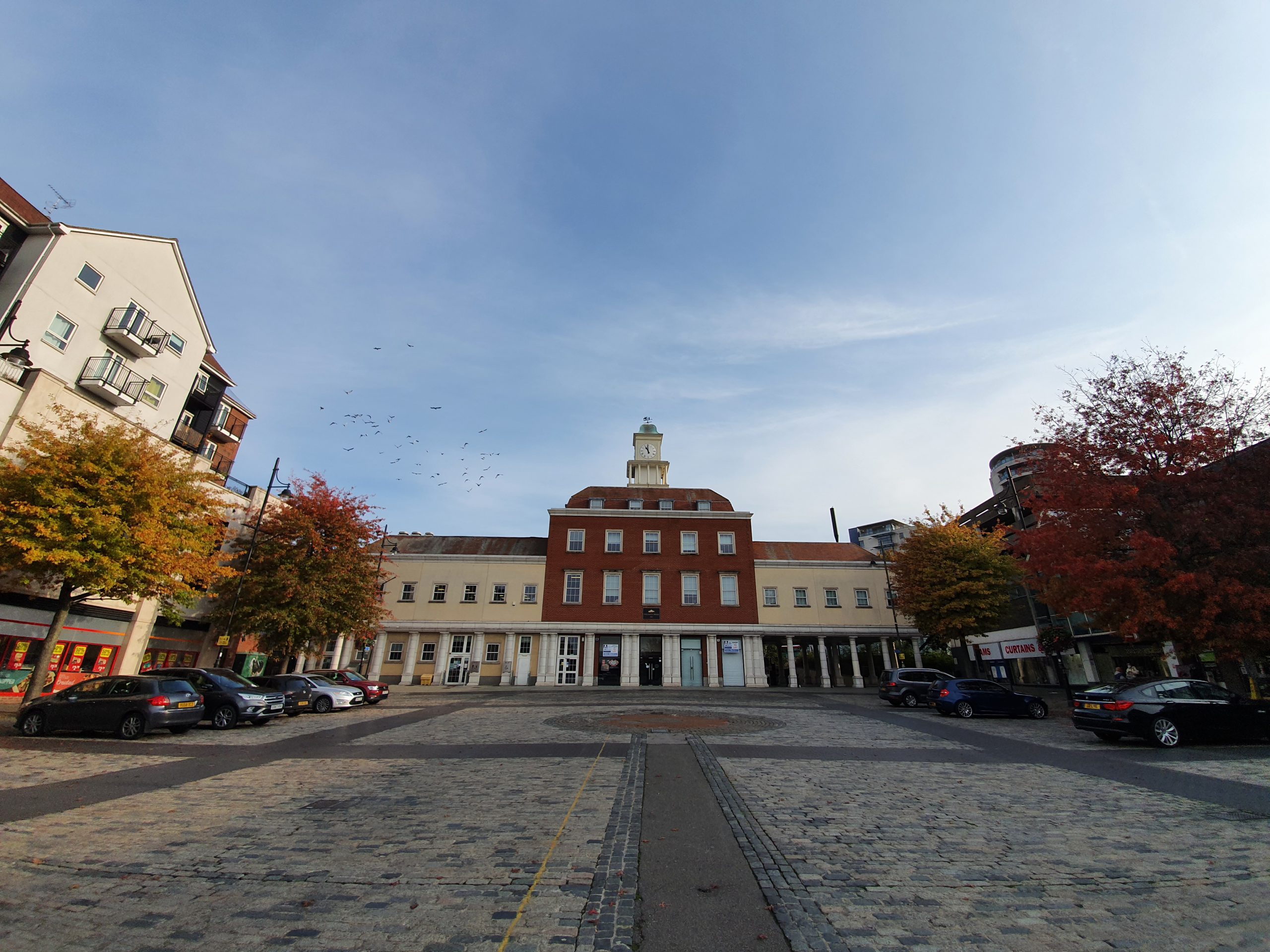
    London – Havering (Borough of) – Romford – Romford Market

    There has been a market in this area since 1247, when it was used as a location to buy and sell sheep. King Henry III gave Romford the right to hold this market and banned any other settlement from having a similar one if they were within one sheep-driving day away in distance. It later became used as a more general market, but the sale of cattle continued until 1958.

    As can be seen from this map from the early twentieth century, the road used to be more defined on one side, with the cattle market having a permanent area. The general market currently takes place on Wednesdays, Fridays and Saturdays and on other days it’s used as a car park and an opportunity to nearly run over unsuspecting pedestrians who think it’s pedestrianised (not referring to me, but to two other people who had to dodge cars).

    Not wanting to sound like a town planner, but it’s a shame that more isn’t done with this area of Romford, it clearly used to be its beating heart and it’s now a bit of a sideshow.

  • London – Havering (Borough of) – Romford – Church House

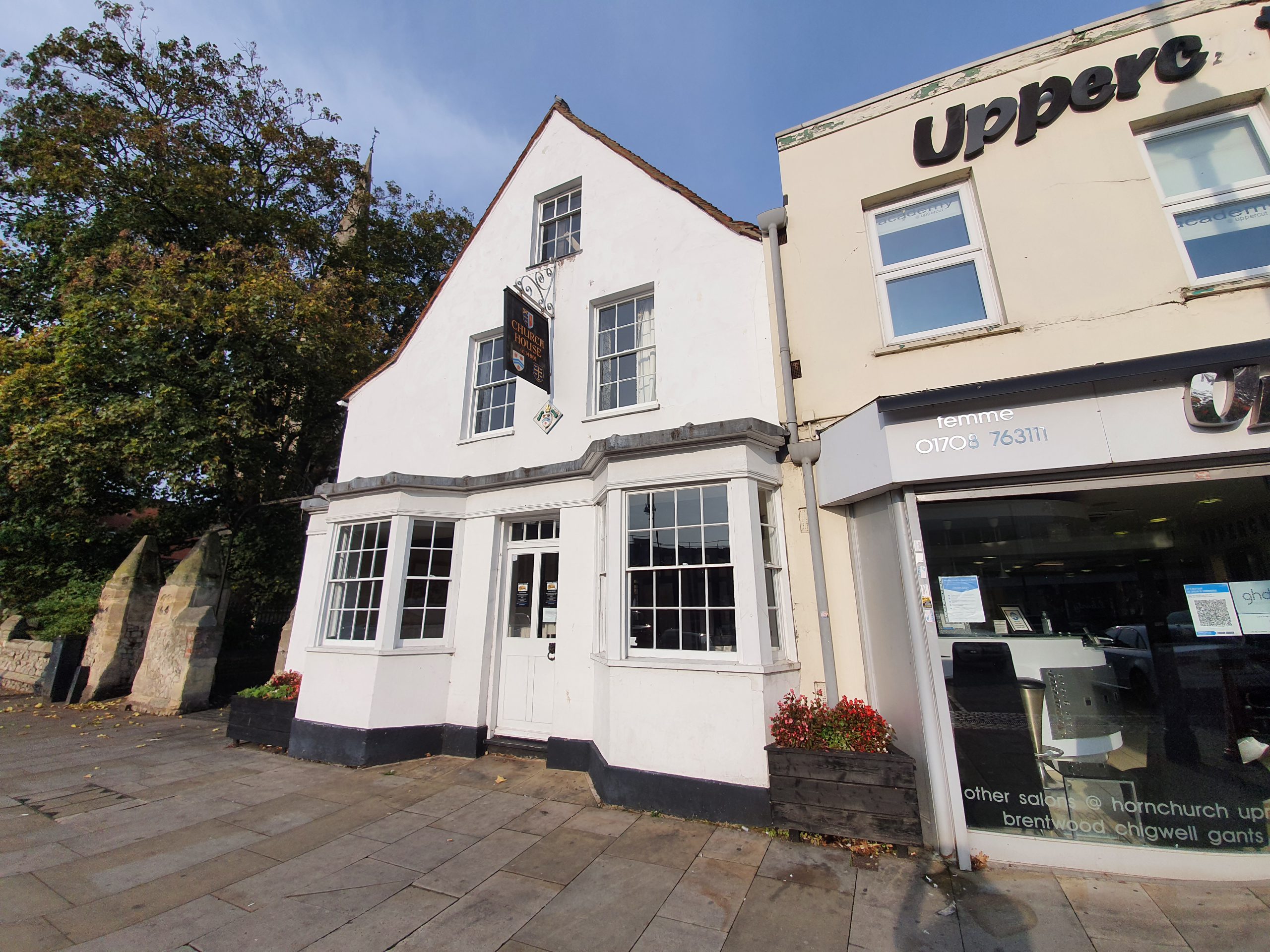
    London – Havering (Borough of) – Romford – Church House

    This property was originally used by priests from the Church of St Edward the Confessor which is located next door. It’s much older than the church, as this was built in the fifteenth century (it’s thought about 1480) and the church is a mid-nineteenth century replacement for the earlier building.

    Although closed at the moment due to the health crisis, it’s normally open as a cafe which is open to the public. This usage is appropriate, as the property was turned into an inn towards the end of the sixteenth century. It remained in use as a licensed premises until 1908 when the building was sold and taken over by New College, Oxford University. They named it Church House and since then it has been used by officials from the Church of England, as well as being a cafe.