Author: admin

  • Bucharest – National Museum of Art (The Jew With the Goose by Nicolae Grigorescu)

    Bucharest – National Museum of Art (The Jew With the Goose by Nicolae Grigorescu)

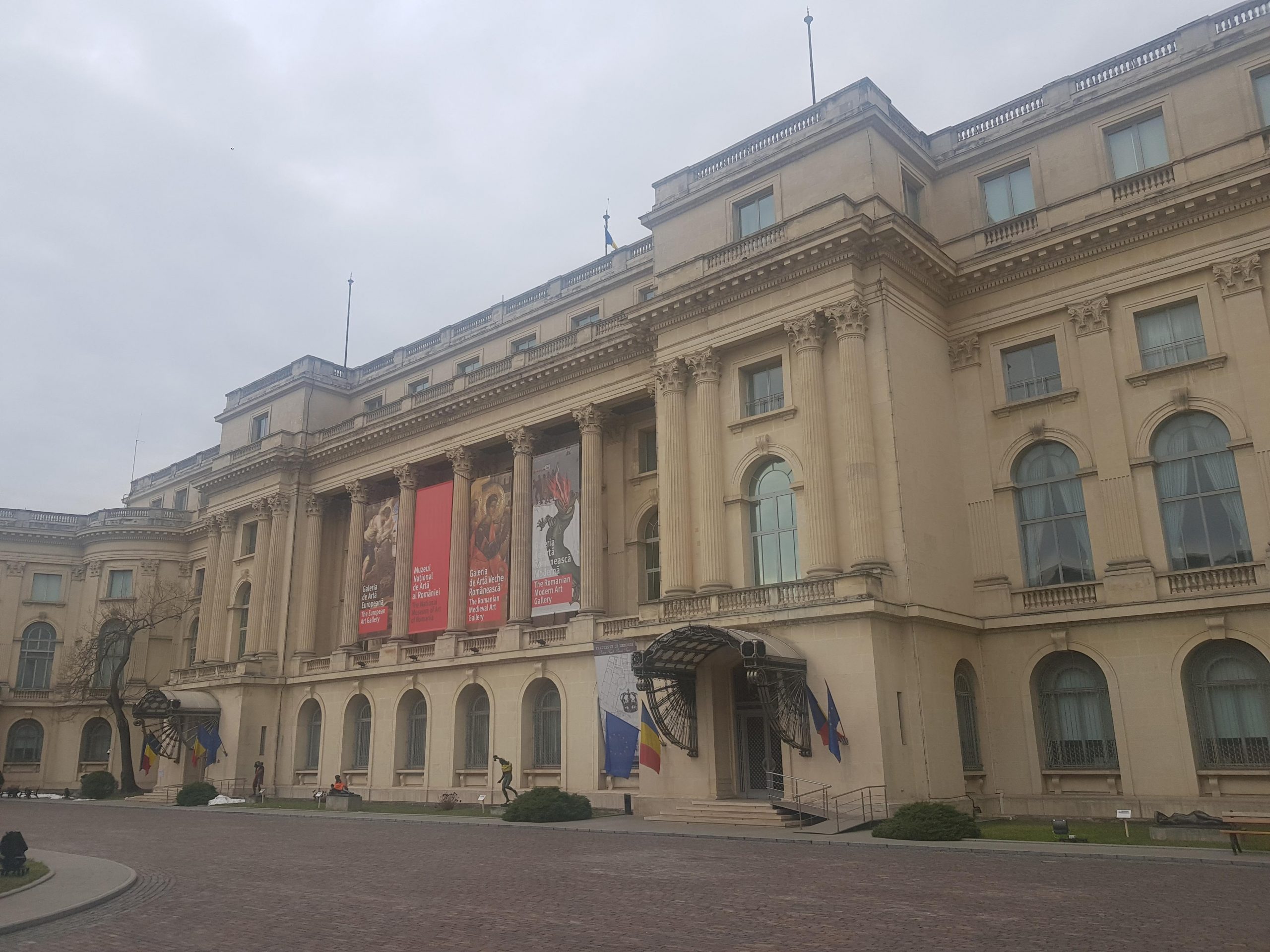
    This painting is by Nicolae Grigorescu (1838-1907) and was painted in 1880. Grigorescu is apparently one of the founders of modern Romanian painting and this artwork shows a Jew (the name of the painting) holding a petition and a goose. The original title of this artwork is “a Moldavian Jew going to the Romanian Parliament to petition for his naturalisation” which was something that Jews could do from 1879, although it wasn’t an automatic right. I’m not sure whether the goose was meant as a bribe, although I’m not sure why anyone would traipse a live goose to Parliament without some good cause.

  • Bucharest – National Museum of Art (Catholic Church in Câmpulung)

    Bucharest – National Museum of Art (Catholic Church in Câmpulung)

    This artwork of a Catholic Church in Câmpulung was painted by Theodor Aman in 1875. The Romanian artist lived from 1831 until 1891, when he died in Bucharest and the house he lived in is now a museum which commemorates him and his work. I did try and find the same location on Google Streetview and the only Catholic Church looks different and the streetline has changed too much. I like the painting though, although I suspect that the town was more prosperous then than it is now if the characters and their formal wear are anything to go by.

  • Dictionary of the Vulgar Tongue – Day Eight

    Dictionary of the Vulgar Tongue – Day Eight

    The Dictionary of the Vulgar Tongue was first published at the end of the eighteenth century, and given that the Coronavirus crisis is giving too much time to read books, I thought I’d pick a daily word from it until I got bored…..

    Autem

    Not particularly a vulgar word, but this word was used between the sixteenth and eighteenth centuries as a slang word, and rather informally and negatively, for a church. It’s not known, but the word may have been derived from Yiddish and the phrase ‘autem bawler’ is another word for a parson.

  • Bucharest – National Museum of Art (The Revolutionary Romania by CD Rosenthal)

    Bucharest – National Museum of Art (The Revolutionary Romania by CD Rosenthal)

    This artwork, entitled The Revolutionary Romania, is by Constantin Daniel Rosenthal and was painted in 1850. Rosenthal lived from 1820 and 1851 and had an involvement in the 1848 Revolution, which later cost him his life when he was tortured to death by the French for refusing to give information about his contacts. There’s something tragic about looking at an artwork which was painted by someone who was so relatively young, but yet was about to be confronted with his death.

    Rosenthal painted numerous artworks on the theme of Romanian nationalism and he seems to have been quite active in the later part of his life. This painting was part of the Pinacoteca București collection which had been established by King Carol II, with many of the artworks being taken over by the National Gallery. It shows Marie Rosetti who was a friend of the artist and the wife of the author Constantin Alexandru Rosetti. She was dressed in traditional Romanian clothing and she has a dagger in one hand and a Romanian flag in the other hand.

  • Lincoln – Premier Inn Lincoln City Centre

    Lincoln – Premier Inn Lincoln City Centre

    I posted about how helpful Ibis Bristol Temple Meads were with regards to cancelling a future hotel booking which was now impossible due to the Coronavirus. So, I should mention positively the efficiency of Premier Inn Lincoln City Centre who did the same with my otherwise non-refundable booking. Premier Inn only postponed stays initially, but then they allowed a cancellation of everything and my money was refunded swiftly. Hopefully I’ll get back to Lincoln soon.

    It gives me lots of reassurance in the professionalism of Ibis and Premier Inn.

  • Bucharest – National Museum of Art (Icon of Saint Nicholas by Mihail)

    Bucharest – National Museum of Art (Icon of Saint Nicholas by Mihail)

    I thought that this looked modern when I first saw it, given that it has something of a cartoony feel to it. Tempera on wood, it was painted by Mihail in 1754 and is a representation of St. Nicholas. I didn’t know this before looking it up, but St. Nicholas is often painted with a codex in his hand, as it is here, and has representations of Jesus and the Virgin Mary behind him, which is what I assume is also happening with this artwork. He’s also portrayed as an Orthodox bishop, as he is here, and often with three gold balls, which isn’t shown here. He was known for giving gifts to the poor and from that he evolved into being effectively better known as Father Christmas.

  • Bucharest – National Museum of Art (Grigorie Brâncoveanu)

    Bucharest – National Museum of Art (Grigorie Brâncoveanu)

    I liked this painting, there seems to be quite some depth to it, which is of Grigorie Brâncoveanu (1764 – 1832), who was the Great Ban (or regional leader) of Wallachia. The family had been important during the seventeenth and eighteenth centuries, but it came to an end with Grigorie.

    It’s not known who painted the artwork, nor its date, other than it was from the first half of the nineteenth century. History could have easily be just slightly different and Wallachia could be its own country, rather than subsumed into Romania. It was only the constant threat of Russia which led the leaders of Wallachia into wanting to unite with neighbouring countries.

  • Dictionary of the Vulgar Tongue – Day Seven

    Dictionary of the Vulgar Tongue – Day Seven

    The Dictionary of the Vulgar Tongue was first published at the end of the eighteenth century, and given that the Coronavirus crisis is giving too much time to read books, I thought I’d pick a daily word from it until I got bored…..

    Avoir du Pois Lay

    This is a pretty niche phrase, meaning “the stealing of brass weights off the counter of shops”. It’s so niche, it’s another phrase that must have been incredibly localised, as I can’t find any mention of this term in old newspapers or books, nor any logic to how it evolved. But I like that there’s a specific phrase for it, perhaps there should be one for stealing beer glasses from pubs…..

  • Florence – Horne Museum (Adoration of the Child with Saint John the Baptist)

    Florence – Horne Museum (Adoration of the Child with Saint John the Baptist)

    Another artwork from the Horne Museum in Florence.

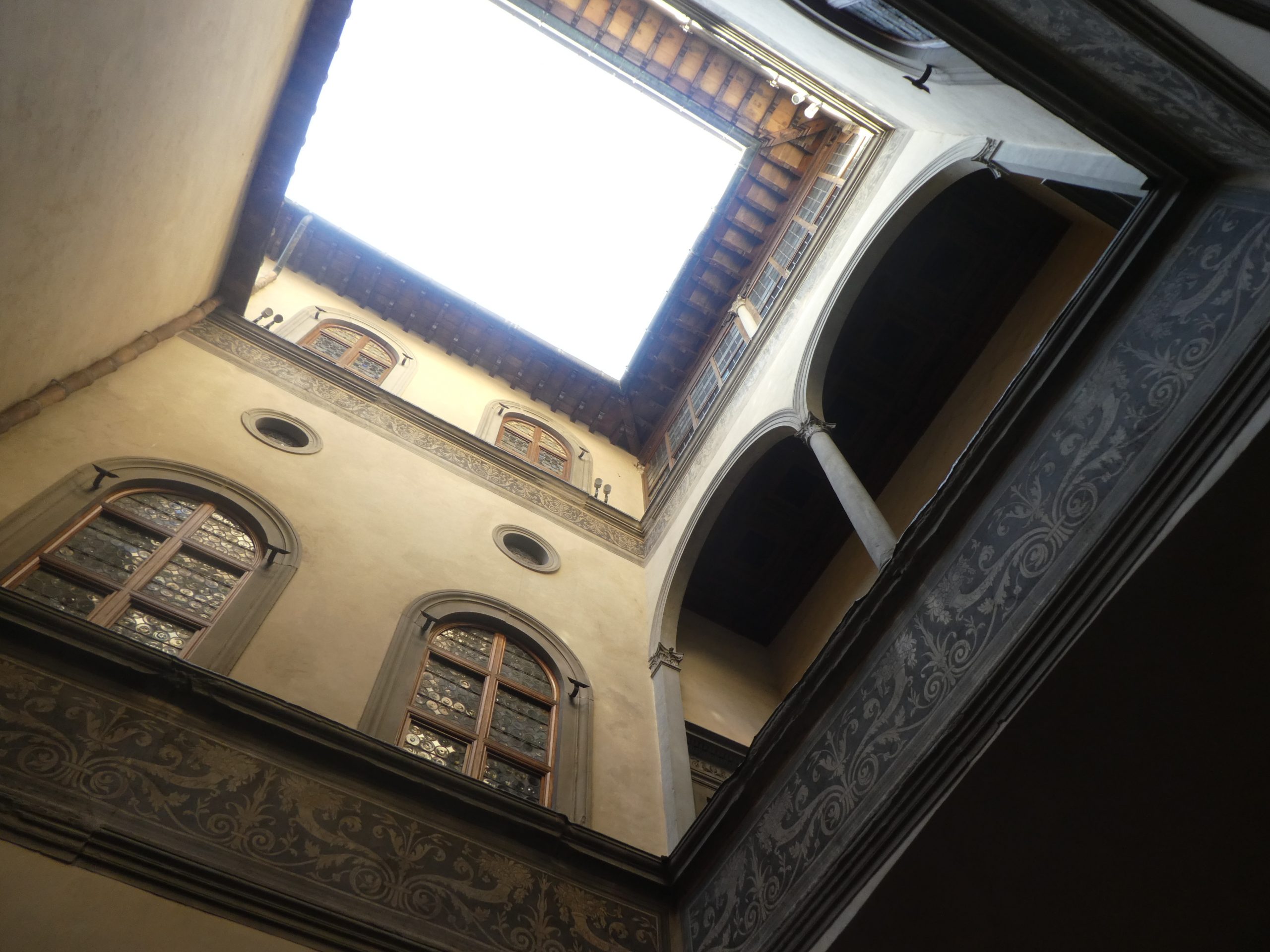
    The artist is thought to be Lorenzo di Credi, with this artwork dating from the early sixteenth century, probably from around 1500 to 1505. It’s tempura on a wooden panel and the colours remain vibrant. Lorenzo di Credi was an artist who was born, lived and died in Florence and there’s an artwork in the Louvre that the experts don’t know whether he or Leonardo da Vinci painted. Anyone who can confuse experts in this manner must have some considerable talent…..

    A book from 1851 mentions that the eastern corridor of the public gallery in the city has two circular paintings by di Credi of the Virgin kneeling, so I’m guessing this is one of them. I’m not sure where this public gallery might have been, I’m assuming the Uffizi, but these two artworks aren’t part of their collection today.

    It’s a shame that the Horne Museum has nearly no information about the provenance of its artworks, there is a catalogue from when it opened as a museum a century ago, but that’s not available on-line.

  • Malta – South Eastern Region – Valletta – Wild Honey

    Malta – South Eastern Region – Valletta – Wild Honey

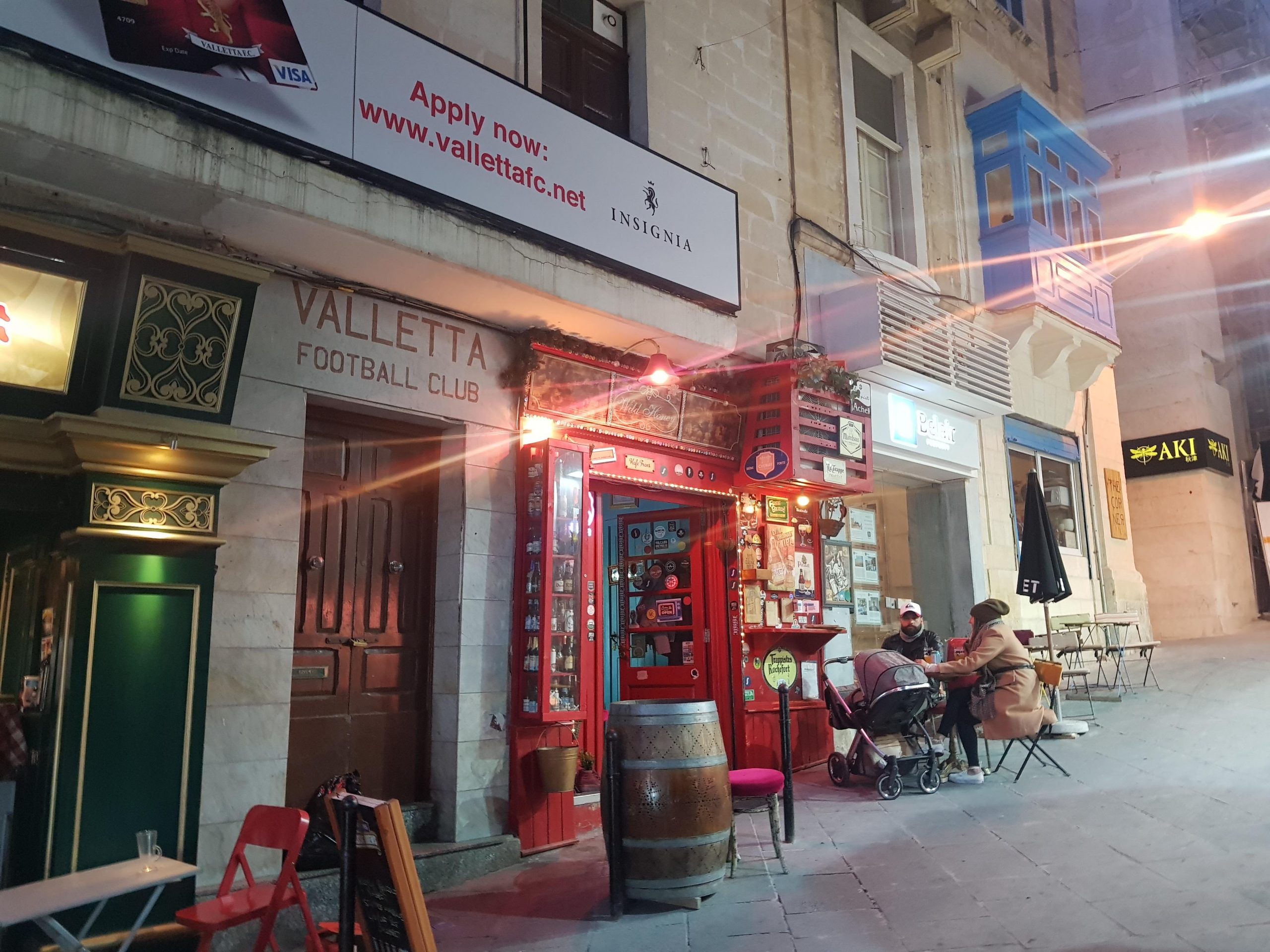
    Wild Honey is a small craft beer bar in the centre of Valletta and I think it’s fair to say that I liked this place. A lot.

    Beers in the fridges, some really innovative choices there.

    The staff member was personable and keen to make recommendations, and I was particularly excited when he suggested the Chocolate Cherry Yeti stout from the Great Divide Brewing Company in Denver, Colorado. The beer was excellent, at the appropriate temperature, slightly light on initial taste but with deep afternotes of chocolate and cherry. Which is good, as that’s what they’ve called the beer. Seeing this beer in Valletta was a delight, it must have been a right faff to get this here.

    There are only around six tables inside, making it cosy and well, small.

    There’s natural character in this bar, which the decor adds to. That’s the toilet to the right of the photo, neatly fitted into the very small space. Half of the tables were reserved when we visited, which was a mid-day evening in March, so I’m not sure how easy it is to get a seat during the warmer summer months. But, it’s in the heart of Valletta, so it’s easy enough to take a little stroll by and have a look.

    Liam enjoying some drink outside that he would have liked the look of (well, the look of the pump clip). There were a few tables here, although with the slight caveat that smokers may set up shop nearby.

    I was tempted to stay here for longer, and could have happily done so, but there were more craft beer bars to investigate….. It seems that they offer food judging from the reviews on-line, and it looks of a similar high quality to the beer.

    The reviews on TripAdvisor are, quite rightly in my view, very positive, although one visitor must have made clear he was ready to leave a negative review:

    “The two chaps who seemed to be running the place were less that obliging and we just left them with the undrinkable wine after a less than professional exchange once they got wind that we were likely to take the advice of the sticker they had in the window, and leave our impressions on ‘Tripadvisor’.”

    Anyway, a marvellous bar which was quirky, authentic and which had excellent beer.