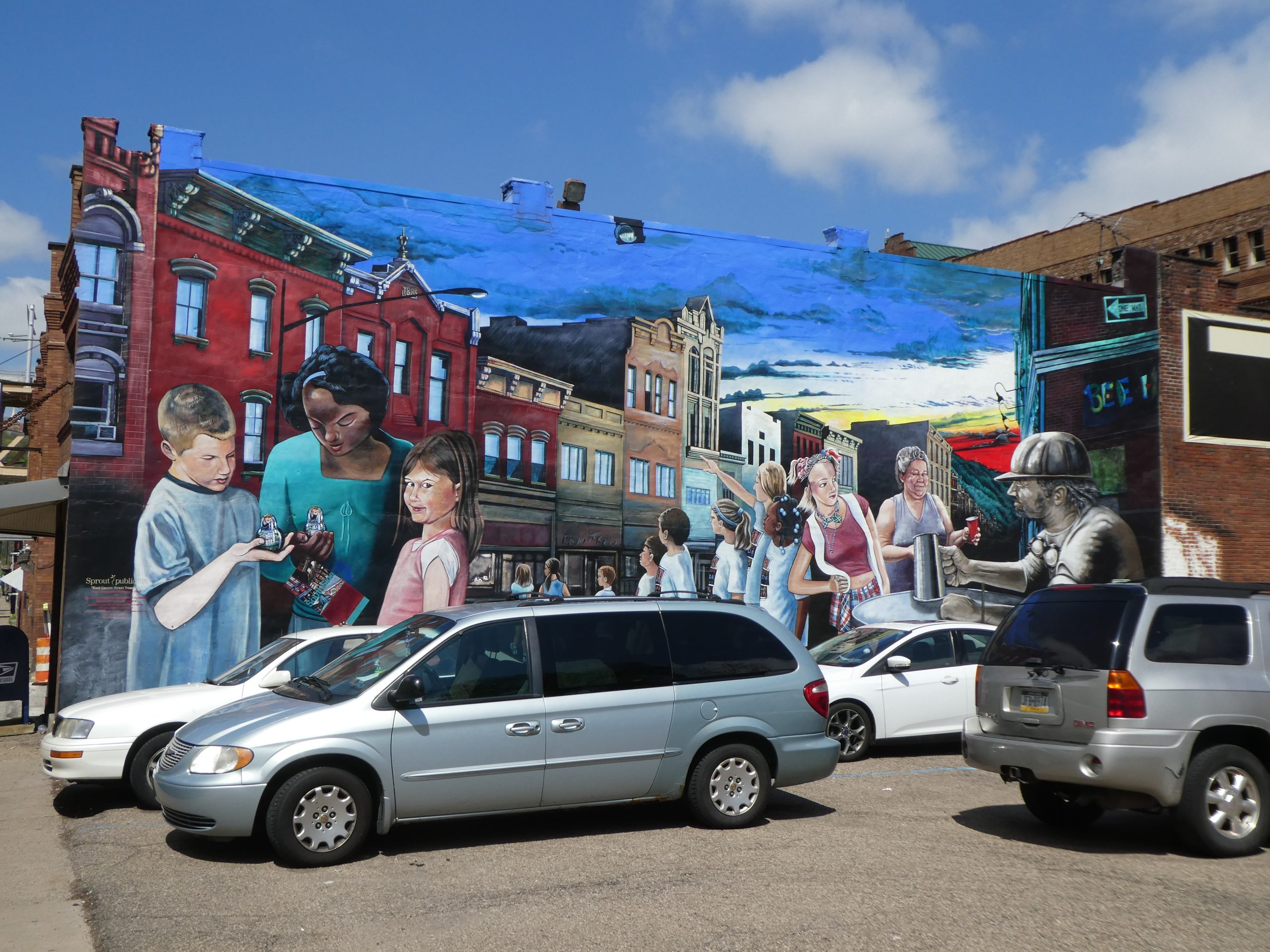
The quality of this mural is one of the finest that I’ve seen on any piece of street art, even down to the South Side leaflet in the girl’s hand (might be necessary to click on the image to enlarge it). It was painted by David Hawbaker, a local art teacher, and shows a community gathering, being looked over by a steelworker from the past. This image is swarming with history, community and positivity. Just a slight shame its location is in front of a small car park, but it’s pretty much still visible.
Author: admin
-

Dictionary of the Vulgar Tongue – Day Twenty-Five
The Dictionary of the Vulgar Tongue was first published at the end of the eighteenth century, and given that the Coronavirus crisis is giving too much time to read books, I thought I’d pick a daily word from it until I got bored…..
Betwattled
The dictionary defines this as “surprised, confounded, out of one’s senses” and I’ve no idea how this has fallen out of common usage as it’s quite a catchy word…. It was more commonly used in the west country and was in use from at least the sixteenth century, so it remained used for three centuries at least.
Although used relatively rarely in written English, it’s clear from this graph that it has remained in use to a small degree. There’s been a recent uptick in its usage as well, although Susie Dent did mention the word on Countdown, so that might have been the cause of that.
-

San Diego – Old Town Theatre
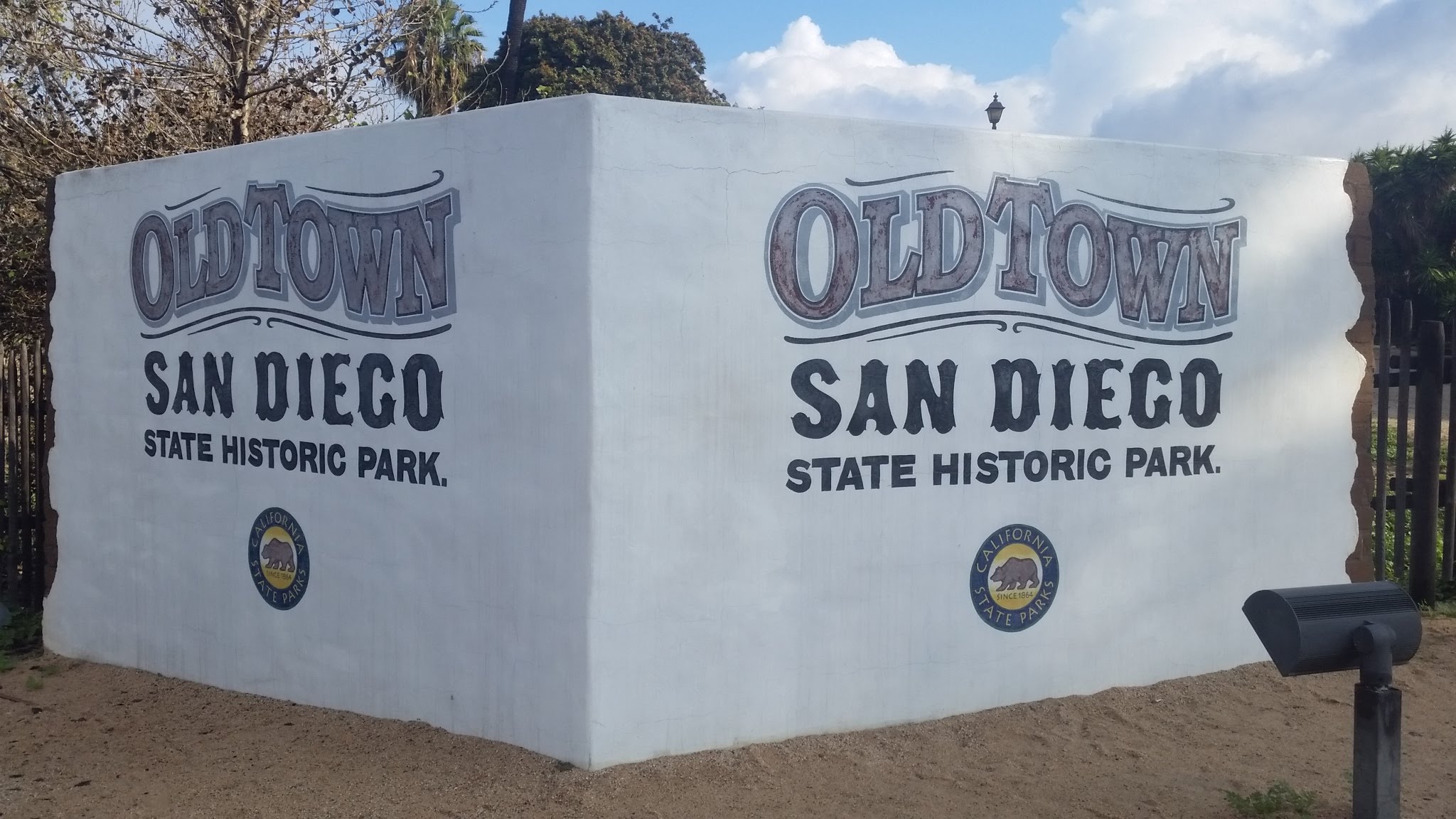
The Old Town Theatre is located in the Old Town San Diego State Historic Park and it’s a working theatre with 246 seats. It’s operated by the Cygnet Theatre now and the building was constructed in the 1970s in the style of an nineteenth century structure.
One thing that puzzled me was the spelling of the Old Town Theatre and the Cygnet Theatre, which is the English spelling, rather than the American spelling which is usually ‘theater’. Or, at least, what I thought the American spelling was.
And here, I think, is the answer. The word ‘theater’ in American English is actually relatively new, only recently overtaking the ‘theatre’ spelling in American writing. Every day is a school day as they say….
-

San Diego – Museum of Man (Beer for Breakfast)
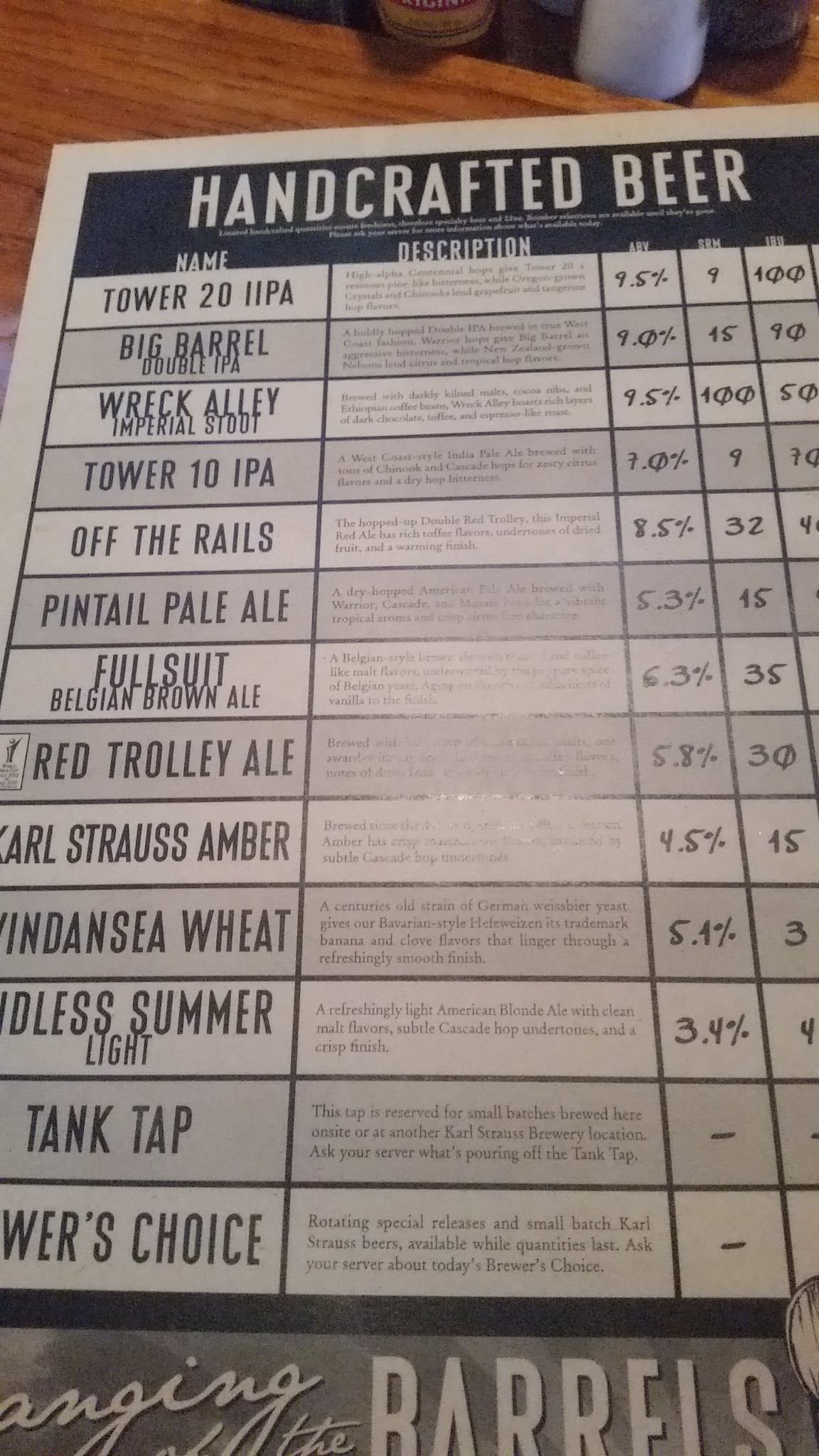
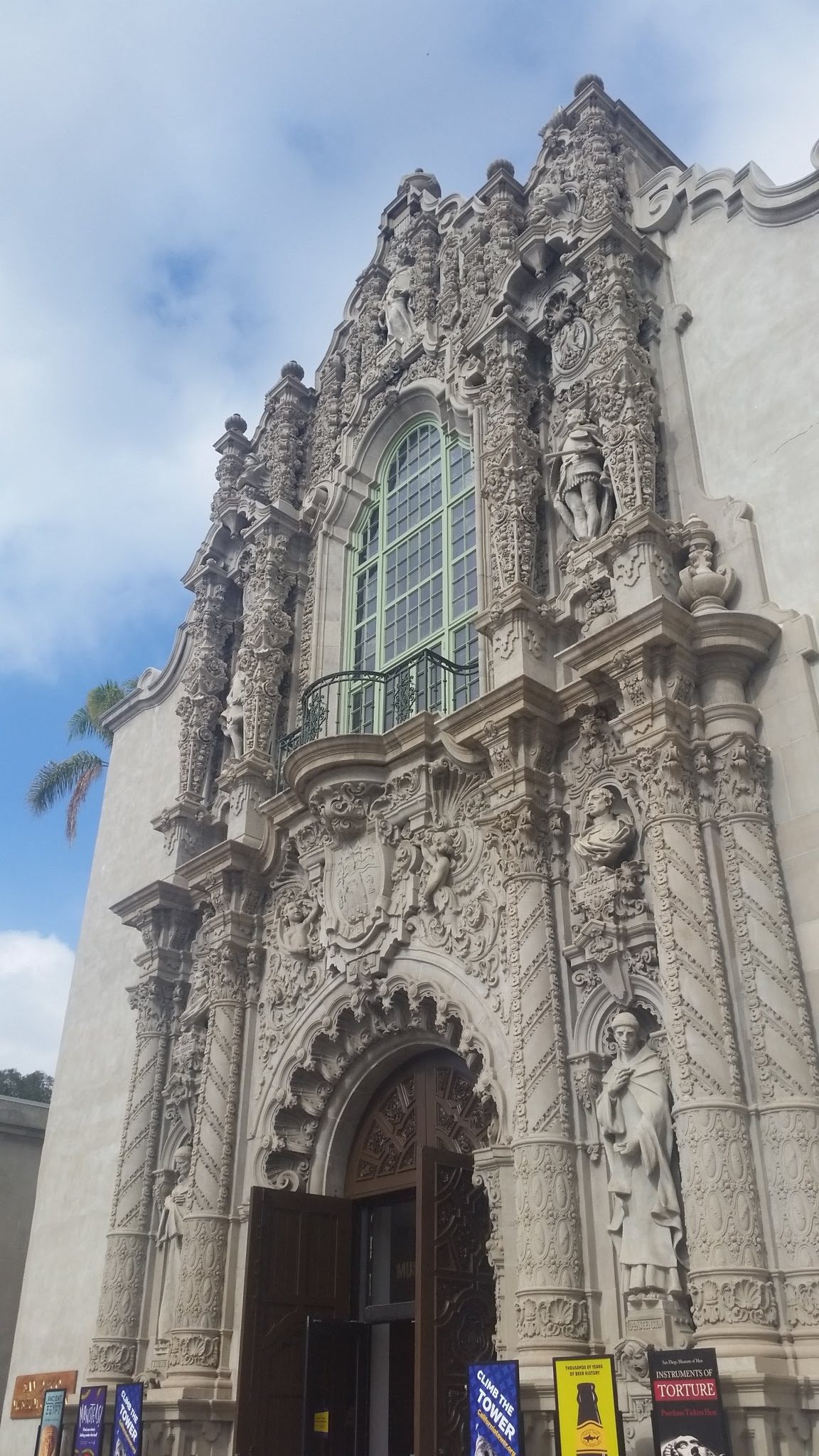
The Museum of Man in San Diego had a temporary exhibition when I visited in 2015 which was all about beer. I have to say (write), what a marvellous choice of exhibition…
And beer for breakfast? The text of this exhibits reads, “The Sphinx is a silent symbol of Egypt, but if he could talk he would tell tales of beer. Why? In Ancient Egypt beer was money and they paid a labourer a gallon of beer a day. By even modest calculations it took at least 231 million gallons of beer to build the Pyramid of Giza. To the Egyptian labourer, beer was a vital source of nutrition. Containing about 3% alcohol and packed with vitamins and minerals, it was a lot more like fermented oatmeal than our European-style beers”.
A gallon of beer a day? There are eight US pints in a US gallon (I think), but that’s about 6.7 UK pints. Nonetheless, 6.7 UK pints per day is still quite a lot. I’m not sure I’d want that much, although if this fermented oatmeal tastes like a fine oatmeal stout, then perhaps I might have been tempted….
-

San Diego – Museum of Man (Gigantopithecus)
There’s one exhibit that I remembered from the Museum of Man in San Diego, which is their model of Gigantopithecus. This is a recreation of the largest great ape that ever existed and they lived between two million years ago to around 300,000 years ago (or so Wikipedia says). Standing at around 7 to 8 feet high (although it wouldn’t perhaps have been standing for much of the time), the ape likely went extinct because food became harder to find and evolution favoured smaller apes.
Here’s what the exhibit, called Mr. G by some of the staff, looked like in the museum, but I was disappointed to read that it was taken permanently off display in 2016 (I visited in January 2015) when they were modernising some of the exhibits. The ape had only been created in 2003, so its life-span was quite short and I’m not sure what they’ve done with this intriguing item.
The museum said that “one of the special features of Mr. G was that he was built with an infrared sensor so that any time someone came near, his eyes and eyelids would move”, although this had stopped working in the last few years, and it definitely wasn’t working in 2015. Anyway, I hope that somewhere this ape is still around, it’d be a bit irritating for the species of gigantopithecus if even their models went extinct.
-

Dictionary of the Vulgar Tongue – Day Twenty-Four
The Dictionary of the Vulgar Tongue was first published at the end of the eighteenth century, and given that the Coronavirus crisis is giving too much time to read books, I thought I’d pick a daily word from it until I got bored…..
Bermudas
The dictionary defines this as criminal slang for “certain places in London, privileged against arrests, like the Mint in Southwark. These privileges are abolished”. Liberties were areas of the country where, in effect, a private landowner or, later on, a governmental organisation, had taken over from the Monarch. The Liberty of the Mint, in Southwark, was an historic quirk as it derived from a property used by King Henry VIII as a mint for coinage. A charter in 1550 issued by King Edward VI transferred the area to the City of London, but the mint was excluded.
The mint was ultimately closed and in the eighteenth century it was claimed that the small area was effectively a liberty, and thus exempt from any civil or criminal enforcement. This was a marvellous innovation for criminals, as they could live in this small area, free from anyone being able to pursue them for their criminality. Attempts were made to get rid of it in 1695, although the required Act of Parliament wasn’t passed until 1723.
Living in the area wouldn’t have been pleasant, since it was a very small area and most of the residents were criminals or those suffering financially. There was no employment in the area, so there was no way to earn money to pay debts off, with no chance to leave the narrowly defined area as otherwise debt collectors could seize the individual. The only freedom was on Sundays, when debtors and criminals couldn’t be stopped.
There’s not much evidence of the word ‘Bermudas’ being used in this sense, although there is some, usually in the form of the ‘Barmoodoes’ or the ‘Bermoothes’ spellings. But it’s a lovely reminder of the quirky nature of London’s history.
-

San Diego – First San Diego Courthouse
This is another of the buildings in the Old Town San Diego Historic Park, an area that was nearly devoid of visitors when I visited. Which had the advantage of making it feel like that I had stepped back in time to nineteenth century America, and the disadvantage that nearly everything was shut.
This is a replica building and was installed in the park in 1992, but it’s an authentic copy of the original structure which was built in 1847. It was initially designed as a town hall and it was used for that purpose until 1869, when it became the town’s courthouse.
In April 1872, it was destroyed by a fire which damaged many of the buildings in the area and it was this disaster which was the beginning of the end for the Old Town area. Alonzo Horton was starting to develop a rival settlement, in what is now downtown San Diego, which was better equipped with fresh water and other facilities. Many of the buildings here weren’t reconstructed and people started to drift away from the area.
-

San Diego – Robinson Rose House
Old Town San Diego is the site of the first European settlement in California, although the centre was so far from a drinking water source that the heart of San Diego shifted towards a more suitable location.
This is the Robinson Rose house, although it’s a little bit of a fake arrangement as it was built in 1989 to be used as the park’s information office. It is though an authentic replica of the 1853 house that was constructed by James Robinson, an important local businessman and lawyer. He used it as his legal practice, as well as his private residence, selling it in 1868 to Louis Rose, a local entrepreneur. They’re not entirely sure when it was demolished, but it was some time around 1900.