Author: admin

  • Dictionary of the Vulgar Tongue – Day Eighty-Three

    Dictionary of the Vulgar Tongue – Day Eighty-Three

    The Dictionary of the Vulgar Tongue was first published at the end of the eighteenth century, and given that the Coronavirus crisis is giving too much time to read books, I thought I’d pick a daily word from it until I got bored…..

    Cold Burning

    The dictionary definition probably says as much as needs saying (writing) about this…

    “A punishment inflicted by private soldiers on their comrades for trifling offences, or breach of their mess laws; it is administered in the following manner: The prisoner is set against the wall, with the arm which is to be burned tied as high above his head as possible. The executioner then ascends a stool, and having a bottle of cold water, pours it slowly down the sleeve of the delinquent, patting him, and leading the water gently down his body, till it runs out at his breeches knees: this is repeated to the other arm, if he is sentenced to be burned in both”.

    Most references to this bizarre punishment seem to derive from this book, but given some similar other goings-on, I imagine it was probably a real thing and not made up by the author in the way some entries perhaps are.
  • Buckenham – St. Nicholas’s Church

    Buckenham – St. Nicholas’s Church

    This is the secluded church of St Nicholas in Buckenham. Unfortunately, the churches are currently closed given the ongoing health issue, but it’s possible to peer inside at the boxed pews and otherwise quite empty interior. There’s not much else in the area of the church, although it is a short walk from Buckenham railway station for those who can navigate themselves onto one of the few trains which stop there.

    The Norman tower, which was originally round and was later reworked to make it octagonal. That’s also an original Norman doorway and is in situ and probably wasn’t moved here from elsewhere in the church.

    The entrance to the stairs within the tower.

    The nave, which is the oldest part of the church and dates to the eleventh century.

    The fourteenth-century chancel.

    The north side of the church.

    The east window, and this tells a story of its own. The church was deconsecrated in 1968 and was just left by the Church of England to a slow abandonment. Fortunately, it was taken over by the Redundant Churches Fund around ten years later, but there had been vandalism and destruction during that time. One of the oldest bells in Norfolk was stolen and much of the Victorian stained glass had been smashed. The Churches Conservation Trust gathered up what glass they could and they’ve reset it in the upper part of the window, but the lower part is now just plain glass. This could though have very easily had a different fate, perhaps something more like what happened at Bixley.

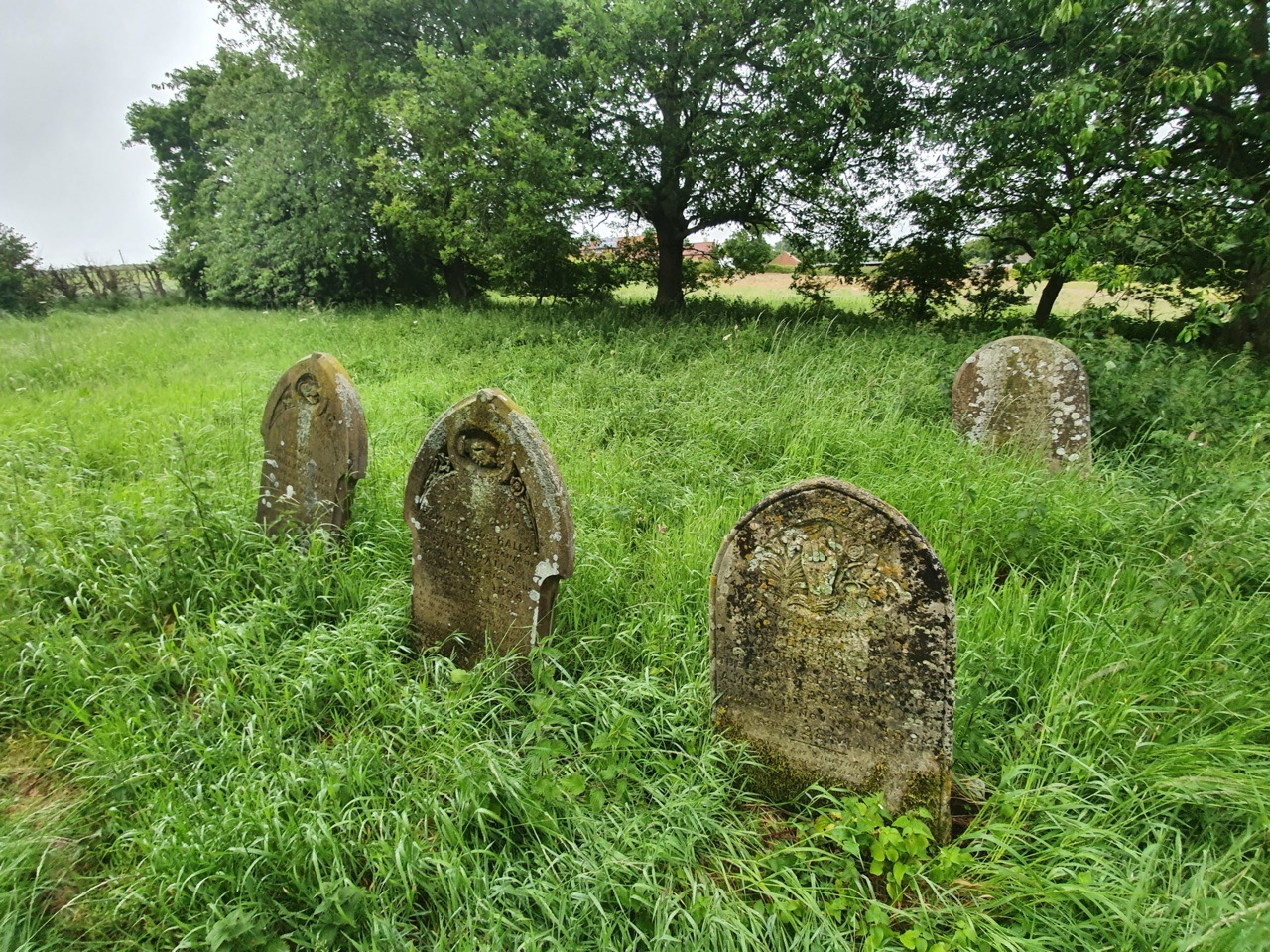
    It’s difficult to know whether this is a deliberate wildlife garden approach to their graveyard, or whether they just haven’t been able to cut the grass recently. The village of Buckenham depopulated over the centuries, so there hasn’t been much of a congregation to support it for some time. The church was remodelled in the 1820s, which gives it a different feel to the much more brutal and comprehensive restructurings of the later nineteenth century, although a guide from the beginning of the twentieth century called the changes “fitful and destructive”. Numerous Roman remains have been found in the area, suggesting some form of Roman encampment locally, likely because there was a ferry site nearby.

  • Cantley – Cantley Marshes

    Cantley – Cantley Marshes

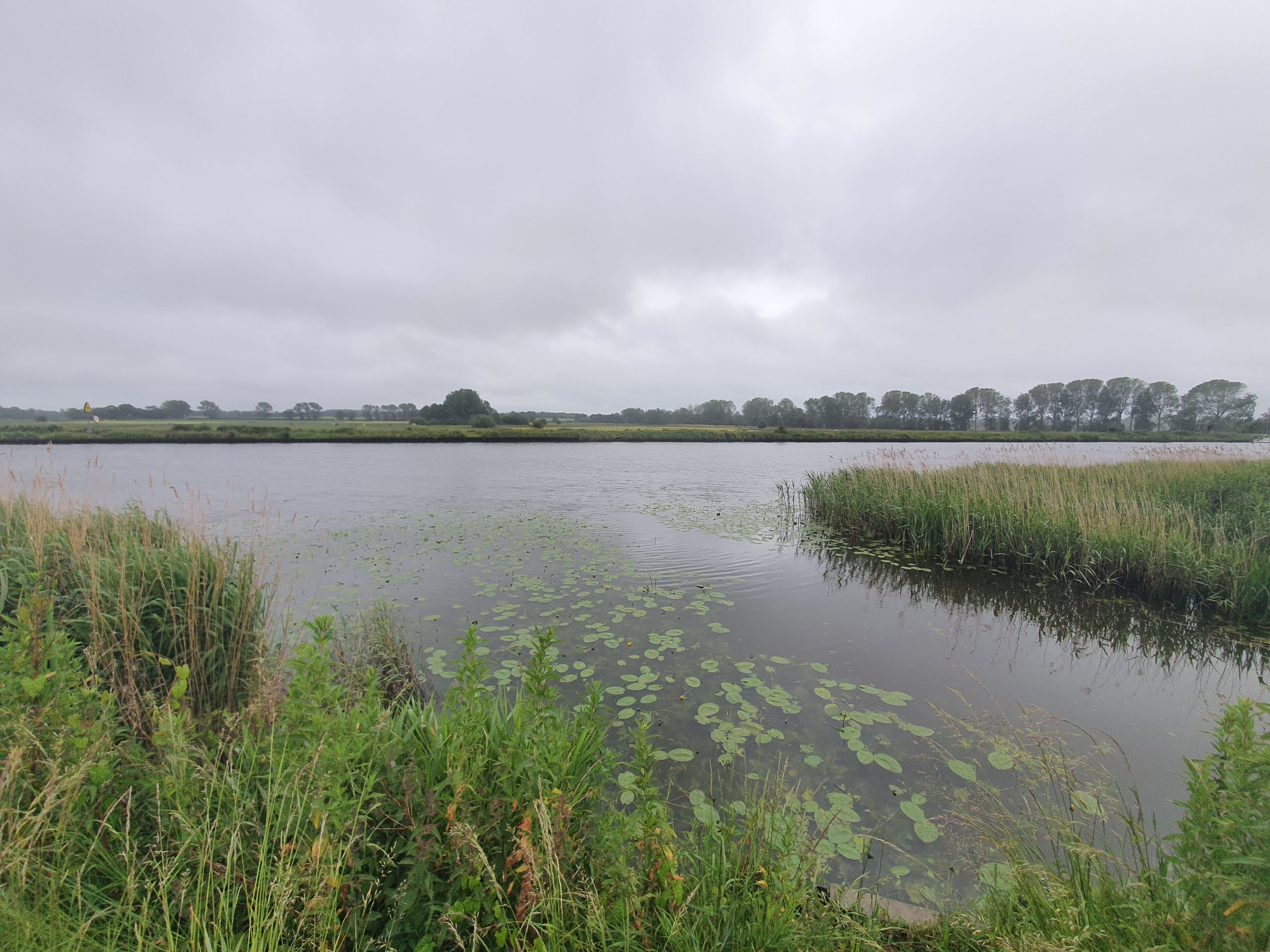
    And, just photos, from my walk yesterday around Cantley Marshes, a 650-acre Site of Special Scientific Interest. The RSPB oversee the area and there are numerous rare birds that reside here, along with numerous deer that we saw darting around. And lots of cows, fortunately not near the footpath. I also like to think that they’ve removed the snakes, but I suspect they’re still in there somewhere….

    There’s Cantley sugar beet factory in the background, which looms over the local countryside somewhat and has done since it opened in 1912.

  • Dictionary of the Vulgar Tongue – Day Eighty-Two

    Dictionary of the Vulgar Tongue – Day Eighty-Two

    The Dictionary of the Vulgar Tongue was first published at the end of the eighteenth century, and given that the Coronavirus crisis is giving too much time to read books, I thought I’d pick a daily word from it until I got bored…..

    Cod

    Defined by the dictionary as “a cod of money; a good sum of money”, this word originally meant a small bag, container or pouch from the old English ‘codd’. So, perhaps, the phrase came from that origin, ‘a container of money’. As an aside, the fish likely took its name as it looked similar to an old leather pouch, although the word ‘cod’ seems to have had tens of meanings over the centuries.

  • Buckenham – Buckenham Railway Station

    Buckenham – Buckenham Railway Station

    Buckenham railway station was opened in 1844 and it is now situated on the line which goes from Norwich to Great Yarmouth and Lowestoft. It’s not a very well used station, not least as there are no trains on weekdays, but a few people use it at weekends to access the nearby walks and bird reserves. It’s the least used railway station in Norfolk, with only a couple of hundred people a year using it, with passengers having to request a stop here.

    The railway building, which seems to have now been converted into a house. This railway station was once frequently used to sell livestock, so I’m sure there was some freight trade here at some time. There was a signal box in the area that is now trees to the left of the gate, which was derelict by the 1980s and has since been demolished.

    The buildings, none of which are listed, that front onto the platform, all of which are now closed off to the public. Not that the handful of passengers realistically need any facilities here.

    The socially distanced bench, along with cat for scale. This is the same cat that was waiting for the train.

    Looking in the direction of Norwich, there is another platform on the other side and further down the tracks, although I’m puzzled why they’ve shoved it down there.

    And the new lights on the automated crossing which has been recently installed. There’s little need for this railway station, especially when considering how many much more needed stations were lost, but it’s a quirky piece of history that it remains and it’s handy for the RSPB reserve. And, should anyone miss the infrequent train on weekends, it’s not far to walk to the metropolis that is Cantley.

  • Dictionary of the Vulgar Tongue – Day Eighty-One

    Dictionary of the Vulgar Tongue – Day Eighty-One

    The Dictionary of the Vulgar Tongue was first published at the end of the eighteenth century, and given that the Coronavirus crisis is giving too much time to read books, I thought I’d pick a daily word from it until I got bored…..

    Clover

    I’ve heard this phrase before, but never quite worked out where it came from. The dictionary defines it as “to be, or live, in clover; to live luxuriously. Clover is the most desirable food for cattle”. I hadn’t given much thought to cattle particularly liking clover, although that explains the phrase. It dates from at least the end of the seventeenth century and since apparently nibbling on clover is as good as it gets for cows, hence why the saying moved across to people.

    There’s an American phrase meaning exactly the same, which is ‘to live in high cotton’ or to ‘live in tall cotton’, although this doesn’t seem to have derived from the clover phrase.

  • Buckenham Railway Station and the Waiting Cat

    Buckenham Railway Station and the Waiting Cat

    More on Buckenham railway station in another post, but I liked the cat waiting patiently at the platform.

  • Bristol – Edward Colston Statue (an update….)

    Bristol – Edward Colston Statue (an update….)

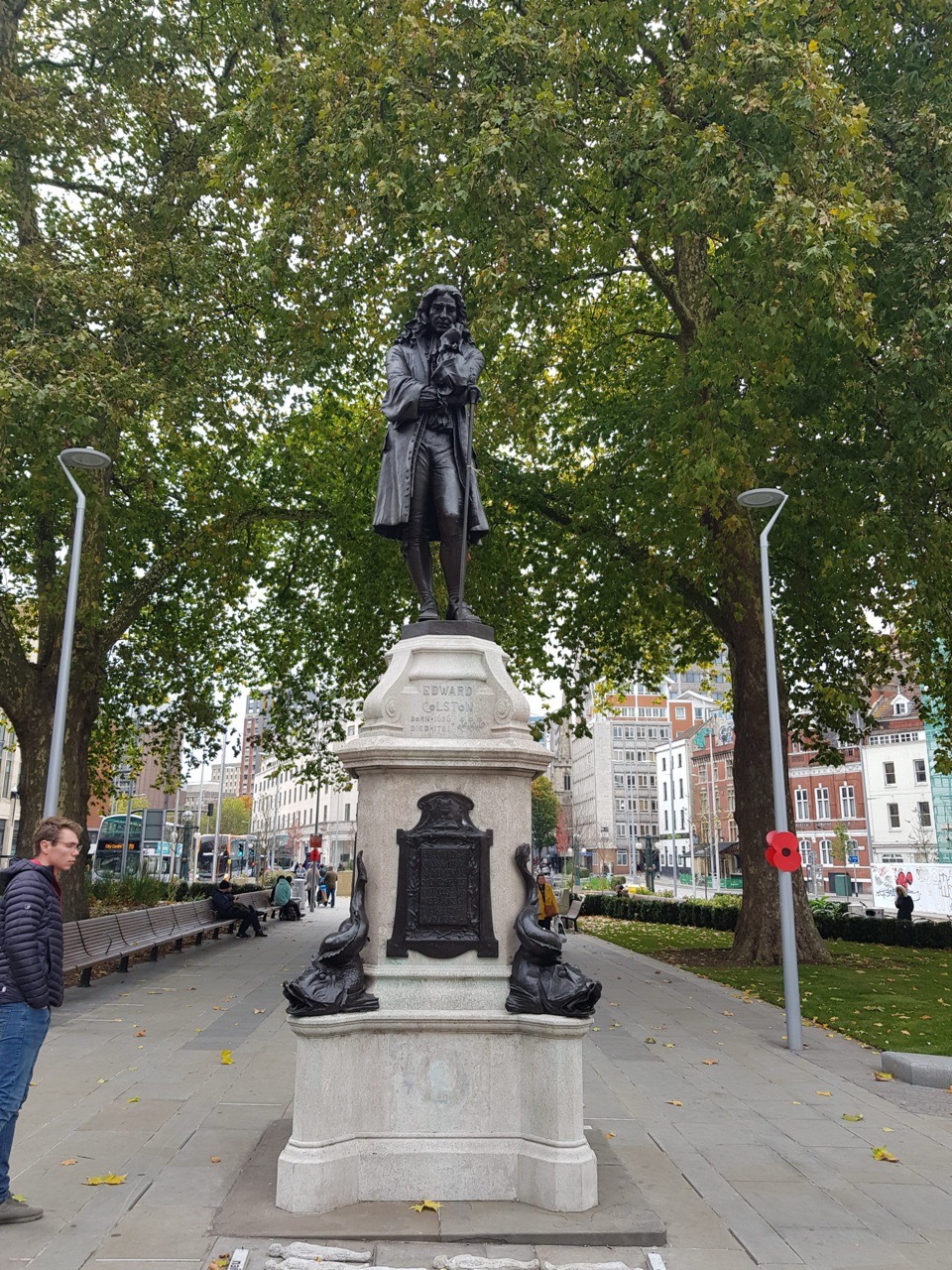
    This statue was taken down and thrown into the river today, although since it was a listed monument I imagine it’ll be recovered and then placed in one of the city’s museums.

    Here’s my original post about it, namely as I liked the anti-slavery display around it.


  • Hardley – Hardley Cross

    Hardley – Hardley Cross

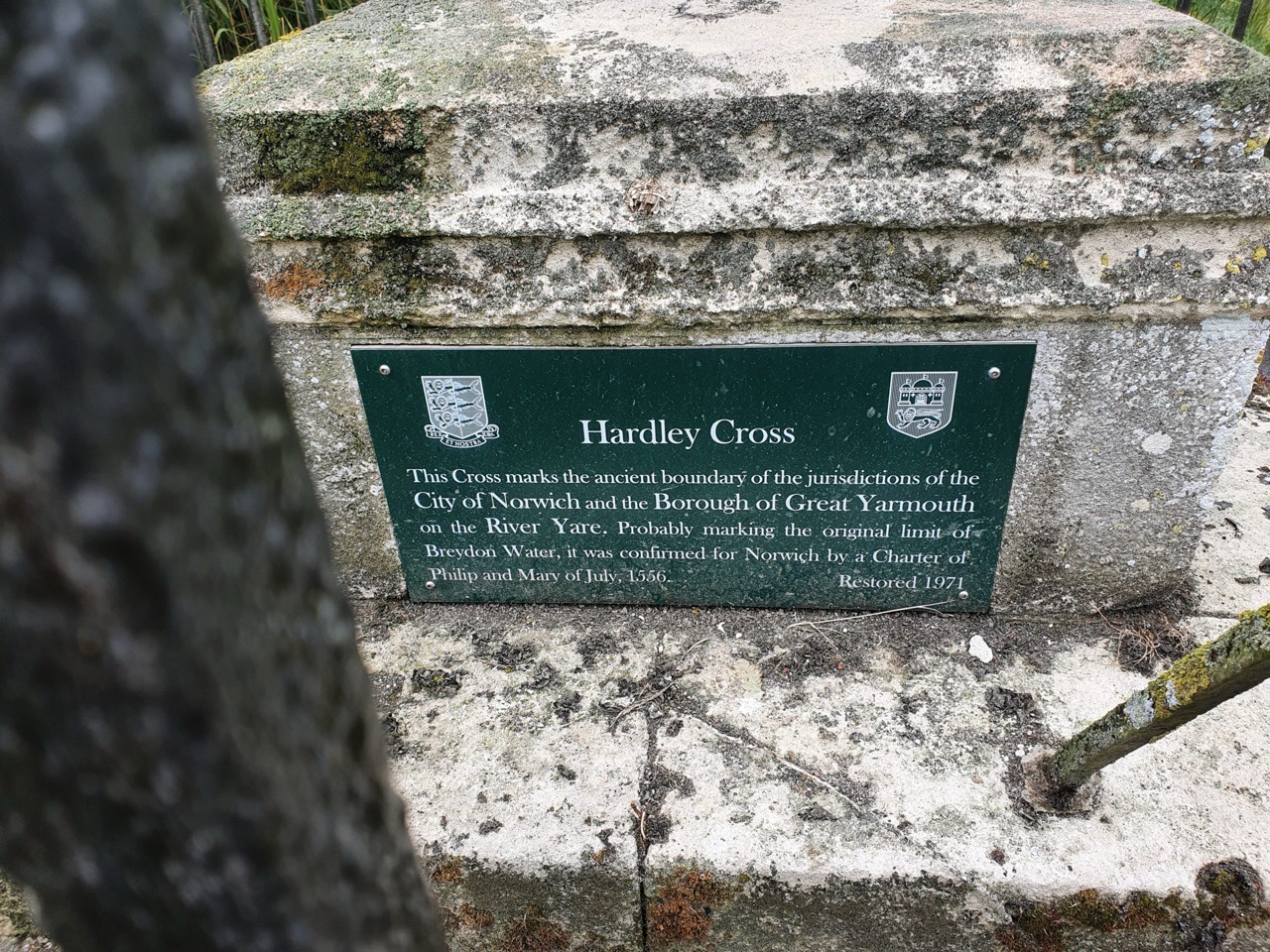
    I’m pleased that Łukasz showed this monument to me today, which I’ve somehow managed to miss entirely although I’m sure that I’ve likely walked by it many times. It’s near to where the River Chet and the River Yare meet, but it’s more importantly the former boundary between Norwich and Great Yarmouth.

    Once marking the end of Breydon Water, there have been numerous panels and inscriptions added to the cross, this one being from the 1899 repair. The base of the cross is likely medieval and probably dates to the fourteenth century, although repairs have been made in 1820, 1834, 1899 and 1971. There was a wooden cross added on top of the base in 1543, and likely before, with a stone version added in 1676 and that’s the one that is there today.

    And the information sign. And it’s evident why this has survived, because it’s effectively in the middle of nowhere, although it is along the route of the Wherryman’s Way.

  • Dictionary of the Vulgar Tongue – Day Eighty

    Dictionary of the Vulgar Tongue – Day Eighty

    The Dictionary of the Vulgar Tongue was first published at the end of the eighteenth century, and given that the Coronavirus crisis is giving too much time to read books, I thought I’d pick a daily word from it until I got bored…..

    Clod Hopper

    Defined by the dictionary as “a country farmer, or ploughman”, this phrase has managed to survive the centuries. It evolved into meaning someone clumsy or foolish and then in turn came to be used for a large and heavy shoe. The phrase was first used in the late seventeenth century and the origins are unknown, but the most recent definition of the shoe might be a return to how the phrase evolved. That would be because clod, meaning a clump of something (and a word that used to mean the same as clot), referred to the mass of mud that could stick to shoes as farmers walked across muddy fields.

    The hopper might be a play on the word grasshopper most dictionaries suggest, but since that word meant ‘to hop’ or ‘a device to collect grain’, both of which were used in the seventeenth century, both seem possible.

    It’s nearly always ‘clodhopper’ rather than ‘clod hopper’ and it’s fallen out of usage somewhat over recent decades.