
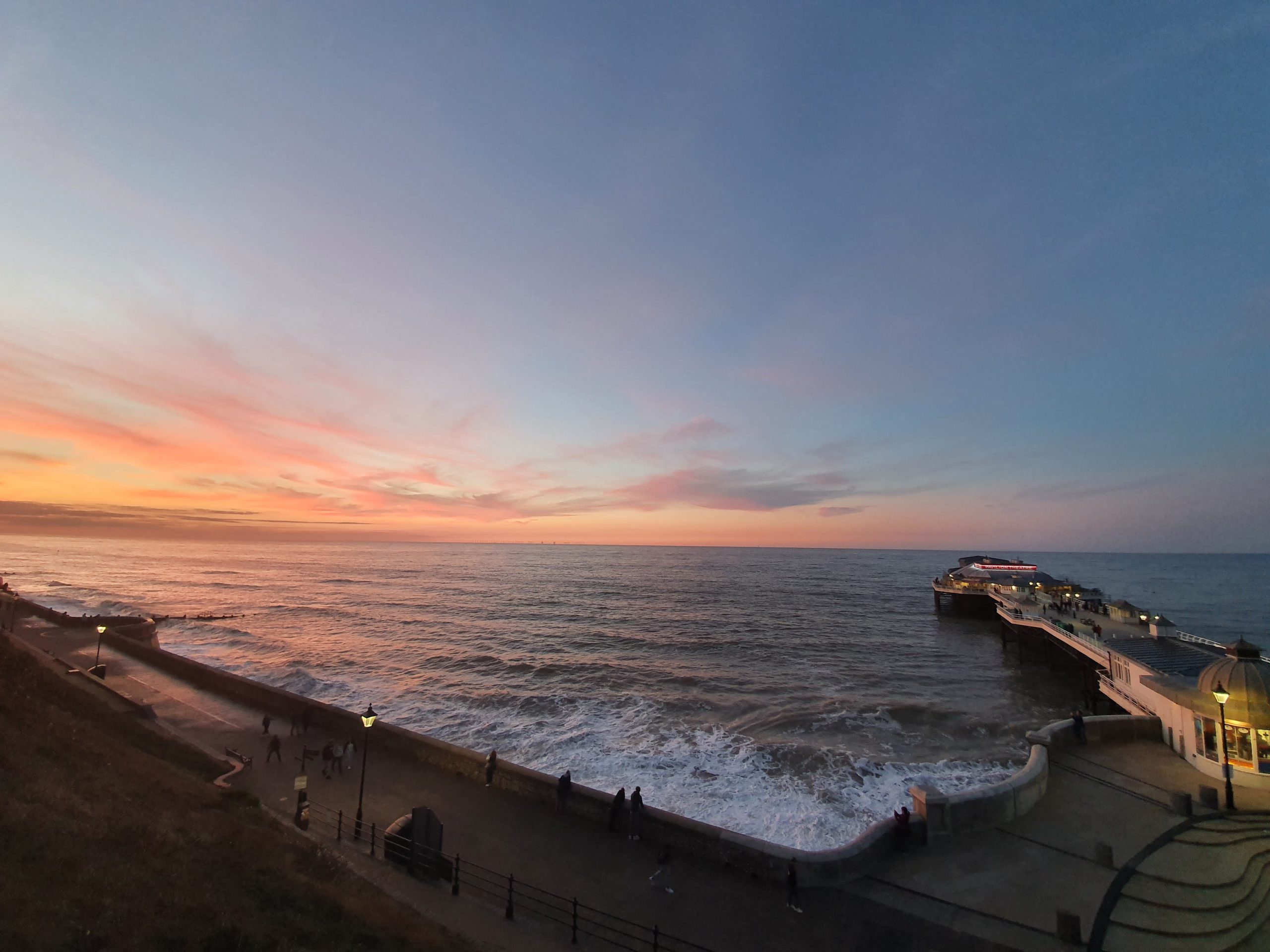
Just photos…. From Bank Holiday Monday evening in Cromer.


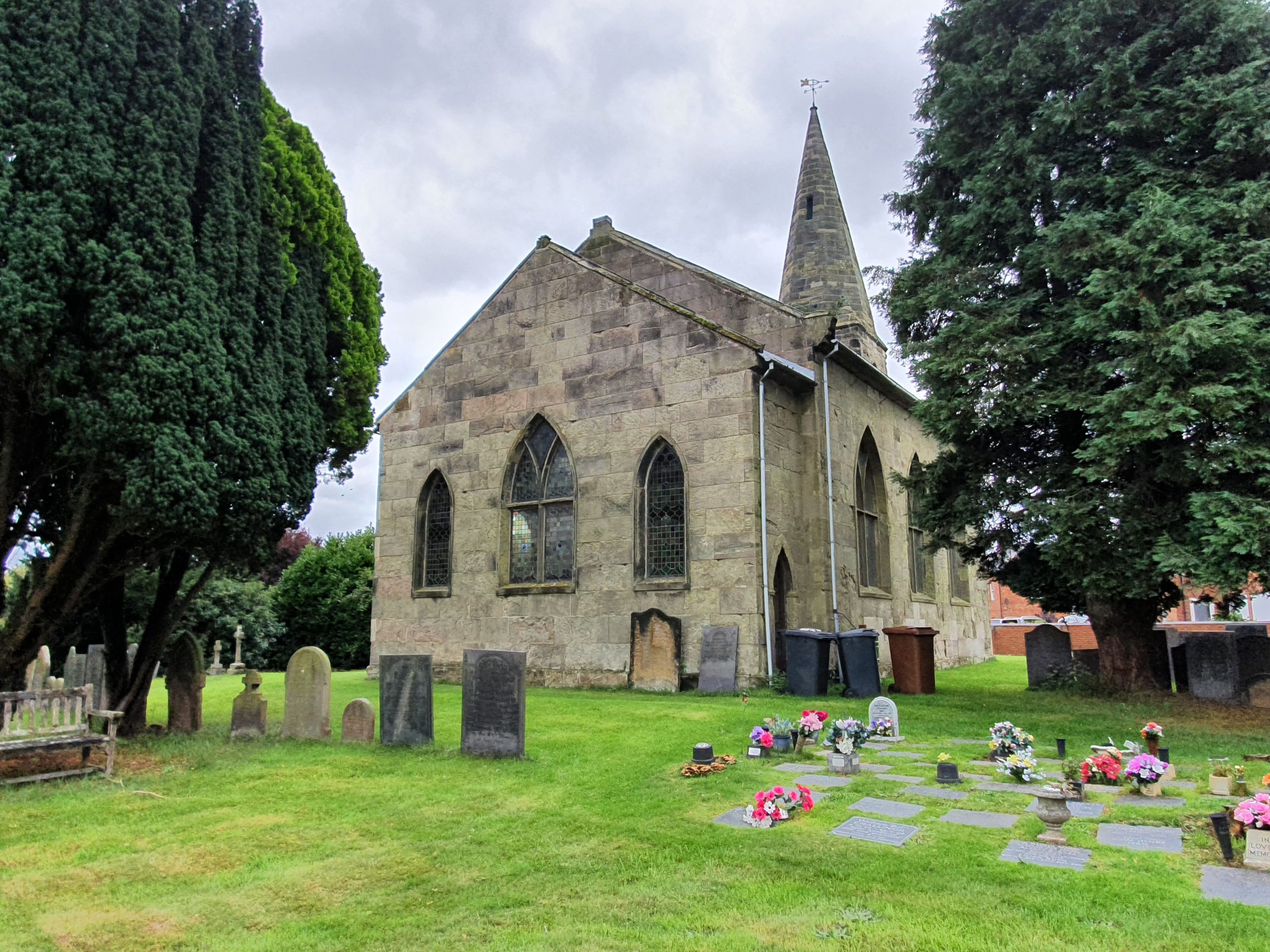

St. Mary’s Church in Rosliston doesn’t look at first sight the sort of place where a huge controversy took place at the end of the nineteenth century, when the Bishop called his own vicar “cruel and wicked”.

There has been a church here since either the late Saxon or early Norman period. The current structure partly dates to the fourteenth century, although it was restored in 1802 and the nave and chancel were then rebuilt in 1819 using some of the same materials. There was an advert in the Staffordshire Advertiser in early January 1820, which offered two pews, in the eastern corner of the church, for sale at auction which is a rather different situation to religious services today.

Most of the tower, including the doorway and steeple, date to the fourteenth century.

Unfortunately, the interior of the church was closed, although most of the contents appear to date from the late nineteenth century. It does feel peaceful today, but I can imagine the build-up of anger towards the rather wayward vicar which the parishioners once had to deal with.
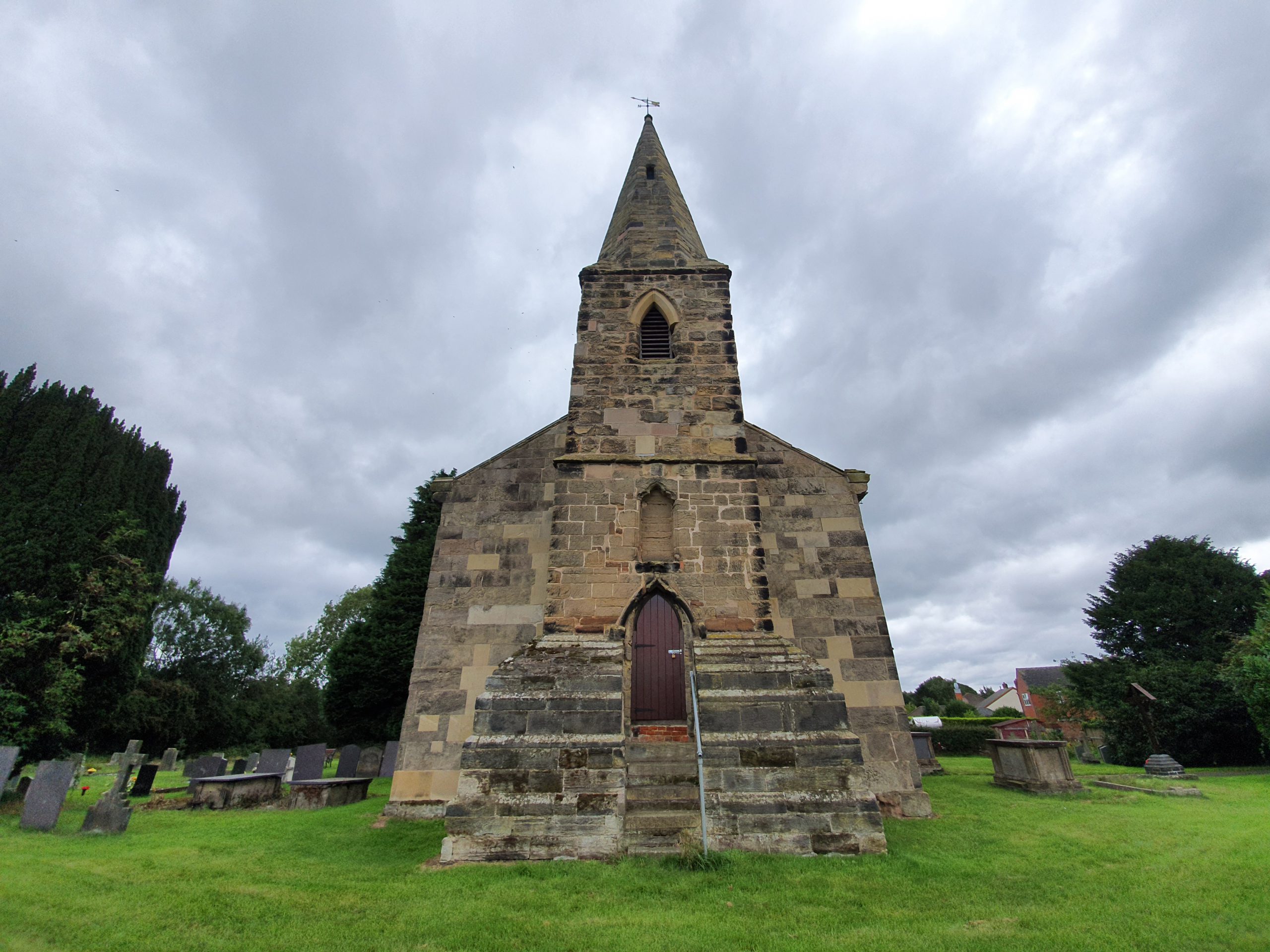
It’s hard to find a history of St. Mary’s Church in Rosliston which doesn’t mention John Vallancy (1843-1906), the village’s vicar at the end of the nineteenth century.
It was reported by the Reynolds’s Newspaper in July 1894 that:
“The Rev. John Vallancy, the representative of Christ at Rosliston, near Burton, teaches us the meaning of Christianity as interpreted by the Church established by Parliament in that part of the kingdom called England. Miss Mary Wright and her father placed flowers on the grave of a relative, after being warned by the state-manufactured ‘reverend’ against this display of affection. The representative of Christ swept the tributes away from the grave and brought an action for trespass against the lady, claiming 1s 6d in the special ‘mansion’ in the Father’s House which will be allotted to the Rev ‘Vallancy’, he is likely to be the sole tenant. Boarders will not stay, and in vain will be exhibit a notice ‘apartments to let’”.
This was a devastating attack on Vallancy, but matters were to get worse. The Derby Mercury reported on 13 May 1896:
“At the Swadlincote Petty Sessions on Tuesday before Mr. L Barber and a full bench of magistrates John Holden, of Rosliston, appeared in answer to a summons taken out by the Rev. John Vallancy, perpetual curate of Rosliston, who complained that he was in bodily fear of the defendant, and asked that he should be bound over to keep the peace. Mr. Vallancy conducted his own case, and Mr. Capes represented the defendant.
From the evidence, it appeared that on the 18th April the defendant went to the complainant’s house and asked Mr. Vallancy where the cross had gone that had been placed on his brother’s grave, and why it had been removed. Upon that the complainant ordered him off the premises, but defendant refused to go until he got the information required.
Complainant said that the defendant threatened to “do” for him, that he had “one wing broken” and that he would break the other. He also stated that the defendant threatened to strike him with a stick which he carried. Mr. Vallancy called four witnesses, whose evidence was most contradictory when under cross-examination.
Mr. Capes submitted that there was no case for him to answer, but the Bench decided that he must proceed. Mr. Capes then addressed the Court, and called a witness and the defendant himself, who denied either threatening the complainant or using bad language.
The Bench retired, and after a brief absence, Mr. Barber said they had come to the conclusion that the case must be dismissed for they did not think Mr. Vallancy was in need of any protection.”
The church authorities had to act as allegations against Vallancy started to pour in and the Bishop of Southwell summoned Vallancy to the consistory (or church) courts in April 1897. The vicar had been accused of holding a revolver in the air against a parishioner, which he denied and said “it was a large church key”. Some parishioners responded by burning an effigy of their vicar outside the church, which isn’t really an ideal state of affairs.
Vallancy had been so incompetent in role that he was starting to threaten the church’s reputation in the region, with the Bishop noting that:
“He has been cruel and wicked, utterly unworthy of his position and fatal to any usefulness in the parish of which he was at the present moment the incumbent”.
There’s no easy way of coming back from that allegation from the local Bishop and Vallancy was suspended from his position for eighteenth months. Vallancy was fortunate that the tabloids didn’t exist then in the same way that they do today, he would have found himself getting international attention.
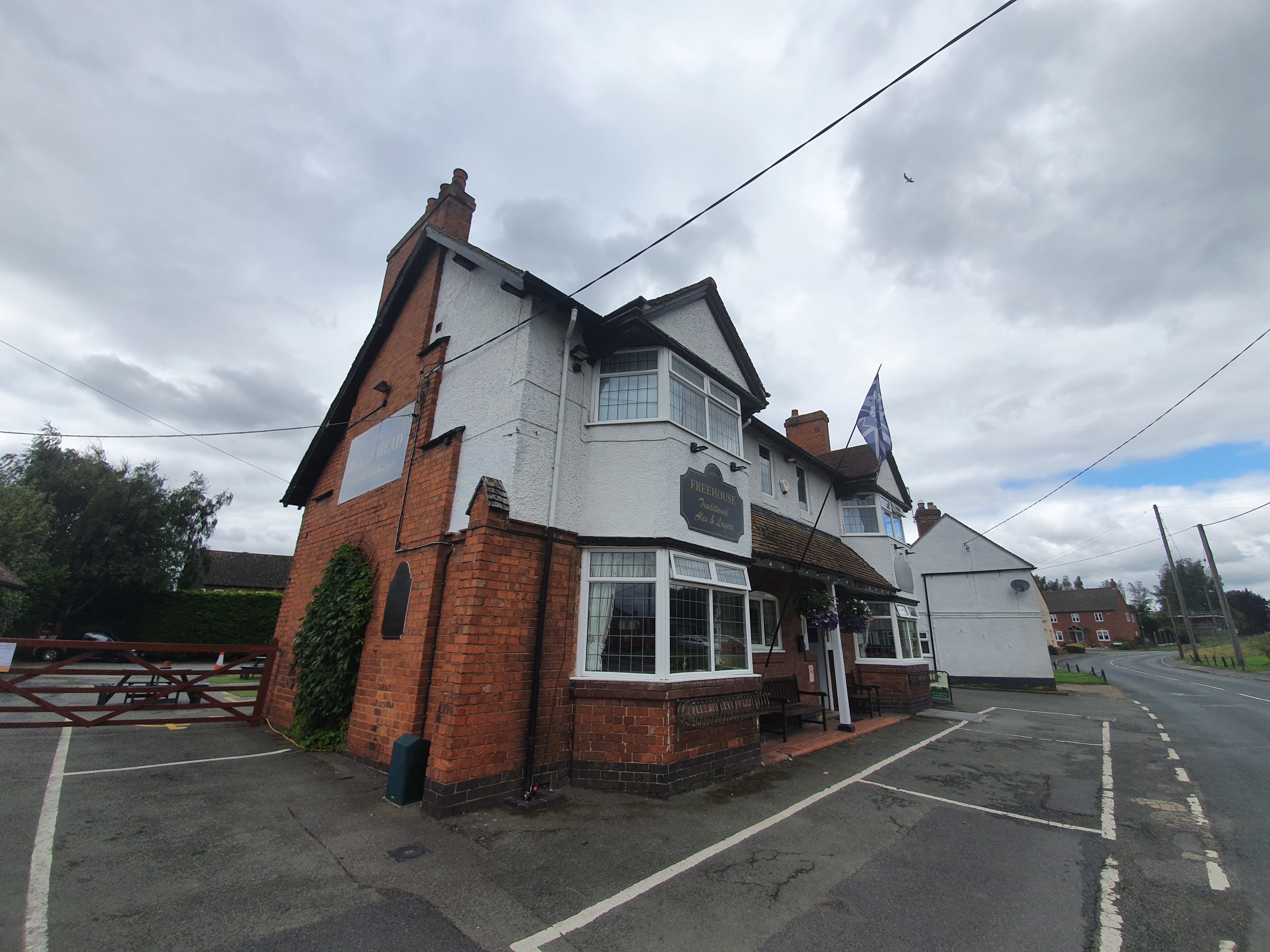

To provide a little context, we visited this pub in Rosliston whilst on our sixth LDWA 100 training walk.

We didn’t want to look eager, but we had arrived in the village before the pub opened and we faffed about a bit, so were pleased that they opened on time. The pub is operating on slightly reduced opening hours at the moment (late August 2020), 14.00 until 23.00 on Mondays to Thursdays and 12.00 until 23.00 on Fridays to Sundays.

There were two real ales available, Pedigree from Marston’s and Bass from, well, Bass. For a country pub, especially given the current crisis, this was an entirely suitable proposition for us. For those who prefer ciders, they had Happy Daze and Yuzu Marmalade on, along with some lager things.

The Pedigree. The pint wasn’t served like this, I just liked the glass and only realised that after drinking some of the beer….. It was at the appropriate temperature and tasted well-kept. We seemed to be the first customers of the day and there’s always a danger that a pub won’t have pulled through the beers, but they had here.

One side of the pub, which might not be exactly on-trend, but it looks warm and comfortable. It was notable that they hadn’t had to nail (or glue) all of the items on display down, which says something positive about the pub. Well, it also says something about a number of the pubs that I go to as well…..

And the other side…. There’s a real fire on each side of the pub, which must make it a homely place during the colder months of the year.
This is a free house and they look like they try to please as much of the local community as they can, with darts, pool (currently suspended), food, entertainment and a range of drinks. The service was friendly and this felt a welcoming place to be, with the pub being clean and organised. The pub does probably need to bring its web-site back on-line, although their Facebook presence has been kept updated.
So, as country pubs go, this was a convenient mid-day stop for us and it’s worth a little trip for anyone visiting the nearby Rosliston Forestry Centre. Or indeed, anyone walking along the National Forest Way, as this goes by the front of the pub.
The Dictionary of the Vulgar Tongue was first published at the end of the eighteenth century, and given that the current health crisis is giving too much time to read books, I thought I’d pick a daily word from it until I got bored….
Huckle My Buff
This not very delicious sounding drink is defined by Grose as “beer, egg and brandy, made hot”. And it has come back into existence over recent years thanks to Jamie Oliver who made a modern version of the cocktail. It’s thought to have originated in Sussex in the eighteenth century, although it lingered on until at least the nineteenth century.
The standard way, or at least one way, of making this concoction is to pour a pint of beer into a saucepan, chuck three eggs in, a big dash of brandy, 1oz of sugar and 1 teaspoon of nutmeg. I’m not sure I’ll be rushing to make it, although I’d be willing to prepare it if I can find some idiot willing to try it. It’s probably a good way to get rid of a beer that Greene King make to be fair…
The Argus have a story about the modern preparation of this drink as well when it was part of an event held by Harveys of Lewes.


I can’t say that I’m surprised to see that JD Wetherspoon are sort of extending the Eat Out to Help Out scheme until their Christmas menu kicks in on 11 November 2020. It means that on Mondays to Wednesdays they’ll be charging 99p for coffees, 99p for all soft drinks, £7.50 for three small plates, £2.99 for deli deals, £3.99 for burgers and pizzas as well as £1.99 for desserts.
I’m not sure that the staff will be entirely impressed with the influx of customers, but I’m sure it’ll be a popular move overall. Much as Tim Martin is a controversial figure I’m not entirely on board with, his pub company seems to be far more pro-active compared to some of his rivals.
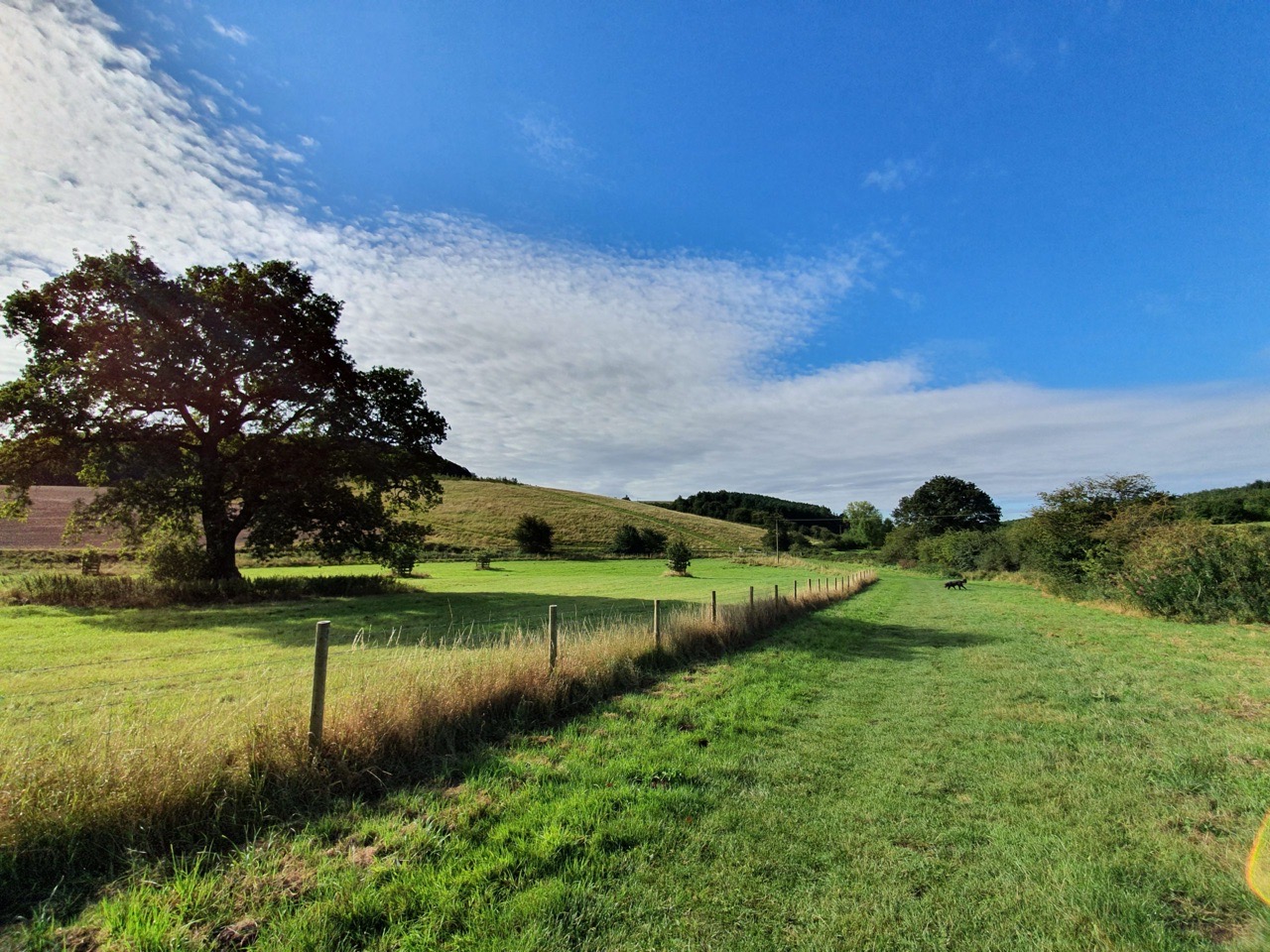
This was our sixth walk in preparation for the 2021 LDWA 100.
WALK NUMBER: 6 (National Forest Way, Branston, Burton and Swadlincote)
DISTANCE COVERED: 21.2 miles
NUMBER OF NATHAN’S FRIENDS WE “ACCIDENTALLY” BUMP INTO: 0 (but we weren’t in Norfolk)
SUFFICIENT BEER CONSUMED: Yes
PUBS VISITED: 8
WEATHER CONDITIONS: Fair
ATTACKED BY ANIMALS: Yes
NUMBER OF SNAKES SEEN: 0
It’s been a while since we went on what might be defined as a training walk, but we bravely decided to go out of the county for this one, to Derbyshire and Staffordshire.

This is the YHA where we were staying. More on this later….. Incidentally, since I get a bit complainy later, I would add here that the staff at the hostel were friendly and it was one of the quieter ones that I’ve visited.

And the trek started by walking into the village of Overseal, where the pub the previous evening hadn’t quite met our expectations. More about that in another post though….

The weather looked favourable in the morning and we were following the National Forest Way from Overseal into Branston, a section which was about 15 miles.

My navigation was excellent and we strolled past lakes, trees and fields confident in our direction. By excellent, I mean generally excellent, there were a few fields which proved to be confusing.

Walking through some crop things.

The trail was relatively well signed throughout, other than when someone had built a reservoir across the path. But I’ll come onto that later. The Best Kept Villages trail is a nine-mile circular walk that takes in Coton, Botany Bay, Netherseal and Lullington.

The path went off into the trees near to Rosliston Forestry Centre. It got a bit muddy here.

And a rather pleasant lake.

By now, it was 11:30 and we were approaching the village of Rosliston. So we faffed about by going to the Co-op and looked around a church, as that meant we could visit our first pub of the day which opened at 12:00. Incidentally, the Co-op sausage roll was packed with 7% pork and it was a pretty dreary affair. But, at least it was hot. The village needs a Greggs is all that I’ll say here.
The main excitement of our outdoor lunch spot wasn’t though waiting for the pub. It was watching Nathan preening himself with tissues. Some mud had splattered up his leg and so he purchased a multi-pack of about 8,000 tissues that didn’t even fit in his bag. Not through choice, more because that was all that they had left. So, he confidently cleaned his shoes confident that we wouldn’t be going through any more mud. This was aspirational to say the least.

The Bull’s Head in Rosliston and I will write all of these pubs up separately, but for now, I’ll limited myself to brief comments. We liked this place as it was quiet, traditional, laid-back and seemed like a competently run village pub. It was also a chance to get a pint of Marston’s Pedigree.

The next stretch of path was from Rosliston to Walton-on-Trent. Here we are in the above photo with Bear Grylls battling through the undergrowth and hardly complaining about the nettles and thistles. I didn’t say anything and just let him get on with it.

We had a little incident here. Let me paint a picture of what was in the next field. Imagine a field full of cows in our way. Right, that’s the picture painted. That is undeniably a bloody inconvenience as I don’t like cows (nothing personal, they’re just big and threatening) and Nathan is hardly a cow whisperer. These big muddy patches are a legacy of the cows stampeding around the corner and we wanted to avoid that.
So, we decided we’d ignore the National Forest Way and just go down a track via a farmer’s field. This was easier said than done as the farmer wasn’t fussed about mud as they no doubt get about their land using a tractor. And then we had the delight of the farmer watching us, more puzzled than angry I’m pleased to say. So, we admit that his cows scared us and we want to use his farm to get out. The farmer was willing to deal with this crisis dumped upon him, and so we were shown the muddy path to escape. I suspect he thought that we were idiots.

I’ve never heard of Joseph Heler Cheese, but I liked the farmer who let us escape without being trampled by a herd of cows, so I’ll eat some if I see it.

We debated whether or not we should go into the Swan at Walton pub, but not for long, so we went in. For another pint of Pedigree, albeit served in a London Pride glass from Fuller’s. This tasted the same as the previous Pedigree and we were fortunate to get space in the beer garden as inside was full. Nathan’s shoes were also covered in mud, which he half-arsedly tried to clean again before we went in, so probably best we were outside away from their clean floor. The food coming out from the kitchen looked all rather lovely, but I had a pasta salad from the Co-op and Nathan had a scotch egg from the Co-op so we didn’t want to be too decadent by buying a rather lovely looking burger as well.

I had to have a quick look at the church opposite to the pub, some interesting history there. More on that in another post, as my posts about churches aren’t exactly the most stimulating content to some people (everyone) so I’ll contain myself here.

The bridge we crossed into a new county. There were a family the other side who looked moderately annoyed that we were on the path. But we ignored them and started to get ready for our river walk.

Incidentally, this is the change in county from Derbyshire to Staffordshire. As an aside, Staffordshire is home to the marvellous Keele University, so this sign is a distraction.

This bit puzzled us. We might be two of the finest minds in the long-distance walking community (I hope no-one else from the LDWA reads this as I’m clearly lying here) but our route seemed to be flooded. After some investigation, it was less flooded by recent rain, and more flooded as there is a reservoir built on the route. After we stopped for lunch by a bench looking at this irritating dollop of water dumped down, we meandered around it. It took ages and the signage wasn’t great.

Back to walking by the River Trent. The pleasing thing was that we could still get around the lake, as otherwise it would have been a fair amount of road walking.

Even the railway crossing had moved, they’d built this instead of expecting people to walk across the track. It was also here that it decided to rain, the only really bad weather that we had in the day. It started to rain three seconds after I took my coat off, which annoyed me and humoured Nathan.

The path goes across a housing estate at this point. I say path, but I more mean stream with some delicately placed bricks to walk on.

We had now reached the town of Branston and this was enormously exciting as this is where the pickle first came from. Branston Pickle is a food of the Gods, so we were delighted and honoured to be in such an historic place. There are no Good Beer Guide pubs in Branston, despite my hope they’d serve a marvellous Ploughman’s lunch with pickle. So, we opted for the Blacksmiths Arms. The first pint we ordered was not well-kept, and despite Nathan trying to battle through it, I have a very developed beer palate and I sent mine back. Nathan decided to keep testing his pint before sending his back. The staffing was friendly through and it got us out of the rain. Despite trying not to order Pedigree, we got another pint of it here, so our third of the day and it tasted like the other ones.

I’ve commented on numerous occasions over the last week about how Greene King really aren’t very innovative in their management of pubs, with beer choices being often way below par in my view. So, this is a great innovation, someone has paid for a support centre to deal with customers who have been traumatised by Greene King pub experiences.

I have no idea why Punch Pubs have that logo, but this is a PubCo that really needs putting out of its misery. Anyway, let’s not get political here.

Walking into Burton was quite exciting, as this is the brewing centre of the UK. And there were no shortage of Good Beer Guide pubs for us to go in. This is the Last Heretic, an excellent micropub that I’ll write about separately, and we moved away from Pedigree at last to Antracite. As a pub, this was really was a treat and I hope that it can go from strength to strength as it’s a location that Burton should be proud of.

After the Heretic, we walked around the corner to the Roebuck Inn and had a Theakston’s Old Peculier, a beer I’m rather partial to. The pub was friendly, you could play football in the toilets and it’s another justifiable entry into the Good Beer Guide.

The Burton brewery of the huge Molson Coors.

Opposite the brewery was this marvellous pub, although we were disappointed that they weren’t doing their home-made Scotch eggs. The rum porter I had was rich and delightful, so lots more about this pub in another post. This was our sixth pub of the day and we were going to pop to the Wetherspoons in Burton for a quick snack, since we couldn’t eat in the Coopers Tavern. The Wetherspoons looked a bit full, and just a little raucous so we went to McDonald’s, which was annoying as they were shoving all their customers into the same area and hidden the toilets. The wrap of the day was delicious though, so I forgave them.

Nathan, who is obsessed with buses, took control of getting us to Swadlincote. He did tell me all about the bus we were on and who made it, when and where, but I didn’t bother listening.
Our seventh pub of the day was Bodell’s, where there was a decent choice of beers, although I thought they were being served just a little too cold. Anyway, more on that another time. I’d add that Nathan will get annoyed if I mentioned that his sports casual outfit (or sports sports outfit as he called it) was probably looked at by customers in pubs since it was Saturday night. But I didn’t say anything.

Our final pub of the day, and pint number eight, was the Wetherspoons in Swadlincote and it was by now just before 23:00. They were serving reduced priced curries, so what better thing to have at this time of night than a £3.99 chicken vindaloo? This was one of the better JD Wetherspoon outlets and not a bad place at all to end the day.

Then it was just a three-mile walk back to the accommodation from Swadlincote. Nathan was livid at this bus stop opposite a bus stop, but he calmed himself down after a while at the lack of bus stop planning.
The story should end here really, it took us an hour to get back, so we reached the YHA at around 01:30. Now, I’m very forgiving, but it’s fair to say that the YHA here failed us. They had told us the door code when we checked in, but they didn’t make any reference to it changing every day. The new set-up also means you leave the YHA via the back door, so it’s actually essential to tell people at check-in that it changes, otherwise they can’t possibly know.
To cut a very long story short, the YHA emergency number wasn’t answered, the YHA itself didn’t answer and there were no clues as to how to get into Fort Knox. I became expert at checking every door in the building and managed to get into the meeting rooms section of the building, but this didn’t allow access to the main area. I was considerably annoyed at this situation, as it was avoidable by either having an emergency contact who answered, or not putting people in this position in the first place. A YHA in the middle of the country will likely frequently have walkers or cyclists coming back late, but I won’t dwell on this.
After debating what to do, my investigations continued and banging on a door did manage to get the YHA custodians out, much to my relief. It’s fair to say they knew that I wasn’t best pleased, but it did mean that we could get back in and life was again back to some sort of normality. They were keen to explain that code to the corridor upstairs had changed as well, but since that corridor has a door where the lock doesn’t work anyway (it just opens without the code), I wasn’t going to overly concern myself about this. Nathan was back in his bunk bed (this in itself says a lot about the luxury accommodation that we had chosen) by 02:00 and all was well with the day. Well, all was well with the night.
YHA debacle aside (and I can’t see Nathan going back, but I have to since I’ve got numerous YHA bookings ahead) this was a marvellous day. It goes to show what thirsty work this walking is, since we had to go into eight pubs (plus a McDonald’s and a Co-op) to stay hydrated, but that’s very important. I think we probably meant to order half-pints, but we got muddled up and never managed to do that. The total walk distance was 21.2 miles and we’re now prepared for the LDWA 100. Well, we’re not, we spent most of the day practicing our pub skills, but it was still a very brave effort.
Very lovely.
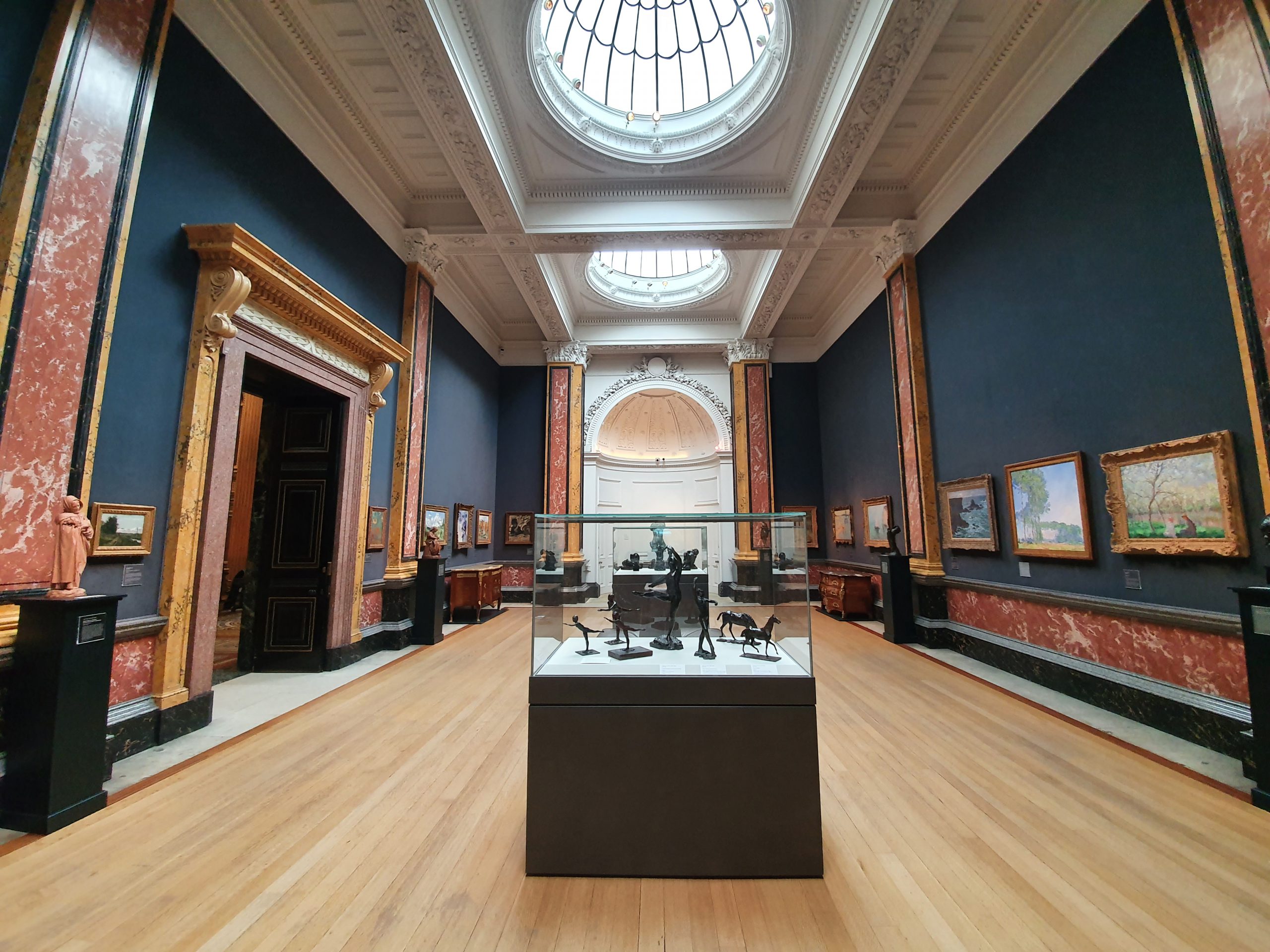

The reason I pondered this painting is that I’m not sure that by today’s standards that Sir Henry Raeburn (1756-1823) has portrayed Glendonwyn well. There’s not much to be readily found out about Raeburn’s subject, other than Glendonwyn was a wealthy Scot and his surname is linked to the Glendinning family.
The notes by the painting mention that the light falling on his forehead is deliberate, it’s meant to show that the subject has intelligence. I’m not sure that this effect still holds, although this was painted in the 1790s and things were just a little different then and now he looks more aloof. Raeburn, who became the official portrait painter in Scotland to King George IV, painted over 1,000 artworks during his career and he rarely used preliminary sketches.
The painting came up for sale at Christie’s on 22 February 1890 and was then in turn acquired privately by the Fitzwilliam Museum in 1892. At the same auction in 1890 the accompanying portrait to this, that of Glendonwyn’s wife, was sold, but the whereabouts of that are unknown.
The Dictionary of the Vulgar Tongue was first published at the end of the eighteenth century, and given that the current health crisis is giving too much time to read books, I thought I’d pick a daily word from it until I got bored….
Hot Pot
This isn’t the definition that I expected from Grose, which is “ale and brandy made hot”. Grose didn’t mention this in the dictionary, but it’s likely a phrase used in Norfolk and Suffolk in the eighteenth century, simply meaning a warm ale or a warm brandy. This is a literal definition, as ‘pot’ used to mean a drinking vessel, and a few real ale drinkers still use that word.
Incidentally, and as an aside, the English dish of hot pot likely has a different meaning, from ‘hodge podge’, or a random collection of ingredients.

And, that’s the end of my little adventure in Cambridge. The National Express pick-up is clearly signed at the edge of Parker’s Piece and there’s a covered bus stop there.

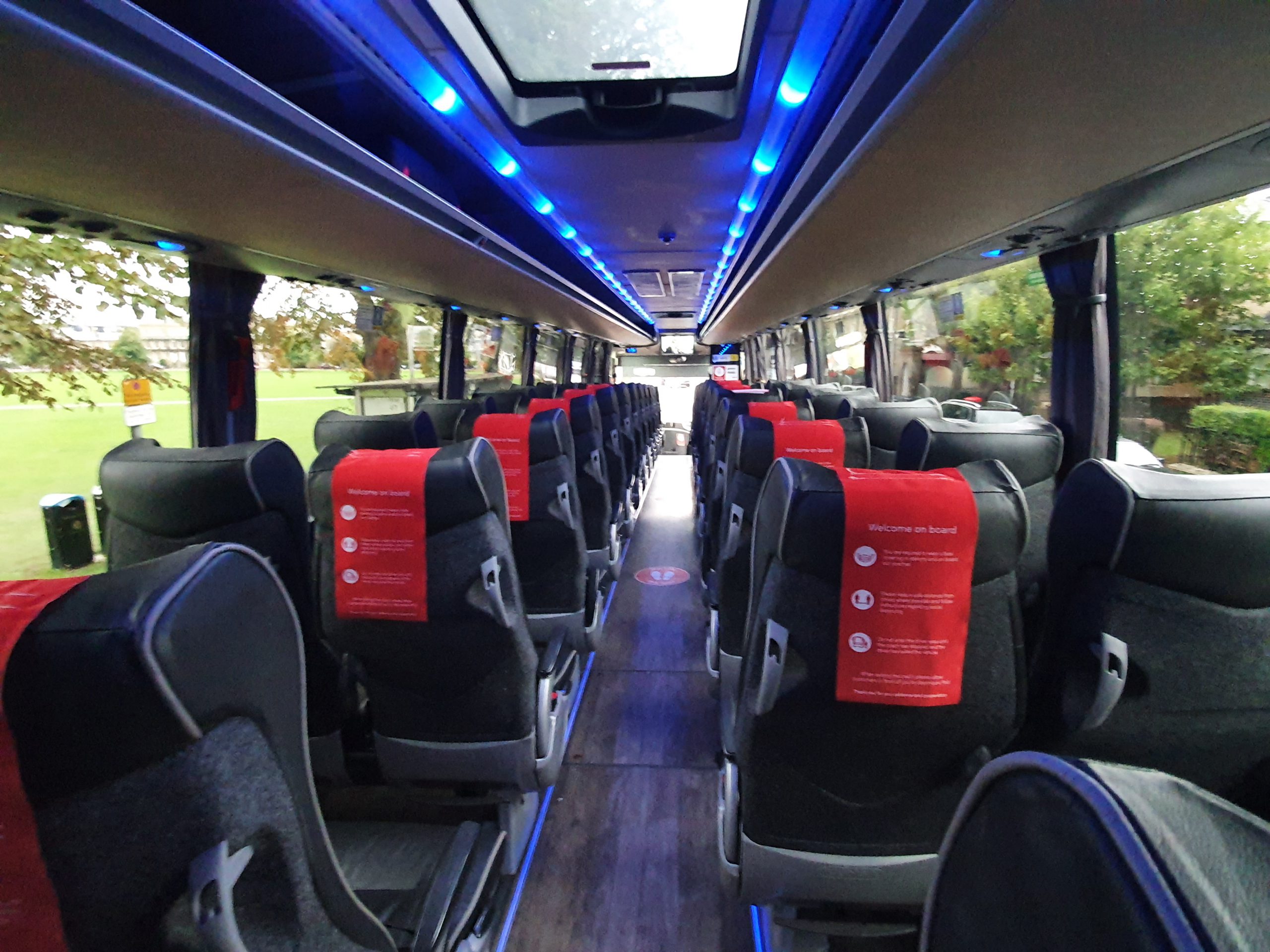
Another packed service….. I think there were five people on board, including the driver. Unlike the coach on the way to Cambridge, there was no hand sanitiser on this coach, it looks like it has got knocked off the panel where it was behind the driver’s seat. There were also no announcements to passengers, although I joined mid-journey, so perhaps they’d already done it. My wrist wasn’t checked on entry this time, instead my forehead was measured for temperature. I still have no idea if that actually works, but I’m happy with it if the driver is.

It’s not quite as exciting as getting the exit row on an aircraft.

This is the television screen at the front of the coach, which I quite enjoy watching. Even when I could just look out of the front window, I still find myself watching the screen. Anyway, the driver was more than competent and the journey was trouble-free. The power worked, the toilet was clean and the temperature was a little cold, just as I like it.

And safely into Norwich, a few minutes ahead of time. The journey cost around £10 including the booking fee, which is good value compared to the price of the train.
As an aside, and something I forgot to mention before. I try to avoid coaches because I prefer trains, but I find National Express just a little odious with their NX Rewards scheme (and here’s the Trustpilot reviews about it). I know some people (well two – and they were idiots to fall for it) caught by this, they try and get people to claim a discount of £17 off their next National Express fare, but there’s then a charge of £15 per month for anyone who forgets to cancel as it’s a subscription thing. And the cancellation system is rather unusual, involving a PDF form rather than an on-line cancellation. Having never joined up, I’m not quite sure what people get for their £15, but not a great deal is the sound of it, it seems to be less a loyalty scheme and more some Quidco type set-up. It looks though like anyone who complains on Trustpilot is getting a refund, but this isn’t really the look of a professional company.
National Express can do what they like, but I think it cheapens their brand and if Flixbus (OK, I’ve grown to like them) include Norwich in their expansion plans, I can switch entirely away from them.
Incidentally, Flixbus currently have these routes in the UK:
London – Birmingham
London – Bristol
London – Portsmouth
Guildford – Portsmouth
London – Brussels
London – Paris

And just in time to get to Tesco in time for their discounting. How lovely.