
And another in my niche series of rail journeys around the UK, which are primarily for me to remember what rail companies I’ve travelled with, primarily with an interest in how they do things differently.

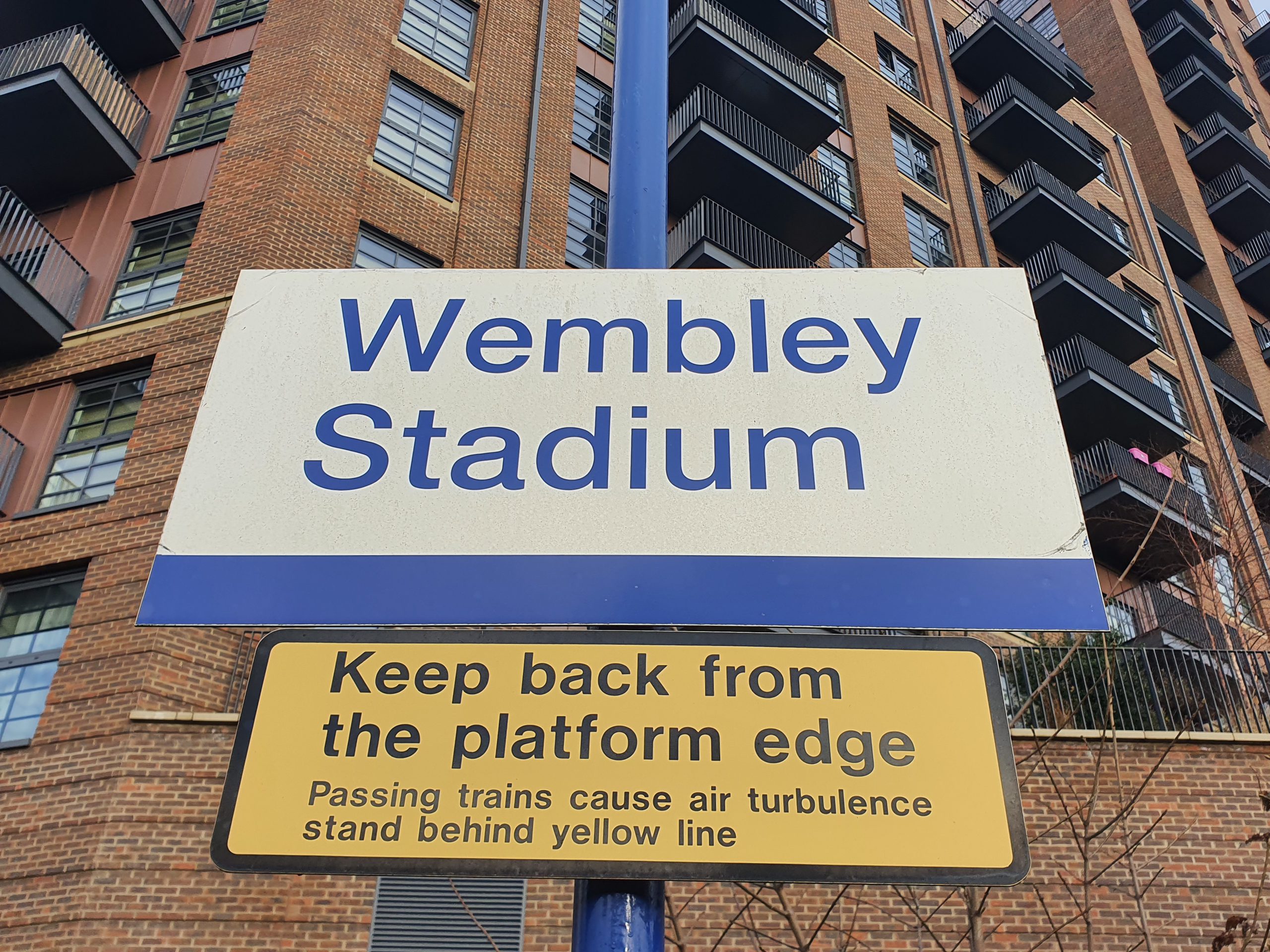
Wembley Stadium isn’t the most exciting of railway stations and the history of railways around here is confused, as there was a different station with the same name at one point. This station opened in 1906 as Wembley Hill, was renamed Wembley Complex in 1978 and took its current name of Wembley Stadium in 1987. Incidentally, the Wembley Complex isn’t what I would consider to be a traditional way of naming British railway stations (and sounds more like a psychological conjecture) so I’m pleased that it was changed. The railway station is around a five minute walk away from Wembley Stadium, so the naming is appropriate.
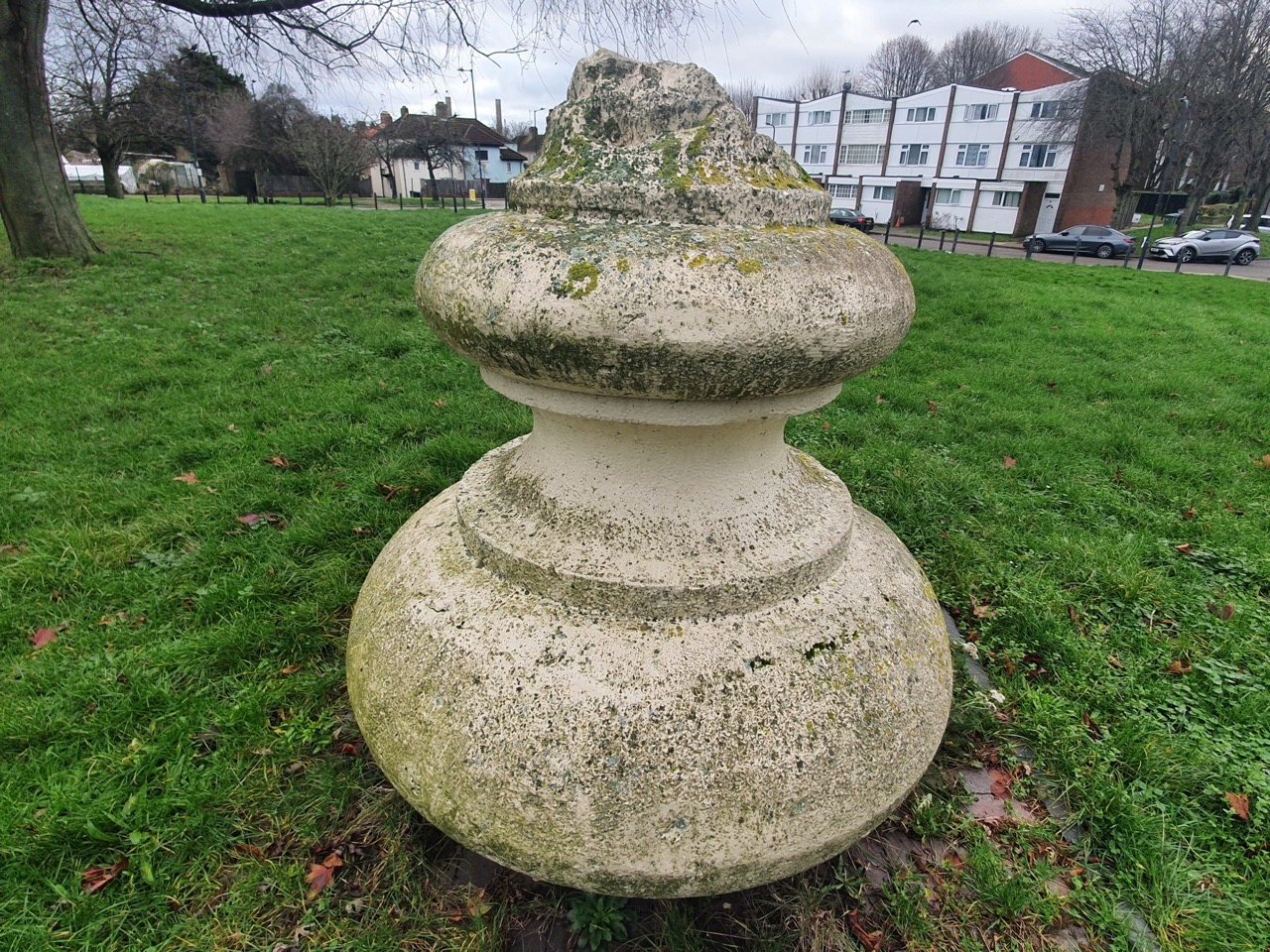
In the above photo, at the back is the White Horse Bridge, opened in 2008 and replacing the old concrete footbridge which was built for the British Empire Exhibition in 1925.

The railway station is solely used by Chiltern Railways on their mainline to Birmingham and it’s a fast connection into the city centre as it gets into London Marylebone in only around ten minutes. I stood here and then realised that the train stops a little back way, with the platform being longer than it needs to be as occasionally they bring in longer trains when there are matches or events taking place at Wembley Stadium.

The train was about a third full, not overly busy. I don’t know if there was a guard on board the train, but if there was, I didn’t see him or her at any stage of the journey. Legroom isn’t ideal and the interior of these trains probably need a more modern refit soon with a return to 2+2 seating rather than 3+2 which doesn’t really fit.

And here we are ten minutes later in London Marylebone. There are usually two services which operate between Wembley Stadium and London Marylebone every hour, so the service is relatively frequent.

As I’ve written about before, Marylebone is the smallest London mainline railway station, and also the last one to be completed.

And the station’s frontage. Everything ran to time, the train was clean and the service was easy to get a ticket for as it just uses contactless at each end. Looping back to the start, there’s not a lot that Chiltern Railways seem to do differently of particular note, especially for a short journey such as this, but they’ve invested considerably in the infra-structure of this route over the last couple of decades. Only a few weeks ago a new franchise was given to the company to operate this route and this lasts until the end of 2027, but with the proviso that the contract might change with the introduction of Great British Railways in 2025ish.