I visited this museum before and I think it’s the first historic attraction that I went to in Poland. Here we are, several hundred Polish historical experiences and several years later, and I thought it’d be good to pop back to the museum. It was free entrance today, being Sunday, so I knew it’d be busy, but that also saved me 25zl (around £5). I went to collect my free ticket from the cash desk and there was a short queue, but it only took around 30 seconds to get my ticket. The staff member was friendly, although I imagine he got fed up with issuing bits of paper to people all day for free.
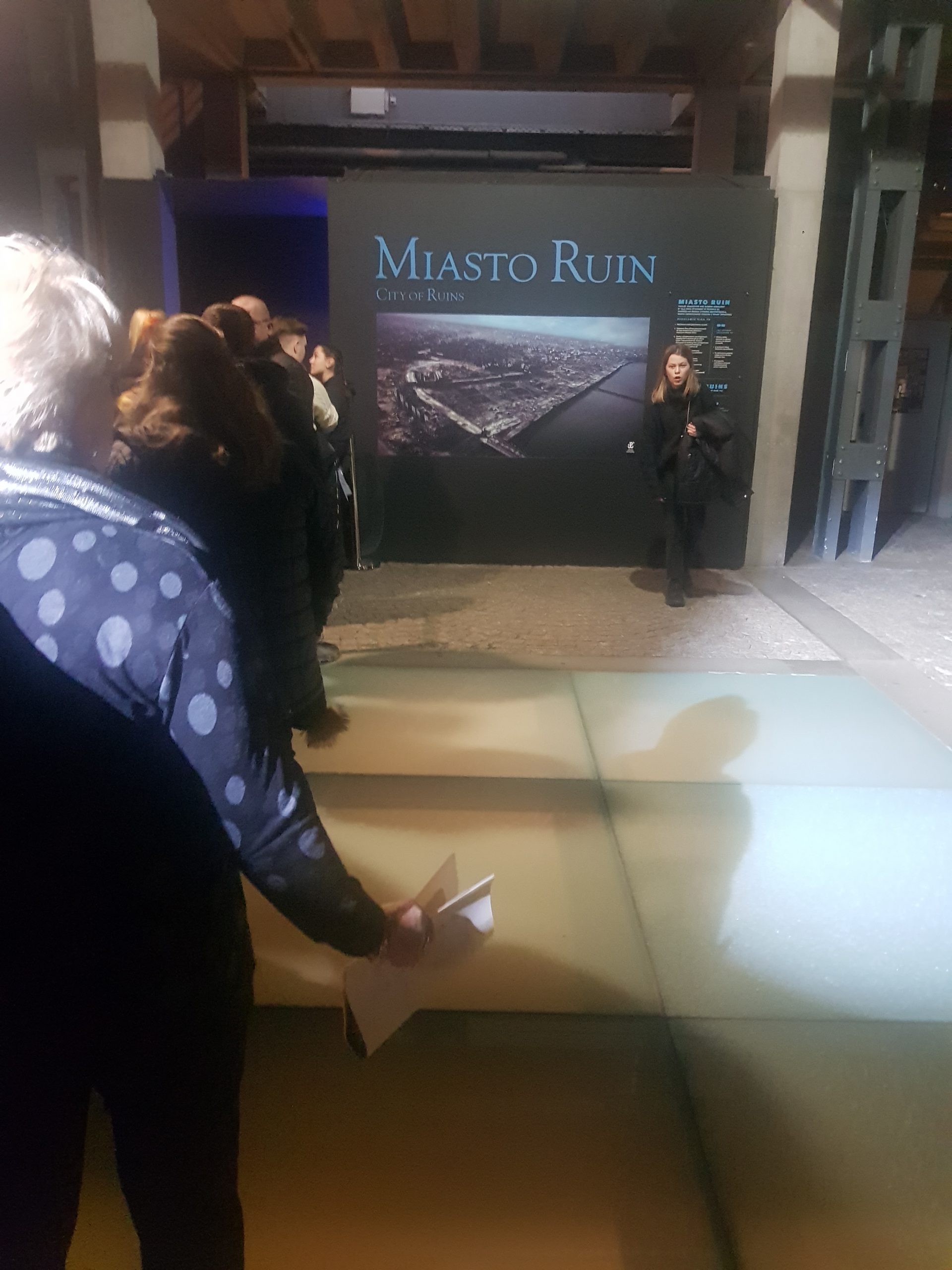
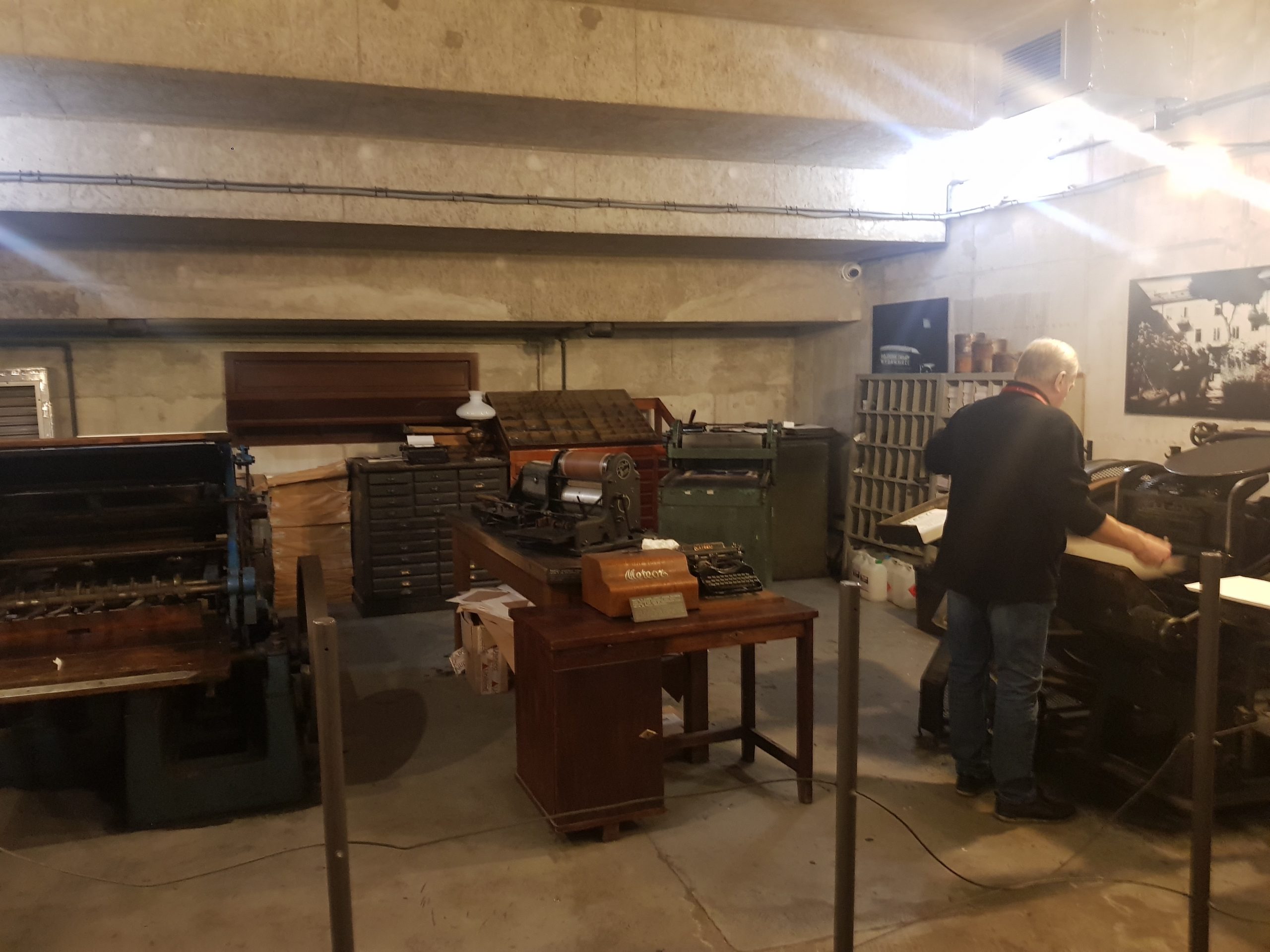
I’ve also posted about the City of Ruins video and the Printing Press separately.

This was the exhibit which I found the most though-provoking, a simple city telephone directory. By the end of the Second World War, there were only around 1,000 people living in the central part of Warsaw, out of the over 1 million who lived there before the war had started.

The replica of the Liberator aircraft I mentioned in the City of Ruins post.

There’s a large cinema screen in the museum, and there are smaller set-ups as well. This part of the museum is quite open plan and there’s lots of space, other parts are more hemmed in and cramped. At the base of the cinema screen there’s an underground exhibit, which it’s probably easy to miss for those not paying attention.

On the large screen there was footage of the Warsaw Uprising, amazingly some of the film made by Poles was saved and was able to be made into a video. The Soviets apparently managed to lose, no doubt deliberately, the footage in 1946, but other copies were found.

A recreation of the city’s sewer network, which is how members of the Warsaw Uprising were able to move about parts of the city. The recreation is dark, I used a flash to get this photo.

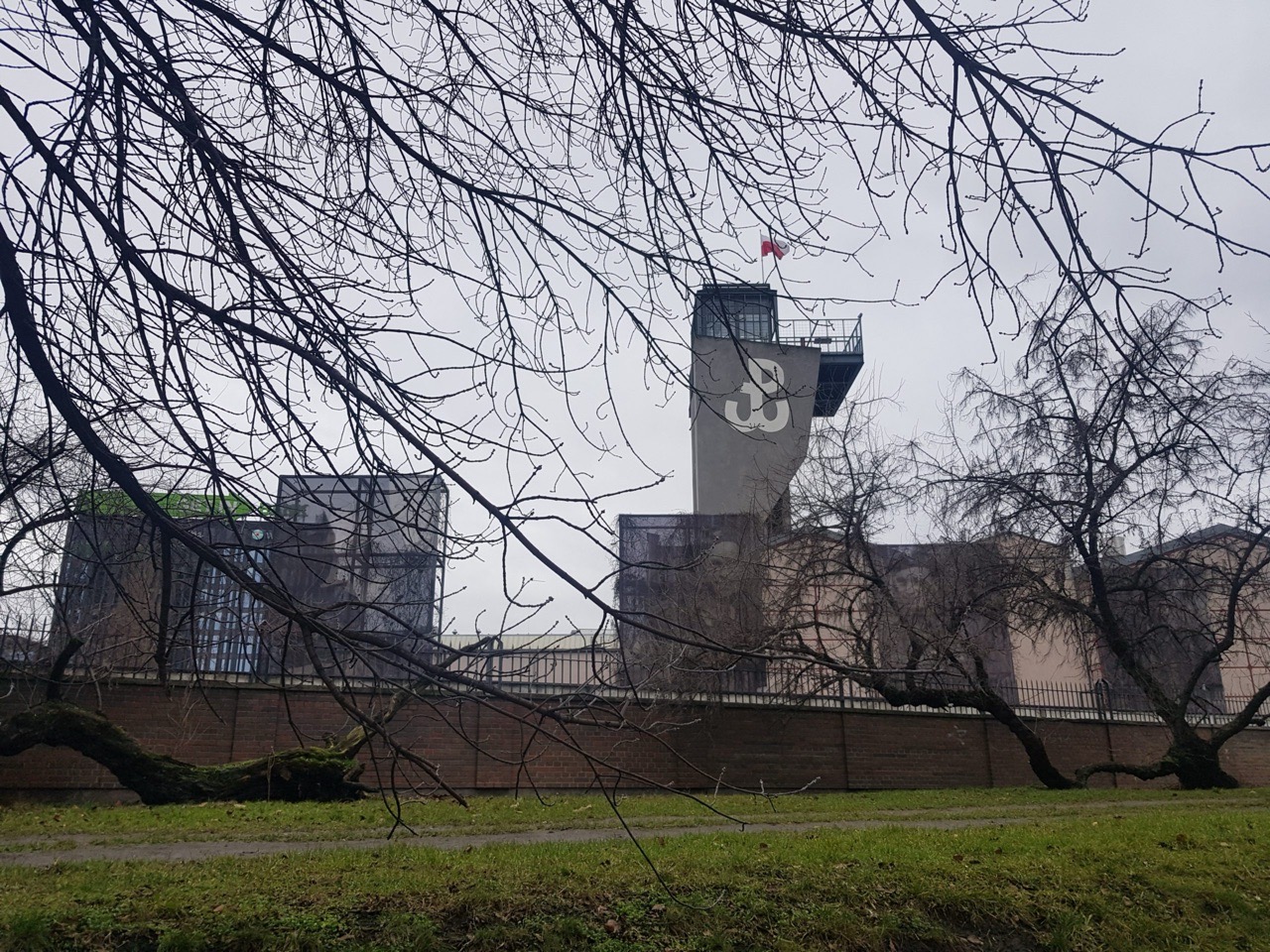
By the time I left the museum, the queue to get in had got relatively sizeable. The brick building towards the back is the ticket desk, with the entrance to the museum area to the right of this photo. At this point there was likely around a 20 to 30 minute to get in, so I was pleased that I had arrived earlier on during the day.
I found that the navigation around the museum was just a little confusing, I frequently found myself not entirely sure where I was going. Fortunately, nor did anyone else, so no-one really seemed to care or mind. But, I like going around the museum in vaguely the way that the curators intended. I stayed for just under two hours, but those who wanted to see everything would no doubt need longer than that.
Overall, I really like this museum and it tells its story in a compelling manner. It was far too busy to enjoy properly though, which is no criticism of the museum, but for anyone wanting to look at the exhibits and read everything, it’s probably best to come on another day of the week which isn’t free admission Sunday. Despite the quite challenging nature of the material, the museum also seemed to engage children though and they liked collecting the bits of paper which told them what happened on each day.