Tag: War Memorial

  • Bramley (Rotherham) – War Memorial (Roy Geoffrey Scott)

    Bramley (Rotherham) – War Memorial (Roy Geoffrey Scott)

    20250125_112915

    Further to my post about the war memorial at Bramley, near to Rotherham.

    The story of Roy Geoffrey Scott piqued my interest as he was a young casualty and he died very near to the end of the war. He was born on 6 July 1926, the son of Thomas Scott (1860s?-1930s?) and Mary Ann (nee Sadler) (1884-1978) who lived at 2 Bentley Road in Bramley. Roy joined the East Lancashire 1st Battalion as a Private, army number 14810893. Roy died on 12 April 1945 when crossing the River Aller and is buried at Becklingen War Cemetery (located between Hamburg and Hanover), one of 2,401 to be buried there.

    One of three missing men from the battalion.

    The Lancashire Infantry Museum notes that:

    “From the Rhine to the Elbe At the end of March both Lancashire battalions crossed the Rhine and began the final advance across the North German Plain. 1st East Lancashires first took an active part in the battle for Bocholt, 28-29 March, then, like the South Lancashires, moved through the eastern border areas of Holland, mopping up enemy stragglers. German defences were based on water obstacles, and the East Lancashires then took part in fighting on the Ems-Weser Canal near Ibbenburen, 6th-7th April, and at the assault crossing of the River Aller on the 12th, with another heavy engagement at Kirchlinteln on the 16th, before occupying Hamburg on 4th May.”

    Roy never made it to Hamburg, where he would have been one of the forces who took control of the city.

    I asked Google Gemini for more information and it discovered:

    “The River Aller, flowing through Lower Saxony, Germany, presented a significant obstacle to the Allied advance in the spring of 1945. Securing crossings over the Aller was crucial for maintaining momentum and preventing the Germans from establishing a defensive line along the river. The Battle of Rethem, fought from April 9th to 11th, exemplifies the strategic importance of the Aller . The small town of Rethem, with its bridge over the river, became a focal point for both sides. The British 53rd Welsh Division faced a determined defence by German forces, including the 2nd Marine Infantry, Eisenbahn-Flak units equipped with 128mm cannons, and SS troops .   The initial British assaults on Rethem were repulsed, highlighting the strength of the German defences . However, the British eventually outmanoeuvred the Germans by crossing the Aller at Westen and flanking the defenders, forcing them to retreat . This victory allowed the British to establish a Bailey bridge at Rethem and continue their advance towards Hamburg.”
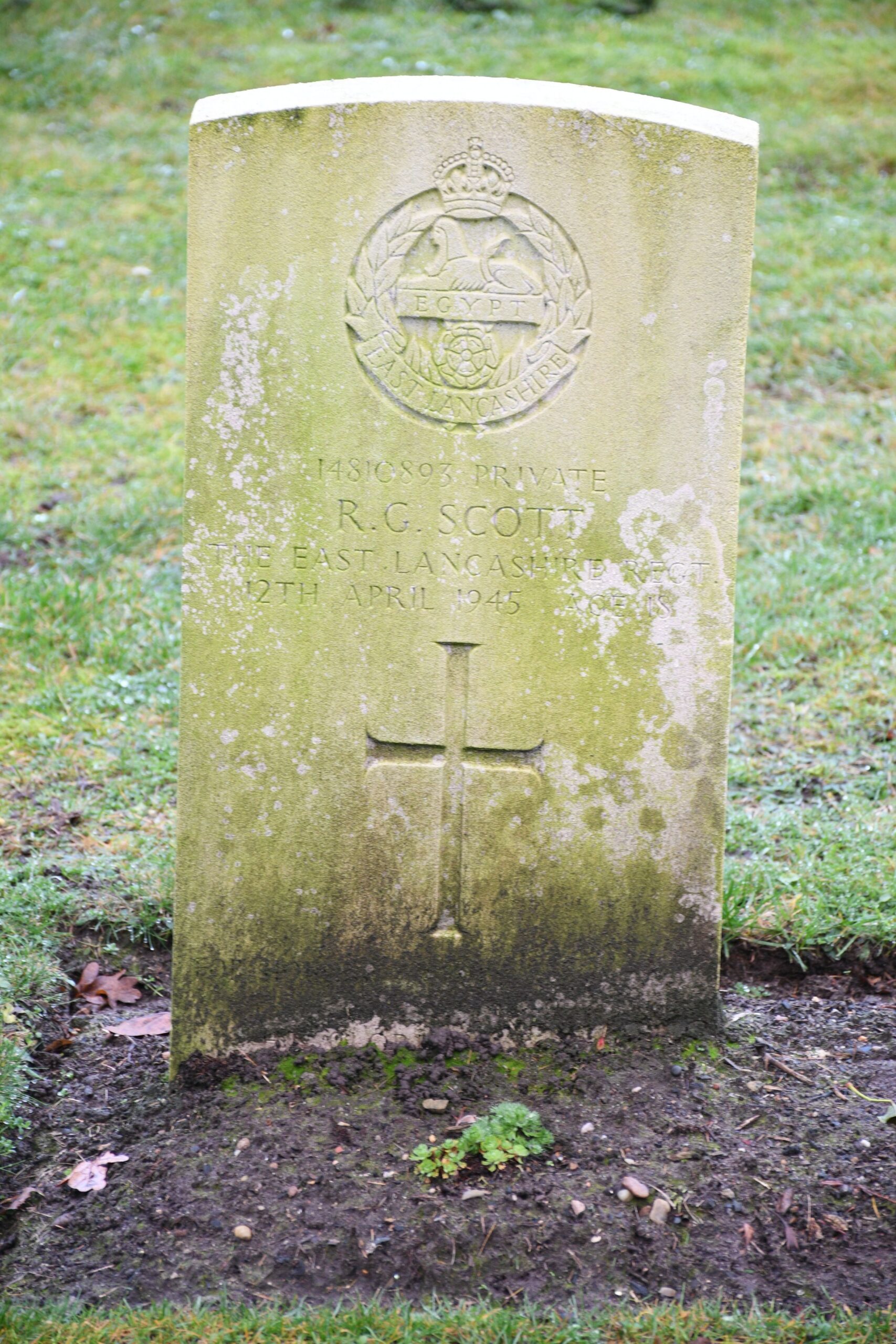
    Roy’s gravestone in Germany. Every death is sad, but this is particularly poignant as Victory in Europe Day is 8 May 1945, less than a month after he died.
  • Bramley (Rotherham) – War Memorial

    Bramley (Rotherham) – War Memorial

    20250125_112915

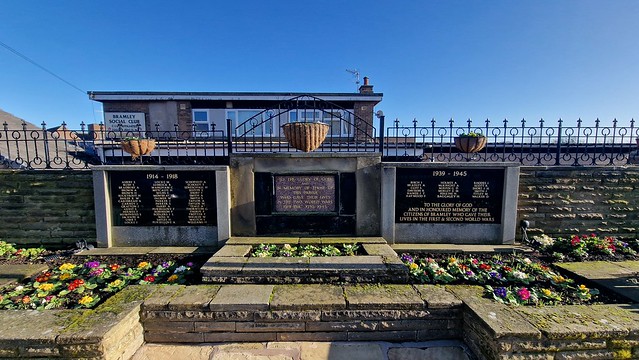
    There’s something very reassuring about a war memorial which is well tended and looked after. There are 47 names on the First World War list and 17 names on the Second World War list.

    20250125_112926

    A rather lovely little area, very respectful.

    The full list of names:

    Asbery, E
    Baker, R W
    Birch, J
    Bizby, E
    Bradbury, A
    Bradley, A
    Brown, A
    Brown, H
    Bucktrout, H
    Cakebread, A
    Carney, J
    Cliff, S
    Davison, R
    Gratton, J
    Guest, S
    Hands, J T
    Haywood, F
    Holmes, A
    Holmes, F
    Humphries, S
    Jackson, A
    Limb, T
    Locke, J
    Locke, M
    Lubbock, R
    Mangham, C
    Mcknight, A
    Metcalfe, H
    Milns, E
    Mirfin, G D
    Morley, E M
    Mowbray, J
    Palmer, W
    Parker, J
    Parker, S
    Parry, A
    Perkins, H
    Purseglove, F
    Rhodes, J
    Robinson, P
    Rodgers, J L
    Ross, H
    Sayles, H
    Schofield, A
    Scholey, T
    Scott, Roy Geoffrey
    Seneschall, H
    Seston, E
    Short, J
    Short, J H
    Smith, A
    Smith, J
    Smith, S
    Taylor, A
    Taylor, W
    Teale, A
    Thornton, G
    Thorpe, P
    Titley, M
    Trotter, F
    Walker, D
    Walker, W
    Waltch, S
    Williams, H

  • London – Southwark (Borough of) – St Saviour’s War Memorial

    London – Southwark (Borough of) – St Saviour’s War Memorial

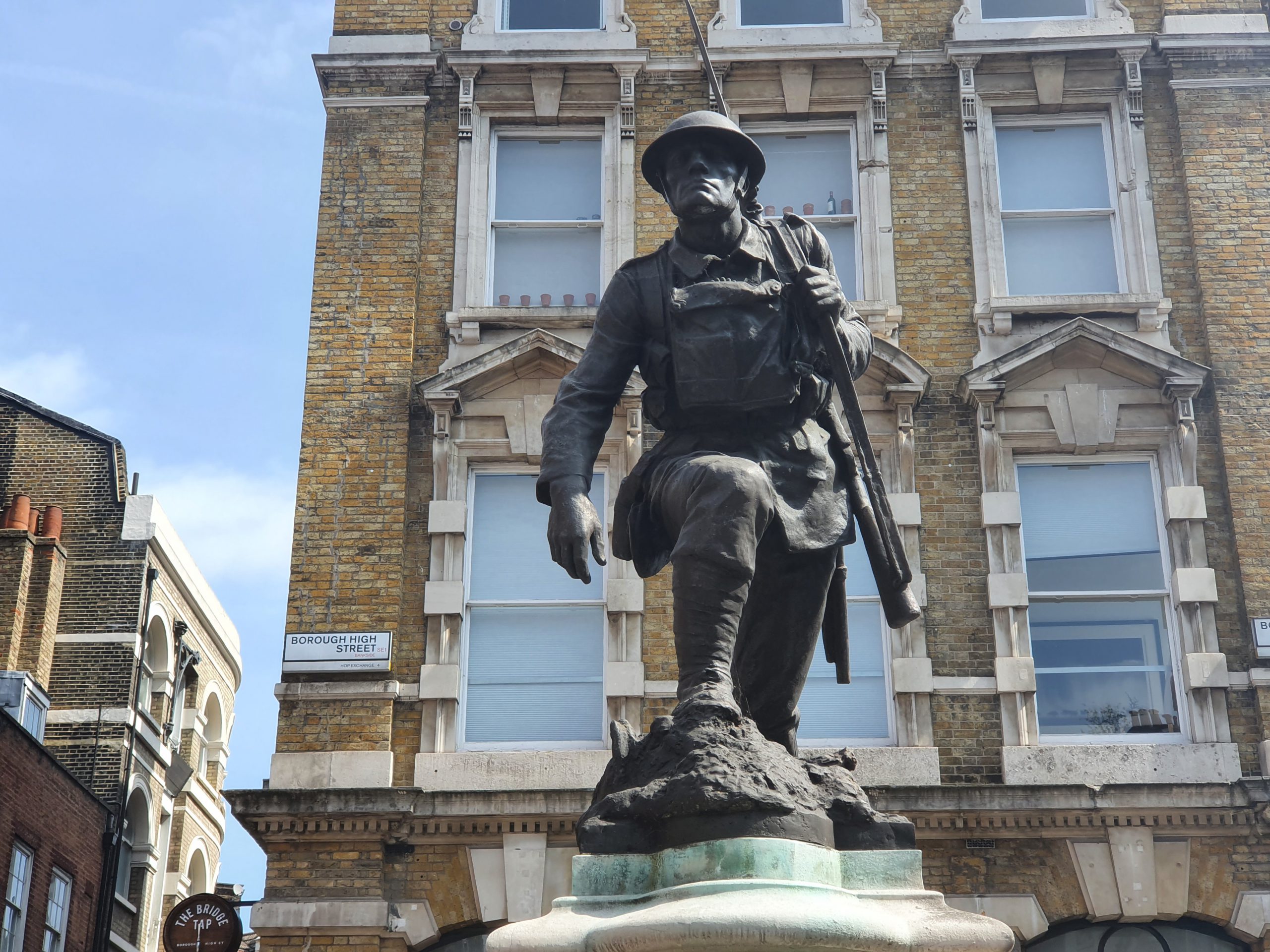
    There’s a Wikipedia page to this monument on Borough High Street that gives more information than I can here, but this is one of the more striking war memorials that I’ve seen. The monument, which was funded by public subscription, was unveiled in November 1922 and is on a base of Portland stone with a bronze sculpture on the top.

    The bronze sculpture was designed by Philip Lindsey Clark (1889-1977) who has a distinguished war record of his own, winning the DSO. The unveiling of the memorial was overseen by General Lord Horne, a Commander of the British First Army during the First World War, but the Bishop of Southwark was ill, so the dedication was performed by the Bishop of Woolwich. There was singing led by the choir of Southwark Cathedral and the Last Post and the Reveille were played by the Life Guards. Lord Horne gave a little ‘motivational’ speech saying that nine out of ten of those men who were dying on the frontline had said as their last words that they wanted someone to look after their wife and family.

    This finely decorated bronze tablet shows battleships with another tablet on the other side showing planes.

    The memorial was removed for an extensive restoration in 2013, being returned in the following year. The memorial is now Grade II* listed with the architectural listing mentioning:

    “* a well-executed war memorial of striking composition using high quality materials and demonstrating excellent craftsmanship;

    * a fine example of the work of the distinguished sculptor Philip Lindsey Clark with bronze figural sculpture and reliefs of exceptional quality;

    * it is relatively uncommon with First World War memorials to feature the role of the air services in combat; by including a bronze relief of an air combat scene, St Saviour’s war memorial demonstrates the growing importance of the use of aviation in combat in the First World War.”

  • King’s Lynn – War Memorial (Harry Leonard Aldren)

    King’s Lynn – War Memorial (Harry Leonard Aldren)

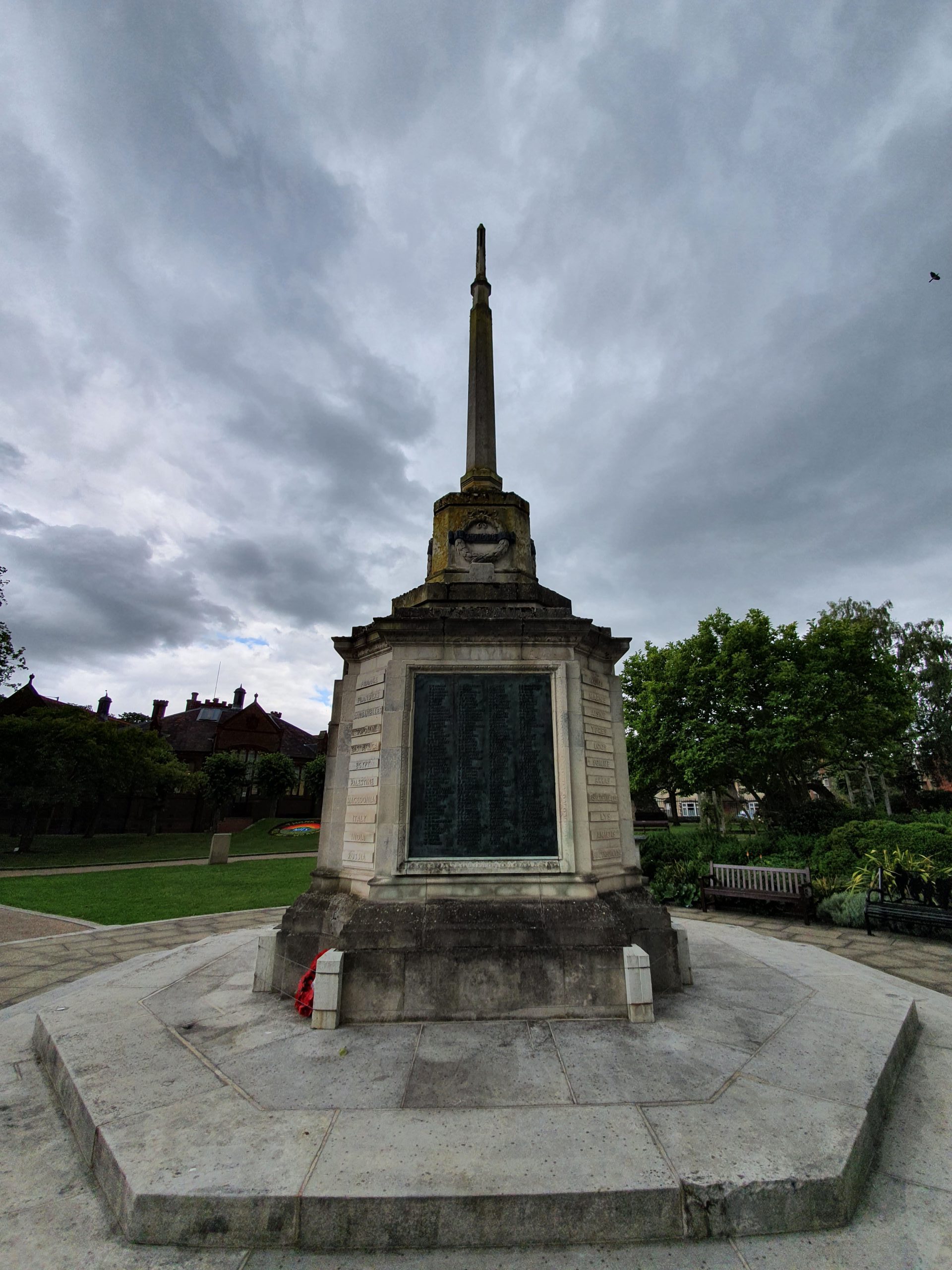
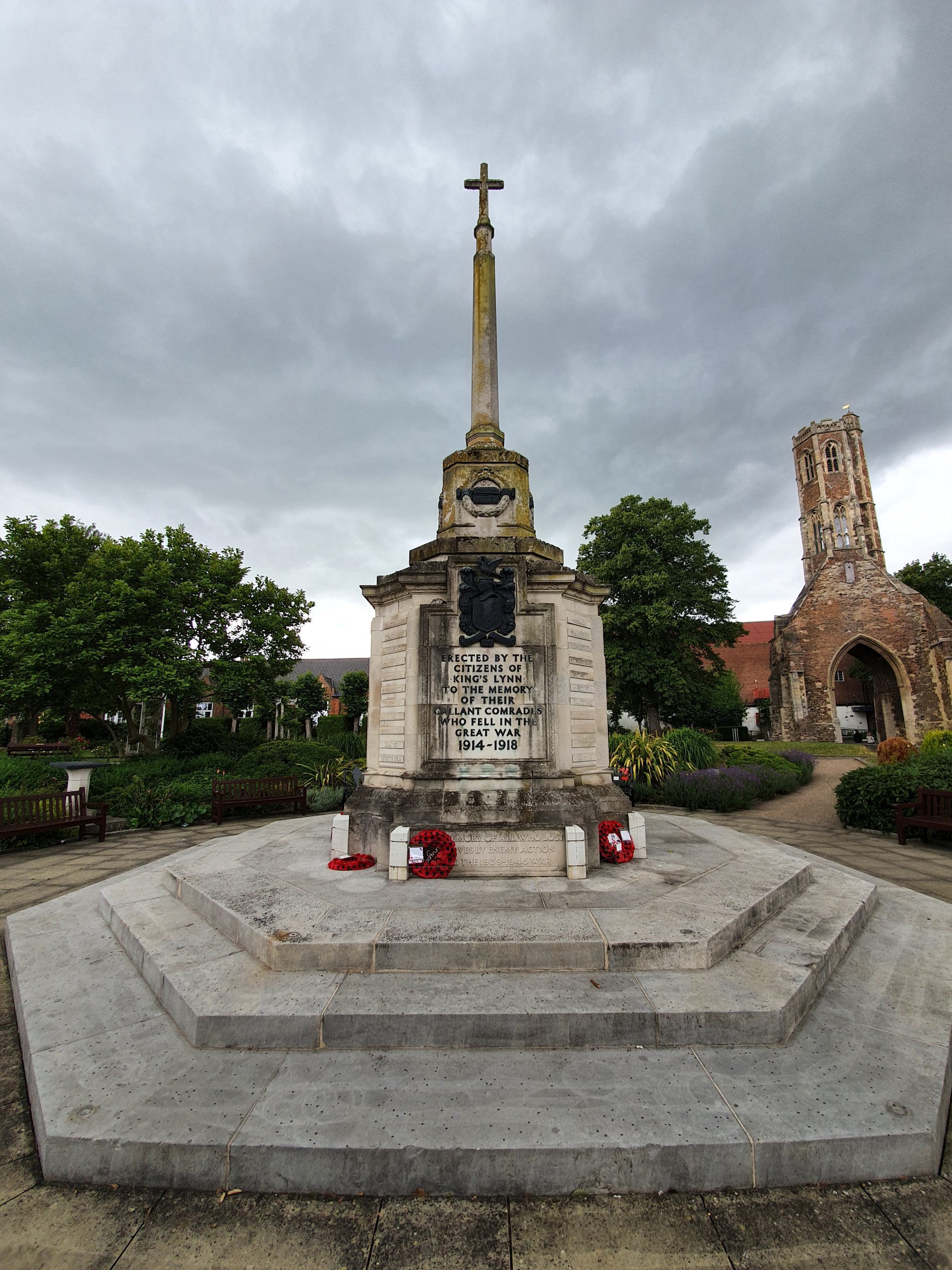
    Harry Leonard Aldren is one of the names on the war memorial in King’s Lynn.

    Born Henry Leonard Aldren on Saturday 18 December 1897, he was the son of Robert Aldren who worked as a carman and Mary Aldren. He was baptised on Thursday 13 January 1898 at All Saints church in South Lynn and the family lived in Gaywood.

    The school log exists of when Harry went to school at St Michael’s Church Of England School in South Lynn, which was on 3 October 1904. His family lived at the time at 10 Southgate Street and he remained at the school until 8 December 1905 when the records appear to suggest he went to school in Hunstanton. The school’s records are also a little wrong, they have him born on 18 December 1898.

    Any record from Hunstanton doesn’t seem to exist on-line, but the school log of Harry’s next school also exists, when on 22 October 1906 he went to St. Margaret’s National/Church Of England School in King’s Lynn. At that time, Harry and his family were living at 24 Albert Street and he remained at the school until 30 November 1911 when it was noted that he had left having found work.

    At the 1911 census, Harry was living at 8 Harrod’s Place, Providence Street in King’s Lynn with his mother Mary, who was listed as a widow. He was also living with his siblings Margaret (born in 1887, worked as a cook), Robert (born in 1889, worked as a farm labourer), Isabelle (born in 1891, worked as a general servant), John (born in 1896, worked as an errand boy), Edith (born in 1900, still at school), Bessie (born in 1903, still at school) and James (born in 1908).

    Harry joined the Norfolk Regiment to fight in the war, with service number 203713. He became a private in the 10th battalion of the Essex Regiment and changed to service number 203034, but he was sadly killed on 31 July 1917. His body was never found, but this was the first day of the Battle of Passchendaele, one of the bloodiest battles in history. Harry likely died at the Battle of Pilckem Ridge, the first stage of Passchendaele, which was where the 10th battalion was present.

    Harry is commemorated on panel 39 of the Menin Gate war memorial, a location I’ve been when they play the last post every evening, a haunting reminder of what happened in this area. He is listed as being 18 when he died, although he would have been 19. There are so many little bits of information wrong with regards to his service that I started to think there were two people of the same name, but I can’t imagine that’s likely. Harry’s service records also aren’t available, likely in the vast number that were burned following an air raid in the Second World War.

    Something appears to have also gone wrong though with the information provided by the Commonwealth War Graves, who list his next of kin as Robert and Hilary Aldren of 8 Harrod’s Place in King’s Lynn. I’m assuming that Hilary is just a mis-spelling of what was meant to be Mary. On a side note, and for a separate story, Harry’s brother John was also killed during the First World War.

  • King’s Lynn – War Memorial (List of Names)

    King’s Lynn – War Memorial (List of Names)

    This is a list of the war names on King’s Lynn’s war memorial, from the Imperial War Museum (IWM). I’ve left in the name of Herbert Doy, still on the IWM list, that was included in error and which was removed from the memorial. I’m hoping to write about a few of the names on here, although the death toll was so high from the town it’ll only ever be a small proportion of those who gave their lives.

    Adams, E W

    Ainger, W

    Aldren, H L

    Aldren, J C

    Allen, A A

    Allen, G

    Allen, S

    Allen, T N

    Anderson, C

    Anderson, J

    Anderson, T B

    Andrews, C H

    Armes, R L

    Armes, W M

    Arnell, R

    Ashby, G S

    Badcock, H J

    Bailey, A A

    Bailey, W H J

    Baker, S S

    Barber, F V

    Bardell, R J

    Barnaby, J

    Barnard, E A

    Barnard, P

    Barrett, J A

    Barrett, T W

    Barrett, W E

    Bartle, T

    Bartram, A H

    Bassham, R O

    Bates, W

    Batterbee, A J

    Batterbee, E R W

    Batterbee, R

    Beaty, G W

    Beck, B

    Belding, F E

    Benefer, G

    Bentley, J

    Bird, G E

    Blackburn, A H

    Block, E

    Bloom, H C

    Bloom, J E

    Blyth, J

    Blyth, W

    Bobbin, W

    Boldero, A J

    Bone, H

    Bonham, W D

    Bourne, W

    Bowen, J F

    Bowen, J W

    Bowker, F J

    Bowman, F

    Bracebridge, C A

    Bradfield, R C

    Bradfield, W L

    Braybrook, H E

    Bridges, J

    Brightmore, J C

    Brock, E V

    Brock, G

    Brooks, W J

    Brown, A

    Brown, E T

    Brown, J G

    Brown, S W

    Browning, G A

    Brunton, C

    Bunfield, W C

    Bunn, G

    Bunn, T

    Bunning, W H

    Bunting, C

    Bunting, D

    Bunting, E

    Bunting, W

    Burrell, F C

    Burton, C V

    Burton, E L

    Bush, W S

    Cannell, W G

    Carter, C T

    Carter, C W

    Carter, W E

    Catton, J C

    Causton, E E

    Cavell, J R

    Cawston, H J

    Chamberlain, J

    Chamberlain, W G

    Chaplin, E B

    Chapman, A E

    Chapman, A G

    Clarke, A

    Clarke, C

    Clarke, W

    Clover, H L

    Coates, A

    Cobbold, A G

    Collison, H T

    Connelly, J

    Cook, G S

    Cooper, C V

    Cooper, E C

    Cooper, J

    Cooper, R

    Corteen, W

    Coulton, A E

    Cowen, W C

    Crabtree, C

    Cracknell, E V

    Crake, B

    Creek, G F

    Creighton, B

    Cresswell, F J

    Crisp, W

    Crowe, H W

    Curley, W D

    Currey, E

    Cushing, A

    Dabb, H G

    Dabb, J G

    Davis, C

    Dawber, J H

    Dawson, G H

    Day, J W

    Dent, S O

    Depear, H J

    Dexter, L

    Dines, J

    Dixon, E

    Dobson, E W

    Docking, J

    Donger, T W

    Doy, H

    Doy, S M

    Drew, E

    Drew, G W H

    Dunbabin, J H

    Dunn, J

    Dye, W H

    Eagleton, S T

    Earl, W C

    Edwards, A

    Ellis, G R

    Ess, C R

    Evans, T A

    Fake, H

    Farr, J

    Fayers, T R

    Fendley, H C

    Fickling, A

    Finch, R G

    Finney, J R

    Fisher, G A

    Flanders, V

    Flanders, W

    Flegg, H

    Fox, B R

    Fox, D

    Fox, G A

    Fox, J F

    Franklin, D

    Franklin, H W

    Franklin, L F

    Froggitt, W G

    Fromow, E F

    Frost, F

    Frost, R H

    Fysh, G E

    Fysh, H

    Fysh, J W

    Fysh, W

    Gage, H T

    Gamble, E

    Gamble, E A

    Gamble, F H

    Gamble, W M

    Gardiner, E J

    Gardiner, F J

    Garland, V R

    Garnett, W

    Gash, G

    Gathercole, W J

    Gazley, J W

    Gazley, P G

    Gee, G

    Gilbert, A

    Gilbert, G

    Giles, F T

    Giles, J G

    Gill, J T

    Girdlestone, B

    Girdlestone, B F

    Goate, G F

    Goate, R T

    Golding, F

    Goldsmith, F

    Goodson, F J

    Gorden, R

    Granger, A F

    Granger, A L

    Green, A E

    Green, C W

    Green, E G

    Green, E J

    Green, H

    Green, J W

    Greenacre, H P

    Greenacre, W H

    Greeves, C

    Gribble, F

    Grice, H C Le

    Griffin, A

    Griffin, E

    Griffin, E

    Griffiths, W

    Griffiths, W S

    Grimes, G W

    Gunns, F W

    Guy, E W

    Guy, F T

    Hall, F

    Hall, R W

    Hammond, C

    Hammond, H W

    Hammond, R

    Hampston, W

    Hamson, A W F

    Hansell, F J

    Harbage, T W

    Hardy, A G

    Hardy, E J

    Harris, J B

    Harrison, E G

    Harrison, F W G

    Harrison, G W

    Harrison, L G

    Hart, A T

    Hart, H

    Hart, W W H

    Haverson, L

    Heil, S

    Hendry, P R

    Heseltine, F

    Hewitt, J H

    Hitchcock, F N

    Holmes, A A

    Holmon, J J

    Holroyd, W

    Horsley, H E

    Howard, C

    Howard, C E

    Howard, H S

    Howard, J W

    Howell, R

    Howlett, J

    Howlett, R

    Hudson, G E

    Hughes, J

    Humphrey, W L

    Hunt, D

    Jackson, A H

    Jackson, G R W

    Jacobs, C H

    Jacobs, D A

    Jacobs, W G

    Jarvis, H J

    Jary, S R

    Jennings, H J

    Johnson, A V

    Juby, J S

    Juby, S A

    Juniper, A F

    Kelly, E H

    Kemp, H

    Kendle, F E

    Kent, W

    Kew, W E

    King, G

    King, W E

    Knight, F N

    Knight, S

    Knights, C W

    Lake, C W

    Lake, W

    Lambert, E C

    Lancaster, R

    Langford, A F

    Leaford, C

    Lee, J S C

    Leeder, A

    Leggett, A

    Lester, J N

    Lewis, A

    Lift, A L

    Lincoln, A T R

    Link, F J

    Link, O L

    Little, A V

    Lovell, T A

    Lusher, W H

    Lyon, A E

    Lyon, E

    Main, F W

    Major, E F

    Major, J G

    Mann, A

    Manning, A

    Manning, H F

    Marriott, E

    Marsters, E

    Marsters, F A

    Marsters, H S

    Marsters, J V H

    Mason, S A

    Massingham, J

    Mayes, F

    Mcclune, S

    Mclean, P D

    Mears, A E

    Mears, F

    Mears, F H

    Medlock, B

    Medlock, F

    Medlock, W J

    Meggitt, E M

    Meggitt, F C

    Meggitt, R D

    Middleage, J

    Mindham, J T

    Minister, G

    Mitchell, W

    Mitchell, W G

    Mitchelson, F

    Mitchley, S R

    Moates, H

    Morgan, W C

    Morley, J S

    Morris, W B

    Morriss, E

    Moy, J

    Murrell, A

    Myers, C

    Neale, A

    Neale, R H

    Neave, W R

    Nelson, C J

    Newdick, G E

    Newman, R H

    Nichole, H G

    Nicholls, E

    Nuccoll, H W

    Nuccoll, T

    Oakes, D E

    Oakes, E J

    Oakes, H G

    Ollett, J W

    Osborne, H

    Overland, E

    Overton, E

    Owen, T A

    Owen, T E

    Oxbury, M

    Page, H

    Palfrey, F A

    Park, A

    Partridge, R H

    Patrick, C B

    Patterson, A W

    Patterson, L V

    Patterson, R G

    Pattrick, A D

    Pearman, W F

    Pells, J W

    Percy, E D

    Ping, W R W

    Pishorn, F

    Pitcher, G W

    Pitcher, J H

    Pitt, C A

    Plain, H H

    Plain, J T

    Playford, J E

    Plowright, W

    Priestley, D S

    Pryke, E W

    Pyshorn, G F

    Quinee, E C

    Raper, W T

    Rasberry, R

    Rasberry, W

    Rayner, J

    Read, E D

    Ream, A D

    Reed, F W

    Reed, R J

    Richardson, A

    Riches, A W

    Ringwood, G

    Robinson, C S

    Robotham, J F

    Rodgers, H G

    Rogers, C

    Rogers, C

    Roper, C

    Rose, G

    Rose, J

    Rose, T

    Rowe, J F

    Rowe, W T

    Rust, G A

    Scott, J R

    Searle, G W S

    Shaw, P

    Shaw, W V

    Sheaman, E

    Shearman, E T

    Shearman, W

    Shears, G

    Shirley, J

    Shreeve, G

    Simmonds, P G

    Slater, W J

    Slegg, W G

    Smith, B A

    Smith, D W

    Smith, F W

    Smith, G T

    Smith, H W

    Smith, S O

    Smith, W

    Smith, W

    Snelling, E T

    Sparkes, H

    Spreckley, F A

    Staley, J

    Stalham, A

    Stanford, W

    Stannard, S E

    Stebbings, F J

    Stephenson, A H

    Stephenson, C

    Stevens, H C

    Stevens, S J

    Steward, H J

    Stokes, M K

    Suggett, F E

    Taylor, A W

    Taylor, T G

    Taylor, W

    Terrington, C E

    Terrington, F R

    Terry, R

    Thorley, R T

    Thorpe, C

    Tice, W G

    Tilson, W

    Towler, H

    Trenowath, W

    Tullett, W A

    Turnbull, J G

    Turner, A G

    Turner, R

    Tweedy, R V

    Tyzack, W H

    Valentine, J W

    Varney, H

    Wagg, A

    Wagg, B

    Wagg, H S

    Wagg, J

    Wagg, P

    Wakefield, A H

    Walker, H A

    Walker, R

    Walker, S

    Wallis, R

    Wanford, A J

    Ward, A G

    Ward, J W

    Ward, S A

    Wardby, W

    Warnes, D H

    Watkins, A R

    Watling, G V

    Watling, L E

    Watson, C R

    Watson, F

    Watson, H B

    Watson, H J

    Watts, H S

    Watts, V G

    Watts, W H

    Webb, T

    Webster, G V

    Webster, P

    Weldrick, A E

    Welham, W F

    Wellsman, C

    Wenn, R W

    West, F W

    West, G

    Westfield, R

    Whitrick, W

    Whomes, T W

    Wildbur, S A

    Wilkin, G H

    Wilkinson, J G

    Williams, E E

    Williamson, J T

    Willimott, H H

    Winch, E L

    Witt, J H

    Woodby, J

    Woodhouse, C R

    Woodhouse, G W

    Woodwark, E R

    Wright, A

    Wright, P R

    Wright, R

    Wright, R C

    Wright, W

    Wright, W P

    Younge, G H

    Younge, H O

    Youngs, J W

  • Skeyton – War Memorial

    Skeyton – War Memorial

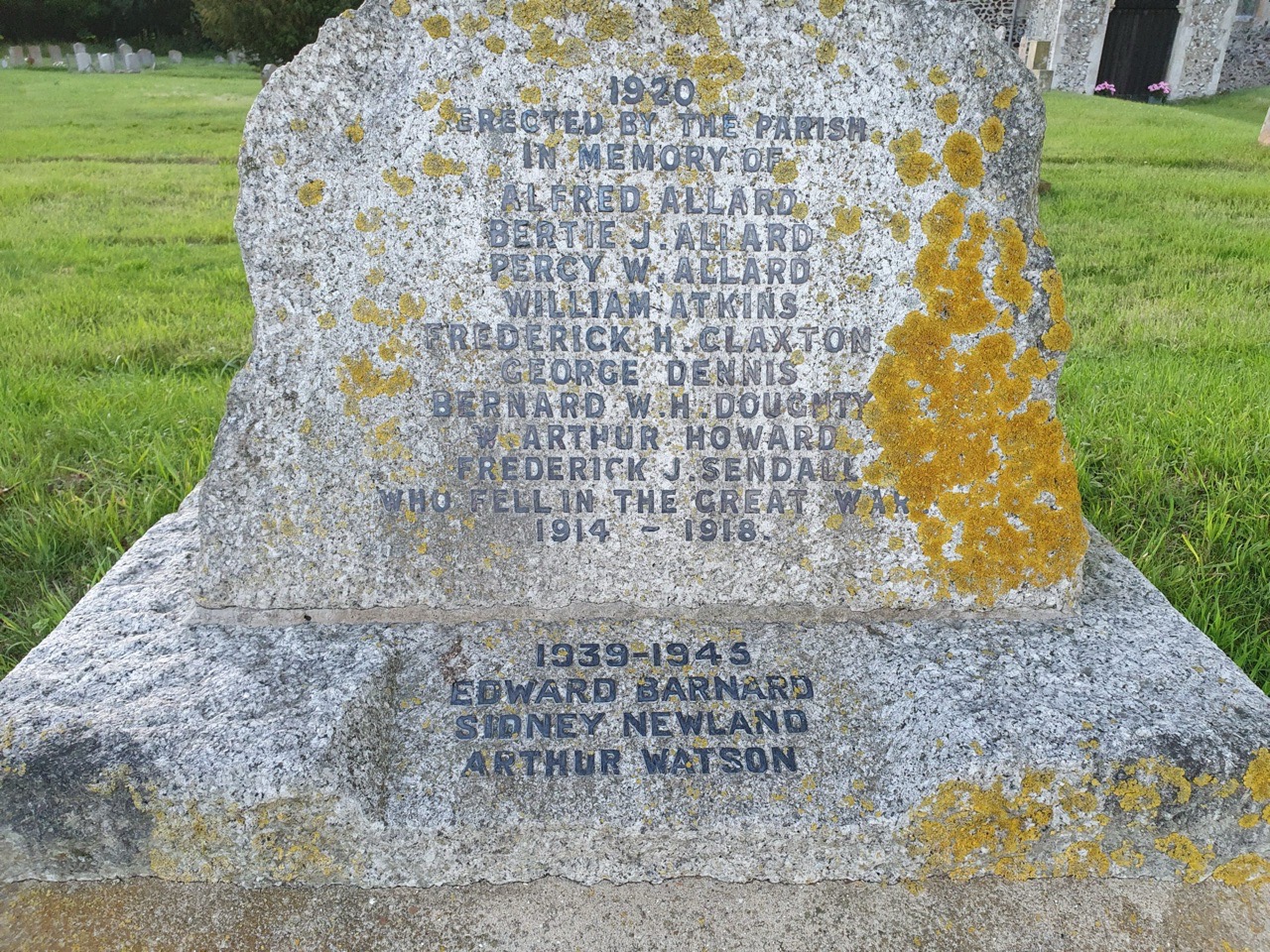
    Skeyton’s war memorial is located in front of the village church, commemorating the nine men who lost their lives in the First World War and the three men who lost their lives in the Second World War. The memorial is a listed monument and is in the form of a Celtic cross with the image of a sword.

    Perhaps the most noticeable element of this war memorial are the three Allard brothers who died during the First World War, although more on them in a separate post. The memorial was installed here in 1920 and for friends and relatives of those who had died, this is all that they had because bodies of the dead weren’t brought back.

  • Caistor St Edmund – War Memorial (Walter Ellis)

    Caistor St Edmund – War Memorial (Walter Ellis)

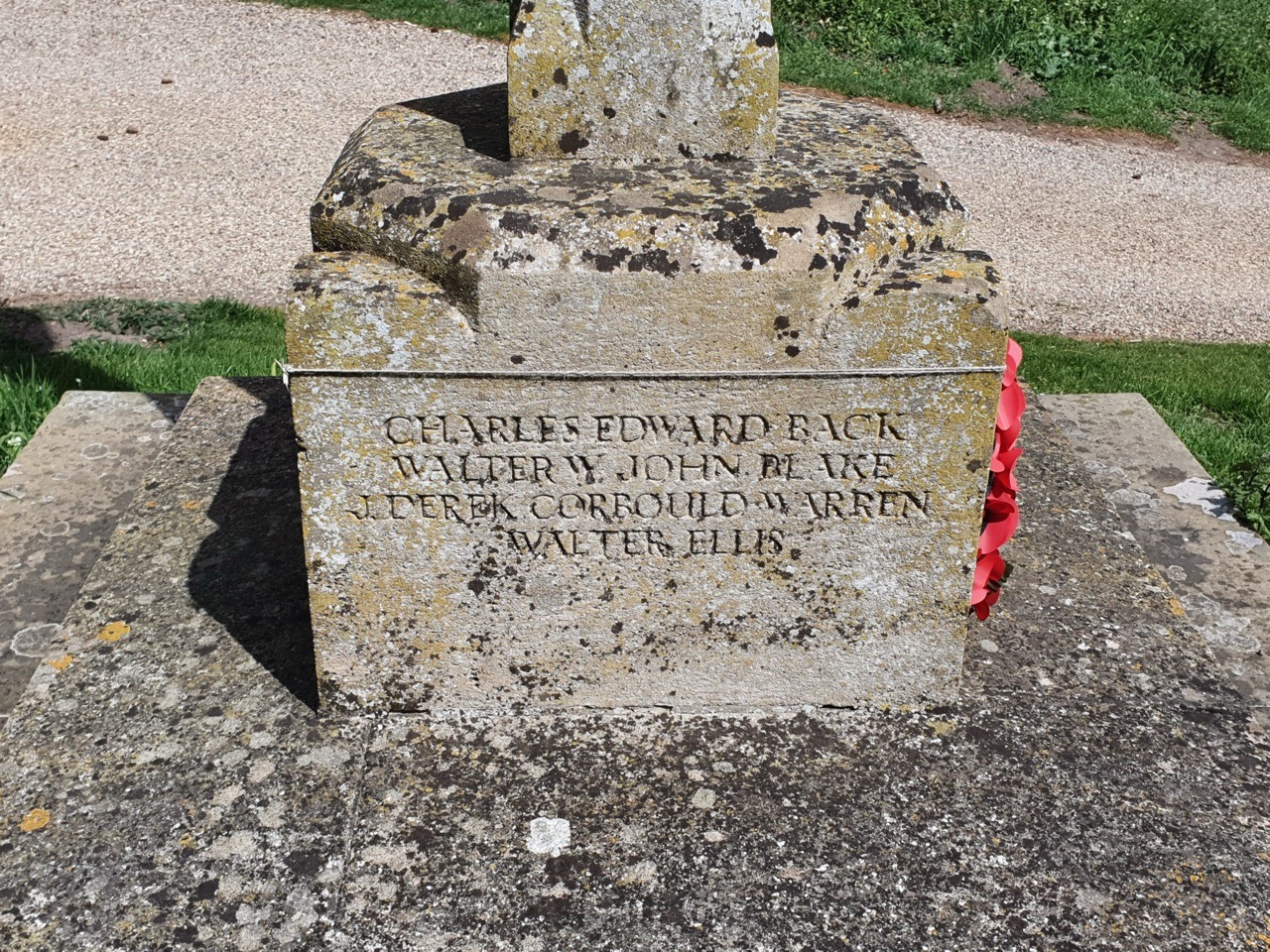
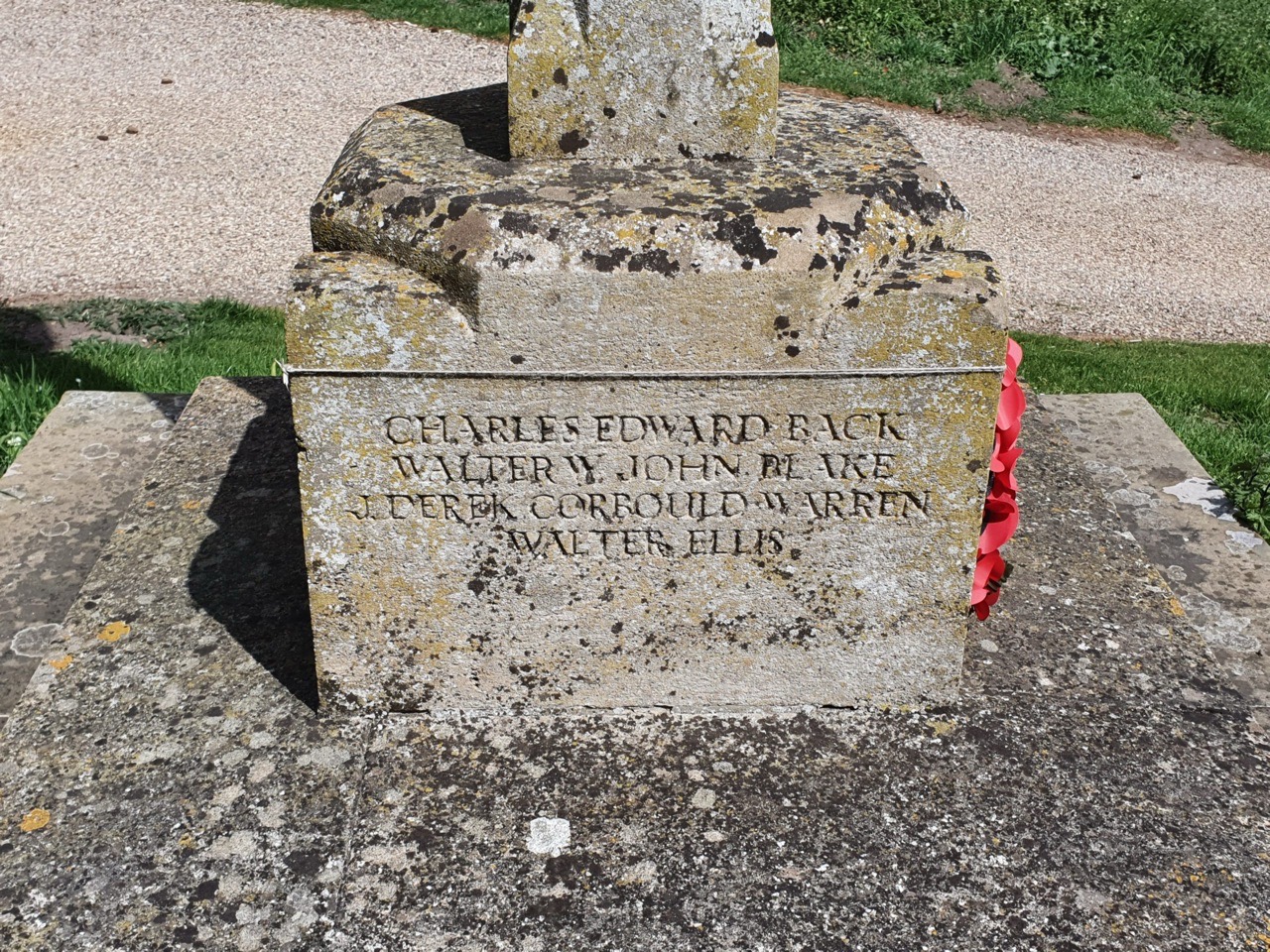
    Walter Ellis is one of the names listed on the war memorial in Caistor St Edmund.

    Walter Ellis was born in 1897, the son of George and Eliza Ellis who lived in Markshall which is effectively part of Caistor St Edmund. He joined the 5th Battalion of the Norfolk Regiment and was killed in action in Palestine, on 19 April 1917.

    There was a major action, which was the Second Battle of Gaza, which took place between 17 and 19 April 1917 between the British Empire and France against the Ottoman Empire and the Germans. The 54th (East Anglian) Infantry Division were part of the military force, with the Norfolk Regiments losing a large number of men.

    I’m not sure that Walter lies entirely at peace at Gaza War Cemetery, which is in the troubled Gaza Strip and which has been damaged twice by Israeli bombs over recent years, although they paid for the repairs to be completed to the graves. He’s a long way from home here in a place that he perhaps hadn’t even heard of when he was sent to fight there.

  • Caistor St Edmund – War Memorial (J. Derek Corrould Warren)

    Caistor St Edmund – War Memorial (J. Derek Corrould Warren)

    J. Derek Corrould Warren is one of the names listed on the war memorial in Caistor St Edmunds.

    John Derek Corbould Warren, who was known as Derek, was born in Surrey in 1899, the son of the Rev. John Corbould Warren of Caistor Hall and Agnes Elizabeth Corbould Warren. This was a wealthy family, and although the father was the vicar, he was actually also the Lord of the Manor and owner of much of the village. There was a set-up at the time where the land-owner could appoint whatever vicar that they wanted, hence his appointment was likely partly self-awarded. But, more about him in another post, as he was one of the most important figures in the village over the last century.

    Derek was killed at the age of 18 following a riding accident whilst training at Sandhurst, dying at Surbiton Cottage Hospital on 10 July 1917. His name doesn’t appear on the Commonwealth War Graves web-site, likely because the circumstances of his death meant that his body could be brought back to be buried in the churchyard at Caistor St Edmund. He joined the army early on during the war, serving as a cadet at the Royal Military Academy in Sandhurst. It must have been a difficult day for his father, the Reverend John Corbould Warren, as when he conducted the service at the unveiling of the war memorial in 1922, he knew that his son’s name was on it. Derek was his only son, although he had a daughter, Enid, who later married and lived at Caistor Hall.

  • Caistor St Edmund – War Memorial (Walter John Blake)

    Caistor St Edmund – War Memorial (Walter John Blake)

    Walter William John Blake is one of the names listed on the war memorial in Caistor St Edmund.

    Walter served in France and Flanders during the First World War, dying of his wounds on 29 March 1918 at the age of 19. He was born on 26 November 1898 and was the son of Mrs Eliza Blake, who lived in Hall Cottages, Wacton Common in Long Stratton.

    In the 1911 census, he was living in Kimberly, near Wymondham, when he was listed as being a 12-year old still at school, living with his younger brother Leonard who was aged 9, along with his mother Eliza and his father Walter Blake, who was a farm labourer.

    He’s commemorated today at the Pozieres Memorial, which is around five miles from the French town of Albert.  There are 14,700 casualties recorded here and many of those are listed only on a panel as the bodies were never recovered, but they were men in the Allied Fifth Army (renamed the Fourth Army on 2 April 1918) which was driven back by the Germans. As Blake is listed only on a tablet, I’m assuming that his body was never found.

    I haven’t ascertained where he lived before going to war, it must have been in the village as I can’t see any other connections that he had to Caistor St. Edmund.

  • Caistor St Edmund – War Memorial (Charles Edward Back)

    Caistor St Edmund – War Memorial (Charles Edward Back)

    Charles Edward Back is one of the names listed on the war memorial in Caistor St Edmunds.

    Charles Edward Back was a rifleman who died at the age of just 20 on 20 September 1917, having started his military career serving in France in 1915. He was born in Poringland, the son of John Back, and they both worked as herdsmen (or cowman as John was listed as in the 1911 census). In that 1911 census, Back was aged 14 and was working as a yard boy, and he lived with his sister, Mabel Anne Back who was aged 12 and was a schoolgirl.

    Going back to the 1901 census, Charles and Mabel were listed, with John as the head of the household, along with Frederick Robert, who was aged 12 at that time (Charles was listed as being 4, Mabel as 2). Sadly, Frederick Robert also died in the First World War, dying in Thessaloniki in 1918.

    Rolling back further to 1891, it was clear that this was a bigger family than I had at first thought. For the first time, John Back’s wife is listed, Elizabeth Jane Back, with John working as a gardener at that time. There are also more children on the census list, Fanny aged 13, George Harry aged 11, Maud aged 9, Emma aged 2, as well as a 2-year old Frederick Robert. As well as all of these, in the census before, Albert and Kate were listed.

    So, something went wrong between 1891 and 1901, and it transpired that Elizabeth Jane Back died in 1895, at the age of just 46. So, I’m not sure who the mother of Charles Edward Back was, and although I can take a stab at that answer by looking at the 1901 census, guessing parentage doesn’t feel entirely appropriate.

    Back to Charles and the First World War. Since he is buried at Tyne Cot, that means he would have likely been involved with the Battle of Passchendaele, with the date of his death suggesting he was involved with the Battle of the Menin Road Ridge meaning he was one of 20,255 people dying in that battle.

    The above photo is taken on the day that Charles died, at the same location, although the photo shows a different regiment.