Tag: St. Peter’s Church

  • Great Yarmouth – St. Spyridon Church (St. Peter’s Church)

    Great Yarmouth – St. Spyridon Church (St. Peter’s Church)

    [I originally posted this in September 2018, but have reposted it to fix the broken image links]

    20180830_172009

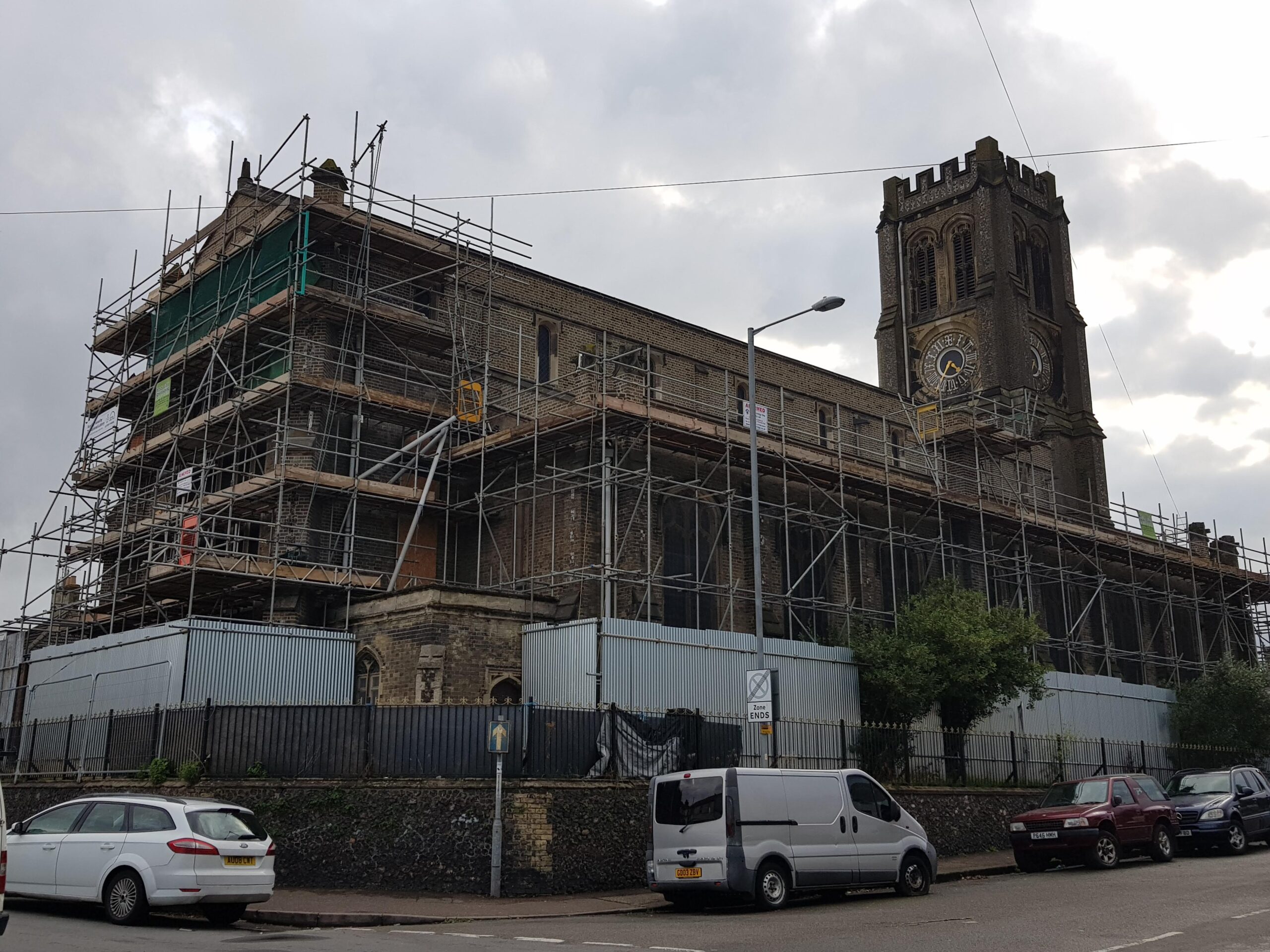
    It has to be noted that the state of Anglican churches in Great Yarmouth isn’t what it was, with perhaps most of the energies in recent decades going into the Minster. This church was opened in 1831 as St. Peter’s Church, designed by JJ Scoles, who also designed the nearby St. Mary’s Church.

    The church fell into disuse in the 1960s and it was given to the Greek community to use as an Orthodox church. It was fortunate for the building that a new use was found, as this was at a time when churches were often demolished if they had become redundant.

    20180830_171911

    The building is currently being repaired and the process has been on-going for several years. English Heritage have helped with the funding, but it has also been a major financial challenge for the local congregation to raise money themselves to put towards the project. The first part of the work involved repairing the tower, which had become a danger given that bits were falling off of it, never an ideal situation…..

  • Ridlington – St. Peter’s Church

    Ridlington – St. Peter’s Church

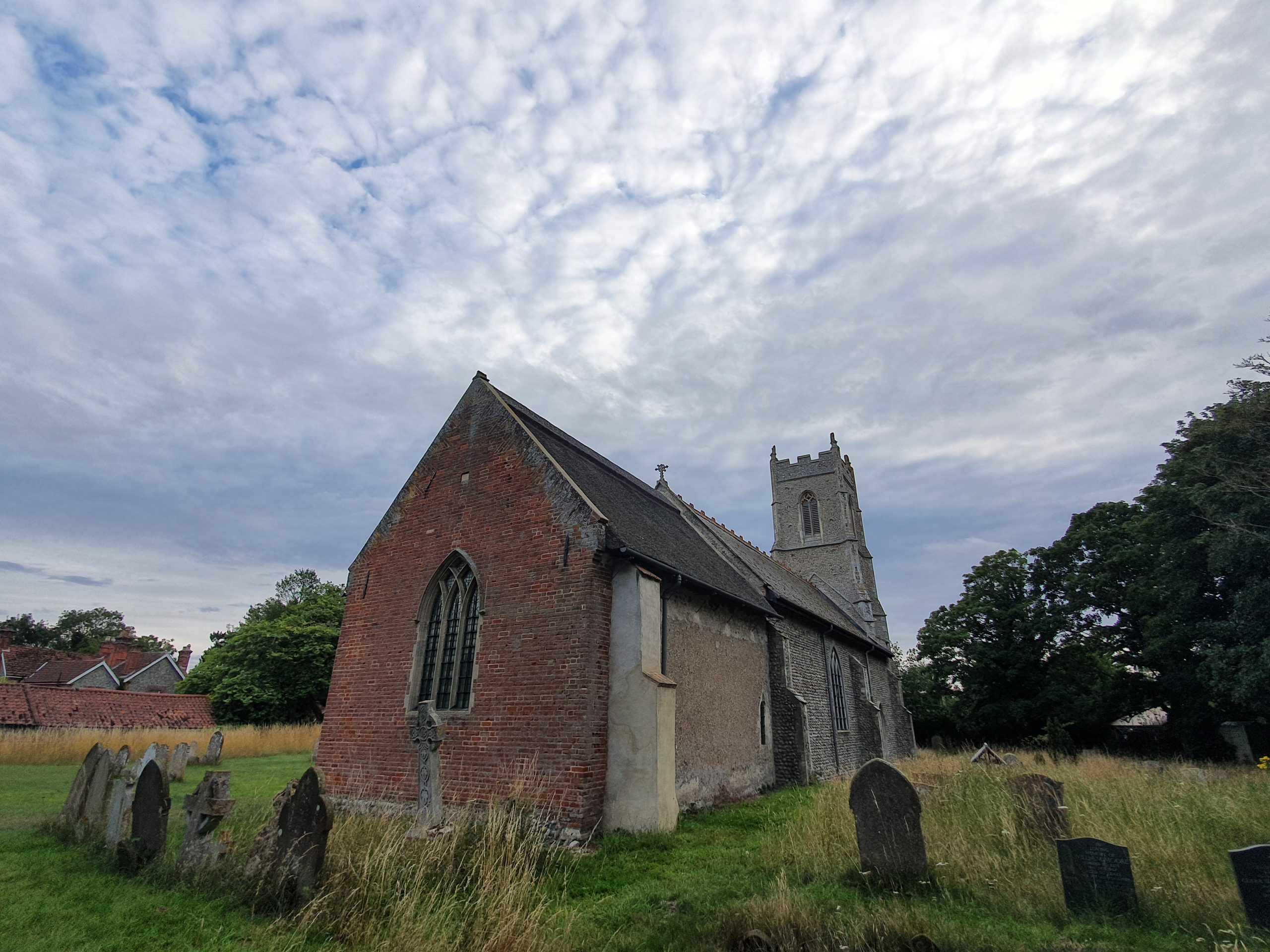
    Ridlington’s church is located nearby to the glorious churches of Witton and Crostwight, but this one didn’t seem to me to have quite the magic and quirkiness of those buildings. The current building mostly dates from the fifteenth century if the listed building record is to be believed, although there would have been something here before then, with substantial changes made both internally and externally during the Victorian period. The church still has its thirteenth-century font, a reminder of its earlier existence.

    In 1760, the church was rebuilt with red brick at one end which was to protect the structure. The chancel floor started to collapse in 2001, with an investigation finding that the Victorian restoration had reused stone and medieval tiles in its repair, but this had been laid above unprotected wet ground. There was once thatching to both the nave and chancel, although this roofing now only remains in the latter and the church mentions that it’s one of the few remaining which has reeds from the Norfolk Broads.

    The three-stage tower is also fifteenth-century, the previous incarnation of the church may well though have had a round tower.

    The church’s own web-site gives an earlier date for the construction of the church, suggesting that the nave was built in the early fourteenth century and the chancel was completed later on in the fourteenth century. I’m not very good at dating walls so I’m happy with either date.

    The south porch, where the church has at least filled in the empty niche where the previous statue was likely removed following the Reformation.

    One other interesting snippet from the church is that some of the stained glass windows were blown out during the First World War when a Zeppelin attacked on 24 April 1916. I suspect the locals must have considered themselves quite unfortunate to have suffered that slightly random attack, especially as it also partly damaged the chancel end of the church. Although at least no-one was injured, or no human at least, as a bullock was killed during the raid. The Zeppelin used during the raid was L23, which had been brought into service on 8 April 1916 and which survived until it was shot down over the North Sea on 21 August 1917.

  • Brunstead – St. Peter’s Church

    Brunstead – St. Peter’s Church

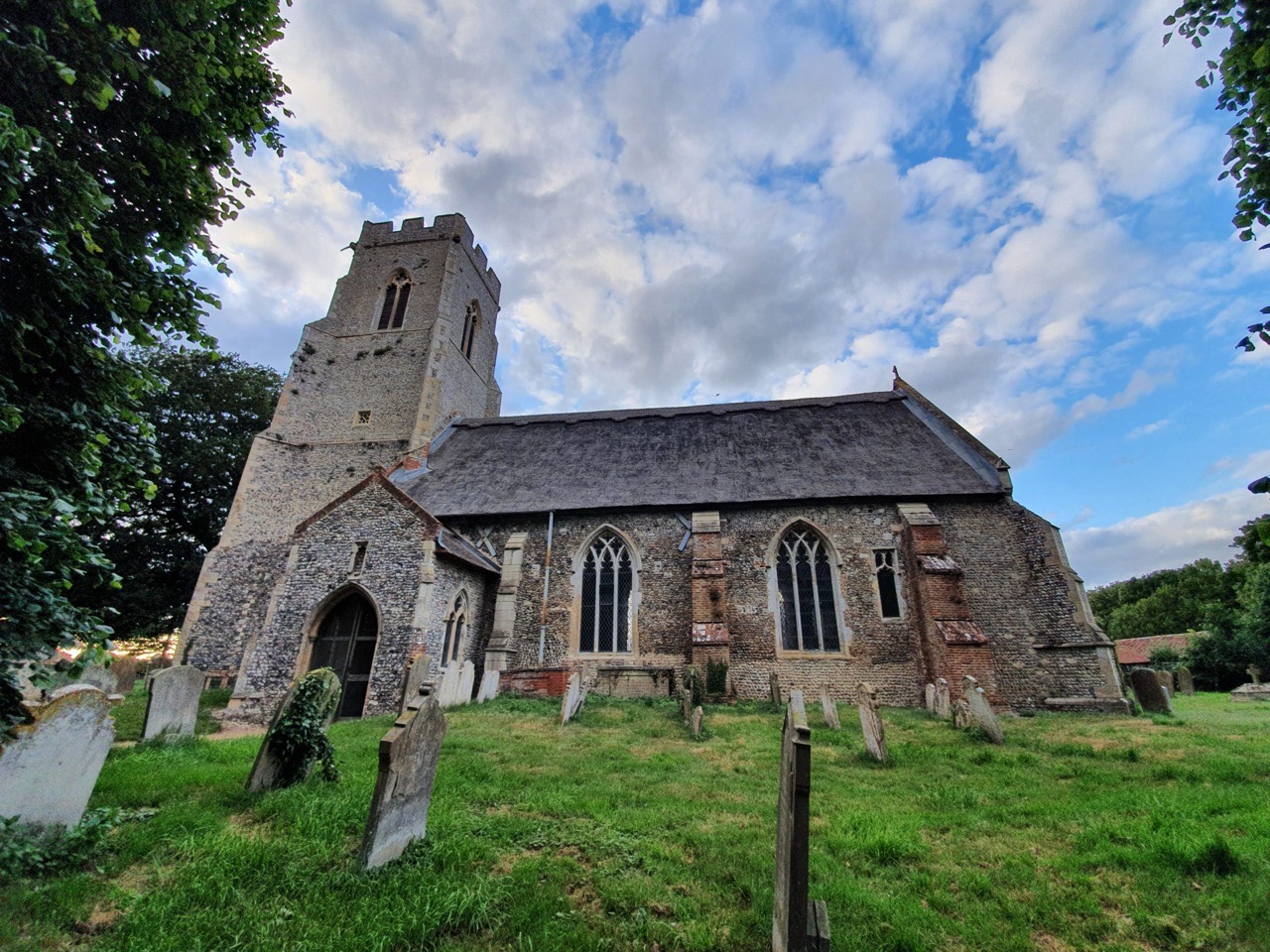
    Although there are some farm buildings by this church, there’s not much else and this is another location that feels just a bit trapped in time. The church feels a little uncared for as well, it needs the foliage taking out of the tower and it doesn’t feel like a building that is much visited. But, it’s easier to feel a connection with the past with structures like this, whereas nearby Stalham church felt a bit too neat and regimented.

    The church was originally thatched and the main body of the church dates to the fourteenth century, although the tower is fifteenth-century. The porchway is also contemporary to this period and the niche above the door seems to have been empty for some time.

    Incidentally, it’s not clear to me whether this village should be spelt Brumstead or Brunstead, as both seem to be acceptable. However, the village sign near the church says Brunstead and so that’s what I’m going with. Historically, the word Brunstead appears far more than Brumstead, which makes me feel that I’ve made the right choice.

    I puzzled over why the church was so full of character and history, other than this end wall at the east of the building. The listed building record explains why, that’s because they pulled the chancel down in the 1820s and sealed that wall off. It seems that the chancel was taken down before it fell down, but it has created something of a disharmony to the building.

    The buttressing here isn’t subtle, very much laid into the fabric of the church and it doesn’t fit in very much aesthetically. But, I think it adds great character.

    There’s something quite haunting about this church, still proudly standing, although it feels like it needs some support in all senses of the word.

    I look forwards to being able to get inside the church in the future and I’m intrigued by a newspaper article from 1867 which talks about the great excitement there was when an old wall painting was discovered which was of the seven deadly sins. There seems no mention of this in the official listed record, so I’m wondering whether this mural has been lost.

  • Hoveton – St. Peter’s Church (George Neave)

    Hoveton – St. Peter’s Church (George Neave)

    The grave of George Neave (1803-1871) is in the churchyard of St. Peter’s Church in Hoveton. He was born in Smallburgh and he spent his life working as an agricultural labourer, initially living in Neatishead. George was listed on the 1841 census, living with his wife Elizabeth in Cangate Common in Neatishead, along with his 12-year old daughter Mary, his 10-year old daughter Clarisy, his 7-year old son William, his 5-year old son James and his 1-year old daughter Emily.

    In 1851, George was living with Elizabeth, as well as with his 16-year old son William, who worked as an agricultural labourer, his 12-year old daughter Emily, his 9-year old daughter Emma, his 6-year old daughter Sarah Ann, his 5-year old daughter Susan, his 1-year old daughter Jane, and his grandson William, aged 5. All of George’s children, and his grandson, had been born in Neatishead. Looking through the burial records at Neatishead, there is a 3-year old, Ann Neave, recorded as having been buried in the church in 1858 and this could have been one of George’s children.

    In 1861, George was living with Elizabeth, along with his 16-year old daughter Sarah, his 14-year old daughter Susan and the new-born George, who was George senior’s grandson. Unlike the others who had been in Neatishead, George, the grandson, had been born in Salhouse. That must have seemed just a little bit exotic….

    By the 1871 census, he was listed as living near the Common in the village, along with his wife Elizabeth and Hannah Hales, a servant out of situation. A few months after the census was taken, George died at the age of 68.

    George’s entry in the burials register for the church, the vicar was from the local Blofeld family of Hoveton Hall and the burial took place on Tuesday 30 May 1871. Elizabeth, his wife, was buried with George following her death in 1889, at the age of 85.

  • Hoveton – St. Peter’s Church (Solomon Hannant)

    Hoveton – St. Peter’s Church (Solomon Hannant)

    The grave of Solomon Hannant (1821-1901) is in the churchyard of St. Peter’s Church in Hoveton.

    At the 1841 census, Solomon was listed as being a farm labourer, although I can’t find him in the 1851 census (not that I’ve looked very hard). But there’s something interesting in the 1861 census, as a large family has formed:

    Solomon Hannant (40-year old agricultural labourer)

    Maria Hannant (37-year old housewife, born in East Ruston)

    George Hannant (13-year old agricultural labourer, born in East Ruston)

    Hannah Hannant (11-year old, at school)

    Harriet Hannant (9-year old, at school)

    Robert Hannant (6-year old, at school)

    Sarah Hannant (3-year old)

    Benjamin Hannant (1-year old)

    Solomon Hannant (81-year old pauper, born in Worstead)

    By the 1871 census, the family were living on Common Road in the village and Solomon, Maria, George, Robert, Sarah, Benjamin and Emily were living at home. Solomon (the elder) died at the age of 84 and was buried at the church on 24 March 1864. At the 1881 census, the children had all left home, other than Benjamin who was aged 21 and was working as a carpenter’s apprentice.

    By the 1891 census, Solomon and Maria was living on Plantation Road in Hoveton St. Peter and by now they were living alone. By 1901, Solomon and Maria were living at Upper Street in Hoveton, along with Sarah Hannant who was still single and by now was aged 43. By the time of his death, Solomon was paying £5 per year rent on his home, which is around £500 per year by today’s money and this is perhaps a sign of how much things have changed.

    And, with a touch of pathos, here is the burial register for St. Peter’s Church. Solomon was buried on 10 May 1901 and the next burial at the church was that of Maria, on 23 December 1901.

  • Hoveton – St. Peter’s Church

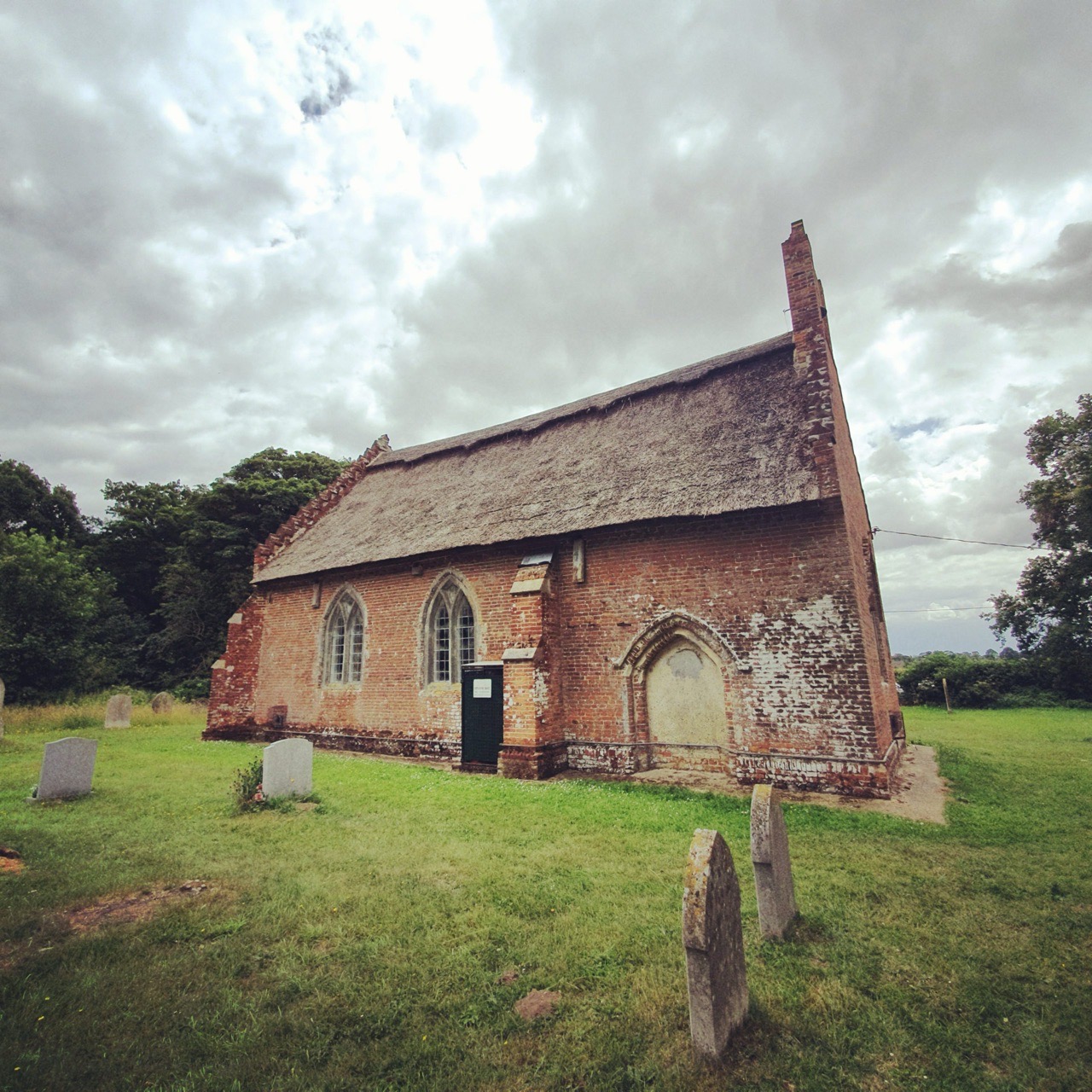
    Hoveton – St. Peter’s Church

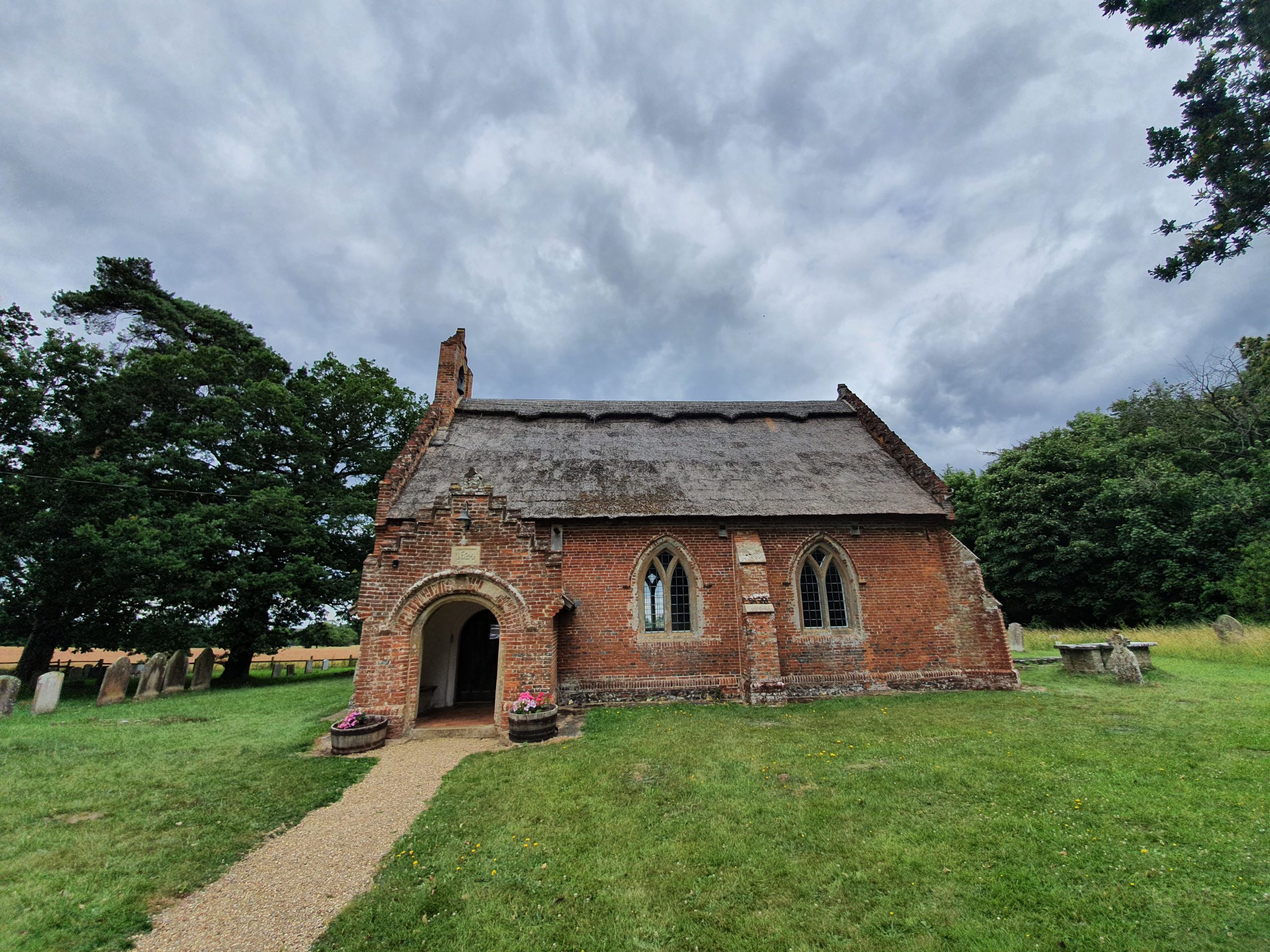
    Unusually, this church was built in the early part of the seventeenth century, in 1624. Its location, near to Hoveton Hall, seems to suggest it was more constructed for the country house rather than for the people of Hoveton. They also didn’t need a church, they already had St. John’s which was actually near to the settlement of Hoveton.

    There is the possibility that the settlement of Hoveton St. Peter might have been larger and once had a church of its own, but no-one is quite sure where this might have been located.

    The building itself was ‘modernised’ internally in the 1880s, but externally, the church is nearly entirely unchanged since it was built.

    The only change to the building is that the north door has been blocked, but the thatched roof remains and this feels like a little bit of a hidden treasure in the Norfolk countryside.

  • Riga – St. Peter’s Church

    Work on the first St. Peter’s Church started in 1209 and its stone construction meant that it survived a fire which destroyed most of the buildings in the city. The church was extended in the fifteenth century, but the Reformation had a big impact on the city and mobs of angry locals damaged the city’s churches. The Lutherans took over the running of St. Peter’s, although by that time the old altarpiece had been destroyed.

    Martin Luther, the great religious reformer. Although he said that followers of his beliefs shouldn’t call themselves Lutherans, that remains the name of the church today.

    The grand nave. Although the walls survived, the roof was destroyed during the Second World War, so this replacement dates from the 1950s and 1960s.

    The altar. One thing that I did like is that they had blocked off access to the rear of the nave by putting seating there, which pushed people around the aisles of the church. This gave the advantage to those who wanted to go and sit in the nave to have a slightly quieter environment, rather than sit by every man and his goat traipsing down the aisle taking photos.

    Some of the old stonework. Given the number of collapses the building has suffered, the church probably has rather a lot to choose from.

    The church is known for the rooster which tops its tower and the current one is the seventh, with the first having been installed in 1491. This is the sixth rooster, which was in position between 1690 and 1941.

    This is the tombstone of Andreas Knopke, who was the first preacher at the church who supported the reformation. Knopke lived from 1468 until 1539 and the tombstone looks a bit black as it was damaged by fire in 1721.

    This is the Chapel for the Victims of Repression, with the sculpture, and I quote, “symbolising the unbroken spirit of man tending upwards while the horizontal images represent the road of suffering covered by people”.

    Personally, I thought that this art display got in the way of seeing the building’s architecture and it added little of interest to me, although I’m sure that others thought it was intriguing.

    I do wonder whether those plugs really need to be there on the left-hand side…. It’s the memorial to Franz Ringenberg (1584-1611) and the relief on the left represents justice and the relief on the right represents finance.

    A wooden reconstruction of the cathedral’s spire.

    The Roland statue, this one dates from 1894 and is made from sandstone. It’s a sign of the city’s independence and there’s a particularly impressive older Roland statue in Bremen. This statue was mounted in the Town Hall Square in 1896 and it remained there until the middle of the twentieth century, by which time it had become quite worn by the elements.

    There was a charge of €3 for entry to the church and a charge of €9 for going to the top of the tower in a lift. I didn’t feel need to spend that much money to look at Riga in the rain, so I just looked around the church. It’s also a ridiculous sum on the grounds that €2.50 is the hourly minimum wage in Latvia, so a local would need to work for over three hours to pay to go to the top of the tower. For a church based on Lutheran principles, it’s perhaps not entirely ideal, especially when considering that there are no doubt many Latvians who would like to take their children to the top of the tower. I think I’m becoming ever more socialist…..