
Tag: St. Michael’s Church

  • Pitsea – St. Michael’s Church

    Pitsea – St. Michael’s Church

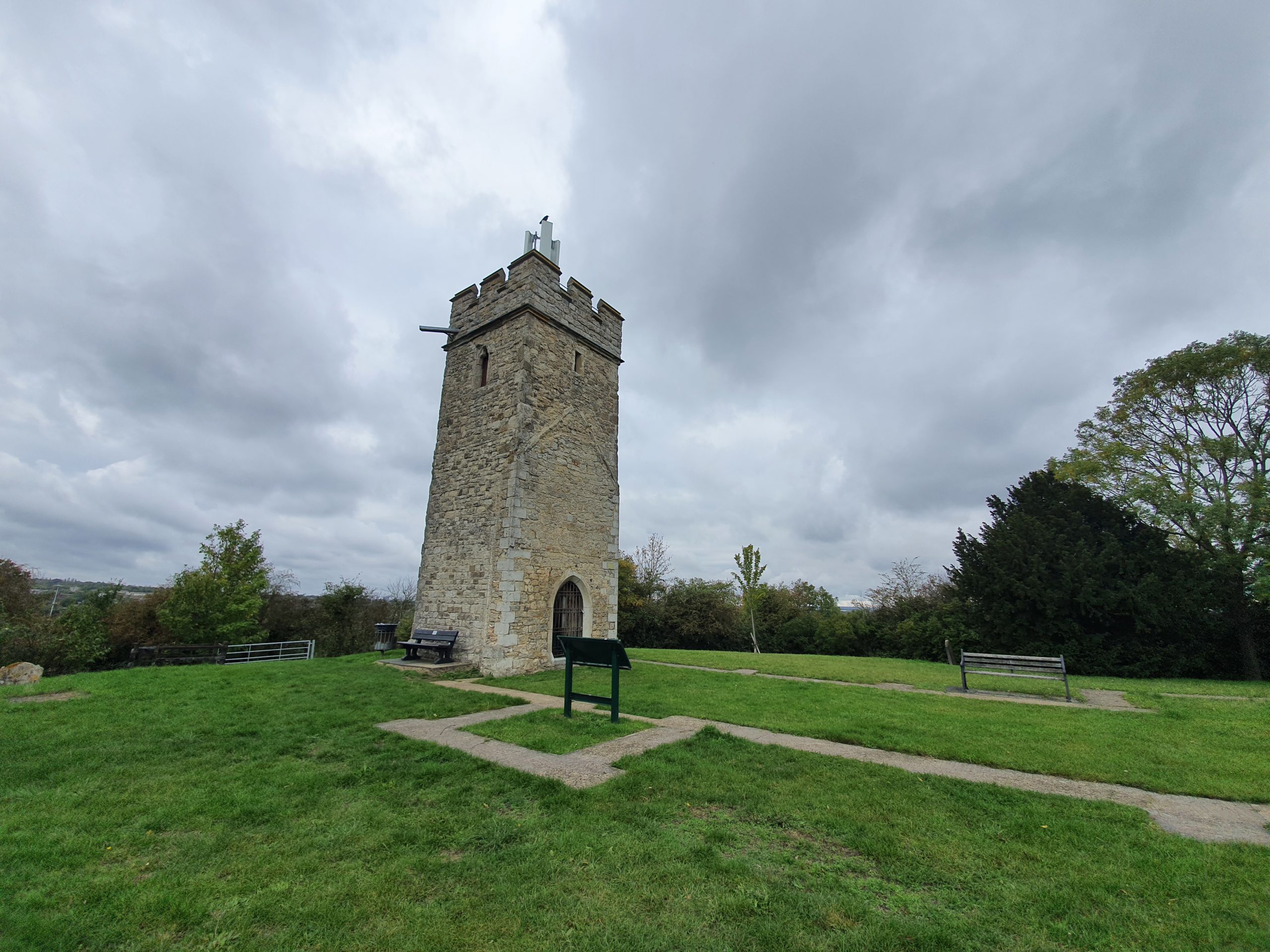
    The Basildon and Pitsea area doesn’t have many listed buildings and the situation here is a little unfortunate, as in the 1980s they knocked down most of what was potentially one of the most interesting buildings. St. Michael’s is located on an elevated position overlooking the local countryside, it’s a medieval church and there has been a religious building here since at least the twelfth century. The church was declared redundant in March 1983 and soon became mostly derelict. In the 1990s, Orange Telecommunications eyed up the tower for a phone mast and knocked the rest of the church down, primarily as it was falling down anyway. Apparently the building materials have been moved into storage, although I can’t imagine who is monitoring that and where the bits are.

    As a loss to history, it’s not enormous, as the chancel and nave were rebuilt by Sir Arthur Blomfield in 1871, with only the early sixteenth century tower being left standing. But, it’s a shame that the church couldn’t have survived.

    The outline of the church has been marked out in stone and this is the limestone slab which was thought to be the mediaeval altar. It was split into two pieces back in the Reformation and the stone is also known as a mensa (I had forgotten that, but it’s helpfully mentioned on the little plaque).

    The remaining tower section, with the former roof line still visible. This now looks similar to Panxworth Church, near Ranworth, where they did the same demolition job to the Victorian rebuilt nave and chancel.

    The door has been attacked by arsonists. Which is really likely why they had to knock the nave and chancel down, it was going to be attacked and be a bigger problem, a bit like the situation at St. Wandregesilius Church in Bixley.

    The view over the surrounding countryside and there are also still numerous graves dotted around the site, some in a better state of repair than others.

    A viewing point area with seating has been installed.

    There are some photos of what the church used to look like at http://www.basildon.com/history/churches/sm.html.
  • Swanton Abbott – St. Michael’s Church (Interior)

    Swanton Abbott – St. Michael’s Church (Interior)

    Last time I visited St. Michael’s Church in Swanton Abbott it was closed, but fortunately on a sunny July Sunday afternoon, it had been partly opened.

    Only the chancel area was open to visitors and the nave was closed off, meaning that the church’s Priest Door was brought into use. I didn’t get the impression that the church had been inundated with visitors, but it was useful that it had been opened up and clear signage installed.

    The chancel end of the church, with this grand wooden arch-braced roof dating to 1953.

    The interior is bright and well proportioned, with the fifteenth-century font being visible at the back of this photo.

    The rood screen was mauled about between 1906 and 1913, with the position of the paintings changed and no-one is now quite sure what they were like before the rector had his DIY moment. There’s some beautiful visual imagery here though, it must have inspired at least some of the congregation when it was originally installed.

    As mentioned, we entered through the Priest’s Door in the chancel, although with good intentions. In 1851, Robert Fisk, James Dyball and George Green entered the church through that very same door, but not with the same good intentions. Numerous books on one pew were destroyed and the matter went to court, with initially a decision that the men weren’t guilty. Then something changed and Allen Hook (the son of the parish clerk) found himself charged with perjury and an appeal was accepted with the three men facing trial again. This time the magistrates in Aylsham sentenced the three men to six weeks in prison, with hard labour to add to the mix.

  • Swanton Abbott – St. Michael’s Church

    Swanton Abbott – St. Michael’s Church

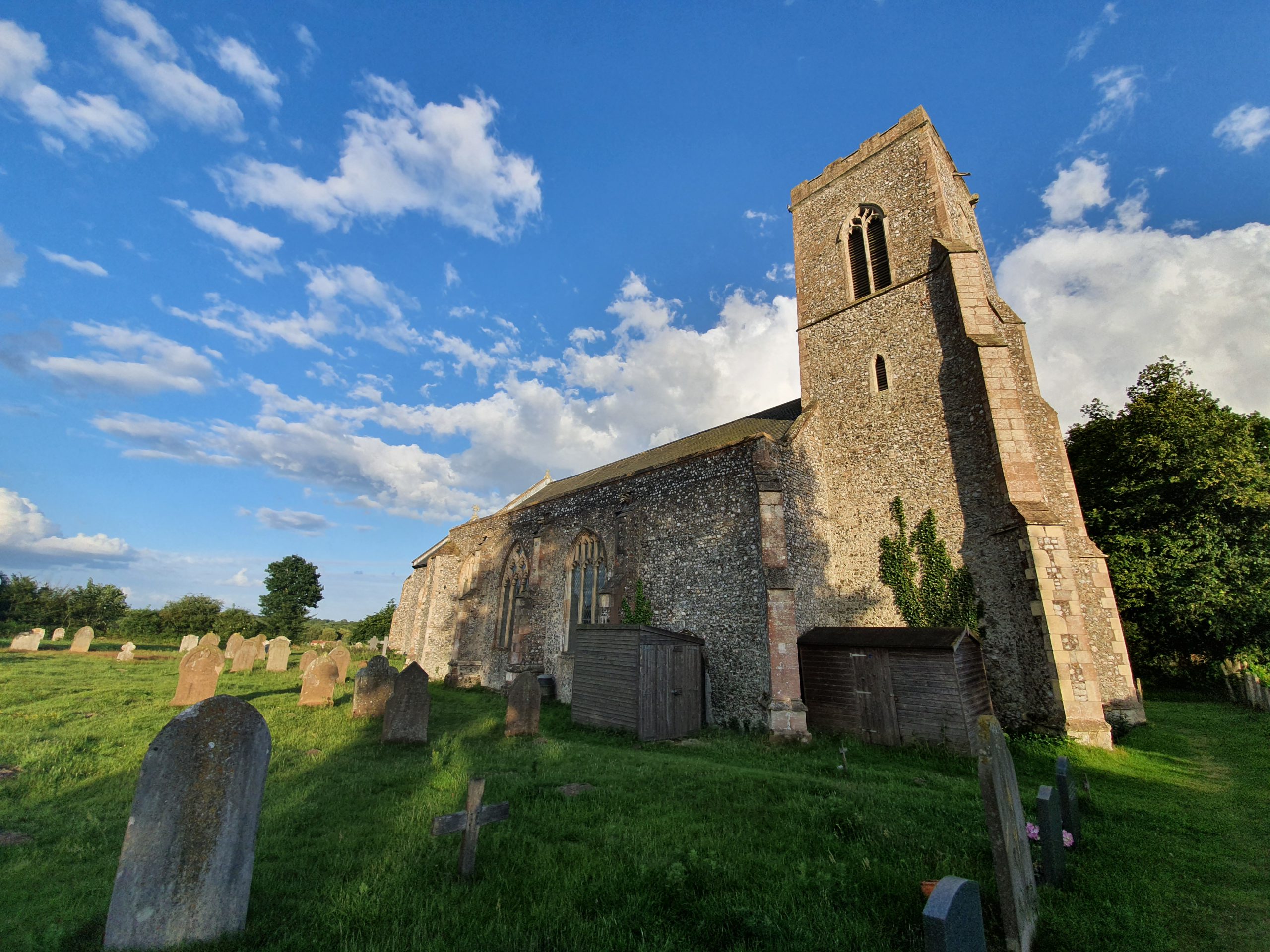
    St. Michael’s Church is strangely detached from the rest of the village, but on this occasion, it’s unlikely that the settlement has moved much, rather the church is on a slightly elevated hill platform.

    The tower, which dates from the early part fourteenth century, is the earliest section of the current church, with the nave being added later on during the fourteenth century and the chancel was constructed in the fifteenth century. There was though likely a Saxon church that existed on the site before work started on the current building.

    The porch was added in the fifteenth century, with the more modern set-up unfortunately masking the medieval wooden door.

    The south side of the church, with the priest’s door visible between the two windows. The church has received a grant in recent months from the Norfolk Churches Trust which will allow for some repairs to the guttering and also work to remove a flock of pigeons that has been causing issues in the tower.

    I’m unsure why the east window has been partly bricked-up, I assume it was for structural reasons.

    I’ll return to the church at some point when it’s likely to be open (I’ve been able to do that), with the interior being of note, as there’s a mauled about rood screen which was heavily, and badly, restored at the beginning of the twentieth century which is worth seeing. The pulpit has some medieval carving work to it, there’s fifteenth-century stained glass and the font is of a similar age, all along with numerous memorials of interest.

  • Opole – St. Michael’s Church

    I don’t have much to write about this church, other than I thought it was an unusual architectural style and made quite a statement for those passing by. I had thought that the church was older than it actually was, as it was only built between 1936 and 1937.

  • Lublin – St. Michael’s Church (Ruins)

    St. Michael’s Church is no longer standing, although the ruins are still clearly visible. Work started on the church’s construction in the thirteenth century and it was rebuilt at the end of the sixteenth century when the original building was badly damaged by fire.

    The new sixteenth century building was substantial and it became one of the largest and tallest churches in Lublin. With the opening of the new cathedral building in 1832 the parish moved from St. Michael’s and the church was demolished between 1852 and 1855. Human remains were carefully removed from the cemetery at the site to the city’s new cathedral.

    The church’s stone was reused to build properties and also to use in road construction. Not an entirely ideal use for such an historic building.

    The site was uncovered again in the 1930s and a large scale archaeological dig took place in 1970s. The remains of the church were then permanently revealed in the 1980s and are a reminder of what a beautifully location it was once located in.