
Tag: Railway Station

  • Swaffham – Railway Station

    Swaffham – Railway Station

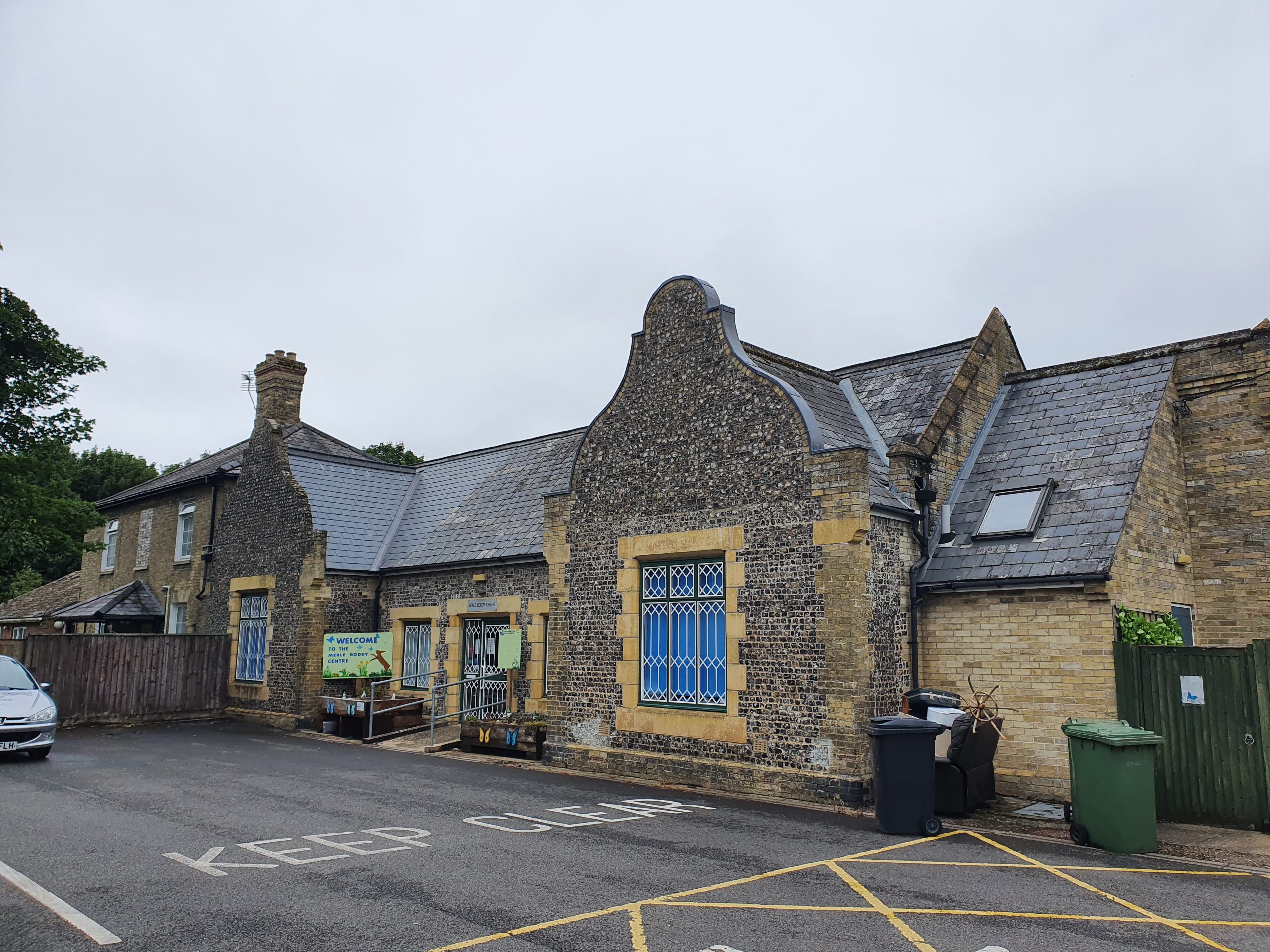
    Unfortunately, there’s no railway station left in Swaffham now serving the transport needs of the local population. Going back before the station was closed in 1968, there were services from Swaffham to King’s Lynn (via East Winch, Pentney & Bilney and Narborough & Pentley), from Swaffham to Dereham (via Scarning, Wendling, Fransham, Dunham and Sporle) which in turn connected to Norwich and Wymondham and from Swaffham to Thetford (via Holme Hale, Watton and Stow Bedon). It’s true that the Swaffham to Thetford line wasn’t that busy, but the line through from Norwich to King’s Lynn would have been enormously useful if it had been left open.

    I’d never gone to look to see what remains at the site now, but the railway station is still there and converted into office use today. There are lots more photos of the station over the decades at http://www.disused-stations.org.uk/s/swaffham/.

  • Szczytno – Railway Station

    Szczytno railway station has an impressive exterior and I think it was part of the recent modernisation of the line which was undertaken by the EU. This also saw connections being added to the new Szymany airport, which looks to have improved transportation options greatly for the entire region.

    The station as it looks from the tracks.

    Internally though the railway station is less impressive, as although the building has been partially renovated, there’s currently nothing in it. There are signs for the waiting room, but it isn’t there, and the ticket desk has also entirely closed down. It’s not really entirely clear to me why they keep the building interior open, as there’s nothing in it, but it’s an interesting part of railway history.

    This is now the limit to what passengers can access inside the railway station, and it feels like a recreation of a Victorian railway station in the UK. It’s rather charming in a derelict sort of way.

    Some railway building at the end of the tracks.

    The side of the railway station, with the old German name for the town visible on the main building, Ortelsburg. The railway line here opened in 1888 and the town remained part of Prussia until 1945.

    I like these yellow sheets, which I think are in just about every mainland European country. They’re clear and concise, and show just how few trains operate from here during the day. However, the situation is improving rather than worsening, so hopefully the options will continue to increase. I’d like to think if I come back in twenty years that the whole railway station will be open and there will be a nice cafe (perhaps a Greggs) inside.