Tag: National Museum of Art

  • Bucharest – National Museum of Art (Saint Prokopios)

    Bucharest – National Museum of Art (Saint Prokopios)

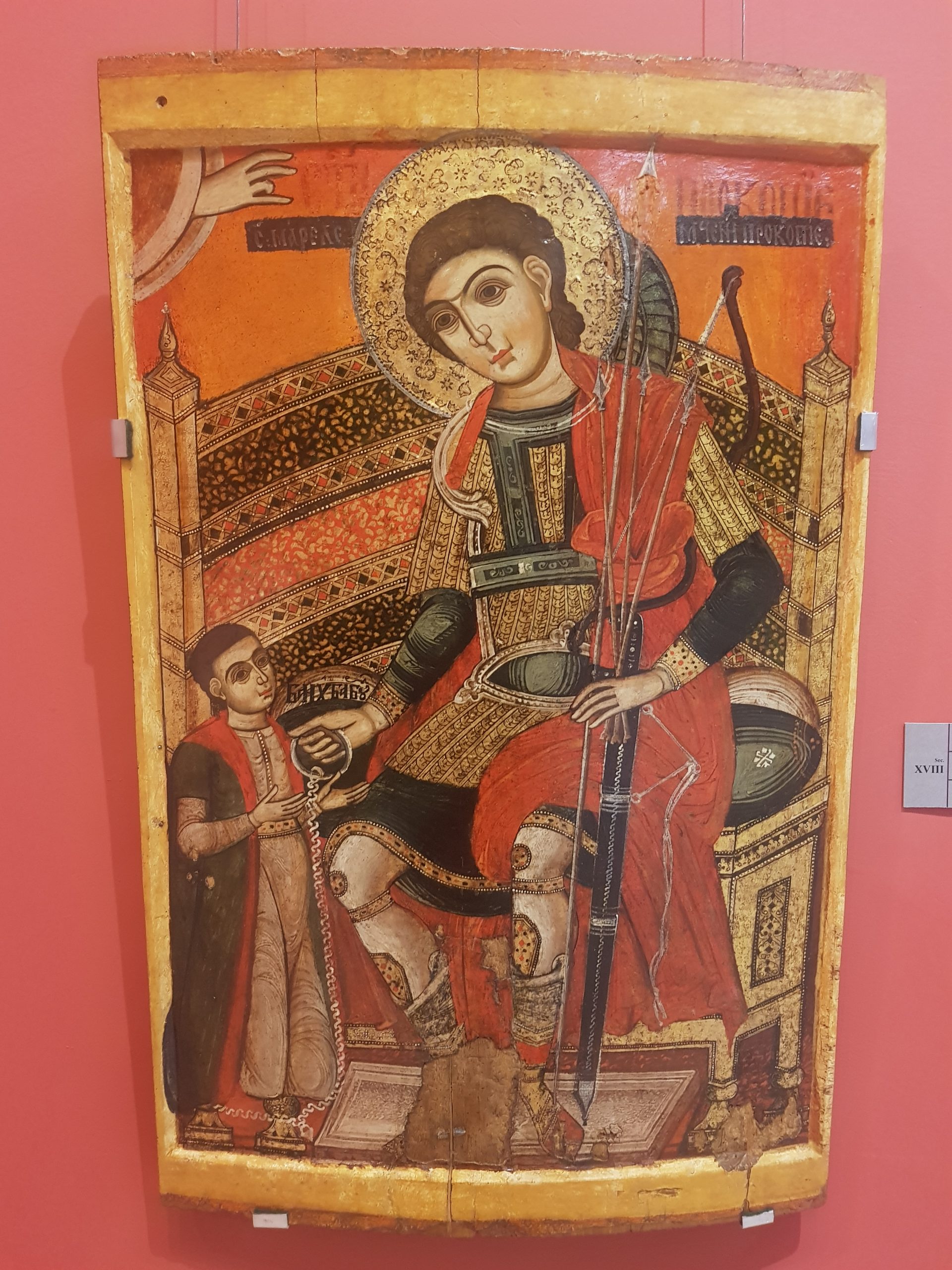
    St. Prokopios isn’t well known in western Christianity, by which I mean I’ve had to look on Wikipedia to find out who he was. Clearly an amazing man, he once killed 6,000 warriors by showing them a cross. I have some questions about this little legend though….

    Anyway, a beautiful icon, painted on wood in the eighteenth century. The blue paint at the bottom left, from the coat of the minion (I don’t know who he is) crosses (excuse the pun) onto the frame and it looks untidy to me. Perhaps it was added later though….
  • Bucharest – National Museum of Art (Targoviste Church Iconostasis Cross)

    Bucharest – National Museum of Art (Targoviste Church Iconostasis Cross)

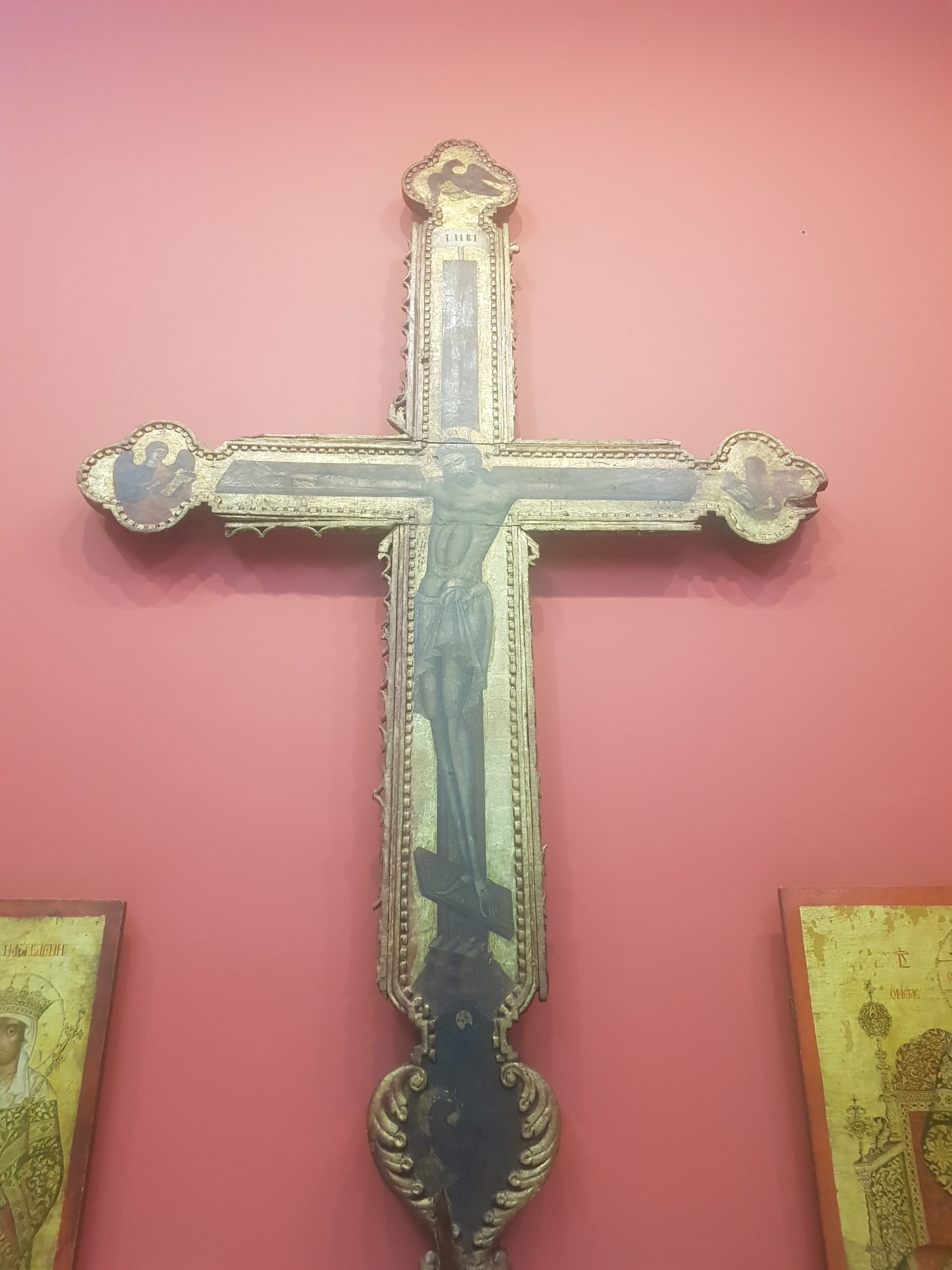
    I posted about the doors from this church, this is the Iconostasis cross from the same building. Rather faded now and its colours no longer bright, it dates from between 1707 and 1708. Made from wood, it’s another one of those pieces which could have easily been lost to history.

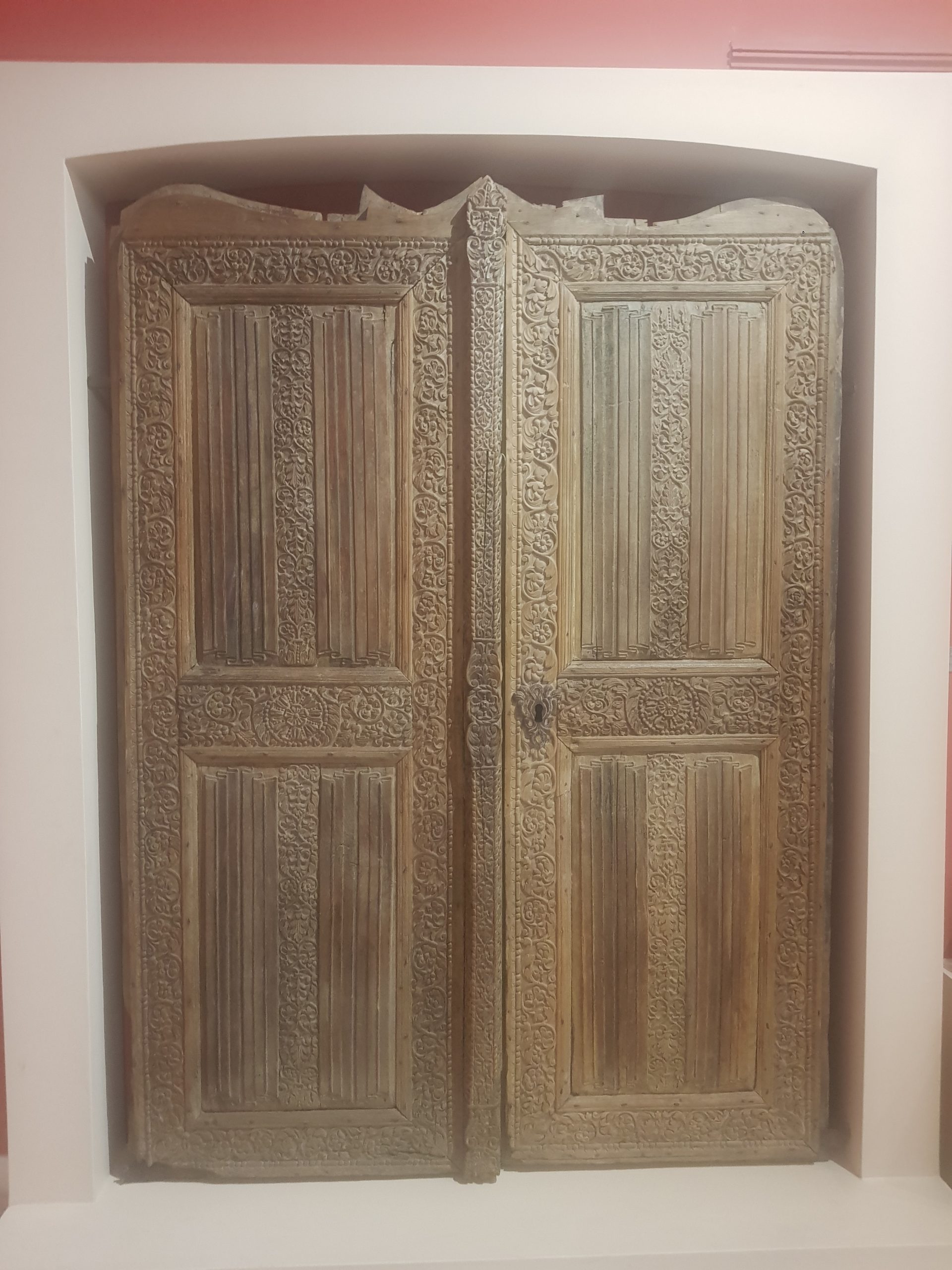
  • Bucharest – National Museum of Art (Targoviste Church Doors)

    Bucharest – National Museum of Art (Targoviste Church Doors)

    As further evidence that I need to get out more, I find these kind of exhibits rather meaningful. The thought of the congregation walking through these doors gives them a real sense of history.

    These doors are from the Metropolitan Church of Targoviste, which was demolished in the late nineteenth century and replaced with a new building. These wooden doors date from the seventeenth century and are in a good state of repair.

    Targovista is incidentally the city where Nicolae Ceaușescu and his wife were executed on 25 December 1989.

  • Bucharest – National Museum of Art (Bishop and King Icon)

    Bucharest – National Museum of Art (Bishop and King Icon)

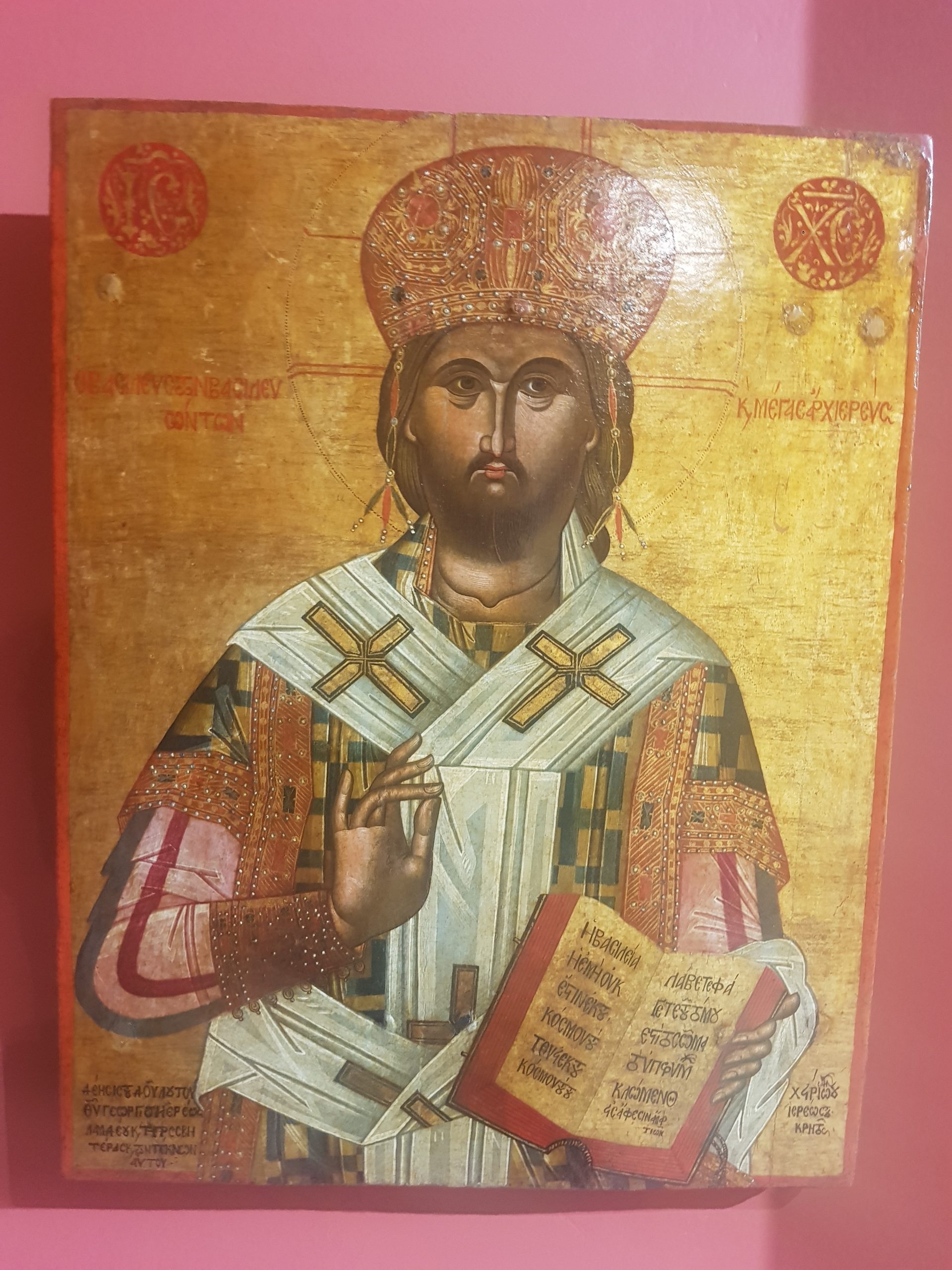
    The colours on the icons remain bright and vibrant and if it has been restored, there’s no evidence of that. It was painted on wood by Ioan Cretanul in 1644 and is of the Bishop and King. There’s a sense of dignity and precision to the depiction, all rather lovely.

  • Bucharest – National Museum of Art (Cotroceni Monastery Iconostasis)

    Bucharest – National Museum of Art (Cotroceni Monastery Iconostasis)

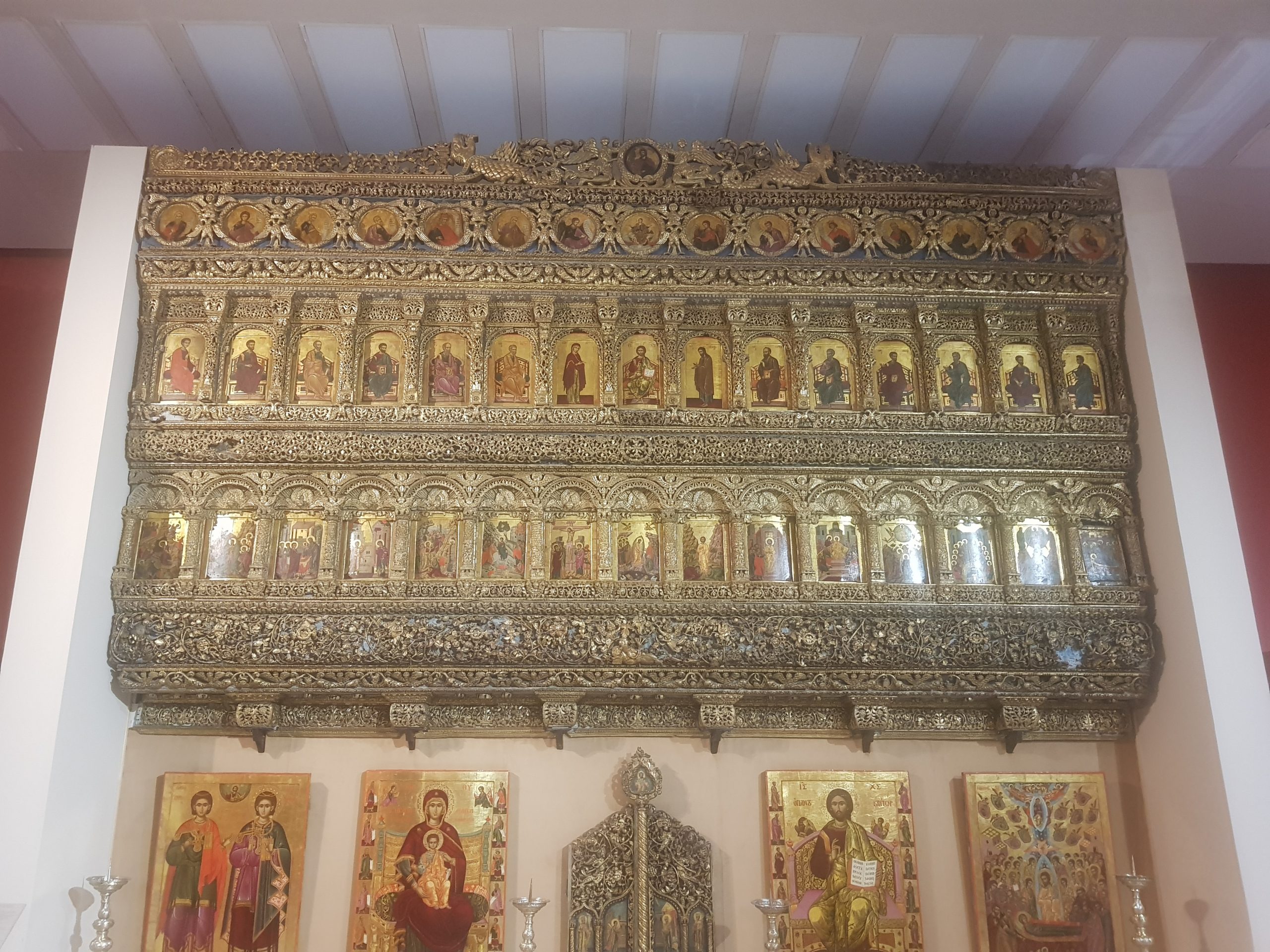
    This iconostatsis hid what was happening in the altar from the congregation, adding some mystery to the proceedings.

    The bottom line of icons represent various Biblical scenes, the Nativity, the Baptism, the Presentation in the Temple, the Annunciation, the Raising of Lazarus, the Entry into Jerusalem, the Crucifixion, the Resurrection, the Holy Women at the Sepulchre, the Incredulity of Thomas, Jesus among the Doctors, the Ascension, the Pentecost, the Transfiguration and the Dormition of the Virgin.

    The middle line of icons include the Apostles, with Jesus Christ in the centre and the Virgin Mary to the left of him. The top row are the prophets.

    A close-up of this rather beautiful piece of religious heritage.

    This is from Cotroceni Monastery in Bucharest and it’s thought that the icons were painted by Constantinos in around 1680.

  • Bucharest – National Museum of Art (Four Gospels Book from 1555)

    Bucharest – National Museum of Art (Four Gospels Book from 1555)

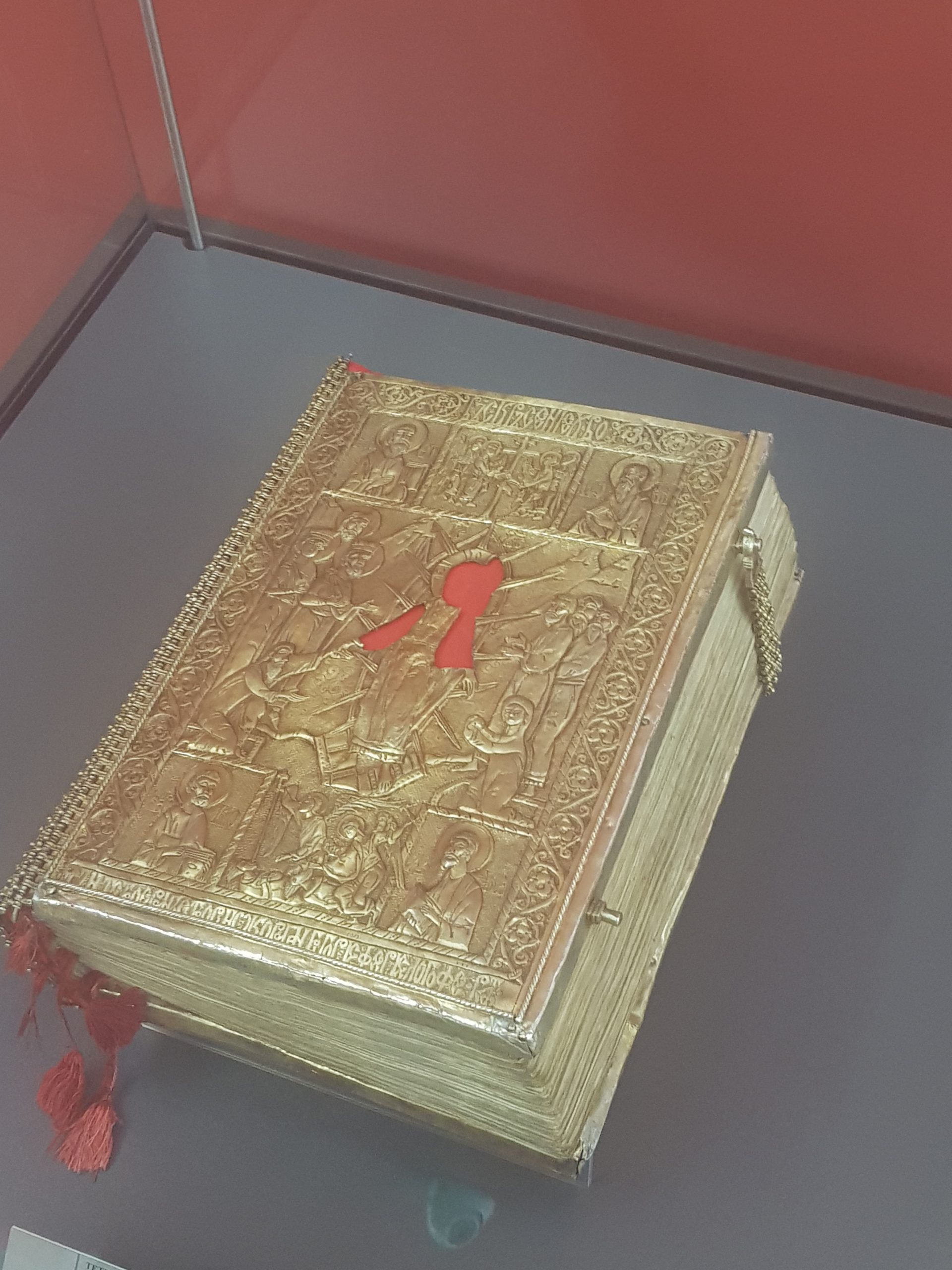
    Ooooh, I love an old book, think of the history of where this book has been and how it has survived over the centuries. This one is an illuminated Slavonic manuscript on parchment which was copied by monk Evloghie.

  • Bucharest – National Museum of Art (Cincis Church Fresco Fragments)

    Bucharest – National Museum of Art (Cincis Church Fresco Fragments)

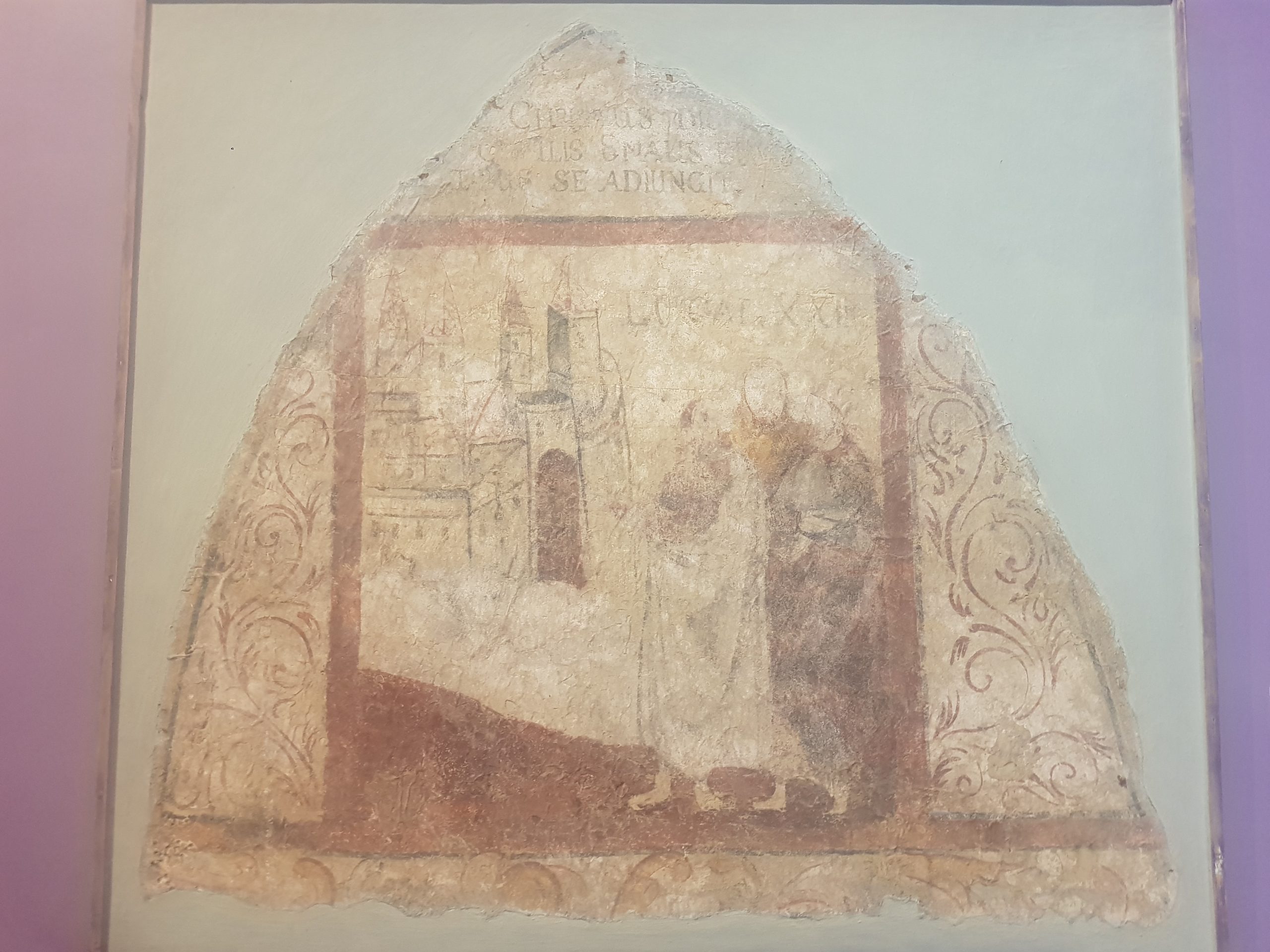
    This is a sixteenth century wall fresco depicting the Journey to Emmaus. It’s been taken from a church in Cincis, I think as the building is in a poor state.

    This one, from the same church, depicts the Incredulity of Thomas. This is from when one of the apostles wanted to see Jesus’s injuries for himself, rather than just believing what he was told. It’s where the phrase doubting Thomas comes from….

    Nice fragments and not over-restored.

  • Bucharest – National Museum of Art (Crucifix)

    Bucharest – National Museum of Art (Crucifix)

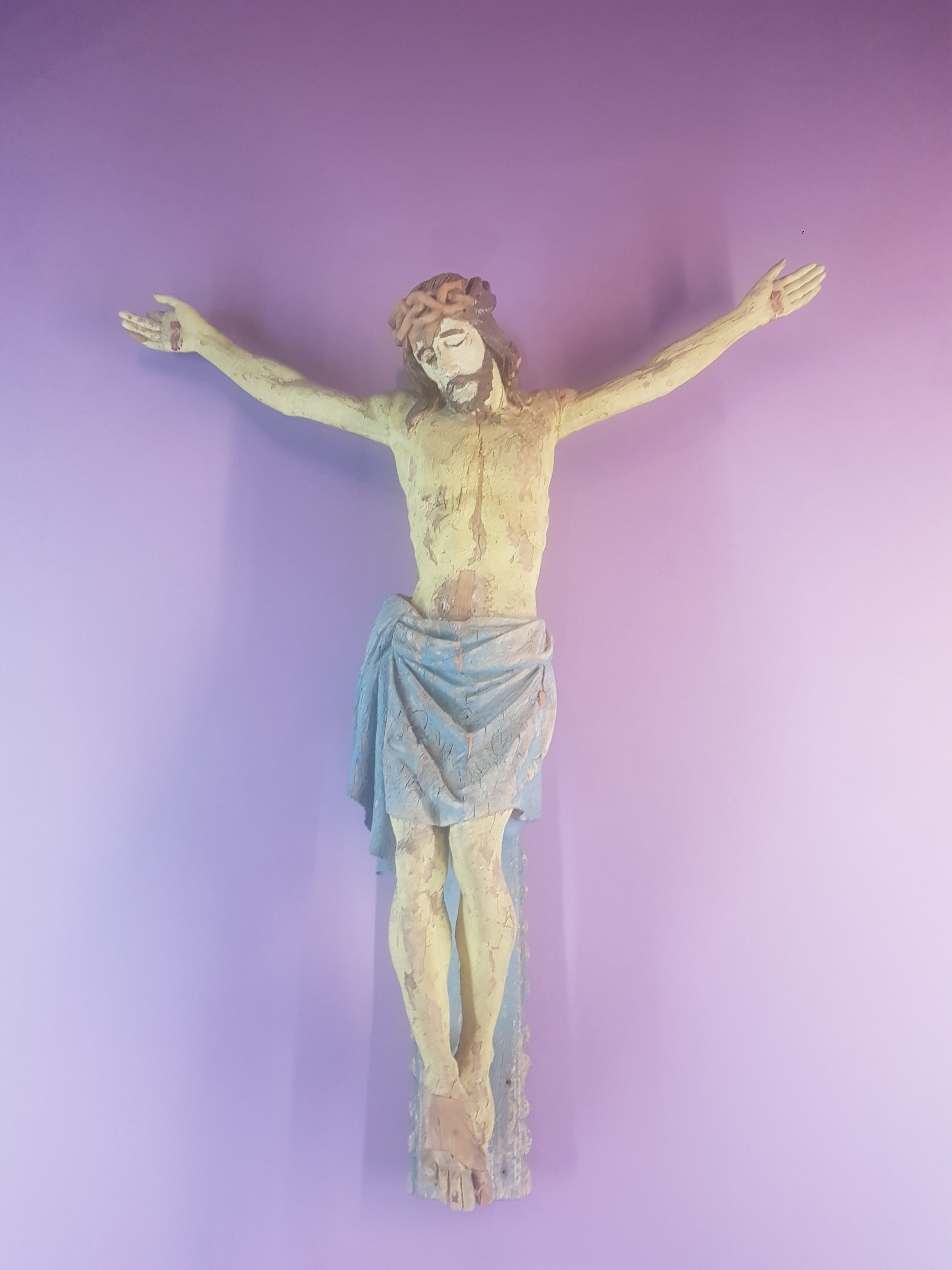
    There’s perhaps nothing exceptional about this sixteenth century polychrome wooden crucifix, but it’s well presented and that’s added some mystery to it. It’s from Transylvania, but its history is otherwise unrecorded.

  • Bucharest – National Museum of Art (Curtea de Arges Fresco Fragments)

    Bucharest – National Museum of Art (Curtea de Arges Fresco Fragments)

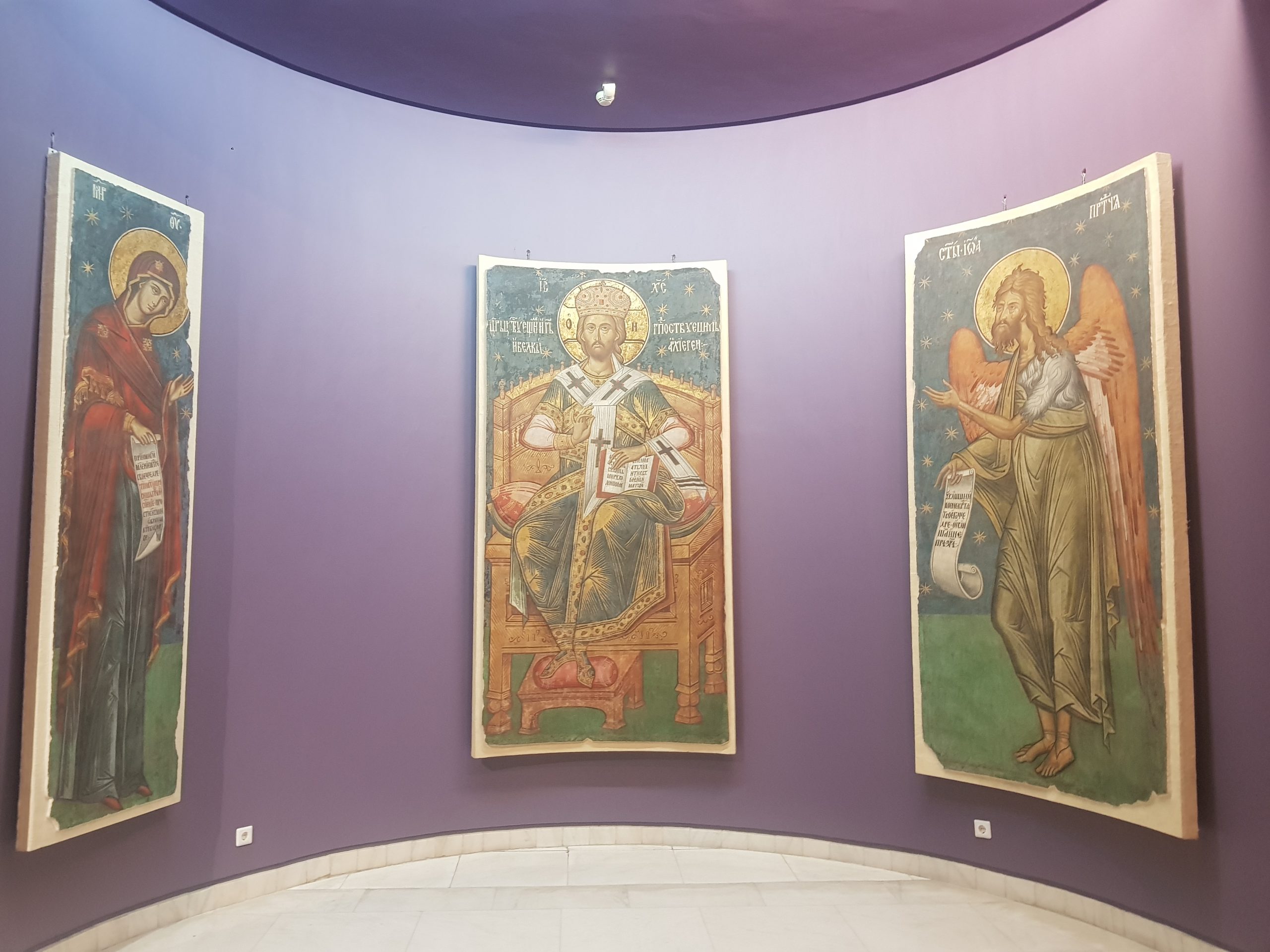
    Well, these are lovely, they’re fresco fragments taken from Curtea de Arges cathedral when it was reconstructed in 1883. Quite why, I don’t know, they were painted by Dobromir in 1526 and they seem to me to be a loss to the building, which is still standing.

    The three images in the main photo are the Virgin, Bishop Christ and St. John the Baptist.

    St. Loup, St. Eustice-Placide, St. Agapius and St. Arethas.

    The partly visible one on the left is Prince Petru’s son, Marco. Then St. James the Persian, St. Phanourios, St. Nestor, St. Demetre, St. Georges, St. Theodore Tiron and St. Nicholas.

    The museum has presented them well, although they appear heavily restored.