Tag: Ferens Art Gallery

  • Hull – Ferens Art Gallery

    Hull – Ferens Art Gallery

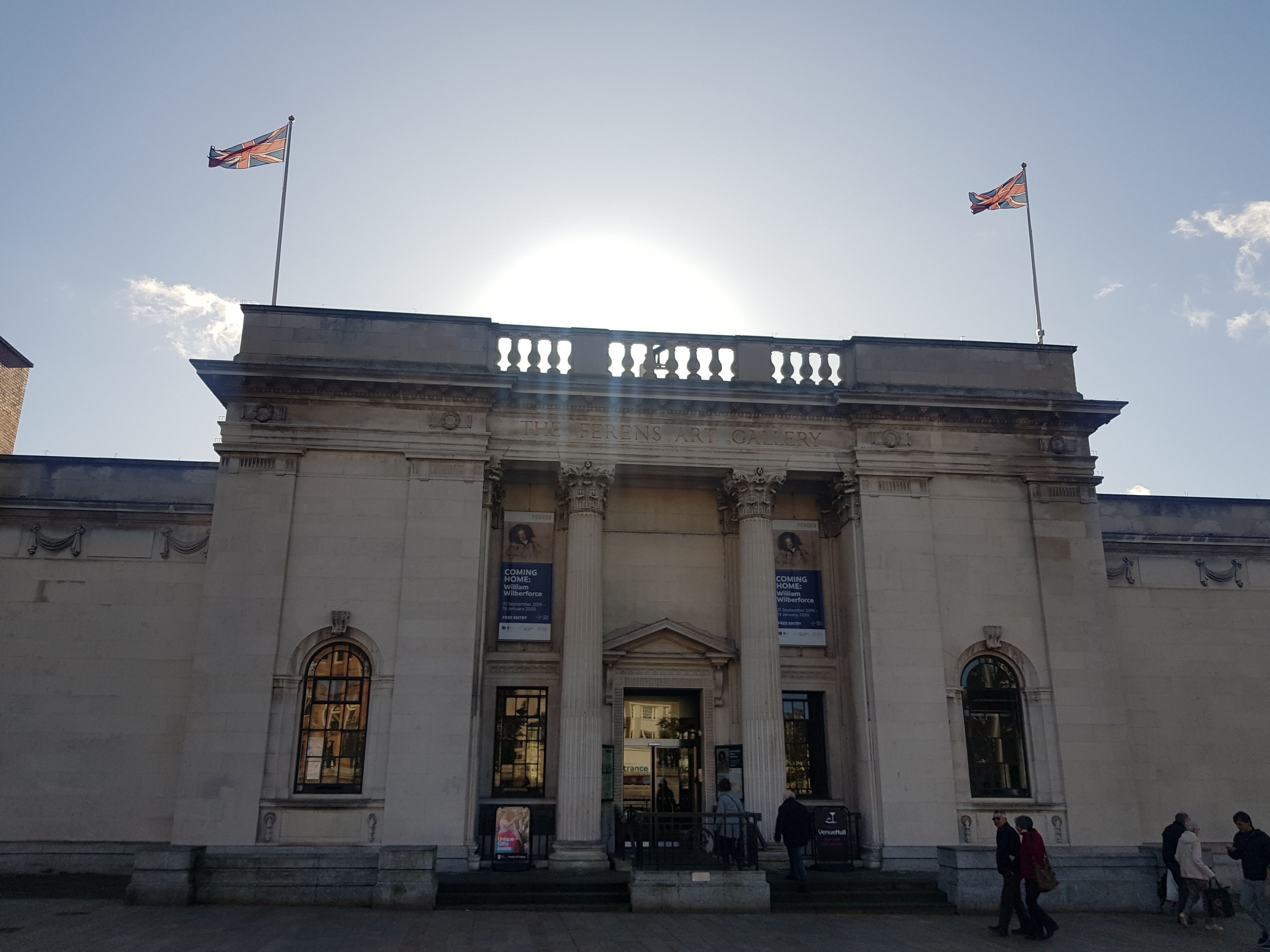
    The Ferens Art gallery was opened in 1927 with funding from Thomas Ferens, a wealthy and generous local businessman who operated the manufacturing business of Reckitt and Sons. St. John’s Church was demolished to allow for its construction and it replaced another smaller existing art gallery in the city.

    Soon after the Second World War began, the gallery was used to hold an exhibition of Polish artworks that had been saved during the Nazi occupation of Poland. As the threat of air raids increased, the gallery’s contents were then placed into storage throughout the war, although the building remained relatively undamaged. It was though used by the city’s civil defence casualty service during the latter part of the conflict, a rather different usage to what had been intended for the premises.

    The Hull Daily Mail published an article in 1938 which referred to a temporary exhibition upstairs at the Ferens, with works loaned from the collection of the late Earl of Lindsey. The newspaper mentioned that “shut away in the long gallery of many an old English country house are paintings of immense artistic value. They come into the public eye only when some picturesque and erudite thief shows a practical resentment of this seclusion”. I liked the quality of this prose, but it’s also a reason why the Ferens came into being in the first place, to try and make art more accessible.

    The gallery’s main central atrium. For a provincial art gallery, this is an impressive effort with some paintings by artists that I’ve actually heard of, which is always a bonus. The gallery is also relatively large and there are some temporary exhibitions on, of which the William Wilberforce was particularly interesting. Entrance to the permanent and temporary collections are free of charge, with the gallery being busy, so it all seemed a worthwhile investment for the city.

    My other posts about artworks in the gallery:

    A View on the Grand Canal by Antonio Canaletto

    William Wilberforce by Sir Thomas Lawrence

    1791 Debate of Motions Book

    The Press Gang by Alexander Johnston

    Straitjacket Chairs by Nina Saunders

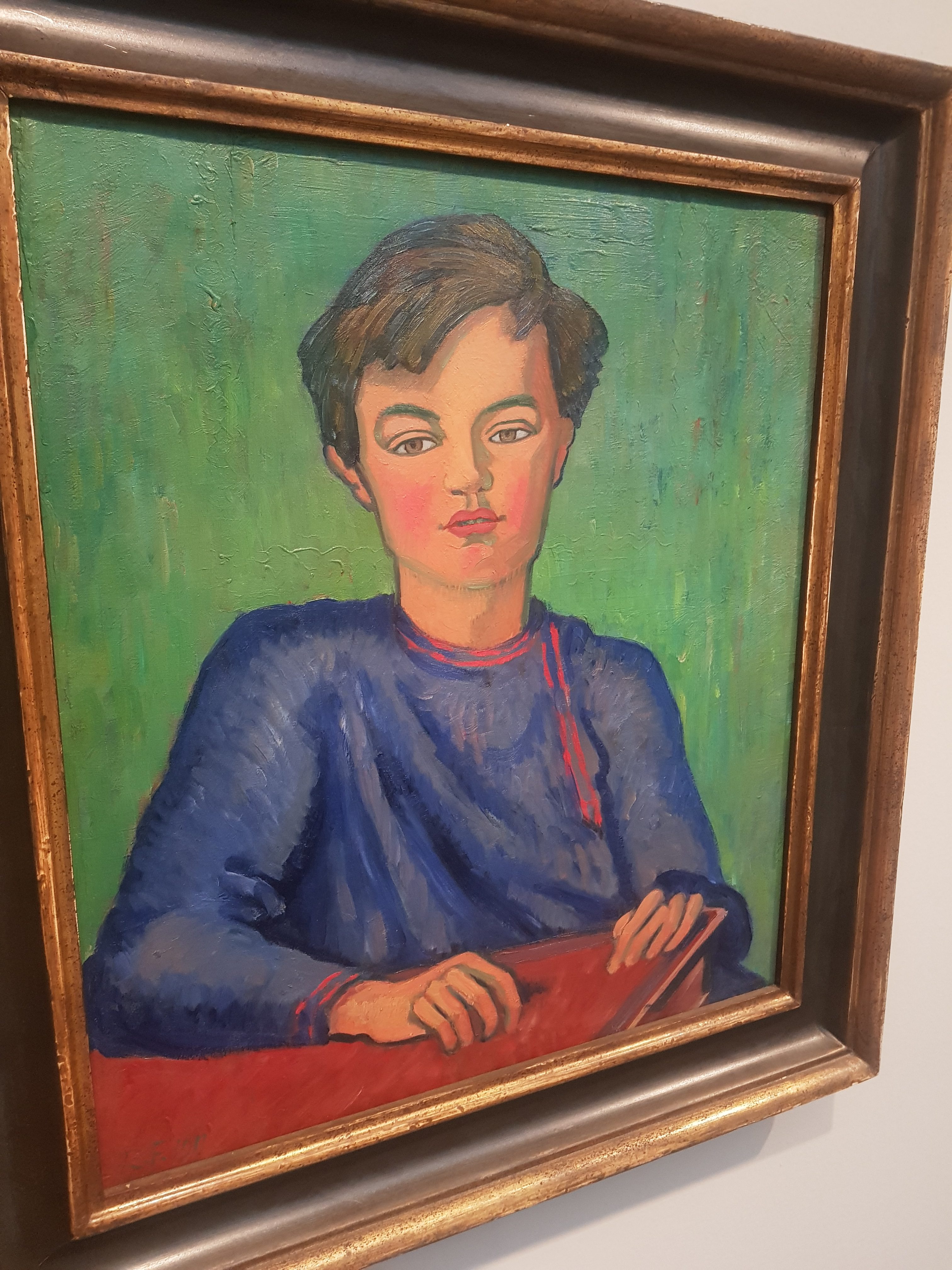
    Julian, the Artist’s Son by Roger Eliot Fry

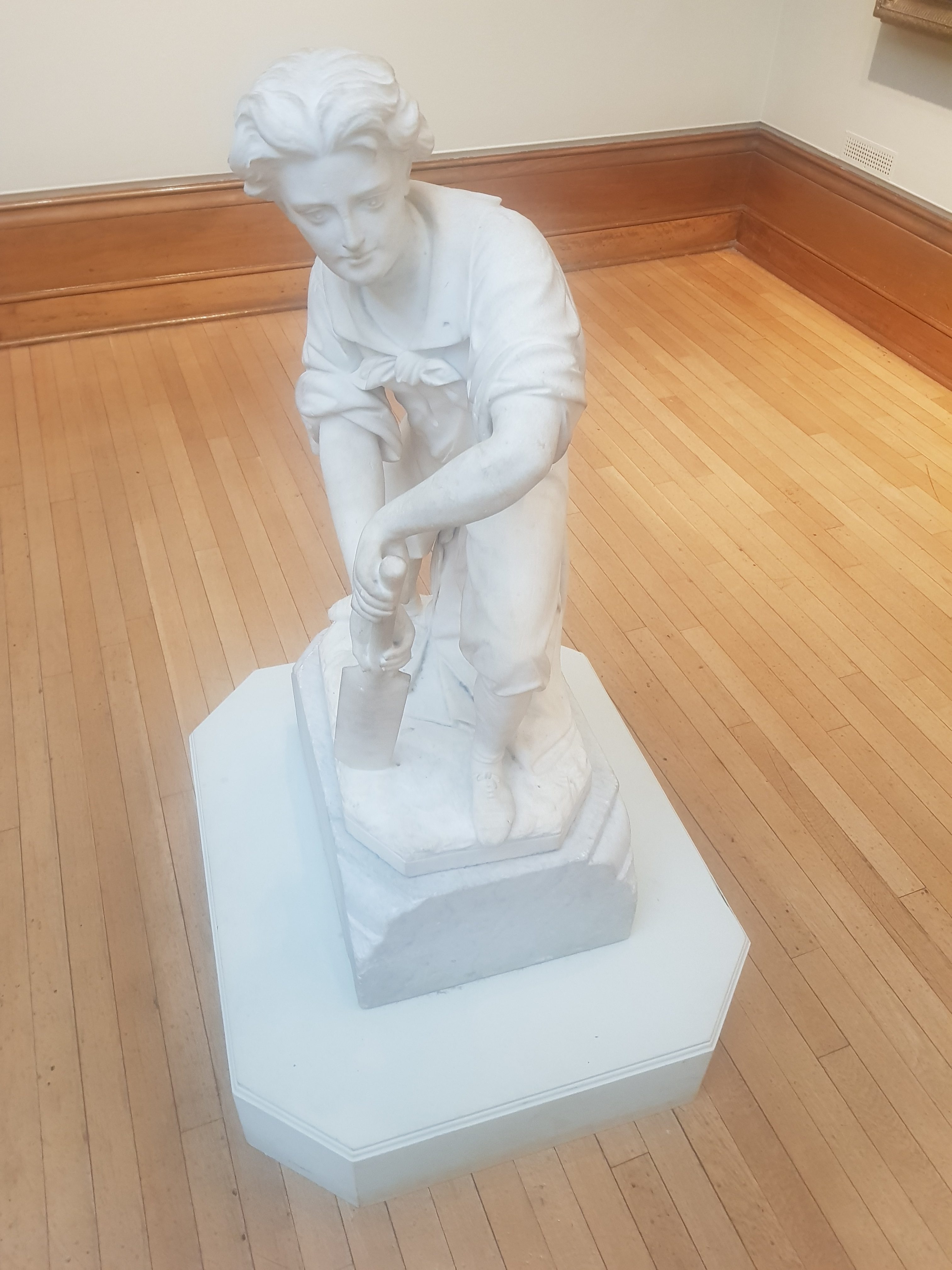
    The Batsman by William Day Keyworth

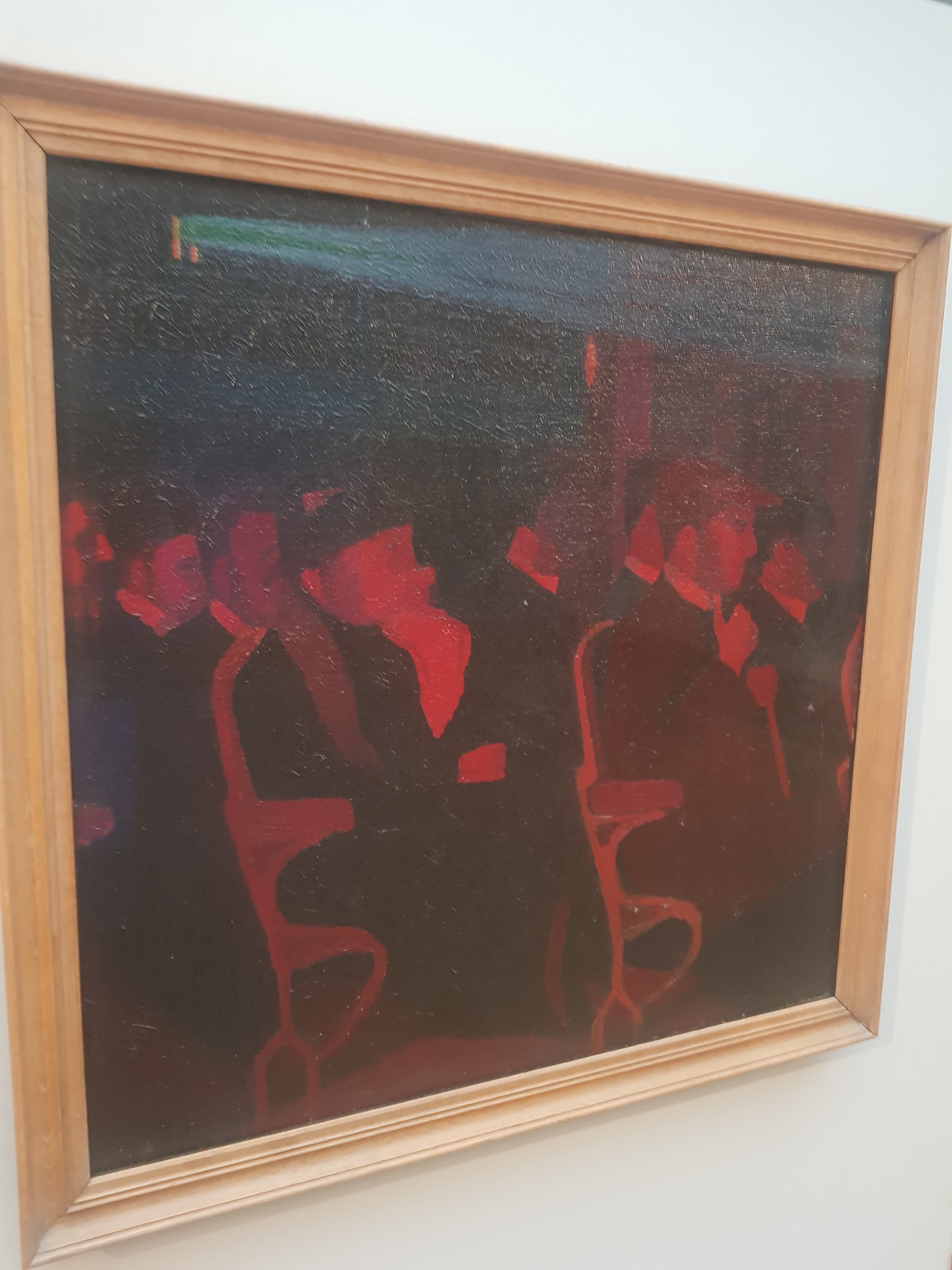
    In the Cinema by Malcolm Drummond

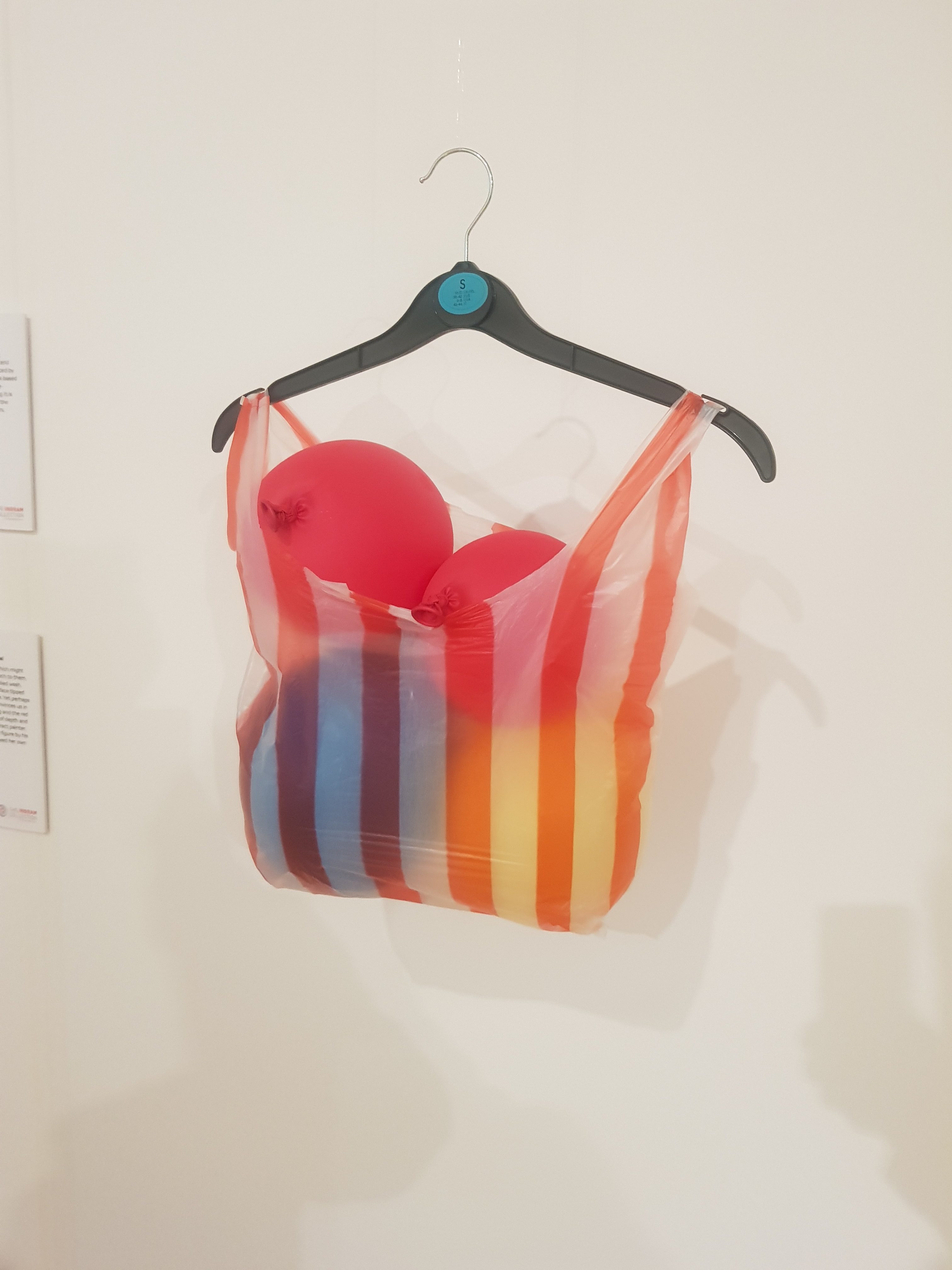
    Fun Bag by Victoria Sin
  • Hull – Ferens Art Gallery (A View on the Grand Canal by Antonio Canaletto)

    Hull – Ferens Art Gallery (A View on the Grand Canal by Antonio Canaletto)

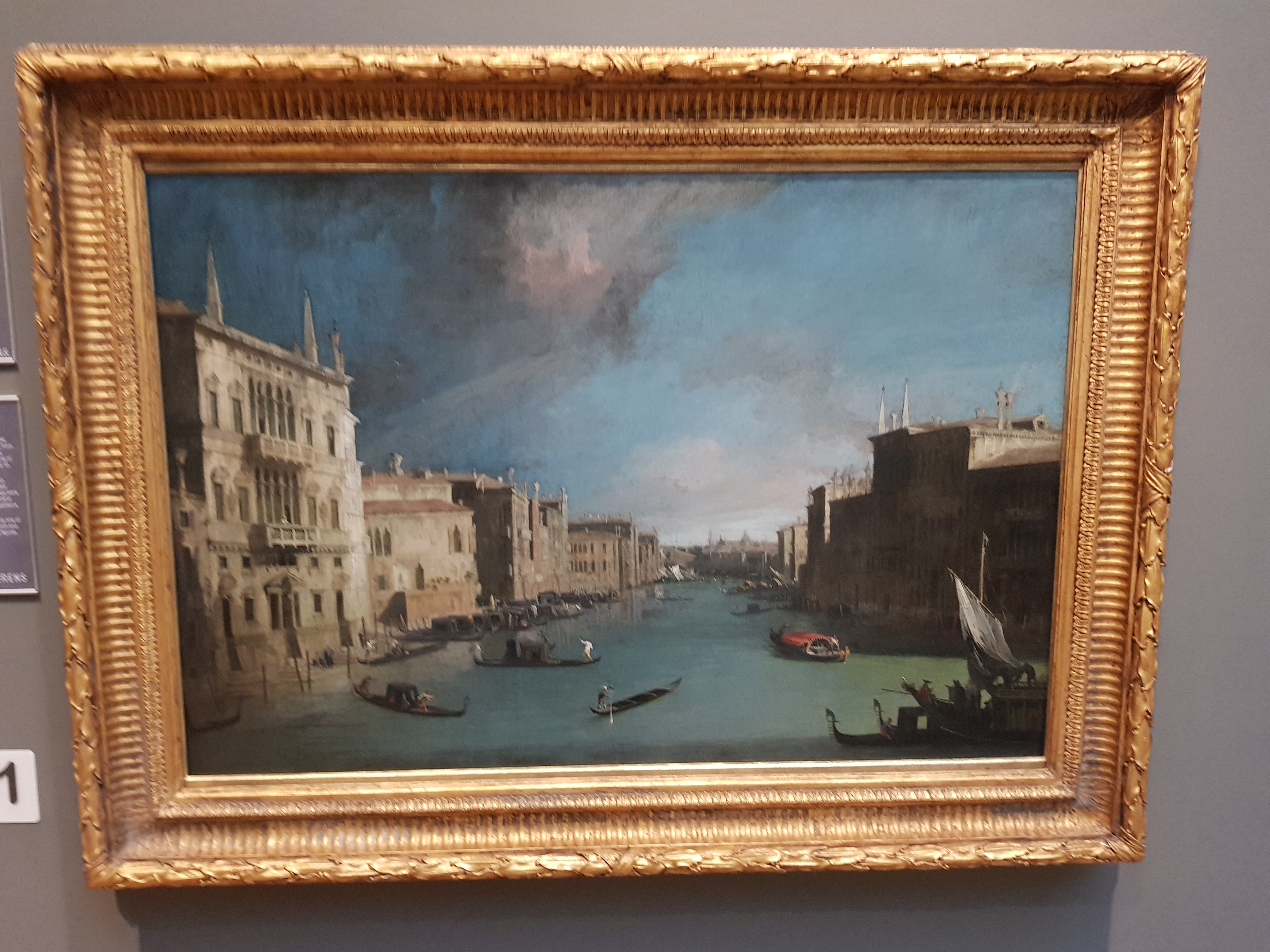
    I looked across one of the gallery rooms and thought how much clarity this painting had and how much like a Canaletto it was, one of my favourite painters. I didn’t think the Ferens would have an artwork by this artist, so this was all rather lovely when I realised it looked like a Canaletto because it was painted by Canaletto….. It’s of the Grand Canal in Venice, one of many artworks painted of this stretch of canal by Canaletto.

    The painting was gifted to the gallery by Muriel Thetis Warde in 1964, the youngest daughter of a Hull shipping magnate, and was originally painted between 1725 and 1730. The gallery says that this is “one of the few undoubted Canaletto’s in an English municipal collection”, although it was previously thought to be by Francesco Guardi, so that lack of doubt is a relatively recent thing. Anyway, very lovely and my favourite artwork in the gallery.

  • Hull – Ferens Art Gallery (William Wilberforce by Sir Thomas Lawrence)

    Hull – Ferens Art Gallery (William Wilberforce by Sir Thomas Lawrence)

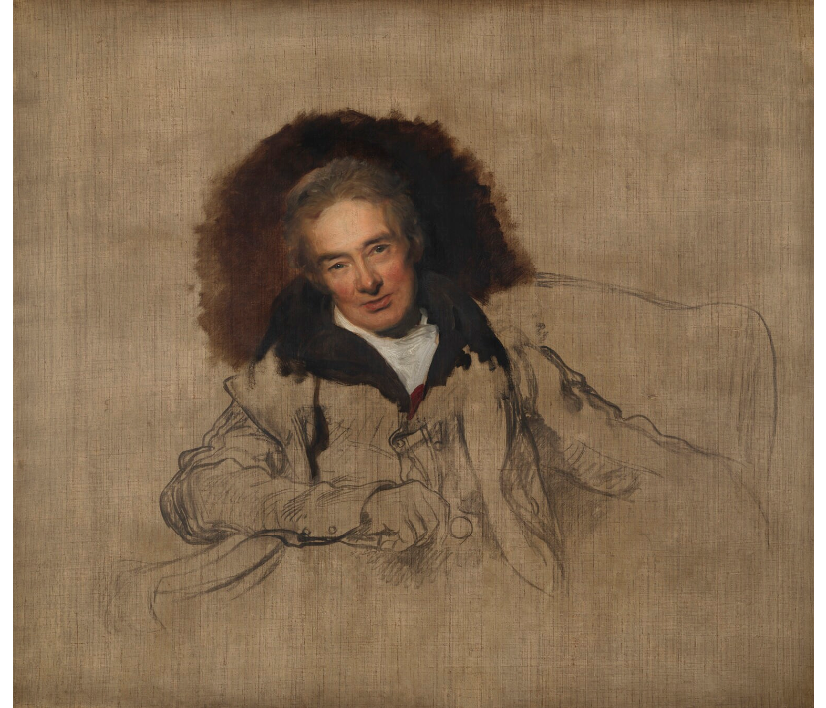
    This painting is on loan to the Ferens from the National Portrait Gallery and I’ve used their photo since their licensing allows for me to do that. And it’s nicer than my photo. I hadn’t realised that Wilberforce suffered badly from a curvature of the spine, which meant he had to wear a metal support. This illness is why the artwork is painted in the way that it was by Sir Thomas Lawrence, a popular portrait artist.

    The artwork was painted in 1825 and was funded by Sir Robert Inglis, a friend of Wilberforce, to mark his retirement from Parliament. However, there was only one sitting and so the painting was never completed, with Lawrence dying in 1830. Inglis wouldn’t let anyone else finish the work, so it remained uncompleted. Inglis kept the painting and following his death it was given to the National Portrait Gallery in 1857, one of the earliest artworks in their collection which had only opened the previous year.

    It’s a marvellous painting, or what there is of it is, lots of character and emotion in Wilberforce’s face.

    The painting, and many other items relating to Wilberforce, are part of a temporary exhibition at the gallery, which was really well put together. Above is a photo taken from the opening of the William Wilberforce museum in the city, with the painting visible in the room in which he was born. I assume that this is the original painting that was once again on loan to the city.

    Just for completeness, this was my photo of the painting.

  • Hull – Ferens Art Gallery (1791 Debate of Motions Book)

    Hull – Ferens Art Gallery (1791 Debate of Motions Book)

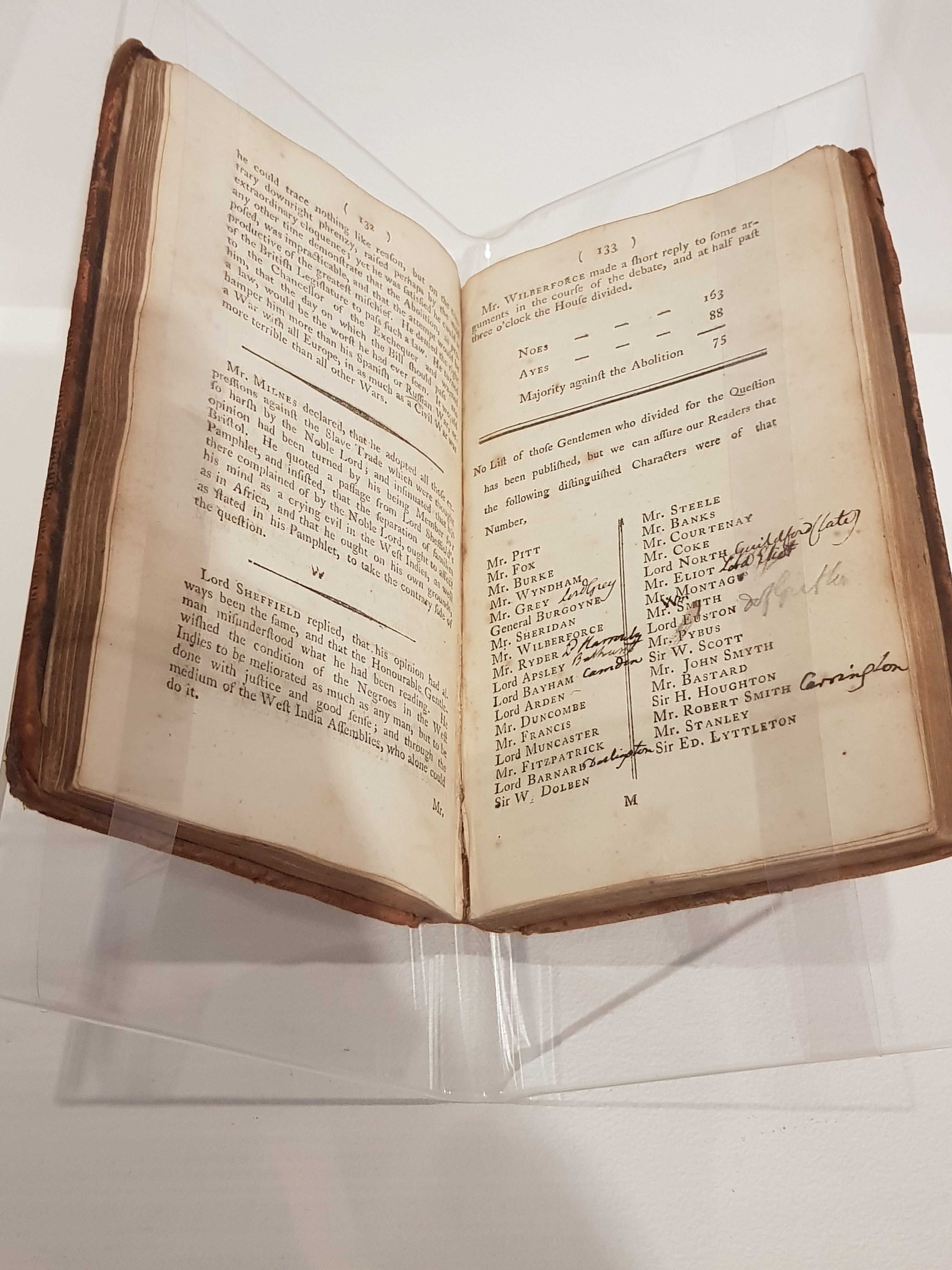
    This beautiful book is part of the William Wilberforce Coming Home temporary exhibition at the Ferens Art Gallery, a debate of the motions which took place in the House of Commons. The book belonged to Wilberforce himself and some of the notations in it are by him. The whole debate, which is available on Google Books, is a fascinating read, including some rather ridiculous notions that MPs had who were defending the slave trade. Wilberforce’s arguments were strong, coherent and passionate, although he lost the 1791 debate with 88 votes supporting him and 163 opposing him. It was another 42 years before slavery was finally abolished in the UK with the 1833 Slavery Abolition Act, but sadly Wilberforce died just three days before that vote took place.


  • Hull – Ferens Art Gallery (The Press Gang by Alexander Johnston)

    Hull – Ferens Art Gallery (The Press Gang by Alexander Johnston)

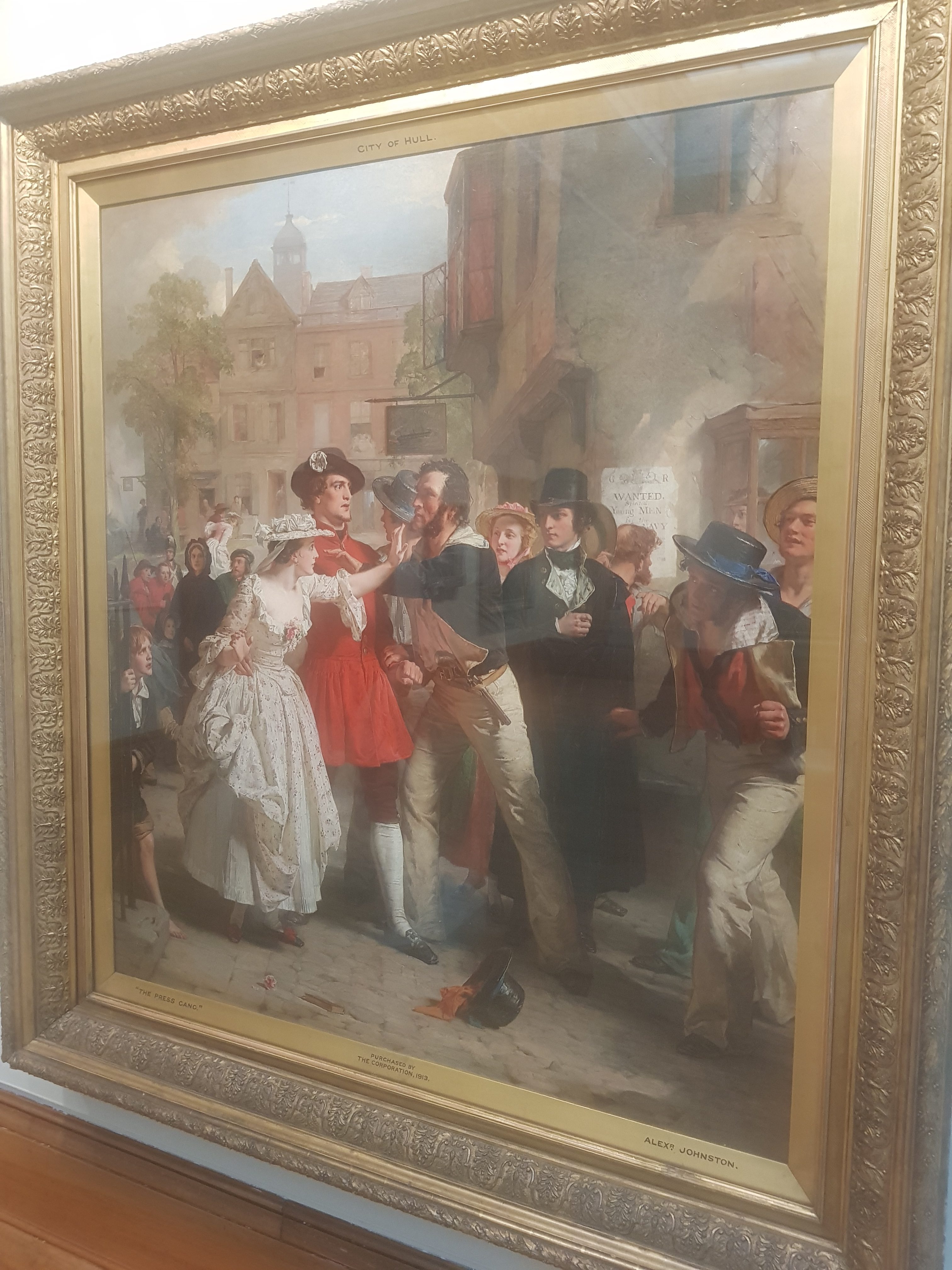
    Impressment, or press ganging, was a substantial problem for merchant sailors around the coast of the country during the eighteenth and early nineteenth centuries. There they would be, enjoying a little drink or eight at a pub or tavern, then before they know it they’re a member of the British Navy. I must admit, I’d be bloody angry if I got waylaid going home and was sent to serve in the Royal Navy. Unless they got me a little desk job which didn’t involve climbing up the rigging.

    There was an interesting fact I read in one of the books at the library, which was that the leaders of the press gangs were treated very well by merchant ship owners, effectively a bribe to ensure that they didn’t take any of the crew from their vessel. Money talked a lot in this regard, anyone press ganged with wealth or influence was likely to magically be freed from their new naval ties.

    This painting is by Alexander Johnston (1815 until 1891), a Scottish artist who specialised in painting historic events. The artwork was painted in 1858 and was purchased in 1913 by Dyson Lister, who was named as a gallery agent. The Ferens Art Gallery didn’t open until 1927, but he purchased other paintings at the same auction, which are also now in the gallery. The painting was sold in a three-day sale of paintings owned by George McCulloch, who was a wealthy mine owner who had died in 1907. He had an enormous collection of artworks and his policy was to only buy paintings that were painted during his own lifetime. Lister paid 130 guineas for the painting, the equivalent of around £10,000 in today’s money.

  • Hull – Ferens Art Gallery (Straitjacket Chairs by Nina Saunders)

    Hull – Ferens Art Gallery (Straitjacket Chairs by Nina Saunders)

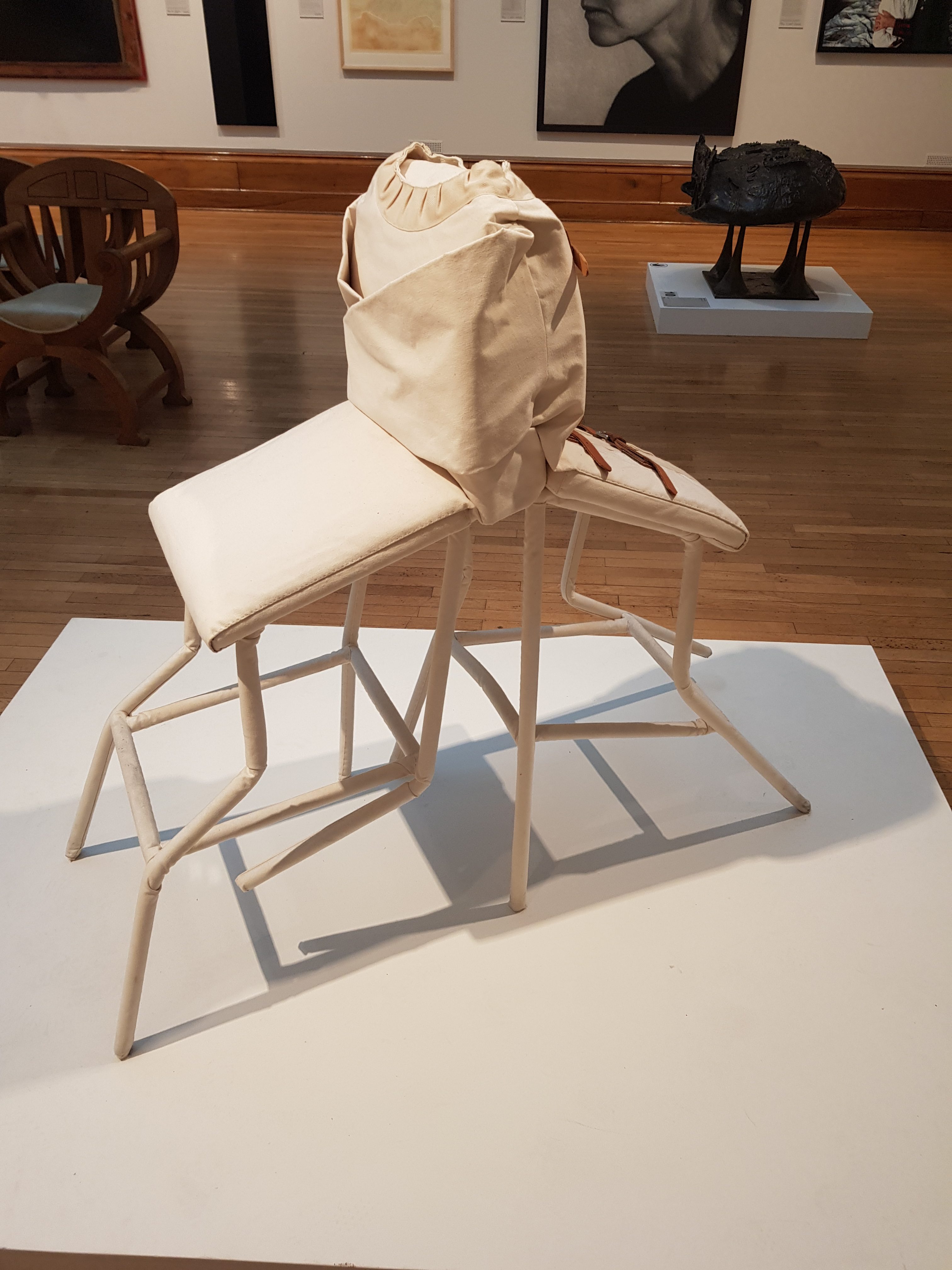
    This artwork is actually untitled, I’ve given it a very unoriginal title for sake of completeness… In essence, this is two chairs joined together with a straitjacket. OK, this joins my list of artworks I don’t understand, so I’m reliant on the gallery’s description once again. And they say:

    “In the content of much of Saunder’s work their anthropomorphic nature hints at family relationships; dark family secrets, sibling rivalries and even incestuous affinities”.

    I probably wouldn’t have guessed that on my own, I’d thought that it was something like office workers being tied together within the confines of a corporate environment. Although, what I think is rarely what the artist thinks. Anyway, the artwork is by the Danish artist Nina Saunders and she had an exhibition at this gallery all the way back in 1995, which is also when this piece was purchased by the Ferens.

  • Hull – Ferens Art Gallery (Julian, the Artist’s Son by Roger Eliot Fry)

    Hull – Ferens Art Gallery (Julian, the Artist’s Son by Roger Eliot Fry)

    I felt that I had to comment on this photo given the subject’s name. Roger Eliot Fry lived from 1866 until 1934 and seemed multi-talented, being an artist, author, public speaker and lecturer.  The Oxford Dictionary of Art and Artists notes that Fry had a “more modest reputation as an artist”, which I suspect is a polite way of saying that he was really quite average at painting, but was brilliant at lecturing. Fry had two children, Pamela and Julian, with the latter being the subject of this 1911 artwork, when he was aged 10. Roger Fry was also the grandson of Joseph Fry, the one of chocolate fame…

    I was intrigued to see what happened to Julian Edward Fry and I found that he’s listed on the passenger list of a ship which headed from Southampton to Halifax, Nova Scotia in Canada in 1923. He made other journeys to Canada and the United States over the next few years, so his family had clearly retained some wealth. He married the Canadian Eva Kathleen Lockwood in 1930 and they had three children, who were Roger, Alan and Joan, with Julian dying in 1984 in British Colombia, Canada. Alan Fry was born in 1931 and died in 2018, with family members seemingly still living in Canada.

  • Hull – Ferens Art Gallery (The Batsman by William Day Keyworth)

    Hull – Ferens Art Gallery (The Batsman by William Day Keyworth)

    This cricketing sculpture was designed by William Day Keyworth the Younger, an artist who lived from 1843 until 1902, when he rather sadly committed suicide due to financial issues. Keyworth was born in Hull and he also worked in the city, becoming a well known sculptor in the late nineteenth century.

    The gallery notes on the information panel that they were pleased to be able to get this artwork in 1993, as there was some competition with a number of sports fans who also fancied having it. It’s also called the Young Cricketer and it was made as a pair (there’s not reference to where the other one is, so perhaps no-one knows….) for the Peckover family of Wisbech, the bankers who owned what is now the National Trust property of Peckover House.

  • Hull – Ferens Art Gallery (In the Cinema by Malcolm Drummond)

    Hull – Ferens Art Gallery (In the Cinema by Malcolm Drummond)

    This artwork was painted in 1913 and so it is a relatively early depiction of a visit to the cinema, not a subject that I’ve seen portrayed like this before. A dark cinema doesn’t seem to be the most obvious thing to show, but it’s quite evocative, a bit Lowry in terms of the working person being anonymously portrayed.

    The Ferens Art Gallery purchased the artwork in 1969 and the Guinness Movie Facts book claims that this is the first painting known in existence of an audience watching a film inside a cinema.

  • Hull – Ferens Art Gallery (Fun Bag by Victoria Sin)

    Hull – Ferens Art Gallery (Fun Bag by Victoria Sin)

    Not being the sharpest knife in the drawer at times, I don’t always get what modern art, or indeed other mediums such as performance art, is trying to tell me. So, it’s helpful to have the gallery provide some context and meaning to an artwork.

    And, I quote:

    “Here they combine everyday objects to create a work that questions the representation of women in the media”.

    OK, I’m not quite getting that message, but it’s an important one and I like it. But, this artwork had somewhat perkier balloons at one stage, so I’m guessing that the artist is trying to suggest that the slow withering away of the balloons is equivalent to the challenges which females have when they age.

    But it probably means something else, and judging from what others have written about it, I’m confident that it does and it’s something wider about sexuality. However, since it made me think, that’s a win for the artwork….. And there’s one nice element about art, everyone can have their own interpretations of works, even though mine are usually wrong.