Tag: British Museum

  • London – British Museum (Norwich Triumphal Arch etching by Paul Fourdrinier)

    London – British Museum (Norwich Triumphal Arch etching by Paul Fourdrinier)

    I usually visit the British Museum three or four times a year, something which is a little difficult to do with the current virus situation, primarily because it’s shut. However, they’ve placed hundreds of thousands of images on their web-site, so this will have to do me for the moment. The images can be used non-commercially, as long as the British Museum is credited. So, this is their credit.

    When I was in Bucharest a few weeks ago I was quite impressed by the number of triumphal arches they had, which marked victory in some conflict or other. I wondered briefly, as to be honest I wonder about a lot of bloody rubbish, why no enterprising man or woman had bunged something up in Norwich. They were often only temporary structures, so a bit of wood, bit of decoration and there’s a lovely arch.

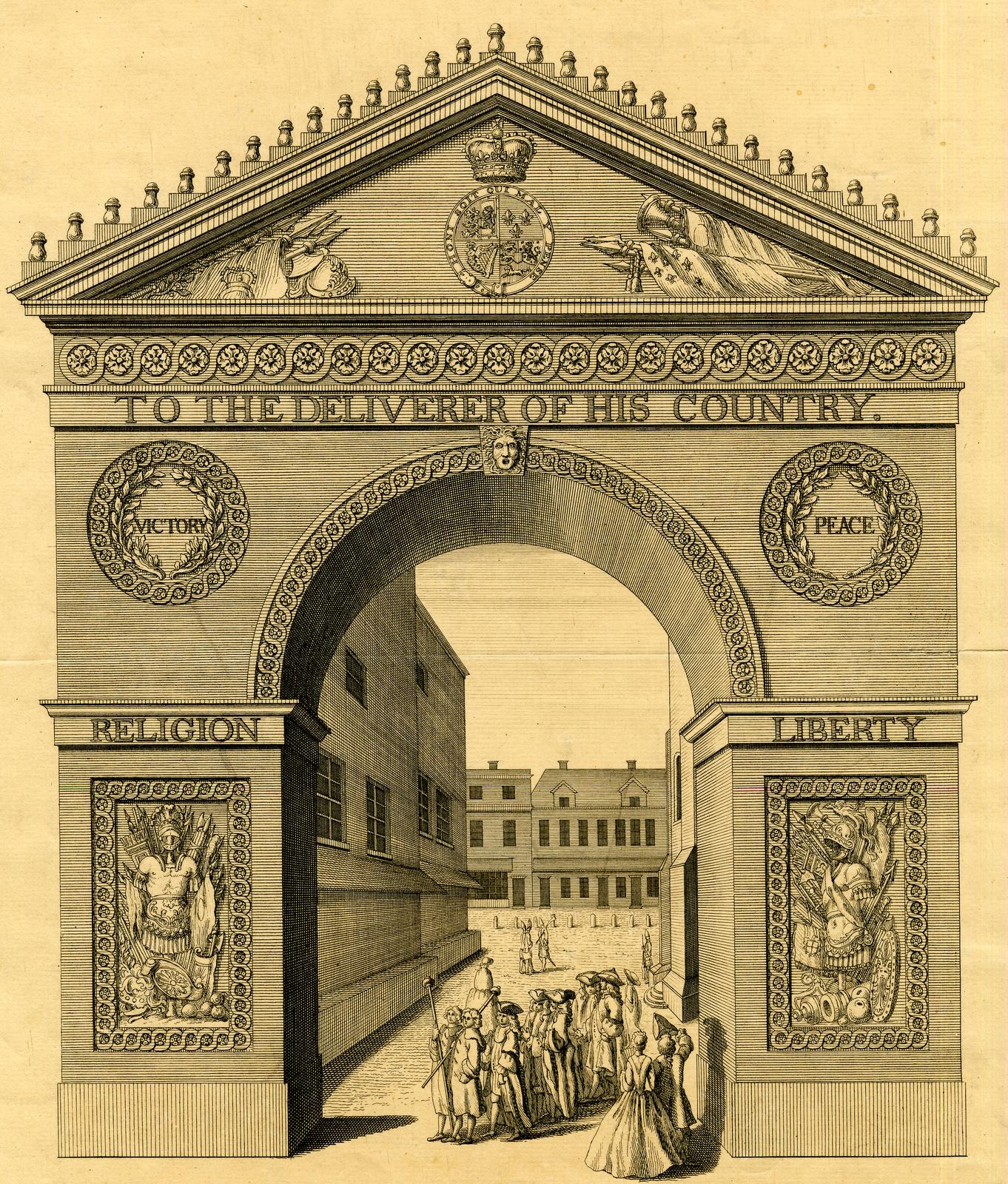
    I digress. Again. So, this plate above is etched by Paul Fourdrinier, an engraver and etcher who lived between 1698 and 1758, who kept himself busy by doing the illustrations for books, as well as being a portrait painter. The British Museum noted that this scene is in Norwich and being naturally sceptical, I did wonder whether that was right. But, of course, the curators were right and I found a similar etching which does have Norwich written on it.

    The arch was erected in honour of the Duke of Cumberland in 1746 and it had the phrase “to the deliverer of his country”. My rickety knowledge of history means this is the Battle of Culloden, where the Duke of Cumberland put down the Jacobite Rising. So, the next question is where on earth in Norwich was this arch put up? After reading through old newspapers, it seems there were triumphal arches placed in the city centre on a regular basis between around 1700 to 1850, usually at the marketplace. And then, I noted on Wikipedia, there’s a reference to the exact spot being by the Guildhall. I still can’t pin down exactly where the buildings in the above etching are, but I can now sleep at night with my new knowledge of triumphal arches in Norwich. I really need to get out more.

    And you can’t see the etching at the British Museum, it’s not on display.
  • London – British Museum (Norwich Cathedral by John Sell Cotman)

    London – British Museum (Norwich Cathedral by John Sell Cotman)

    I usually visit the British Museum three or four times a year, something which is a little difficult to do with the current virus situation, primarily because it’s shut. However, they’ve placed hundreds of thousands of images on their web-site, so this will have to do me for the moment. The images can be used non-commercially, as long as the British Museum is credited. So, this is their credit.

    The British Museum purchased this sketch by John Sell Cotman from the collector James Reeve (1833-1920) in 1902 although it’s not currently on display. Reeve had purchased it in 1862 when a collection of Cotman works were sold at the Bazaar Rooms in Norwich.

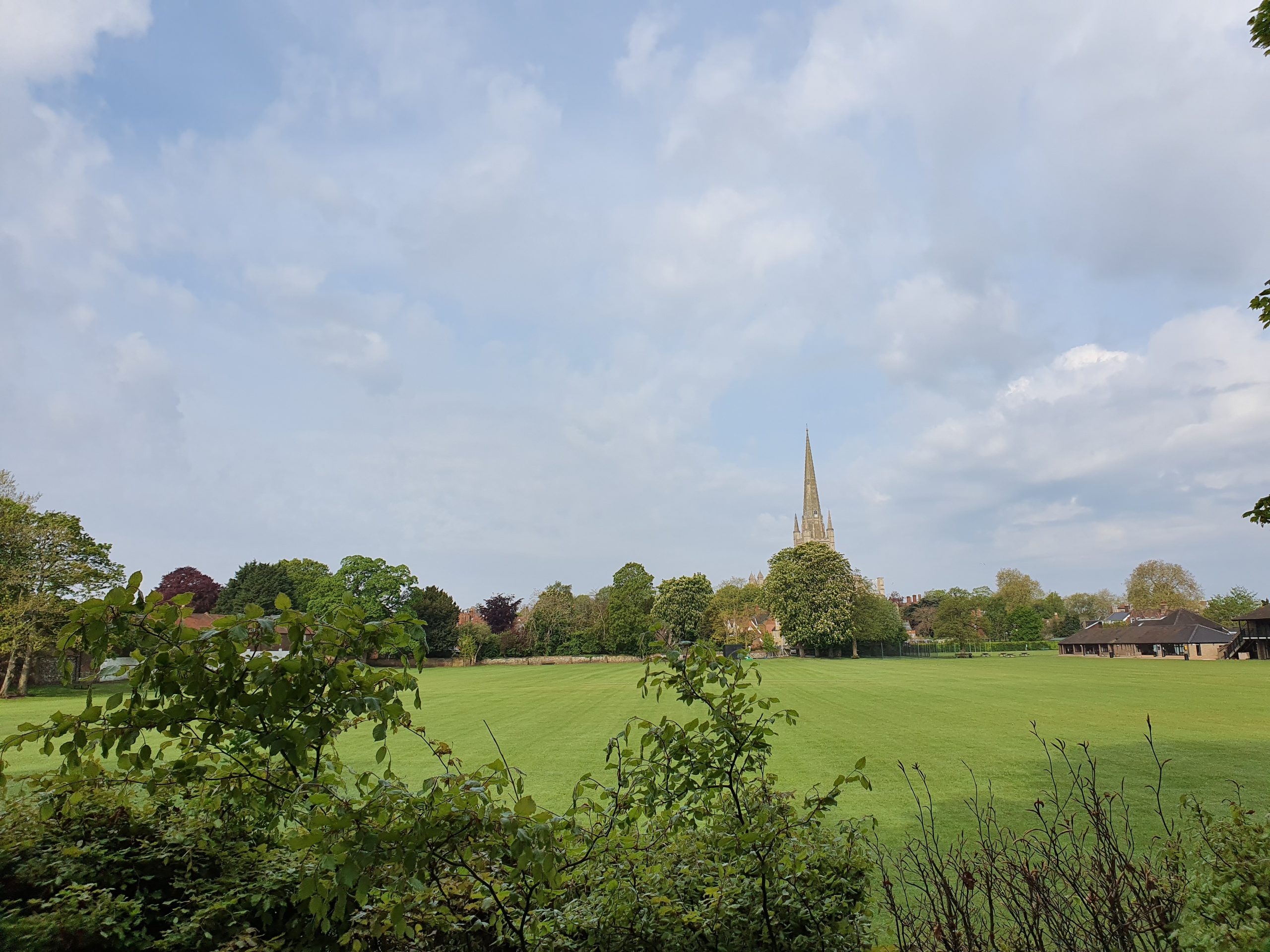
    That’s a photo from pretty much the same spot today. The British Museum refer to this as a drawing of Norwich Castle, although I’m not convinced, that’s definitely Norwich Cathedral. Cotman lived near here for a while, on St. Martin’s Plain, which is at the end of Bishopgate. I like the idea that artists have been sitting in this spot by the river for centuries painting the Cathedral, and that the fields (now part of Norwich School) are still there.

  • London – British Museum (Cloth Seal)

    London – British Museum (Cloth Seal)

    I usually visit the British Museum three or four times a year, something which is a little difficult to do with the current virus situation, primarily because it’s shut. However, they’ve placed hundreds of thousands of images on their web-site, so this will have to do me for the moment. The images can be used non-commercially, as long as the British Museum is credited. So, this is their credit.

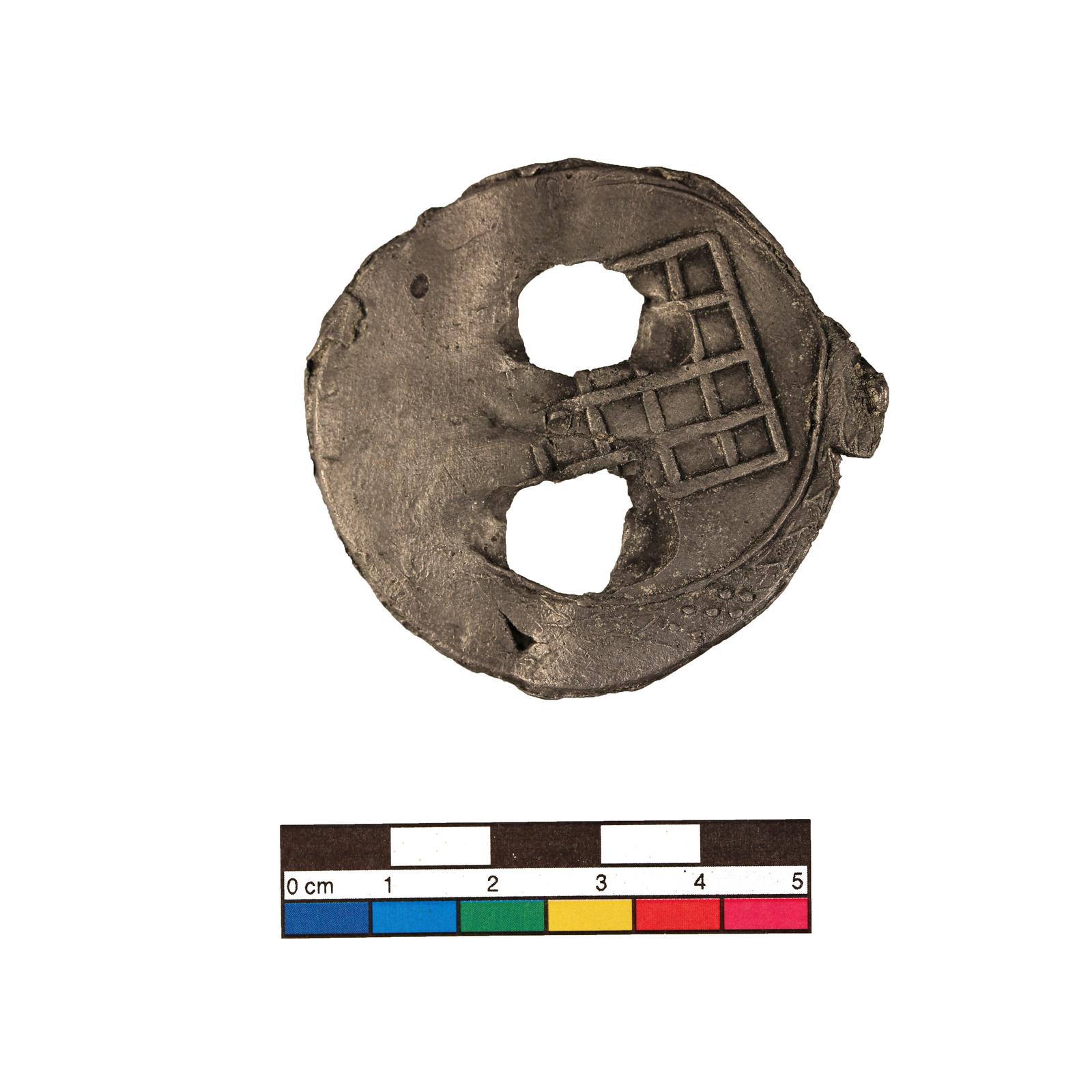
    I probably need to get out more given that I’m intrigued by an object in the British Museum that I’ve never seen and isn’t even on display there. But this is a cloth seal that was found in the River Thames, but it’s thought that it might have been made in Norwich by the Dutch immigrant community. Made out of lead, it would have secured clothing and the two holes are the rivet marks. The description of the seal is quite complex (by this, I mean I don’t understand it, although I’m not an expert in cloth seals to be fair), but it’s probably a portcullis.

    The seal was made in the late sixteenth or seventeenth century, but what is perhaps interesting is the size of the Dutch community in Norwich. It made up around 45% of the city’s population at one stage, but the community was welcomed in, despite their different language and culture. By all accounts that I’ve seen, the integration went well and the Dutch were welcomed and contributed financially to the city, which had been suffering a little economically.

  • London – British Museum (Iceni Coin)

    London – British Museum (Iceni Coin)

    I usually visit the British Museum three or four times a year, something which is a little difficult to do with the current virus situation, primarily because it’s shut. However, they’ve placed hundreds of thousands of images on their web-site, so this will have to do me for the moment. The images can be used non-commercially, as long as the British Museum is credited. So, this is their credit.

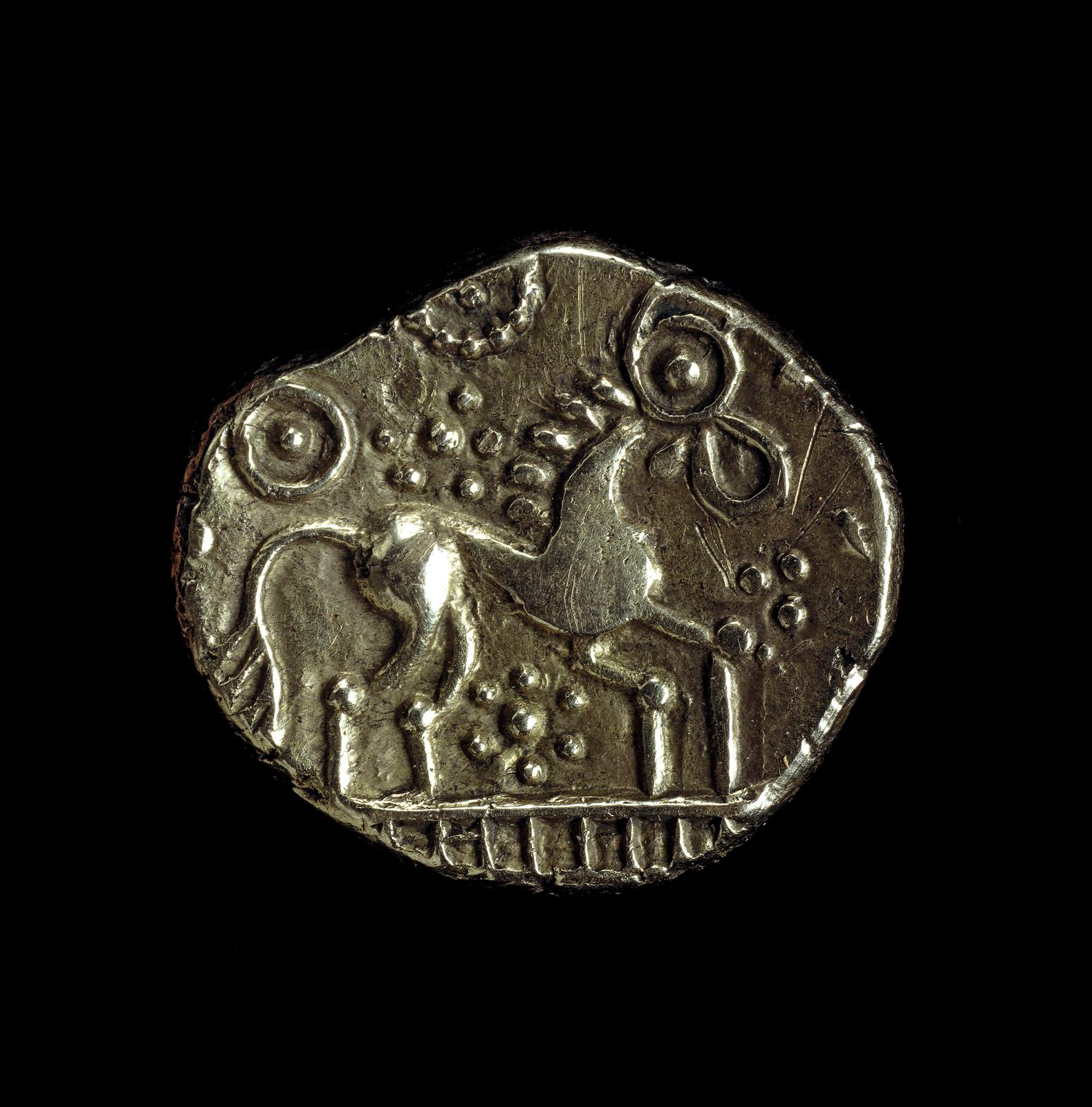
    The quality of these images is incredible (click on it for more detail), the British Museum has done a wonderful job here. This is an Iceni coin which was minted in Norwich and dates to around 5AD-20AD and is made up of 45% copper, 39% gold and 16% silver. It was discovered in Norwich in the early nineteenth century and purchased by Harry Osborn Cureton, before being owned by Clifton Wintringham Loscombe and then acquired by the British Museum in 1855. Unfortunately, this rather lovely coin isn’t on display.

  • London – British Museum (13th Century Coin from Norwich Mint)

    London – British Museum (13th Century Coin from Norwich Mint)

    I usually visit the British Museum three or four times a year, something which is a little difficult to do with the current virus situation, primarily because it’s shut. However, they’ve placed hundreds of thousands of images on their web-site, so this will have to do me for the moment. The images can be used non-commercially, as long as the British Museum is credited. So, this is their credit.

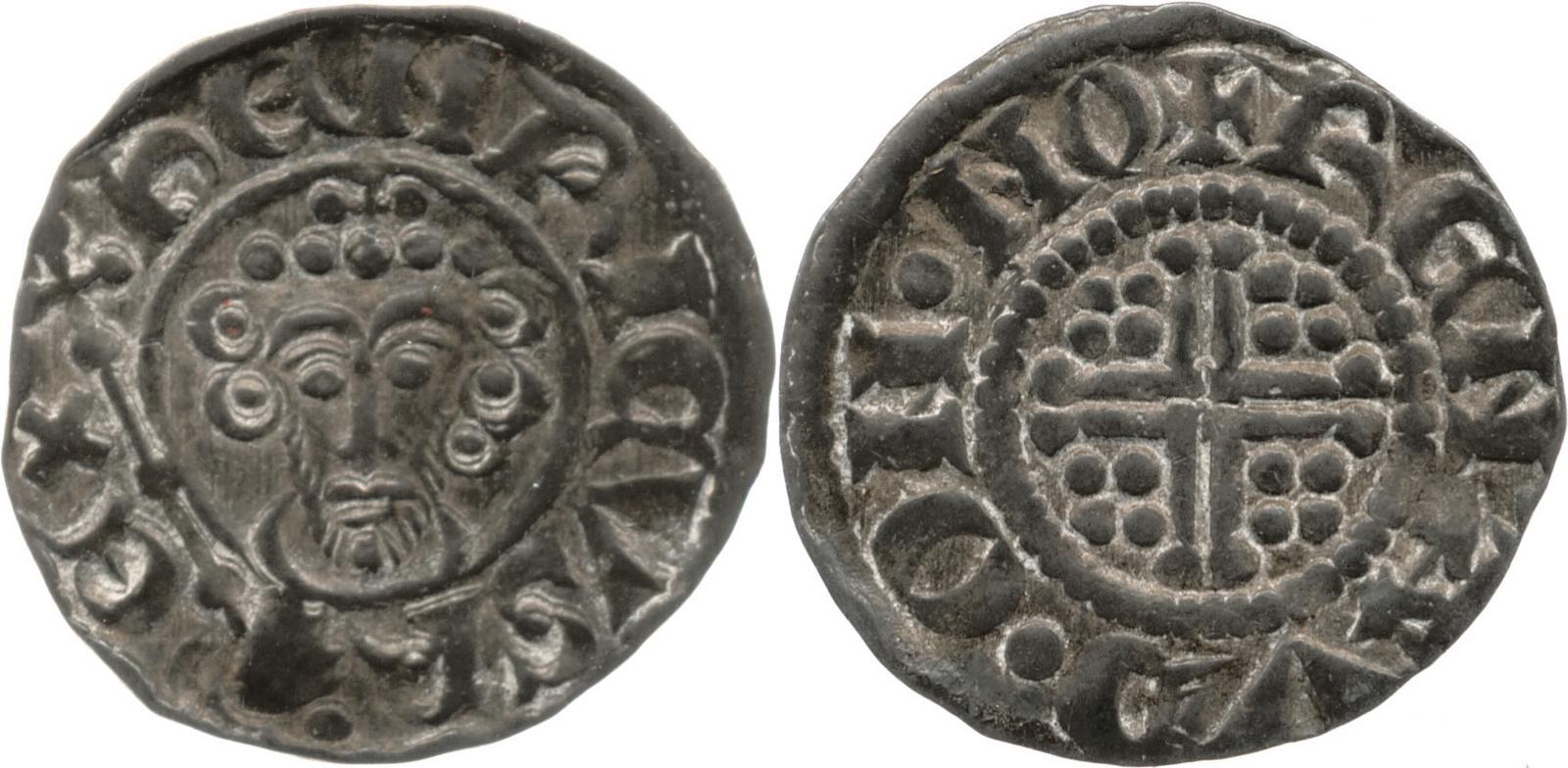
    I like this, it’s a coin which was minted in Norwich between 1201 and 1207, when this city was one of nine mints across the country. It’s known as short cross coin and it was minted by the moneyer who was known as Renaud (or Renald). I’m not sure that anyone knows where for sure this mint was, but it was probably at what is now known as Old Mint Yard, off Fishergate.

    The coin was part of the Eccles Hoard, a huge collection of over 6,000 coins which were discovered in November 1864, mostly silver pennies, and it’s thought that they were buried in around 1230. The coin was purchased by Sir John Evans, and then acquired by John Pierpont Morgan (better known today for being the force behind JP Morgan) and then by the British Museum in 1915 after Morgan died.

    And, I wouldn’t have seen it if the British Museum was open, as this coin isn’t on display.