
Tag: Bradford Cathedral

  • Bradford – Bradford Cathedral (Children of Samuel Hailstone)

    Bradford – Bradford Cathedral (Children of Samuel Hailstone)

    The vault in Bradford Cathedral which contains the remains of the three children of Samuel Hailstone (1768-1851) and his wife Ann Hailstone. The slightly unusual surname is likely to derive from someone in the family having once lived at a location called Hailstone, such as Hailstone Hill in Wiltshire or Hailstone Farm in Gloucestershire. It’s quite eye-catching due to how the cathedral has placed the little choir children.

    The children are:

    (i) Thomas Hailstone, born 1 March 1814, died 9 April 1816

    (ii) William Hailstone, born 23rd September 1815, died 4 April 1816

    (iii) Frances Hailstone, born 7 February 1820, died 16 February 1824.

    Samuel and Ann also had four children who survived to an older age (or at least into adulthood):

    (i) John Hailstone (1810-1871)

    (ii) Edward Ripley Hailstone (1818-1890)

    (iii) Anne Hailstone (1811-1834)

    (iv) Elisabeth (1809-1832)

    Which means that of Samuel’s seven children, he outlived five of them. The death of Thomas and William in the same week was noted in the local newspaper, which mentioned that the family lived at Croft House, but I can save time by linking to more information about this at https://bradfordlocalstudies.com/2016/08/30/map-of-the-week-a-century-of-bradford-hailstones/.
  • Bradford – Bradford Cathedral

    Bradford – Bradford Cathedral

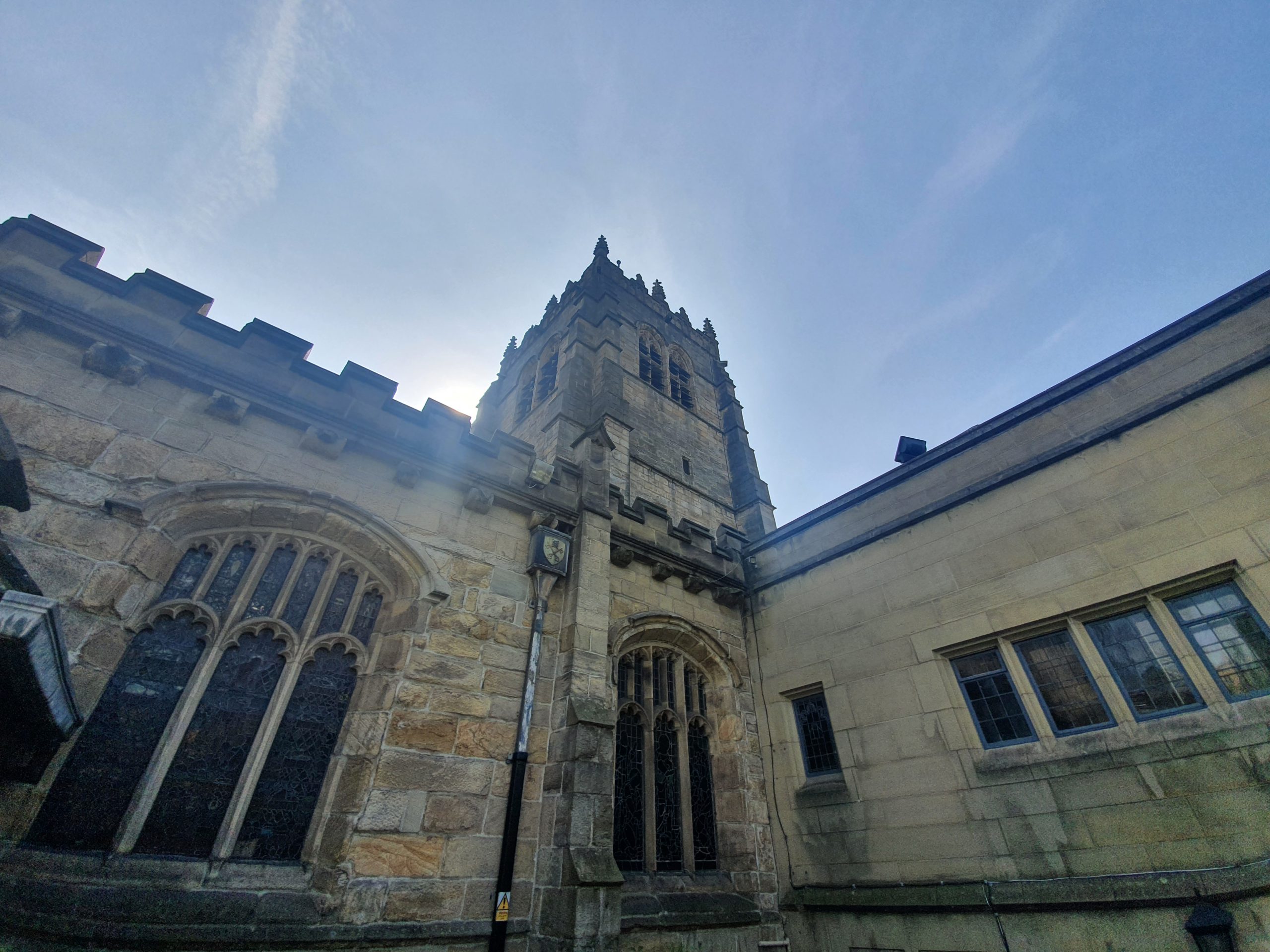
    This is from my visit to Bradford Cathedral a couple of weeks ago, and I managed to take around 80 photos, which is rather more than I had anticipated. This means that I now feel the need to post some individual posts featuring some of the photos to justify my efforts in taking them. It is though a beautiful building, mixing heritage and a modern feel.

    This was St. Peter’s Church until it was elevated to cathedral status in 1919, with a religious building on this site since the Anglo-Saxon period although it was likely derelict at the time of the Norman occupation. The current building is at its heart from the fourteenth and fifteenth centuries, with some modern bits added on. It has had to cater for a growing population, but it wasn’t knocked about too much by the Victorians, although was extended in the 1950s following the designs of the architect Edward Maufe. The changes in population in this area are evident as this building was once in the Diocese of York, then the Diocese of Ripon before becoming its own diocese when it became a cathedral.

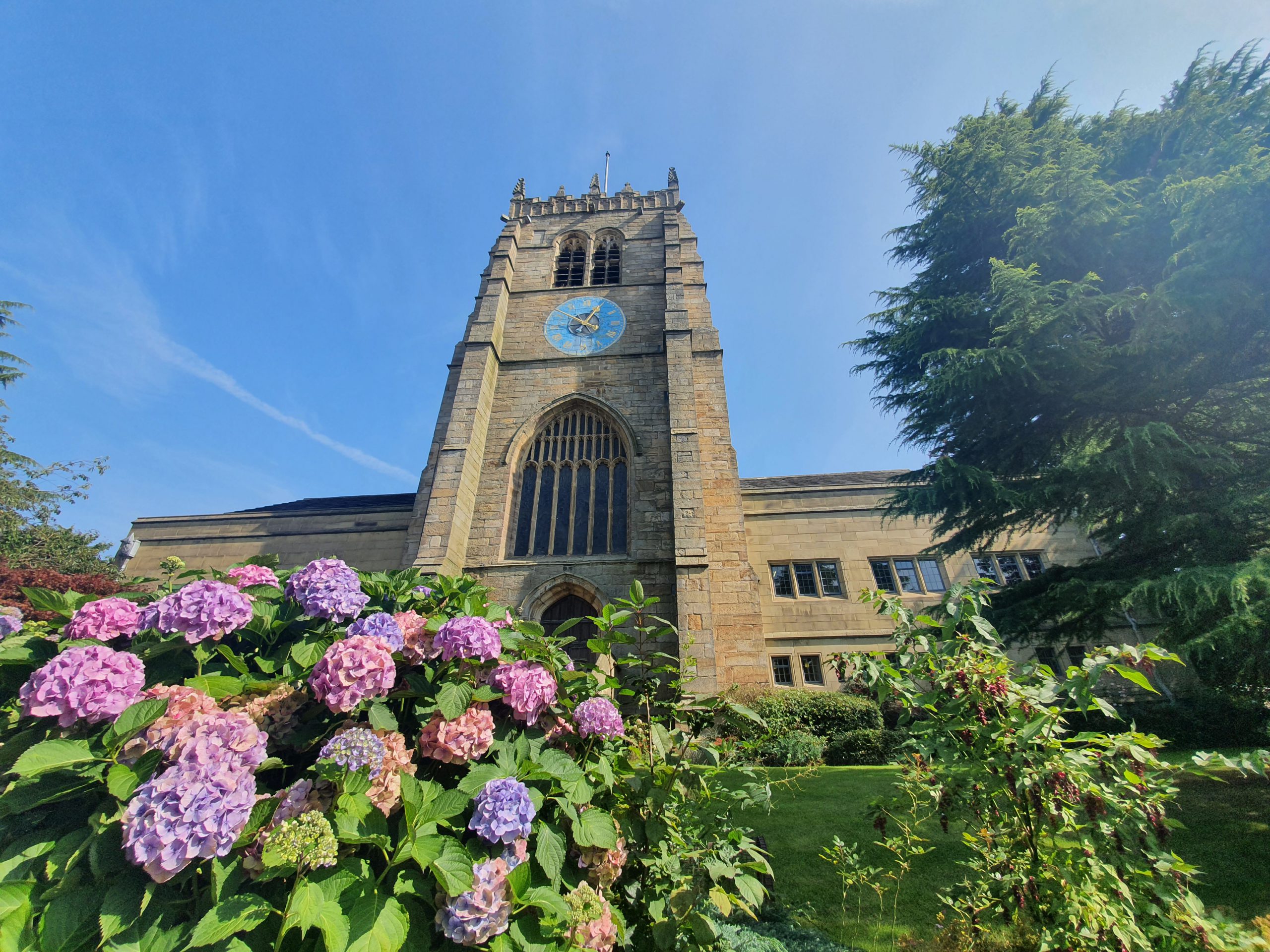
    The cathedral’s exterior, with many locals enjoying the sunny weather and sitting in the churchyard (I didn’t include them in the photo).

    I’ll have to write separate posts about some of the elements that interested me at the cathedral, but this is the interior which was peaceful and quiet. The cathedral had the foresight to create a museum of religion here at the turn of the century, but unfortunately it wasn’t a financial success, perhaps just too niche. Anyway, the environment in the building felt welcoming and one of the staff made brief conversation as they walked by, and I think that engagement is really useful as someone might have gone in needing assistance.