
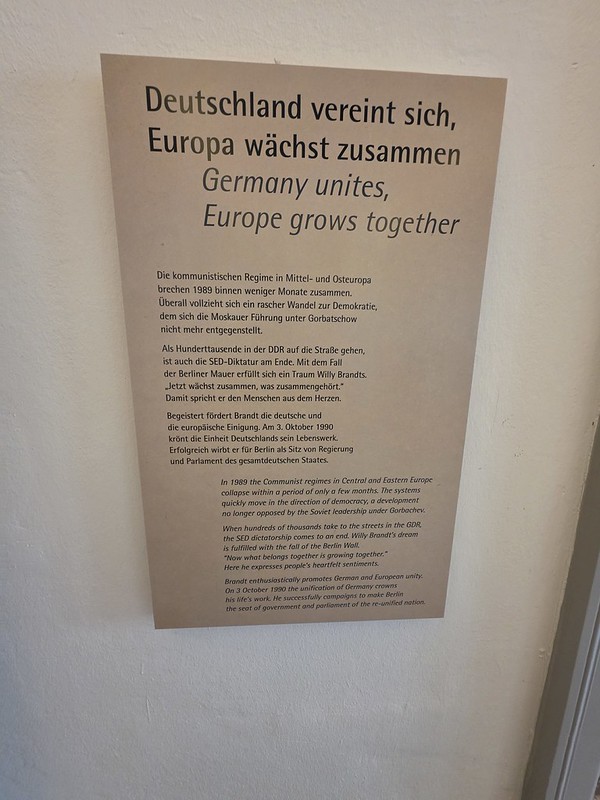
Although Brandt stood down as the Chancellor of West Germany in 1974, he remained the leader of the SPD until 1987. Although he hadn’t always been sure that Germany would reunite, he saw the collapse of communism across Central and Eastern Europe as well as the beginnings of German integration. He was known for the phrase “Now grows together what belongs together” for Germany and he is seen as one of the greatest of all German leaders.
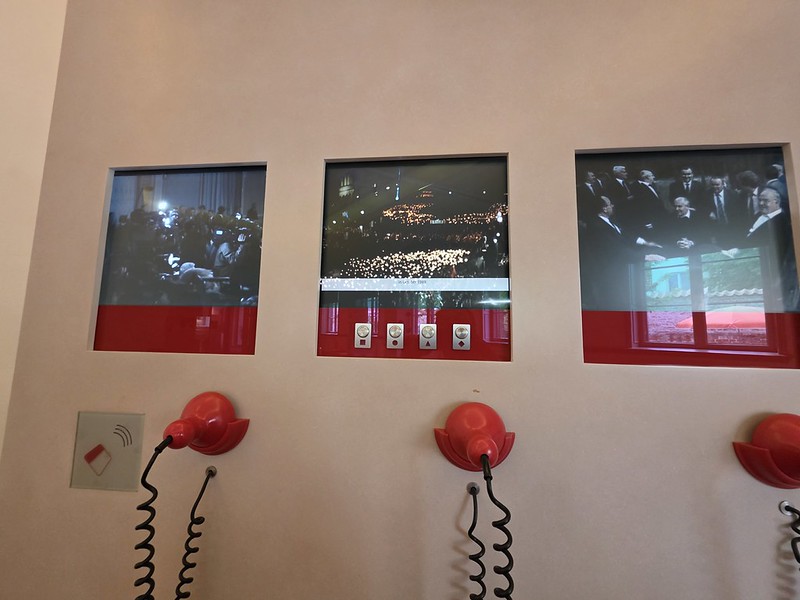
There were plenty of media screens around the place and they switched to subtitles in English when I placed my card against the panel. All nicely done.
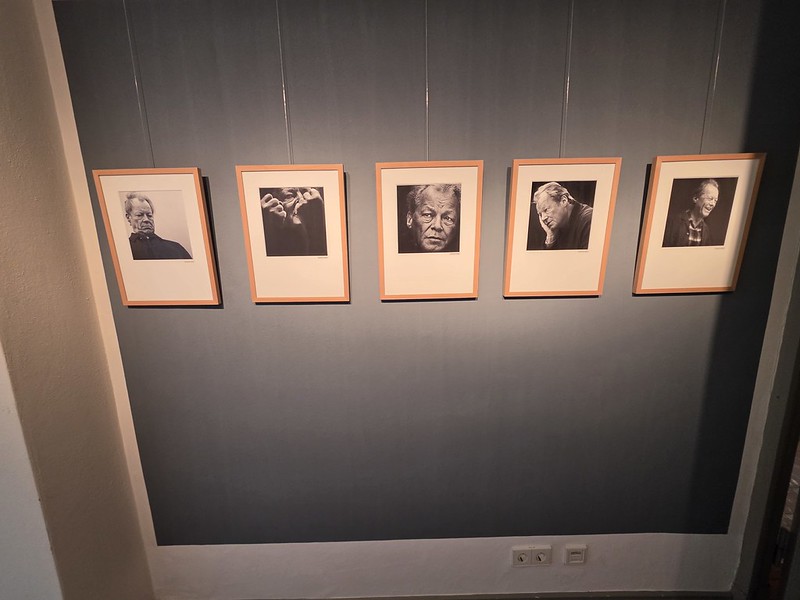
A series of photos of Brandt.
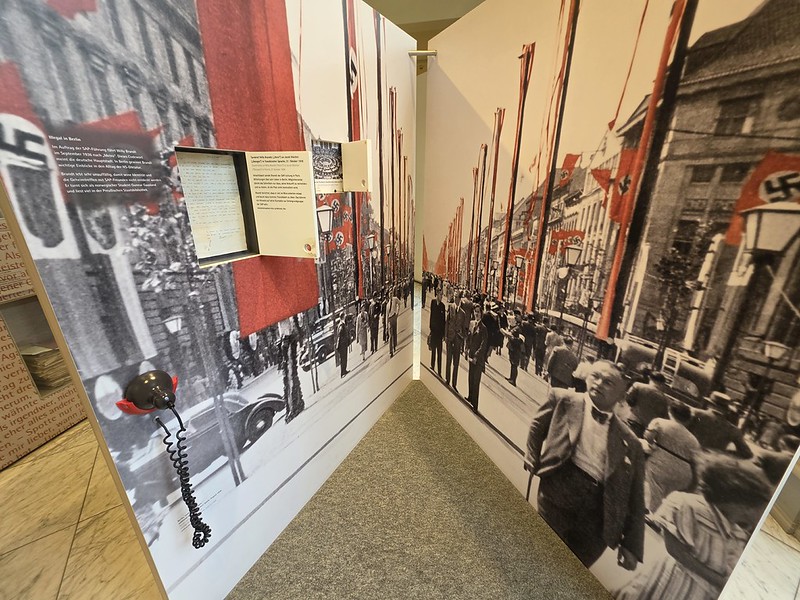
There was a little special exhibition at the end of the museum tour with this section pointed away from the main doors. The letter in the display is in French and was written by Brandt to Jacob Walcher (1887-1970) on 31 October 1936. Walcher sent Brandt to do political work in Norway and their friendship broke in 1946 as their political views diverged too much.
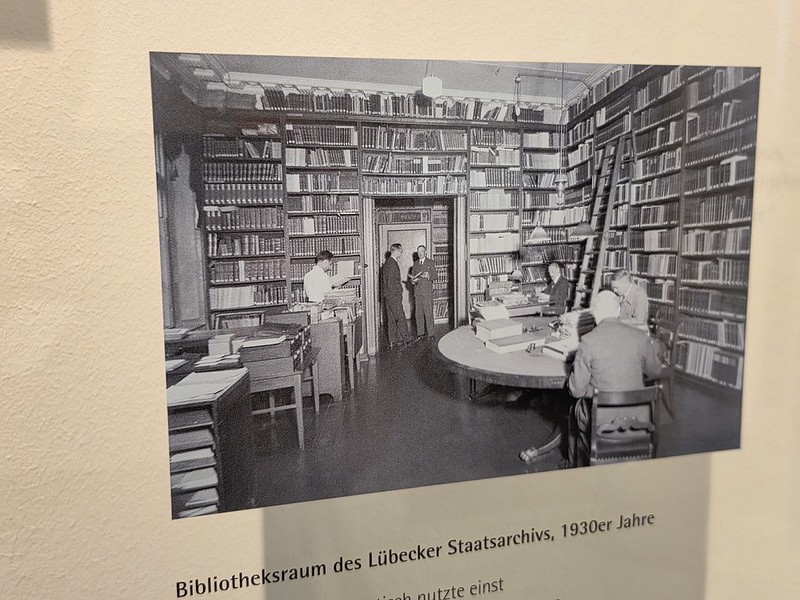
A photo of the building from 1930 when it was used as a library.
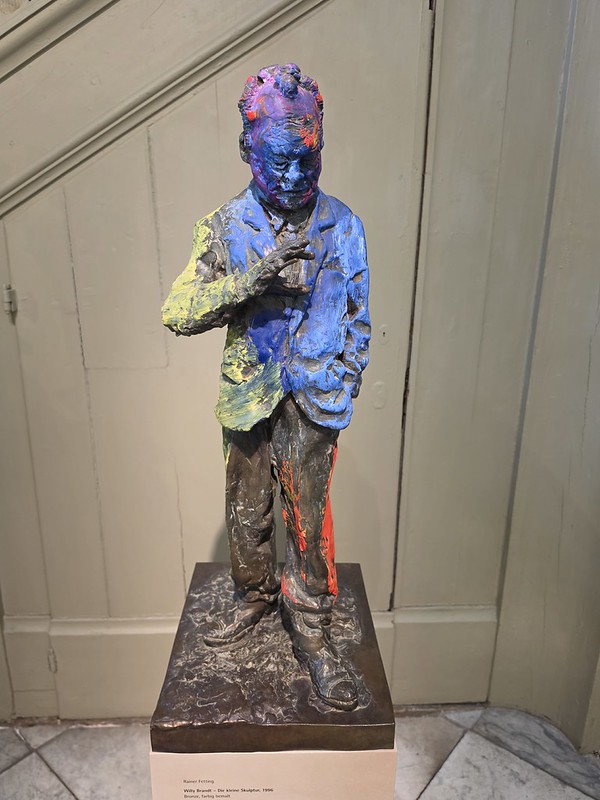
A sculpture of Brandt created by Rainer Fetting in 1996.
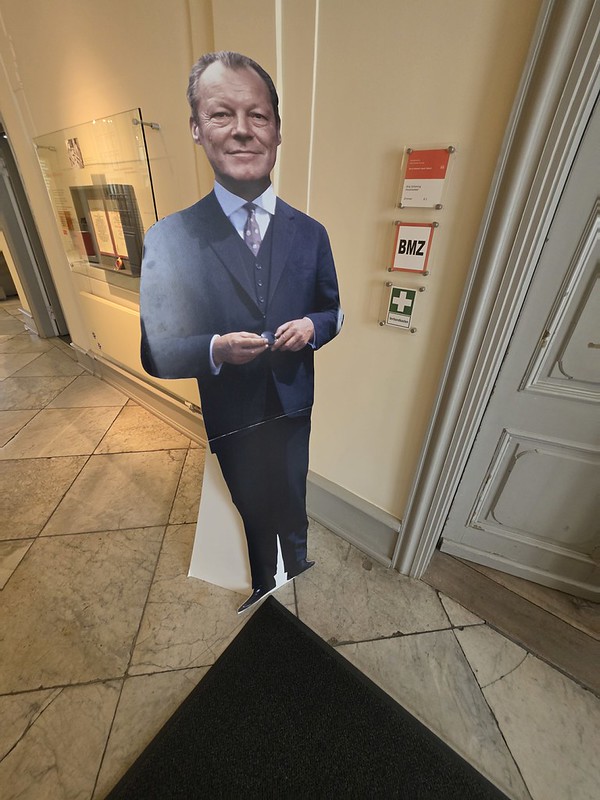
Willy Brandt (1913-1992).
I very much liked this small museum, although it only took around thirty minutes to look around it. The team members were friendly and welcoming, with much of the text in English. I liked how the media had English subtitles for those that wanted it and I learned a great deal about European politics from this period as well as about Willy Brandt. There’s no admission charge and I thought that it was all really quite lovely.