Category: United States

  • Las Vegas – Carl’s Jr

    Las Vegas – Carl’s Jr

    It took me until 2015 to visit a Carl’s Jr, one of the largest fast-food chains in the United States. They were founded in the 1940s and the Jr. bit of their name is because the owners had already established Carl’s Drive-In Barbecue restaurant, and this new venture was something a little smaller. They started their new venture in Anaheim, which is one of the few parts of Los Angeles I haven’t been to, with the exception of sitting on board a coach in the coach station going between LA and Las Vegas. But I don’t think that counts.

    The chain’s first expansion outside of California was to Las Vegas, and although it was in a different location within the city, it’s where I visited them in Sin City. Today, the chain also has a sister company, called Hardee’s, which is to all intents and purposes pretty much the same.

    I’m not entirely sure about the burgers here, as in, they were fine, but they tasted pretty much the same as Burger King, so there’s little unique about them. There’s something about chains like Five Guys, White Castle and In-n-Out that allows their burgers to have a taste that is pretty distinctive to them. The fries are much better, crispy, firm, not greasy and sufficiently salty. Like nearly everywhere in the United States, the service was efficient and friendly, with the restaurant being clean and organised.

    So, it’s all entirely acceptable, but as so often, there might be better independently-run burger restaurants available…….
  • Las Vegas – An Unfortunate Incident

    Las Vegas – An Unfortunate Incident

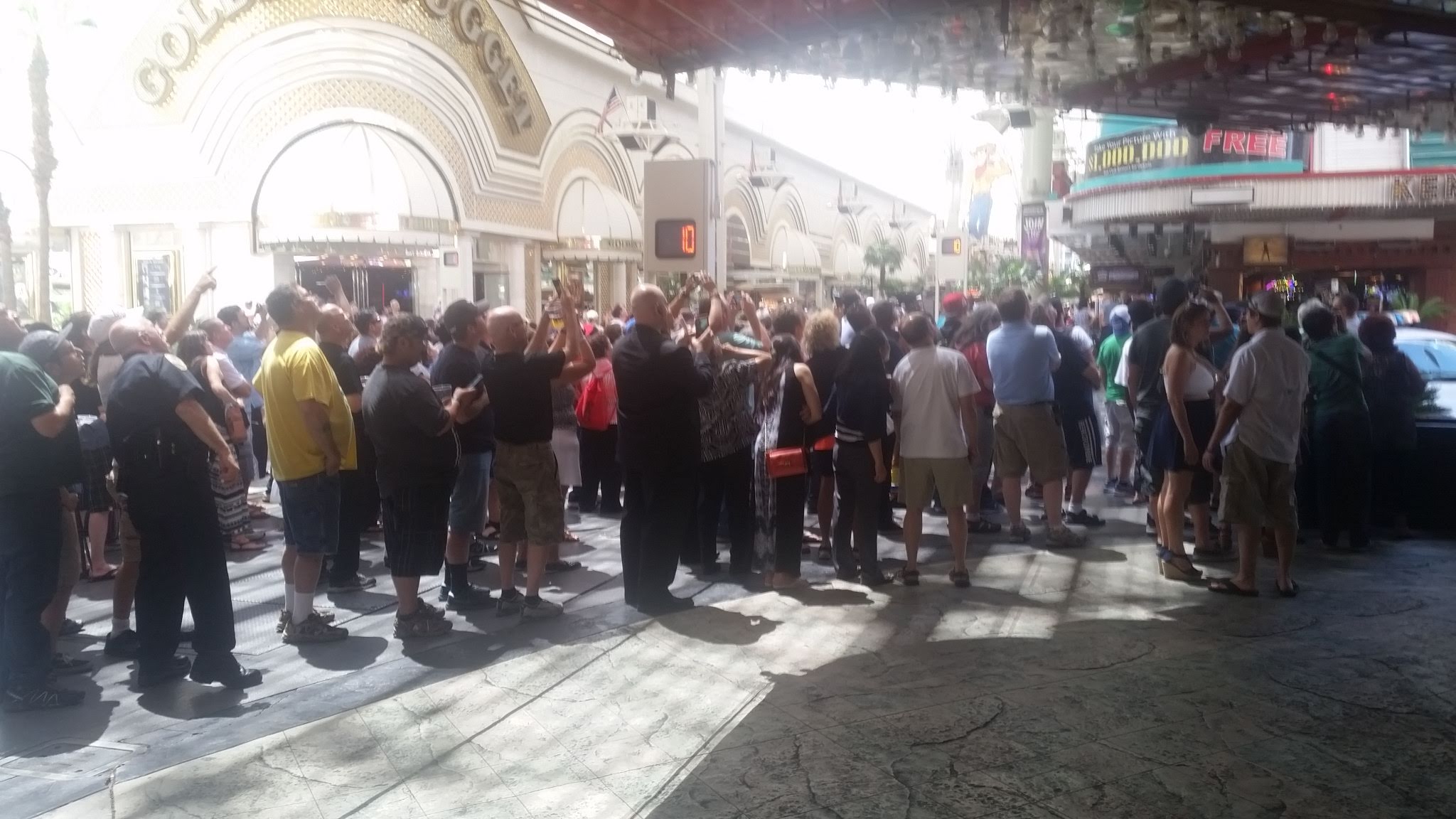
    This is Fremont Street, in downtown Las Vegas, back in 2015. It’s a street which is neither understated nor quiet, with much going on along its now pedestrianised length. And perhaps, sometimes people forget what is the made-up entertainment of Las Vegas and what is reality.

    Seeing a crowd, and liking drama, I had to interfere quickly to see what was going on. What was actually happening is that someone was standing on a tall building nearby and threatening to jump. The emergency services were already there in force and were trying to contain the situation.

    Now, I’m not really into human suffering, blood and terror, so I decided to take a photo only of the people taking photos and then I left. To go to Banger Brewing actually, but that’s a different matter. I certainly didn’t want to hear the crowd’s reactions to every twist and turn of this drama, let alone witness something even more dreadful. I have no idea what the outcome was, but I’m still moderately surprised by just how many people wanted to watch this unfold.

  • Las Vegas – Viva Vision

    Las Vegas – Viva Vision

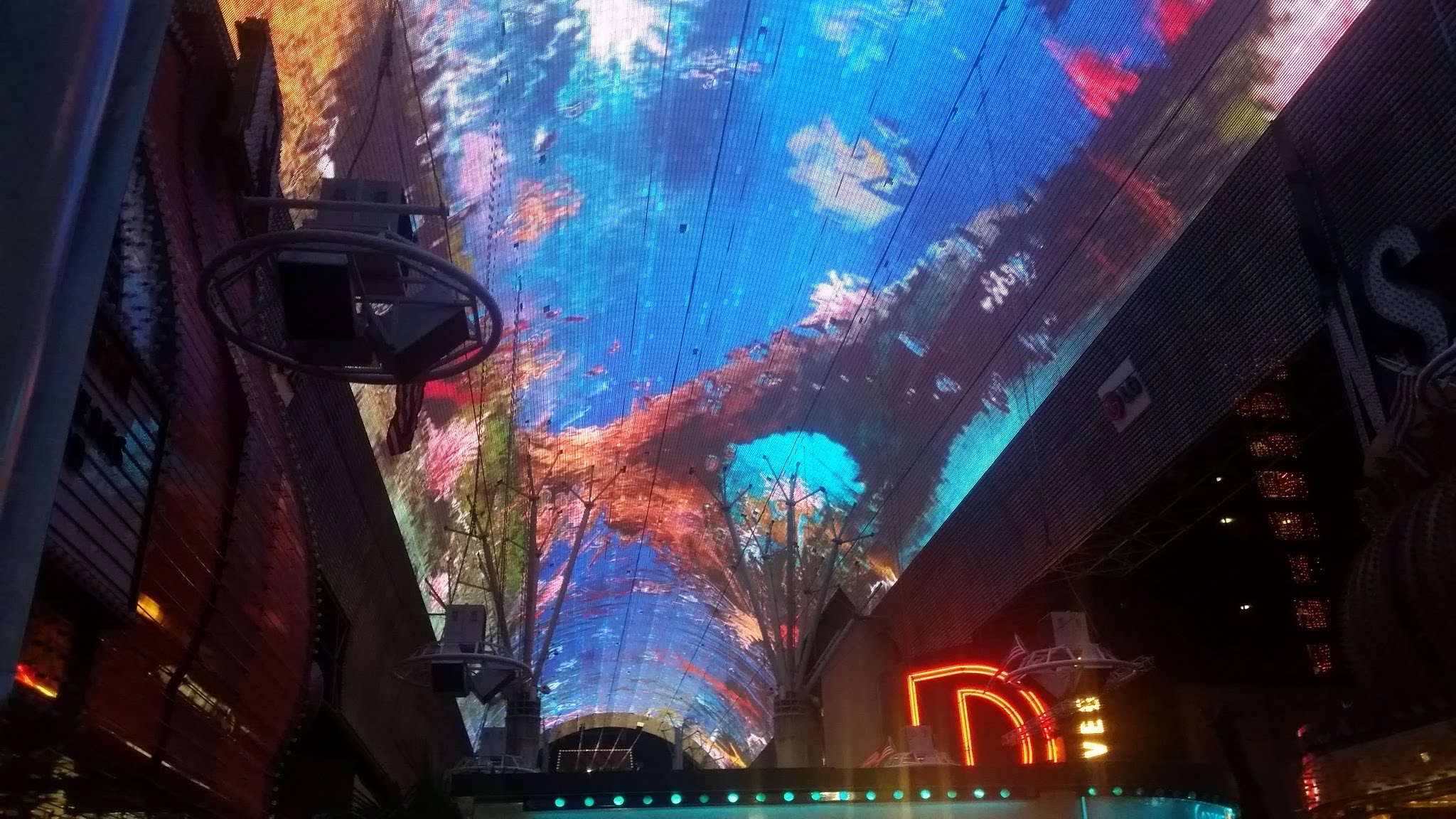
    I still haven’t found the photos that I was looking for, but I’ve found these, from 2015. I’ve worked my way around many hotels in Las Vegas over the years, but my first visit was to downtown Las Vegas and the shuttle dropped me off at my hotel just as the light display started.

    And, as light displays go, this was very Las Vegas. Covering a huge area that once had over 2 million lightbulbs and has since been replaced with 12 million LED lamps, it’s an audio-visual experience that is as understated as Las Vegas.

    I have better photos of this, but as these are the ones I’ve found, they’ll do.

    And here’s a video of what it can look like, with the show changing frequently. They’ve upgraded the set-up over the last year, so I’ll need to go back to Las Vegas yet again to check it out.

  • Las Vegas – Brain Health Twisted Building

    Las Vegas – Brain Health Twisted Building

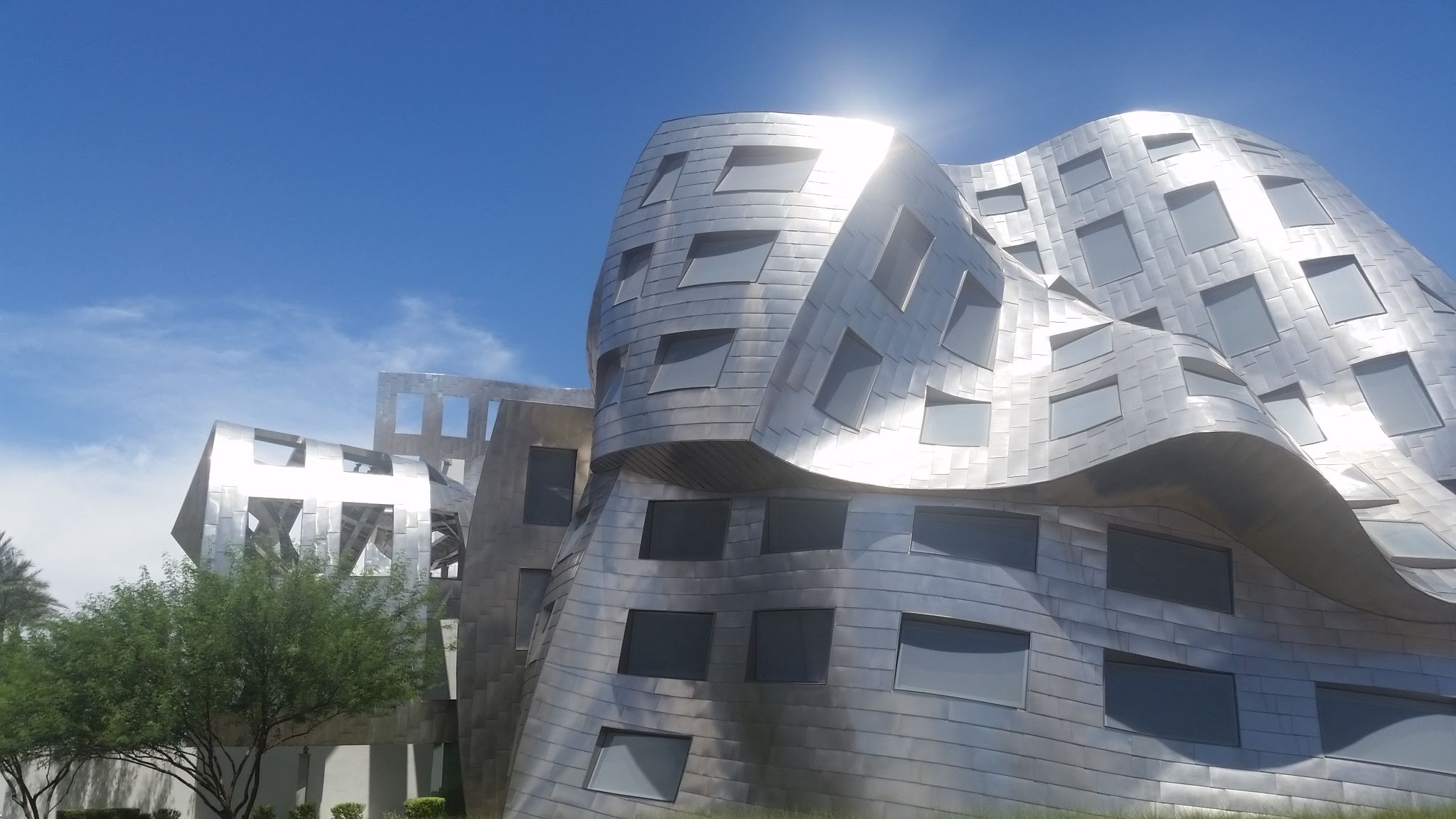
    I took the above photos in 2015 and I think I have some more recent ones which are of a better quality, but since this isn’t a photo competition these can do. The building, located at 888 W. Bonneville Avenue, is officially named the Lou Ruvo Center for Brain Health and it opened in May 2010. The $70 million building certainly makes a design statement and was designed by Frank Gehry, noted for his work on the Guggenheim Museum.

    The building behind the intriguing frontage is a fully functional health building that investigates brain illnesses, particularly in relation to Alzheimer’s, Parkinson’s, Huntingtons and Multiple Sclerosis. As a work of art though, I think it’s a quite magnificent building.

  • Las Vegas – Las Vegas Sign

    Las Vegas – Las Vegas Sign

    I may not have yet been entirely successful in my hunt for my photos of San Francisco, but I’ve found another tranche of photos from Las Vegas that I’d forgotten about.

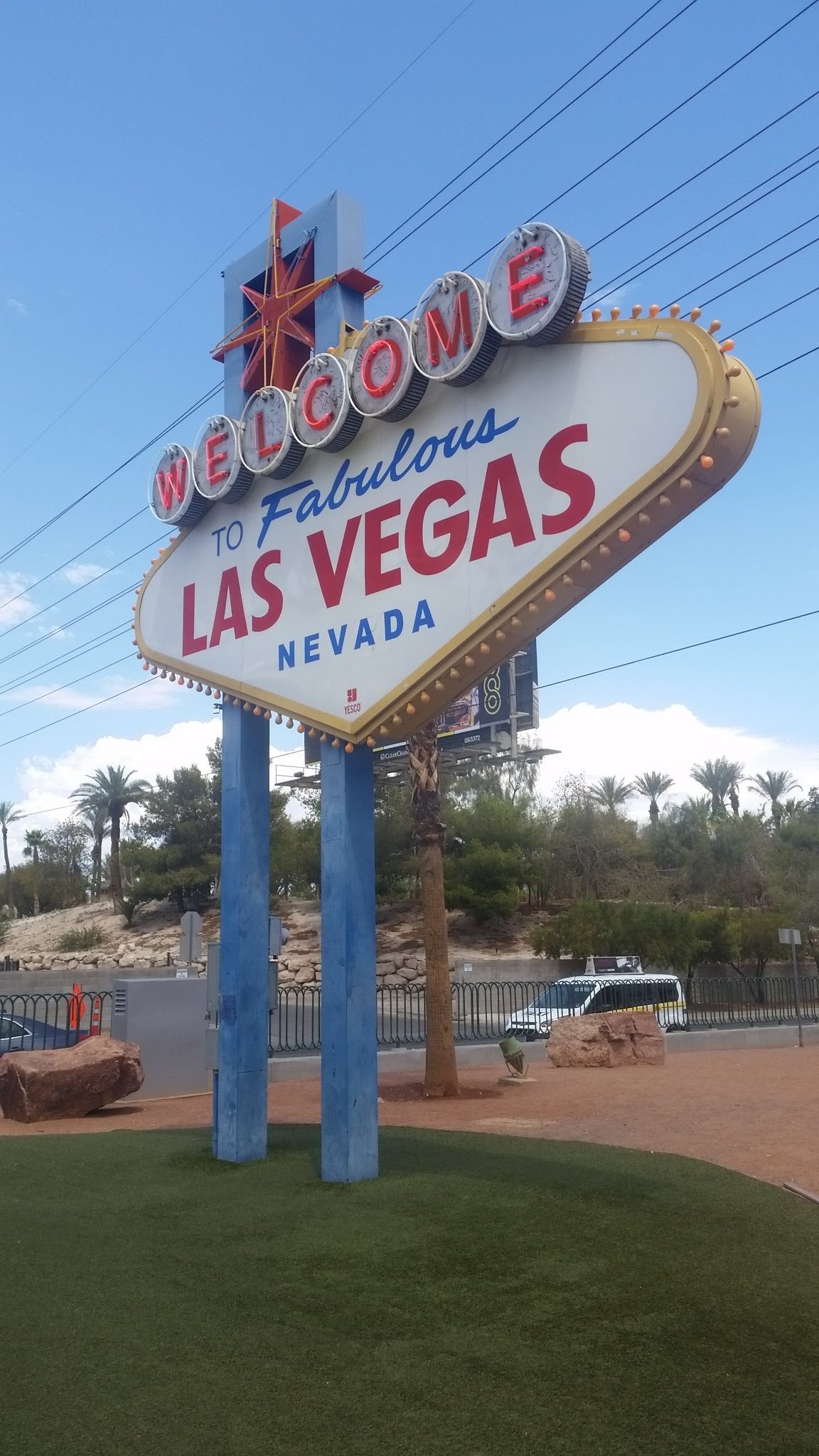
    The Las Vegas sign, located at the southern end of Las Vegas, near McCarran Airport. On this point, I’m aware that most of Las Vegas isn’t in Las Vegas, it’s in the unincorporated town of Paradise, but that’s for another post. This sign has been here since 1959 and it was designed by Betty Willis (1923-2015) who didn’t copyright the sign and instead gave it to the city.

    As the decades went by, this sign became more iconic and more tourists wanted to look at it. This was a problem, as the sign was in the middle of a road and if I’m being honest, the Americans do sometimes forget about pedestrians in their pursuit of new roads to build. But, in 2008 the authorities thought something should be done and they made it easier to get to the sign with the installation of a traffic crossing and a nearby bus stop. This made it even more popular and it has now become a safe site to visit for tourists, and many of them do.

    The reverse of the sign.

    I always look awkward in photos, it’s better when I stand much further away and even better when I stand the other side of the camera.

    The sign is visible early on in this video from the 1960s.

  • Las Vegas – United Church of Bacon

    Las Vegas – United Church of Bacon

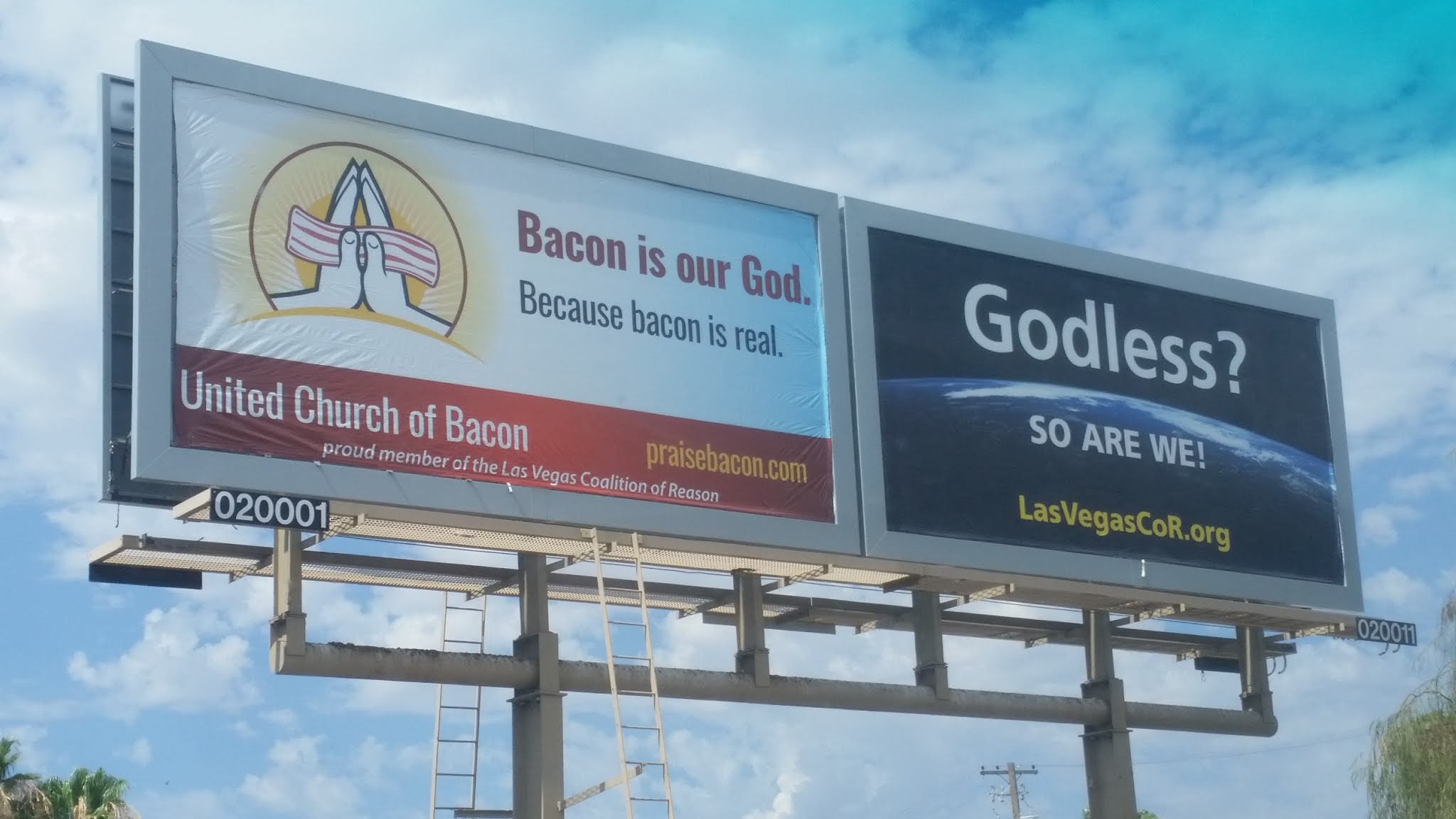
    Seen in Las Vegas back in 2015, certainly noticeable and controversial….

    The United Church of Bacon is a parody church, a group set up to promote atheism which Wikipedia tells me was established in Penn Jillette’s house (from Penn and Teller).
  • Las Vegas – Bitcoin

    Las Vegas – Bitcoin

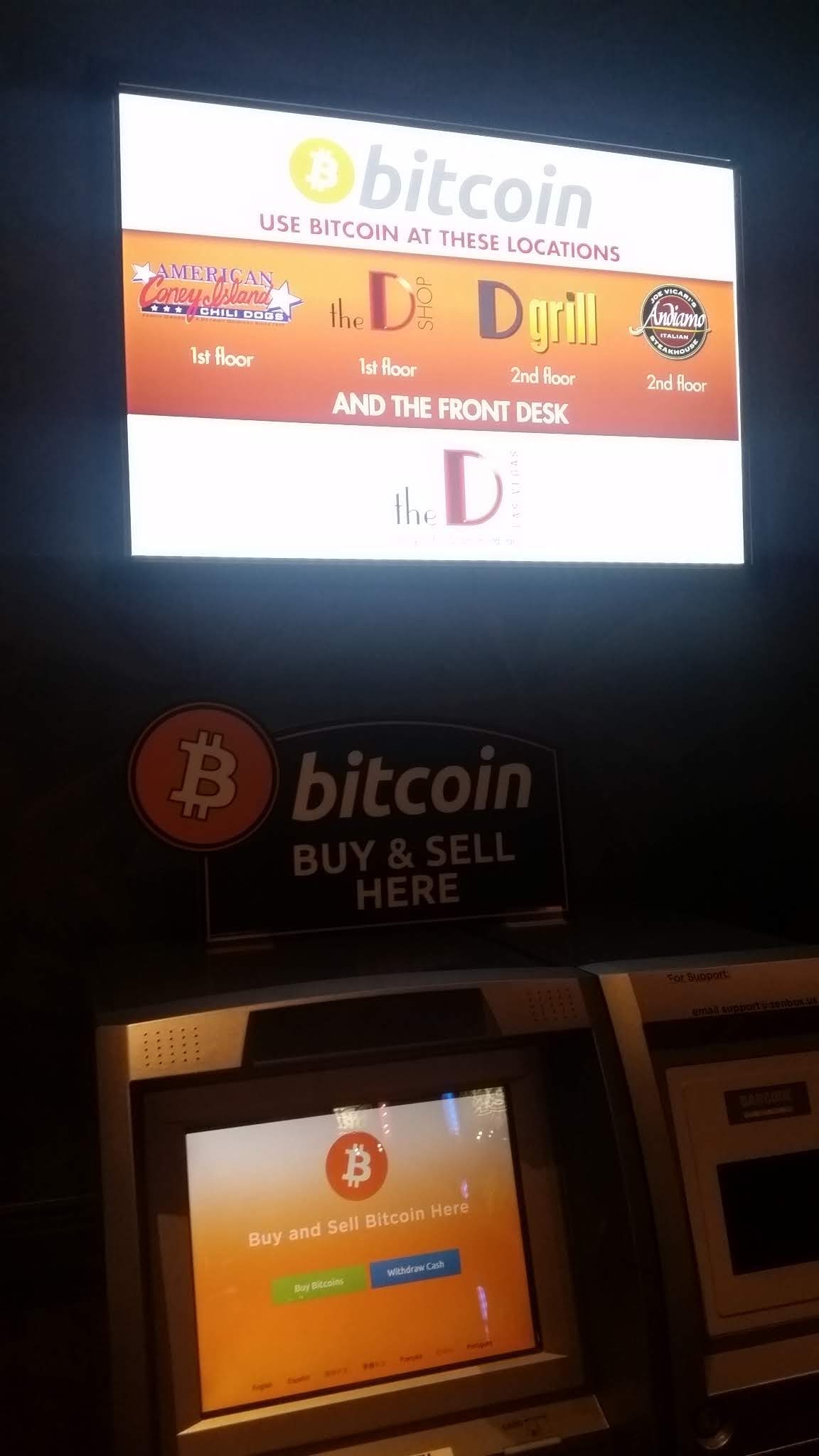
    In a bid to work out where my photos from San Francisco have gone, I found this photo from Las Vegas in 2015. If I had purchased $1,000 of Bitcoin at this machine then I would have got myself around 5 Bitcoins which would now be worth just shy of $50,000.

  • Baltimore – The Walters Art Museum (Hindu Snake Charmers)

    Baltimore – The Walters Art Museum (Hindu Snake Charmers)

    Taken in 2015 on a phone and the image compressed by Google hasn’t done much for this….

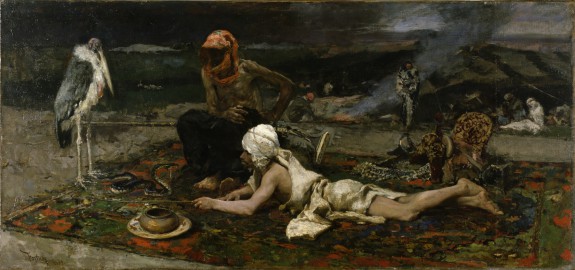
    Fortunately, the museum allows free use of their images, so this one is rather more useful.

    Painted by Marià Fortuny (Mariano José María Bernardo Fortuny y Marsal) in 1869 (he lived from 1838-1874), it was inspired by the journey that he made on General Prim’s military expedition to Morocco in 1860. The gallery notes about this painting:

    “The artist, a collector of Islamic decorative arts, includes such accessories as a copper bowl, luster plate, and saddle.”

    Anyway, it looks like an angry cobra which is being charmed by a turbaned man, with what I think is a stork looking on excitedly.

    But, what I still think is exceptional is the sheer amount of information that the museum has provided about this painting. It was revarnished in 1951, had its condition checked in 1980, was examined for a loan in 1988 and then subjected to a technical study in 1989. And the provenance of the painting is also detailed, acquired by DH Foll of Geneva, sold in an art sale auction in New York in March 1887 to William Thompson Walters and then acquired by inheritance in 1894 by his son, Henry Walters. The painting was then given to the new museum in 1931 by Henry Walters, where it has remained since. I find this depth of information about a painting to add so much to understanding it, it’s a shame so few museums offer this level of detail.

  • Pittsburgh – PPG Place

    Pittsburgh – PPG Place

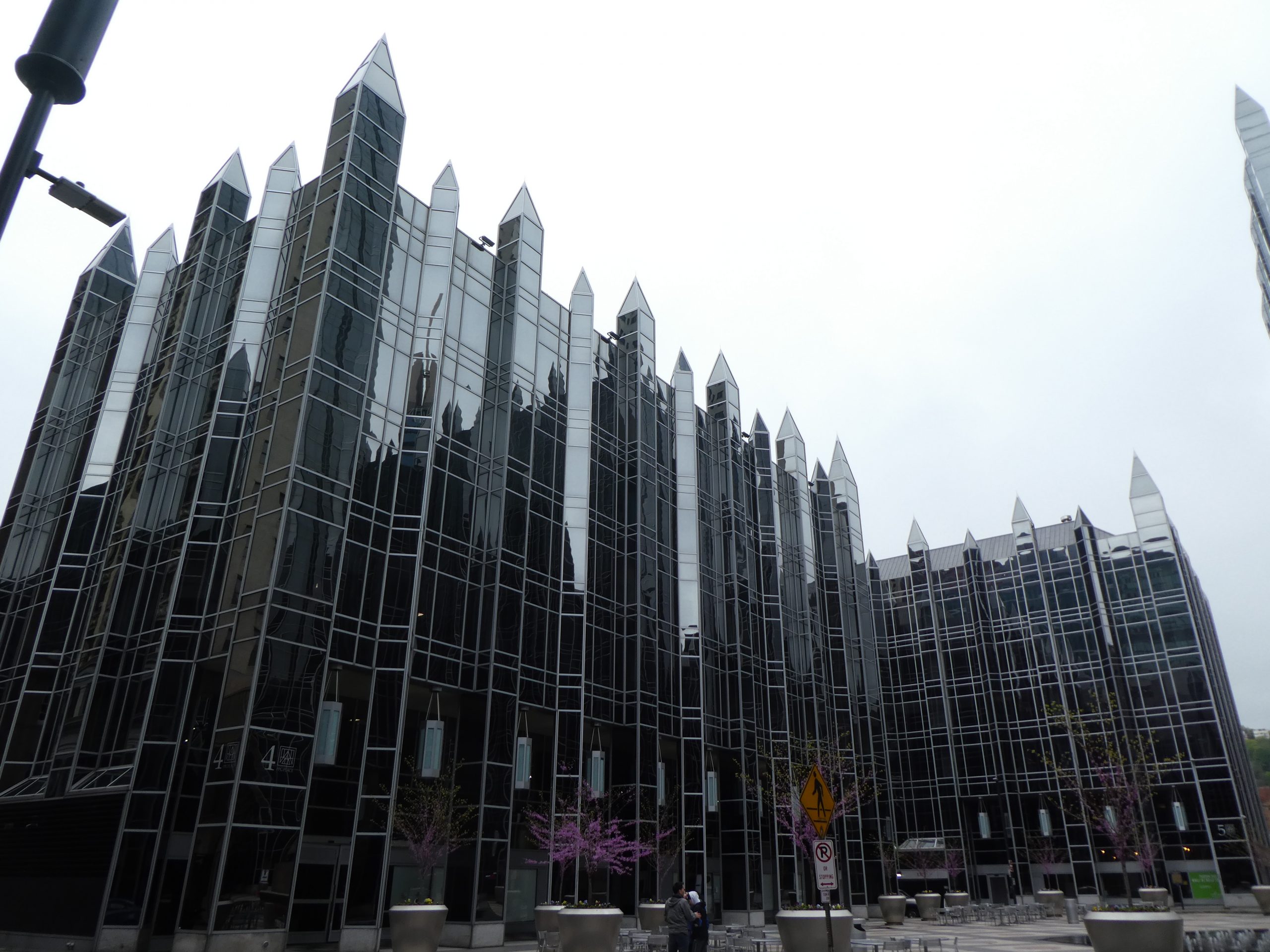
    This is PPG Place in the heart of Pittsburgh, with what I consider to be an architecturally stunning building.

    It’s the Head Office of what is now PPG Industries, although it was formerly known as the Pittsburgh Plate Glass Company.

    The building was designed by Philip Johnson and John Burgee and although it looks very modern, it was opened in 1983. Given the company’s heritage the heavy use of glass was perhaps inevitable, but the neo-Gothic style is just something quite special.

    The building used just under 20,000 panes of glass in its construction, with PPG Place seemingly having been well received by locals when it was built. That sheer amount of glass is around one million square feet in size, with the whole project costing 200 million dollars back in the 1980s. That was a brave investment given the decline that Pittsburgh was suffering from at the time, although it appears to have been a financial success for the company.

    There are 231 glass spires throughout the building complex and this is the main tower, standing 40 storeys in height. The whole set-up reminded me a glass version of the Palace of Westminster, and this was apparently asked of the designers, who said there were other buildings in the United States that were really their inspiration.

    The centrepiece of the complex. All very lovely.

  • Pittsburgh – Smithfield Street Bridge

    Pittsburgh – Smithfield Street Bridge

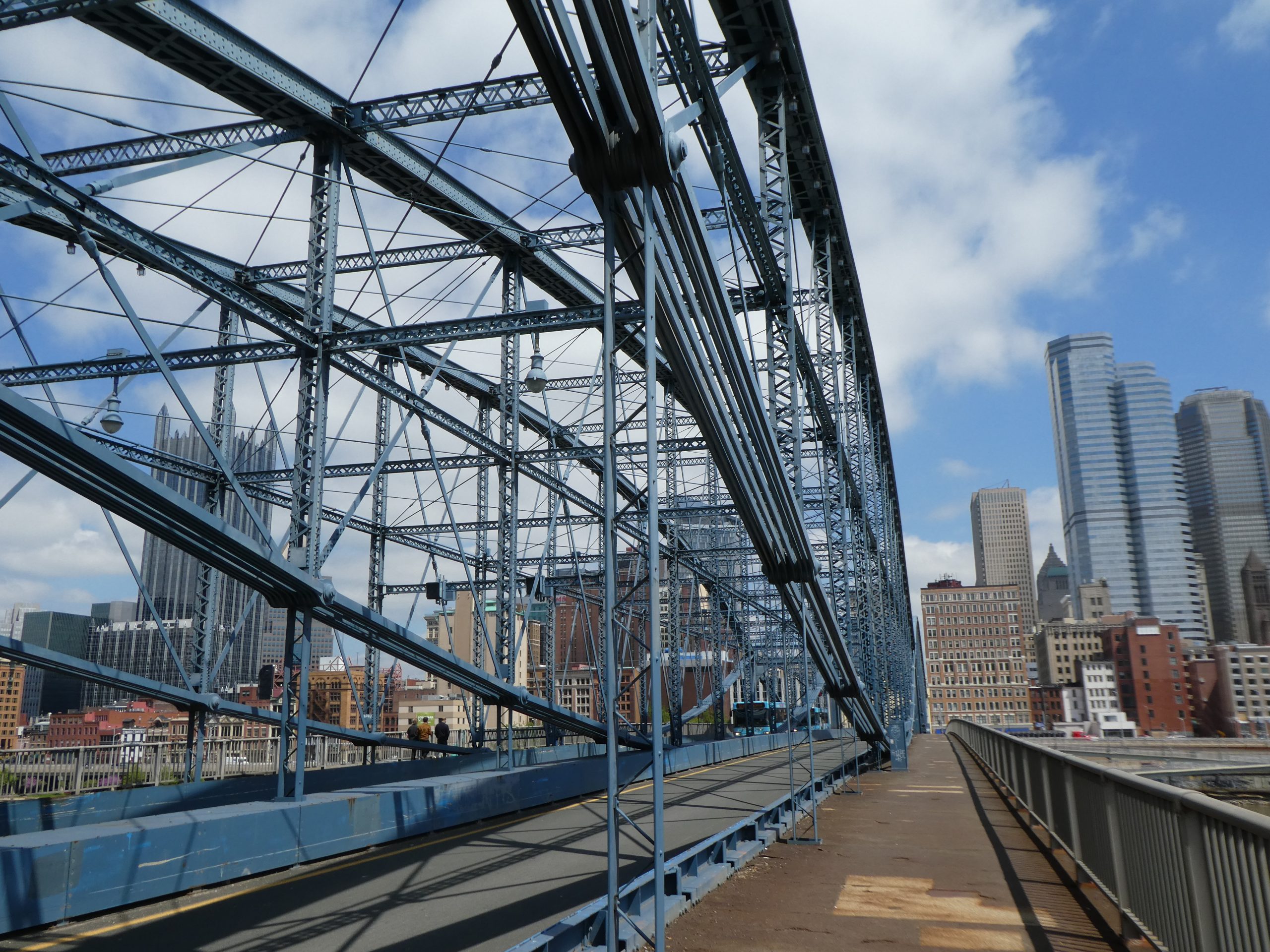
    The Smithfield Street Bridge is a sweeping statement of a river crossing, designed by Gustav Lindenthal and constructed between 1881 and 1883. It’s the third bridge at this location, the first was destroyed in a large city fire and the second wasn’t substantial enough to deal with the increase in traffic.

    Looking back towards South Side, this bridge is made from steel, not unexpected from the Steel City and it’s the second oldest bridge made from this material in the United States. What is more surprising is that some wit from the local transport authority thought in the 1990s that they should demolish this bridge to replace it with a new one. Fortunately, wiser heads prevailed and the structure was instead repaired.

    Originally the city’s trams went over the bridge, but these were replaced by Pittsburgh’s light rail system which takes a different route.

    The bridge at the end of the nineteenth century, which was widened on a couple of occasions.