
We’ve had a minor issue, as mentioned here, with regards to this Greater Anglia bullet train having to stop at numerous stops en route for prolonged periods so customers can use the station facilities. What the driver of this train seems unaware of is that customers in the first few rows of the front carriage can hear his full dialogue to the guard and others, which has so far included the c-word, the f-word, the s-word and a word I’ve had to look up on Google. Anyway, we’ve reached Thetford and the train I’m connecting to is being delayed behind this one, so I shouldn’t miss it…..
Category: Norfolk
-
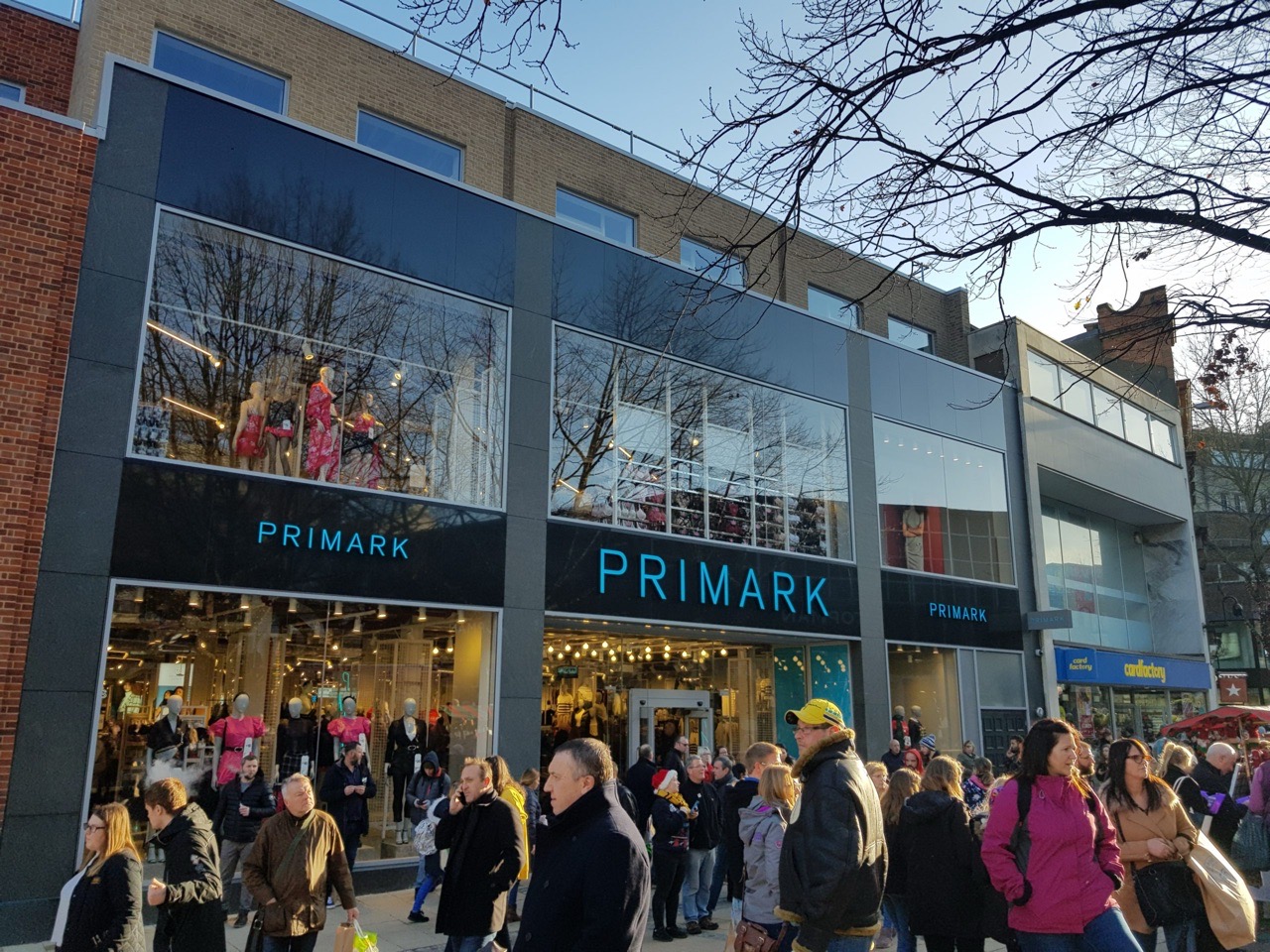
Norwich – Primark
I try and avoid anything related to shopping whenever I can, but I needed a new belt and I didn’t know where else in Norwich might sell them. Well, I knew where might sell them, but at a price that was ideally less than £5. Norwich’s Primark re-opened in the week and I entered to be confronted with what can only be described as what I imagine walking through the Gates of Hell would be like. The store appeared to be full, with excited shoppers galore all over the place.
Incidentally, this is where I heard one of my favourite quotes of the year:
“We can’t steal in here, imagine getting banned from Primark for ten years, can’t risk it”.
That’s one way of avoiding shop-lifting I suppose….

In the distance, there’s a blue “pay here” light. That’s how long the queue was, around 45 people from what I could count. A poor member of staff was reduced to standing with a large sign saying “queue starts here” to bring some logic to the proceedings.

Nearing the front of the queue…. In fairness, it took me nine minutes to be served, which is way too long, but since it’s a new store on a Sunday shortly before Christmas, I suppose that’s inevitable. The queue was well managed and the staff at the counters were all young, enthused and efficient.
The prices here are ridiculous though, certainly a throwaway culture. But, it’s what people demand and the clothing is affordable and the quality looked entirely reasonable to my untrained clothing standards eye. They had hiking socks at prices so low that they were almost not worth washing and the stock range in the store was enormous. And, particularly important for me on this visit, they had a belt which cost £4. Most lovely.
Anyway, that’s pretty much my entire clothes shopping blogging done for the year.
-
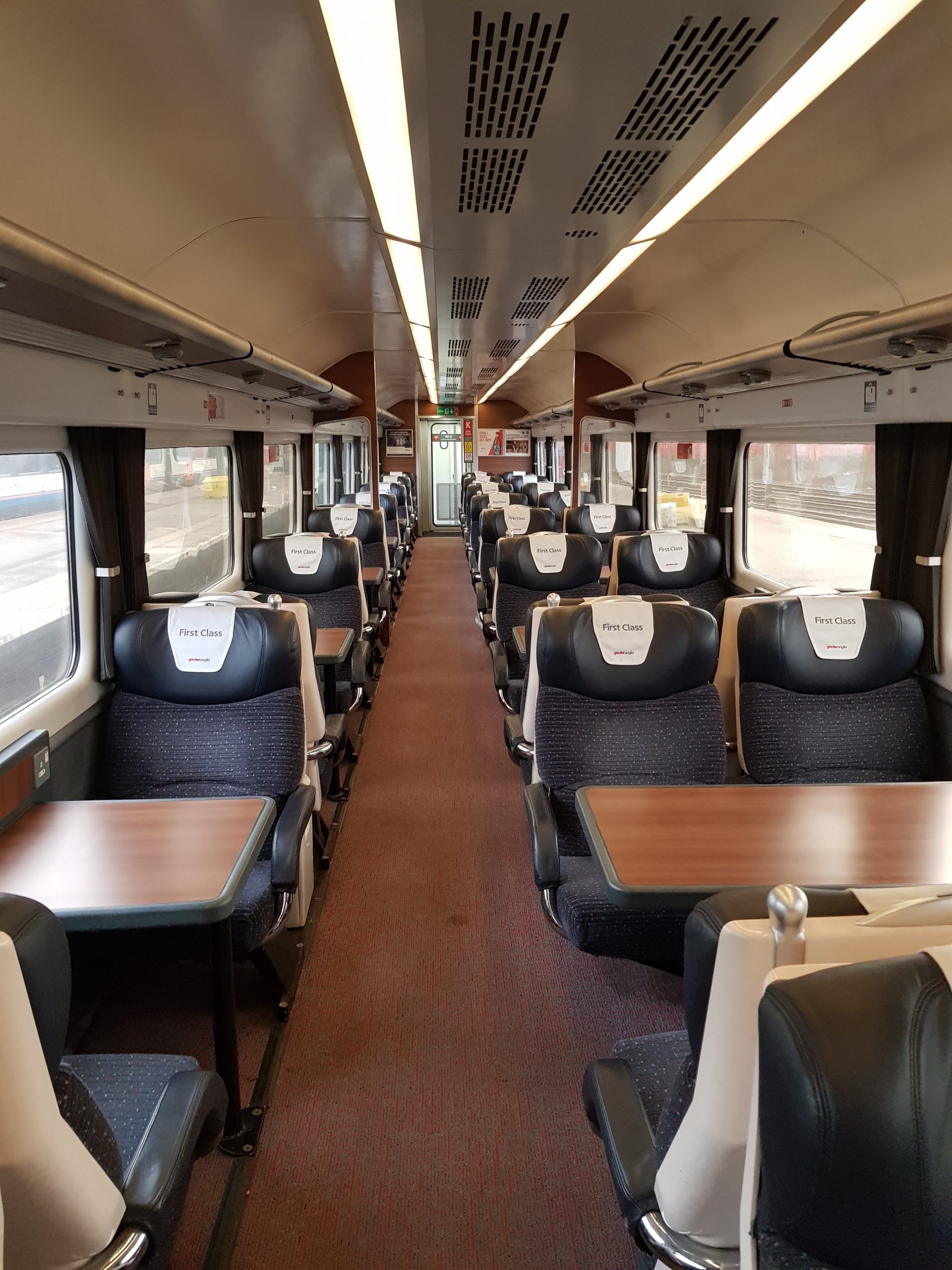
Greater Anglia : Norwich to London Liverpool Street
I’ve taken this journey from Norwich railway station to London Liverpool Street railway station many tens of times before, but this is the first time that I’ve had a ticket on my phone to show, rather than a simple paper ticket. I was hoping that it might be as advanced as the ones used by Deutsche Bahn, albeit theirs was hardly reliable, but instead it’s just a QR code. Functional, but not exciting.
I got 10% off this journey as part of a promotion offered by Greater Anglia, with first class being just a few pounds more than standard.

Travelling at 11:30 in the morning has the advantage of meaning the carriage was relatively empty. The train is comprised of something like eight standard class carriages and two first class carriages. However, due to the forthcoming replacement of these carriages, they’ve been using first class carriages in standard class, but have declassified so anyone can use them. Fortunately the crew made an announcement that customers in declassified first carriages might want to move to actual first class carriages.
The crew members were all polite and helpful, with the train being clean and tidy. Other than the windows that is, these needed cleaning so that customers could actually see out of them. The wi-fi was broken on the train, although I don’t use it, but the power points were functioning and this was more important to me.

First class means free drinks and snacks from the buffet car, with the snacks being very lovely, although the coffee was not exactly packed with flavour. Well, it was packed with a bland and bitter flavour, but not much else. Greater Anglia also apparently don’t stock sparkling water any more, so it’s just still water which is available. Greater Anglia need to do more here, especially since they don’t give them out any more at weekends as apparently customers abused them. By abused them, I suspect they meant that they asked for them. I’m not sure how much Greater Anglia really lost on biscuits, but there we are….
The train left on time and arrived into London around four minutes late, due to some congestion near to London Liverpool Street. The fare for this journey was around £18, which I thought was entirely reasonable given the free snacks and drinks. It won’t be long before the new carriages are being used on the mainline, at which point the journey might become even more comfortable.
-
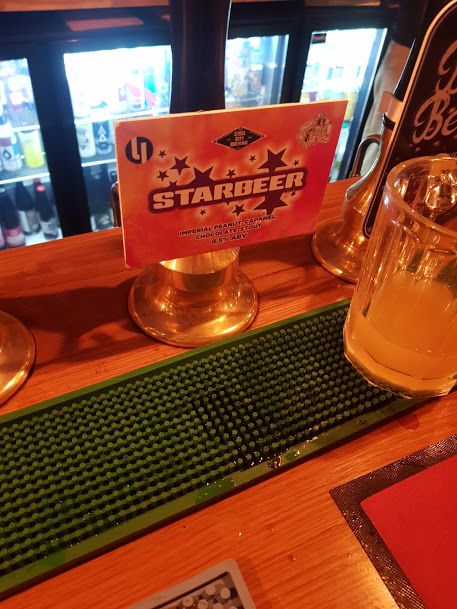
Norwich – Starbeer
Just as another of my little asides, this is one of the best cask beers that I’ve had this year. Expensive, although ordering only in thirds as it’s so rich made it affordable, this has an almost unhealthy richness of liquid peanut butter and caramel. It felt stronger than its 8.5% with an almost treacle like feel to it, with the cask almost certainly tasting better than the bottled versions of this beer.
A marvellous choice from the Artichoke in Norwich…
-
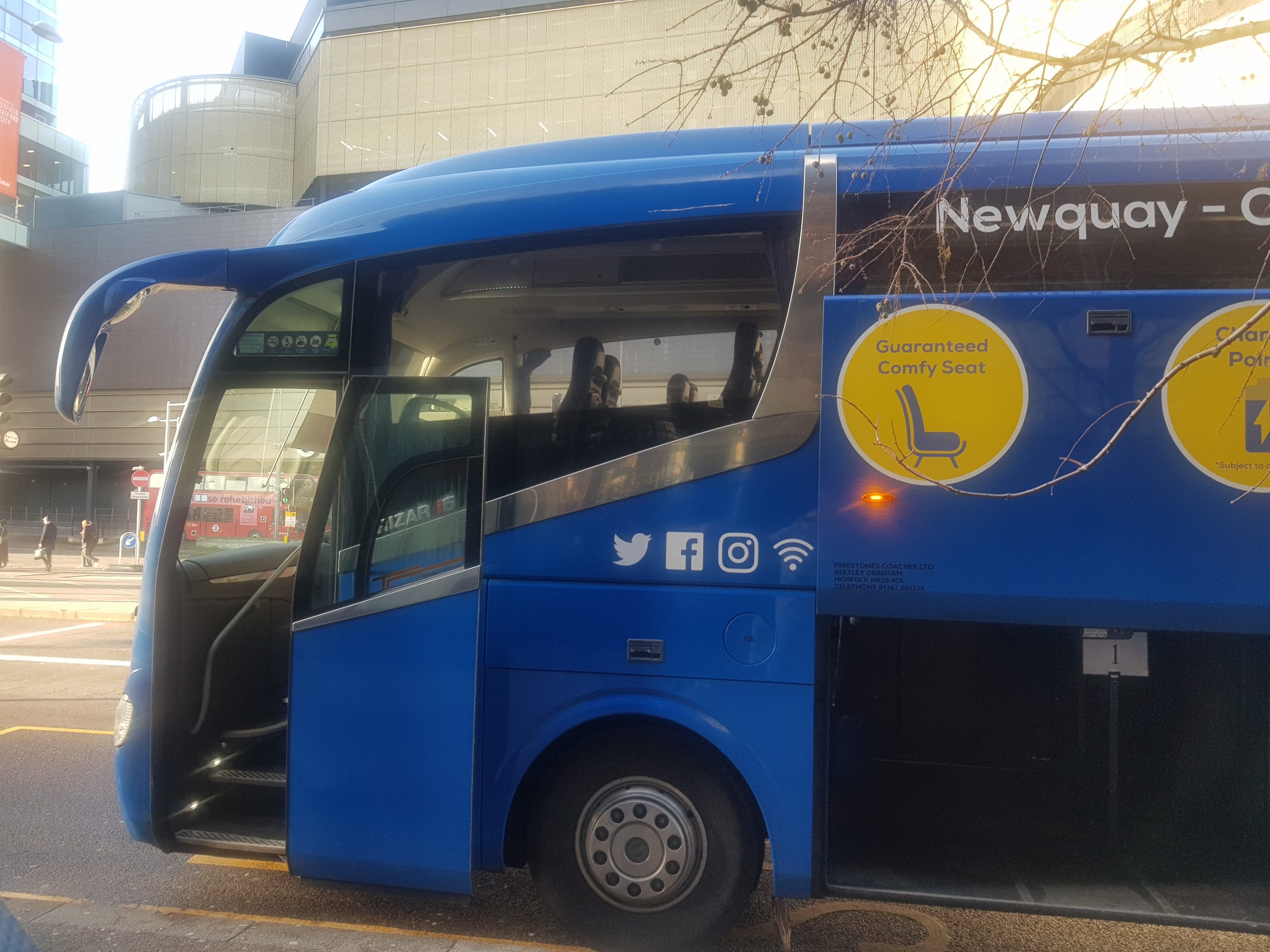
Norwich – Megabus to London
We needed to get to Heathrow cheaply and easily, but doing this in the morning is a challenging exercise to do cheaply on the trains. So, Megabus were the perfect option, costing around £7 per ticket to get from Norwich to Stratford in London. I’ve caught this bus many times and it’s a stress-free experience usually, with no need to print the tickets out, just showing the driver the e-mail order.

Boarded first, so had a choice of the seats. Since there was no Donovan (excuse the Inbetweeners reference), we decided to sit at the back like some rebels….. It was a very smooth journey and Nathan’s alcoholic drinks the night before didn’t give him any sickness issues. We arrived into London safely at just before 10:00, having set off at 07:30, so the timing of the journey was good and as expected.
The driving was professional, the bus was clean, the driver was professional and it was just a short walk to the Central Line at London Stratford underground station. All very lovely.
-
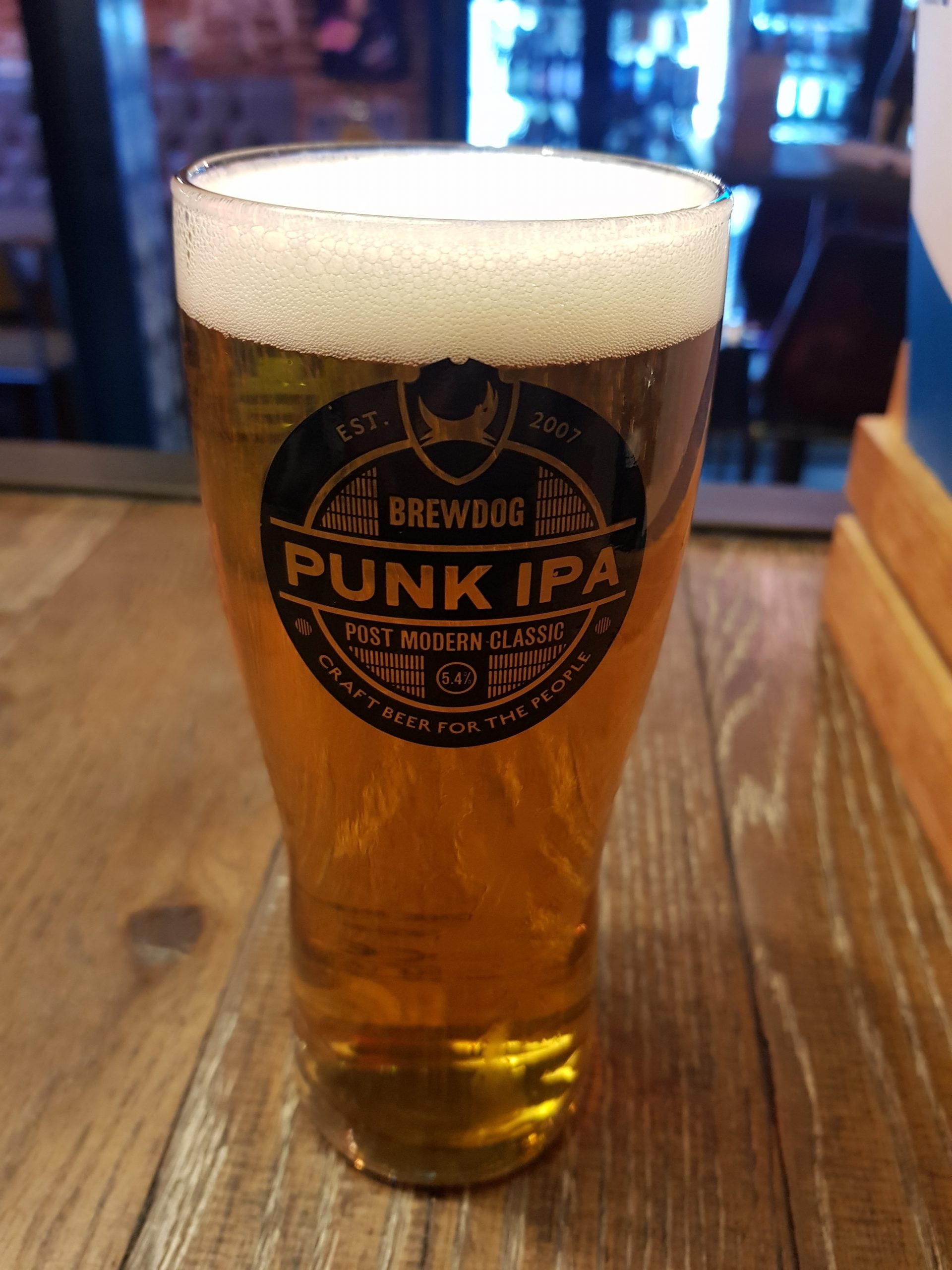
Norwich – Brewdog (Out of Office)
How marvellous, Brewdog nationally this week are running an “out of office” campaign, so anyone who comes to one of their pubs between 12:00 and 14:00 can claim a free pint of beer from a handful of choices. Quite marvellous. Technically, since I take my laptop and get so much work done in pubs, cafes and restaurants, I sort of ‘came to the office’ to take part in this promotion.
But, nonetheless, a generous campaign and the pint of Punk IPA was all very acceptable.
-
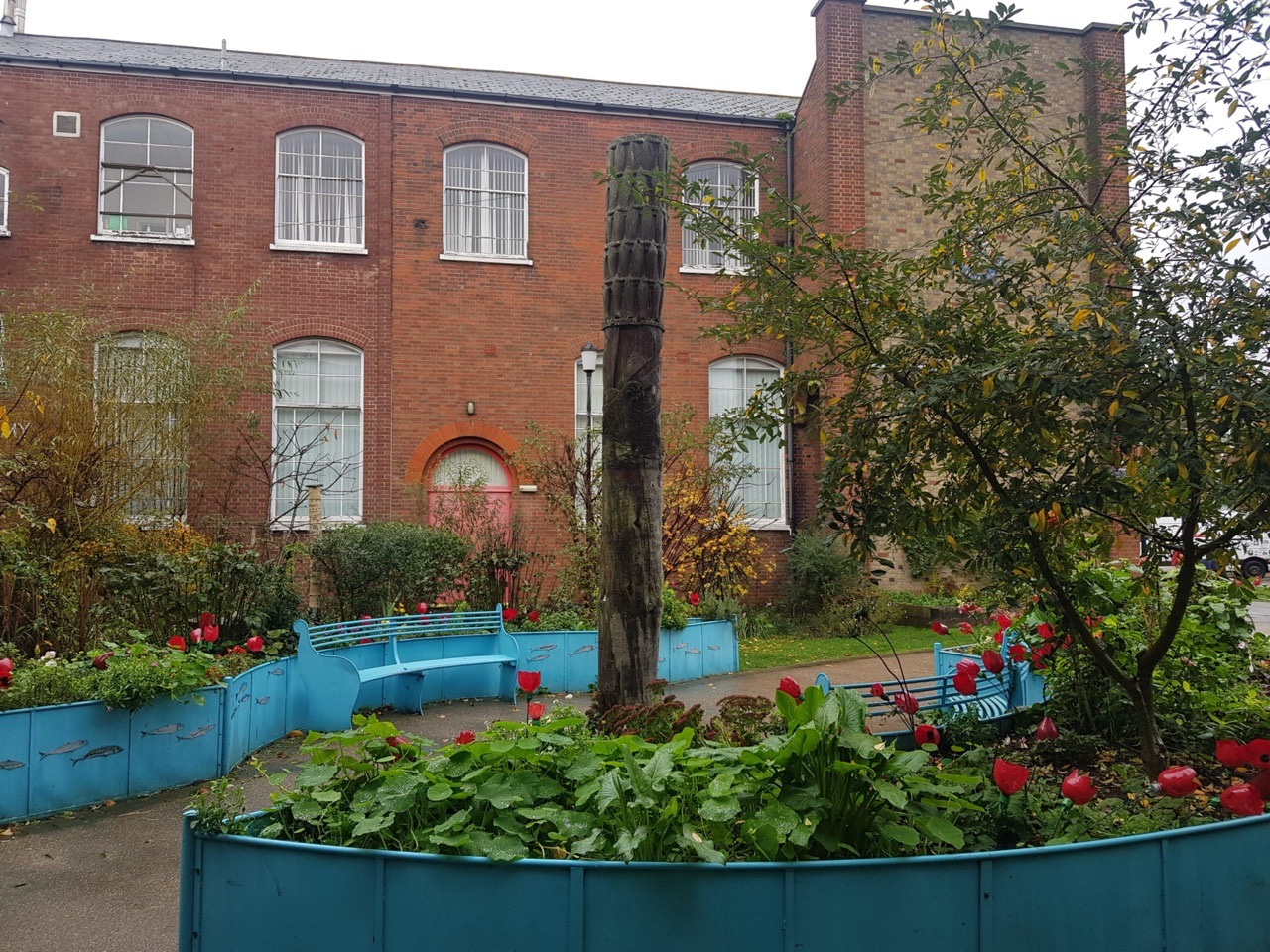
Great Yarmouth – Community Garden
I haven’t noticed this before, it’s a community garden which is located outside of Great Yarmouth’s library. Once this space was occupied by Rows 104 and 106, but they were destroyed by bombings during the Second World War and this area was remodelled. The hand-crafted totem pole is part of the community garden’s art project, designed alongside the sculptor Jason Parr and installed here in 2011.

This is an interesting survival, it’s the former sign above the entrance to the Corn Hall on Howard Street, which opened in October 1871. The building was used by a corn merchants and a general sale room before it was demolished in the 1960s due to road widening.
-
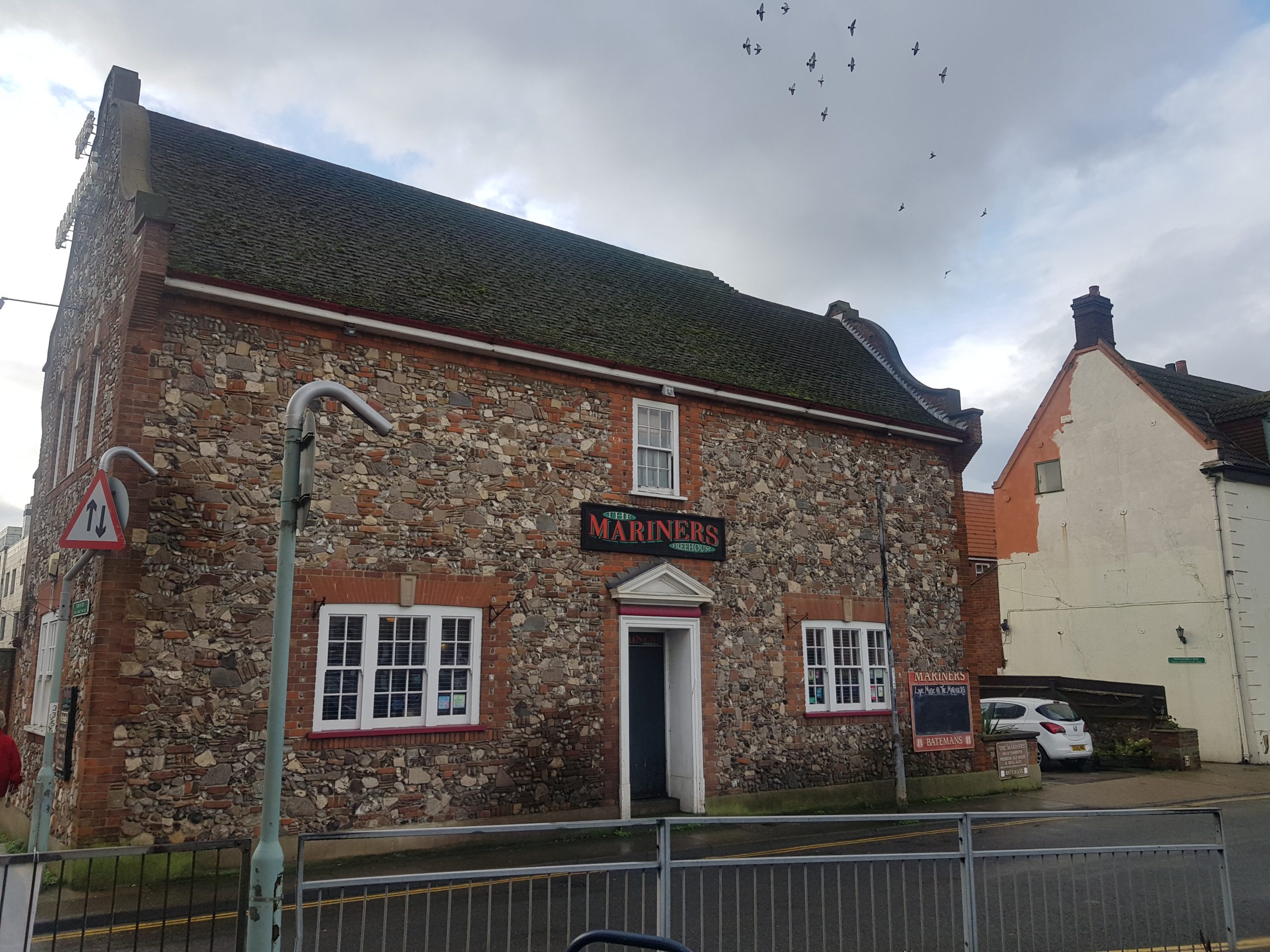
Great Yarmouth – Mariners
It’s been an omission of mine that I haven’t visited this Good Beer Guide listed pub in Great Yarmouth before, a traditional pub located just a short walk from the town’s market place. This can’t be the easiest pub to make work, as Great Yarmouth hasn’t been the most prosperous of towns in recent years, and the Mariners is a little tucked away, so the owners have done well to keep it going. Although the pub has been trading since the early nineteenth century, I can’t find much mention of its history on-line.

The interior was pleasant and there was a selection of around eight or nine beers available, with a variety of different types. I really can’t resist the Plum Porter from Titanic Brewery, even though I’m aware that it’s becoming increasingly ubiquitous. Reasonably priced, excellent flavour and at the appropriate temperature, so all very lovely.

The fire was going, which added nicely to the atmosphere in the pub, which was otherwise quiet. I suspect that most customers are regular, but there wasn’t a cliquey and unwelcoming feel, so it seemed non-judgemental. There’s no food offered, so the main draw is the wide selection of real ales and the traditional pub atmosphere.
Some kind soul decided they’d try and do some damage to the pub by leaving a review on TripAdvisor saying:
“Old Man’s Pub! Went here for drinks before a meal – not really the sort of ambience we wanted and as we were dressed up to the nines we stood out like sore thumbs!”
I’m not quite sure what the pub is supposed to do about that, destroy its ambience to deliver a different and generic atmosphere? Although Craft Union seem to be doing that in some pubs, so perhaps that is the future…. Anyway, I hope they don’t change, another well deserved entry into the Good Beer Guide.
-
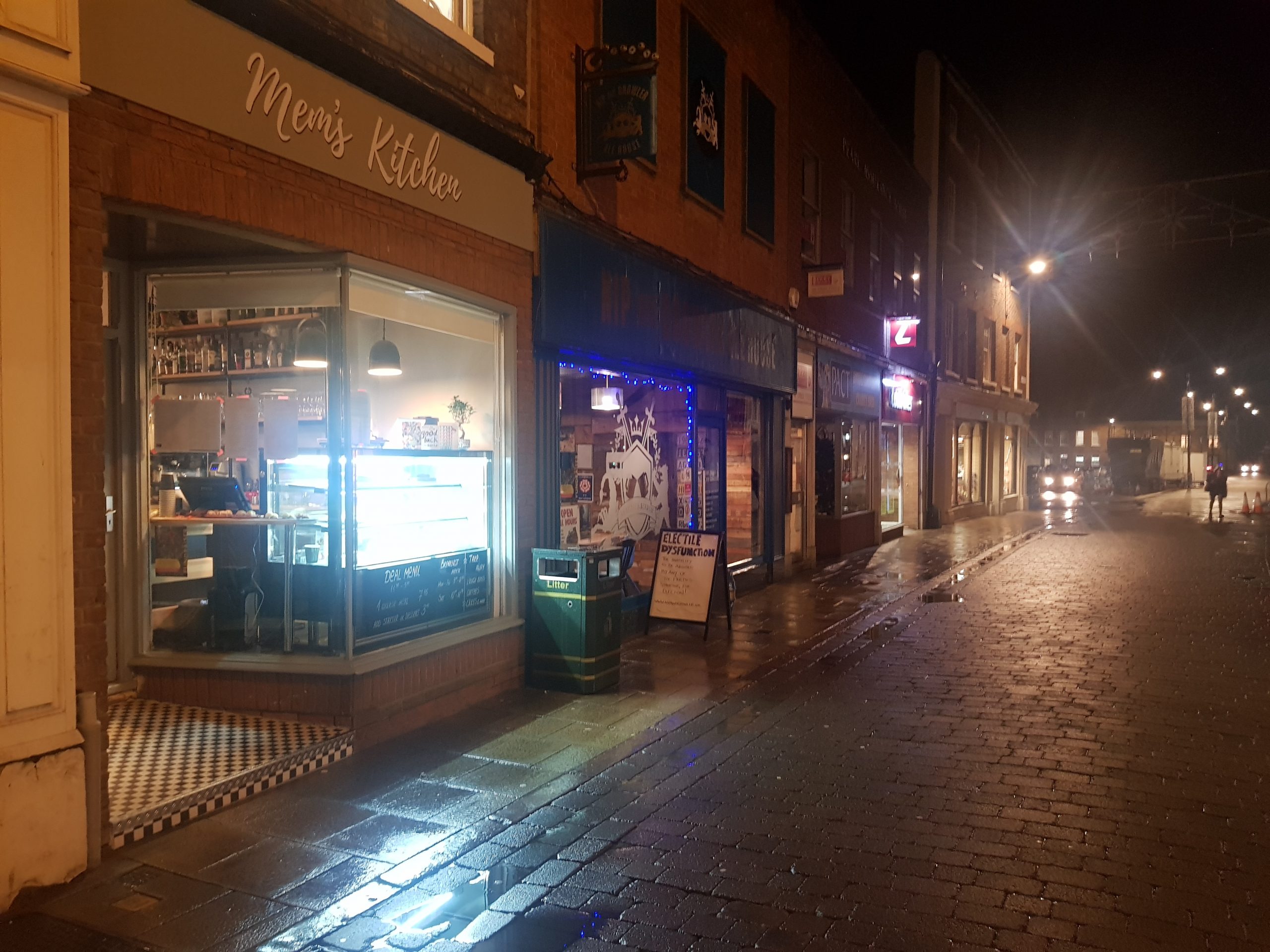
King’s Lynn – Nip and Growler
This micropub, the first in King’s Lynn, opened in 2017 in what was formerly a Jessops camera shop, although in a previous incarnation this was the location of a pub, originally the Bull Inn. I know this the pub owners have taken the time and trouble to arrange for a comprehensive history of the building to be placed on their web-site at http://www.nipandgrowler.uk/. I like owners who are proud of their building and see it as part of the offering, and irritated at myself that it’s taken me two years to manage to come here.

The pub specialises in local beers and ciders, which is a noble endeavour. But that hasn’t limited the quality or range of the selection, with the wonderfully friendly member of staff keenly telling me about the two dark options. This is one of the friendliest pubs that I’ve been in, there’s an atmosphere which just works well, something that is often lacking. Quirky, relaxed and comfortable. I like it.


The interior of the pub, which makes it look quiet, but I took the photos during the brief gaps between customers. There’s some fun signage, but nothing forced like it’s come out of a modernisation organised by Craft Union, who seem to rip out atmosphere in pubs they ‘update’. There’s wi-fi and plugs, all sufficiently modern, but there are also board games for customers to amuse themselves with.
The service was impeccable throughout my visit, little things like actually saying goodbye to customers is often overlooked by publicans and their staff and it’s not difficult when it’s clear someone is getting ready to leave. I have droned on to people about Hop and Vine in Hull, where the landlord has managed to create himself a marvellously welcoming atmosphere. There’s a different customer base here, but the atmosphere doesn’t lag far behind.
Onto the beers, and I felt the need to try both of the dark beers.
The Cocow from Ampersand Brewery near Bungay is a chocolate milk stout, which is very much my favourite kind of beer. This was beautiful, the flavours of bitter chocolate and a little bit of coffee in the mix, like some fine bar of dark chocolate. The flavours aren’t immediately obvious, they’re more of an aftertaste, but that works for me.
The Father Grime is a stout from Brewboard, a brewery I hadn’t heard of, but they’re from Harston, near Cambridge. The promised biscuity flavour was there, quite a rich stout although without the strong and pleasant aftertastes that the Cocow had. But, still, very lovely.
Overall, and this is just for my reference than because anyone else is interested, but this is certainly one of my pubs of the year. It’s also near enough for me to be able to visit again, which I most definitely will. What a delightful pub option though for the people of King’s Lynn, and I look forward to some micro-pub set-up opening in Swaffham to liven things up a bit.
-
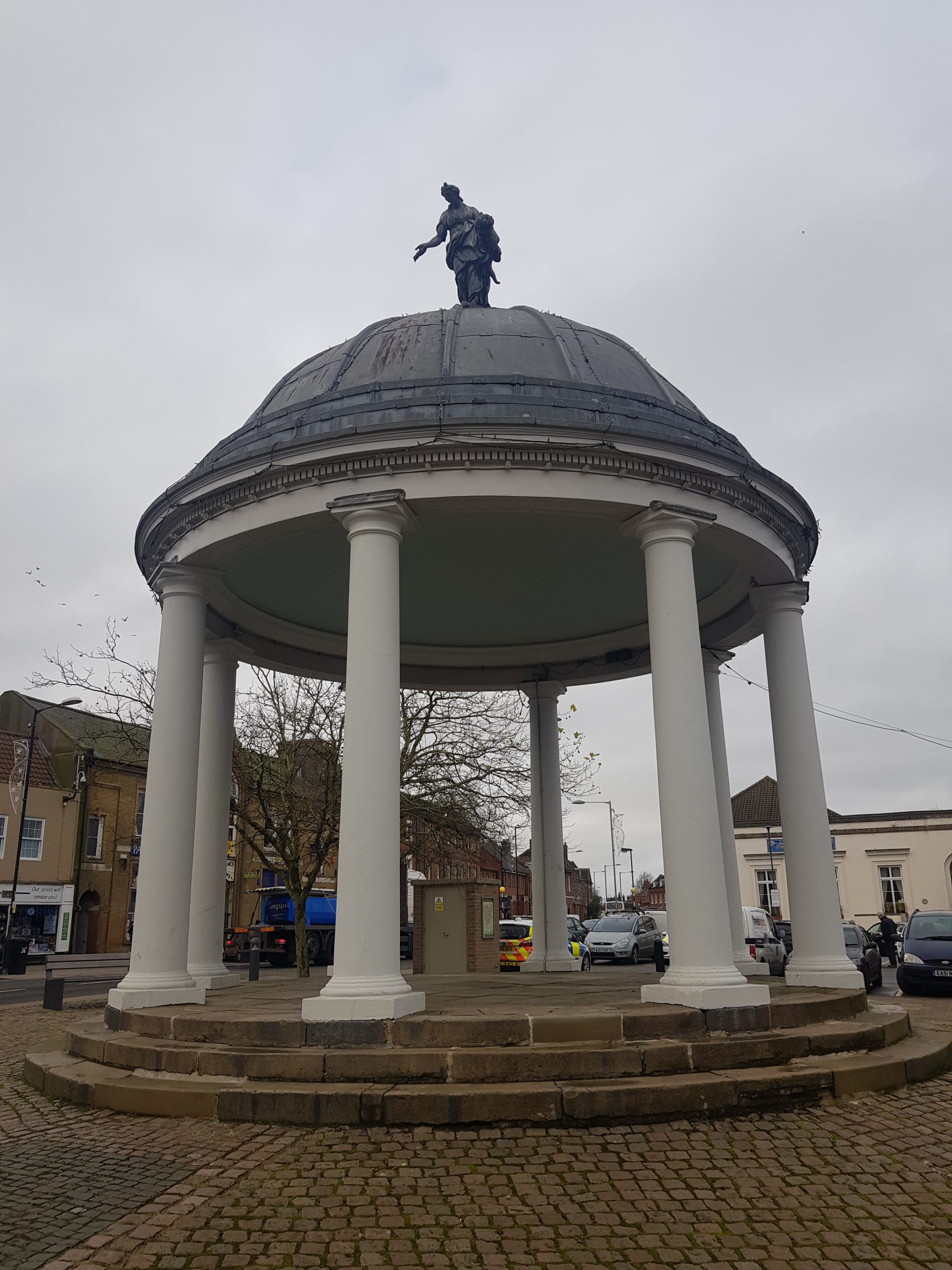
Swaffham – Butter Market Cross
The town’s market cross, erected for the Earl Orford between 1781 and 1783 (I’m not sure why it took two years, civil engineers and cups of tea again I suspect…) and designed by James Wyatt. On the top is Ceres, the Roman Goddess of agriculture (there’s a bookshop in the town called Ceres Bookshop as well).


