I thought that this was a powerful exhibit at the Imperial War Museum, it’s an Iraqi civilian vehicle which was destroyed by a suicide bomber at the Mutanabbi Street book market in Baghdad, Iraq, on 5 March 2007. There were 38 people killed and over 100 people injured, with the artist Jeremy Deller then taking the car on tour in the United States as a reminder of the impact of war and hatred. The street was devastated by the attack and it wasn’t restored until 18 December 2008, when the then Iraqi President Nouri al-Maliki was present at a ceremony at its re-opening.
Abdul Baqi Faidhullah, a local poet, said at the time:
“There are no Americans or Iraqi politicians here — there are only Iraqi intellectuals who represent themselves and their homeland, plus stationery and book dealers. Those who did this are like savage machines intent on harvesting souls and killing all bright minds.”
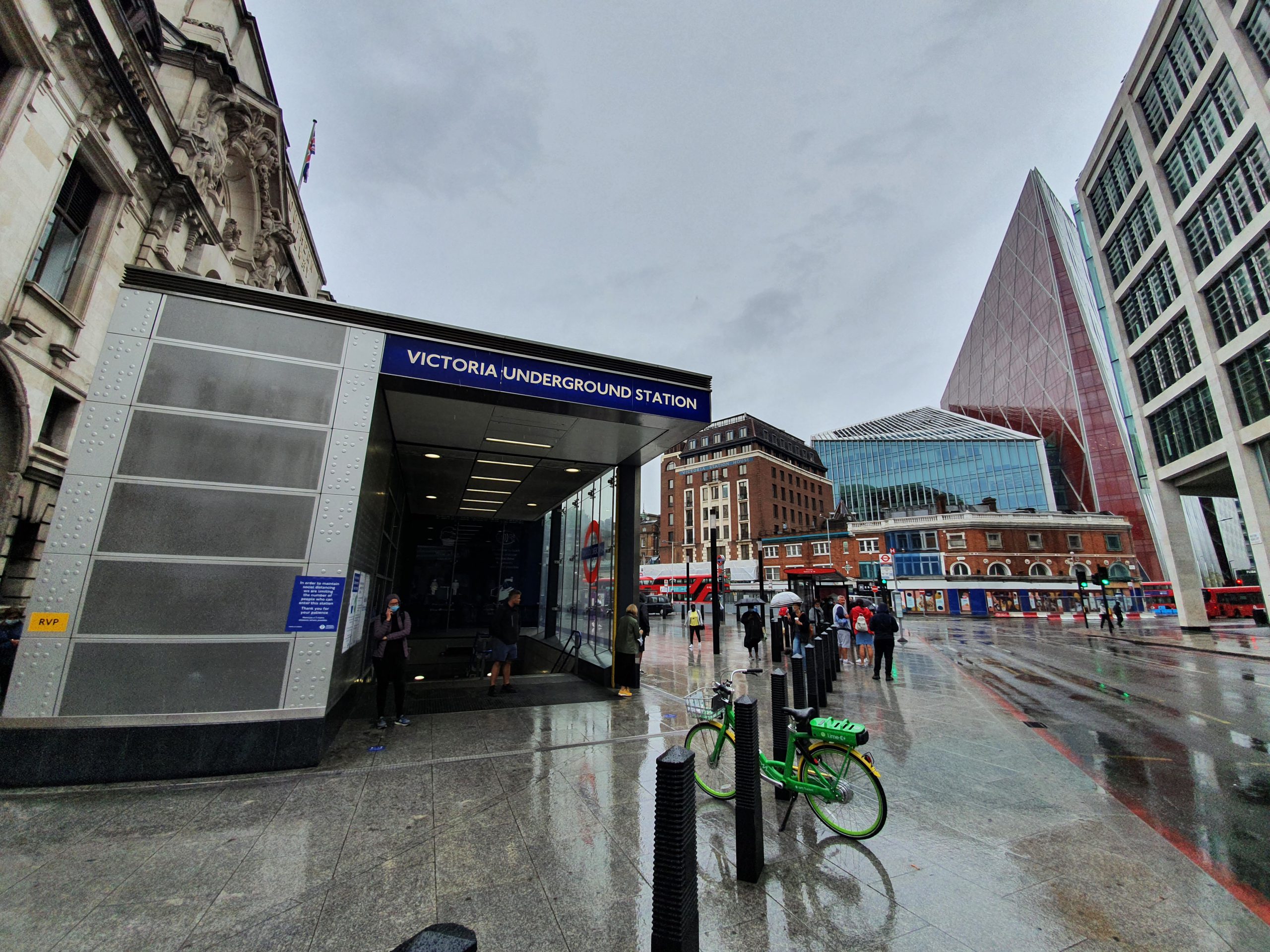
Just photos, but this is a snapshot of Victoria railway station in August 2020, so when things are meant to be back to some sort of normality. They’re clearly not, with fewer passengers and most food outlets are still shut…..
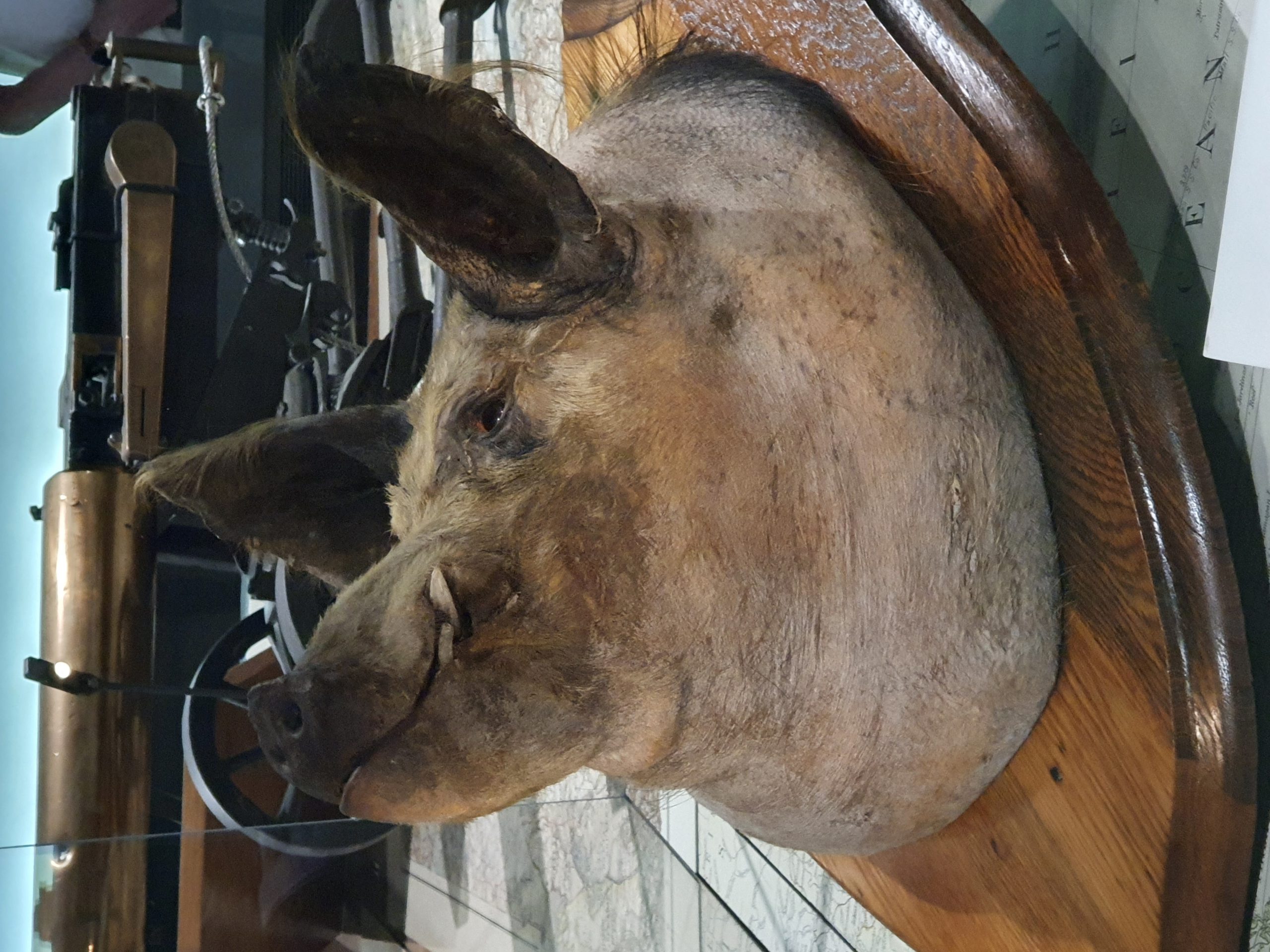
I have to say (write) that this is rather unusual…. Back in the First World War, British sailors from HMS Glasgow saved this pig when the German cruiser Dresden was sunk in Chile as part of the 1914 Battle of the Falkland Islands. They liked the pig and it became the ship’s pet, having a lovely bath every day and, on Sundays, they put an iron cross around its neck. It was named Tirpitz, after the German head of the navy Alfred von Tirpitz.
In 1919, the loving members of the navy flogged off the pig (photographed above on the HMS Glasgow) for its meat to raise money for charity. It was purchased by William Cavendish-Bentinck, the 6th Duke of Portland, who preserved the pig’s head and trotters and gave them to the museum. It has remained in the collections of the Imperial War Museum and was first put on display in 1920 and has recently gone back in the First World War galleries. As for the trotters, they went to the replacement HMS Glasgow, but have since also arrived at the Imperial War Museum. And the pig must have been lucky for the ship, it was never damaged and it was sent for scrap in 1927 after having been used for a while as a training ship.
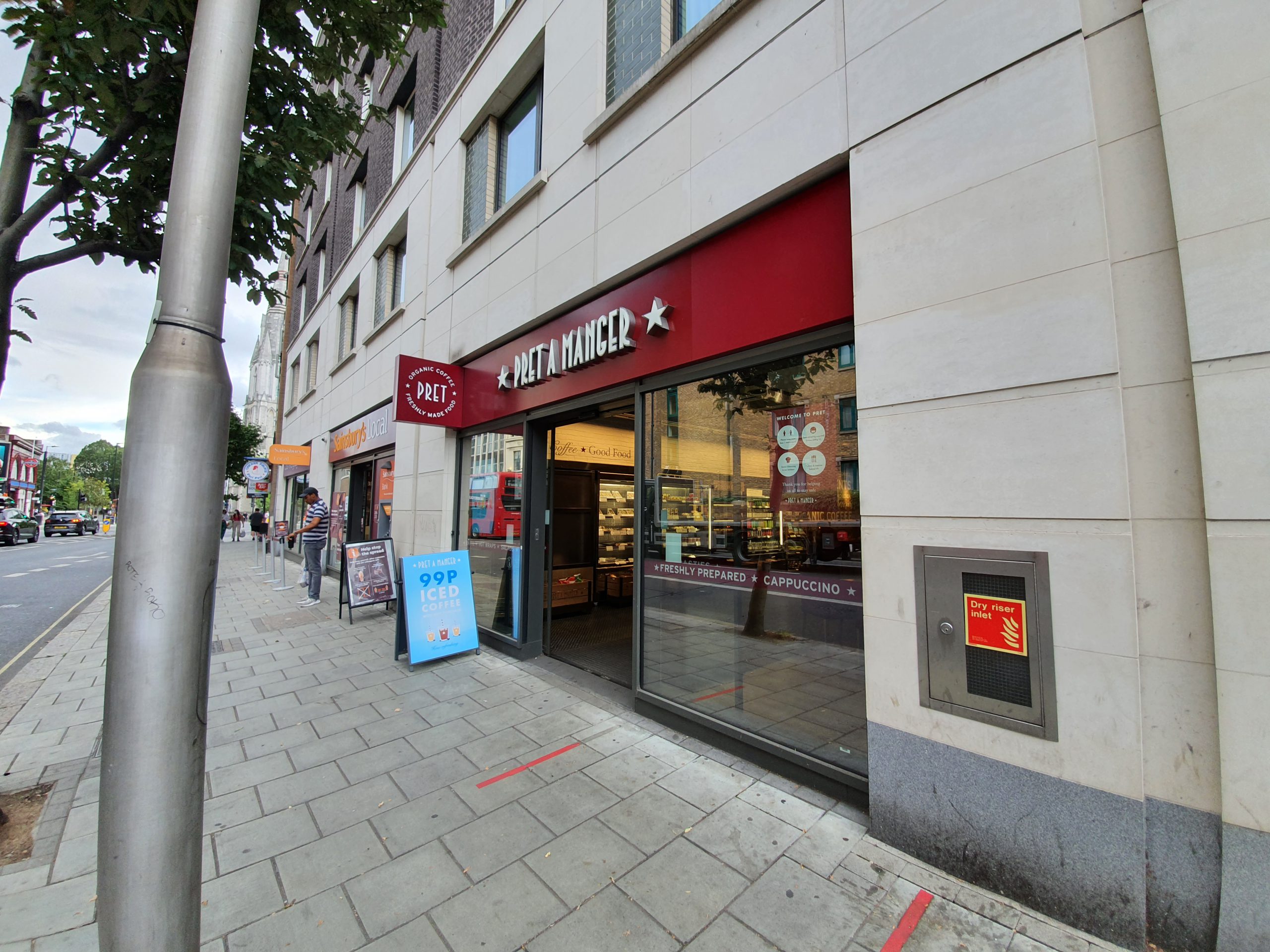
I wouldn’t normally post about a Pret, but one thing that moderately surprised me is that around 75% of customers were saying they’d take out rather than eat in. This is surprising only insomuch that if any customer said they were eating in, then they’d get their food and drink at half price.
I took this photo at just about the only time there were no customers at the counter, there was a steady stream of sandwich and coffee buyers. The staff member at the counter didn’t mention the ‘eat out to help out campaign’, but then again he wasn’t meant to. I did though feel slightly sorry for the two people who dithered over whether to eat in or take away, then opted for the latter. It must have been quite a dilemma for Pret staff to know whether or not to mention this offer to customers.
And, back to Pret. Their food and drink is excellent, this was the half-price cheddar and pickle, one of the finest sandwich combinations that exist and, incidentally, pretty much the most popular choice at LDWA events. Anyway, I digress. I’m not sure how Pret are going to cope financially given that they are predominantly a London company and this is the area struggling at the moment to attract commuters back in. A fair few of their shops are currently closed in London and many are operating on reduced hours.
As another aside, Pret for years have refused to operate a loyalty scheme, instead they let their staff give free things to customers who they like. I’m not sure that this has been particularly effective and perhaps they should have gone down the Greggs route (I mean the Greggs loyalty app rather than selling chicken bakes, although the latter would work for me too). Now Pret has no contact details for customers and needs their customers to show loyalty.
The Imperial War Museum has two sections of the Berlin Wall, this one is located within the galleries and the other is outside the entrance to the museum. There’s not much information given about this section, simply that it’s from the late 1970s and it’s made of reinforced concrete. It weighs over two and a half tons and stands just over two metres high, although it’s not as painted on as their other section. The Imperial War Museum also has a small fragment of the wall collected by the British Military Forces in Berlin and this is on display at the museum’s outpost in Manchester.
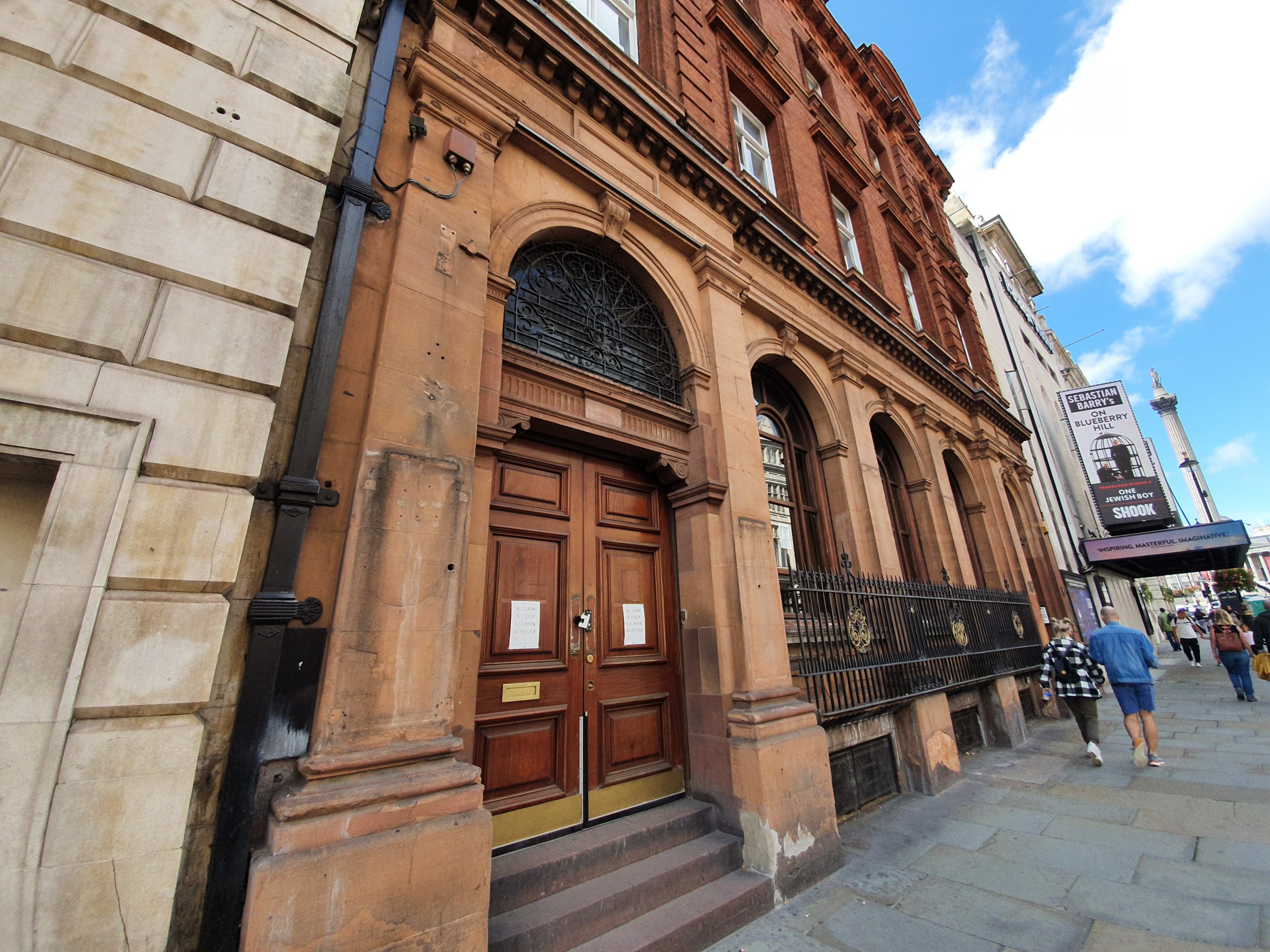
The Lord Moon of the Mall has closed this summer, the only JD Wetherspoon outlet in the country that I knew that had a pub sign with the face of Tim Martin on it. I had thought that this was an odd size for a Wetherspoons as it’s quite small, but I’m surprised they gave up on it given its prominent location on Whitehall.
The pub is becoming a McMullen’s operated venue and it appears that they actually purchased the freehold a few years ago in 2015. I assume that JD Wetherspoon have done a deal to move out for a reasonable cost as McMullen’s believe that they can make money by operating the site themselves, although I suspect that might be a challenging trading environment given how small it is.
The building was the former banking hall of Cocks, Biddulph & Company and was used as a bank until 1992, when Barclays Bank moved out.
I’m slowly working my way around the Brewdogs of the world, only nearly all of them to go (but I’ actively working on this)…. This one is in Covent Garden, named after the Seven Dials road junction.
This Brewdog feels more pub-like than some of their other outlets, not least because it was a pub when they purchased it, the Marquis Of Granby and before that the Ape & Bird.
The downstairs bar, which wasn’t in use, which has a step near to the base of the stairs down to it just to add some excitement to the proceedings. I managed to trip on it, but I put that down to me being an idiot, before noting four other reviews by others saying they’ve tripped. Someone will likely take action against Brewdog at some point about that step, but that’s a matter for them…… The ground floor was busier, indeed pretty full, although the first floor wasn’t in use either.
The beer list and although the Big Joe by Overtone sounded exciting it came in at £6.50 for just a third of a pint, so I was more moderate and opted for Brewdog’s own Pineapple Coconut Crumb that I haven’t had before. I wish more pubs offered a beer list like this, or perhaps had a stab at just managing not to stock every bland IPA they can possibly find on their beer list. Looking at Greene King pubs here…. And Marstons….
And here it is, a rather glorious beer with a welcome surfeit of pineapple and a taste of coconut to go along with it. A very summery drink, smooth and at the appropriate temperature (that was there for Nathan who noticed I keep using that phrase….).
And the Cluck Norris burger, a chicken burger in buttermilk with avocado at the base and cajun mayo at the top. I do like avocado (I accept it’s a junk food compared to my usual diet of heavily processed, but yet glorious, chicken bakes from Greggs) and there was a generous portion of it and it added a lot to the whole burger, both in taste and texture. The chicken burger, and I’m not sure what part of the bird they’re using here, had a bit of a crunch to the outside and had the sufficient flavours that I was hoping for. The fries were moreish, fluffy on the interior and firm on the exterior, all served as a perfectly sufficient portion. Usually, this would be £14, but the Government’s eat out to help out reduced the price to £7, which is much more reasonable.
The service was beautifully polite as ever, although it wasn’t the smoothest. I struggled to get a fork and my tap water never arrived at all, although I remembered I had my own water bottle in my bag. I decided to use my water bottle to advertise the LDWA to anyone who happened to be walking past the table, not that anyone bloody noticed. Anyway, I digress.
I dread to think how much rent Brewdog must be paying for these premises, but the reviews of the bar are high and hopefully they’re getting it all back comfortably. The range of beers here was quite frabjous, to quote Lewis Carroll, so I’m prepared to forgive the lack of fork as otherwise the customer service was spot-on and the drinks range was better than any Fullers pub than I’ve ever been in…..
On display in the Imperial War Museum, this is one of the first remembrance poppies designed to raise money for veterans and their dependents. The idea was thought up by Madame Guérin and then taken on by the British Legion, who opened a factory in Richmond, Surrey, staffed by ex-service personnel. Guérin’s persistence with the British Legion was fortunate, as they were initially sceptical and she had to pay for the first batch of poppies herself before she was reimbursed. Today, over 35 million poppies are produced in Richmond and distributed for sale across England and Wales, one of the major fund-raisers for the Royal British Legion.
I last went to the Imperial War Museum before it closed for a substantial refurbishment in early 2013 and the opportunity to visit now when it was quiet seemed quite appealing. It remains free of charge, provided with substantial funding from the Government, whilst it makes the rest from its commercial activities.
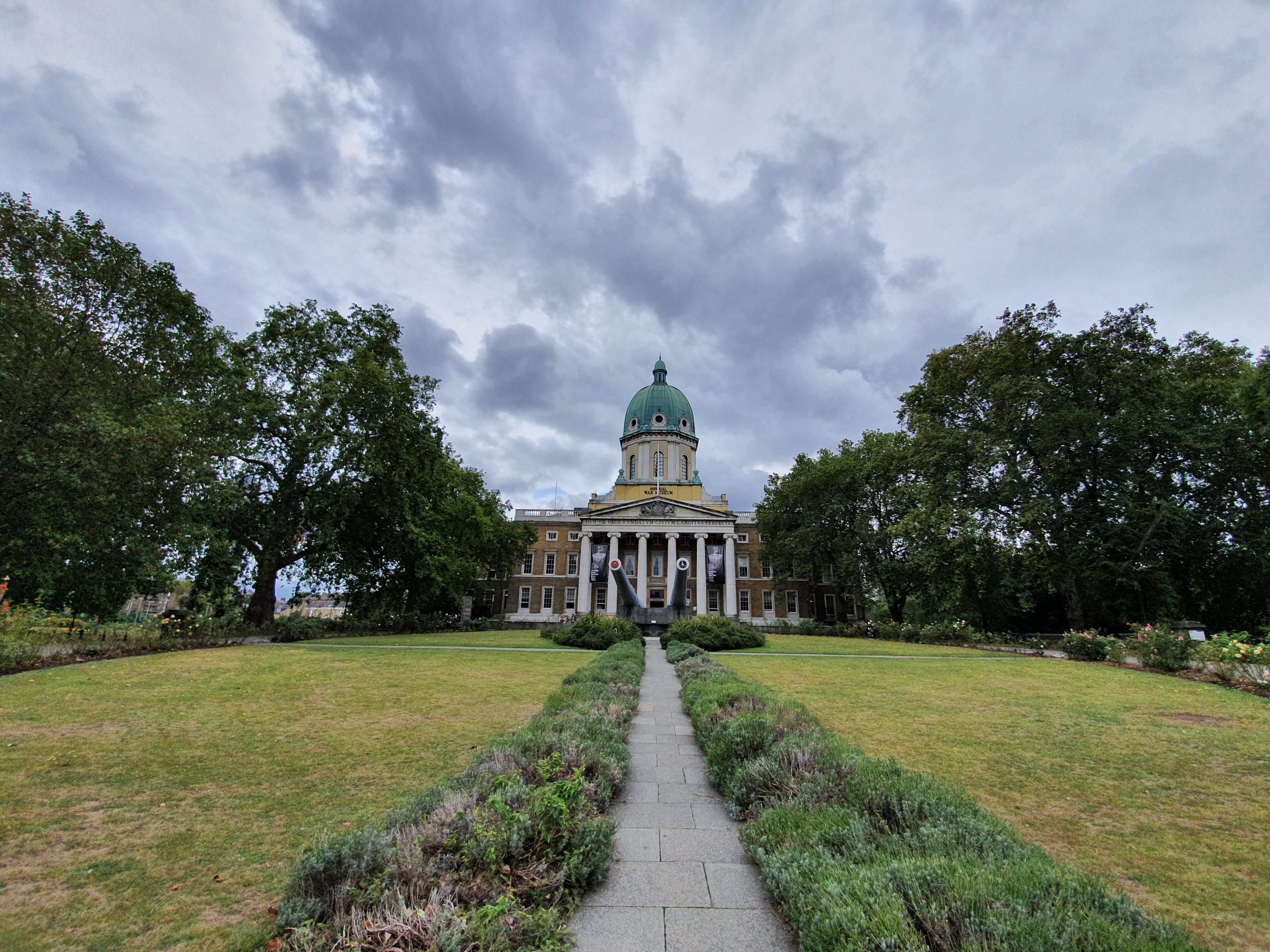
The museum first opened in 1920 and it had become essential to tell the story of the First World War and other conflicts that the British had become involved with. This first museum was located at the Crystal Palace, before a new site being found in South Kensington in 1924 and then, finally, the museum moved to its current site in 1936, at what was previously the Bethlem Royal Hospital in Southwark.
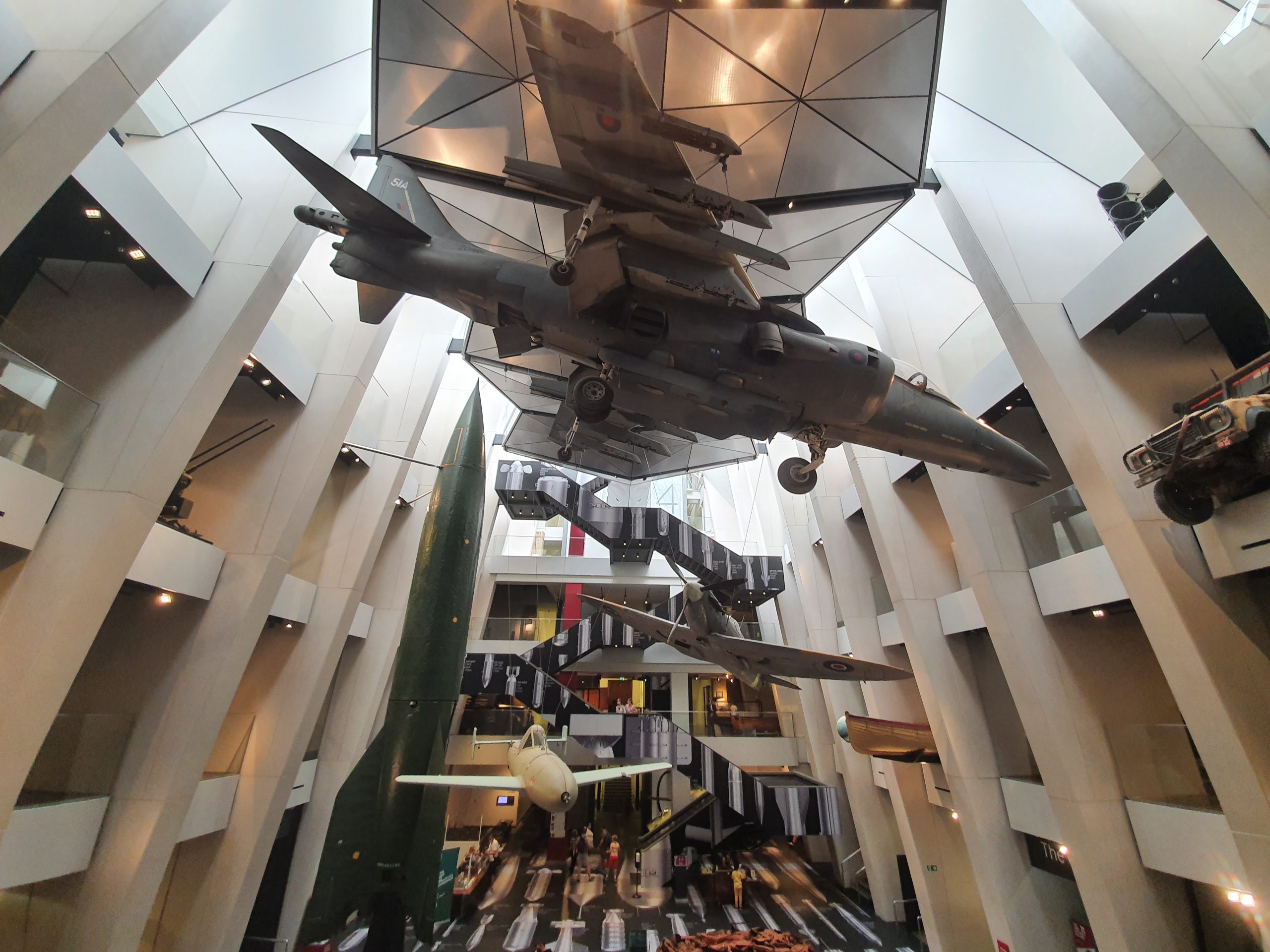
The entrance hall is impressive, with various military vehicles and planes visible. There are, broadly, four main exhibition halls which cover the First World War, the Second World War, the Holocaust and the Lord Ashcroft Gallery.
The First World War gallery is perhaps the museum’s best, although I found it drifting all over the place and it didn’t present a clear narrative. The Second World War gallery was, in my limited view, hard to follow and again lacked any clear direction. There were lots of facts presented in a random manner and I’m not sure that I discovered anything new about the Second World War. It is a country mile behind the Museum of the Second World War in Gdansk, although it might be unfair to compare it to this Polish institution, which is I think one of the best museums in the world.
I’m not entirely sure why the Holocaust exhibition has been shoved into the Imperial War Museum, although it has been given the size and status that it deserves within the building. The UK needs a Holocaust Museum that isn’t just part of another institution, but the Imperial War Museum is currently working on a new set of displays that are meant to complement the controversial Holocaust memorial being built by the Palace of Westminster. The Holocaust displays are excellent, although very powerful, perhaps too powerful. They have some graphic images of nudity and videos of people about to be hanged, I’m always uneasy that someone who suffered in the Second World War should be further humiliated in this way. But, this was a sizeable display and it was laid out clearly and with a central narrative. Ideally, I’d have liked the Imperial War Museum to operate a Holocaust Museum on another site (preferably nearby) where it could have more space and more funding.
This is the top of the building, I’m not sure what it’s usually used for.
The Lord Ashcroft Gallery was, I think, designed for children and it has the world’s largest collection of Victoria Crosses. I struggled to engage with this gallery, I wanted them to pull out interesting stories of some of the individuals who had been awarded military honours, but there were just a few words about many individuals and the most confusing mixed usage of fonts, media and display methods that I think I can recall. I think I’m getting old and grumpy, but I did see lots of children reading the displays and that’s perhaps the most important thing, that they engage with the history.
All told, I think I preferred the more traditional nature of the old museum displays, rather than the pared back current building. I often come to that conclusion though, but the Imperial War Museum is well-reviewed and is clearly doing something which appeals to the majority of visitors. But, the staff were all helpful and engaging, with visitors seeming to be enjoying their experiences. I think I wanted something with more narrative and I would have liked more exhibits and more stories about individuals. It was a perfectly pleasant way to spend a couple of hours though and more people should come here.
And, as an aside, I have discovered that the Imperial War Museum has placed part of their vast photographic archive on-line, which is very exciting as there are over 350,000 photos on their web-site. That’s an impressive effort, but they have 11 million photos so the size of this archive will be incredible when they’ve finished making it all available.