Category: Kensington and Chelsea (Borough of)

  • London – Kensington and Chelsea (Borough of) – National Army Museum (Siege Bread)

    London – Kensington and Chelsea (Borough of) – National Army Museum (Siege Bread)

    This item is on display at the National Army Museum and it was kept by a soldier as a souvenir of war, displayed in what was likely originally a wooden packing case. The bread is from the Siege of Ladysmith which took place between 2 November 1899 and 28 February 1900, when supplies were short and so the bread was made from maize meal and starch. The museum also notes that the soldiers during this period would have also had the delight of eating horse-meat soup. It’s not known which soldier kept this little piece of bread, although the arms are that of the Army Ordnance Corps, but it makes for an interesting memento….

  • London – Kensington and Chelsea (Borough of) – Brompton Cemetery (Ernest Wedgwood Harper)

    London – Kensington and Chelsea (Borough of) – Brompton Cemetery (Ernest Wedgwood Harper)

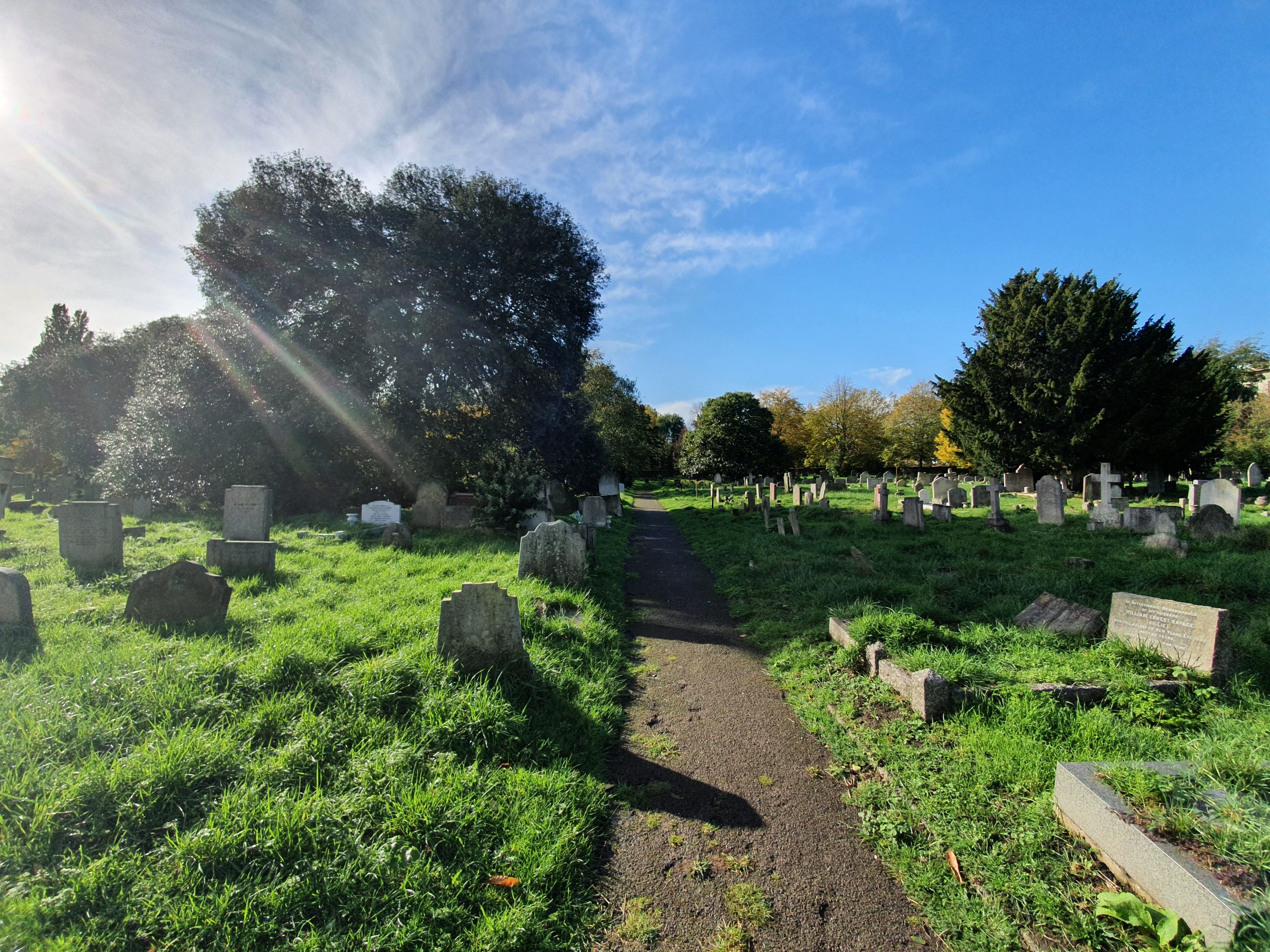
    This is the grave of Ernest Wedgwood Harper, located at Brompton Cemetery in London.

    Ernest was born in Burslem on 21 May 1898, the son of Ernest (born on 11/04/1865) and Florence Mary Harper (born on 16/09/1872). He went to Middleport Council School and Longport Council School between 1911 and 1912 and he then went to Hanley Municipal Secondary School between 10 January 1912 and 15 July 1916. He took the Oxford Local Seniors Honours Exam (a system of external grading) where he received a third class award.

    At the 1901 census, the family were living at 179 Newport Lane in Burslem, an area of the city which has now been heavily changed and most of the residential properties demolished. At this point, he was aged two years old and he had a little sister who had just been born, Dorothy May.

    At the 1911 census, the family had moved to Grove Pit, Green Lane in Wolstanton, with the older Ernest working as a school teacher. There was a new addition to the family, Byron, who was aged 2 at the time of the census.

    Leaving school at 18 in Burslem, Ernest might have felt a long way from the military action when signing up. He joined the third battalion of the Grenadier Guards as a guardsman, service number 28840. It appears he did see some service in France in 1916, but there were medical problems with his heart and he was sent back to London and was admitted to Tooting Hospital. He was readmitted to his unit, but instead took on clerical duties and wasn’t going to be sent back to the front line.

    The story becomes endlessly sadder here, on 24 July 1918 Ernest shot and killed himself at his rifle barracks. An inquest found that he feared that he had spotted fever, but the doctors had told him that he hadn’t despite numerous tests. Florence, his mother, went to the inquest and told them how Ernest had been a clever boy and the family were very proud of him. The verdict was announced by the inquest of “suicide during temporary insanity in consequence of valvular disease of the heart”.

    One can only speculate about the mental challenges that Ernest went through, clearly scarred by the conflict and perhaps having no other way of dealing with the worries about his own medical condition. I’m not sure that his service records survive, but perhaps he experienced significant trauma in France and he would be one of many who did.

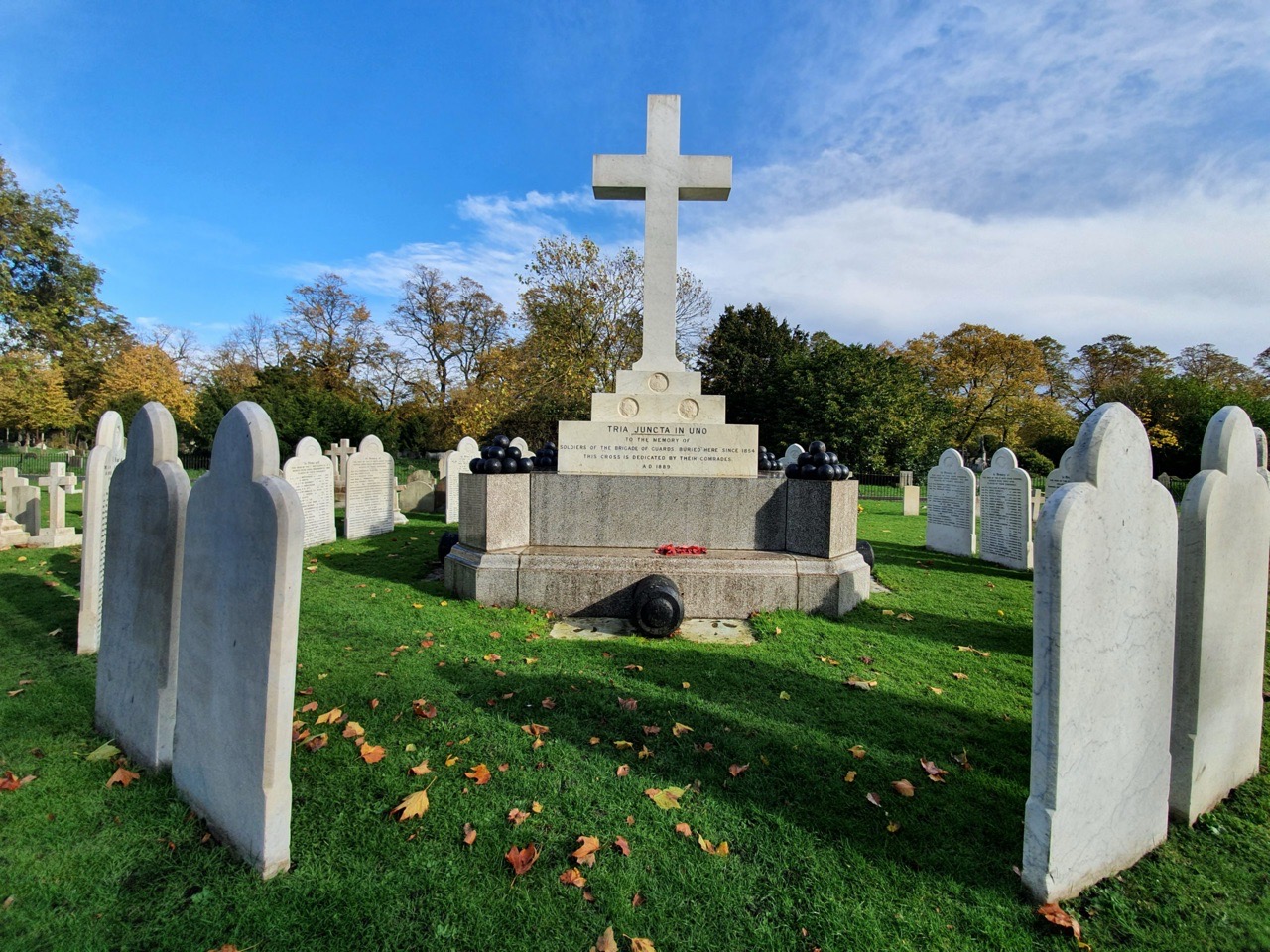
    At the time of his death, Ernest was part of no.8 company, 5th reserve battalion of the Grenadier Guards, with his parents living at The Grove, Wolstanton, Stoke-on-Trent. It must have been a traumatic event for his mother to travel to Westminster to attend the inquest. Ernest’s family didn’t have any connection with the area, but he was buried at Brompton Cemetery because he had died at the nearby Chelsea Barracks.

    As an aside, Ernest’s little brother Byron was married in 1934 and their parents were there at the marriage ceremony. As was Ernest’s sister Dorothy May, who was the bridesmaid to the bride, and I wonder how much they thought about the one member of the family who hadn’t made it. Byron lived until 1988, remaining in the Stoke-on-Trent area.

  • London – Kensington and Chelsea (Borough of) – Brompton Cemetery (Alfred George Auger)

    London – Kensington and Chelsea (Borough of) – Brompton Cemetery (Alfred George Auger)

    Sapper Alfred George Auger was born in 1924 and was the son of Joseph Auger and Ellen Gertrude Auger. Alfred joined the Royal Engineers and was part of the Bomb Disposal Company, not a role that was ever going to be anything other than risky. He died on 18 April 1945, alongside Sappers George Raymond Lewis and Mark Pierce, although I’m not sure what this incident was.

    The inscription on his grave is “gone from my home but never from my heart, mother” which is one of the more personal that I’ve seen. Alfred’s mother lived until 1981, when she died in London at the age of 95.

  • London – Kensington and Chelsea (Borough of) – Ibis Styles Kensington (Sixth Visit)

    London – Kensington and Chelsea (Borough of) – Ibis Styles Kensington (Sixth Visit)

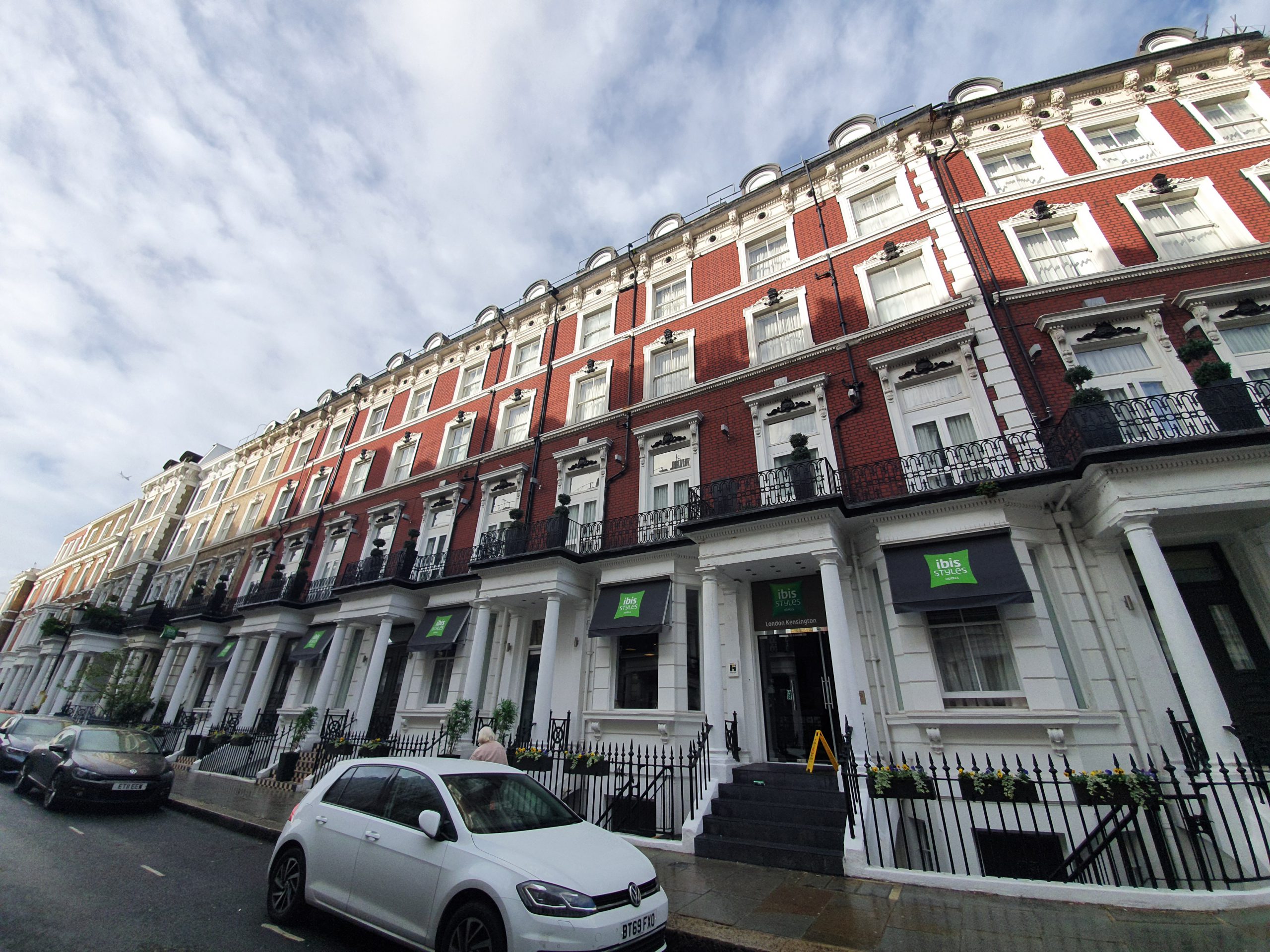
    My sixth visit to this hotel, which I wasn’t going to write up as I was meant to be coming back for a seventh visit during the week. Unfortunately, given the latest news, I’ve cancelled that and been refunded, so this will be my final Accor hotel of the year…. And that deserves a quick mention (to amuse me, not necessarily anyone else).

    This was an upgrade from a single room to a basic twin. I can’t complain, before loyalty discounts, this room cost £19 per night. Even the staff member was surprised at this pricing.

    The room from another angle, with my welcome drink of a Tiger beer. I’ve commented before that the drinks could be a bit more inventive, so I won’t drone on about that again….

    The breakfast, and I’m pleased to see that the Coco Pops are back. All rather satisfactory for £19 and the room was clean and tidy once again. It’s probably true, as a few reviewers have noted, that the breakfast offered could have been varied a little more, but this solution was convenient.

    For the first time, I had a look at the six buildings which make up this hotel, all knocked through to create a maze of corridors. The 1939 register shows the variety of people who lived here before the Second World War, it’s possible to work out who lived in each building and from this who used to likely occupy each of the now hotel rooms. Anyway, this hotel has been a useful base for my stays in London, I’m sure I’ll be back in 2021……

  • London – Kensington and Chelsea (Borough of) – Strawberry Tree

    London – Kensington and Chelsea (Borough of) – Strawberry Tree

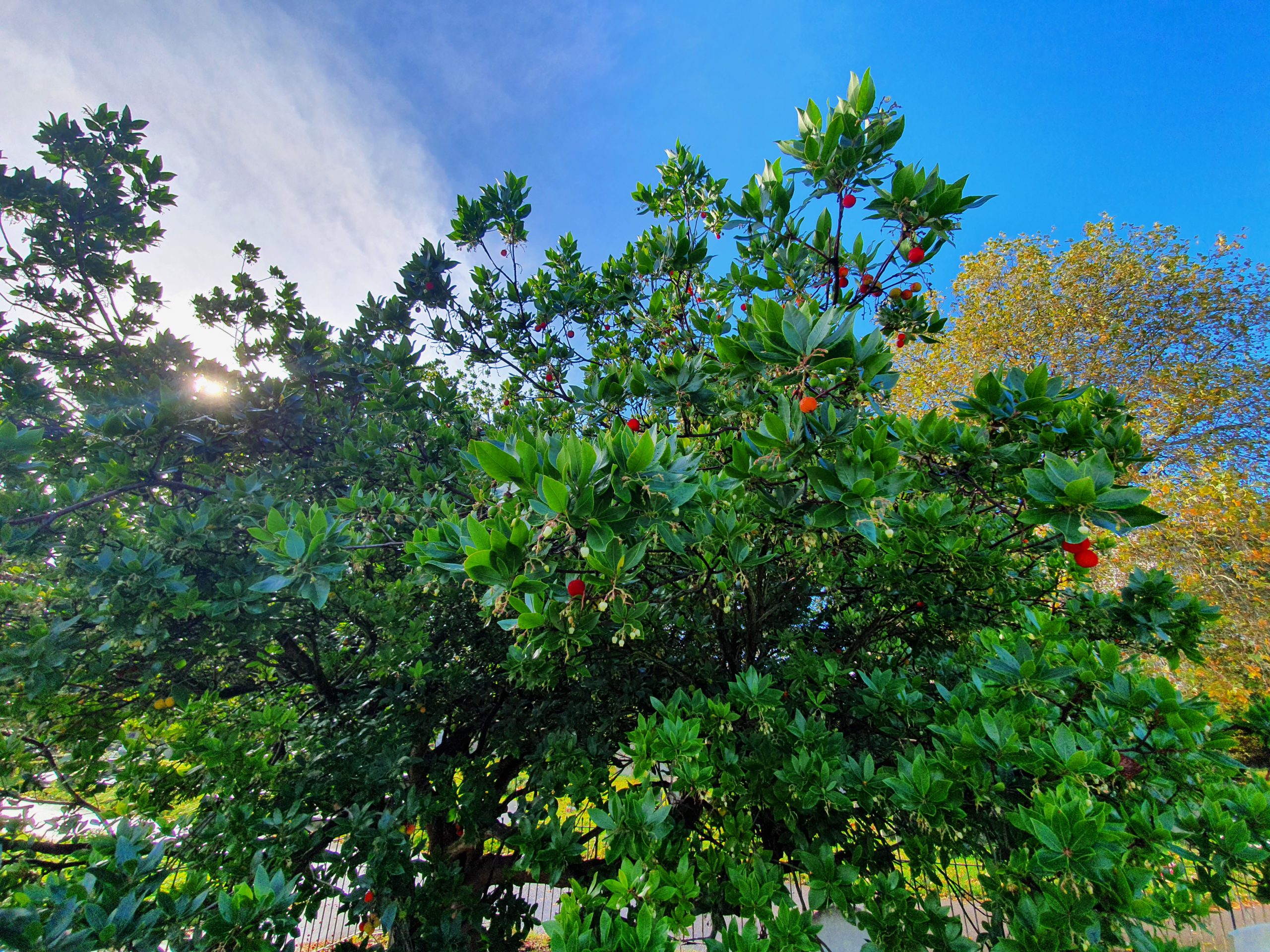
    I have very little knowledge about trees and flowers, but I quite liked this one at Brompton Cemetery. I obviously didn’t know what the tree was without assistance, but the cemetery had helpfully included a sign mentioning what it was.

    The Latin name is Arbutus unedo and the fruit of this tree is apparently edible, although I didn’t try. Wikipedia notes that it’s often used in jams and I don’t disbelieve them on this occasion.

    And the tree, quite a handsome addition to the cemetery.

  • London – Kensington and Chelsea (Borough of) – Brompton Cemetery (Alfred John Weston)

    London – Kensington and Chelsea (Borough of) – Brompton Cemetery (Alfred John Weston)

    This grave at Brompton Cemetery commemorates the life of Alfred John Weston. He was born in 1896 and he joined the Royal Fusiliers and was a private in the First Battalion. Alfred died on 2 February 1915 at the age of 19, being buried on 6 February 1915. His address was given as St Mark’s College Hospital, Chelsea, which was being used as the Second London General Hospital.

    There’s no next of kin mentioned on the Commonwealth War Graves Commission web-site, but if I’ve got the right person, at the 1911 census Alfred lived at 53, The Broadway, Ealing, along with his parents Edward Bradley and Elizabeth Bradley, although I’m unsure why the surname differs. His father, a naval pensioner, was thirteen years older than his mother, so I can only assume he remarried.

    And there another story ends, the usual places don’t mention what happen to him and his service records aren’t available. Unfortunately, 60% of these service records from the First World War were lost during air raids in the Second World War, so I assume that’s what has happened here. Alfred has also been given a new gravestone recently, although I don’t know the back story to that.

    Hopefully one day I’ll find out more about Alfred, it’s sad that a 19-year old died from his injuries likely incurred on a foreign battlefield and there’s little known about him. At least his body was buried in a local cemetery though, something which many families didn’t get.

  • London – Kensington and Chelsea (Borough of) – National Army Museum

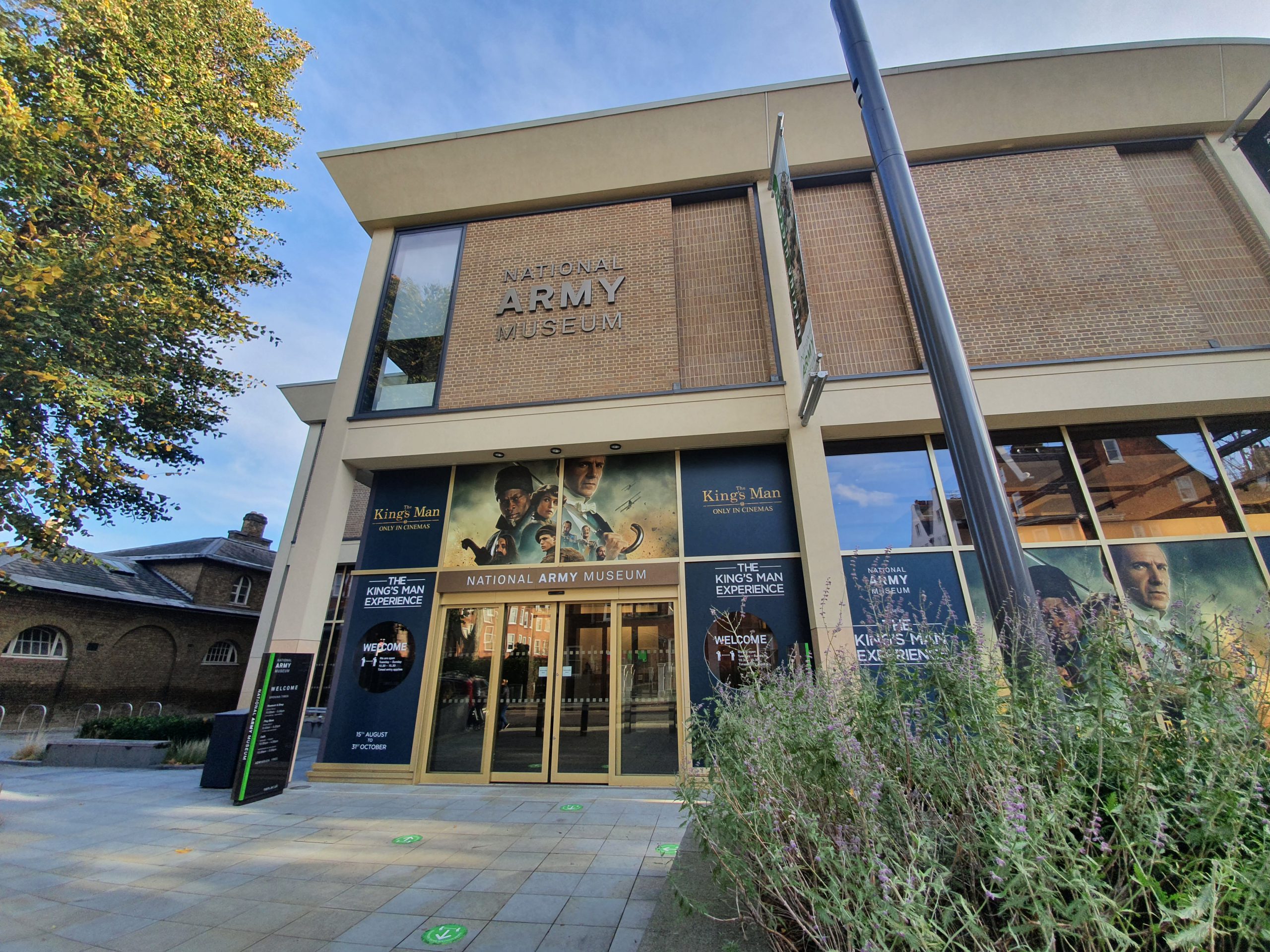
    London – Kensington and Chelsea (Borough of) – National Army Museum

    I had read some reviews of the National Army Museum that their relatively recent expensive (nearly £24 million) refurbishment had dumbed down the museum and removed many of the interesting displays. So, I had made myself pre-annoyed at the museum before I had even visited. That’s the starting point of this expedition….

    The welcome at the museum was though friendly and the staff were helpful. Although, without jumping ahead, the only negative was a staff member merrily criticising a customer who had complained as someone who probably wrote in green ink. He proceeded to loudly say how he was proud to ignore the complaint to other staff members, which didn’t exactly give a great impression to visitors. I suspect he could have waited until no other visitors could hear before starting off on his rant. I don’t know what the complaint was, I think I would have liked to though, nothing beats some exciting drama like that (other than chicken bakes).

    The displays in the museum were bright, clearly displayed and there were numerous interactive elements. However, the interactive elements hadn’t negatively impacted on the experience and there were plenty to read, see and do. The museum is incidentally free of charge, although pre-booking is required at the moment.

    Most of the displays were uncluttered, although I didn’t like how the museum has changed the display of Napoleon’s horse from a dignified display case to shoved in with a load of other items. But, there are bigger things to worry about than a dead horse.

    I know that some visitors didn’t like this sort of approach, but I think that the museum is right in that war shouldn’t be glorified. That doesn’t detract from the bravery of the armed forces, but I imagine that most soldiers would rather they didn’t get involved in war zones and having to kill other people. So, questioning whether people could be a soldier seems a sensible approach, it can’t be that easy.

    Some interesting statistics.

    I’ve written separately about some individual exhibits, not least:

    Arm Severing Shrapnel

    Leg Bones of John Fraser

    Child’s Shoe from Siege of Cawnpore

    Earl of Uxbridge Loses his Leg

    Ruhleben Fighting City

    Captain Sir Tom Moore Painting

    The King’s Man Film Set

    Note Written in Blood

    Wellington’s Despatch Case

    Napoleon’s Horse Marengo

    REME

    There’s enough here for a visit to last at least two hours, with a cafe on-site for those who want that. Some displays really aren’t entirely suitable for children, but I suppose they can be ushered by quickly. There are elements that should engage children though, particularly the display where visitors can take part in a drill with some sergeant major (or whatever he is) shouting from a video screen.

    The museum was founded in 1961 and it’s in a brutalist designed building next to the Royal Hospital at Chelsea. The rebuilding and redesign was substantial, shutting the museum between 2014 and 2017, when it was reopened by HM Queen Elizabeth II.

    So, I left not being annoyed, which is always a bonus, as the museum seems quite thoughtfully laid out. It wasn’t particularly busy, so it all felt safe and secure given the current challenging environment. And as for those reviews which said that it apologised for war, I’m not entirely sure that it did, it was more just trying to make people think about what war meant and I’m not sure that’s the same.

  • London – Kensington and Chelsea (Borough of) – National Army Museum (Arm Severing Shrapnel)

    London – Kensington and Chelsea (Borough of) – National Army Museum (Arm Severing Shrapnel)

    More agonies of war at the National Army Museum, this is the shrapnel that severed Serjeant Major Andrew Stockton’s arm in 2006. The museum helpfully note that “pieces of his uniform are still stuck to the distorted metal”. Stockton gave Channel 4’s Alternative Christmas Message a few years ago where he talked about his experiences of being in the military and losing his arm. Not nice, but a reminder of what war is about.

  • London – Kensington and Chelsea (Borough of) – Glorious Beauty by Simon Hitchens

    London – Kensington and Chelsea (Borough of) – Glorious Beauty by Simon Hitchens

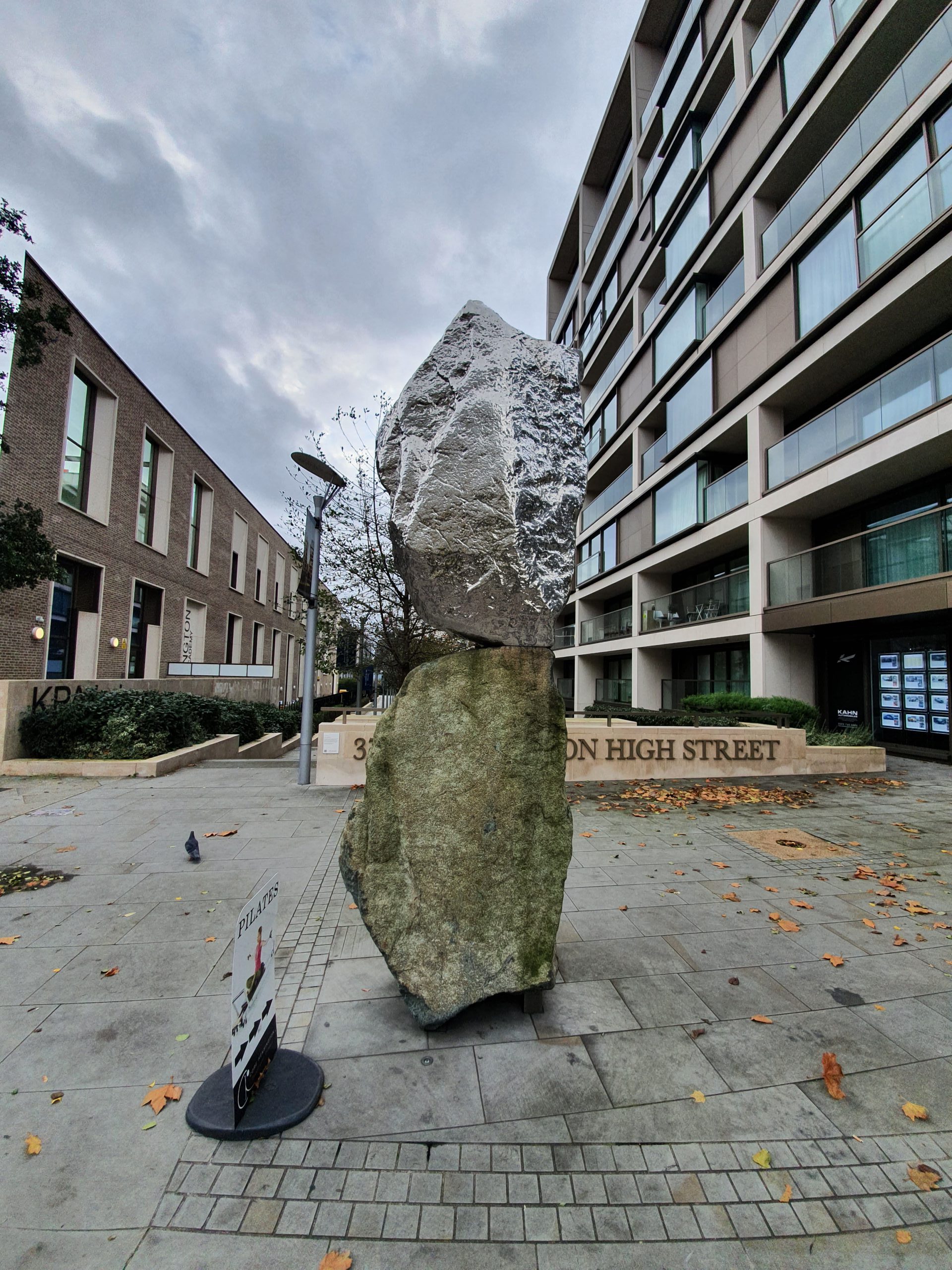
    This sculpture is located where Holland Road and Warwick Road meet and was installed here in 2014. Designed by Simon Hitchens, it’s called ‘Glorious Beauty’ and rather than me explain it, I thought I’d use the information on the artist’s web-site:

    “Glorious Beauty is a playful arrangement of natural forms in an urban environment. A man made celebration of nature’s beauty that echoes a piece of the natural world and represents innovation, technology and a fast changing world. The solidity of a large glacial boulder sitting in the urban world has a reassuring permanence to it. Seemingly weightless, balanced on the top of the boulder is a mirrored copy of its form in stainless steel. Simon digitally scanned the boulder and flipped its form to create a mirror image which reflects the size and intricate detail of the original. Standing almost as tall as a double decker bus, its presence is captivating. The surface of Glorious Beauty gives the impression of an endless state of flux, due to the ever-changing distorted reflections in it as people pass by.”

    It’s fair to say that there’s more detail there than I would have given. For what it’s worth, I liked it, this country seems to be in an endless state of flux, so perhaps we should plonk this at Whitehall instead. Anyway, I digress. The artist’s focus in general is regarding “how we comprehend the geological and human worlds” and how they work together, an interesting concept.

  • London – Kensington and Chelsea (Borough of) – Beatrix Potter

    London – Kensington and Chelsea (Borough of) – Beatrix Potter

    This plaque marks the site of where Beatrix Potter lived in West Brompton, from when she was born in 1866 until she was married in 1913. The house, at 2 Bolton Gardens, was unfortunately destroyed during bombings in the Second World War. What is perhaps most intriguing is that Potter lived just a short distance from Brompton Cemetery and graves have been discovered there with the same names as some characters from Peter Rabbit. These include names such as Nutkins, McGregor and Jeremiah Fisher, so it’s entirely possible that she named the characters in her books after graves which she had seen.