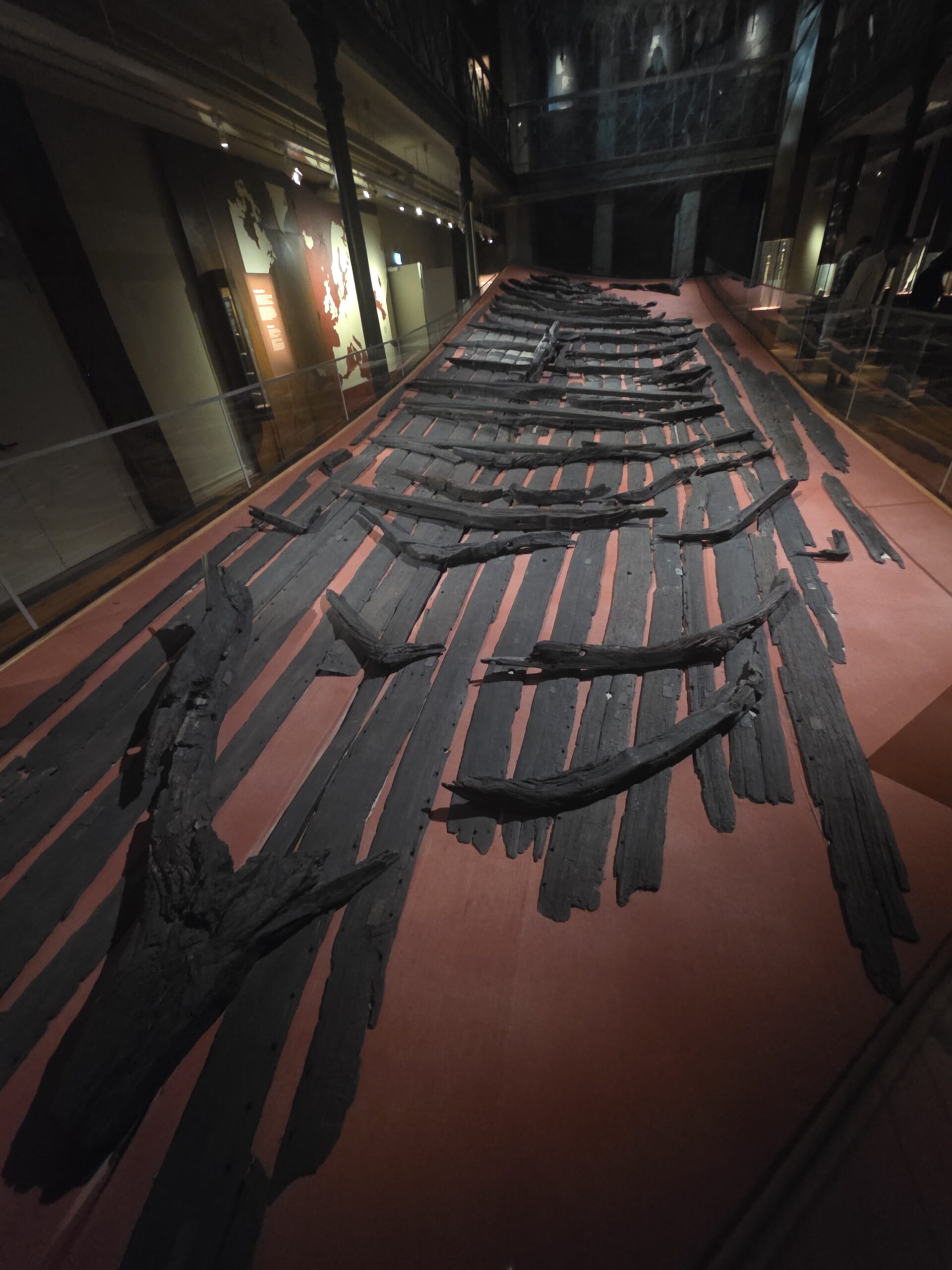
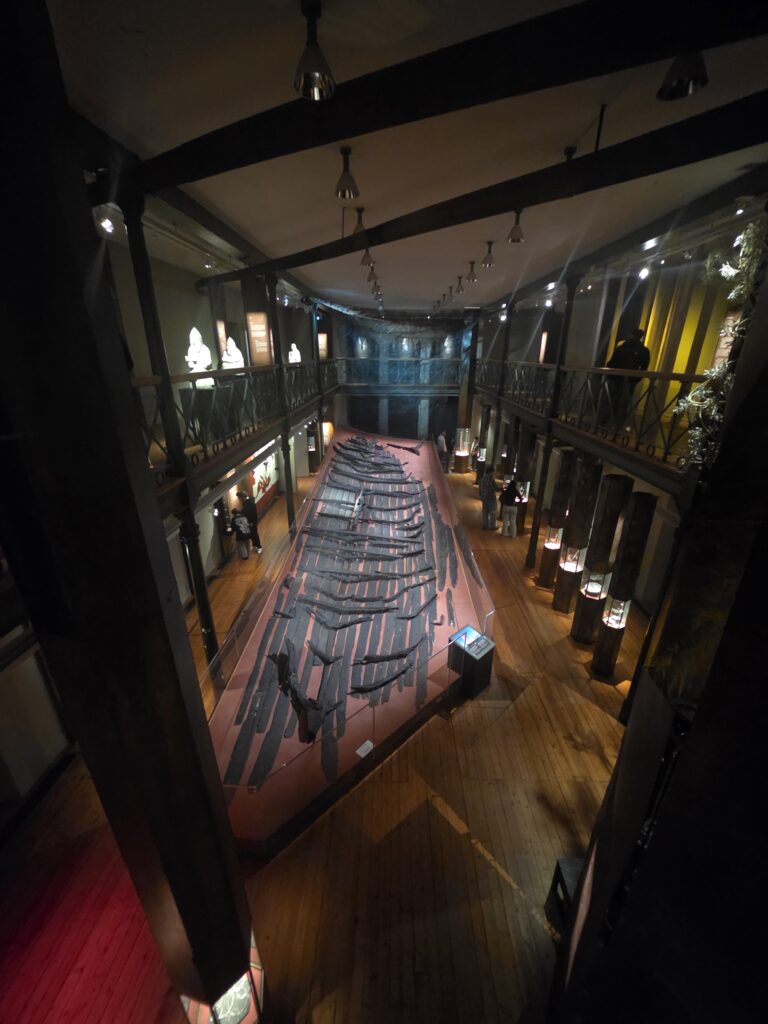
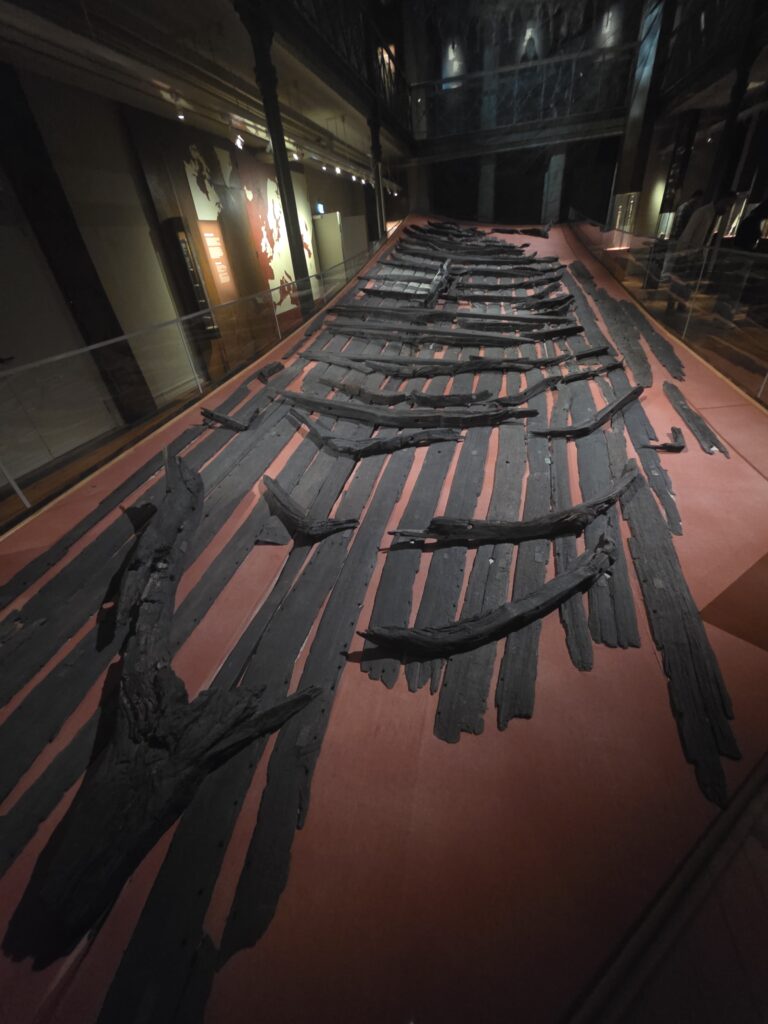
The Äskekärr ship, proudly displayed at the Gothenburg City Museum, holds the rather prestigious title of being the only Viking-age ship ever found in Sweden. Discovered in 1933 by a farmer digging a drainage ditch in a bog near the Göta älv river, this vessel isn’t exactly one of those sleek warships usually depicted in movies. It is actually a ‘knarr’ which is a sturdy merchant ship designed for hauling heavy cargo across the open seas. Built from oak around the year 930 AD, the ship provides a rare and tangible link to the sophisticated trade networks that were the true lifeblood of the Viking world.
The timbers show signs of extensive repairs which were made over several decades which rather suggests that it was a beloved workhorse that remained in service for nearly a century before it finally came to rest in the Swedish mud.
This is one of the flagship exhibits in the museum (notice the clever pun in that sentence) and I liked being able to see an actual Viking ship. I’ve wondered before if my natural bravery (defined by myself only) and ability to tolerate the cold indicated that I have Viking blood, but this appears to be unlikely.
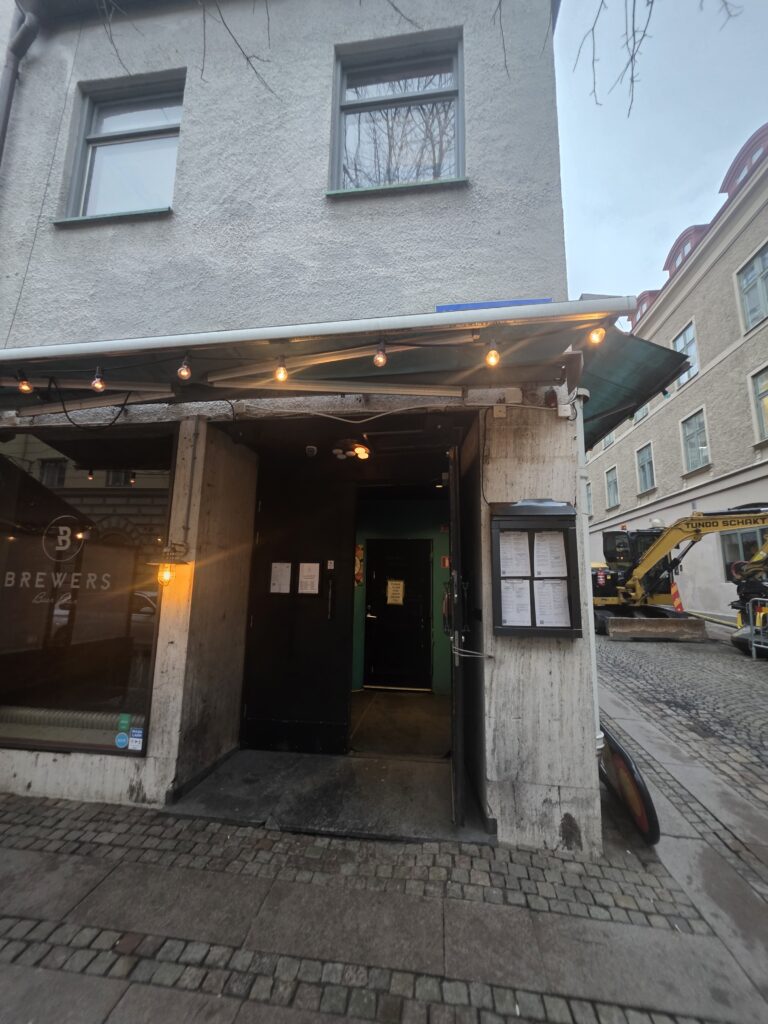
Richard spent much of the afternoon staging a one-man protest for craft beer, so I thought that it was only fair to oblige so we went to Brewers Beer Bar. There appear to be two of them in Gothenburg, this is the one at Magasinsgatan.
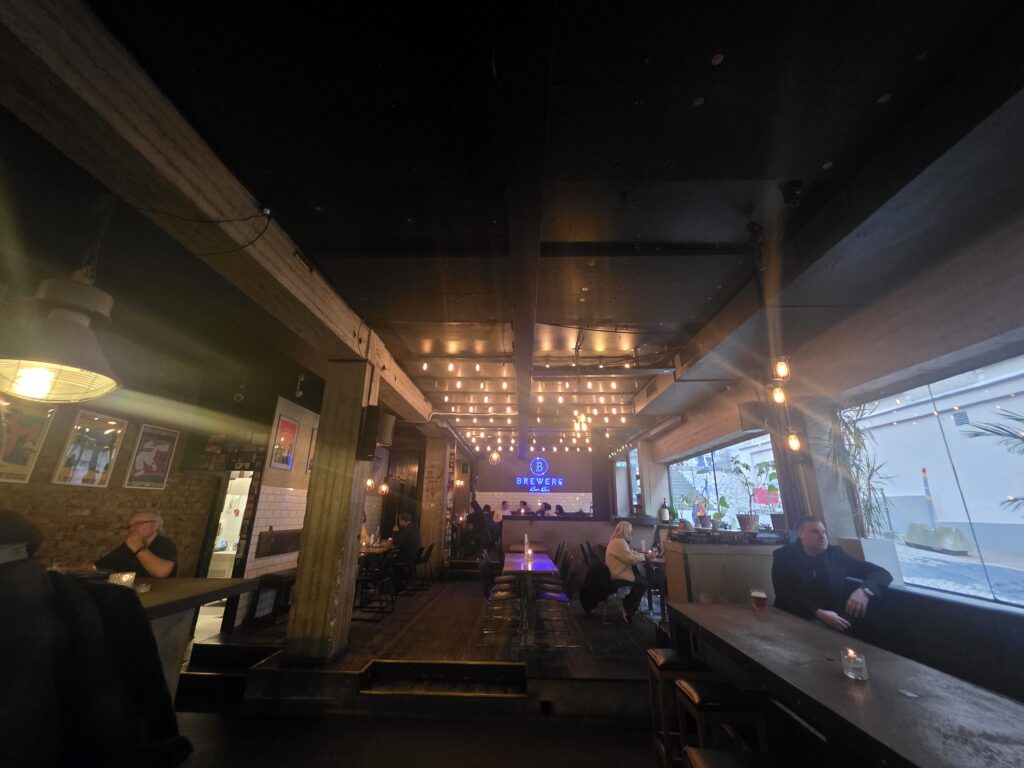
It was a large and welcoming place, with a team member offering us a friendly greeting when we entered.
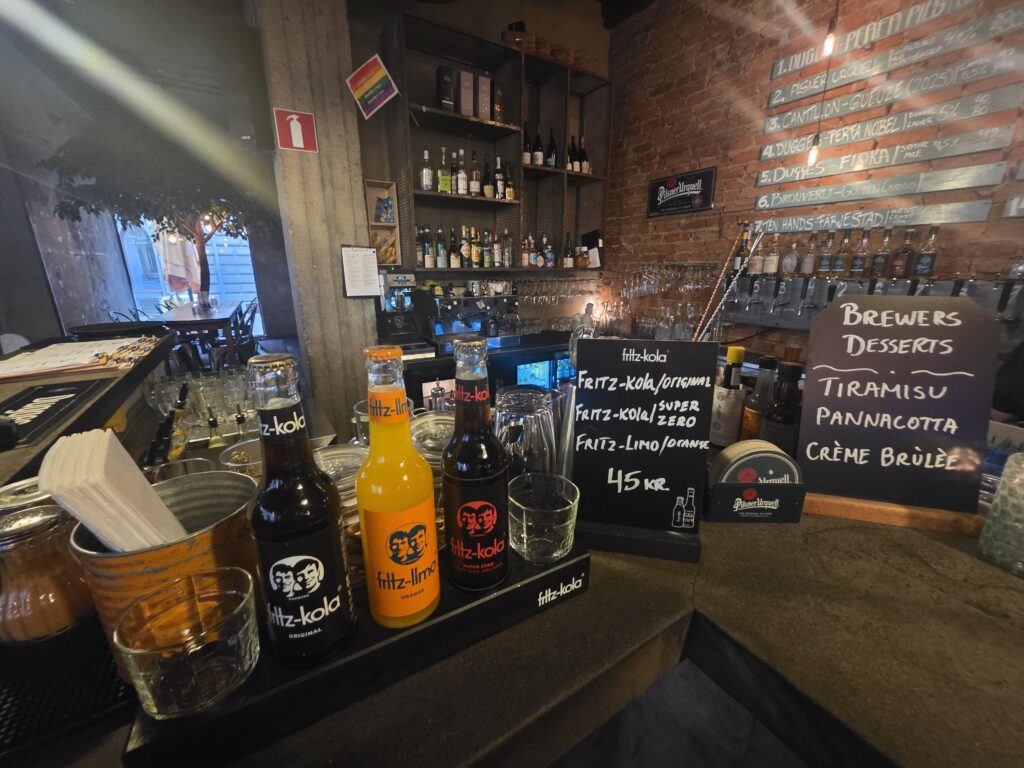
The bar area with the soft drinks visible for the more responsible amongst us.
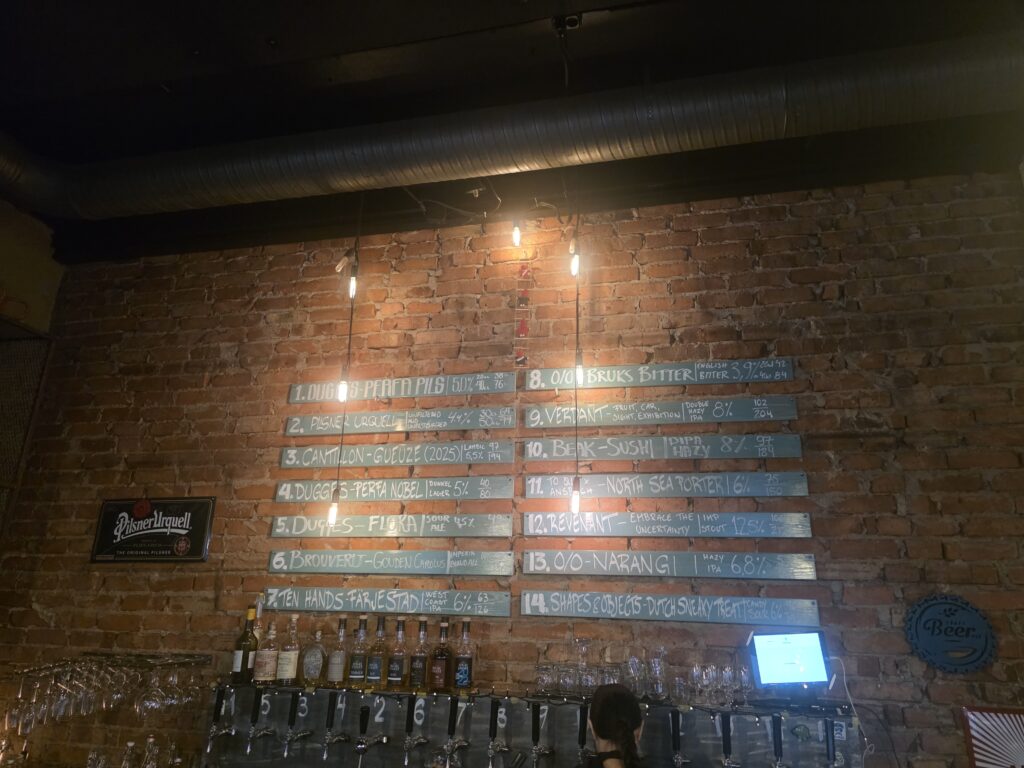
It was the beer board that was of interest to me and there was a mix of national and international beers. I inevitably ignored the British beers here as although they’re excellent, it didn’t feel entirely appropriate to opt for them.
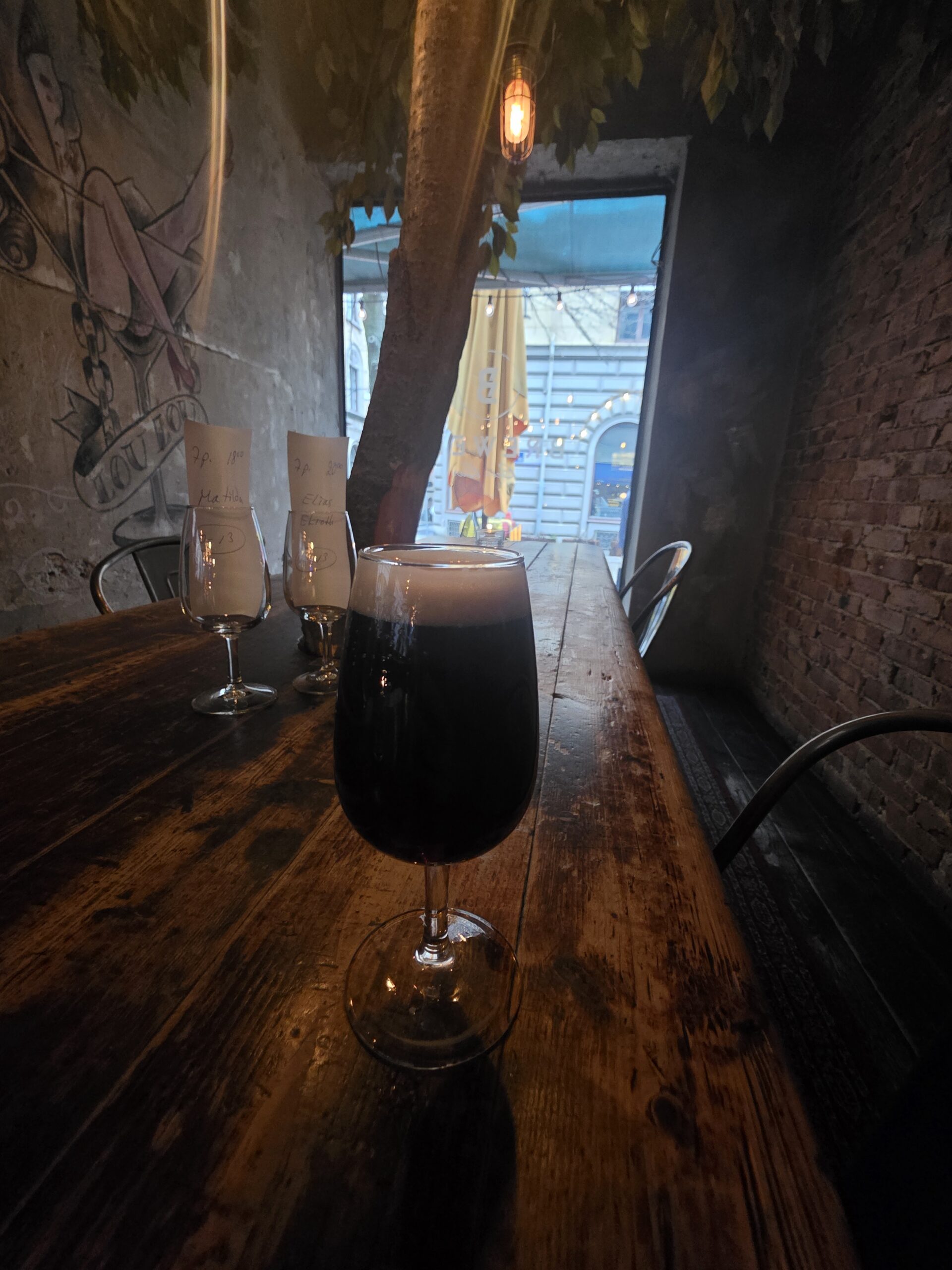
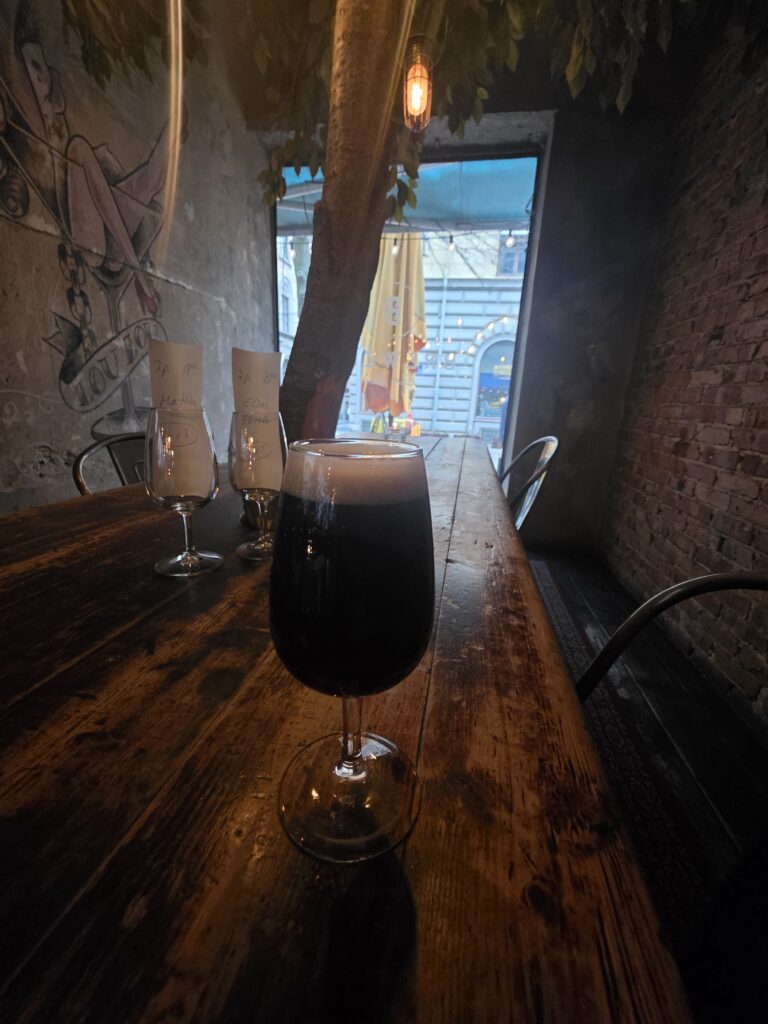
I opted for the North Sea Porter from To Øl who is a Danish brewery and this is a slightly thin beer with a taste of coffee and roastiness along with a creamy texture. Incidentally, I liked the tree in the middle of the table, like a hip forest.
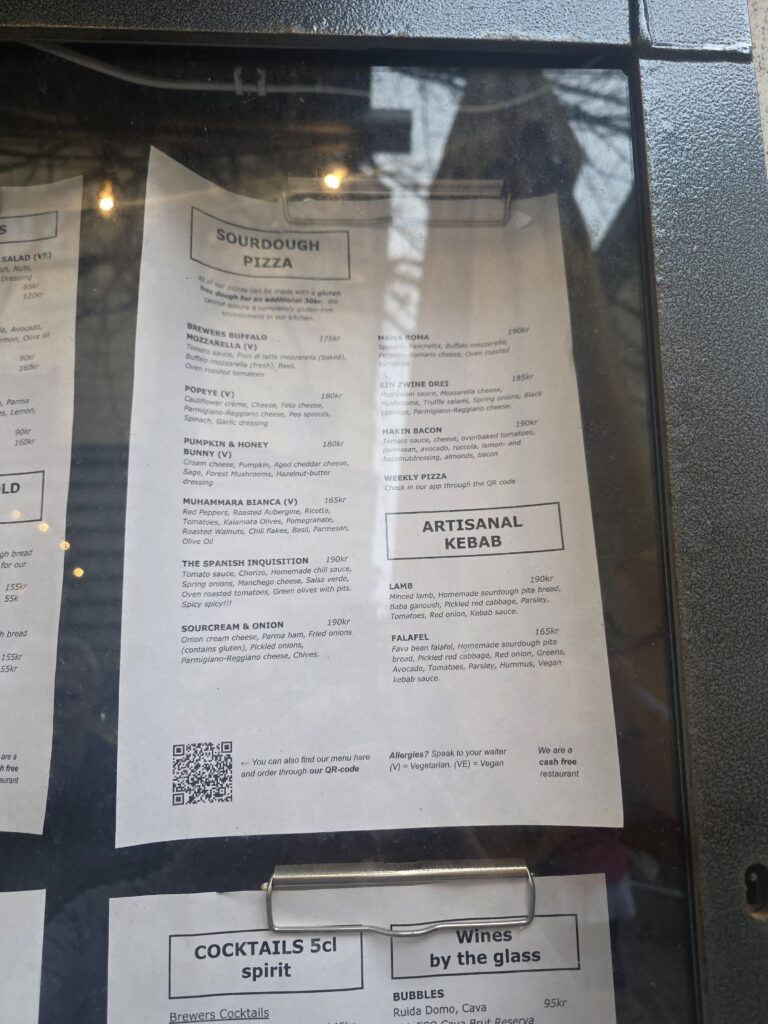
And for those interested, here’s the food menu. It was very tempting, but we (well, Richard) were looking for something a little more decadent than pizza. It also appeared to be getting full with most tables having reservations on, so this seems to be a popular venue.
I liked the atmosphere here, it was friendly, informal and laid-back. The beer prices aren’t cheap in Sweden, but they were reasonable here and there were plenty more choices in the beer fridges. There was some music in the background, but it wasn’t loud enough to annoy me.
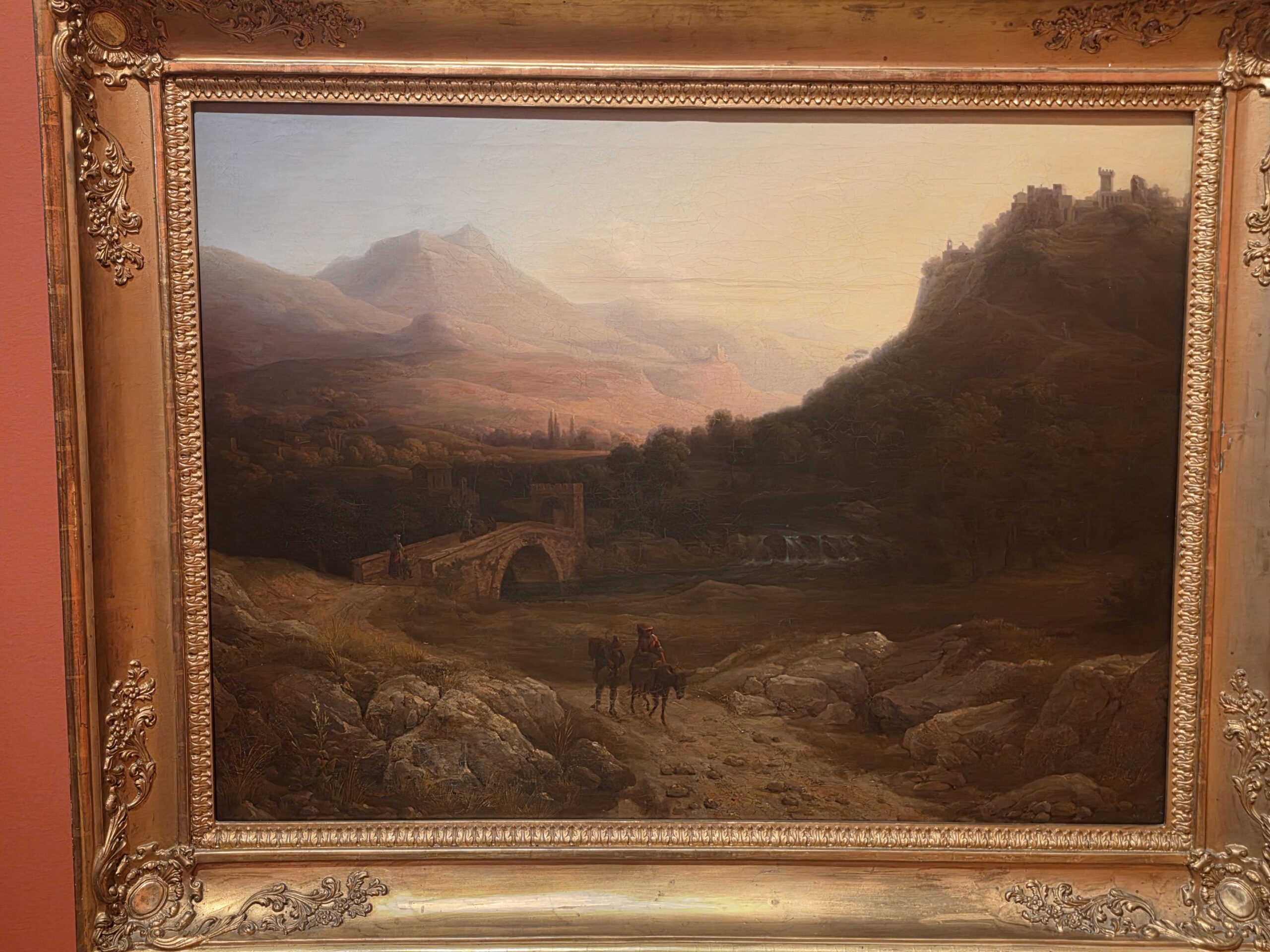
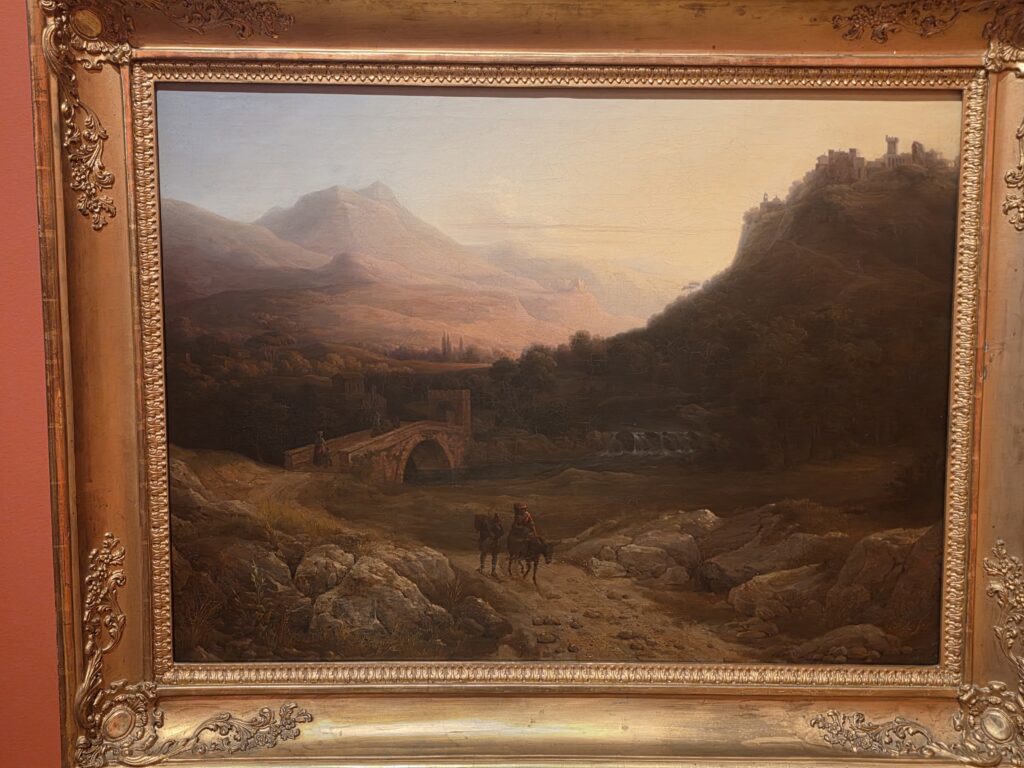
This painting in the collections of Gothenburg Museum of Art is by the Swedish artist Gustaf Wilhelm Palm (1810-1890). It was painted in 1842 and was later acquired by the museum in 1913. He remained in Italy for eleven years in total although he later went back to Sweden to become an art professor.
The element that interested me most is that this is likely a painting that was sold to someone on their Grand Tour of Europe. These were coming to an end at this time, primarily as the railways were being built, but it was a way of wealthy young men to travel across Europe with a guide, usually focusing on the country of Italy.
The painting is likely not a real representation of anywhere that actually exists, it was just a stylistic artwork that would be a souvenir. I like the idea that someone kept the painting as a memory of their travels in the same way that I’ve become reliant on Google Photos to remind me of my trips… Well, and this blog.
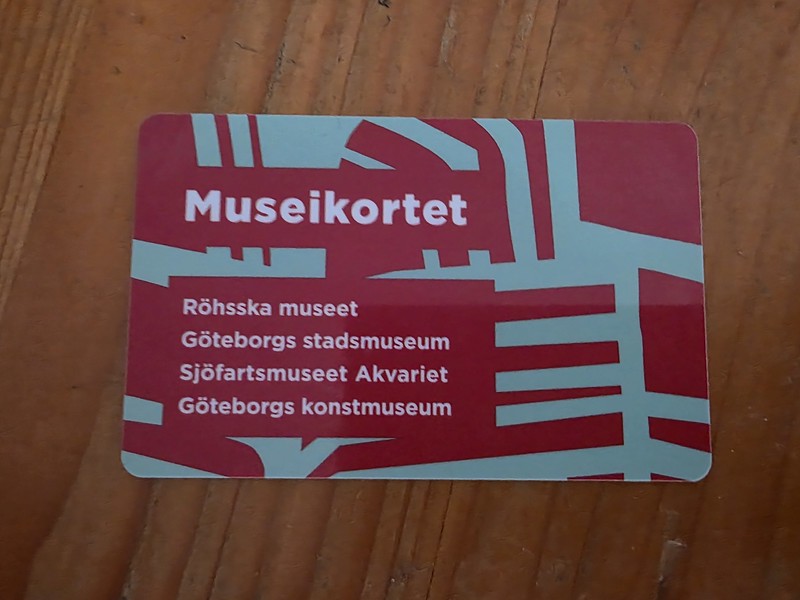
Gothenburg’s Museikortet is an annual pass which allows for entry into four museums, namely:
Museum of Gothenburg
Röhsska Museum of Design and Craft
Maritime Museum and Aquarium
Gothenburg Museum of Art
We each acquired one of these passes as they allow unlimited entry to all of the museums and it lasts until the end of 2026. Given that the pass costs around £13 this represented cheap entry into the museums even just visiting them once, although I hope to return to the city by the end of the year.
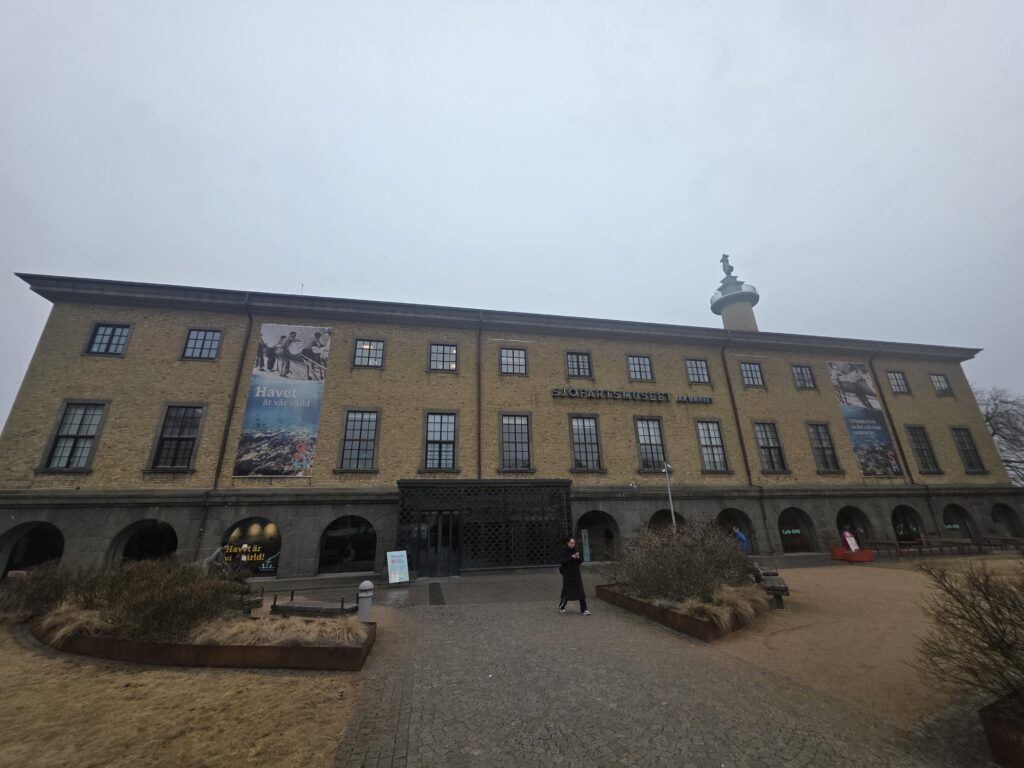
We didn’t visit the Museum of Design and Craft, but we managed to visit the other three museums on our first day in the city. The Museum of Gothenburg is focused on the history of the city, with displays covering the various elements of social, economic, cultural and military heritage. The Maritime Museum was a sizeable building, with the aquarium located in the cellar. And the Museum of Art had substantial collections of artworks, including some internationally important works and some modern art that I didn’t understand.
It’s definitely worth considering buying the card and it has the advantage that you can scan it yourself at a kiosk to avoid waiting in the queues to buy tickets. Although we spent a couple of hours at the three locations we went to, we could have taken much longer in each of them.
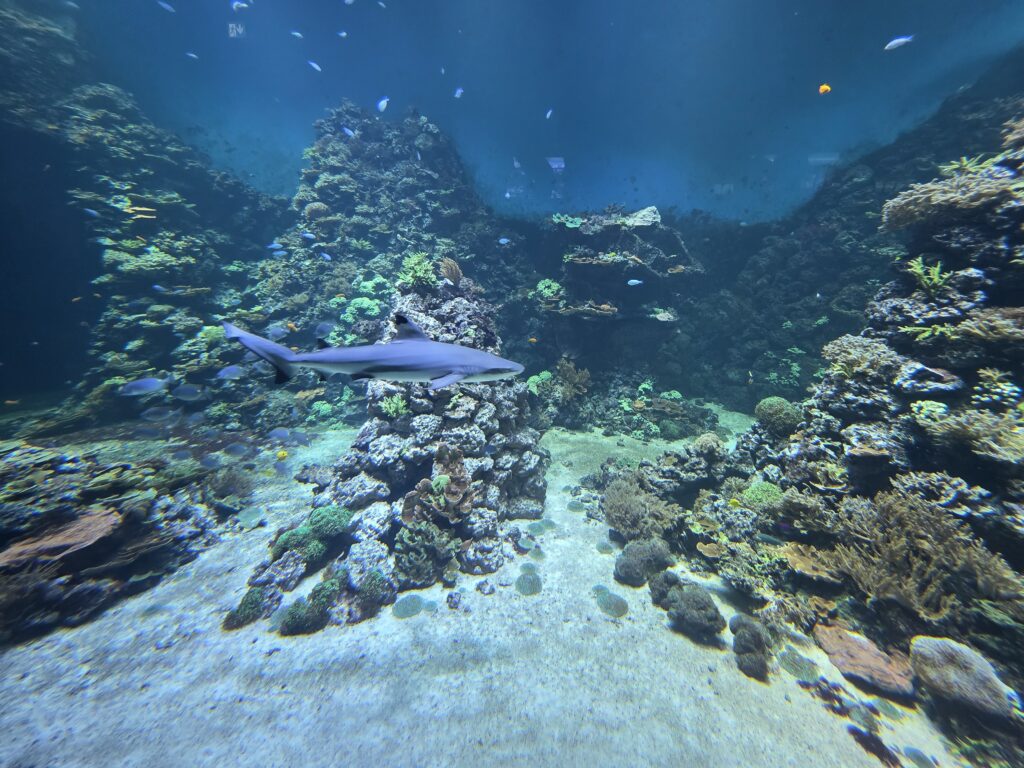
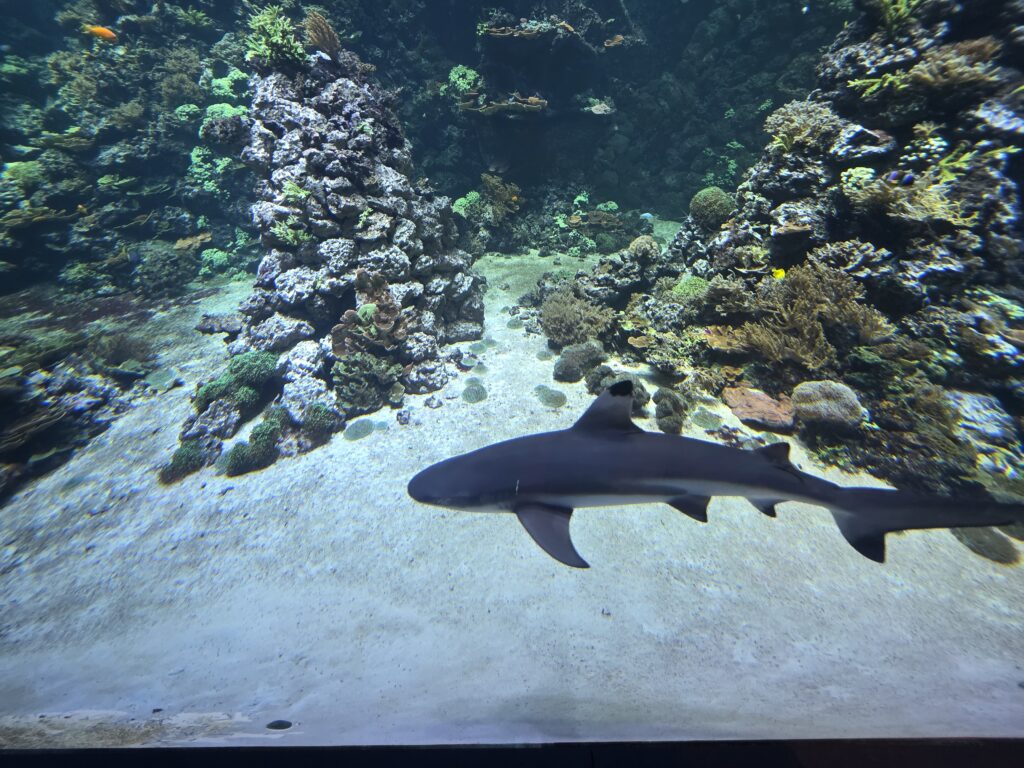
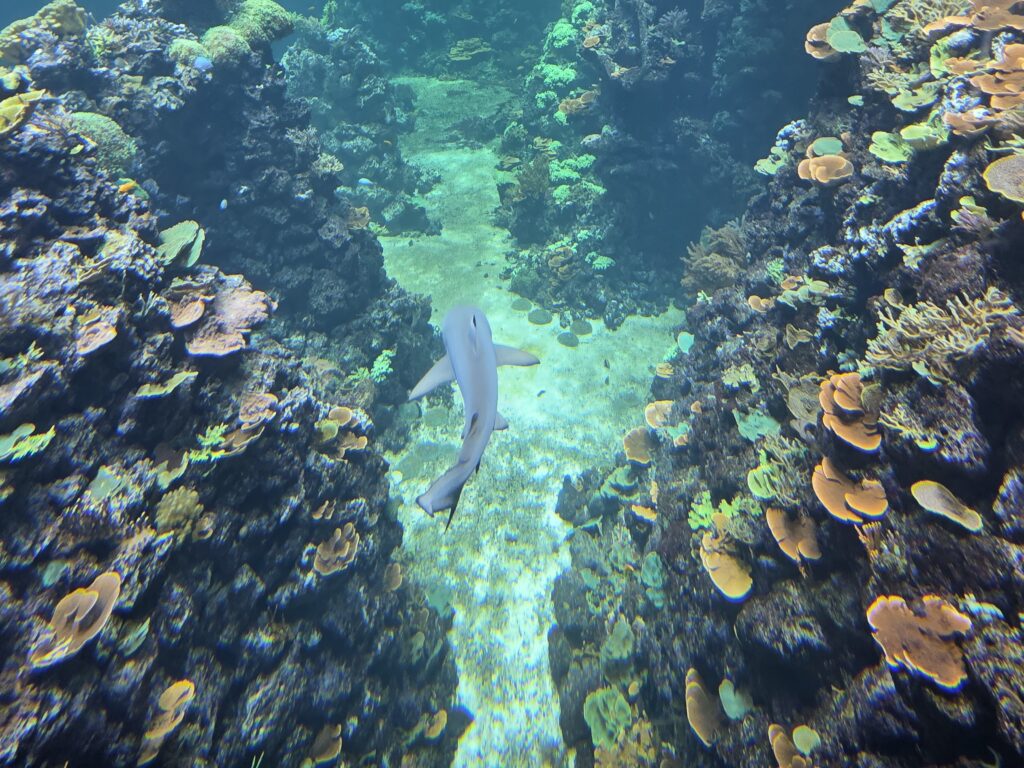
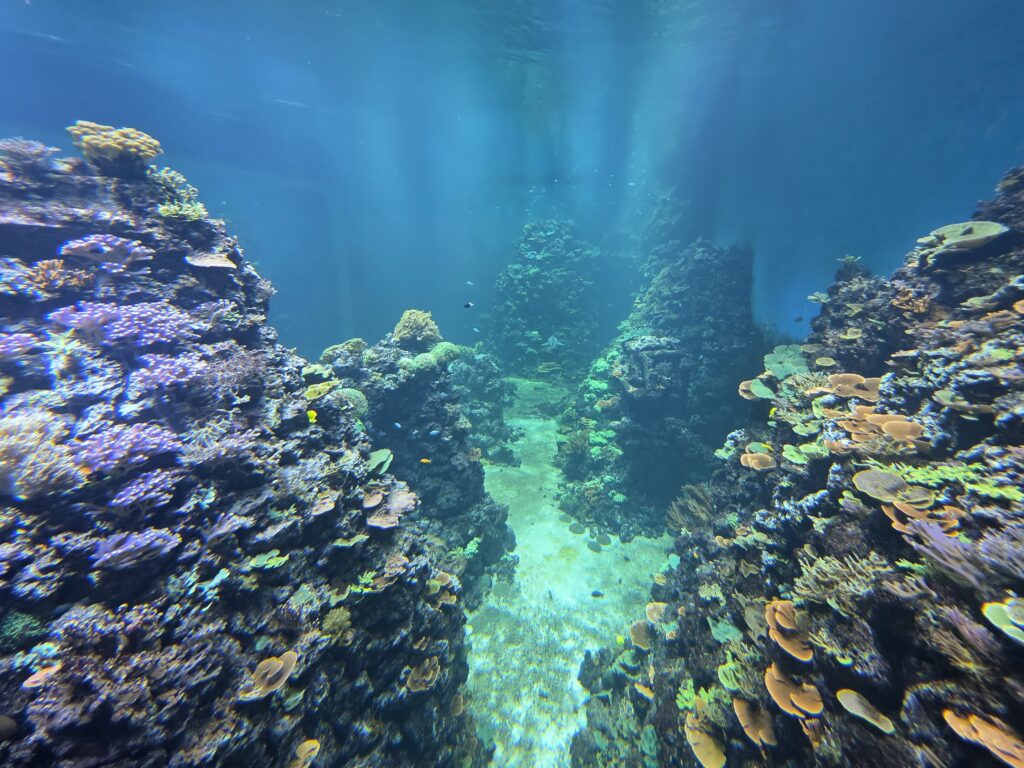
The maritime museum has a substantial aquarium in the cellar and it has the largest collection of live corals in Europe.
They used 30 tons of coral rocks, 3 tons of sand and there are 400,000 litres of water at 25 degrees Celsius. It was a rather impressive arrangement and visitors can see into from two different sides to watch the sharks and other fish swimming about.
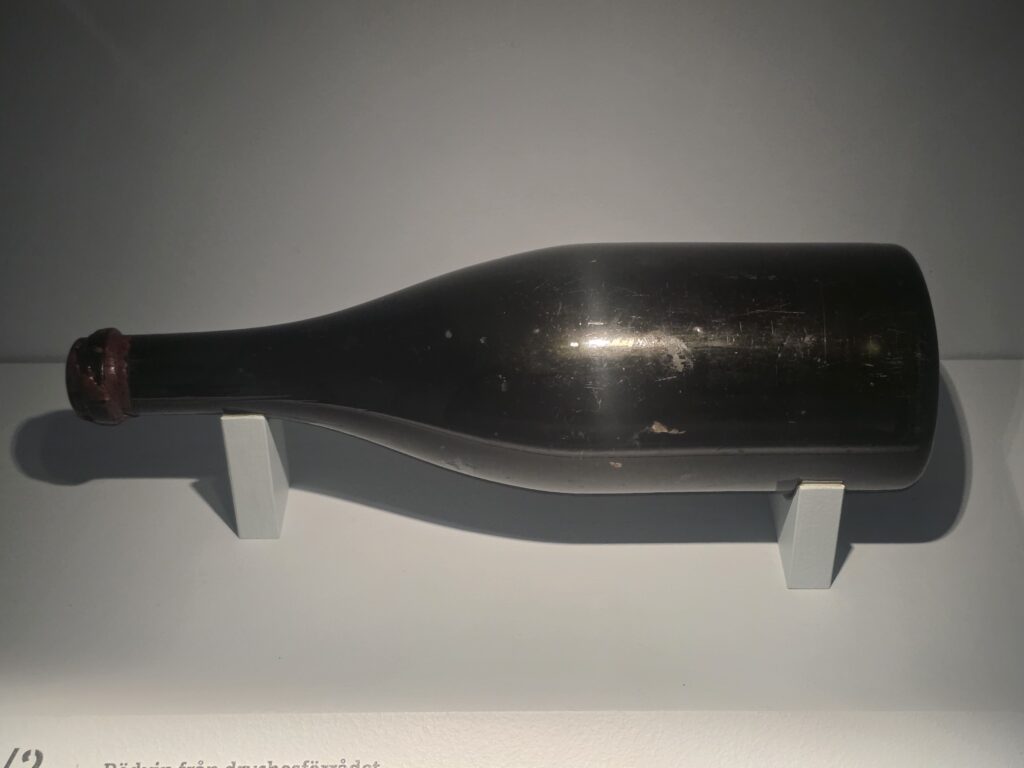
This is a bottle of red wine that was on the Vega sailing vessel which was kept as something of a memento. As indeed were quite a lot of things from the ship.
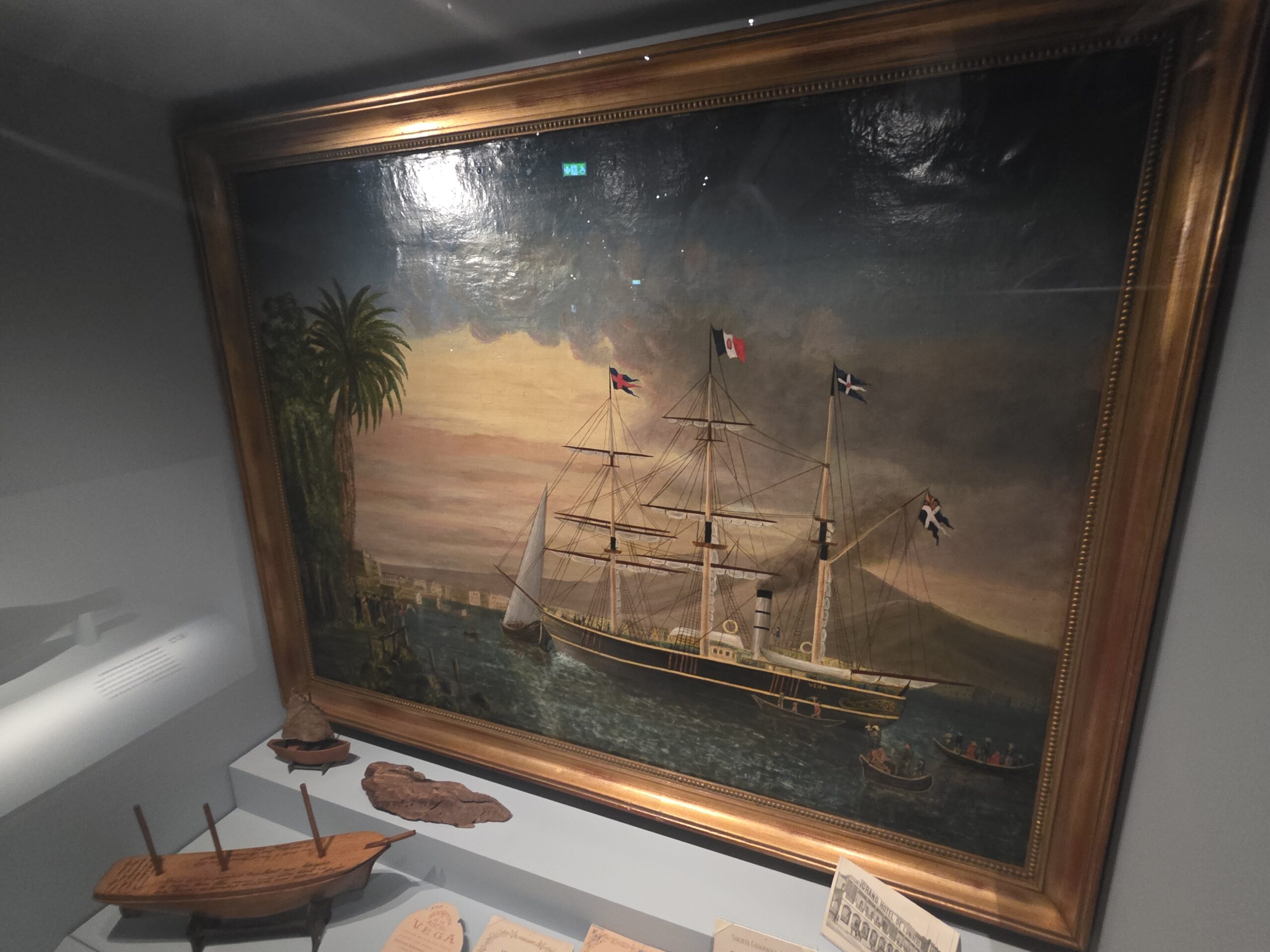
The Vega Expedition (1878–1880) was a Swedish-led Arctic voyage, named after the steamship SS Vega and commanded by Adolf Erik Nordenskiöld, that became the first expedition to navigate the Northeast Passage and the first to circumnavigate Eurasia, collecting a fair chunk of scientific material along the way.
Vega sailed from Karlskrona in June 1878, stopped at Tromsø, reached Cape Chelyuskin in August and then pushed east along Siberia’s coast until it was trapped in pack ice near the Chukchi Peninsula in late September, just short of the Bering Strait, forcing the crew to winter there and making first sustained contact with the Chukchi people. Freed in August 1879, Vega passed through the Bering Strait, paused in Japan for repairs, then returned to Sweden via the Indian Ocean and the Suez Canal, arriving in Stockholm in April 1880 to huge celebrations, an achievement later framed as a high point of Swedish scientific exploration.
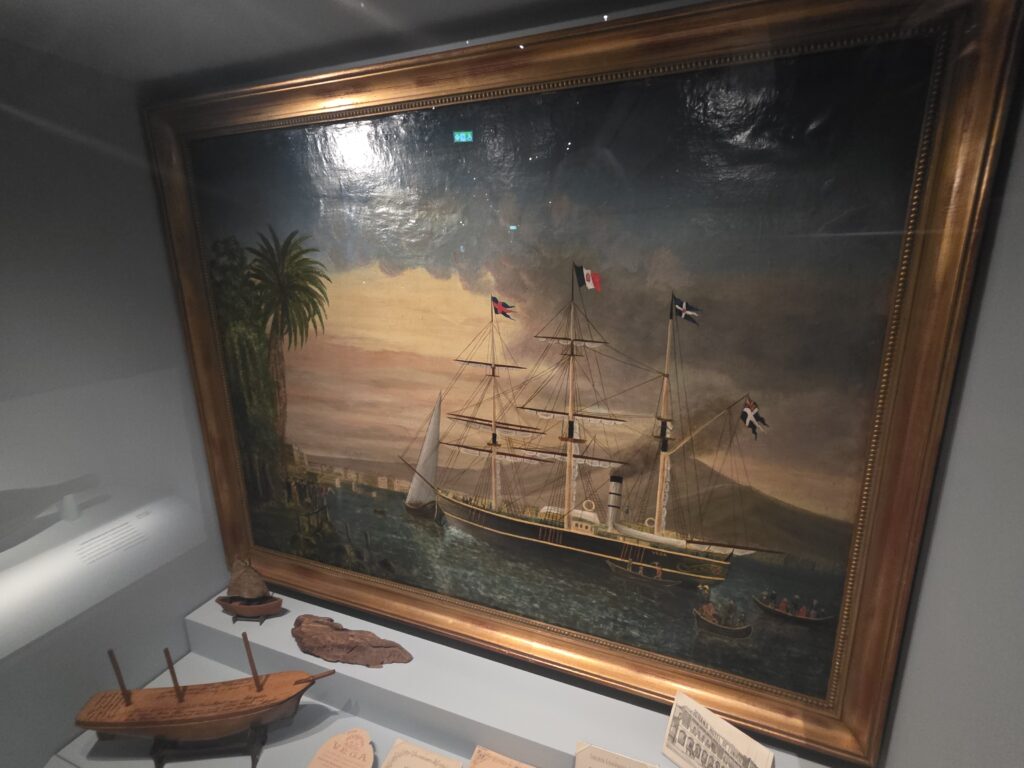
The above painting is of the Vega when it was parked up in Naples where it arrived on 14 February 1880 and remained for two days amidst some considerable celebrations.
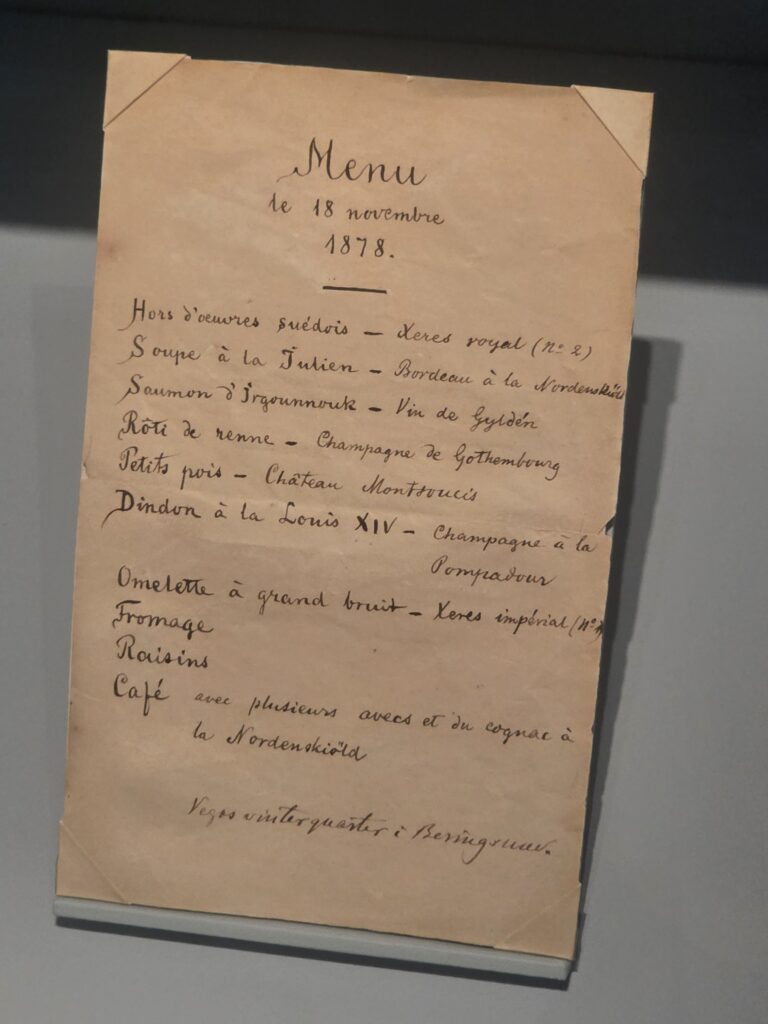
Always good to have a menu from on board, this one is from 18 November 1878.
Incidentally, back to the wine, the museum notes that:
“During the winter the crew drank much more alcohol than the annual average for a Swede at the time”.
I’m not entirely sure that this would be a surprise to very many people…
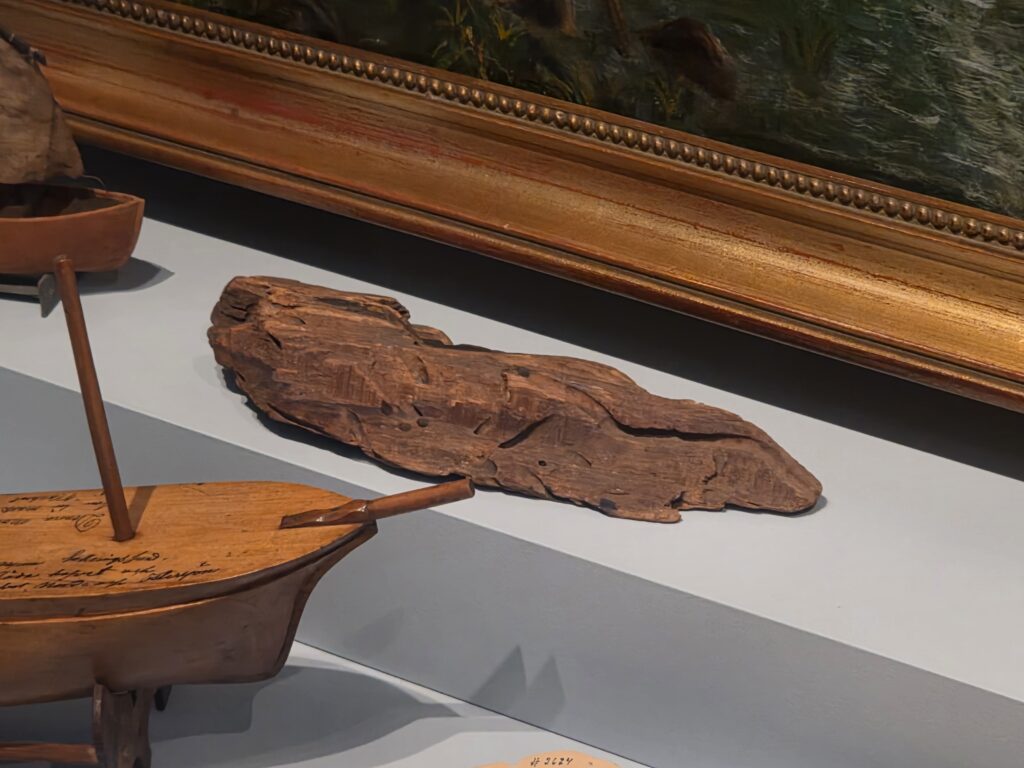
And here’s some wood from the keel that was kept when it was turned into a whaling vessel.
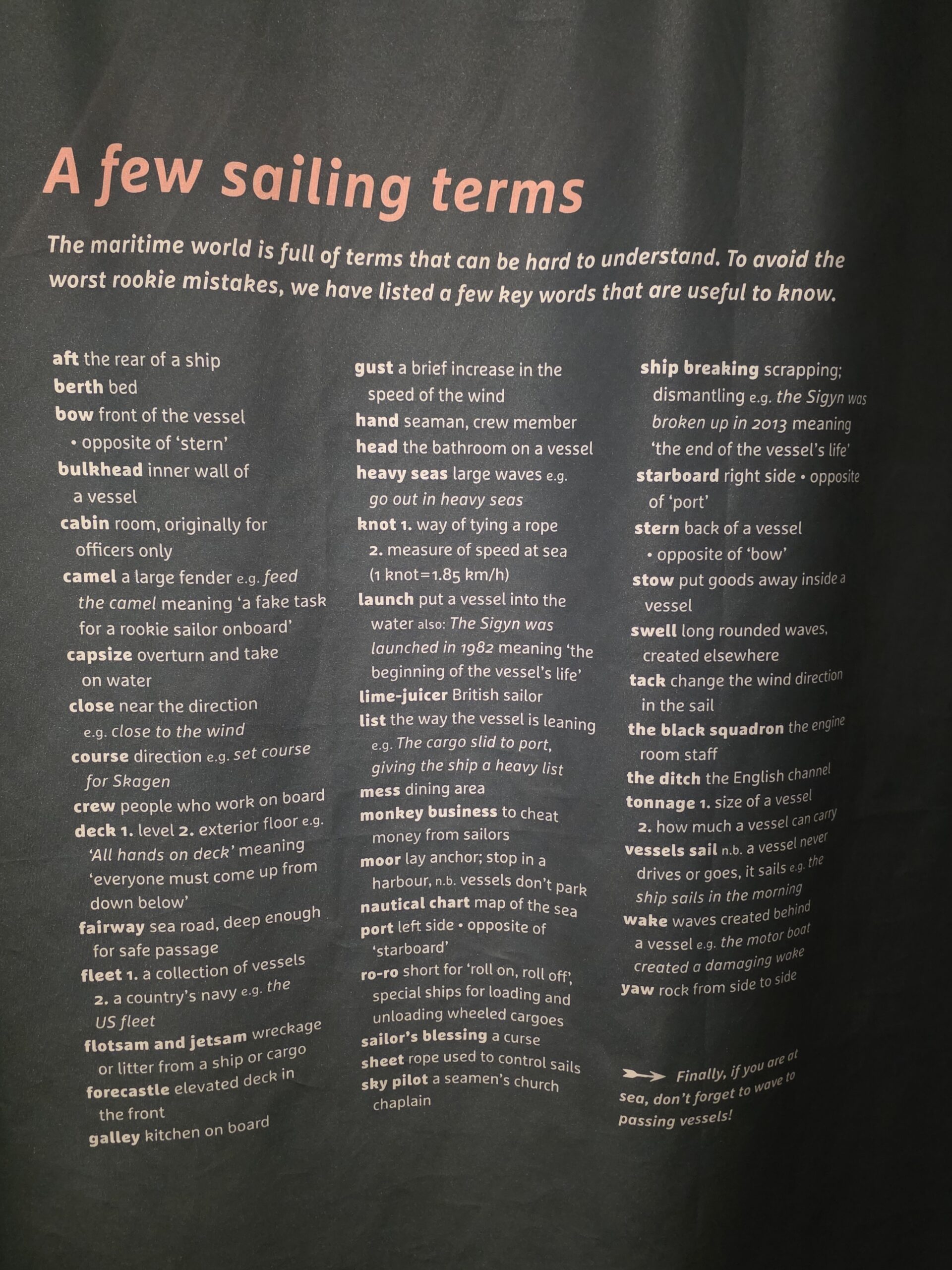
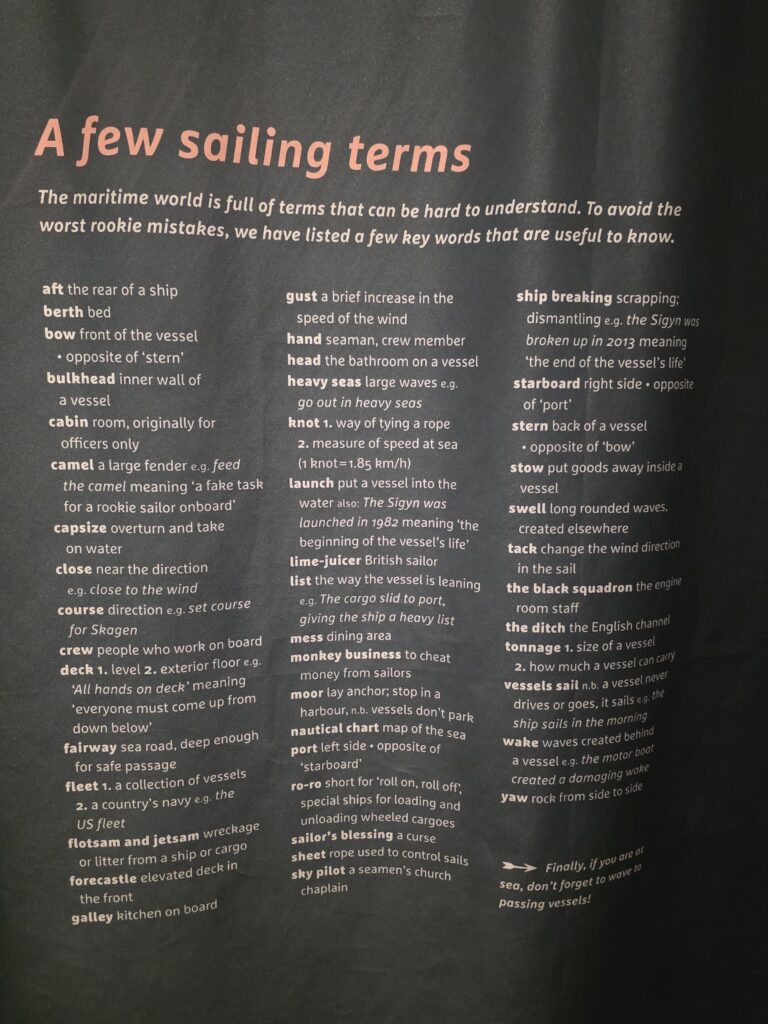
Some of the slang used by sailors, although it was the lime-juicers bit that interested me. I was aware of the phrase ‘limeys’ for British sailors because of the lime juice (although it was initially lemon juice which actually has much more vitamin C, so the switch wasn’t entirely ideal) that was used to prevent scurvy.
It transpires that the term was originally lime-juicers and this came to be used from around the 1850s to describe British sailors. The shortening to limeys took place around the 1870s and then it became to be used to describe British people in general in the late nineteenth century and the early twentieth century.
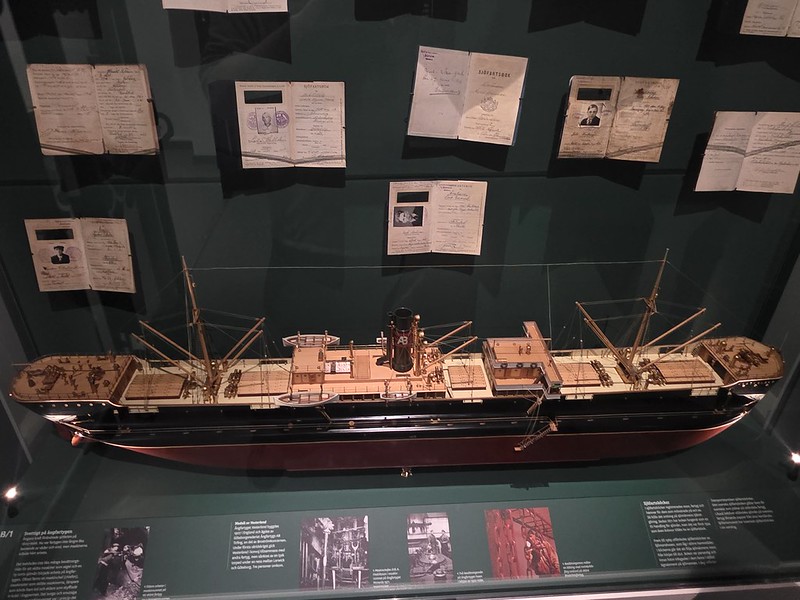
There were lots of maritime related items at the Maritime Museum (obviously) and this is what might be more expected by visitors…
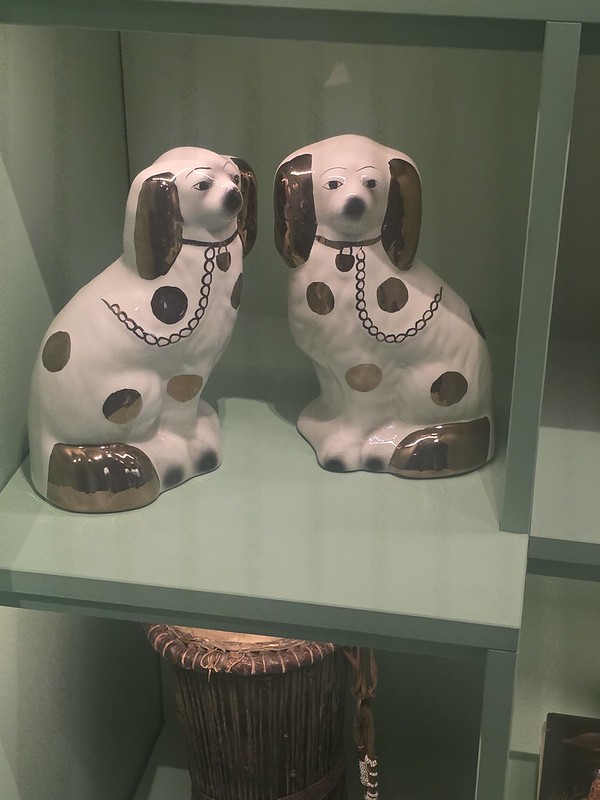
This was a more unusual exhibit, they are porcelain dogs from Staffordshire although that’s not the important bit. The museum notes:
“According to legend, the arrangement of the dogs in the windows could be used by sailors’ wives as a signal for secret friends. When the dogs were turned away from each other, the women were alone and could receive visitors”.
Looking into this whole rumour, it appears to be something that was common to the UK, Norway, Sweden and Finland, although I’m sure that the habit spread to other countries. There we go though, I learn something new every day.
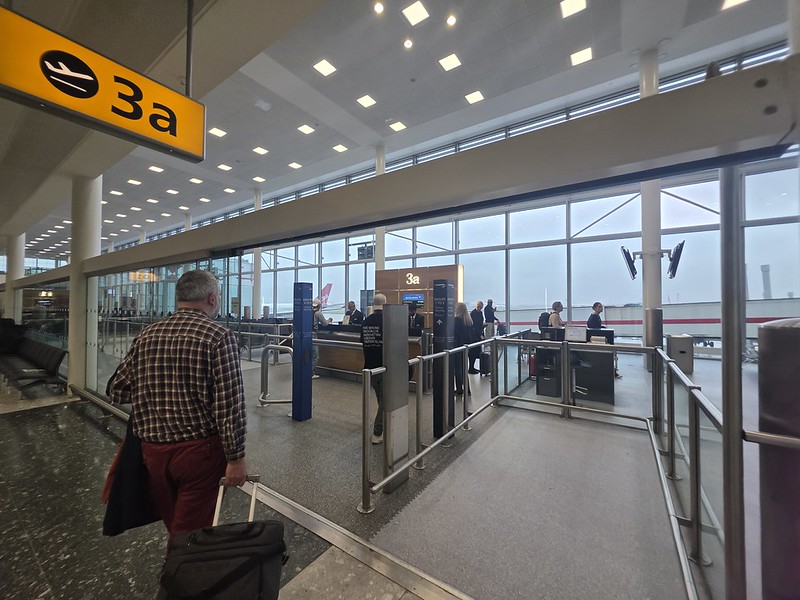
We had spent some time in the lounges and the gate was already boarding when we got there, so it wasn’t clear just how efficient the boarding process was in general. However, for us, it was fast and well managed, with the team members being personable and friendly.
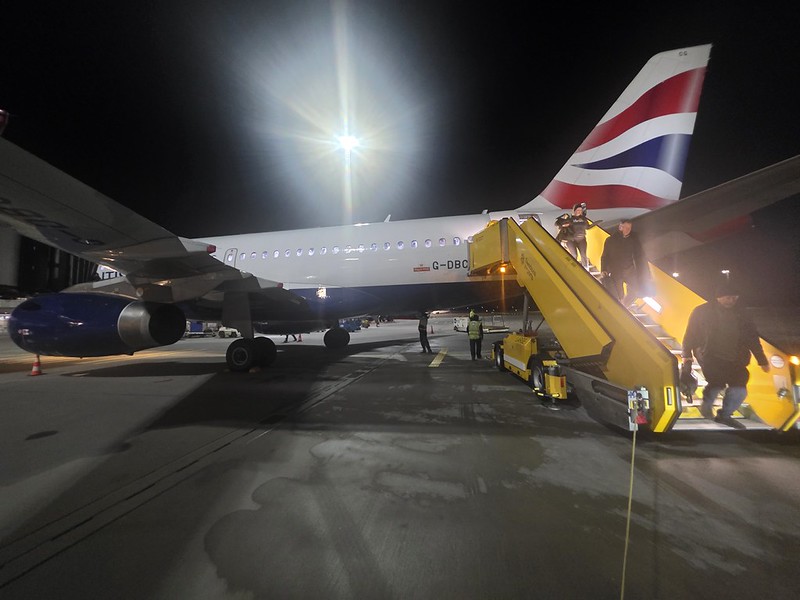
There are jet bridges to board the aircraft so everyone went by the front door. I like stairs for the simple reason that I can see the registration of the aircraft without looking it up, which in this case was G-DBCG. This is an Airbus A319 that has been in the BA fleet since 2012 and before that it was operated by bmi (owned by Lufthansa but sold to IHG in 2012) from 2006.
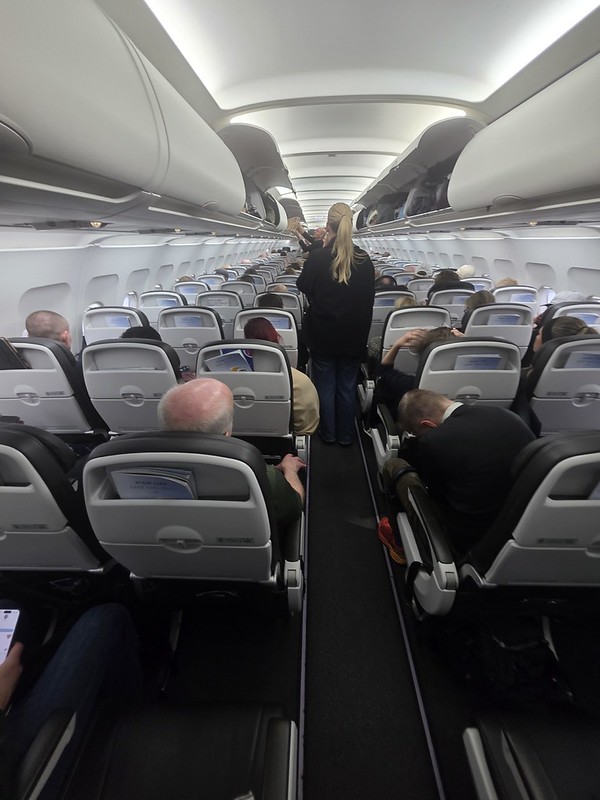
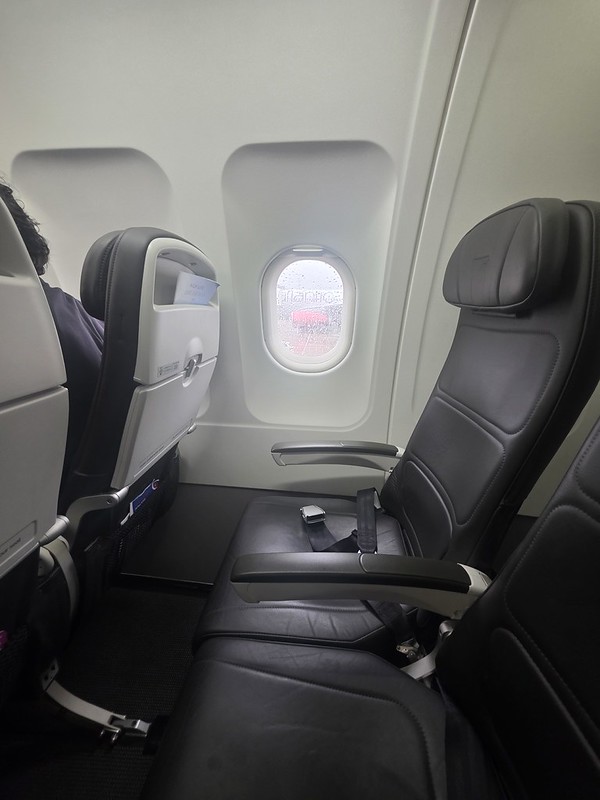
I was in the aisle seat at the rear of the aircraft and I noted the rather rickety nature of the seats. That seat in front was reclined during the flight which is impressive as the seats don’t actually recline. The aircraft was rather hot during boarding, but was I pleased to note that the temperature became somewhat more comfortable after take-off.
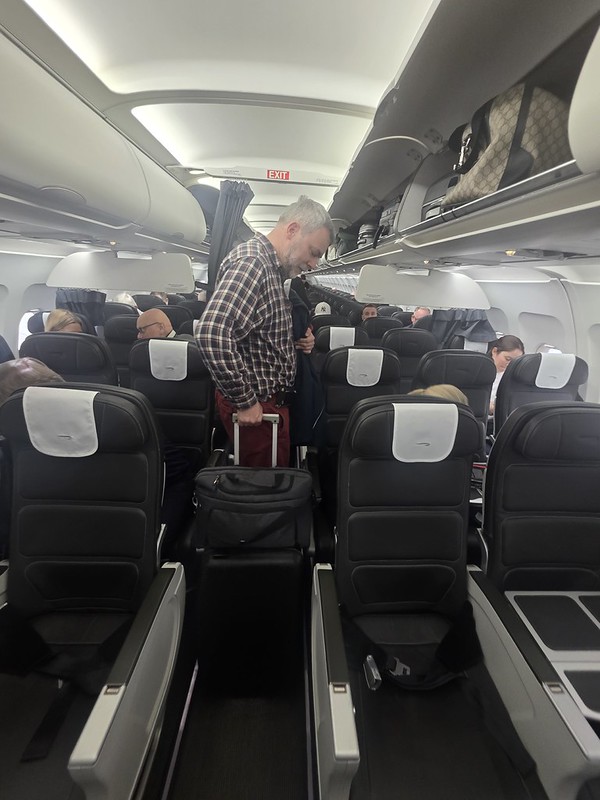
Boarding was a little chaotic. The crew members behind me were saying to each other that the overhead lockers were now full and so they were having to be creative. The passenger sitting next to me had a large bag and was walking up and down the aircraft trying to find a place to put her bag, so I ended up standing in the aisle for five minutes watching the confusion unfold. And the crew didn’t check the lockers as one flew open when taxiing which felt a little sub-optimal. But we were ready to depart pretty much on time.
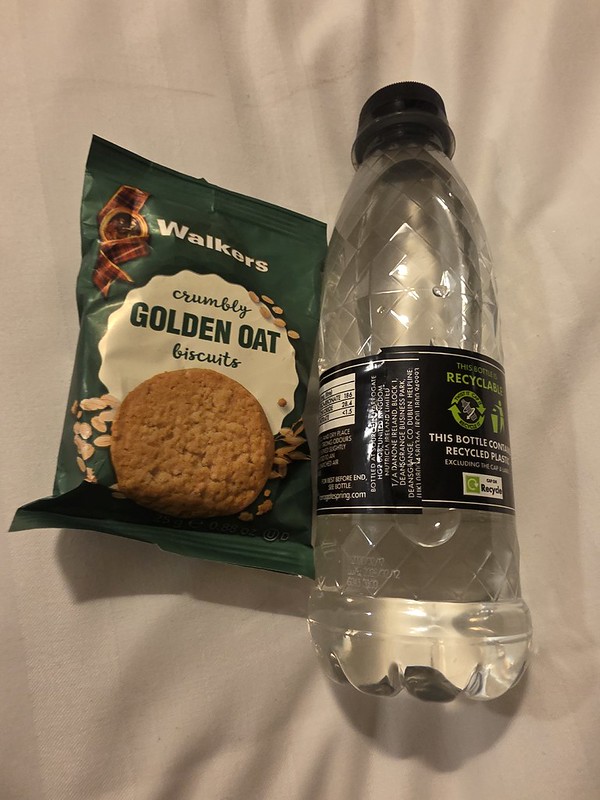
However, onto the positives, the crew were very friendly throughout and there was a free biscuit and water on BA which is at least something. I was surprised and delighted to have access to WhatsApp during the flight, this was something of a bonus to me. However, in a separate post, I’ll do a comparison between Wizz Air and British Airways as to who I thought was the better carrier.
And safely in Gothenburg. There was disembarking from the rear doors and that meant I managed to be the first off the plane into border control. That is exciting, but is always stressful in terms of working out where to go and I had to wait for Richard anyway.
The border was particularly friendly, a very positive first impression of Sweden. It also meant that I have now visited every EU country, which excited me….