Category: Random Posts

  • Random Posts – Tigh na Leigh and Four in a Bed

    Random Posts – Tigh na Leigh and Four in a Bed

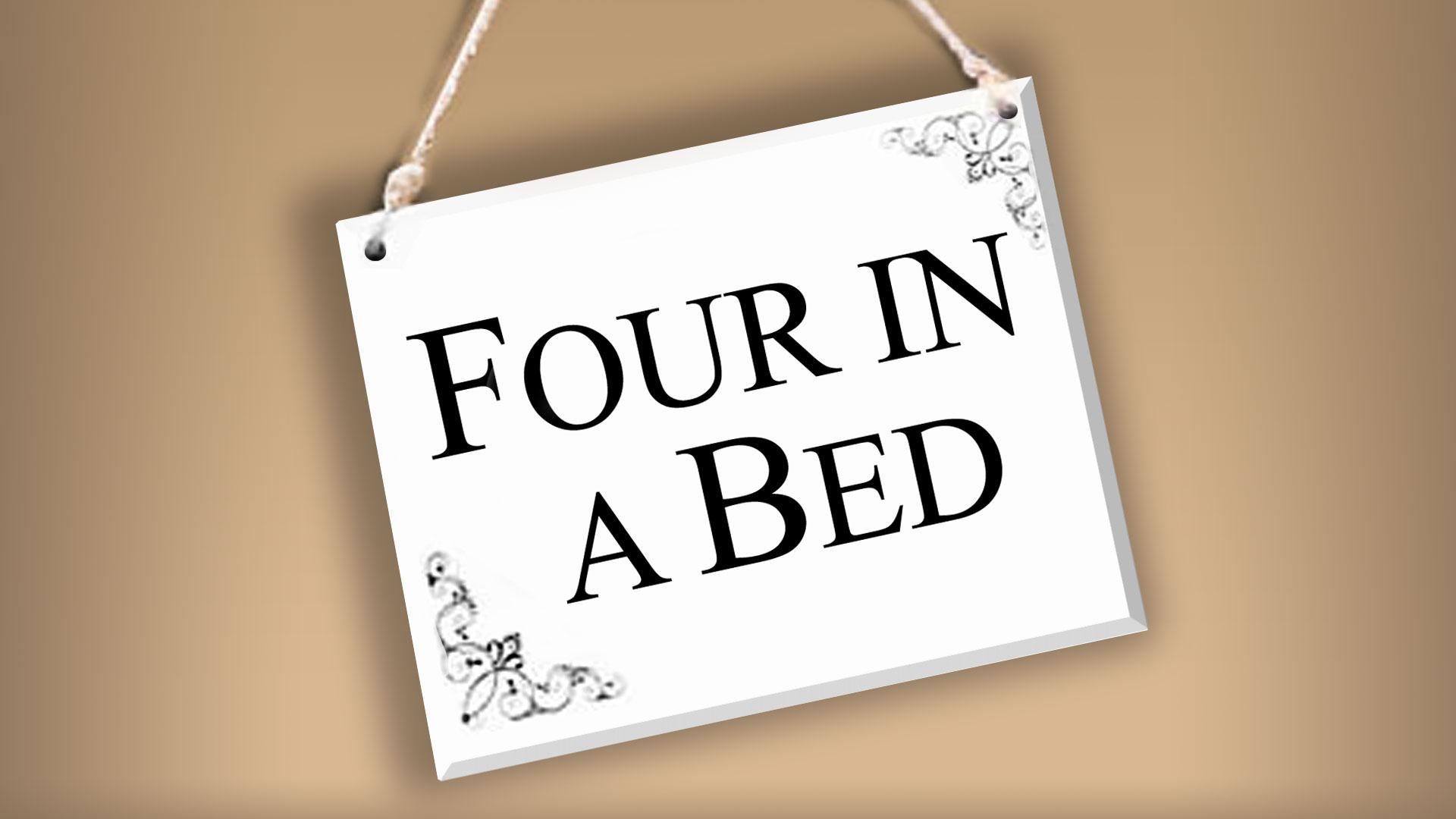
    I don’t watch much television, as I’m normally stuck walking in some field or have accidentally diverted to some pub, but I remain surprised why some couples go on programmes as Four in a Bed with such a hugely risky strategy of marking everyone else down. This week’s debacle involved the owners of Tigh na Leigh managing to savagely underpay their rivals and led to everyone else storming out. It makes for good television, and I like a drama, but it can’t be pleasant to now have to live through that for years.

    An otherwise seemingly perfectly run B&B with excellent reviews, an impeccable web-site and no now social media as they’ve had to delete it given the debacle. And although TripAdvisor and the like have removed the hotel’s fake negative reviews, the programme will be broadcast again in the future, and it’ll all happen again. I don’t envy the owners…

  • Dictionary of the Vulgar Tongue – Day Ninety-Four

    Dictionary of the Vulgar Tongue – Day Ninety-Four

    The Dictionary of the Vulgar Tongue was first published at the end of the eighteenth century, and given that the Coronavirus crisis is giving too much time to read books, I thought I’d pick a daily word from it until I got bored….

    Cropsick

    The dictionary defines this as “sickness in the stomach, arising from drunkenness” and is still in some dictionaries today and means something more akin to ‘a surfeit of food and drink’. The word ‘crop’ used to more commonly mean ‘the top of something’, so I’m going with the idea that this phrase evolved from something like headsick, although that’s likely to be a guess which is wrong.

    The word has slowly gone out of usage over the last two centuries, but I’m not sure why, it’s quite a ring to it.

  • Dictionary of the Vulgar Tongue – Day Ninety-Three

    Dictionary of the Vulgar Tongue – Day Ninety-Three

    The Dictionary of the Vulgar Tongue was first published at the end of the eighteenth century, and given that the Coronavirus crisis is giving too much time to read books, I thought I’d pick a daily word from it until I got bored….

    Croakumshire

    Defined by the dictionary as “Northumberland, from the particular croaking the pronunciation of the people of that county, especially about Newcastle and Morpeth, where they are said to be born with a burr in their throats, which prevents their pronouncing the letter r”.

    This is a handy reminder of the videos produced by Simon Roper on the evolution of language, although the word that was chosen by, I assume, southerners could have been a little more polite about the residents of Newcastle. I’m not sure that the term was that widely used, given that it appears very rarely in print. And, it’s a reminder of the shifting county boundaries, Newcastle was once part of Northumberland, before being defined as its own county and now it’s been shunted into Tyne and Wear.

  • Dictionary of the Vulgar Tongue – Day Ninety-Two

    Dictionary of the Vulgar Tongue – Day Ninety-Two

    The Dictionary of the Vulgar Tongue was first published at the end of the eighteenth century, and given that the Coronavirus crisis is giving too much time to read books, I thought I’d pick a daily word from it until I got bored….

    Crispin’s Holiday

    The dictionary defines this as “every Monday throughout the year, but most particularly the 25th of October, being the anniversary of Crispinus and Crispianus”. Spelled as Crispin and Crispinian today, this pair are the patron saints of cobblers, tanners and leather workers and they were persecuted in the third century for their Christian faith. The men worked as shoe-makers and were tortured on the orders of the Roman Emperor and then thrown into the river with millstones around their necks. Somehow, this effort didn’t manage to kill them, so they were then beheaded on 25 October 285AD.

    The Battle of Agincourt was fought on 25 October 1415 and so a link developed between that victory along with Crispin and Crispinian, with numerous other battles since also fought on 25 October. A Feast Day was held on 25 October, but there were numerous industries such as butchers, shoemakers, fishmongers and the like who often didn’t work on Mondays, so they were said to be having a Crispin’s Holiday.

  • Dictionary of the Vulgar Tongue – Day Ninety-One

    Dictionary of the Vulgar Tongue – Day Ninety-One

    The Dictionary of the Vulgar Tongue was first published at the end of the eighteenth century, and given that the Coronavirus crisis is giving too much time to read books, I thought I’d pick a daily word from it until I got bored…..

    Crew

    The dictionary defines this as “a knot or gang; also a boat or ship’s company. The canting crew are thus divided into twenty-three orders” and these are then listed:

    “Men

    1. Rufflers
    2. Upright Men
    3. Hookers or Anglers
    4. Rogues
    5. Wild Rogues
    6. Priggers of Prancers
    7. Palliardes
    8. Fraters
    9. Jarkmen or Patricoes
    10. Fresh Water Mariners or Whip Jackets
    11. Drummerers
    12. Drunken Tinkers
    13. Swaddlers or Pedlars
    14. Abrams

    Women

    1. Demanders for Glimmer or Fire
    2. Bawdy Baskets
    3. Morts
    4. Autem Morts
    5. Walking Morts
    6. Doxies
    7. Delles
    8. Kinching Morts
    9. Kinching Coes”

    Some list and I’ll come onto some more of these definitions in future weeks as I stumble across them in the dictionary. But the aim of this list was to place criminals into some sort of order in how they were respected by the rest of the canting, or criminal, community. I’m not entirely sure why some of these categories managed to get themselves to the top, the ‘rufflers’ are a group who pretend to be former soldiers. But, I like some of the phrases, some of them sound like rivals to the Bullingdon Club.

  • Google Maps and Loch Ness

    Google Maps and Loch Ness

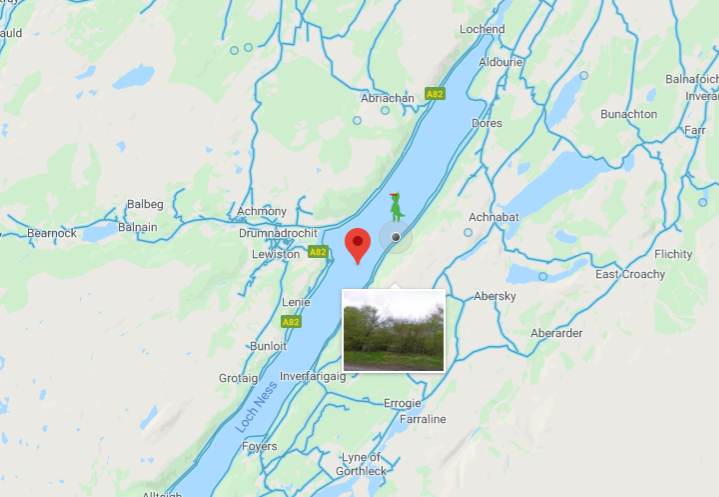
    In my latest irrelevant post of the week, I like how Google Maps have changed their usual icon of the Google Maps Man (or woman, although I think it looks slightly more male in appearance) and replaced it with Nessie when anyone searches in the Loch Ness area.

  • Changed Priorities Ahead

    Changed Priorities Ahead

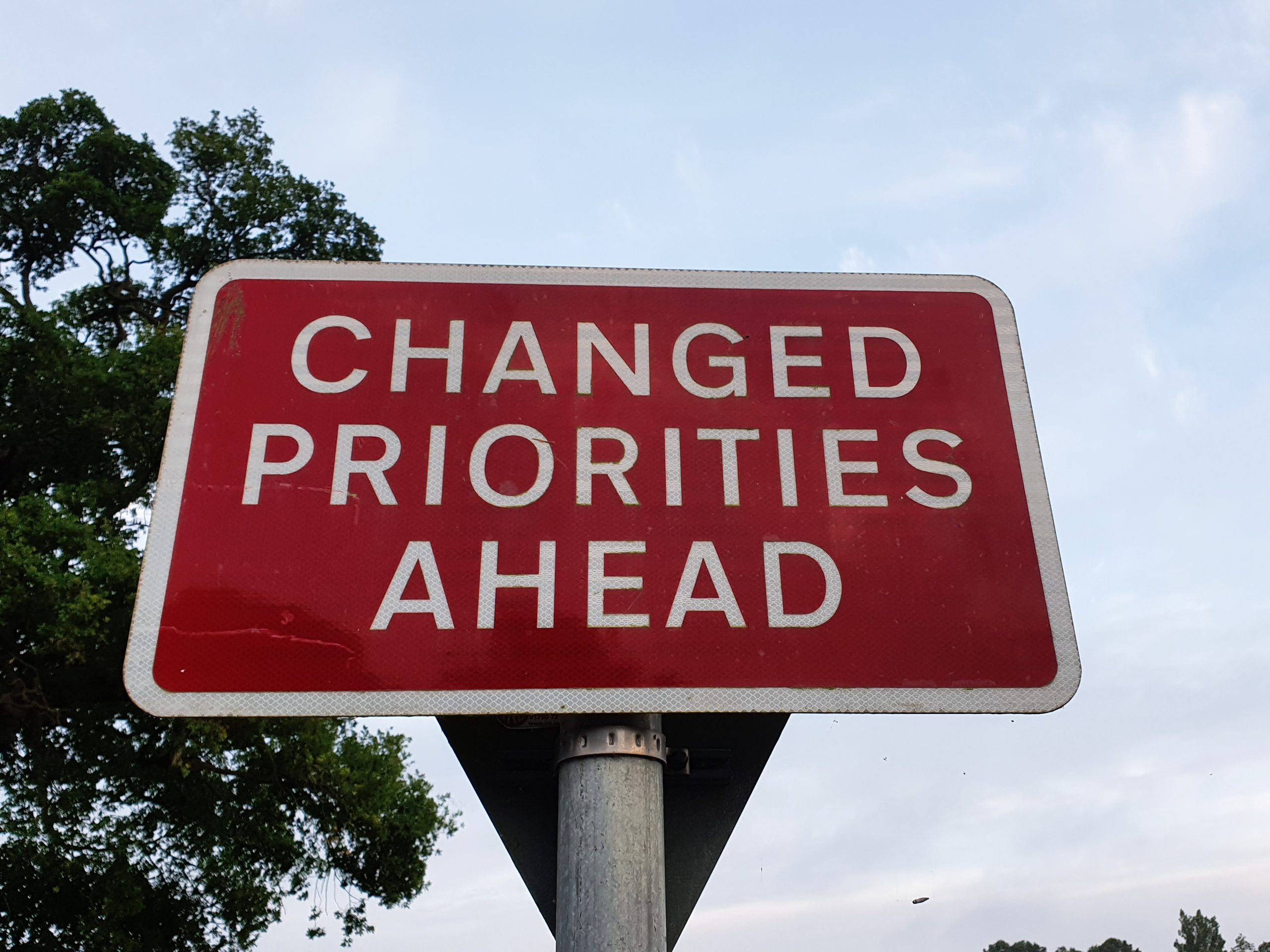
    I like this road sign, it reminds me of what some politicians might soon need to be aware of…..

  • Dictionary of the Vulgar Tongue – Day Ninety

    Dictionary of the Vulgar Tongue – Day Ninety

    The Dictionary of the Vulgar Tongue was first published at the end of the eighteenth century, and given that the Coronavirus crisis is giving too much time to read books, I thought I’d pick a daily word from it until I got bored…..

    Crank

    Defined as “gin and water”, a combination which isn’t that commonly seen today. However, this was a better option than drinking gin neat, as had been the want in the eighteenth century, solely because the touch of water would bring out some of the flavours from the gin. Lemons and limes were relatively rare in the UK at the end of the eighteenth century and ice wouldn’t have been an option either. The habit of chilling drinks became more common throughout the nineteenth century, with ice becoming easier to acquire later on during the century, which proved to be the next evolution in alcoholic drinks.

    Incidentally, I don’t know the origins of the word ‘crank’ in this context, but another archaic meaning of the word is “weak or shaky”, or indeed with relation to ships “liable to fall over”, so perhaps that’s where this came about with reference to drinking too much gin…..

  • Dictionary of the Vulgar Tongue – Day Eighty-Nine

    Dictionary of the Vulgar Tongue – Day Eighty-Nine

    The Dictionary of the Vulgar Tongue was first published at the end of the eighteenth century, and given that the Coronavirus crisis is giving too much time to read books, I thought I’d pick a daily word from it until I got bored…..

    Cramp Words

    Not quite as cheery as some previous definitions, this is defined as a term used in the criminal world meaning a “sentence of death passed on a criminal by a judge. He has just undergone the cramp word; sentence has just been passed on him”. There are a series of other terms related to this, such as “cramping day” which is when the execution took place and “cramp laws” meaning laws that could lead to the death sentence if broken. The terms were used from the early eighteenth century until it slowly faded out of use. Newgate Prison also became known as “Cramp Abbey” and this term was then used as a generic term for any prison.

    And, the fading out over time of the “cramp words” phrase.

  • Deaf Cat

    Deaf Cat

    A perfectly sensible sign, but not one that I’ve seen before.