Category: Random Posts

  • Dictionary of the Vulgar Tongue – Day 200

    Dictionary of the Vulgar Tongue – Day 200

    The Dictionary of the Vulgar Tongue was first published at the end of the eighteenth century, and given that the current health crisis is giving too much time to read books, I thought I’d pick a daily word from it until I got bored…. NB, it’s nice to reach number 200, although I’ve got a few days behind somewhere, as I should be on day 210 by now. I’ll catch up.

    Mahometan Gruel

    This slightly ridiculous phrase is defined by Grose as “coffee, because formerly used chiefly by the Turks”. I’d have thought it easier just to say coffee, a word which came into the English language in the sixteenth century via the Turkish word ‘kahveh’. The phrase was used in the seventeenth and eighteenth centuries, although I’m not entirely convinced that it was widely used as it appears only infrequently in print.

  • People no Longer Visit Banks…..

    People no Longer Visit Banks…..

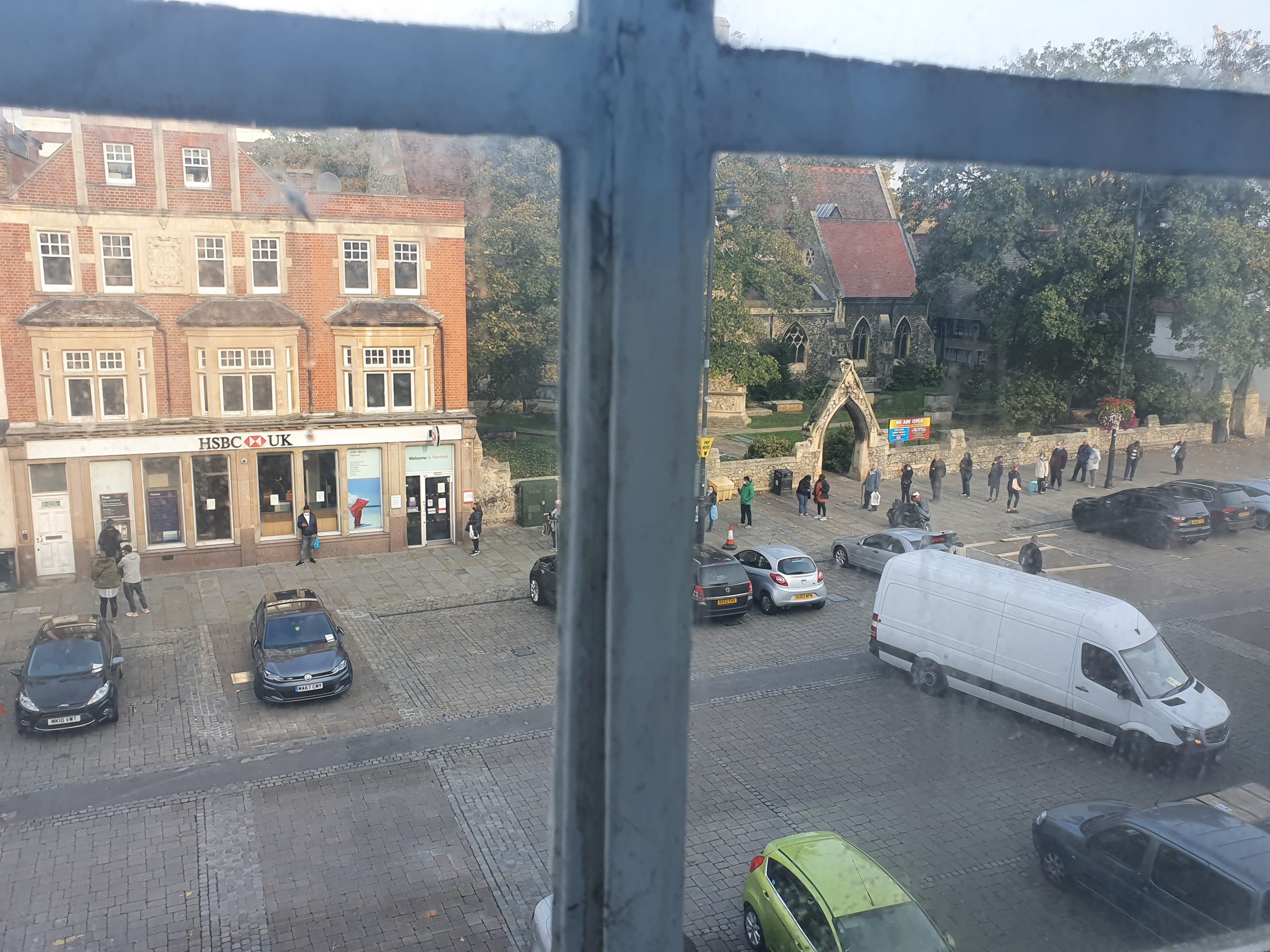
    There’s no shortage of banks in Romford and I was moderately surprised just how many people were waiting in the queue for them all. This is the queue at the HSBC and who said that customers are mostly switching to on-line banking?

  • Dictionary of the Vulgar Tongue – Day 199

    Dictionary of the Vulgar Tongue – Day 199

    The Dictionary of the Vulgar Tongue was first published at the end of the eighteenth century, and given that the current health crisis is giving too much time to read books, I thought I’d pick a daily word from it until I got bored….

    Maggot Boiler

    This is defined by Grose as “a tallow-chandler” and although he doesn’t offer an explanation in the dictionary, it’s because of the number of maggots which would be found in the fat which the candle makers use. It doesn’t like a job which seems entirely enjoyable if I’m being honest….

  • Dictionary of the Vulgar Tongue – Day 198

    Dictionary of the Vulgar Tongue – Day 198

    The Dictionary of the Vulgar Tongue was first published at the end of the eighteenth century, and given that the current health crisis is giving too much time to read books, I thought I’d pick a daily word from it until I got bored….

    Lush

    Another short and sweet definition from Grose, this means “strong beer”. The word has a wider meaning as well, Grose mentioned separately that ‘lushey’ means drunk and ‘to lush’ is to drink.

    There are a few word origin meanings, but my favourite is that it’s from ‘licious’, an alternative spelling of the word delicious, therefore strong beer is delicious. It’s probably though a corruption of the word ‘lush’ which had a different etymological route and means soft or luxuriant.

  • Dictionary of the Vulgar Tongue – Day 197

    Dictionary of the Vulgar Tongue – Day 197

    The Dictionary of the Vulgar Tongue was first published at the end of the eighteenth century, and given that the current health crisis is giving too much time to read books, I thought I’d pick a daily word from it until I got bored….

    Lully Triggers

    This phrase was used by the criminal fraternity and means “thieves who steal wet linen”. What sounds a very specific crime of course wasn’t in the late eighteenth century, when women (or men, but mostly women) would lay out clothes to dry on fences in courtyards or on any land they could find. And then some people would pinch them, which isn’t ideal.

    This all reminds me of when I went to Mumbai a few years ago. I remember in the local news at the time were attempts to stop people hanging clothing on balconies as it didn’t look great. I suspect that this was in more upmarket private residential areas, as Mumbai has rather more issues to deal with than how drying laundry looked. Anyway, it reminds me as people were stealing wet linen then…..

  • Dictionary of the Vulgar Tongue – Day 196

    Dictionary of the Vulgar Tongue – Day 196

    The Dictionary of the Vulgar Tongue was first published at the end of the eighteenth century, and given that the current health crisis is giving too much time to read books, I thought I’d pick a daily word from it until I got bored….

    Loophole

    Grose defined this in the same way that the word is used today, “an opening, or means of escape. To find a loophole in an act of parliament, ie, a method of evading it”. A loophole is another word for an arrowslit, the narrow windows which archers could fire arrows from with minimal chance of being hit back. The meaning of evasion comes from around the seventeenth century, with the word loop coming from the Dutch ‘lûpen’, meaning ‘to watch’.

    The word came into more common usage in the late nineteenth century and has remained in use since then.

  • Dictionary of the Vulgar Tongue – Day 195

    Dictionary of the Vulgar Tongue – Day 195

    The Dictionary of the Vulgar Tongue was first published at the end of the eighteenth century, and given that the current health crisis is giving too much time to read books, I thought I’d pick a daily word from it until I got bored….

    Long Stomach

    A nice definition from Grose which is short and self-explanatory, “a voracious appetite”. Unfortunately, there’s not much to add to this as it doesn’t appear to have been a phrase that was much used. But it should be….

  • Dictionary of the Vulgar Tongue – Day 194

    Dictionary of the Vulgar Tongue – Day 194

    The Dictionary of the Vulgar Tongue was first published at the end of the eighteenth century, and given that the current health crisis is giving too much time to read books, I thought I’d pick a daily word from it until I got bored….

    Lollipop

    Grose excelled himself with this definition, as it’s the earliest that is known for the word (although the OED might be in with a shout here, although they had a different spelling), noting the word meant “sweet lozenges purchased by children”. As Grose noted elsewhere in his dictionary, the word ‘loll’ relates to the tongue, and ‘pop’ is probably just from the sound that eating such a sweet would make.

    Until around the Second World War, the words lollypop and lollipop were usually about the same amount, with lollipop only becoming the preferred spelling in the last few decades.

  • Dictionary of the Vulgar Tongue – Day 193

    Dictionary of the Vulgar Tongue – Day 193

    The Dictionary of the Vulgar Tongue was first published at the end of the eighteenth century, and given that the current health crisis is giving too much time to read books, I thought I’d pick a daily word from it until I got bored….

    Loll

    This is a more upbeat (he often talks about all manner of negative and offensive terms) definition from Grose which is “mother’s loll; a favourite child, the mother’s darling”. I have no idea why the word would come to mean this, it’s from the word ‘lollen’, or to act in a lazy manner. I would have said that this has fallen out of usage, but I have heard children being referred to in this manner, so somehow this word has lingered on….

  • Dictionary of the Vulgar Tongue – Day 192

    Dictionary of the Vulgar Tongue – Day 192

    The Dictionary of the Vulgar Tongue was first published at the end of the eighteenth century, and given that the current health crisis is giving too much time to read books, I thought I’d pick a daily word from it until I got bored….

    Lobscouse

    This word is defined by Grose as “a dish much eaten at sea, composed of salt beef, biscuit and onion, well peppered, and stewed together”. It has a greater importance though in etymological terms because it became a word used to describe those who ate this lamb or beef stew, who were mainly sailors. The shortened version of the word, which is ‘scouse’ became used to describe the workers at the docks in Liverpool and later became used as a nickname for all Liverpudlians.

    And the evolution of the two words over time.