Category: Wloclawek

  • Wloclawek – Street Art

    Wloclawek – Street Art

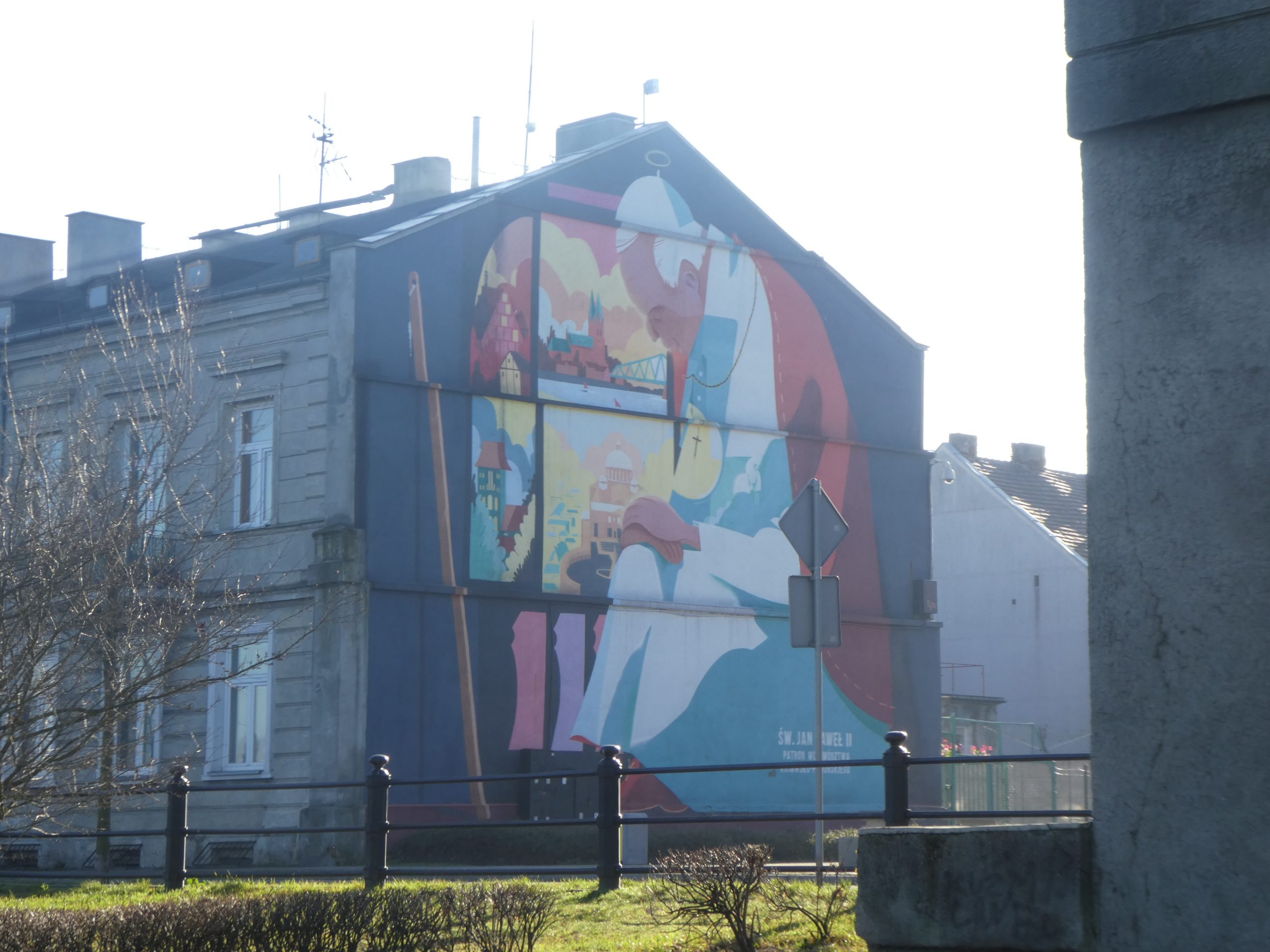
    Some of the street art (or whatever it’s called) in Wloclawek, which added a little something to the vibrancy of the city. The above mural is of Pope John Paul II.

    Lots of details on this one, which was the winner of a competition.

    These were three other entries for the same wall, with that one on the left being outstanding. Personally, I think it’s a shame that this wasn’t used, I love cities which are proud of their heritage.

    Not the greatest photo, but it was taken from the train that I was in….

  • Wloclawek – McDonald’s Bounty Shake

    Wloclawek – McDonald’s Bounty Shake

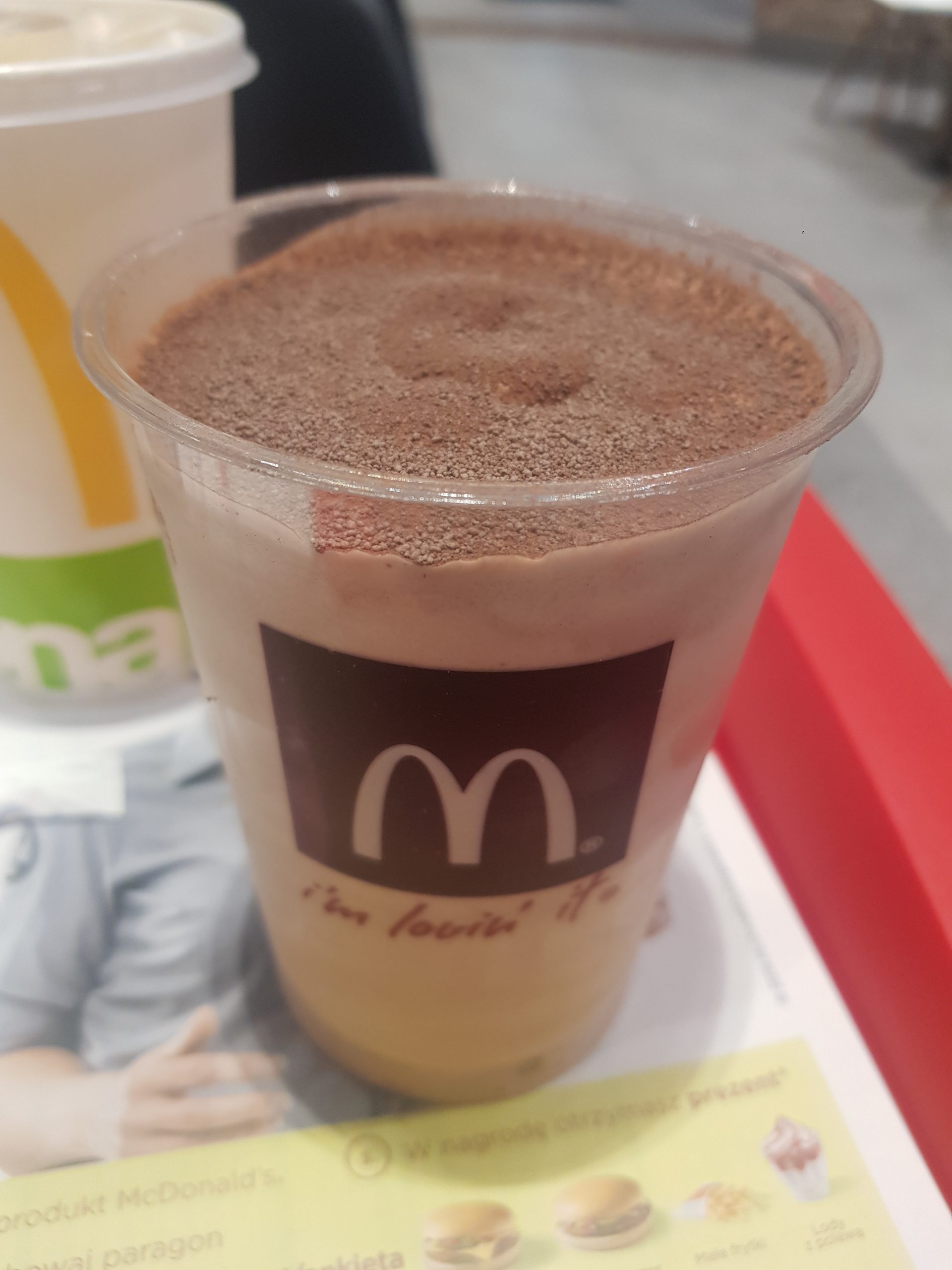
    As part of my forcing myself to visit McDonald’s so I can tell Dylan and Leon all about global cuisine in their favourite restaurant, I popped into their operation in Wloclawek.

    And, this is the Bounty Shake, which they probably sell in the UK, but I don’t tend to bother going into McDonald’s back at home. It is rather glorious, although also quite thick, with a cocoa milk topping. I’d have liked sliced bits of Bounty to be lobbed into the drink, but it was still perfectly acceptable. It was also quite expensive in terms of Polish prices, just over £1.30 for a large version.

  • Wloclawek – Cathedral Basilica of the Assumption of the Blessed Virgin Mary

    Wloclawek – Cathedral Basilica of the Assumption of the Blessed Virgin Mary

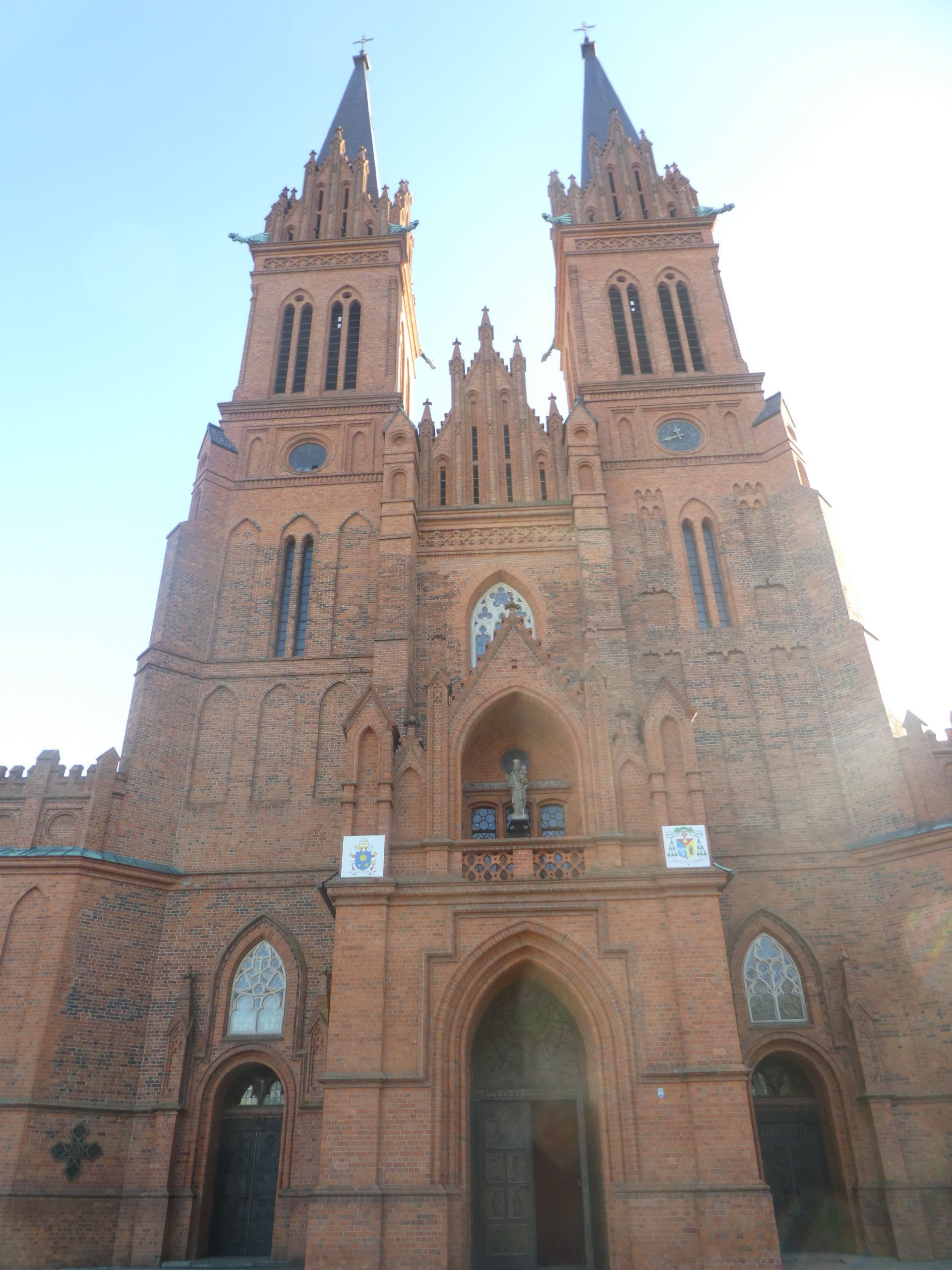
    Work started on this Cathedral in 1340, replacing an earlier brick church from the thirteenth century, which had in turn replaced a wooden church from the twelfth century. This building was at a new site agreed with the Teutonic Knights, who had unhelpfully burned down the previous one in 1329.

    The exterior of the cathedral, which hasn’t always had such high towers. The two towers were the same height as the nave until the late nineteenth century, when they had spires added to them.

    The bronze main door of the cathedral which was added in 2004.

    These photos seem a little wonky, but anyway, the nave. Very colourful, spacious and calm.

    The altar.

    The side aisle.

    An example of the colours of the nave.

    The organ, and the colourful painted roof.

    I like a bit of colour in a cathedral, they’re not quite the same when they’re plain. It’s also not how they were built.

    A grand door.

    A tomb.

    A memorial to Bishop Michał Jan Marszewski. There’s a long biography of him, including details of his achievements, on the cathedral’s web-site at http://www.katedrawloclawek.pl/ksieza_biskupi.php?id=74.

    A nativity scene. I visited on 21 January 2020, I’m not sure when these are taken down.

    A board showing a list of all the bishops, all the way back to the early twelfth century.

    The restoration during the 1880s and the 1890s was substantial internally and externally, and although the increased height of the towers does give the building that bit more presence, a lot of heritage was lost at the same time. There was damage done to the cathedral during some fighting in 1920, when agreement was still being made over whether Germany or Poland should govern the area, but fortunately, the building wasn’t damaged during the Second World War. Pope John Paul II visited the cathedral in 1991, which was a major event for the area and they’ve commemorated it with a bronze disc.

    This was a marvellously peaceful cathedral and I didn’t see anyone else in the time that I was there. There were numerous information boards about the buildings around the cathedral, but I didn’t see anything inside that might have given an indication of the historically important elements. Unfortunately, that lack of information did mean that I didn’t notice some interesting elements that are located inside the cathedral, such as baroque stalls, fourteenth century stained glass and fifteenth century tombstones. The cathedral’s web-site at http://www.katedrawloclawek.pl/ does though have a comprehensive history of the building and the bishops who have served the church.

  • Wloclawek – Edward Śmigły-Rydz Bridge

    Wloclawek – Edward Śmigły-Rydz Bridge

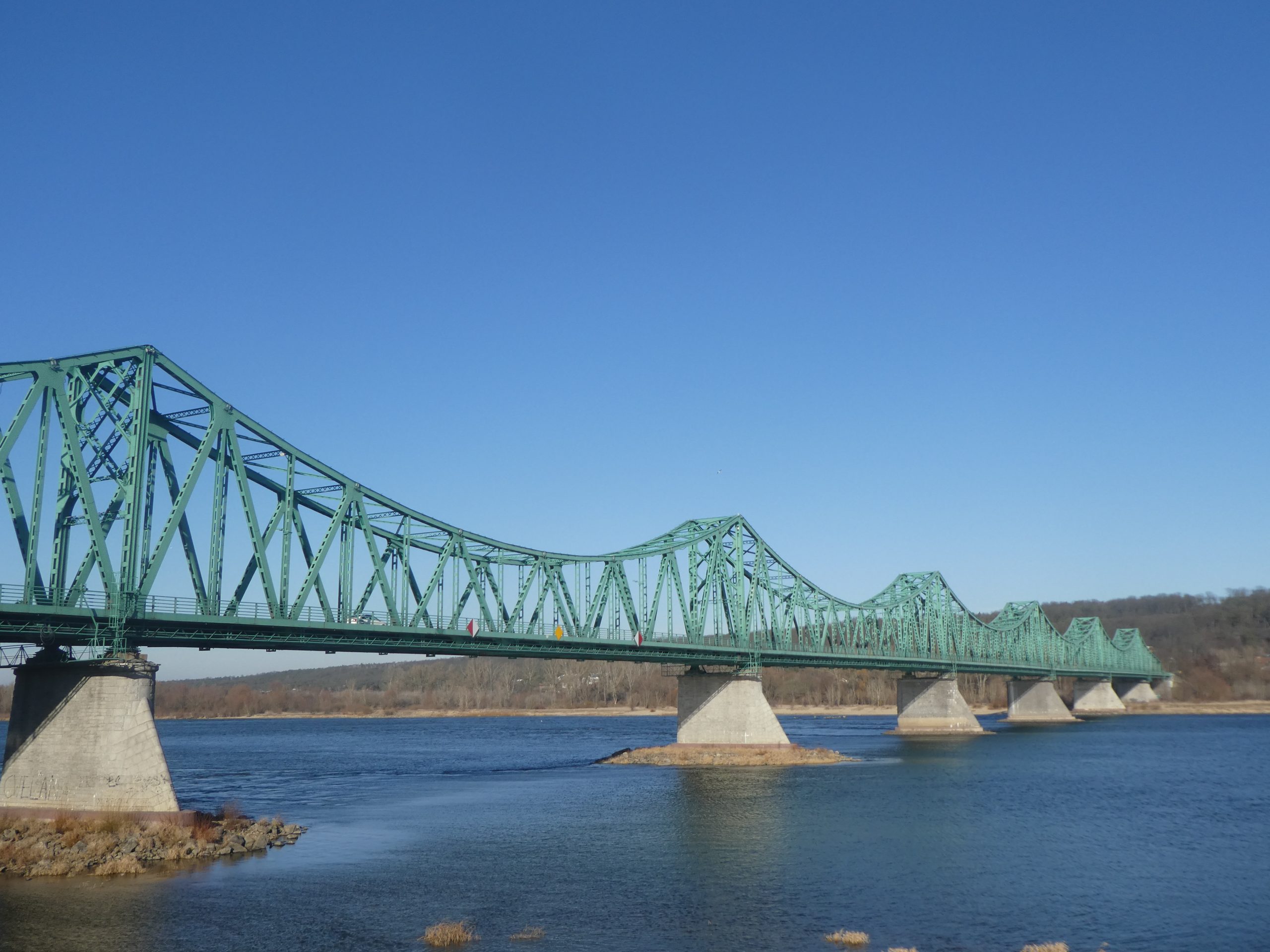
    This bridge at Wloclawek crosses the Vistula River and is 620 metres long and 9 metres wide. The bridge was named after Edward Śmigły-Rydz, an important military figure who was to become the Commander in Chief of the Polish army following the outbreak of the Second World War. He was interned by the Germans in Romania, but managed to escape back to Warsaw, although he died of a heart attack in December 1941. On 25 September 1937, Śmigły-Rydz came to formally open the bridge named after him, something I’d definitely do if anyone happens to name a decent bridge after me anywhere in the world.

    From what I can understand, the Polish blew up the bridge in 1939 to stop the Germans using it, so the Germans rebuilt it. Then the Germans blew the bridge up to stop the Poles using it. What a marvellously futile thing war is….. It was finally reconstructed in 1948 and was recently modernised.

    There used to be a wooden bridge across the Vistula River as well, but this no longer exists. It’s an impressive sight on the river, and lighting was installed during the modernisation to make it look quite spectacular in the dark.

  • POLREGIO : Torun to Wloclawek

    POLREGIO : Torun to Wloclawek

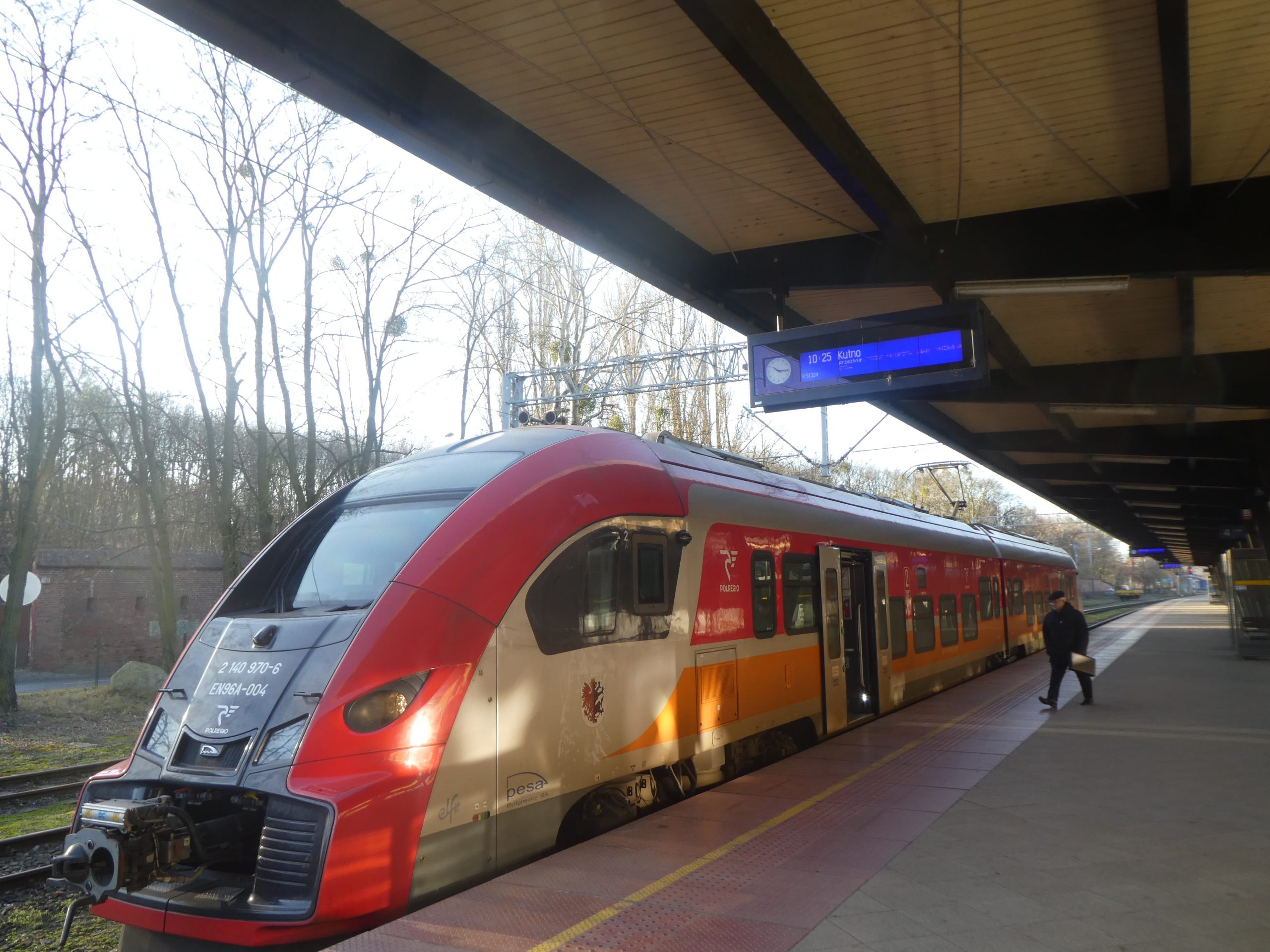
    I was wandering near to Torun railway station, which is on the other side of the Vistula River to the old part of the city, and thought that if the ticketing purchasing process was easy then I’d take a little return train journey.

    I’ve been to Bydgoszcz before and I wanted to take a short-distance journey (R is Regio, or local), so the train to Kutno seemed the best option. The city of Wloclawek was on the way to Kutno, so I settled on that.

    And there was a machine, which pleased me greatly, as this makes things much easier. There’s an English option and it listed the various trains that I could get. Given the number of possible trains (there are faster and more expensive options), this is not an easy process for a Polish-only speaking ticket clerk and an English-only speaking idiot trying to buy a ticket, so machines are the way forwards…..

    This confused me, in particular, the Taryfa Województwa Kujawsko-Pomorskiego option. I knew that was the region that both cities were in, but I was a little concerned that it was only available to local residents who held some card. I thought it might be safer to purchase the single ticket option, but that was more money, so I risked getting the cheaper fare. I’m not entirely reckless though, I Googled the ticket just before boarding and I was pleased that it wasn’t a kid’s ticket that I’d bought.

    It transpired that this ticket is a legacy of European Union rules on ensuring market liberalisation and consumer choice. Rights and wrongs of that, judging from my journey today, it’s led to a near perfect experience for the customer, with insanely cheap prices and new trains.

    The ticket, which doesn’t require validation as it’s timed, cost 9.20zl, or about £1.80. No wonder Flixbus can’t charge more than they do with the rail network charging prices like this….. An equivalent journey in the UK with the once excellent Greater Anglia is around five times more expensive, with the cheap options being smashed away under the period of management of Jamie Burles. Anyway, that’s not for here….

    Clear signage, which was also replicated on the train itself.

    Not a very good photo, but the carriage was clean and although it was busy, it wasn’t difficult to get a seat. There was power at every seat and the guard was friendly and helpful when she came through the train. The journey departed and arrived at every station at the timetabled time, all very smooth and efficient.

    Entirely glorious and a credit to the Polish rail network.