Category: Hanover

  • Hanover’s Expensive Sanifair Railway Station Toilets

    Hanover’s Expensive Sanifair Railway Station Toilets

    The toilets at Hanover railway station cost €1.50, which feels a bold amount of money for what is, biologically speaking, not really an optional activity. I appreciate that toilets need cleaning, maintenance and supervision, but there is still something faintly dramatic about standing in a major railway station and being asked to make such a substantial a financial commitment. But, this is Deutsche Bahn and passengers are really just an inconvenience to their general operations. There was also a substantial queue for the female toilets, so paying a premium price doesn’t even allow for a fast visit although I suppose it gives better value for money if there’s a twenty minute wait for the facilities.

    The toilets are run by Sanifair, a company that operates paid public toilet facilities across Germany, including at a number of railway stations, shopping centres and motorway service areas. At Hanover Hauptbahnhof everyone gets a €0.50 voucher when going through the barriers, but there were literally hundreds of these dumped on the floor which had become mildly damp which all felt slightly sub-optimal. Sanifair didn’t really trouble themselves with cleaning their expensive toilets so it’s not entirely clear to me where all this money is going.

    To be fair, the facilities were functional and not entirely filled with railway-station despair, so this slightly undermines the full force of my grievance. But they were also not so luxurious that I emerged feeling I had been treated to an experience. And the disabled facilities were entirely out of order which is sub-optimal, but so is much about Hanover railway station. As I’m quite petty, I decided against spending any money at the railway station and instead went to the Aldi in Dortmund where the financial transaction didn’t end in mild resentment.

    And since I paid €1.50, I wanted to at least get a blog post out of it in an attempt to turn a basic inconvenience into content. Right, that’s enough moaning for the moment.
  • Hanover to Dortmund with FlixTrain

    Hanover to Dortmund with FlixTrain

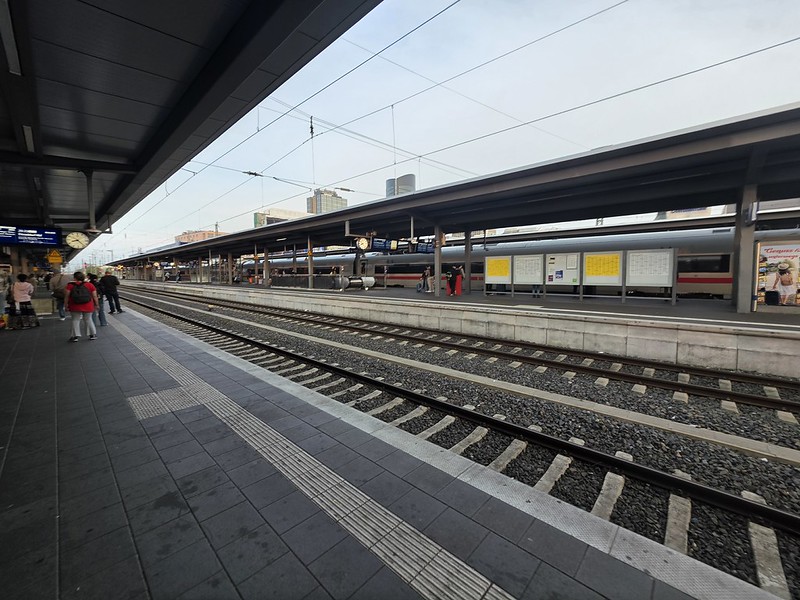
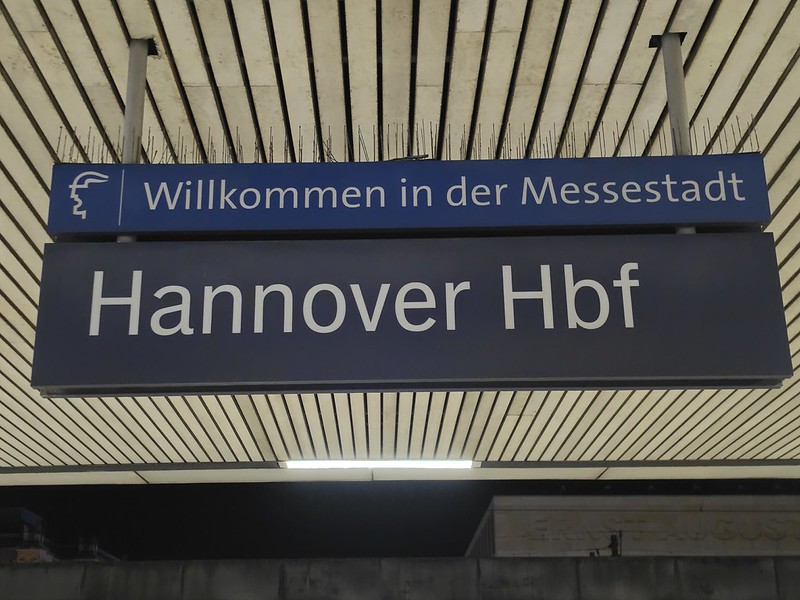
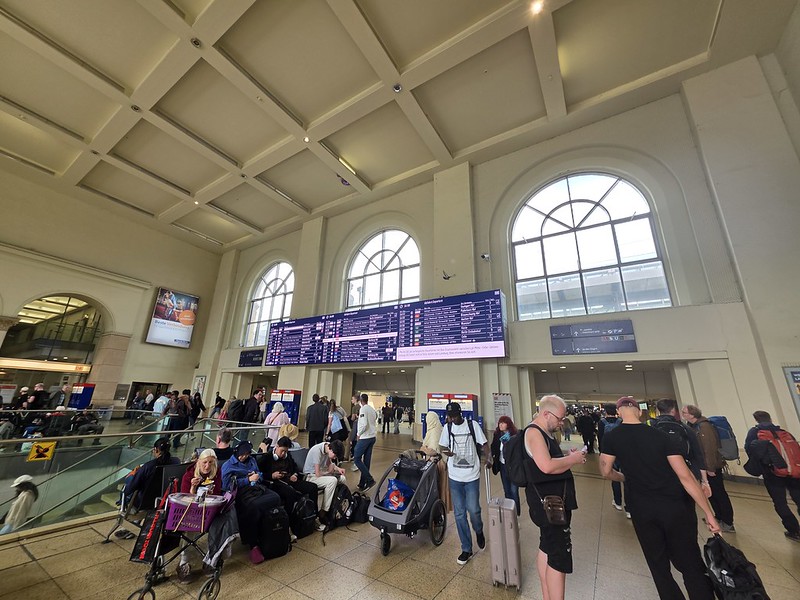
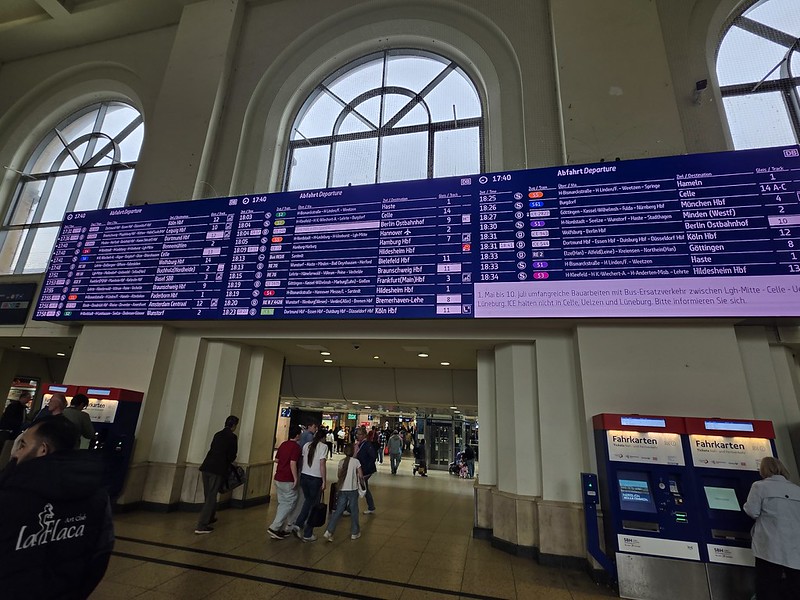
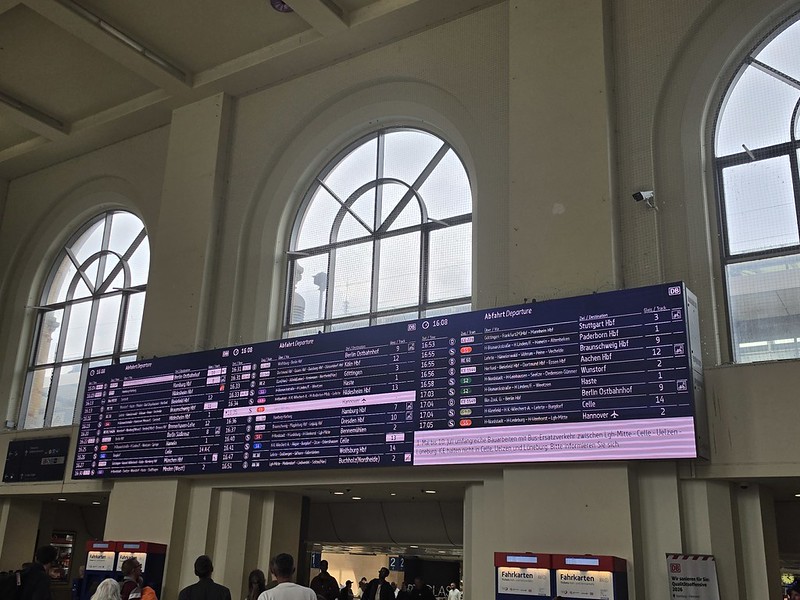
    I used FlixTrain for the first time a few weeks ago primarily for the experience, but I found myself this time needing to use them as an affordable option to get from Hanover to Dortmund. Hanover railway station is dated and sub-optimal in numerous ways, not least the complete lack of seating for the number of passengers. However, the station is run by Deutsche Bahn, an organisation not always known for arranging its operations around the emotional well-being of passengers, so my expectations were already sensibly low.

    Deutsche Bahn wanted around £40 for the train from Hanover to Dortmund, but fortunately the FlixTrain service was more affordable.

    The city’s first railway station was built between 1845 and 1847, but a grand new building was constructed in 1879. Unfortunately, this was mostly destroyed by air raids during the Second World War and a less impressive railway station was built in its place, although this was heavily modernised in 2000.

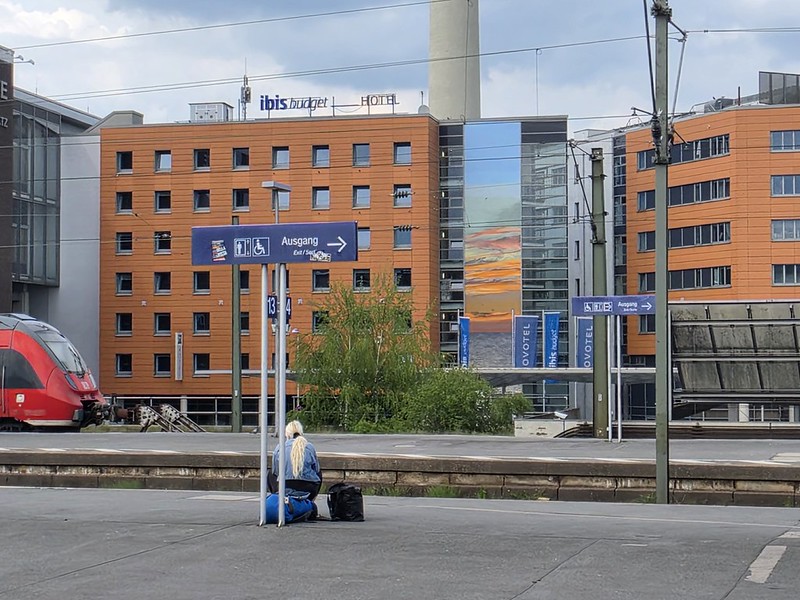
    I could see the hotel room where I stayed the previous evening. At this point I used the toilet facilities at the railway station, but that arrangement is getting its own blog post. And you can see the extensive seating facilities for passengers in action.

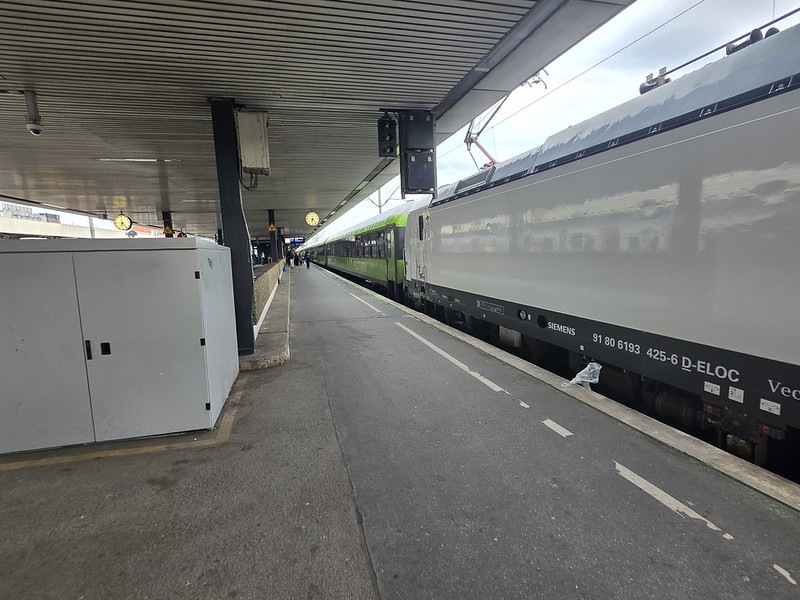
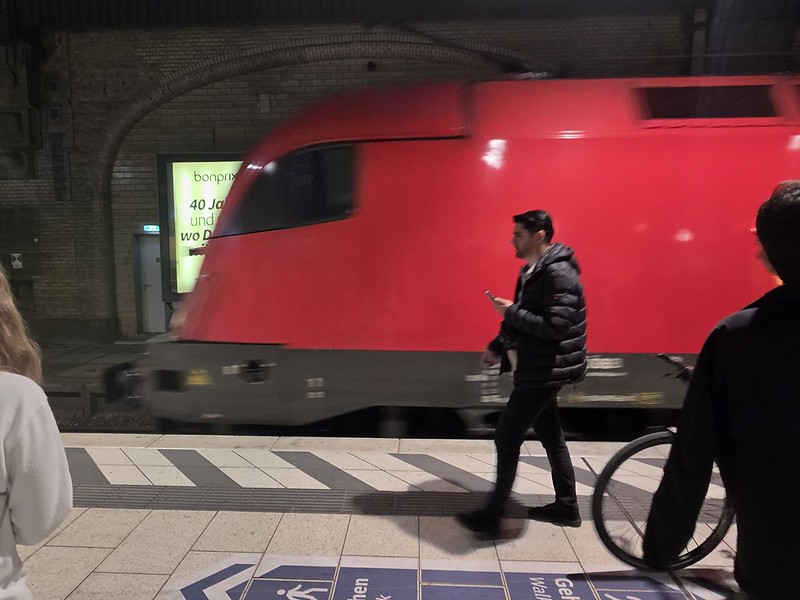
    The FlixTrain sweeps in.

    There were carriages that were something like 1, 2, 3, 100, 5 and 6, with my carriage being 100 so it wasn’t entirely clear where along the train it would be. However, the signage on the train is good and I soon found my seat.

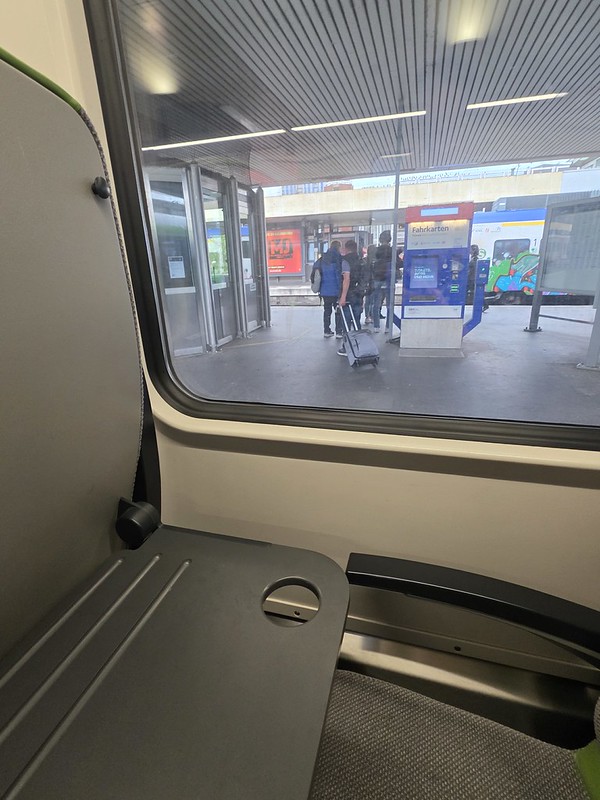
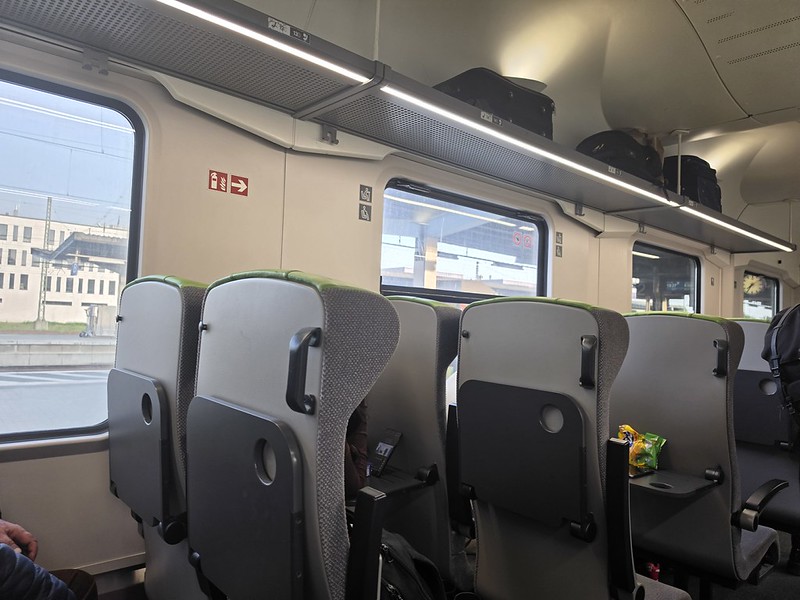
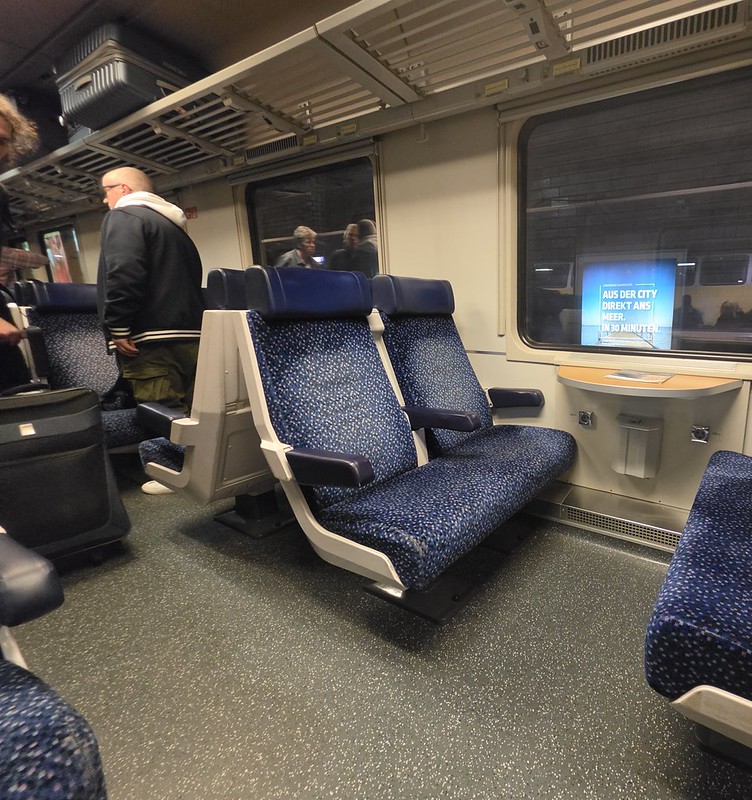
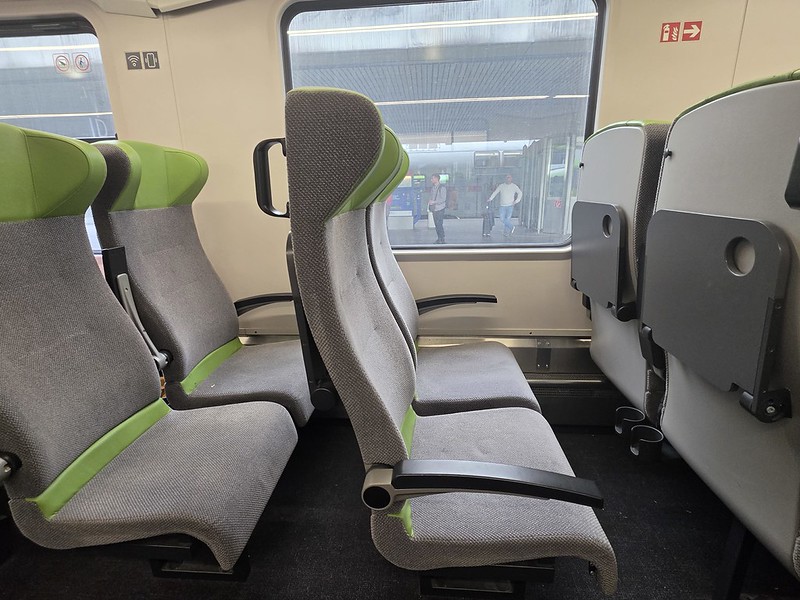
    The seats are comfortable, the tray table is of a decent size and it was all relatively clean. There are no power points on the train, but it’s all a perfectly reasonably set-up for the money.

    It wasn’t a particularly busy service and it all ran to a near enough schedule.

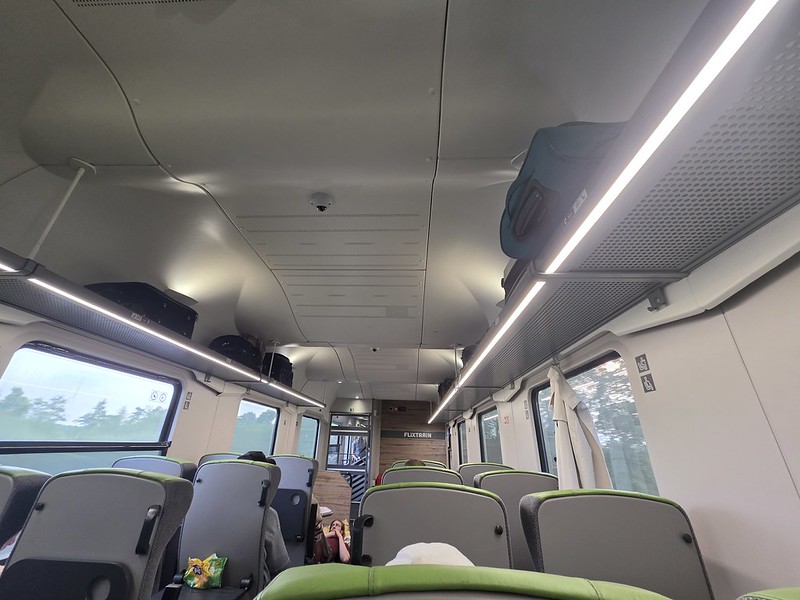
    There’s plenty of space for bags and I still quite like their wavy ceiling arrangement.

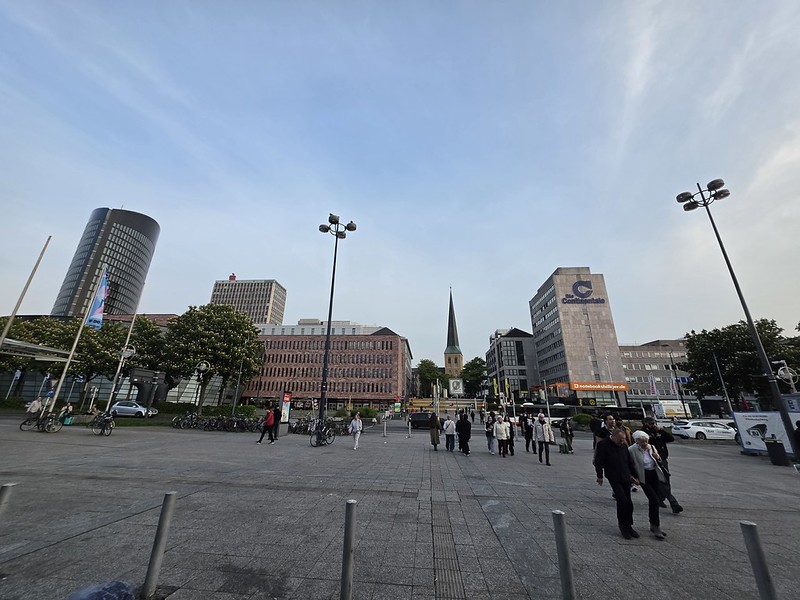
    And safely into Dortmund, for the third time this year.

    Overall, I thought that this service represented decent value for money and was a good budget option. Deutsche Bahn was just too expensive, although the German railway network offers unlimited regional travel for around £60 that I’m jealous of, so that makes them better value for money for locals. Deutsche Bahn can certainly benefit from competition and FlixTrain certainly does that, so I’m very glad that they’re there.

  • Hanover – Former New Synagogue

    Hanover – Former New Synagogue

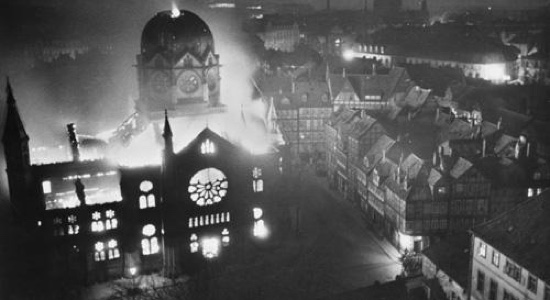
    The New Synagogue in Hanover, designed by architect Edwin Oppler and completed in 1871, stood as one of the most impressive synagogues in Germany. On the night of 9 November 1938, during what became known as Kristallnacht, the New Synagogue burned and fire fighters were ordered only to ensure that no neighbouring buildings were damaged. On the morning of 10 November, emergency services blew up the dome of the burned-out building, and its ruins were later dismantled at the expense of the Jewish community. The destruction was photographed by Wilhelm Hauschild who was able to climb a church tower to be able to take a photo of the synagogue on fire.

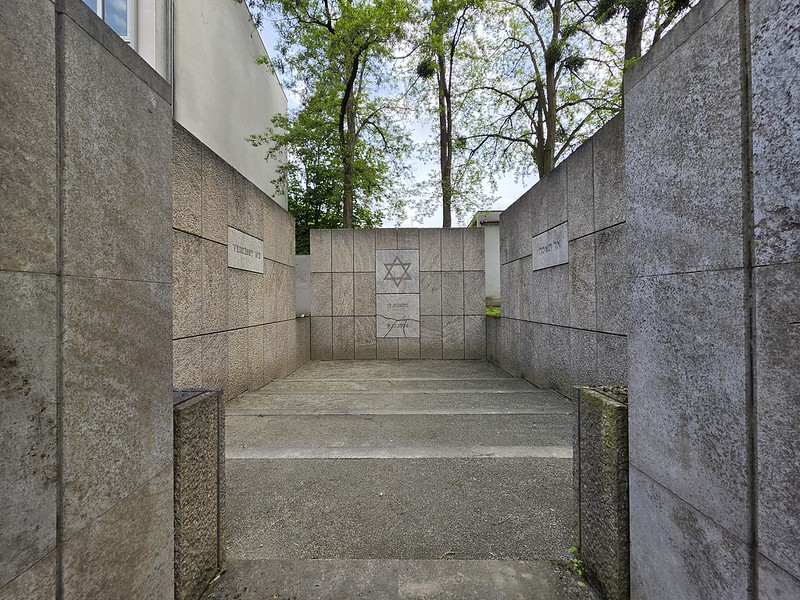
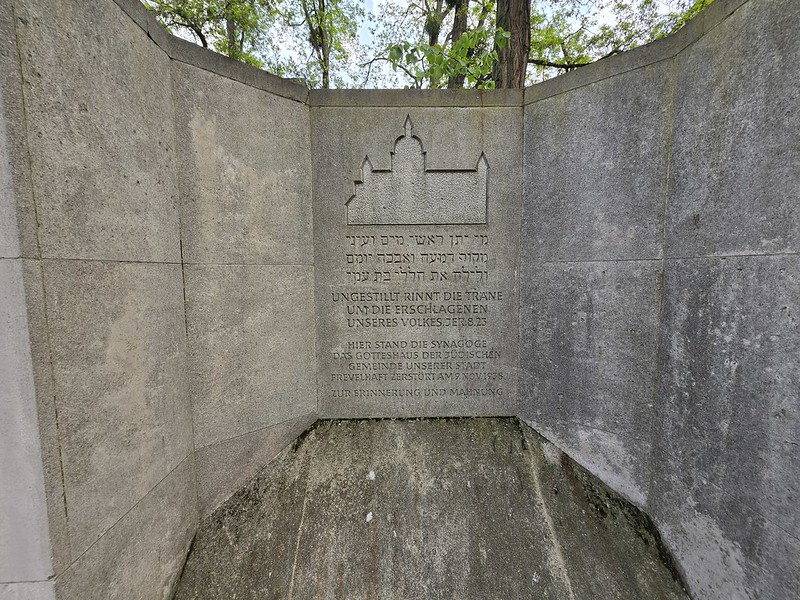
    This is what is left today, just a small memorial that stands as a reminder of the former grand synagogue that was once here. In the early hours of 11 November, 275 detainees from Hanover and the region were taken to the railway station and transported to Buchenwald concentration camp. The large majority of the Jewish population of Hanover were killed by the Nazis over the course of the war and of those who survived, many didn’t want to return to the city after the end of the Second World War.

    This monument was added to the site in 1978 to prevent the location being forgotten about and it’s a stark and minimalist affair.

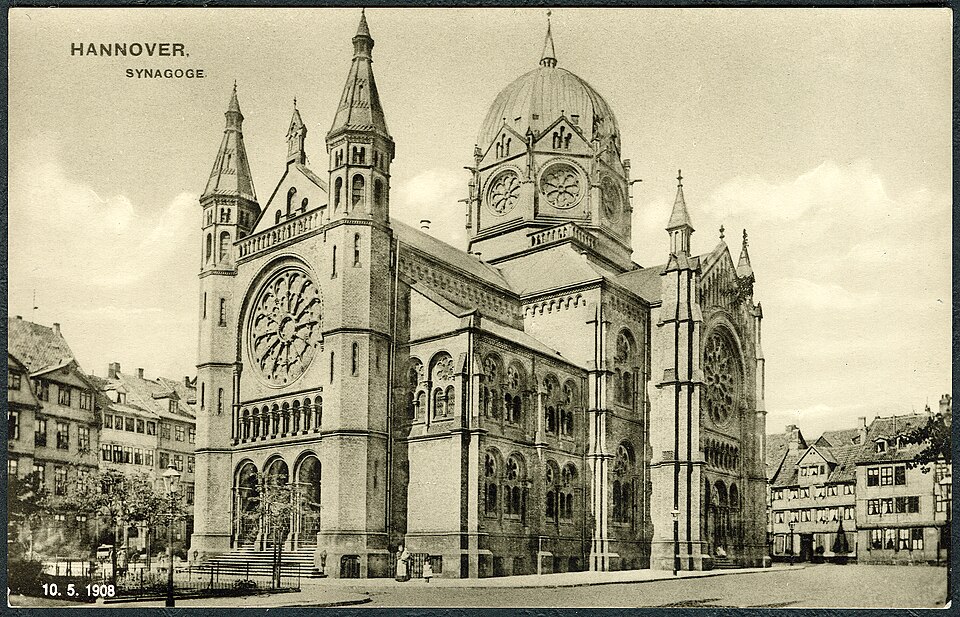
    This is what the building once looked like, it’s hard to imagine this in the modern landscape and it was a quite beautiful structure.

  • Hanover – Aegidienkirche Ruins (Japanese Bell)

    Hanover – Aegidienkirche Ruins (Japanese Bell)

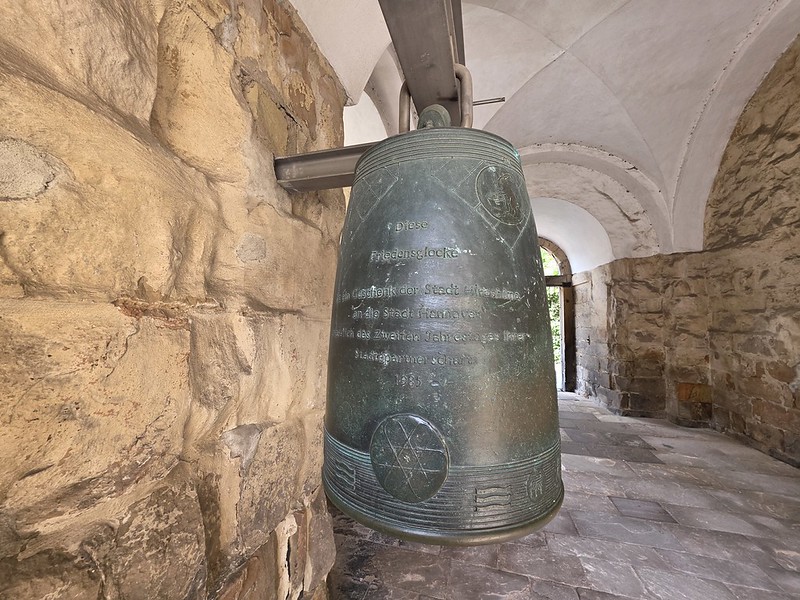
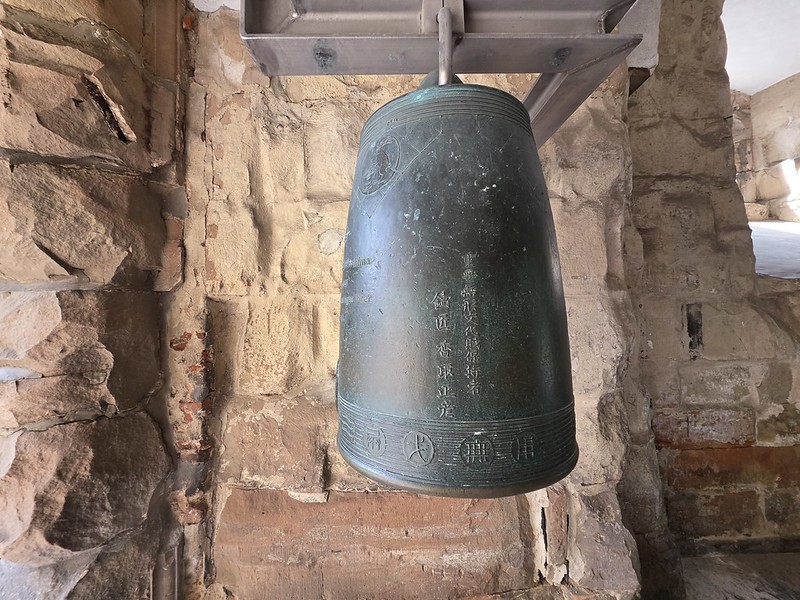
    This bell is located at the Aegidienkirche in Hanover and it was donated in 1985 by the city of Hiroshima which is Hanover’s sister city. It’s a bonshō, a traditional Japanese temple bell, which has been placed in the tower of the Aegidienkirche. The gesture was one intended to show international solidarity between two cities that understood what it meant to be destroyed by war.

    Each year, on 6 August, the bell is rung during a memorial service honouring the victims of Hiroshima and I can imagine that it must feel like a powerful event. The ringing of the bell takes place at 08:15, when the atomic bomb was dropped on Hiroshima, killing around 150,000 people.

  • Hanover – Aegidienkirche Ruins

    Hanover – Aegidienkirche Ruins

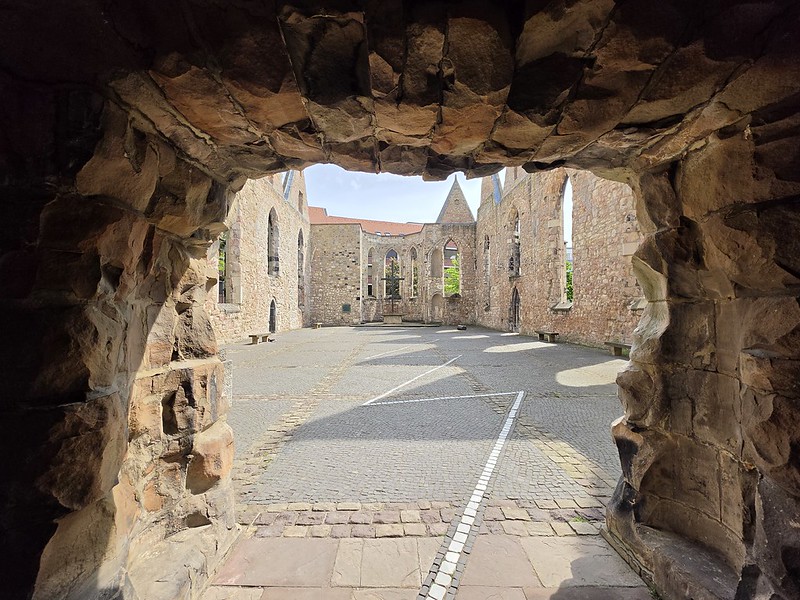
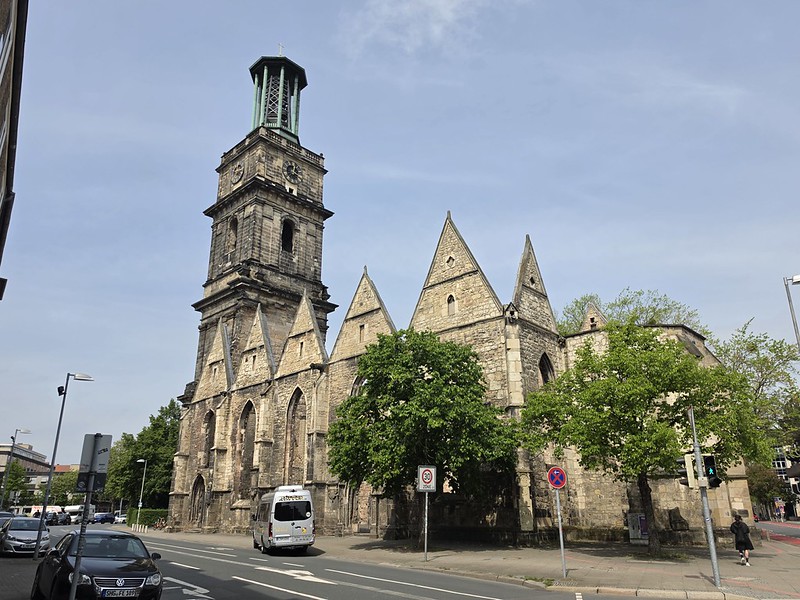
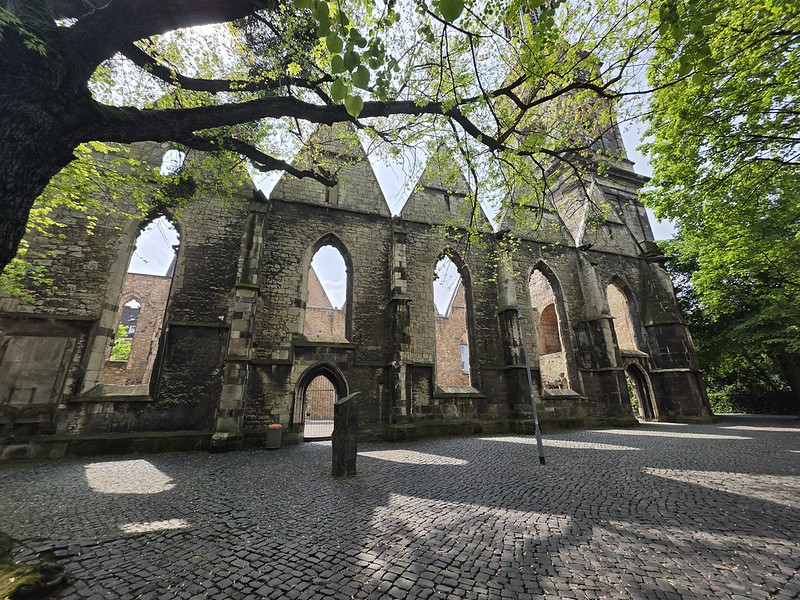
    The Aegidienkirche probably began as a small chapel in the tenth century, though it wasn’t until 1163 that a three-aisled Romanesque church was formally documented at the site, mentioned during a court feast of Henry the Lion (c.1129-1195). The Gothic building that most people would have known was begun in 1347 and dedicated to Saint Giles (or Aegidius), one of the Fourteen Holy Helpers.

    Hanover’s sixteenth century Reformation began in the Aegidienkirche giving it some religious significance. The church then went through the usual cycles of modification that such religious buildings do. Between 1703 and 1711, the steeple received a slightly decadent Baroque facade designed by Sudfeld Vick, and then between 1826 and 1829, Georg Ludwig Friedrich Laves remodelled the interior to modernise matters a little, with the introduction of cast-iron columns in the nave. By the beginning of the twentieth century, the Aegidienkirche was one of the three great churches of Hanover’s old town.

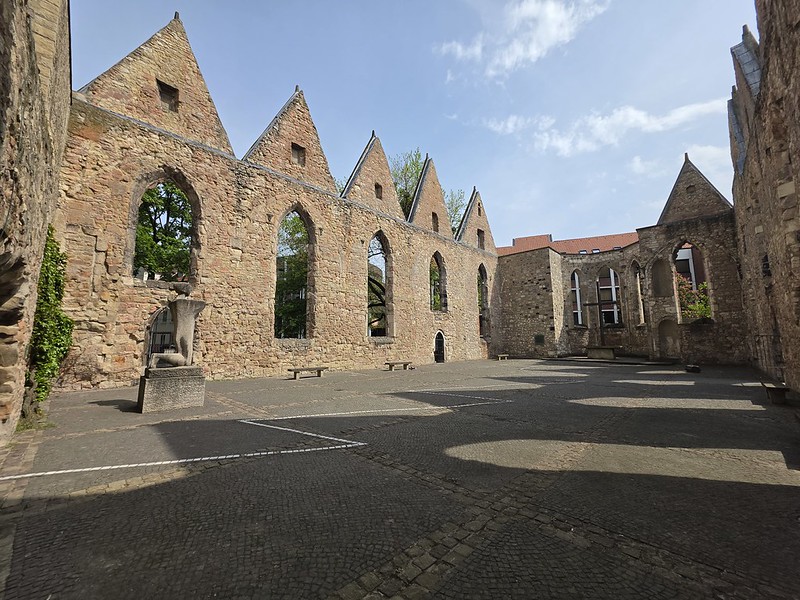
    On the night of 8 October 1943, over 500 British Royal Air Force warplanes conducted an aerial bombardment of Hanover and the Aegidienkirche was effectively destroyed in the raid with the only the blackened shell remaining standing. The Aegidienkirche wasn’t alone, the other two great churches, the Marktkirche (Market Church) and Kreuzkirche were also destroyed.

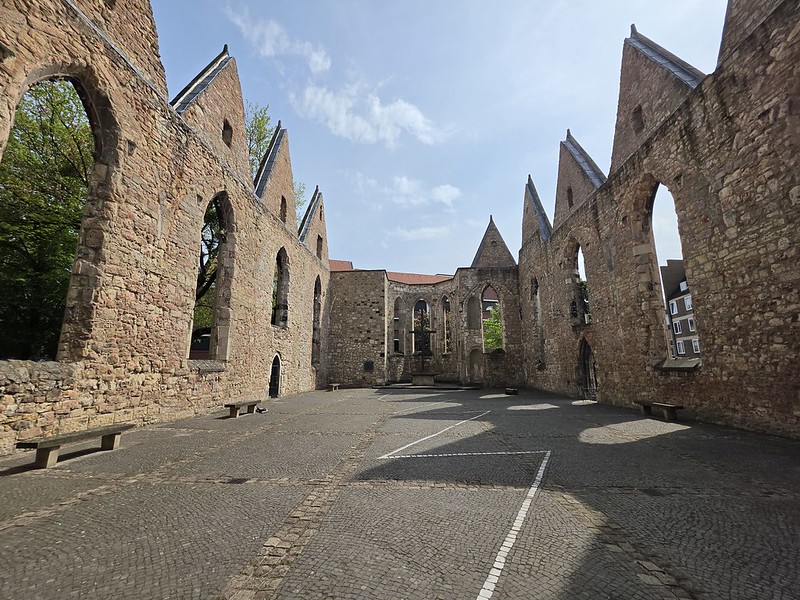
    In 1952, nine years after the bombing, the decision was made to preserve the ruins rather than rebuild. The church became an official war memorial dedicated to the victims of war and of violence. The Marktkirche and Kreuzkirche were rebuilt, but this one feels so much more powerful because of the visible reminders of the Second World War.

    The site was reasonably busy when I visited, although there were moments of peace and quiet which gave time for contemplation. Certainly one of the most powerful reminders of the Second World War in the city and it was worth the little meander to go and see it.

  • Hamburg to Hanover Train

    Hamburg to Hanover Train

    After a slightly sub-optimal rail journey from Lübeck to Hamburg, I had a thirty minute wait before taking another train from Hamburg to Hanover.

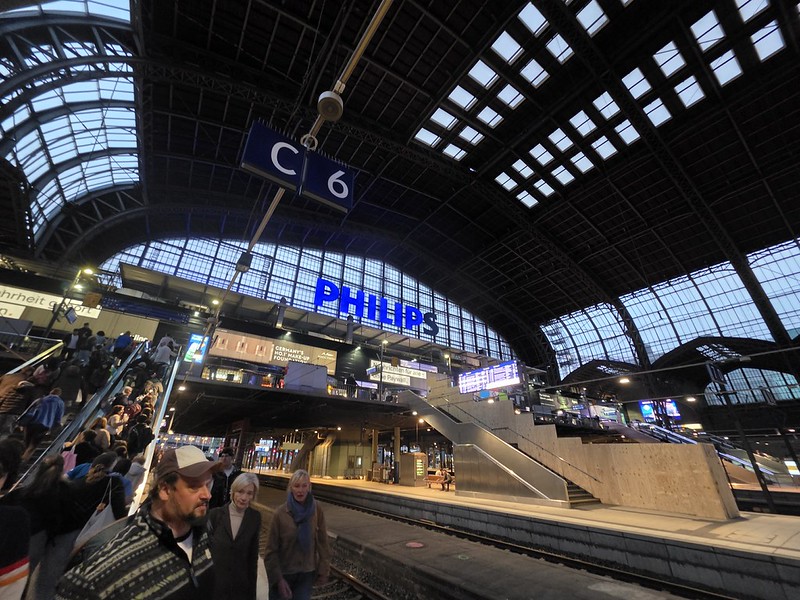
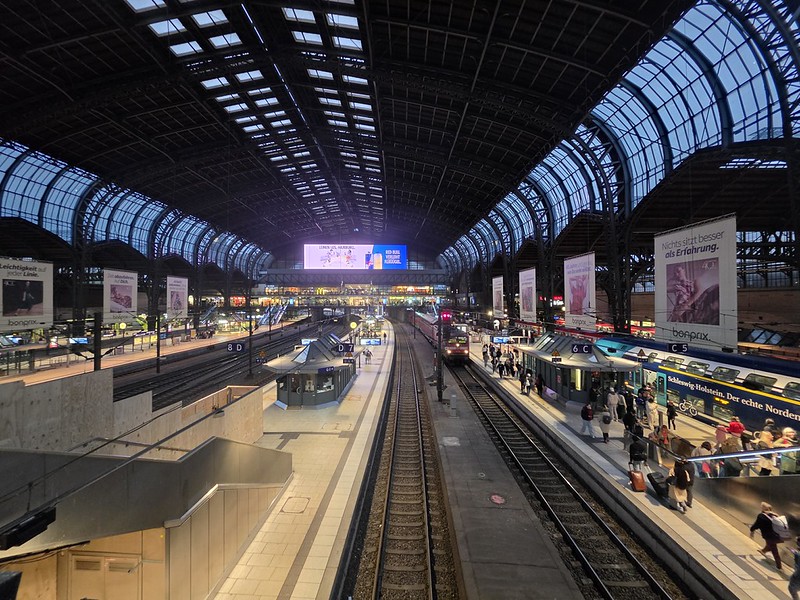
    I haven’t been to Hamburg for some years and I’ve forgotten whether I ever visited the railway station, but it feels modern and functional.

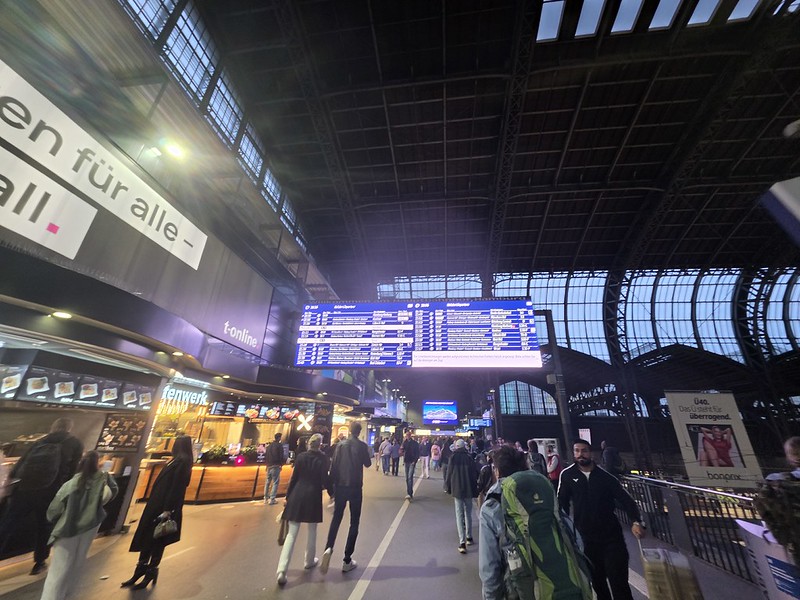
    The station was busy and lacking in obvious seating, but at least my train was operating nearly to time.

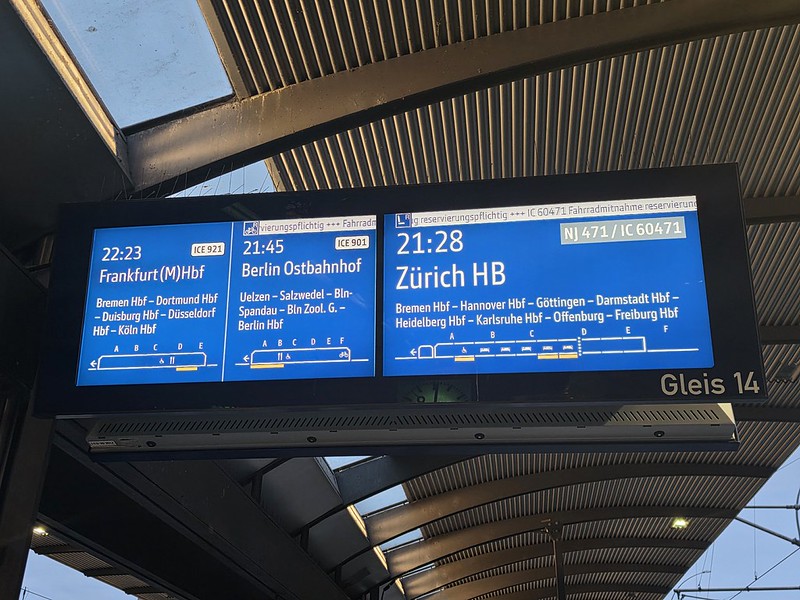
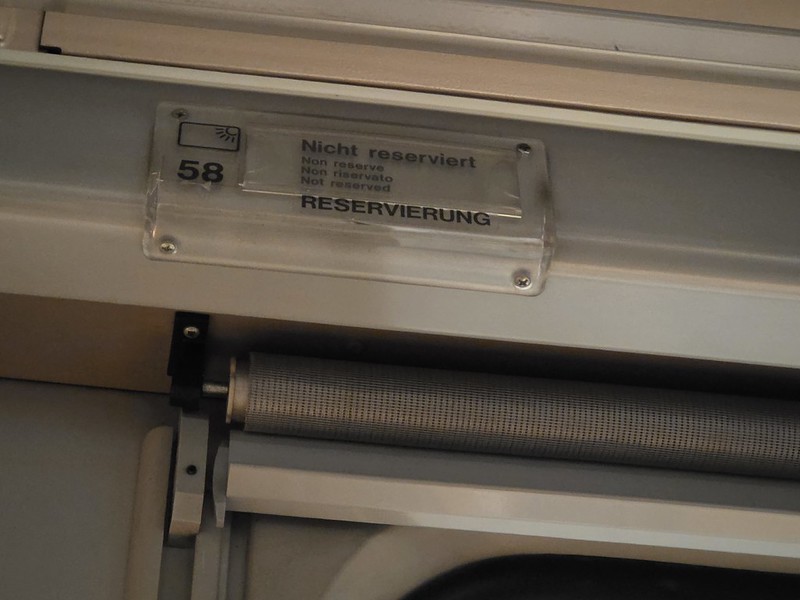
    The 21:28 was my train and it was a joint service between the Swiss and German rail networks. I was a little confused as it was stating that NJ741 required a reservation and IC60471 didn’t, but it transpired that reservations were only needed for those crossing over into Switzerland. As reservations were around £5 on top of the ticket, I hadn’t bothered getting one as I like a little uncertainty in life.

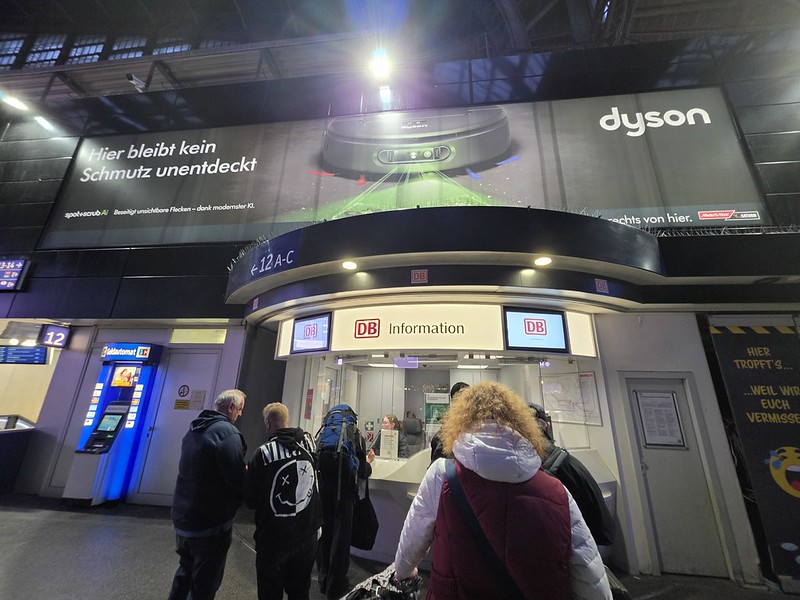
    I did wait in the queue to ask the Deutsche Bahn information desk about the reservation system, but they were overwhelmed and understaffed so I gave up after around ten minutes.

    The train arrives which was a promising development for those of us who had invested emotionally in whether we had a seat.

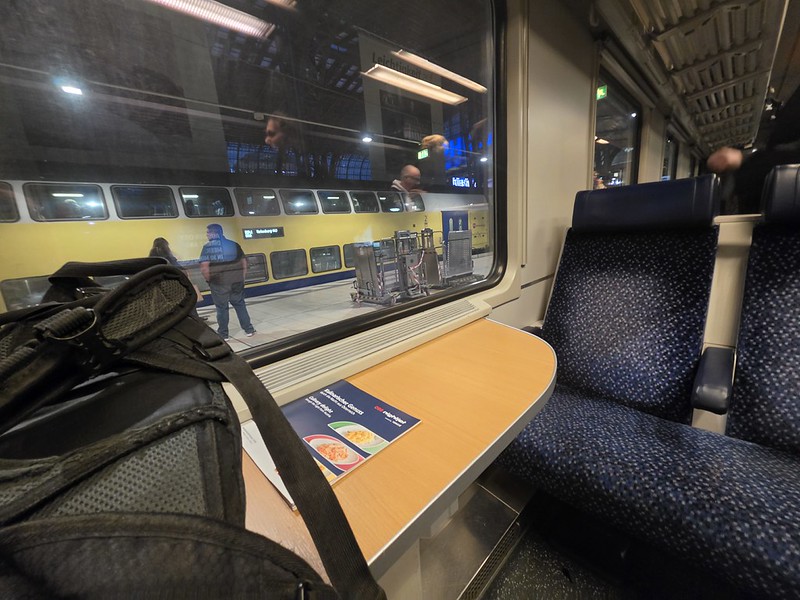
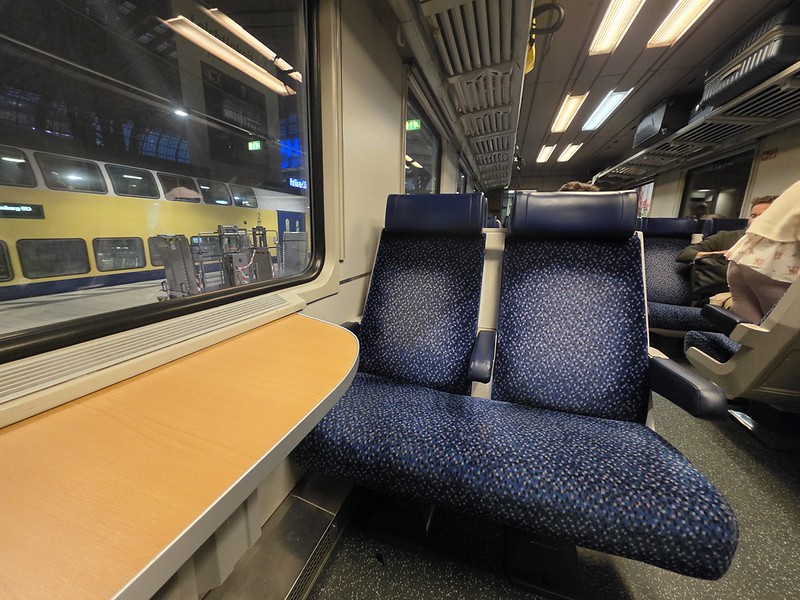
    I had wondered if I’d get a seat as I hadn’t reserved a ticket, but I found this seat by a table and power point, so I was content and felt that I was in a civilised location.

    These two seats were reserved and they changed hands over ten times as there was chaos with people confused over reservations. I didn’t much care, I had my seat, but the system is clearly flawed somewhere.

    I felt that the reservation system was clear, but there we go….

    There was a family of four here and I was quite worried as they, along with half the carriage, were told off by the guard and had to pay more. I don’t know what was happening, maybe they had the monthly pass that was for regional trains only. I showed my ticket and the guard looked pleased, so that was a relief as there are few pleasures in life greater than being judged administratively adequate by a German train guard.

    And safely in Hanover, the first time that I’ve visited this city. All told, I was very pleased with the whole journey, the train was clean, the service was friendly, the ticketing was clear and I was very happy that Deutsche Bahn got me in on time. It wasn’t the cheapest ticket at around £20, but that wasn’t unreasonable. After the earlier journey between Lübeck and Hamburg, arriving in the right city at the right time and with no need to sit on a staircase felt almost decadent.