Blog

  • Streets of Norwich – Haymarket

    Streets of Norwich – Haymarket

    Part of my Streets of Norwich project….

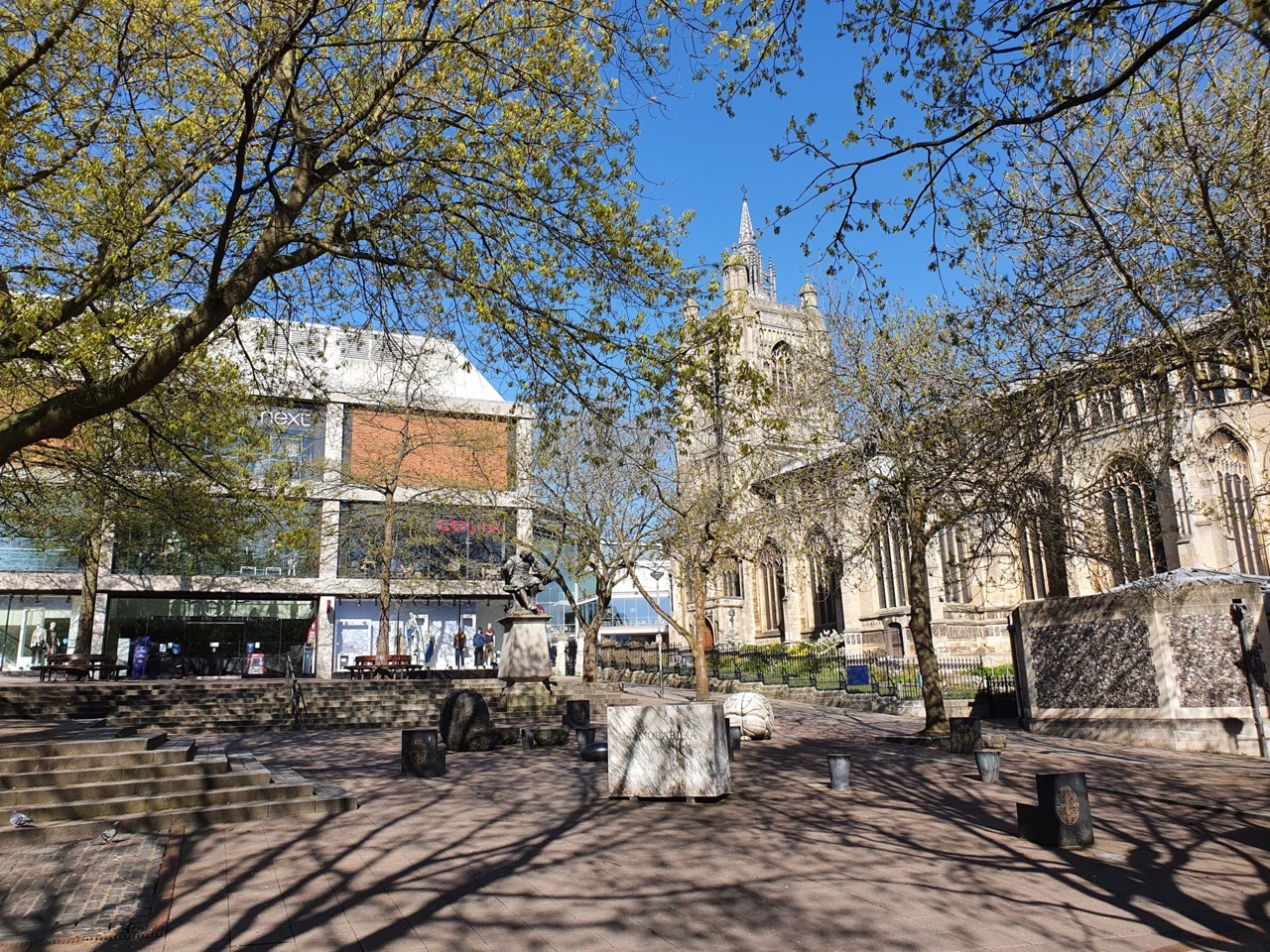
    The Haymarket is a slightly quirkily defined area, cutting in between Brigg Street and the Market Place (Gentleman’s Walk), as well as joining in what is now called Millennium Plain and William Booth Street. For a while this was the city’s Jewish quarter and there was a synagogue here, before the Jews were expelled in 1286. Haymarket was also the annex of the main market place where hay and straw was brought for sale, a role it had for many centuries.

    The temporarily boarded up McDonald’s, which was formerly the George & Dragon pub. it was a pub from the 1730s until 1988, when it was converted first into a bank and then into McDonald’s in 2002. This really should be a pub again given its long heritage….

    The building at the rear was the once impressive Lambert’s warehouse, demolished in around 1970 and replaced with an awful bland building. On the right-hand side is St. Peter Mancroft, Norwich’s largest medieval parish church.

    Some sculptures. In another brilliantly inspired move, Norwich City Council ripped out the fountains and seating which were here, replacing them with nearly no seating and more paving slabs. This used to be a little park area in the mid-twentieth century, something that could perhaps be brought back in.

    The Thomas Browne statue, which was placed here in October 1905, to mark the three hundredth anniversary of his birth.

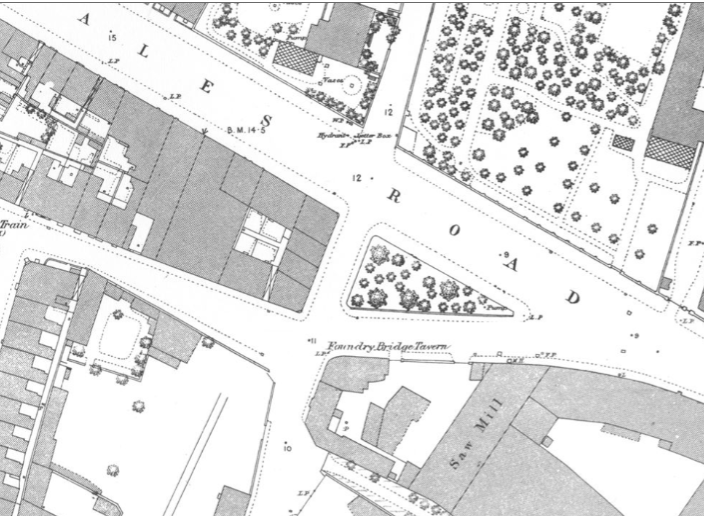
    Interestingly, where the statue sits today, there used to be a pub, the White Horse, which was demolished at the end of the nineteenth century (the map above is from 1885), in around 1898. For much of the nineteenth century it had also been called the Seed Mart, which is perhaps a unique pub name.

    Another dreadful modern building on the left-hand side, another in a substantial series of incompetent decisions from local planners. It was built as Peter Robinson’s store in the 1962, but it required the demolition of the Gaumont theatre, formerly the Haymarket Picture House, in 1959.

    The council have mauled this square so much that it’s lost nearly all of its character. Not that long ago it had a pub that was 250 years old, a huge theatre and an historic warehouse, now it’s got some generic retail buildings that give no nod to the heritage here and nearly no seating areas. There is though some heritage to the buildings which are on one side of the Haymarket, at the rear of this photo, more on which in another post.
  • Dusseldorf – Conflict Sculpture

    Dusseldorf – Conflict Sculpture

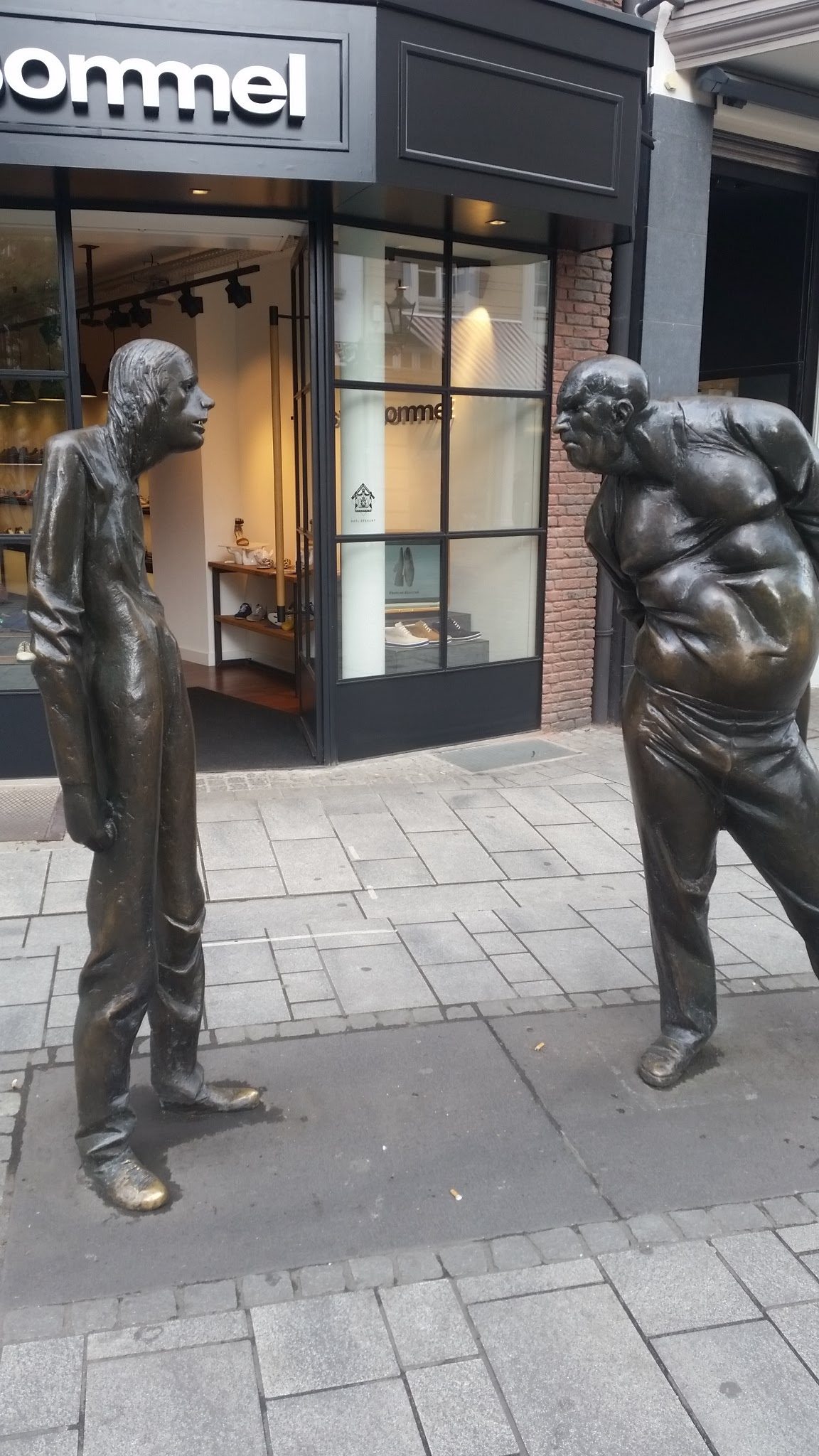
    This bronze sculpture is located on Mittelstraße in Dusseldorf and was designed by Karl-Henning Seemann (a German artist born in 1934, who is still alive). The English translation of the sculpture’s name is something like ‘Conflict’ or ‘Controversy’.

    It’s not a great photo, but I think from memory there was someone standing to the right-hand side of the fatter figure and I couldn’t be bothered waiting for them to move. The sculpture was placed here in 1976 and it’s a series which represent a local traditional, a discussion between a Gôg (an inhabitant of the old town of Tübungen) and a Professor (of Tübingen university).

  • Streets of Norwich – Swan Lane (Jem Mace)

    Streets of Norwich – Swan Lane (Jem Mace)

    As a follow-up to my post about Swan Lane.

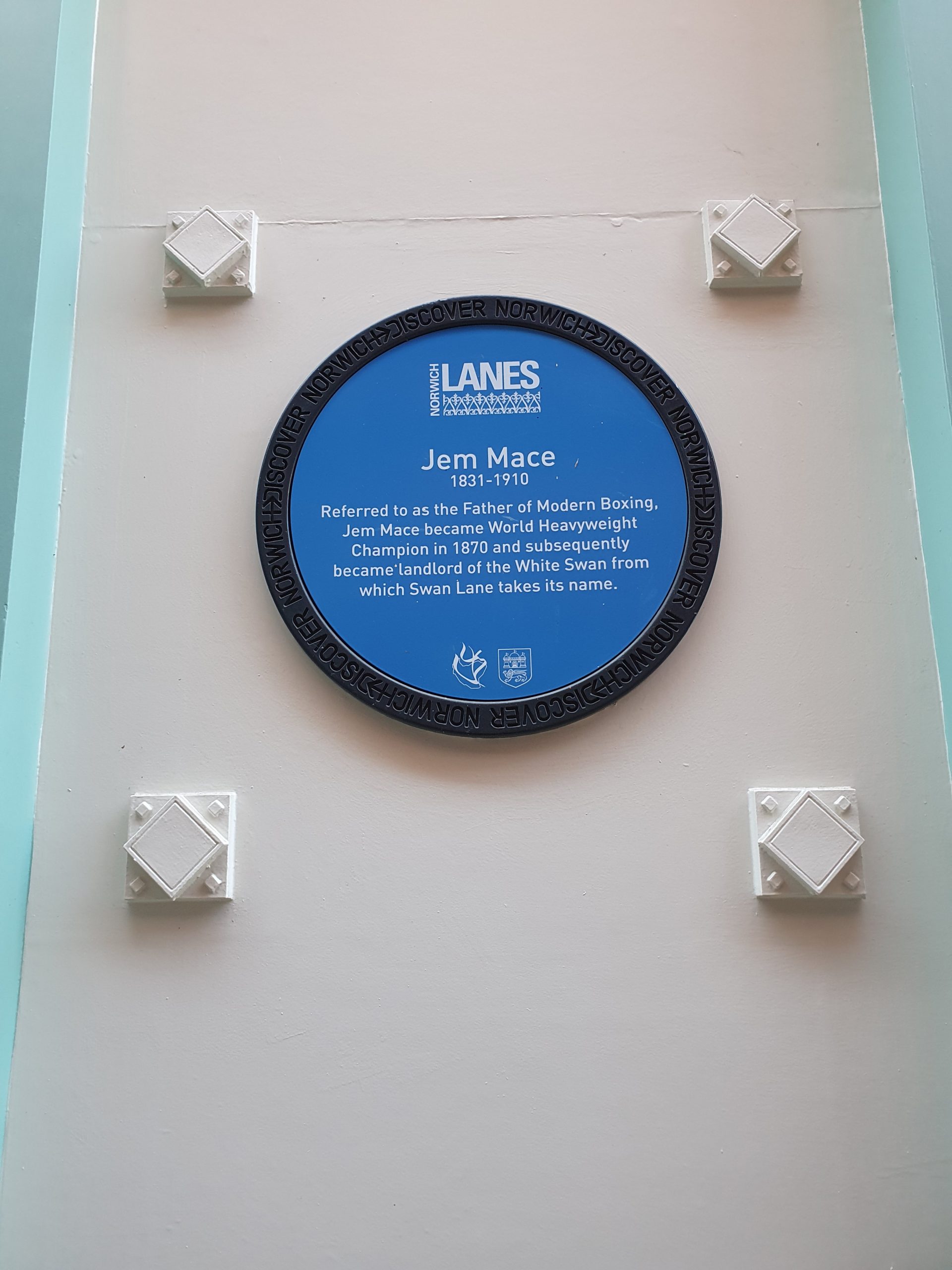
    On the side of Turtle Bay is a sign marking that Jem Mace, “the father of modern boxing”, was the landlord of the White Swan public house. That building was demolished in the mid-nineteenth century, with the replacement structure now being the home of Turtle Bay.

    Jem mace.jpg

    James Mace was born on 8 April 1831 in Beeston, near to Dereham, the fifth of eight children of blacksmith William Mace and his wife Ann. He got into boxing young, which at that time was usually bare knuckles, as boxing gloves weren’t required until 1867. Originally he was interested in a career as a musician, and it’s said that this dream ended when three youths smashed up his violin for no reason in Great Yarmouth, which was also said to have fuelled his anger.

    Mace became the Heavyweight Champion of England in 1861, the English Middleweight champion in 1863 and the World Heavyweight champion in 1870. It was this fight that was perhaps the most important of his career, fought in Kennerville in Louisana (a place I’ve been when I stayed at the Kenner Econolodge, as it’s now effectively all part of New Orleans). The prize fund for the winner was £3,000, which is around £200,000 in today’s money, so this was a huge event.

    Mace owned the White Swan from 1857, during which time he managed in 1858 to be fined a sizeable sum for using bad language to a woman. It’s not clear when he left, likely not until the early 1860s when the building was taken down. He died on 30 November 1910 in Jarrow, County Durham, certainly an eventful life….

  • Dictionary of the Vulgar Tongue – Day Thirty-Three

    Dictionary of the Vulgar Tongue – Day Thirty-Three

    The Dictionary of the Vulgar Tongue was first published at the end of the eighteenth century, and given that the Coronavirus crisis is giving too much time to read books, I thought I’d pick a daily word from it until I got bored…..

    Blue Pigeons

    The dictionary defines this as criminal slang for “thieves who steal lead off houses and churches”, or to “fly a blue pigeon” means committing the same crime. An irritating and heinous crime which has unfortunately taken place over the last few centuries, although I’ve found some references to this phrase in the late eighteenth century which refers to “fly a blue pigeon” as meaning deceitful behaviour. The blue refers to the old nickname for lead and although I can’t find much evidence of this phrase in literature or the media, if it was a criminal phrase then I assume it would have mostly been spoken.

  • Streets of Norwich – Eastbourne Place

    Streets of Norwich – Eastbourne Place

    Part of my Streets of Norwich project….

    Not much has changed on this little street since the above map was published in 1885. The only change is to the name, as St. Faith’s Lane used to go all the way from Tombland to King Street. It sort of still does, although St. Faith’s Lane as a road name stops at Prince of Wales Road, then becomes Eastbourne Place and then becomes Mountergate.

    This map, from twenty years earlier, seems to suggest that Eastbourne Place was constructed in the early 1860s as there are no buildings marked here. Why they choose the name Eastbourne, I have no idea…..

    And the building would have been possible because of the construction of Prince of Wales Road, which was in the late 1850s (the above map is 1849), which finally opened in 1862.

    The area in front of Eastbourne Place has been messed around by the council on numerous occasions, the once little wooded area barely now exists, although at least the nearly always broken public toilet has been removed.

    The building on the left-hand side, which is now blacked out, was until the 2019 a branch of Domino’s, but it has a long history of being a food outlet, as in the 1860s John Sword opened up a refreshment rooms here which sold tea, coffee and other drinks. He also provided accommodation, which I assume was in the rooms which are now occupied by the nightclub Loft.

    The Presto Bar was also here, which housed a 60-foot long model car track, which still exists as Presto Park, although has been much changed over the decades. I think the Presto Bar occupied the same space as the refreshment rooms opened up by John Sword.

    This area looks better now than it has for some years, the space in front has been opened out and the number of cars reduced, although some more greenery would be nice. And someone needs to open up where Domino’s once was….

  • Toronto – Toronto Zoo

    Toronto – Toronto Zoo

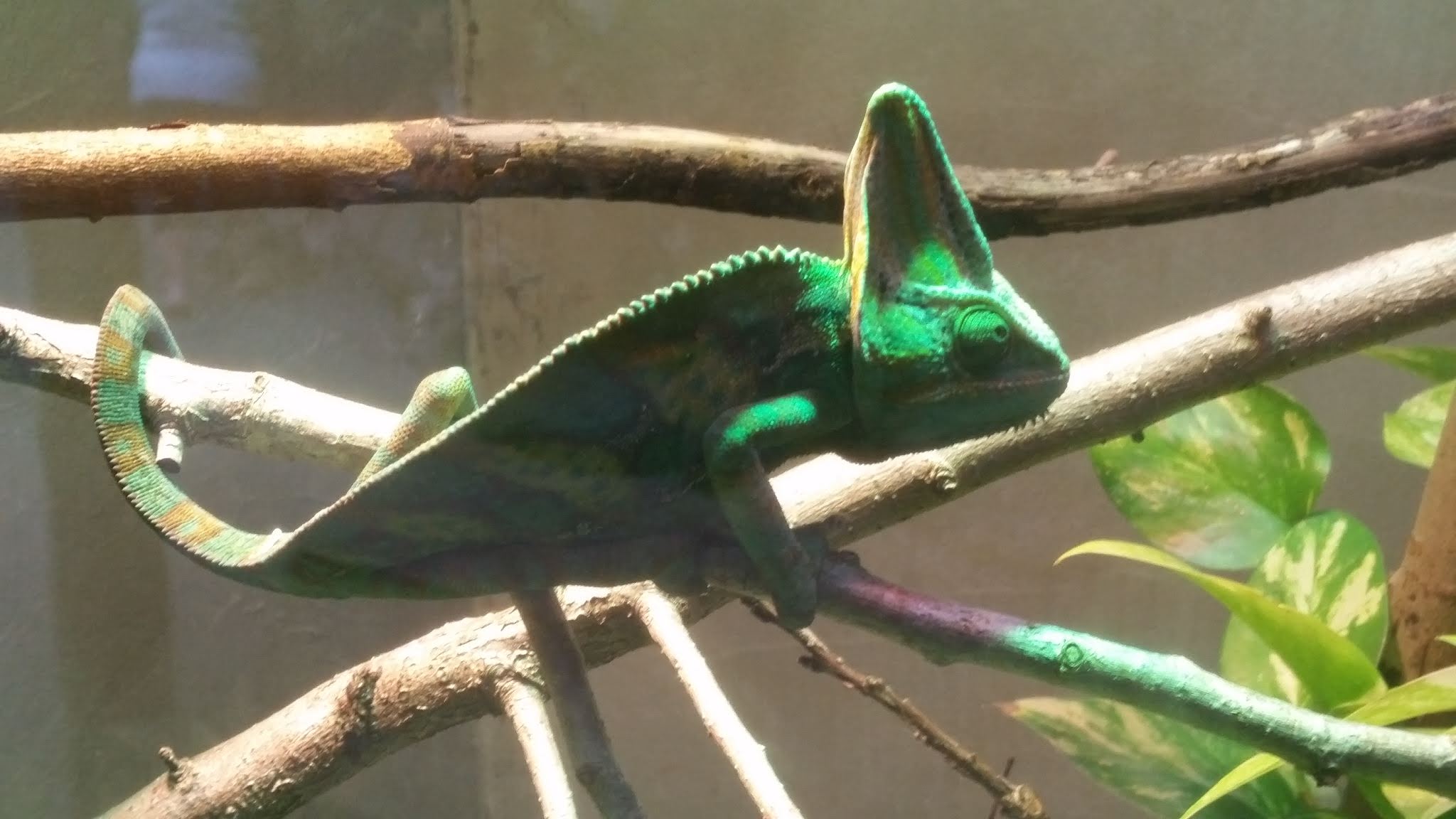
    Just photos from Toronto Zoo, and these are from a phone camera in 2015, so they’re not very sharp. The other highlight of this large and well managed zoo were the pandas, now sadly departed to another location. On the suburbs of the city it took me a relatively long bus journey to get there, but it was worth the trip and wasn’t particularly busy. The zoo first opened in 1974 and has been expanded on numerous times over the years.

  • Toronto – Toronto Zoo (Pandas)

    Toronto – Toronto Zoo (Pandas)

    These photos date back to 2015 and were taken when Toronto Zoo had two pandas on loan, the female Er Shun and the male Da Mao. The pandas were on a ten-year tour of Canada, spending five years in Toronto from 2013, until they moved to Calgary in 2018. They were to give birth to two cubs whilst they were in Toronto and the whole family later moved to Calgary, although the two young pandas (named Jia Yueyue and Jia Panpan) went back to Chengdu in early 2020.

    I was impressed at this display at Toronto Zoo, as although there was a bit of a queue, it got visitors nearer to the pandas than in some other zoos. This didn’t detract from the amount of space that the pandas had and they seemed happy enough. It seems that several videos of the pandas went viral from their time in Toronto and it helped the zoo reach some record attendances. It must have been quite sad for the keepers to have to say goodbye, as it also meant the closure of the entire panda area.

    One of the information boards.


  • France – Olive Crisps

    France – Olive Crisps

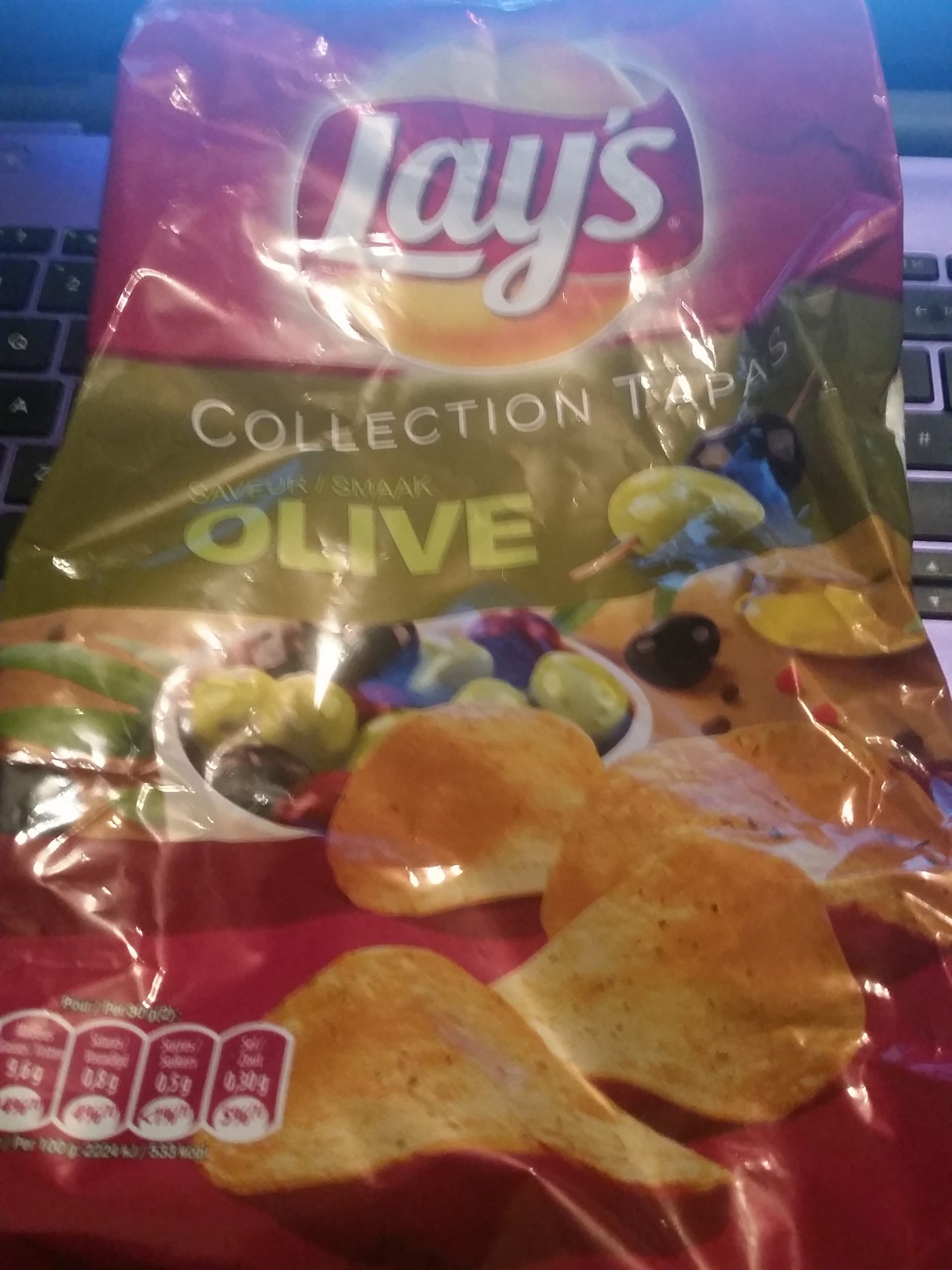
    It’s difficult to deny that French cuisine is one of the best of the world when they produce such culinary excellence as this…. Part of the Tapas Collection released a few years ago, this was the best of the range. Not that this was hard, as there was only one other to my knowledge, which was pesto. I need to get out more….

  • Dictionary of the Vulgar Tongue – Day Thirty-Two

    Dictionary of the Vulgar Tongue – Day Thirty-Two

    The Dictionary of the Vulgar Tongue was first published at the end of the eighteenth century, and given that the Coronavirus crisis is giving too much time to read books, I thought I’d pick a daily word from it until I got bored…..

    Blue Flag

    I’ve never heard of this phrase, but the dictionary defines it as “he has hoisted the blue flag; he has commenced publican, or taken a public house, an allusion to the blue aprons worn by publicans”. Other dictionaries at the time also referred to it as being a name for those becoming fishmongers, for the same reason of the blue aprons. The term now is better known for representing clean beaches, but I like the phrase, which was used between the mid-eighteenth and mid-nineteenth centuries.

  • Streets of Norwich – Bank Street

    Streets of Norwich – Bank Street

    Part of my Streets of Norwich project….

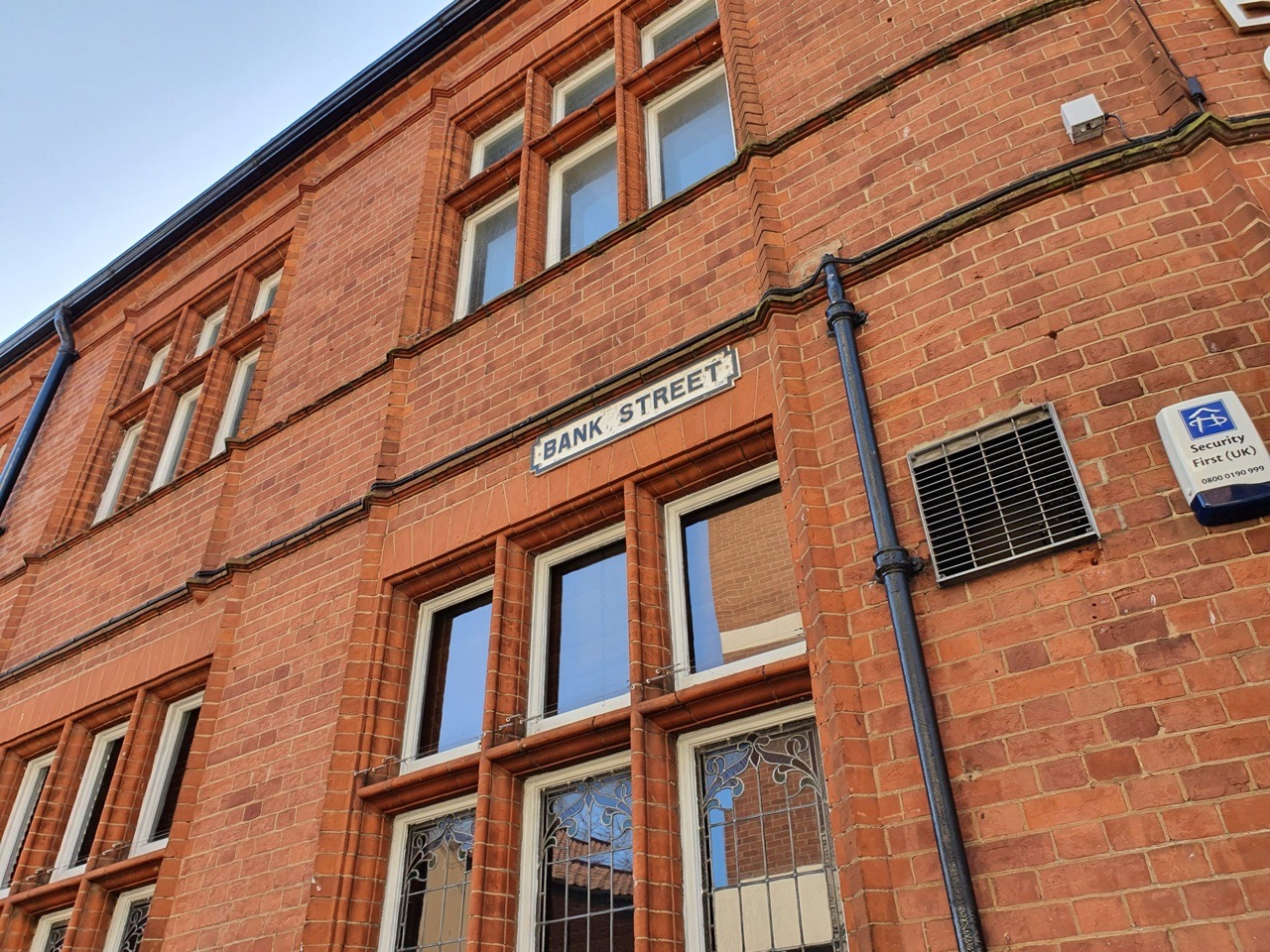
    The above map is from the 1870s, with no substantial changes to Bank Street since then, although the area to the south of it was turned into a hotel.

    On the left is the entrance to what was Wade’s Court, although has also been known, and is now signed as Wade’s Yard. On the right is the back of the Royal Hotel, which takes up the whole block and which was built between 1896 and 1897. When they were demolishing the buildings on the site they discovered archaeological remains from the outer precincts of Norwich Castle. Built with 65 bedrooms for guests, the hotel remained trading until 1977 when a lack of car parking saw its demise. Fortunately, plans in the 1970s to demolish it and replace it with a glass office block were rejected, with the building more recently being used for offices.

    The second building on the left, with the sign hanging up above the door, is the former Bank Tavern. Later on part of the Steward & Patteson brewery, this pub first opened in the early part of the nineteenth century and it remained trading until November 1965.

    Looking back down Bank Street towards Bank Plain.