This walk was socially distanced….. And is the fourth walk in preparation for the 2021 LDWA 100. But isn’t an LDWA walk in itself, because these have all been suspended until the troubles are over.
WALK NUMBER: 4 (Norwich to Eaton)
DISTANCE COVERED: 10 miles
NUMBER OF NATHAN’S FRIENDS WE “ACCIDENTALLY” BUMP INTO: 0
SUFFICIENT BEER CONSUMED: Yes
PUBS VISITED: 0
WEATHER CONDITIONS: Far too hot
ATTACKED BY ANIMALS: No
NUMBER OF SNAKES SEEN: 0 (but warning signs of killer snakes were noted)
Our fourth walk was never going to be our most interesting, we wanted something shorter as I’ve been getting a bit too obsessed with walking recently, and Nathan exhausted himself with his 15-minute bike ride last week. Or was it 15 miles? I don’t know, it doesn’t matter, it’s easy to get muddled up. So, the walk was through the metropolis of Norwich to see the wealthy denizens of Eaton.

In the centre of Norwich, this is the new St. Anne’s Housing development, it’s the first time that I’ve noted we can walk through the centre of the complex. Incidentally, look at how blue the sky is. That means one thing, it’s too bloody hot.
Oh, on a related subject, I don’t like to talk about my bravery, but I had a lot of pollen-related issues. But, I didn’t let that stop me and I could tell Nathan was very impressed with how courageous I was. He didn’t say that, but sometimes you can read between the lines.
I had better also add, whilst mentioning my bravery, that I was getting a slight problem with shin splints last week so I cut my walk distances down on Friday, Saturday and Sunday (thanks to Richard, Rob and Clive for accepting a downgraded distance) but the issue seems to have mostly gone away. I wouldn’t have mentioned it, but it’s important to be honest about these walks, and so it would be amiss of me not to mention my courage and rigour.

I walked by Tesco, so I thought I should get some water. Couldn’t find the water, so I got Nathan and myself some beers. Keenly priced, but this one from Dark Arts was a little unexceptional, but perfectly drinkable. This is a small park in Eaton, with streets that are named after golf courses, such as Carnoustie, Wentworth, Sunningdale and Turnberry. There wasn’t though Mousehold Pitch and Putt, which would have made for a great street name.
Then there was a philosophical discussion, which I was proved right on, about using Runkeeper for tracking walks. I view a walk as one entity and just pause Runkeeper when sitting down or having a break. Nathan, for reasons unknown, seems to think that he has to class it is a new walk every time we have a break or stop. So, Nathan completed 26 walks in one day, whilst I just did the one. I didn’t say much about it as I was patently right.

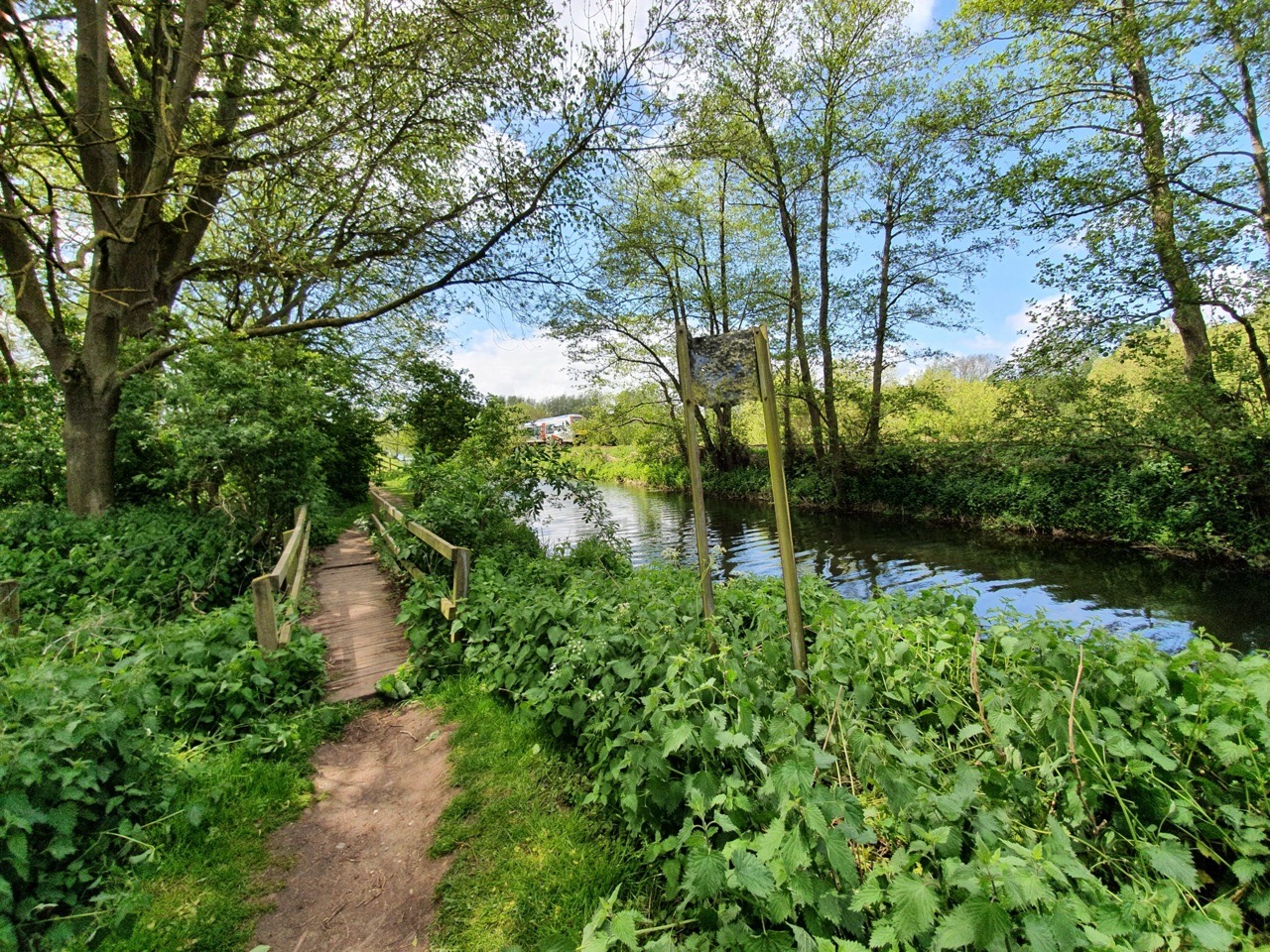
Snakes?!?!?!?! We made a decision to rush through Marston Marsh which is a nature reserve located on a floodplain.


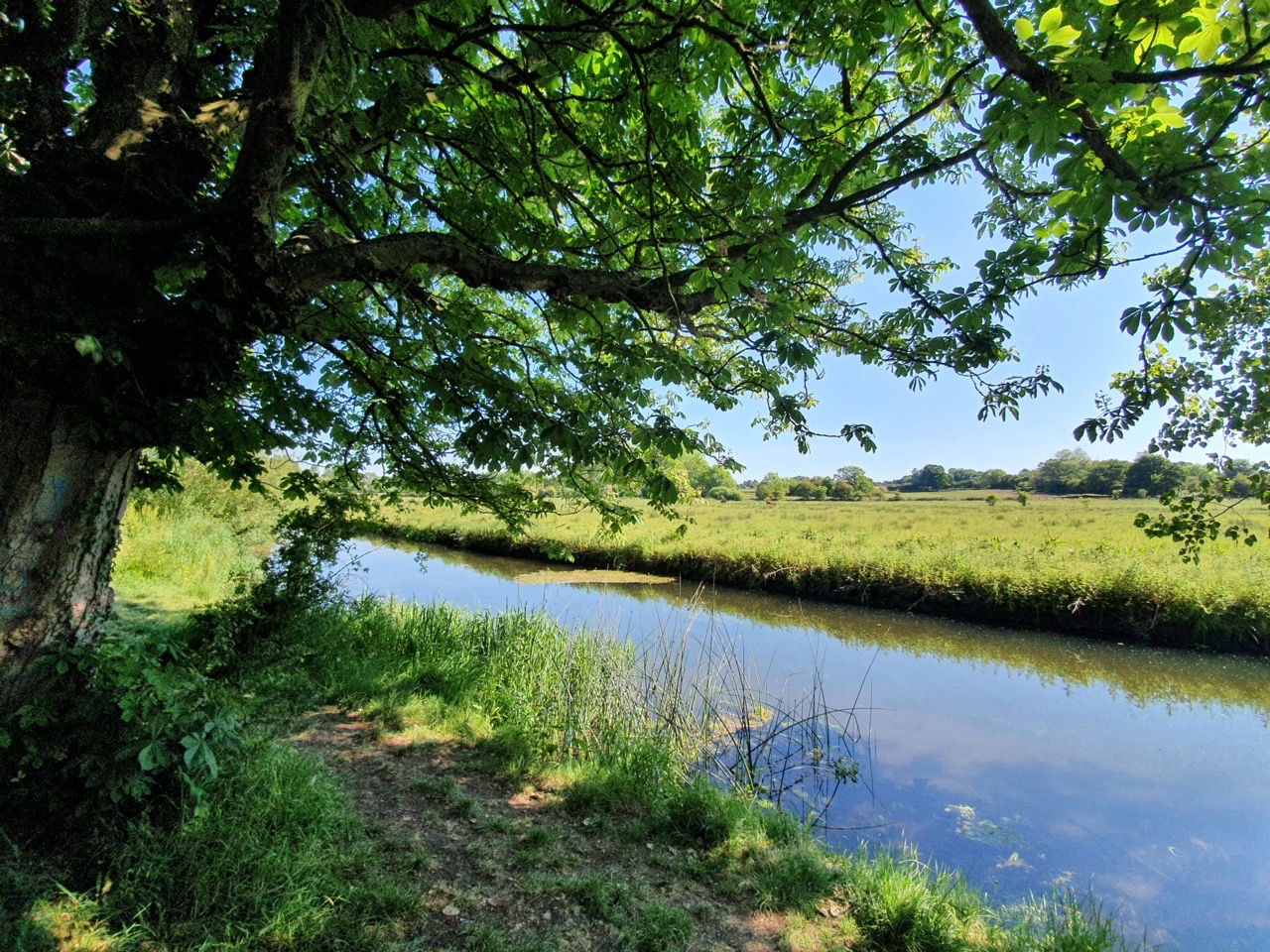
Photos of the River Yare as it winds through the marshes. Plenty of fish and tadpole things in the water and there were relatively large numbers of people walking along the riverside.

We accidentally went on a detour to check how this Greggs was getting on. Not open yet of course, but it will be soon enough. It was almost possible to smell the ovens preparing the next batch of chicken bakes, but I feel that my imagination might have been running away with me somewhat.

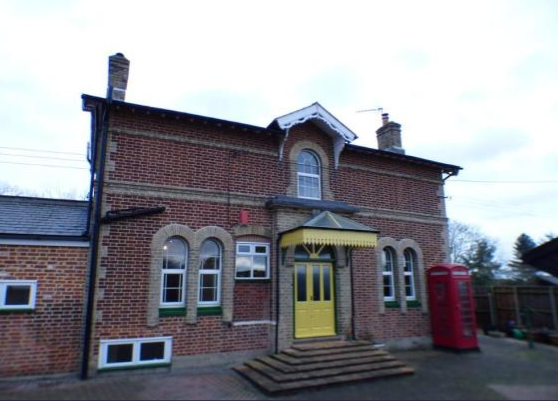
This is the former Post Office in Lakenham, constructed as a residential property in the early seventeenth century, with numerous later additions.

The derelict Lakenham Cock pub, trading since the mid-eighteenth century it closed in 2015. This is likely a perfectly viable pub in terms of its location and size, but the building has now become damaged and the repairs to make this a working pub would be substantial in cost. The property was being sold for £750,000 as a residential property, which puts it out of the league of anyone wanting to re-open it as a pub.
Lakenham has a village charm, but it really needs something at the centre of its community. And a pub would be marvellous.

I don’t know whether this is the River Tas or the River Yare, they seem to merge a bit here and I’m easily confused at the best of times. And it doesn’t matter, you can pick which name you prefer and use that. That’s some academic rigour there…

And, we accidentally stopped at the Fisher residence for supplies of water. She didn’t let us down with her cooking skills either, with her personal culinary calling card of chicken strips and olives being very welcome.

Then the walk back into the centre of Norwich. Nathan told me not to mention that he was worried how we would get past the road construction, so I won’t say anything.
And that was that, a basic ten-mile walk with nothing of huge excitement, but since it’s part of our training programme for the 100, I’m writing about it anyway. And, unusually, we didn’t see any of Nathan’s legion of friends, but I’m sure they’ll make an amazing appearance in the next episode.
As this is a shorter, and frankly less interesting, walking report, I thought I’d mention something else which is far more important. Although we’re training for the LDWA 100, we’re also doing this for a long walk that four of us are planning for 2022. For those who know me, I’ve been won over by Liam’s two angelic younger children, who frankly are a constant delight to take on day trips. One of them happens to have Duchenne, and this is a troublesome condition that needs funding to find a medical solution, as well as to support families in managing it. There’s more about Duchenne at Duchenne UK for those who want some background.
Our 2022 walk, of which we’ll talk more about during this year and 2021, will aim to raise publicity and funding for Duchenne. So, for the first time, I can excite and delight the three readers of this blog, as not only will this blog feature our efforts at the LDWA 100 in May 2021, it’ll also then be the prelude to the whole 2022 adventure. That will be a contribution that we can make to help end Duchenne.