Blog

  • Dictionary of the Vulgar Tongue – Day 147

    Dictionary of the Vulgar Tongue – Day 147

    The Dictionary of the Vulgar Tongue was first published at the end of the eighteenth century, and given that the current health crisis is giving too much time to read books, I thought I’d pick a daily word from it until I got bored….

    Half Seas Over

    A short definition from the dictionary, this phrase simply means “almost drunk”. It’s perhaps a similar derivative to the word ‘sloshed’, but might just be a matter of being half-way towards a destination and so there’s less of a nautical theme. The phrase was used from around the sixteenth century, but declined in the nineteenth century and is now pretty archaic.

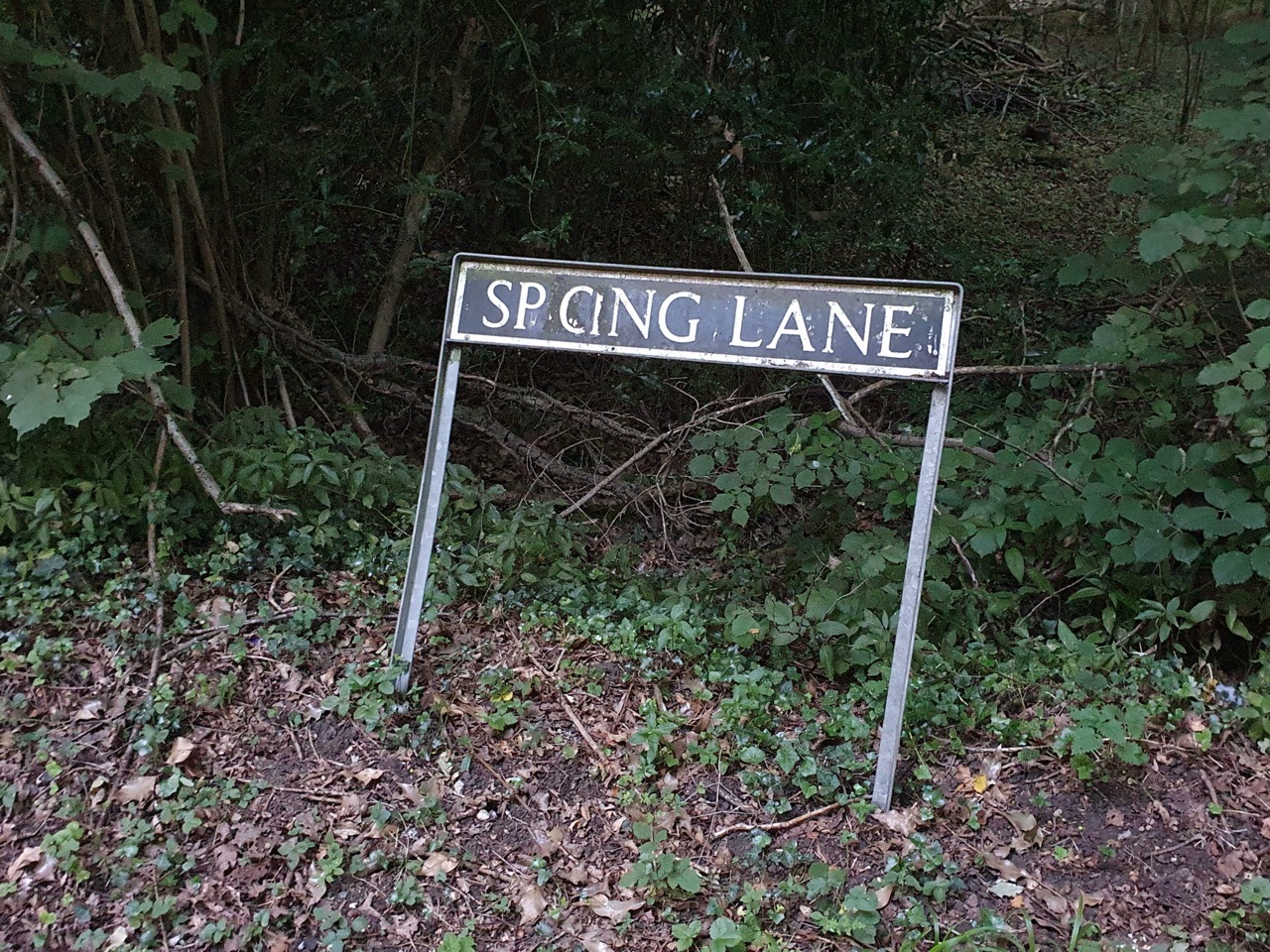
  • Mulbarton – Spong Lane

    Mulbarton – Spong Lane

    We walked along this lane on the 18-mile walk I led around Mulbarton last week and it was a word I liked, but didn’t understand the origin of. Anyway, after checking I have discovered that a ‘spong’ is a long and narrow piece of land, or an irregularly shaped piece of land. You learn something every day….. Well, most days.

  • London – Tavistock Place (Vladimir Ilyich Lenin Plaque)

    London – Tavistock Place (Vladimir Ilyich Lenin Plaque)

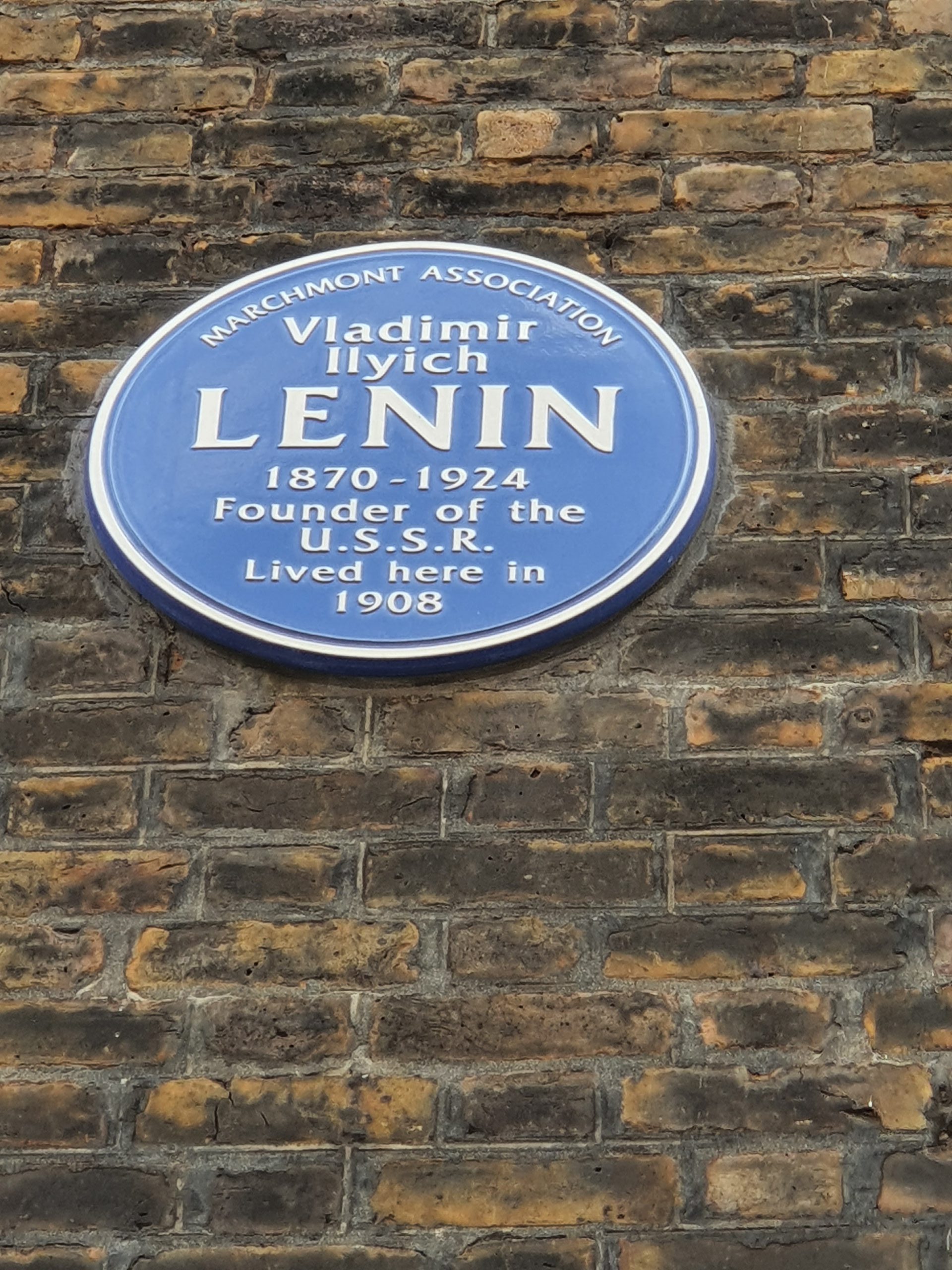
    This is 36 Tavistock Place in London and what might look like any other town-house, but it has a special little claim to fame. It’s where Lenin stayed in May 1908 on one of his visits to the city, conveniently located near to the British Museum’s Reading Room which he frequently visited during his stay. Under 10 years later he was the Chairman of the Council of People’s Commissars of the Russian SFSR, with the Tsars deposed.

    The plaque was put up by the Marchmont Association in November 2012 and they reported that not everyone was happy as they got a complaint from a local resident saying:

    “Appalling! He was responsible for a movement that caused far more deaths than Hitler, from which the Russians are only just recovering. I intend to email the Chair dissociating myself from the Marchmont Association.”

  • Dictionary of the Vulgar Tongue – Day 146

    Dictionary of the Vulgar Tongue – Day 146

    The Dictionary of the Vulgar Tongue was first published at the end of the eighteenth century, and given that the current health crisis is giving too much time to read books, I thought I’d pick a daily word from it until I got bored….

    Grimalkin

    This is defined by the dictionary as “a cat: mawkin signifies a hare in Scotland”. A ‘grimalkin’, or ‘greymalkin’, is an archaic word for a cat and this sounds a much more appropriate word for the animal. The ‘malkin’ bit of the word was used in a derogatory manner to describe an uncultured woman and it’s also where the name Matilda came from. The Grimalkin was used to describe cats and old women, being a reasonably common word in the nineteenth century before going out of usage.

  • Bacton – St. Andrew’s Church (Snake Warning Sign)

    Bacton – St. Andrew’s Church (Snake Warning Sign)

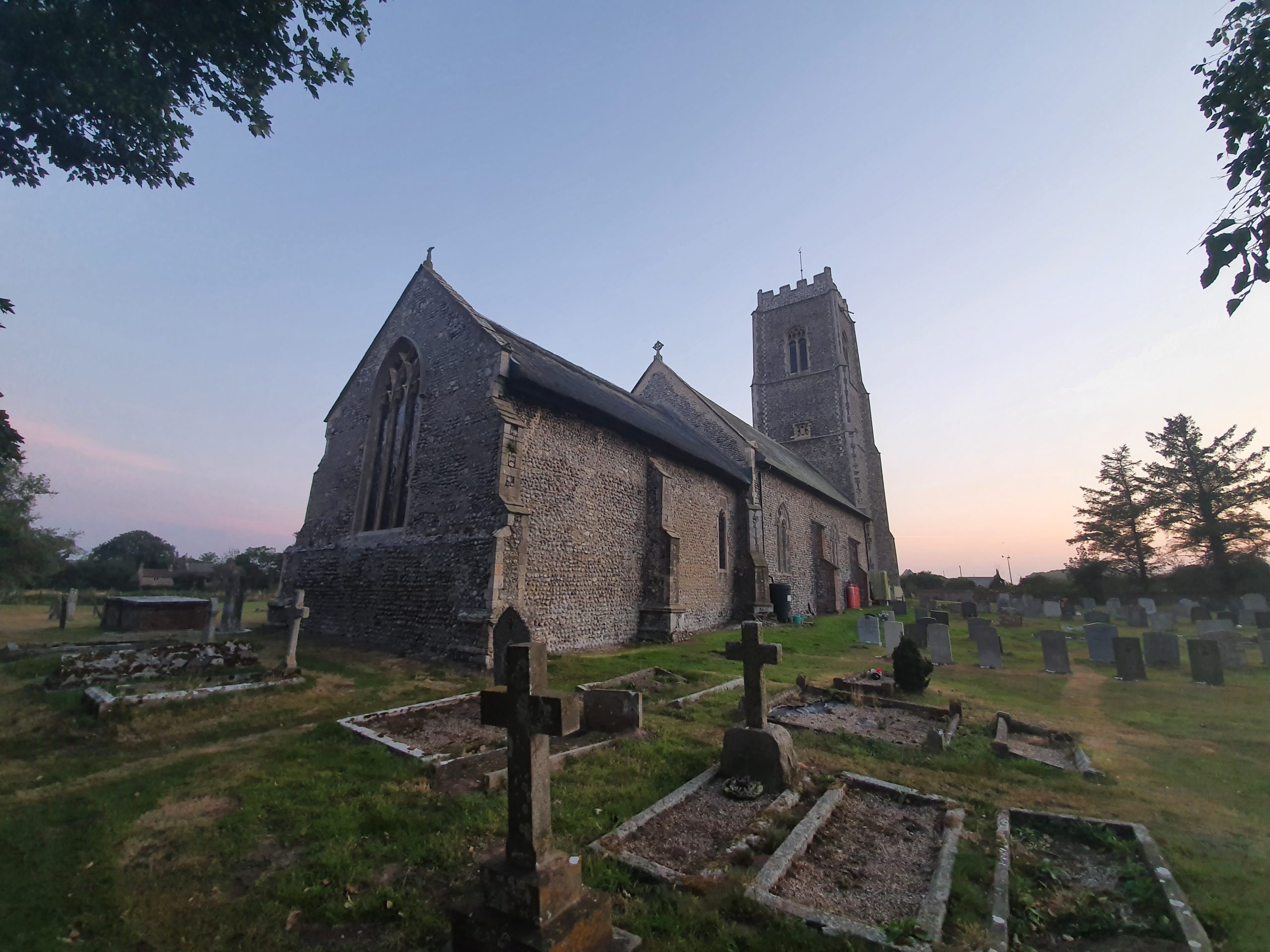
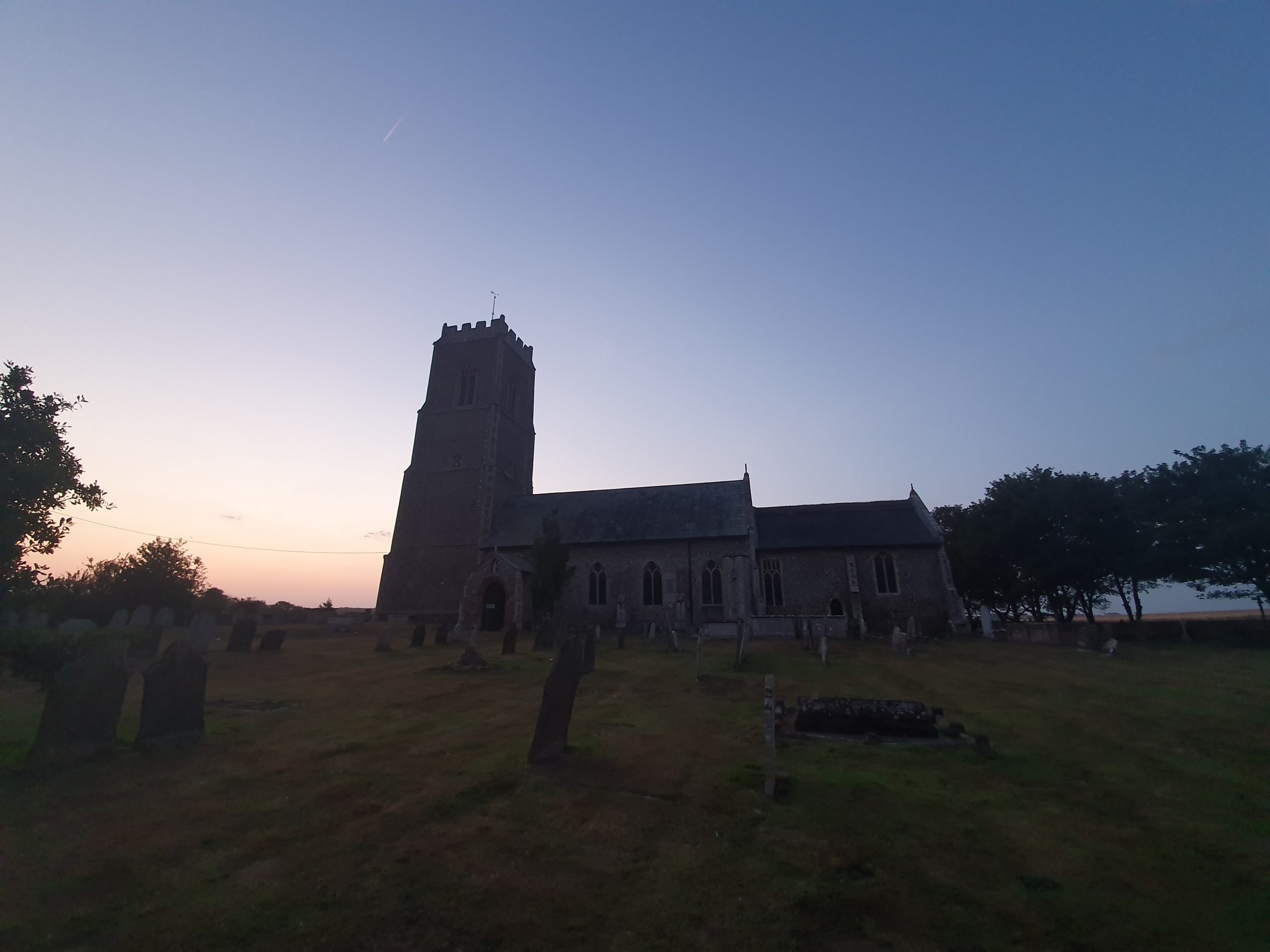
    Richard spotted this as we left St. Andrew’s Church in Bacton and all I can say is that I might not have meandered quite as much around the churchyard if I had seen the sign on the way in…..

  • London – Amen Corner

    London – Amen Corner

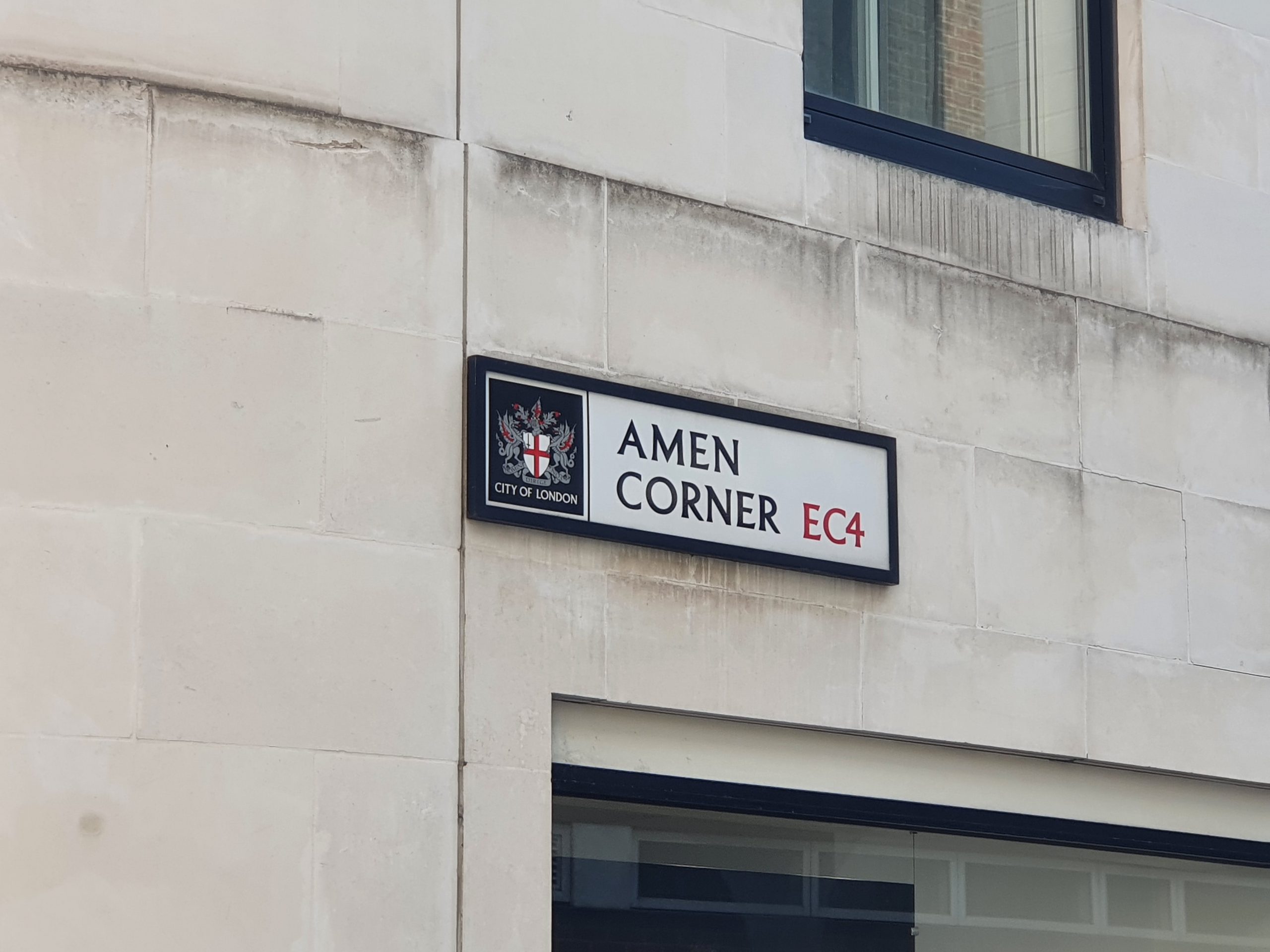
    The beautifully named Amen Corner is located near to St. Paul’s Cathedral, in the bottom-right of the above map from the end of the nineteenth century.

    Although the buildings along Amen Corner are modern (and rather unimpressive), the street-line is original and is unchanged. The street takes its name from when monks used to walk along Paternoster Row chanting the Lord’s Prayer and they would reach the “Amen” section just as they walked down this street, before entering St. Paul’s Cathedral. That’s the story on Wikipedia and the one that’s repeated the most often on-line.

    However, a different reason was given in the nineteenth century, which was that this was where monks would find a corner to repeat their prayers privately, in the hope that they would be fortunate for a whole year. There’s probably more to this story than the perceived origin quoted today, but, I have no idea…..


  • Bacton – Name Origin

    Bacton – Name Origin

    After visiting the church in Bacton, I felt the need to check where the village’s name comes from. I’m like that…. Anyway, The Concise Oxford Dictionary Of English Placenames notes:

    Bacton, Norfolk. Baketuna in Domesday Book, Baketun in 1150 and Baketon in 1185. From Bacca’s Tun.

    The name in the Domesday Book is a little unfortunate as it sounds like a dish from Ready Steady Cook, but not much has changed in its pronunciation over the last millennium. The ‘tun’ is a settlement, usually one which has a farming element, but I don’t know who Bacca was, probably just an Anglo-Saxon farm owner.

  • Dictionary of the Vulgar Tongue – Day 145

    Dictionary of the Vulgar Tongue – Day 145

    The Dictionary of the Vulgar Tongue was first published at the end of the eighteenth century, and given that the current health crisis is giving too much time to read books, I thought I’d pick a daily word from it until I got bored….

    Gotch-Gutted

    I felt the need to mention this word in the dictionary as there is a Norfolk link and it’s defined as “pot bellied: a gotch in Norfolk signifying a pitcher, or large round jug”. A gotch jug was once often used for carrying beer or water, usually having two handles. This photo shows visually how it was used to denote someone who was pot-bellied, it’s quite a poetic phrase.

    https://www.geograph.org.uk/photo/4476654
  • London – Central London (Cordwainer Statue)

    London – Central London (Cordwainer Statue)

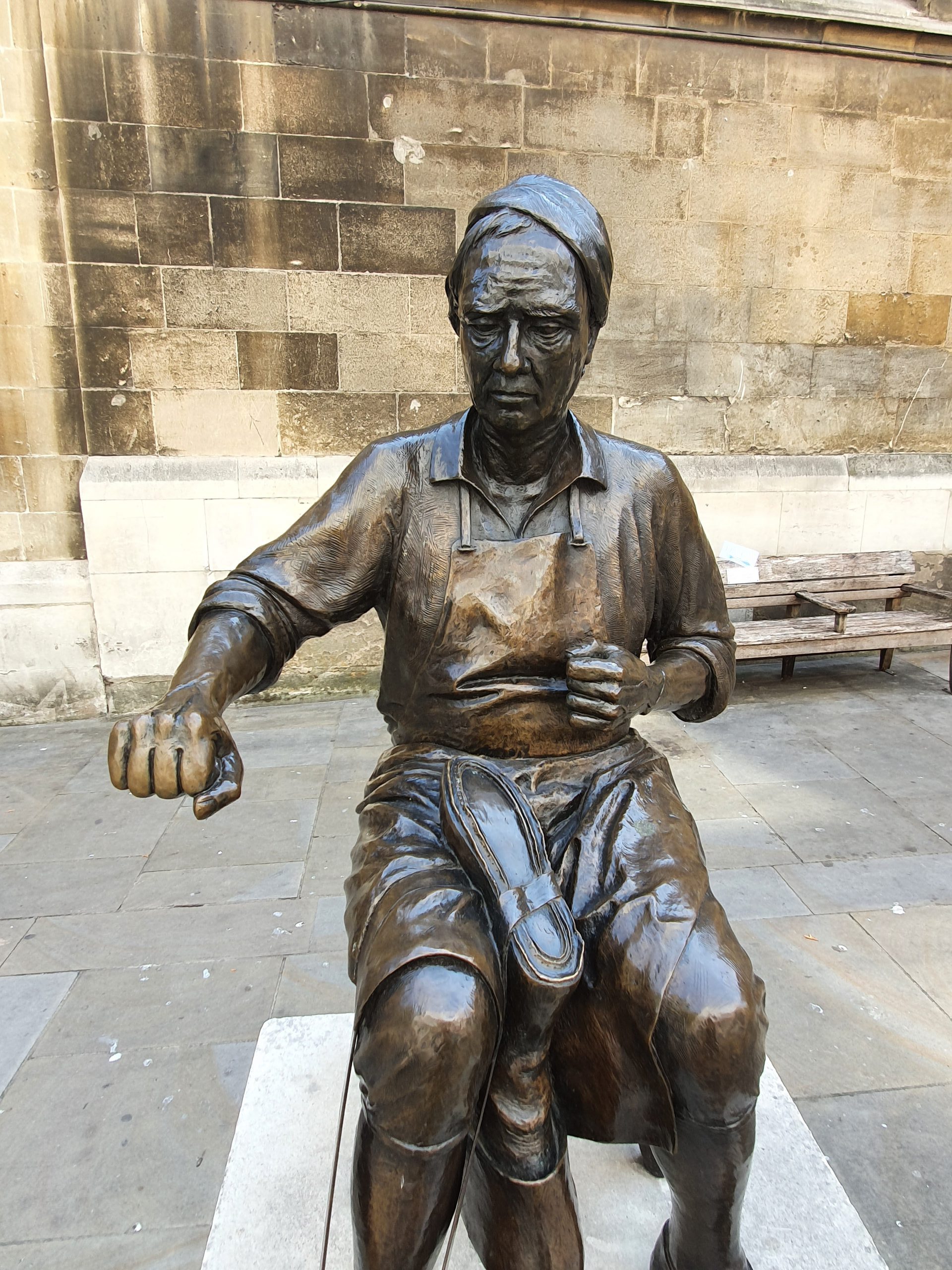
    This statue is located on Watling Street in the ward known as Cordwainer, named after the shoemakers who worked in this area. There’s a difference between a cordwainer and a cobbler, as the former makes shoes and the latter fixes shoes. The word is from the French ‘cordewaner’, meaning shoemaker, which is derived from the Spanish town of Córdoba in Andalusia whether the leather used in shoemaking was often from.

    The statue was commissioned in 2002 by the Ward of Cordwainer Club to mark their centenary. Initially, the statue was placed in the churchyard of St Mary le Bow, but was moved to its current location a couple of years later. The statue is located near to the site of the Livery Hall of the Cordwainers’ Company, where there were six successive halls from 1440 until 1941. When the hall was destroyed in the London Blitz, a decision was made by the company that they wouldn’t construct another. The Worshipful Company of Cordwainers still exists, but they’re primarily a charitable organisation, with some members being descendants of shoe-makers and some working in the industry today. One of their charitable efforts in recent years was a bike ride from Córdoba, where their name began, to London.

  • Bacton – Bromholm Priory (Gateway)

    Bacton – Bromholm Priory (Gateway)

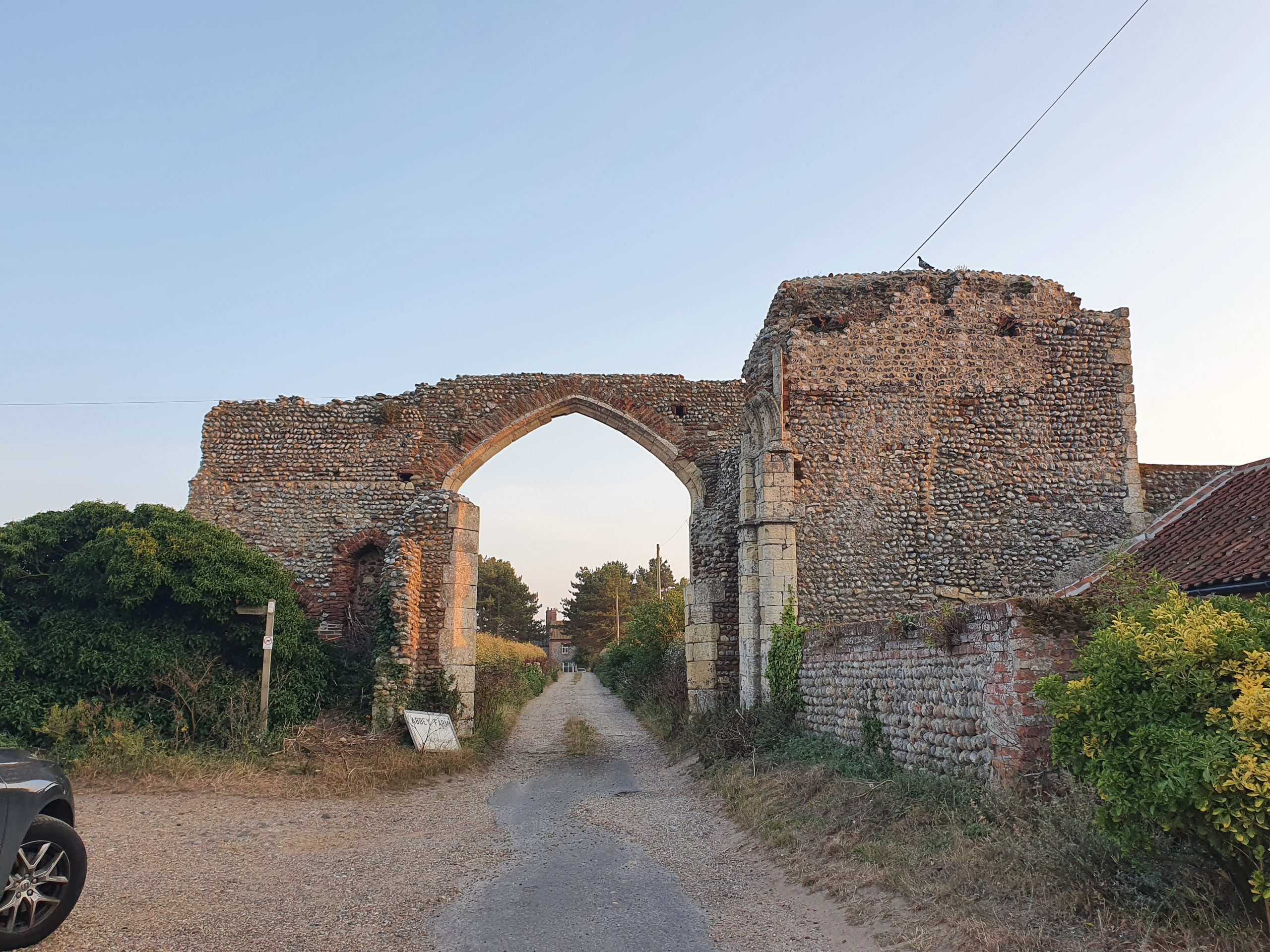
    The gatehouse of Bromholm Priory remains standing, unlike much of the rest of the monastery. More on other sections of the monastery in other posts, but this was a prestigious priory which was shut down during the Dissolution of the Monasteries. The above photo is from within the priory grounds looking outwards.


    The above photo is taken from around the same place, and there’s not much change other than some bricks added, a little unsympathetically, to the right-hand side of the arch.


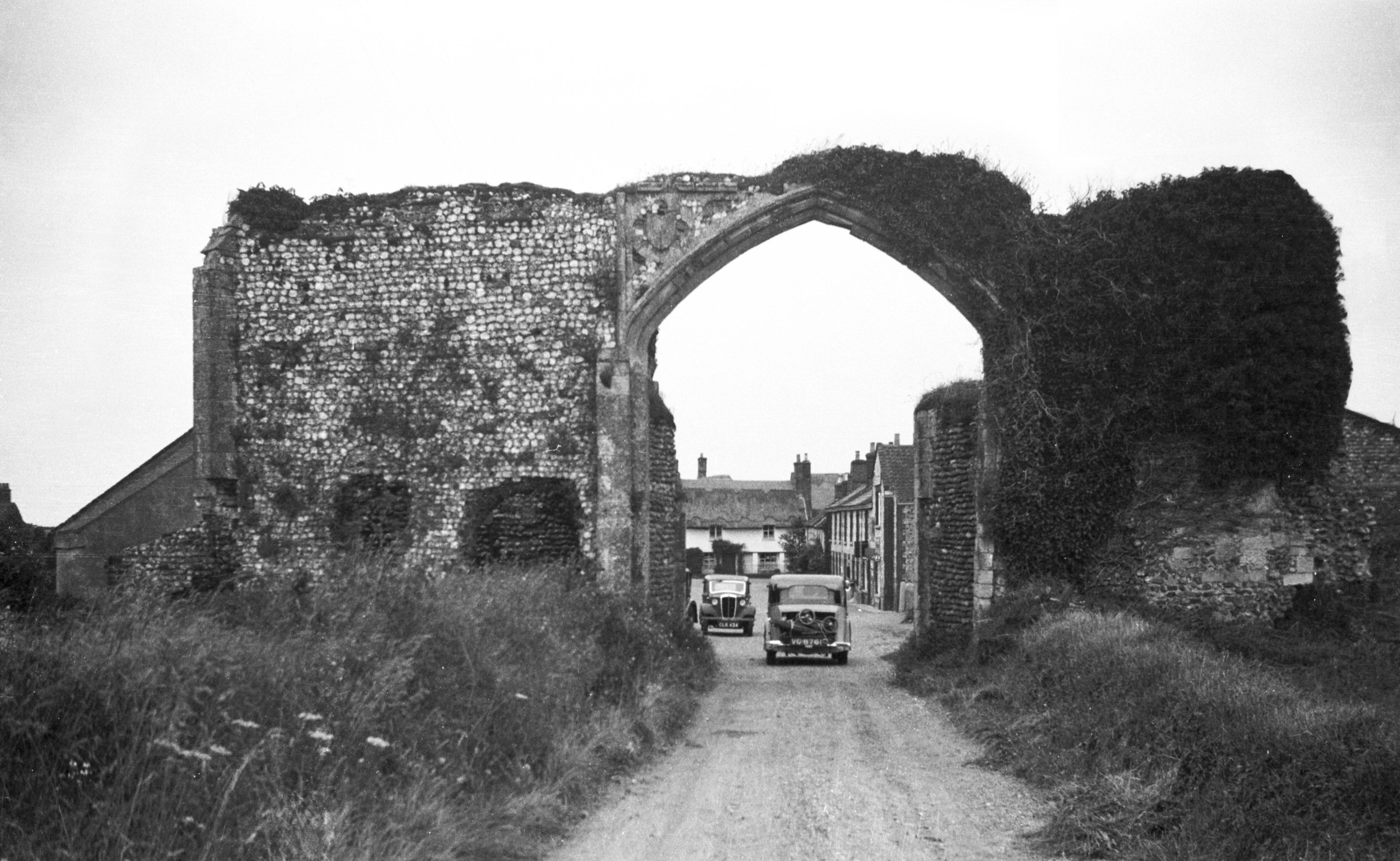
    This is another photo taken from the same location, but is likely from a couple of decades before the 1955 date quoted by Francis Frith. This looks more like the photo taken in 1937 by George Plunkett.

    A photo of the gatehouse from the outside.

    This photo is also from the outside, showing that the gatehouse was formerly quite a substantial structure with two floors and two bays. Anyone coming to the priory for the first time would have likely got a positive first impression. This is a Cluniac priory and it reminds me of the gatehouses at Castle Acle and Thetford, also both Cluniac.

    One of the rooms inside the gatehouse.