Blog

  • Wramplingham – Name Origin

    Wramplingham – Name Origin

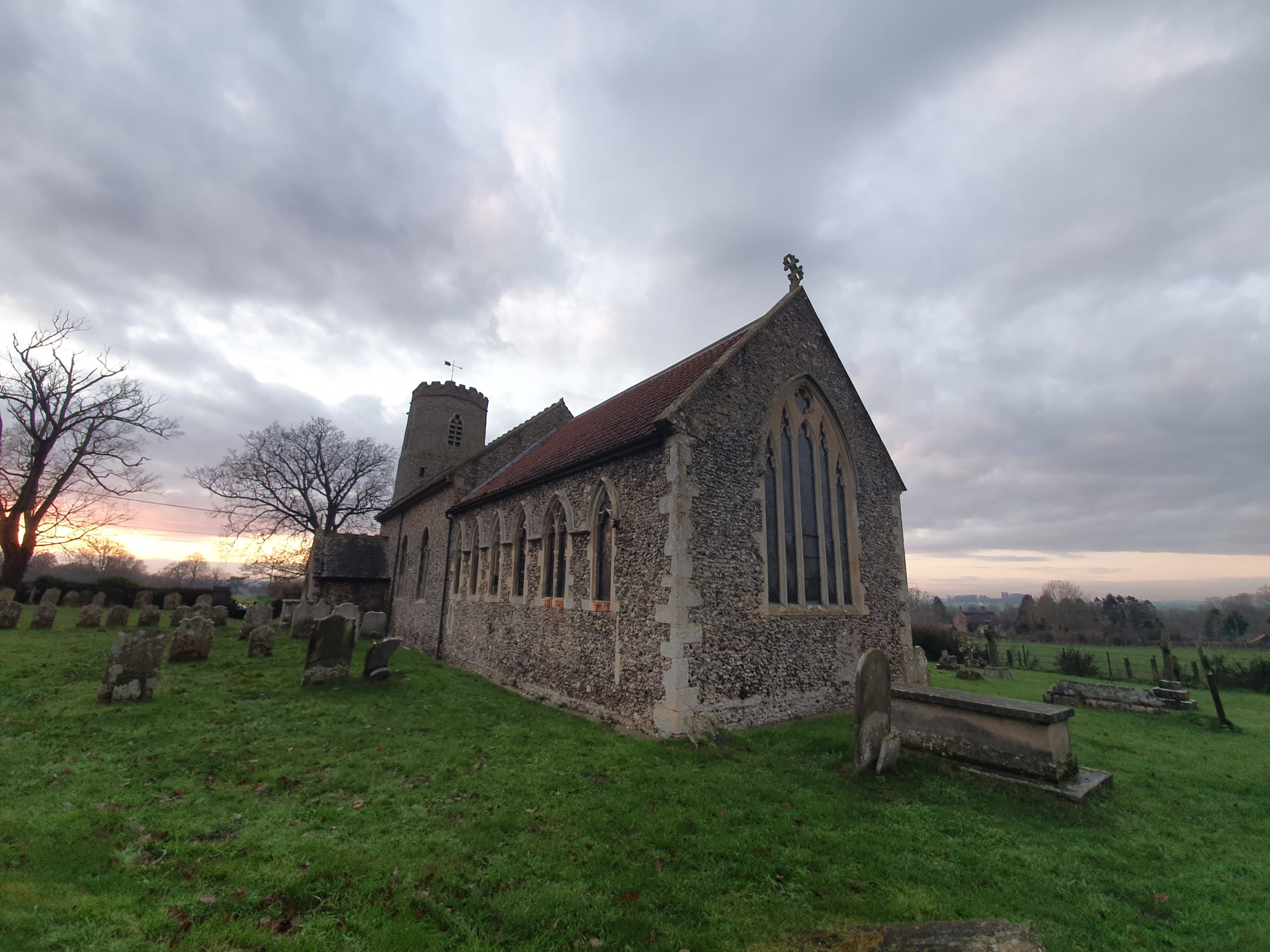
    I’m quite intrigued by the village name of Wramplingham, particularly how it hasn’t lost its ‘W’ over the years if it’s not pronounced. As an aside I’ll mention now, from 2003 until 2013, Bill Bryson lived in the village, quite a claim to fame (for the village I meant, although perhaps for him)…. Anyway, back to the village name, The Concise Oxford Dictionary of English Placenames notes:

    Wramplingham, Norfolk. Wranplincham in Domesday Book, Wramplingham in 1185. The first element is a tribal name, connected probably with words such as wramp ‘a twist’ (17th century), wrimpled (wrinkled, c.1430). It may be derived from a nickname formed from the base of these words.

    I think it’s fair to say that no-one has a clue exactly how this village got its name. It’s just that someone likely had a nickname of Wramp, and this was his homestead and that of his followers. But back to why this village name hasn’t become Ramplingham over the centuries. It seems (I had to look this up) that the ‘W’ was pronounced until sometime around the sixteenth or seventeenth centuries. As I understand, it was more of a hard ‘V’, so it might have been pronounced as Vramplingham.
  • Wramplingham – War Memorial

    Wramplingham – War Memorial

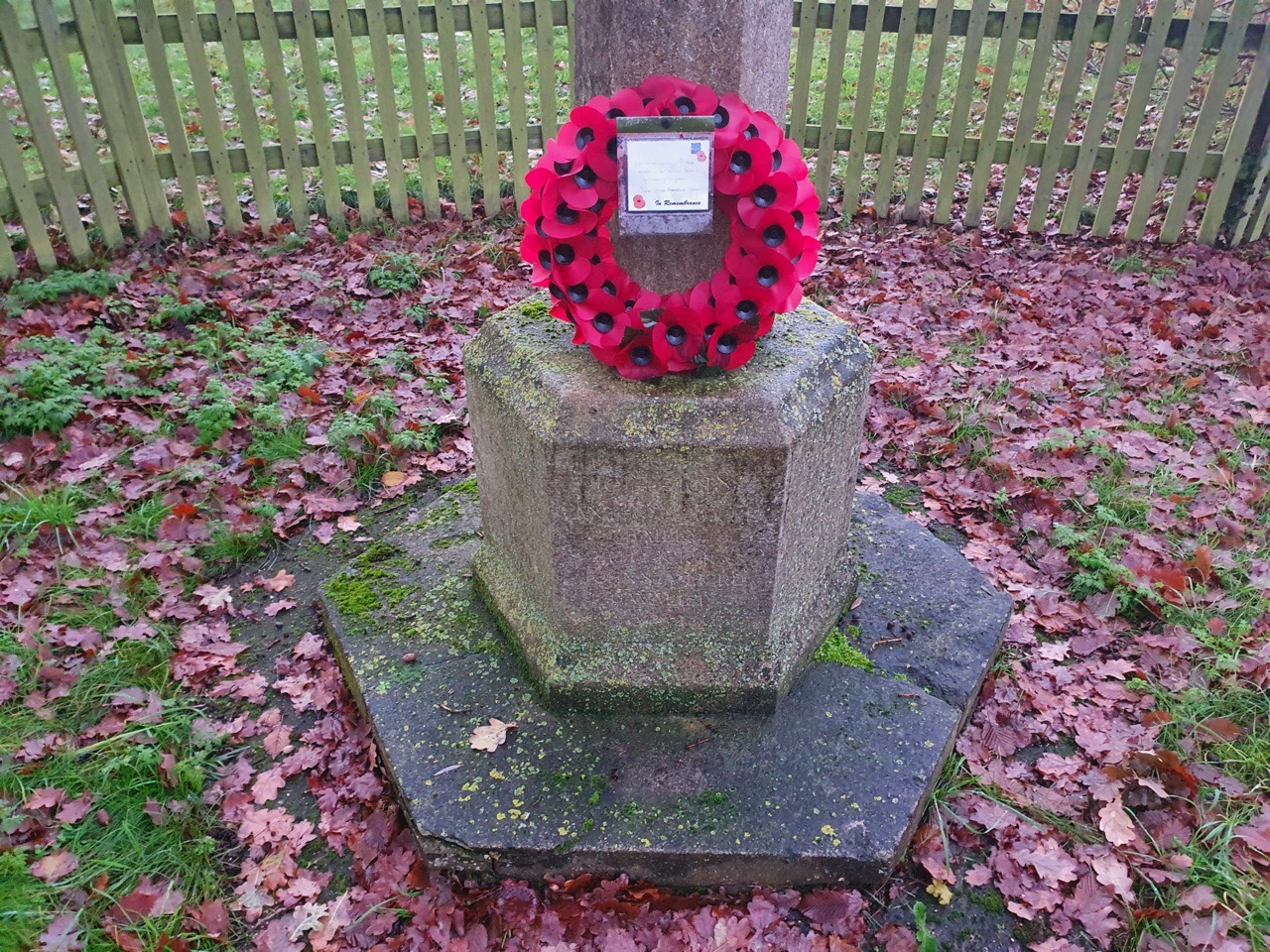
    Wramplingham War Memorial, which was unveiled in 1920 and is quite a tall and slender piece of stone. There were seven men killed from the parish during the First World War and one during the Second World War. This seems quite a high number for such a small village, especially as there were no Pals Regiments from Norfolk where friends were fight (and often die) together. Some of those who died didn’t live in the village, but had relatives here, but, it must still have been a great loss for Wramplingham.

    The names of those who died are listed on the stone, although they’re a little hard to read and some attention is needed here to restore them. Those who died in the First World War were:

    Arthur Yorke Bailey

    John Stanford Cavalier

    William Robert Collings

    John Robert Howes

    Frederick William Mitchell

    John Robert Oldfield

    Percival Ernest Thompson

    And, the following servicemen died during the Second World War:

    William Leonard Tolver

    There’s no point in me working through the histories of these individuals, as it has already been done at http://www.roll-of-honour.com/Norfolk/Wramplingham.html.

  • Great Melton – St. Mary’s Church

    Great Melton – St. Mary’s Church

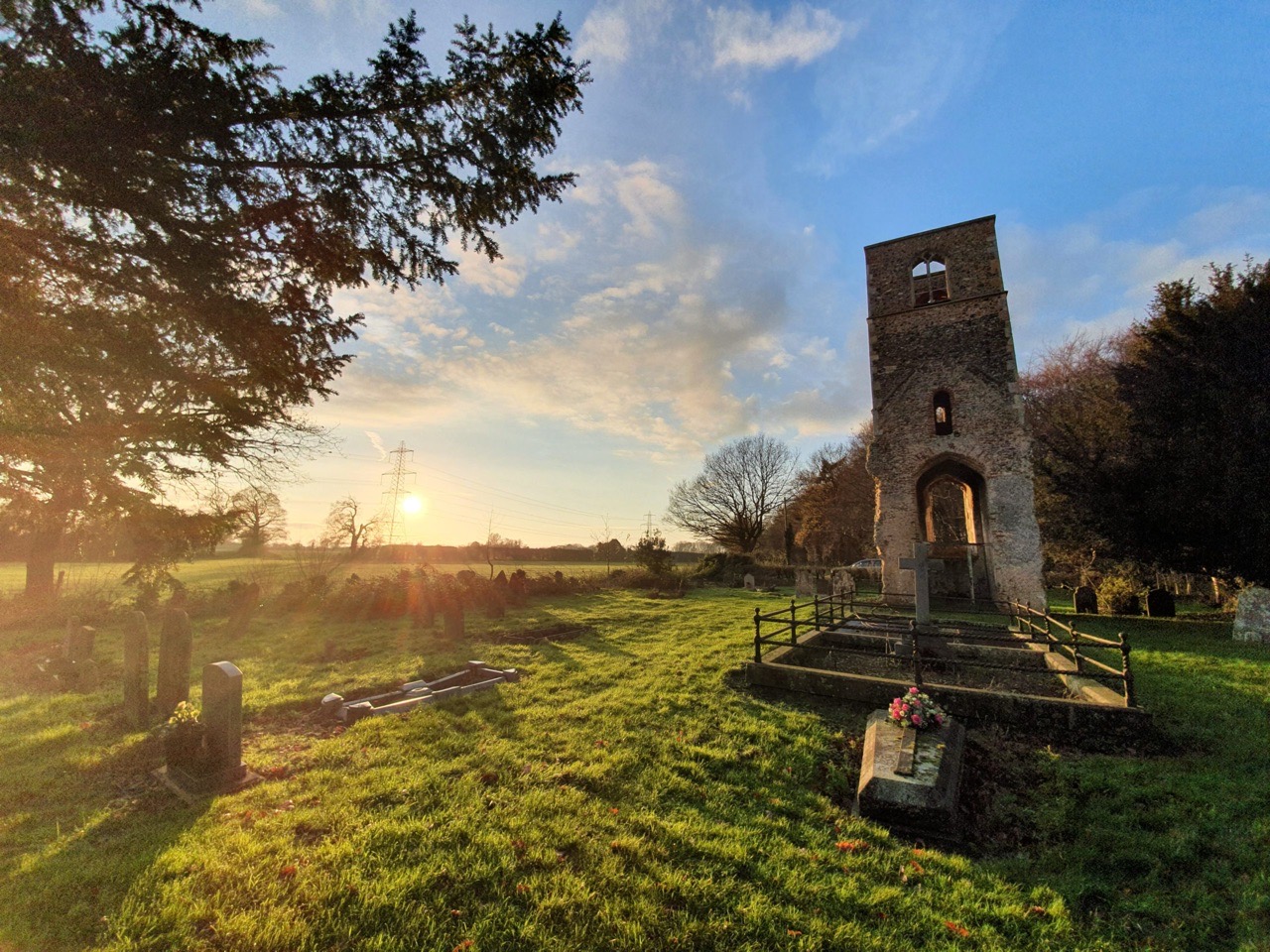
    St. Mary’s and All Saints’ share a churchyard in the village of Great Melton, similar to the situation in South Walsham.

    This is where the nave of St. Mary’s once stood (I’m standing in front of the tower to take the photo), with All Saints’ visible on the left. The churches were both independent until the eighteenth century, but then it was decided to merge the two and just use St. Mary’s. A decision was later made that St. Mary’s was too small, so they decided to fix up the by now roofless and slightly fallen down All Saints’ Church.

    The church remained in use until 1883, it’s a shame in my view that the Victorians decided to take down most of the building, although I understand that some of the stone was used in the rebuild of All Saints’. It was reported in the Thetford & Watton Times in 1883 that the locals did want to keep both, but given the lack of finances they wanted to preserve what they considered to be the more historic of the two churches, and that was All Saints which had Saxon origins.

    A trig mark at the base of the tower.

    Looking up at the tower, which is in pretty good shape. Well, bar the big holes in it. I understand that English Heritage have provided some money to secure it, which I think relates to the brickwork at the top as opposed to the bit of wood propping the walls up at the front of the photo.

    Rather beautiful….

    The tithe map, with St. Mary’s being the lower of the two churches.

    The enclosures map.

  • Wramplingham – Village Sign

    Wramplingham – Village Sign

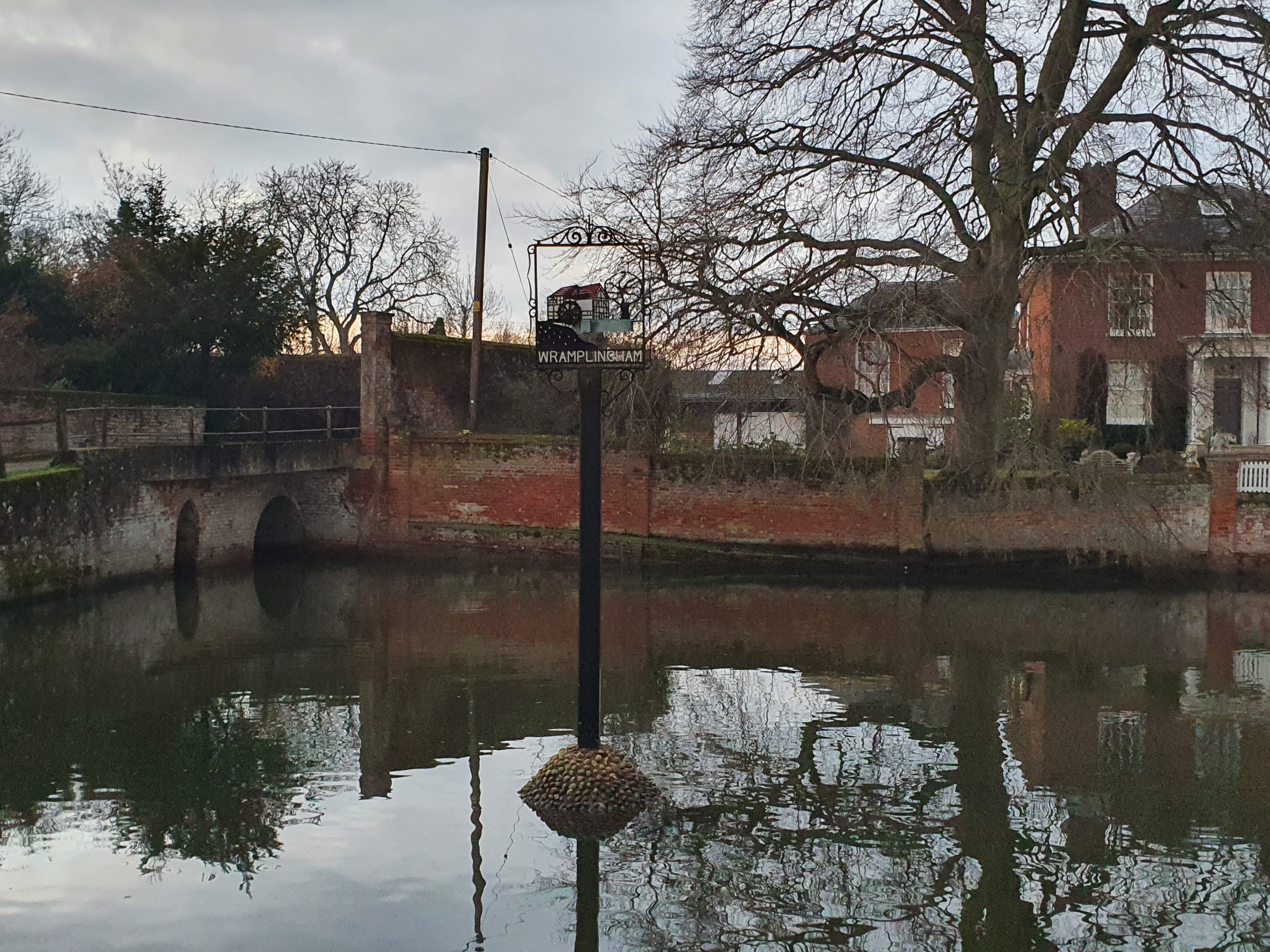
    I like this, Wramplingham village has, by design, placed its sign in the River Tiffey. I say by design as it’s in the water in all the photos that I can see.

    The sign itself features the water mill on which much of the village’s history is around, although the rather lovely mill itself was knocked down in 1945.

  • London – Kensington and Chelsea (Borough of) – National Army Museum (Letter to Wife of Man Killed)

    London – Kensington and Chelsea (Borough of) – National Army Museum (Letter to Wife of Man Killed)

    This letter (clicking on the image brings up a larger version) is in the collections of the National Army Museum and was written on 23 November 1915 by Corporal Kempstell to the wife of the killed soldier Harry J Baldwin. This must have been a traumatic letter to write, and of course to receive, although it’s been very thoughtfully done and doesn’t seem to have been taken too much from a template.

    The museum notes that the place of death is never given, although there’s an address at the top of the letter which is the 2nd King’s Royal Rifles in France. I can find details of only one Harry Baldwin dying in 1915 and that person died on 22 November 1915, so I assume it must be the same one unless there’s something of a coincidence. Given that, the letter is nonsense, as Harry died in Basra fighting the Ottomans, so he wouldn’t likely have been killed by a German shell. Harry was buried near Basra, at a war cemetery which was moved to a new location in 1997.

    If it is the case that it’s the same Harry who died in Basra, I’m not entirely sure that the wife would have believed the rest of the letter when the truth came out.

  • Norwich – Earlham Cemetery (Alan George Gibling)

    Norwich – Earlham Cemetery (Alan George Gibling)

    This is the war grave of Alan George Gibling, located at Earlham Cemetery in the main area and not within the military section. I can’t find out anything about his period in the First World War itself, but the story here (for me anyway) is that this is the first time I’ve submitted a request for the CWGC to change information on their web-site.

    But, going back a bit, Alan was born on 3 June 1896, the son of George Joseph Gibling and Ellen Gibling (nee Dix). At the 1901 census, he was living with his parents and his brother John Charles and his sister Margaret Ellen, as well as a servant Baldry Gibling, although it’s confusing why she shared the same surname with no obvious family links. They lived at 191 College Road in the city and Alan was educated at Avenue Road School and then at the City of Norwich School between 1 September 1908 and 20 July 1912.

    At the 1911 census, the family were still living in the same property and this time the family has been joined by Geoffrey Dix, with the servant now 19-year old Alice Nichols. This census also reveals that George and Ellen lost one child at some point during their marriage.

    Alan’s war records seem to have been lost in the fire during the Second World War, as so many were, but he joined the Norfolk Regiment, but I’m not sure whether or not he would have seen active service. Alan died on home soil on 17 October 1915 at the age of 19.

    Back to the CWGC, the record on their web-site lists him as Allen George, and I wonder whether someone has looked at his mother’s name and got muddled up. Mistakes are not uncommon due to the challenging way that the information was gathered around a century ago, with the CWGC noting they make changes to their database most days based on details provided. All of the other war details, mentions on war memorials, his school records and censuses have him listed as Alan George. I was going to just leave the CWGC record incorrect rather than spend time compiling the evidence that they required, but it seemed the right thing to do for Alan’s permanent record to be correct.

    Although we’ll likely now find out that I’ve misunderstood something and no change is needed, but we shall see….

  • London – Kensington and Chelsea (Borough of) – National Army Museum (Bombardier Beer Pump)

    London – Kensington and Chelsea (Borough of) – National Army Museum (Bombardier Beer Pump)

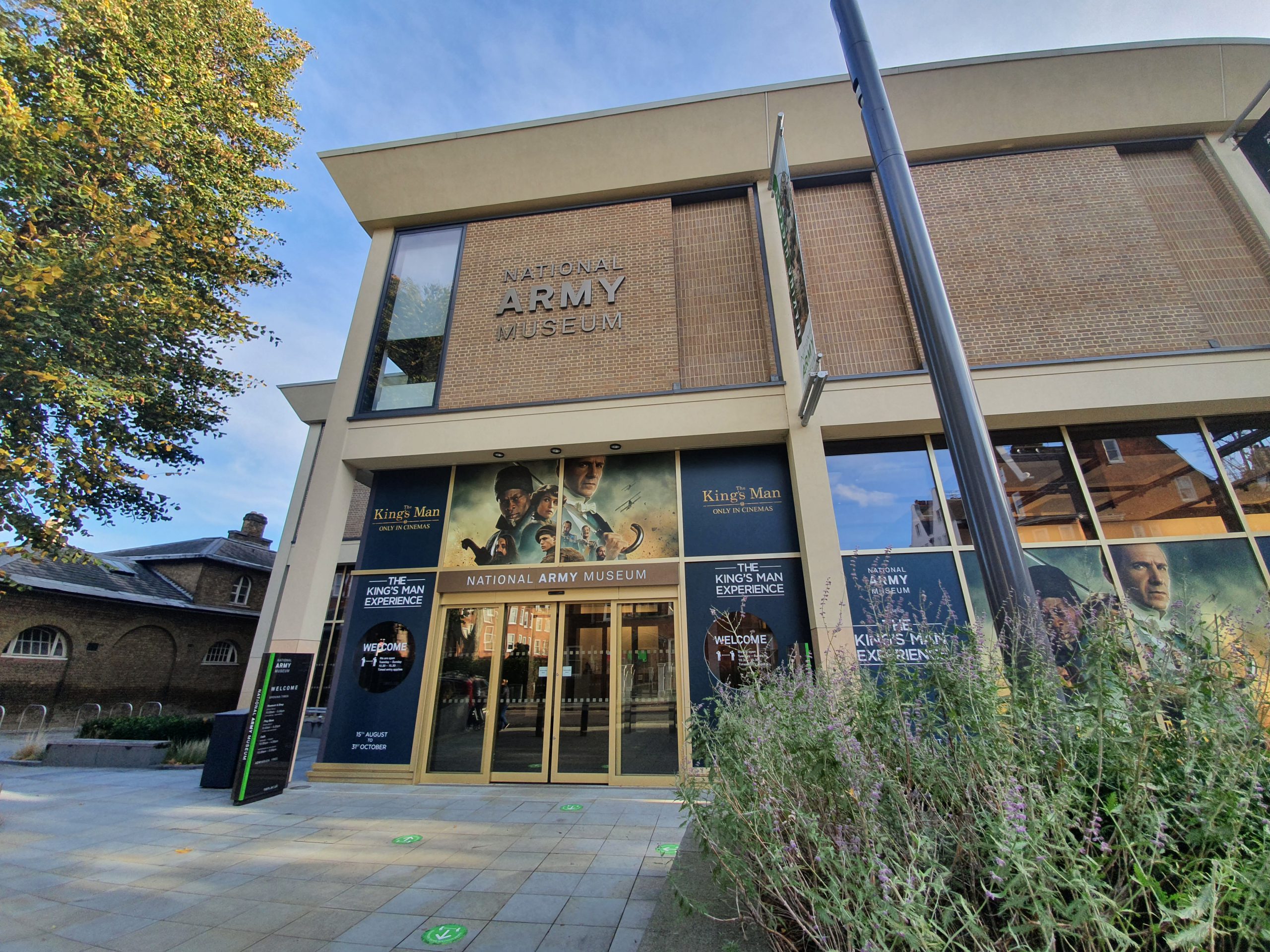
    This is an exhibit from the rather wonderful National Army Museum and, as another of my irrelevant asides, it’s a word that I always have to think to pronounce. In this case, the beer from Wells Brewery is pronounced as the English military word, whereas if talking about the French Canadian multi-national Bombardier train and aviation company, it’s the different French pronunciation.

    As for beer, and this pump was donated to the museum in 2015, it was marketed for a time as the “beer of England”, although that was somewhat aspirational branding. There was some controversy a couple of years ago when the pump clip moved away from the traditional one in the photo, with the St George’s Flag in the background, towards a more generic style. The brewers perhaps felt that the claim of being the ‘beer of England’ was not really based in reality, so they’re kept the new generic branding and changed their claim to it being a “British beer”. This, to be fair, is now accurate.

  • Dictionary of the Vulgar Tongue – Day 241

    Dictionary of the Vulgar Tongue – Day 241

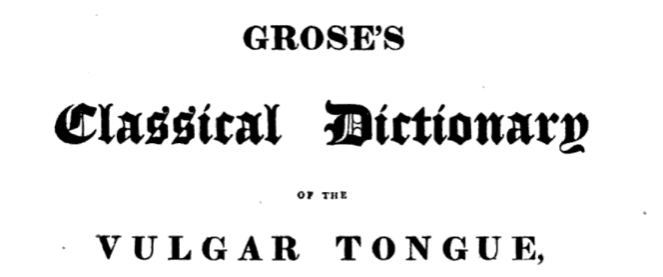
    The Dictionary of the Vulgar Tongue was first published at the end of the eighteenth century, and given that the current health crisis is giving too much time to read books, I thought I’d pick a daily word from it until I got bored….

    Paviour’s Workshop

    This is another definition that I can’t add much to, but is another one that I like, defined by Grose as “the street”. The phrase was in use from the late eighteenth century to the mid nineteenth century and I do wonder whether it was just easier to say ‘street’, but it makes it sound more exotic. The word ‘paviour’ has changed meaning since this phrase was in usage, as today it’s all about it being a stone that’s used in garden design. However, the old use for the word was to describe the job title of someone who laid paving stones on streets and although it’s not a common surname, that’s where that is from.

    Just referring to the word ‘paviour’ on its own, this fell out of usage towards the end of the nineteenth century. The job of laying stone became less of a specialist one and the construction of almost endless new roads meant that this quite specific element of the job became less relevant.

  • Poznan – Old Zoo

    Poznan – Old Zoo

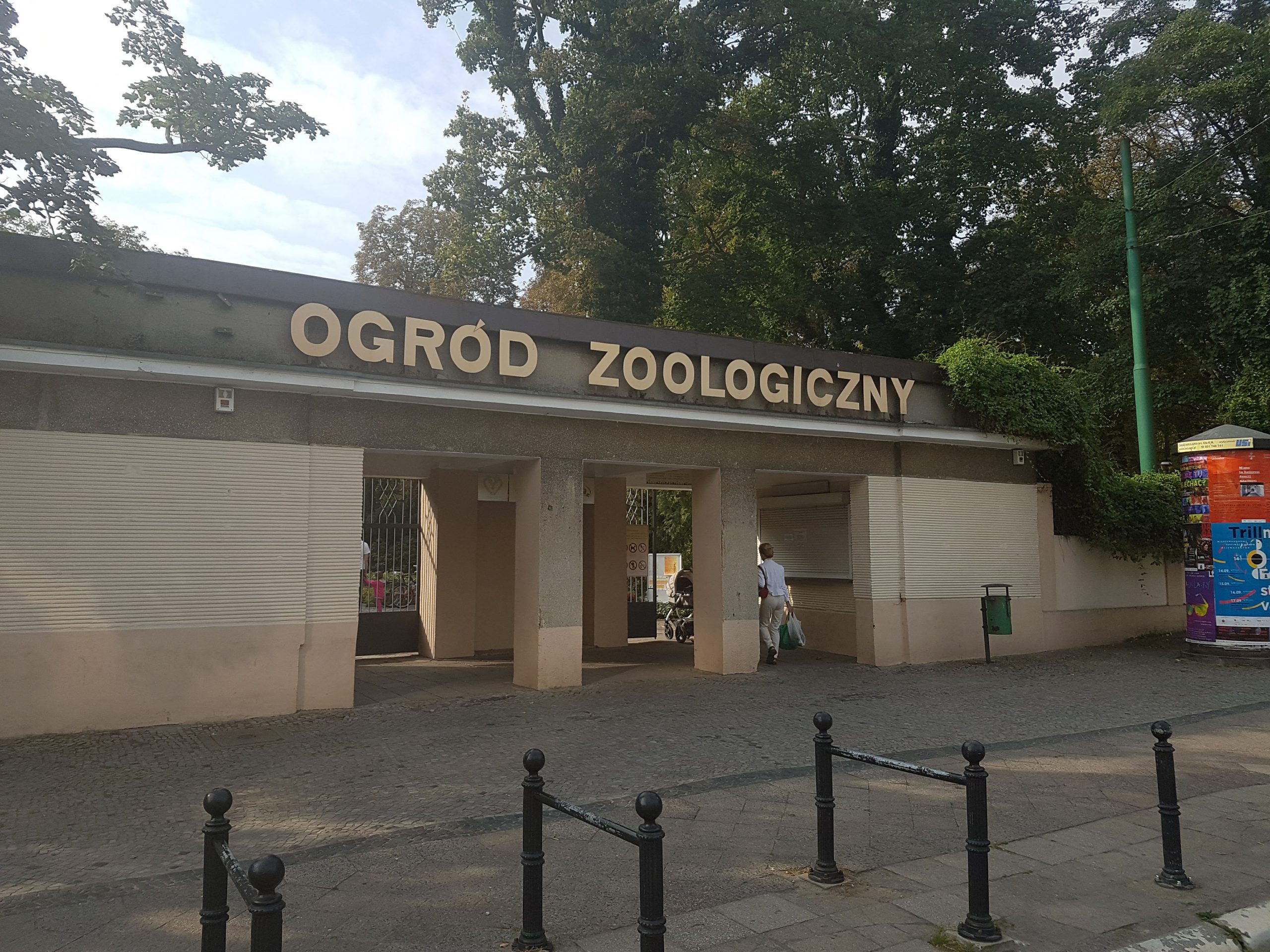
    This zoo opened in 1874 and it remained the city’s main zoo until 1974, when the New Zoo partly replaced it as it no longer offered enough space for the animals. This location is much nearer to the city centre and I rather liked it, primarily focused on reptiles but still with plenty to see. It was relatively quiet when I visited, with plenty of space for the animals and reptiles that remained, with entry today being free to enter the park area and it was just over £1 to see the reptile house. I don’t like snakes in general, but I like looking at them through glass.

    Anyway, this post is primarily photos from my visit in 2016…..


  • Poznan – Lech Brewery Tour

    Poznan – Lech Brewery Tour

    These photos are from my visit to the Lech Brewery in Poznan back in 2016, although I’m disappointed to see that they have now been permanently discontinued.

    I managed to arrive a few minutes late due to circumstances beyond my control (I got a bit lost) and was rather nervous that I had kept around 50 people waiting when I saw the assembled crowd. It transpired that this group was for the Polish tour, whereas the tour English had just me and two Irishmen on it. They seemed to drink a lot of Guinness.

    There was a walk across the brewery site to start with and the tour guide was enthusiastic and keen. He didn’t actually work for the brewery and was instead trained by them to offer the tours, but he was very engaged with the whole thing, so it was a good choice. However, he admitted that the brewery had told him that real ale wasn’t really going to take off in mainland Europe and it was becoming less popular in the UK. I suspect that was more wishful thinking from the brewery management, and I’m not sure that Lech has made much progress in the direction of real ale or craft beer at all.

    My knowledge of the brewing process is limited, primarily as I seem to fail to be able to grasp anything scientific. I think I just like looking round factories and then having a drink, but I remember it was sufficiently interesting.

    A model of the site.

    At the end of the tour there was a drink provided at the brewery’s own bar.

    This is a very poor photo, especially as I must have forgotten to take one when the glass was full (and that’s how it started off). I was also given a Lech bottle opener which I still have and is one of my favourite bottle openers (insomuch that I have favourites….)

    Anyway, the tour was cheap to go on, the guide was engaging (and spoke English fluently), everything look sparklingly clean everywhere and the beer was as good as Lech gets. Since I visited the company has been taken over by Asahi Breweries and it’s disappointing they’ve chosen to stop tours entirely. I can’t confess to being a huge fan of Lech beer (and their reviews on Untappd are painful to look at) but I was impressed at the professionalism that was visible at the brewery itself.