On the 29 to 31 May 2021, the LDWA’s 100 mile event will be taking place. Unfortunately, national restrictions mean that the Y 100 Sir Fynwy won’t be taking place as hoped, when in more normal times the South Wales group would have welcomed hundreds of walkers. Instead, there is the chance for entrants to walk a 100-mile route of their choice anywhere in the country, so the event has more of a national feel this year. And it’s fine to enter to do a shorter distance, with anyone walking 50 miles in 24 hours qualifying for the 2022 Trans-Pennine 100.
I’m taking part in the 100 and I’ve been compiling some resources relating to that. When the new LDWA web-site is launched, this and lots more other material relating to the event will be copied there. Over the next few weeks, I’m speaking (well, writing) to entrants on the 100 and following their efforts up to, and after, the big day. We’ll be using the text from these interviews and updates on social media and also perhaps in Strider, the LDWA’s rather excellent magazine which is sent to our 10,000 members. Hopefully it’ll help inform, educate and inspire others to take part or become involved with the LDWA in other ways.
For anyone who wants to take part in the event, have a look at the SI Entries page, or further information at the LDWA’s web-site.
And this interview is with Julie Cribb, the new national chair of the LDWA, and she’s on top form (I have already received Twixes, she’s world class at her role)! I’m pleased to say that the crowds of mourners wailing and crying following the departure of Dave Morgan as national chair have now dispersed from the streets of Norwich, they’ve now been energised with hope for the future. Julie has been the rather excellent, and I won’t say formidable (as that makes her sound scary, and she’s not!) groups’ secretary for the last few years and will be much missed in that role. Anyway, that’s enough praise, I don’t want to look fawning.
Incidentally, Julie must also have a better support team than Nathan and I are planning for our walk, because there’s no way ours is good enough to stop us giving up….. I’m very excited about the shortbread in 2024, although a little less excited about the haggis (unless it comes in some form of pastry covering, which improves most food, even vegetables).

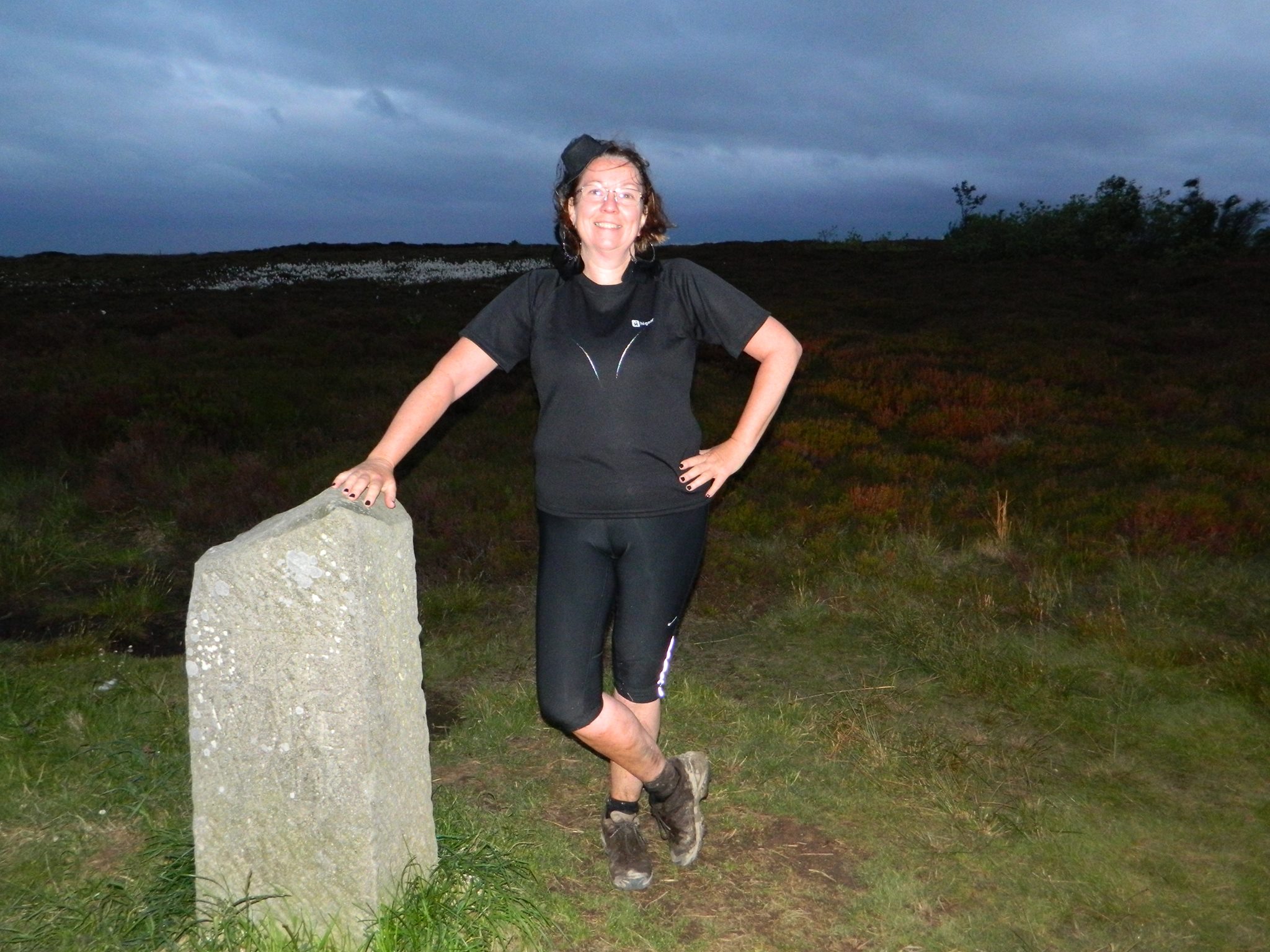
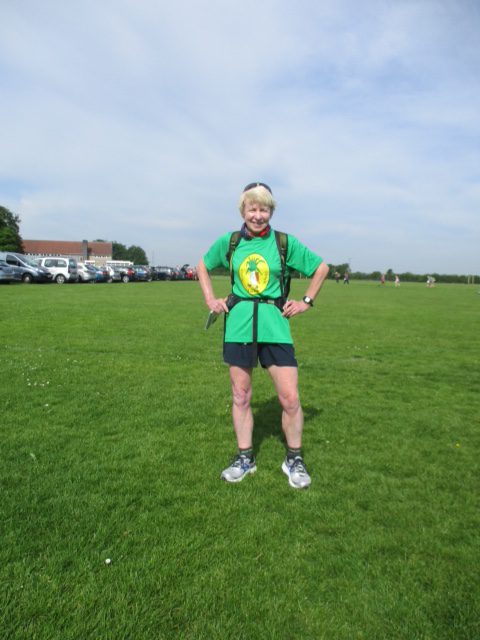
This photo is of Julie during the Lyke Wake Walk, which she very bravely did in all black, with a little hat and black lace veil, black lace gloves and black nail varnish and make up and big black feathery earrings – as she notes definitely befits the Coffin Walk. And Julie admits to getting some strange looks. And before Nathan asks, no, we’re not.
Is this your first 100?
No – I started the Dorset 100 but withdrew just before the breakfast stop – don’t ask – that’s another (long) story! [don’t worry, I’ll get the gossip on that in due course] I have done non-LDWA long distance events in the past though and have really enjoyed those.
What route are you planning to take?
I live in Inverness, about 10 miles from Loch Ness. There are three trails that now make up the Loch Ness 360 route – The Trail of the 7 Lochs, the South Loch Ness Trail and the Great Glen Way. By joining these I can make up around 90 miles and by adding on around 10 miles at the end by finishing over the Iron Age Hill Fort and going along to the end of the Caledonian Canal it should be 100+ miles by the time I get back home. It also means I pass a really good cafe and a McDonalds just before the end! Don’t know if I’m allowed to name names? [well, I do, quite frequently, and perhaps even obsessively]
Are you following a GPX route, a map, or do you already know your route well?
All 3. I have all the maps and we are recceing the whole route over 7 sections, getting the gpx plots as we do the recces. I have walked all of these trails many times, but usually in the opposite direction to that which I’ll be doing on the event.
What training are you undertaking at the moment?
We are recceing a section every other weekend and doing longer walks or hill walks in the weekends in between. I’d like to build up to 30 mile walks during March and April before tapering in May, when I plan to do a long distance path covering around 10-15 miles a day for 14 days. We are also recceing the probable night sections at night.
Do you think this will be easier or harder than the actual 100 that is traditionally held?
Much easier. Travelling from Inverness to anywhere else usually means leaving at least two days beforehand and a long drive or train journey, then a couple of nights in a strange bed and getting up at an unearthly time to get to the start and register. Unless you carry all your food you need to depend on what the checkpoints offer – which is usually great – but often not what I would choose myself. Doing it this way I can sleep in my own bed, get up and start when I want, not be stiff from travelling, eat and drink what I want more or less when I want and give instructions to my support team to not let me give in!
Your group, North West Grampian, is organising the 100 event in 2024 (the Speyside 100), how much work is that entailing so far? Any suggestions at this stage about what food treats the entrants might expect?
We suspended planning in 2020 due to Covid and the deferment of the YSF100, so at the moment we have an Organising Group, a route, an HQ and most of the checkpoints covered. We are about to get started again with planning meetings. As far as tasty treats go – Haggis of course (only kidding). Lots of shortbread and tablet (like fudge but different) and depending on catering regulations in 2024 we will have our Dream Team back in the kitchen at event HQ.
As an aside, will your route in 2024 be really hilly?
It’s on the border of the northern Cairngorm – nuff said! [hmmmm, it’s not selling it to me as someone from Norfolk, so I’ll focus on the food side of things….]
What food treats are you taking with you?
Cheese straws, rice pudding, hot cross buns with cheese and jam, mini-melton pork pies and Percy Pigs. My back up team will hopefully be able to provide burgers, pizza and other hot food by order for the main meal stops. We are hoping the cafes in Fort Augustus will be open for breakfast on the day. [some nice choices there! Although there’s arguably more to doing an event than just thinking about the food]
Will there be any whisky consumed en route?
I don’t take alcohol during a walk but there will be several cans of draught Guinness in the fridge for the finish and if I make the 100 there will even be a bottle of bubbly on ice.
What tactics do you think you’ll use if you feel like giving up on the walk?
I have an A4 laminated sheet with inspirational and motivational sayings that my daughter has strict instructions to wave under my nose at every checkpoint! My main technique though is to walk to the next end of section. Never look too far ahead and then you can always make it. I like doing complicated planning and calculations in my head while I walk to pass the time too. And there may be others around – it’s a popular time on popular trails.
Are there any wildlife that you’re concerned about meeting on the walk? Sheep, cows, snakes, Loch Ness monsters, pigs, or anything else?!
Nessie is our friend and I’ll be joining her for a swim at the end to ease my tired legs :-). Not really concerned about meeting anything though the eyes in the night can be a bit startling at times. I try to avoid frogs – but that’s another story too!
Do you have any foot care tips?
I am definitely not the one to give out foot care tips – my feet have been in a terrible state since a very wet walk on the Lairig Ghru several years ago and they never recovered (at least I didn’t try hard enough to let them mend before trashing them again and again!)
Will you have anyone cheering you on and giving encouragement during the walk?
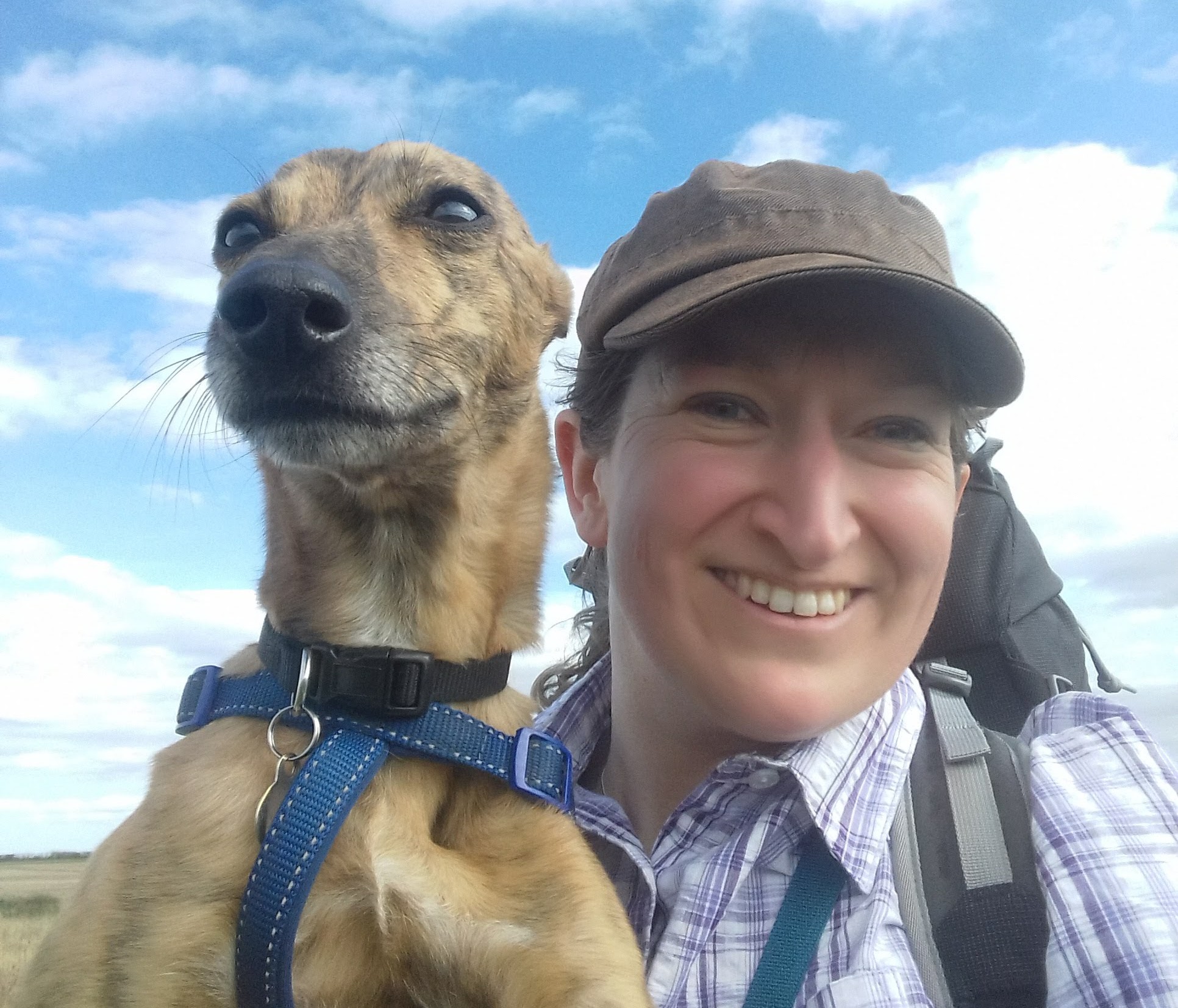
Our ‘bubble’ walk and swim buddy is planning on doing two sections with us (one of my daughters is going to try the 100 but will be happy to get to over 50), perhaps going into the first night and then the last 20 miles. My eldest daughter will be main car back up, catering manager and chief cheerleader. My husband will also support when he can. Youngest daughter will deliver and collect our canine walking companion from time to time on sections he will be safe on. He is always fun to walk with.
Would you say you’re looking forward to it?
Tremendously. It’s a walk – who wouldn’t be? [I’m dreading the damn thing, but I’m sure I’ll enjoy it when I get going]
Do you have a time in mind of how long it’ll take you to finish?
I’d like it to be 37-40 hours but we have agreed we will try and stay together through the first night if possible – so timing may be different to planned.
Do you have any advice for others, one top tip about long distance walking?
Set out to enjoy it and take it stage by stage but don’t stop too long at any point as it’s amazing how time can add up over a number of checkpoint stops.
What would you say to anyone thinking about entering the 100, or thinking about doing a 50 mile challenge event, who might be a bit nervous?
It’s a walk – don’t overthink it and you may even enjoy it. After all you have nothing to lose – what else would you be doing that weekend that you can’t do another time?
Finally, congratulations on becoming LDWA chair, how have you enjoyed your first few days?
Thank you. I’ve focussed on two main things – taking over the social media accounts from David and getting to grips with those and getting to know the NEC members and their roles better on a one-to-one basis. I have thoroughly enjoyed doing both but will probably have to get on with some real work soon!