Author: admin

  • Bucharest – National Museum of Art (Cotroceni Monastery Iconostasis)

    Bucharest – National Museum of Art (Cotroceni Monastery Iconostasis)

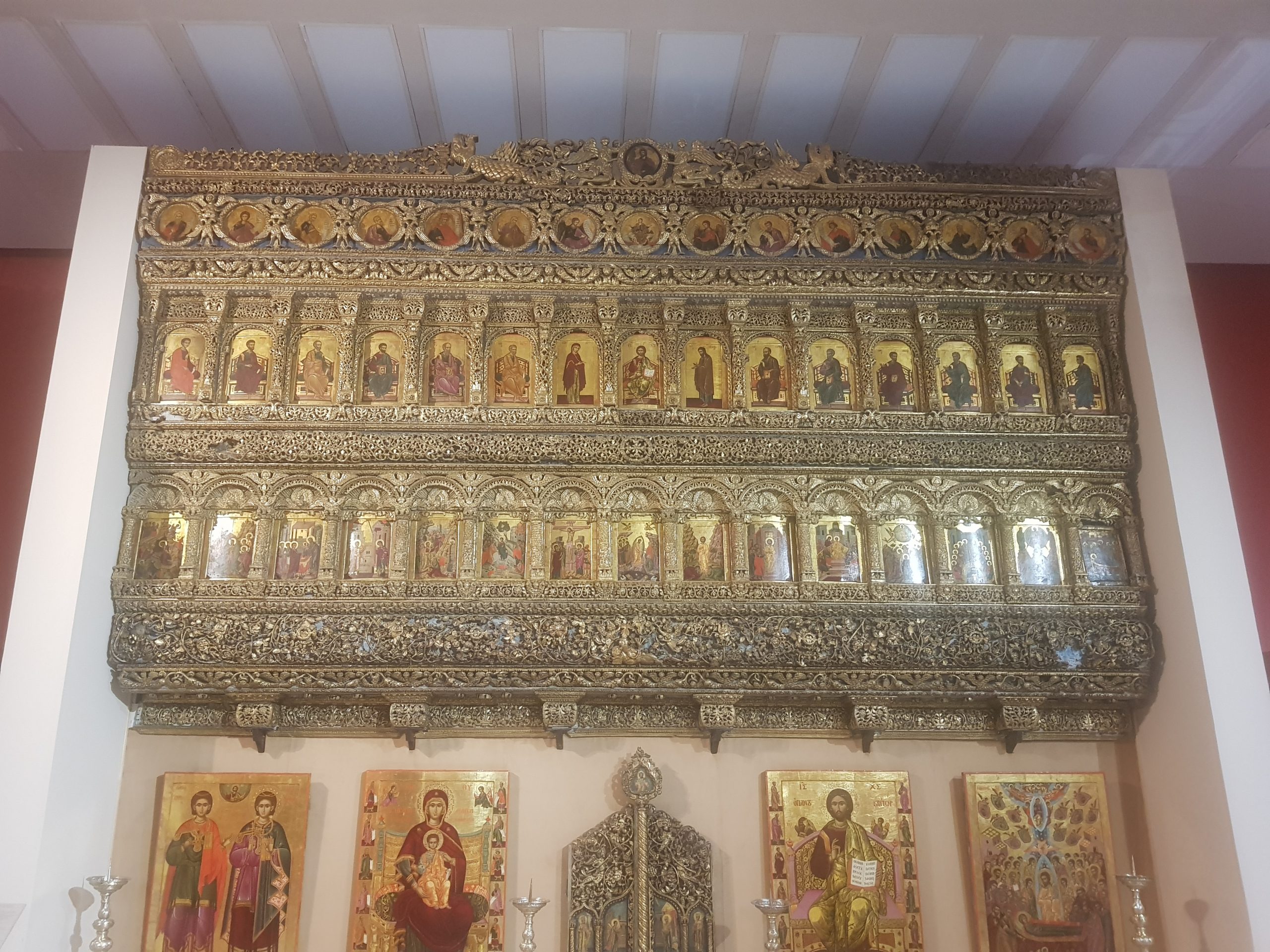
    This iconostatsis hid what was happening in the altar from the congregation, adding some mystery to the proceedings.

    The bottom line of icons represent various Biblical scenes, the Nativity, the Baptism, the Presentation in the Temple, the Annunciation, the Raising of Lazarus, the Entry into Jerusalem, the Crucifixion, the Resurrection, the Holy Women at the Sepulchre, the Incredulity of Thomas, Jesus among the Doctors, the Ascension, the Pentecost, the Transfiguration and the Dormition of the Virgin.

    The middle line of icons include the Apostles, with Jesus Christ in the centre and the Virgin Mary to the left of him. The top row are the prophets.

    A close-up of this rather beautiful piece of religious heritage.

    This is from Cotroceni Monastery in Bucharest and it’s thought that the icons were painted by Constantinos in around 1680.
  • Bucharest – National Museum of Art (Four Gospels Book from 1555)

    Bucharest – National Museum of Art (Four Gospels Book from 1555)

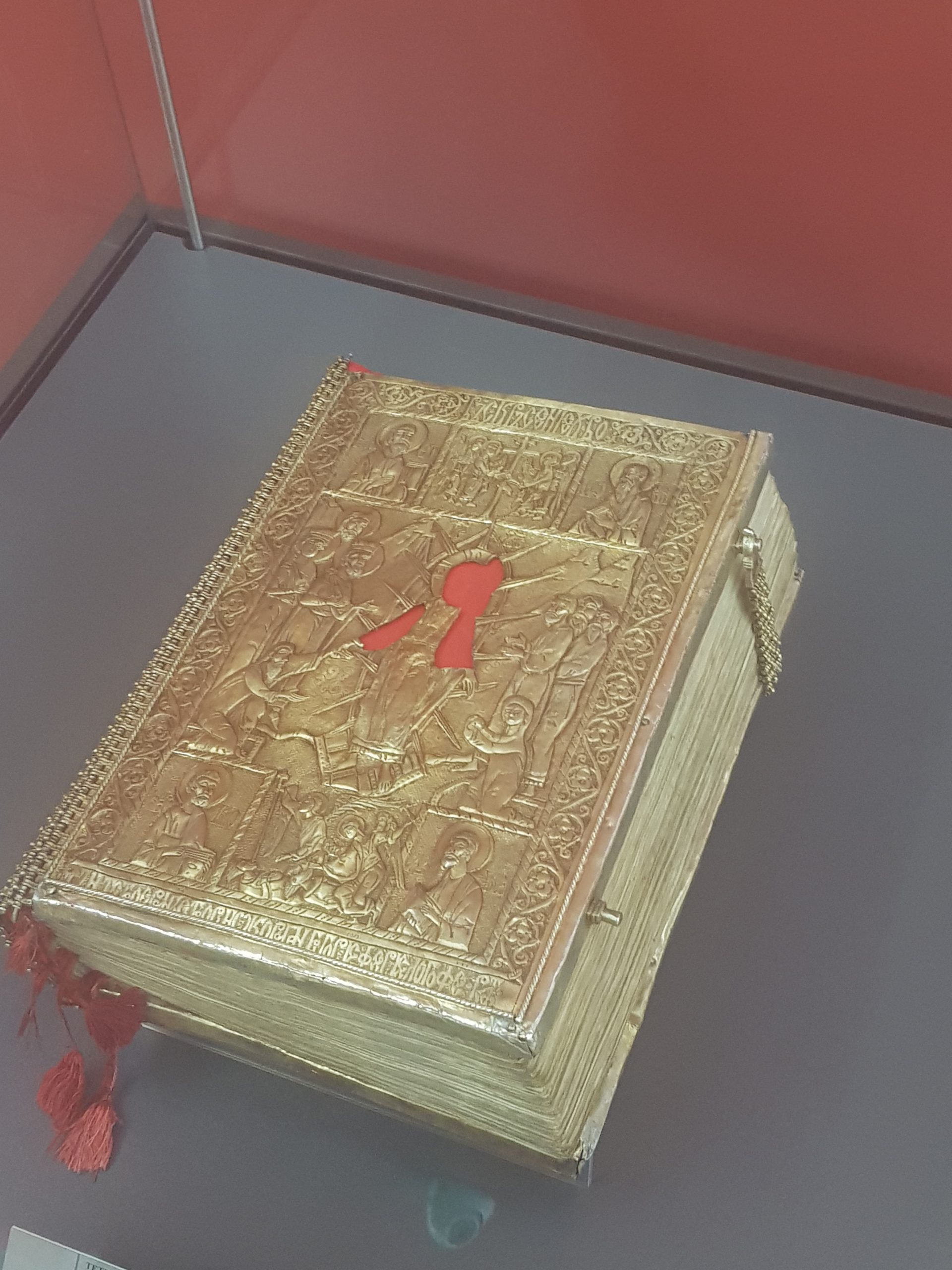
    Ooooh, I love an old book, think of the history of where this book has been and how it has survived over the centuries. This one is an illuminated Slavonic manuscript on parchment which was copied by monk Evloghie.

  • Bucharest – National Museum of Art (Cincis Church Fresco Fragments)

    Bucharest – National Museum of Art (Cincis Church Fresco Fragments)

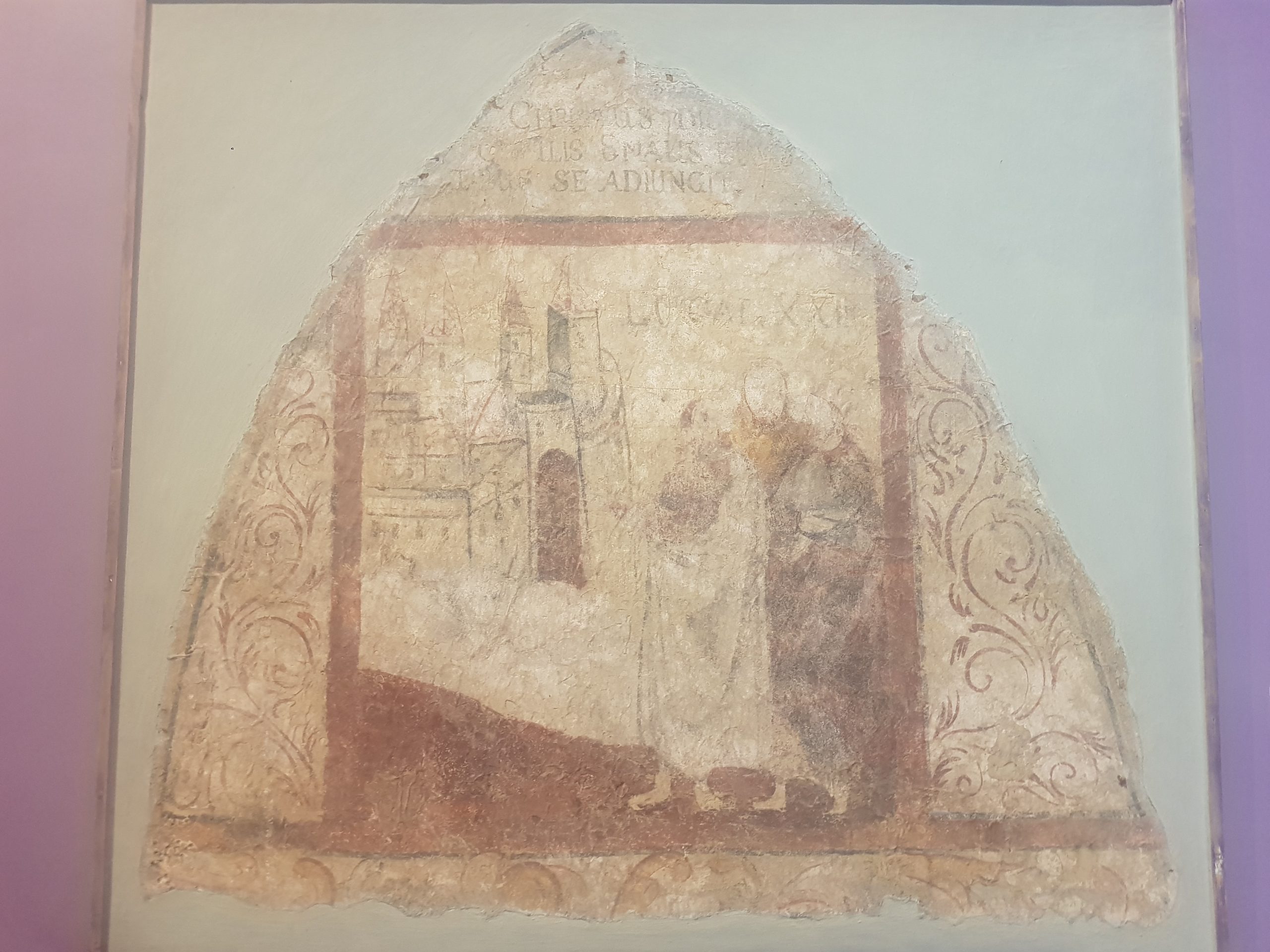
    This is a sixteenth century wall fresco depicting the Journey to Emmaus. It’s been taken from a church in Cincis, I think as the building is in a poor state.

    This one, from the same church, depicts the Incredulity of Thomas. This is from when one of the apostles wanted to see Jesus’s injuries for himself, rather than just believing what he was told. It’s where the phrase doubting Thomas comes from….

    Nice fragments and not over-restored.

  • Bucharest – National Museum of Art (Crucifix)

    Bucharest – National Museum of Art (Crucifix)

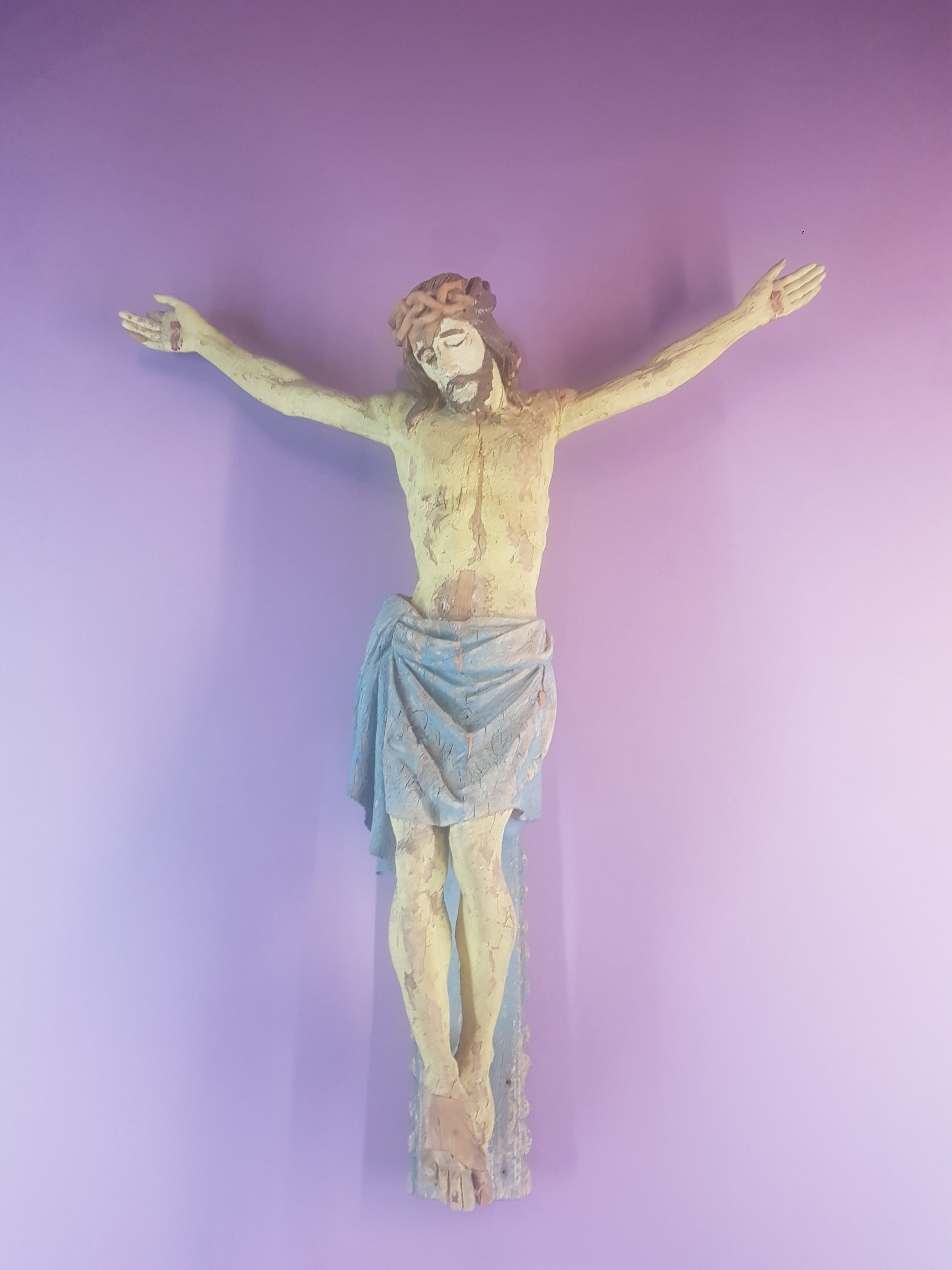
    There’s perhaps nothing exceptional about this sixteenth century polychrome wooden crucifix, but it’s well presented and that’s added some mystery to it. It’s from Transylvania, but its history is otherwise unrecorded.

  • Bucharest – National Museum of Art (Curtea de Arges Fresco Fragments)

    Bucharest – National Museum of Art (Curtea de Arges Fresco Fragments)

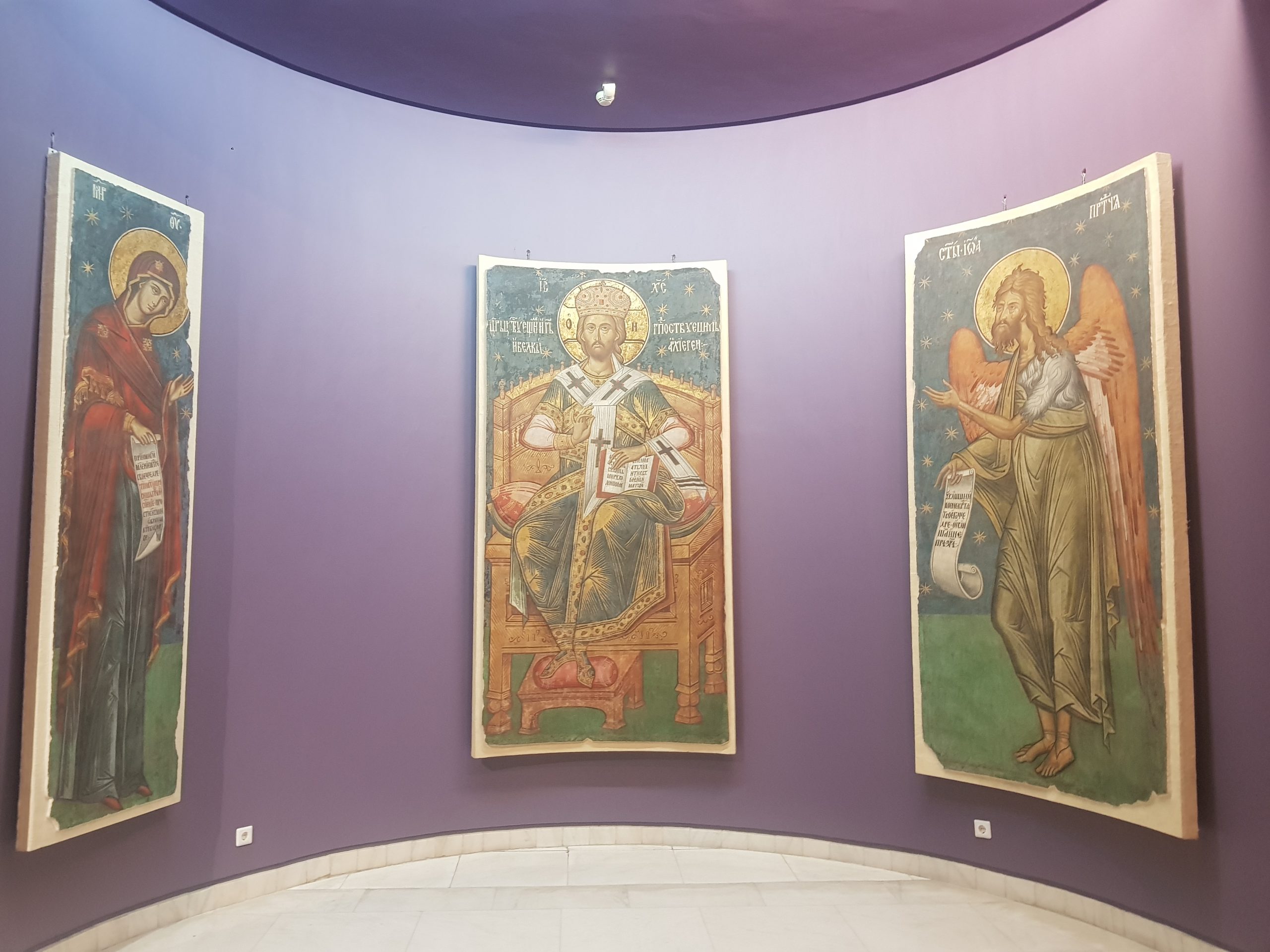
    Well, these are lovely, they’re fresco fragments taken from Curtea de Arges cathedral when it was reconstructed in 1883. Quite why, I don’t know, they were painted by Dobromir in 1526 and they seem to me to be a loss to the building, which is still standing.

    The three images in the main photo are the Virgin, Bishop Christ and St. John the Baptist.

    St. Loup, St. Eustice-Placide, St. Agapius and St. Arethas.

    The partly visible one on the left is Prince Petru’s son, Marco. Then St. James the Persian, St. Phanourios, St. Nestor, St. Demetre, St. Georges, St. Theodore Tiron and St. Nicholas.

    The museum has presented them well, although they appear heavily restored.

  • Bucharest – Ceaușescu’s Final Speech

    Bucharest – Ceaușescu’s Final Speech

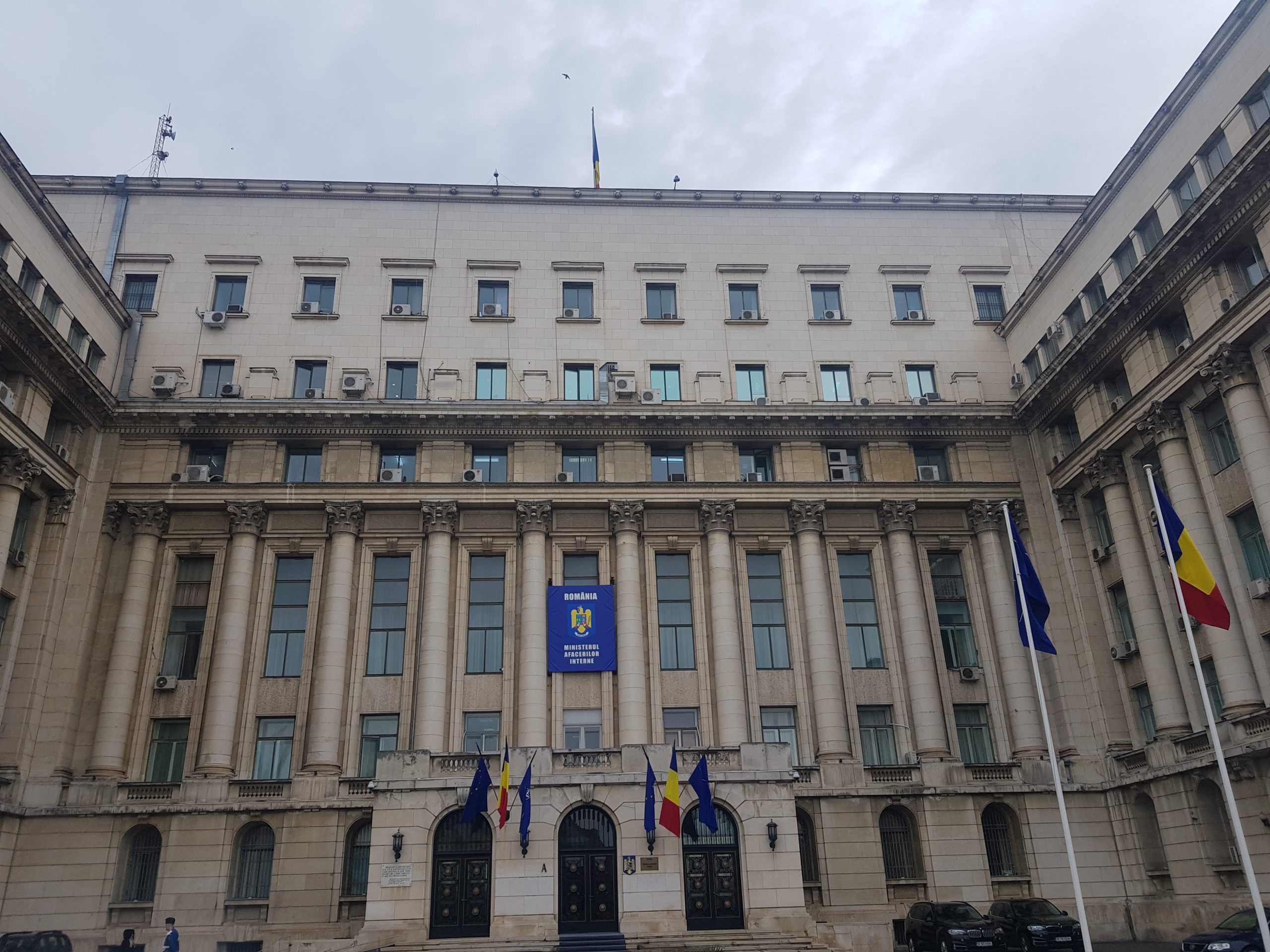
    The above photo is a little wonky…. It’s of the Ministry of the Interior building which was constructed between 1939 until 1950, although it was taken over by the Central Committee of the Labour Party in 1958. It was used by Nicolae Ceaușescu and he had his office on the first floor of the building.

    Anyway, on 21 December 1989, the world’s attention was drawn to this spot when Ceaușescu made one of the most infamous speeches of the twentieth century. Ceaușescu spoke of the freedom that the Romanian people had, although he forgot to mention that he ordered the state media not to mention that the Berlin Wall had fallen just weeks before. As the speech started to go wrong, Ceaușescu then tried to bribe the people in the square with wage increases, but to his entire confusion, the crowd didn’t believe him any more. The video footage of the speech is on Youtube and so badly did it go, his security detail removed him from the balcony.

    History can judge why on earth Ceaușescu had let himself be re-elected as leader for five years (although, not really elected…..) on 24 November 1989, as the rest of the eastern Europe was descending into peaceful revolution. His future was clearly over and at that point he could have likely fled to safety to ensure that he could live out the rest of his life in at least relative comfort. After Ceaușescu’s speech, the city descended into chaos as the building was raided and he was forced to flee by helicopter. He was captured the day after and, along with his wife Elena Ceaușescu, they were assassinated by a firing squad after a brief show trial.

    A sign indicating what happened here at the building, which is now once again used by the Ministry of the Interior.

  • Bucharest – Polen

    Bucharest – Polen

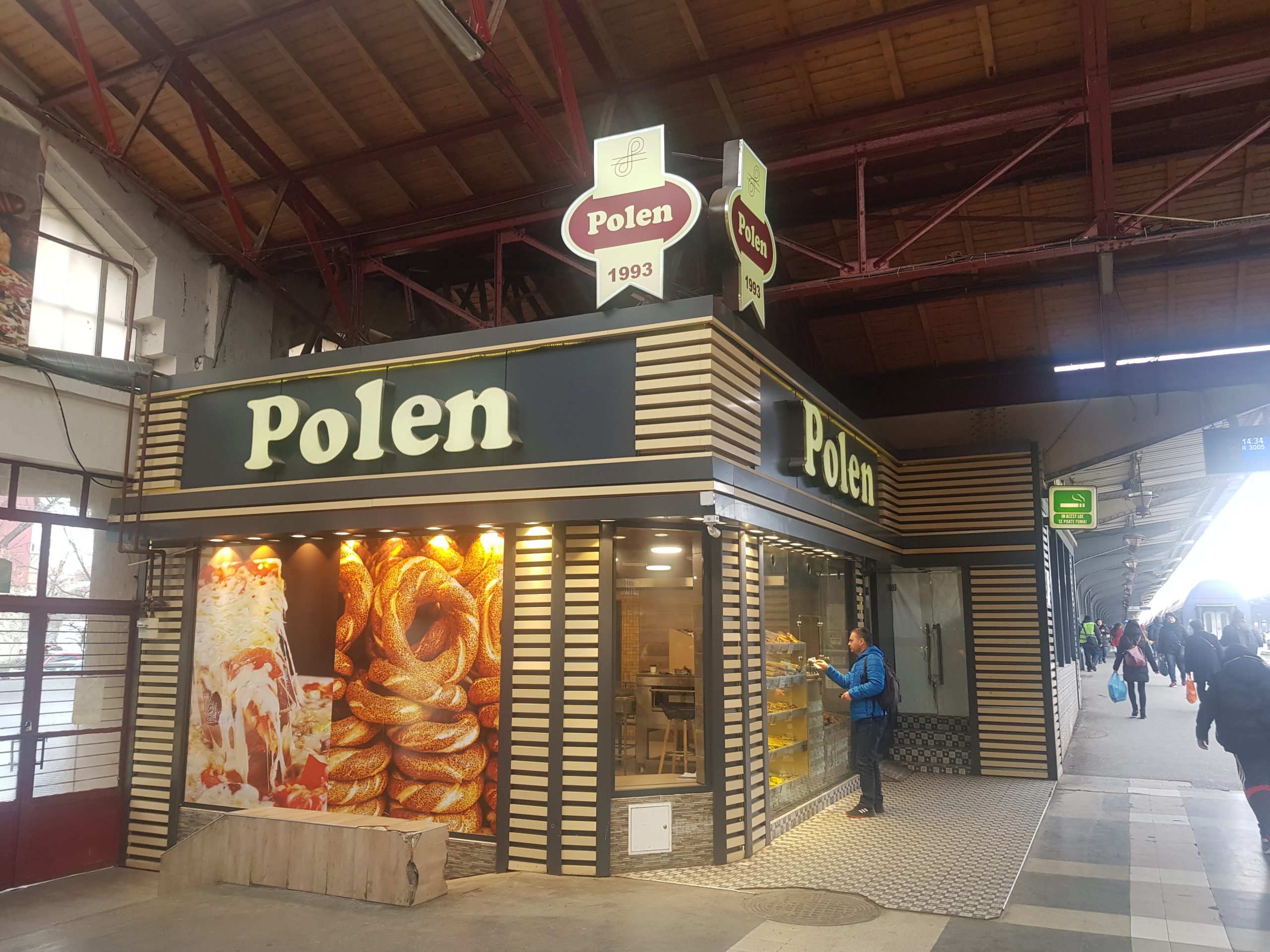
    Travel might be lovely, but it does mean that I’m separated from Greggs and so I have to find alternatives as best that I can….. And, I saw this bakers and they looked as busy as Greggs on a lunch-time, so I decided that it must be worth sampling their wares.

    An array of cold items, including pizza, strudels, cookies and cakes. They also had some hot items coming out of the oven which seemed quite popular with other customers. The service was very friendly, although the staff member didn’t speak much English, but fortunately for both parties, I made the transaction as simple as possible.

    But my eye had already been drawn to the apple strudel, which was quite a chunky thing, with soft pastry and a moreish apple filling which was suitably sweet. It cost around 60p, which felt entirely satisfactory to me. Strudels are better known in Austrian and Germanic culinary climes, but they do have some history in Romania as well. I wish chicken bakes had a similar heritage, but there we go…..

  • Bucharest – Slowly Repairing Buildings….

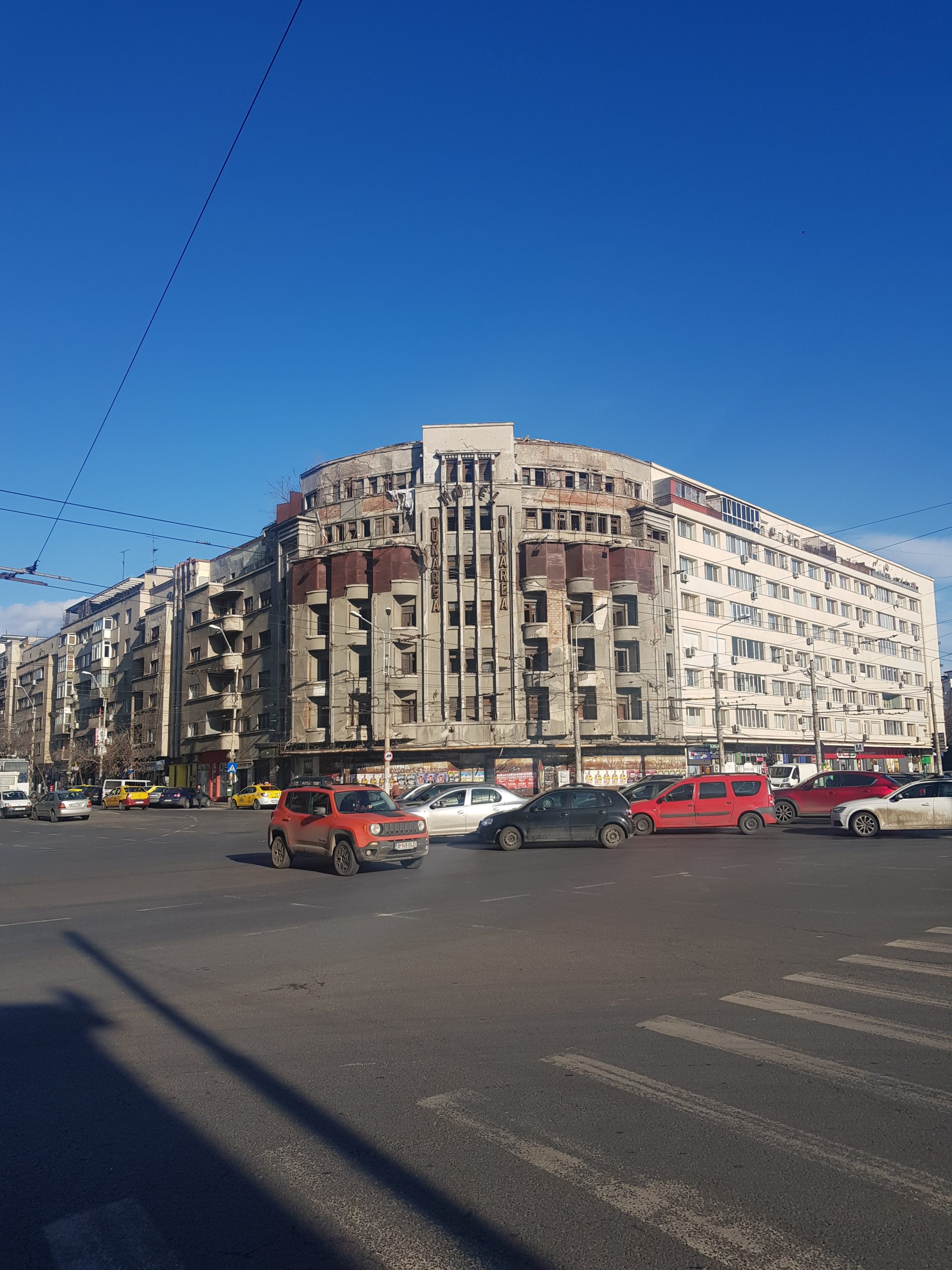
    Bucharest – Slowly Repairing Buildings….

    It’s clear that there is a lot of modernisation taking place throughout Bucharest, but there are also no shortage of buildings which could do with some care and attention. This one is located opposite Bucharest North Railway Station, prime real estate which in most other countries would be worth a not inconsiderable sum. I can’t imagine that it’ll be boarded up for long, maybe in ten years it’ll be home to a nice Greggs….. (not that there are really any nasty Greggs).

  • Bucharest – Scumpit

    Bucharest – Scumpit

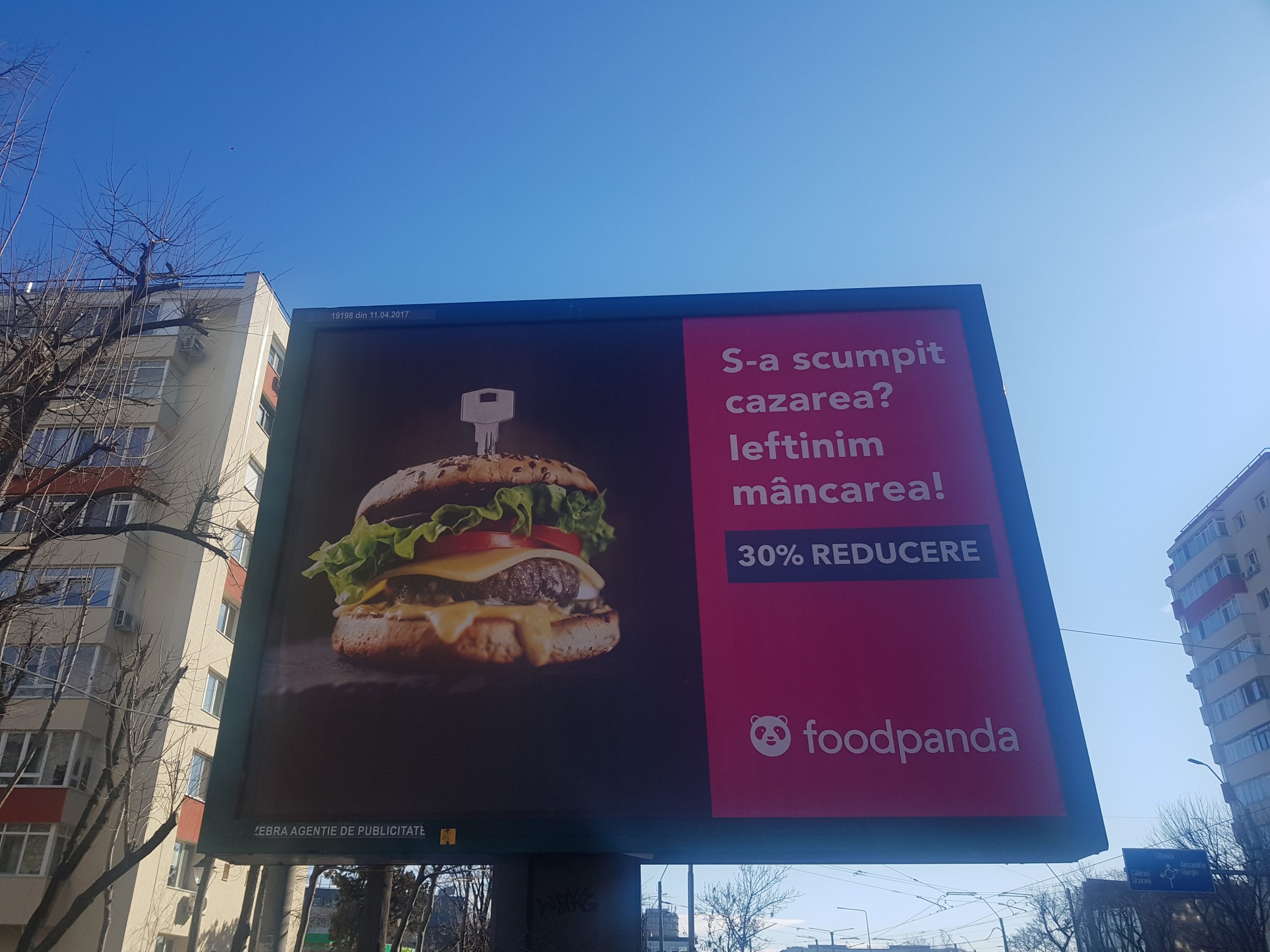
    I saw this poster and wondered what it could mean with that word “scumpit” in it. It means expensive, so that’s one of the few words in Romanian that I’ll likely remember…..

  • Bucharest – Bucharest North Railway Station

    Bucharest – Bucharest North Railway Station

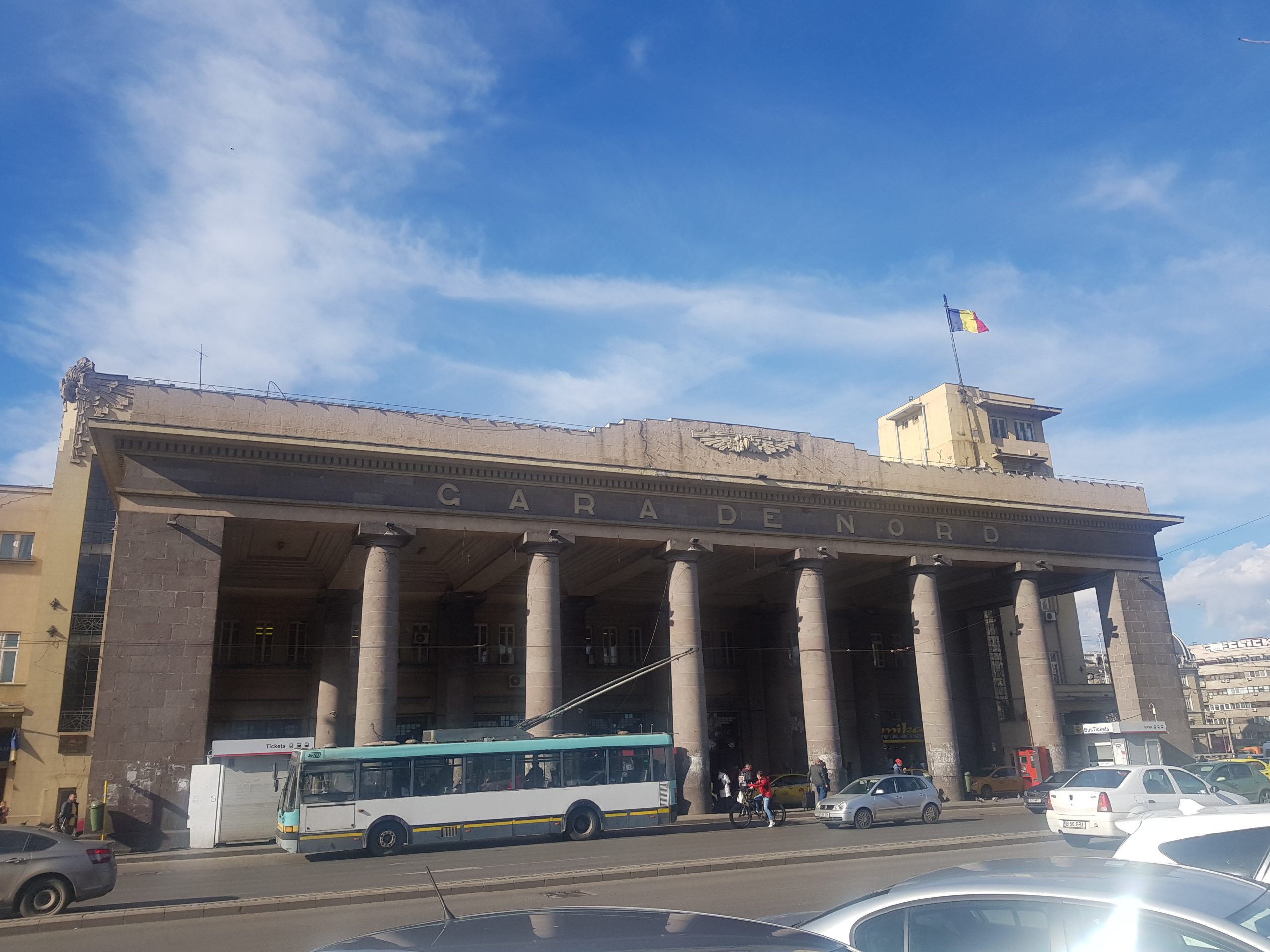
    I’m not going on any trains this week, but I thought that I’d visit Romania’s largest railway station, Gara București Nord. It was first constructed between 1868 and 1872 and was expanded between 1895 and 1896.

    I like these old signs, although I imagine that the staff must curse slightly whenever there are timetable changes.

    There are more modern signs as well though.

    They must have got bored of doing this in the early twenty-first century…..

    Some history about the railway station.

    This is quite an imposing entrance to the building, although this section feels quite tired and worn. There are some newer additions to the railway station interior, but this all seems a little dated. Comparing it to the new railway stations across Poland, which usually have a shopping centre added above them, or indeed the ones in the UK, it perhaps needs some modernisation. I’m sure that will come, but it’ll be a huge upheaval at the station whilst that work is carried out, but without progress, rail usage is perhaps going to keep on falling. There was some talk of a project such as this in 2009, when it was costed at 300 million euros, a figure now which will likely be nearer to one billion euros….

    And the tracks and trains, which all seemed clearly signed. Although rail usage has started to stall over the last couple of decades, there are still over 200 trains a day which depart from here. This is also one of the cities where the Orient Express once passed through, I suspect when things were a little more opulent. The railway station might be dated in parts, but it does still have some historic charm to it, and I rather like it.