Author: admin

  • Florence – Horne Museum (Adoration of the Child with Saint John the Baptist)

    Florence – Horne Museum (Adoration of the Child with Saint John the Baptist)

    Another artwork from the Horne Museum in Florence.

    The artist is thought to be Lorenzo di Credi, with this artwork dating from the early sixteenth century, probably from around 1500 to 1505. It’s tempura on a wooden panel and the colours remain vibrant. Lorenzo di Credi was an artist who was born, lived and died in Florence and there’s an artwork in the Louvre that the experts don’t know whether he or Leonardo da Vinci painted. Anyone who can confuse experts in this manner must have some considerable talent…..

    A book from 1851 mentions that the eastern corridor of the public gallery in the city has two circular paintings by di Credi of the Virgin kneeling, so I’m guessing this is one of them. I’m not sure where this public gallery might have been, I’m assuming the Uffizi, but these two artworks aren’t part of their collection today.

    It’s a shame that the Horne Museum has nearly no information about the provenance of its artworks, there is a catalogue from when it opened as a museum a century ago, but that’s not available on-line.

  • Malta – South Eastern Region – Valletta – Wild Honey

    Malta – South Eastern Region – Valletta – Wild Honey

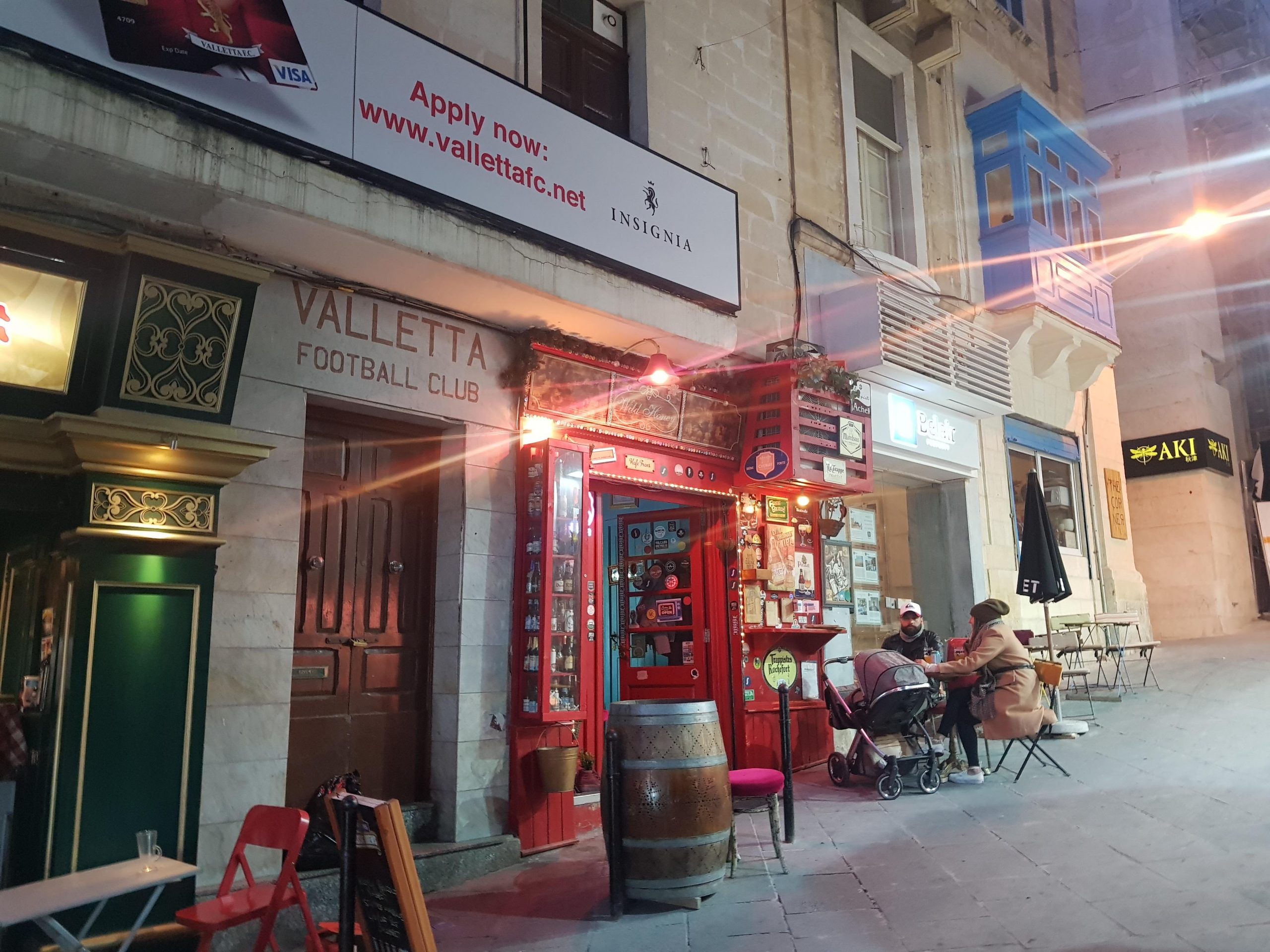
    Wild Honey is a small craft beer bar in the centre of Valletta and I think it’s fair to say that I liked this place. A lot.

    Beers in the fridges, some really innovative choices there.

    The staff member was personable and keen to make recommendations, and I was particularly excited when he suggested the Chocolate Cherry Yeti stout from the Great Divide Brewing Company in Denver, Colorado. The beer was excellent, at the appropriate temperature, slightly light on initial taste but with deep afternotes of chocolate and cherry. Which is good, as that’s what they’ve called the beer. Seeing this beer in Valletta was a delight, it must have been a right faff to get this here.

    There are only around six tables inside, making it cosy and well, small.

    There’s natural character in this bar, which the decor adds to. That’s the toilet to the right of the photo, neatly fitted into the very small space. Half of the tables were reserved when we visited, which was a mid-day evening in March, so I’m not sure how easy it is to get a seat during the warmer summer months. But, it’s in the heart of Valletta, so it’s easy enough to take a little stroll by and have a look.

    Liam enjoying some drink outside that he would have liked the look of (well, the look of the pump clip). There were a few tables here, although with the slight caveat that smokers may set up shop nearby.

    I was tempted to stay here for longer, and could have happily done so, but there were more craft beer bars to investigate….. It seems that they offer food judging from the reviews on-line, and it looks of a similar high quality to the beer.

    The reviews on TripAdvisor are, quite rightly in my view, very positive, although one visitor must have made clear he was ready to leave a negative review:

    “The two chaps who seemed to be running the place were less that obliging and we just left them with the undrinkable wine after a less than professional exchange once they got wind that we were likely to take the advice of the sticker they had in the window, and leave our impressions on ‘Tripadvisor’.”

    Anyway, a marvellous bar which was quirky, authentic and which had excellent beer.

  • Malta – South Eastern Region – Valletta – Beer Cave

    Malta – South Eastern Region – Valletta – Beer Cave

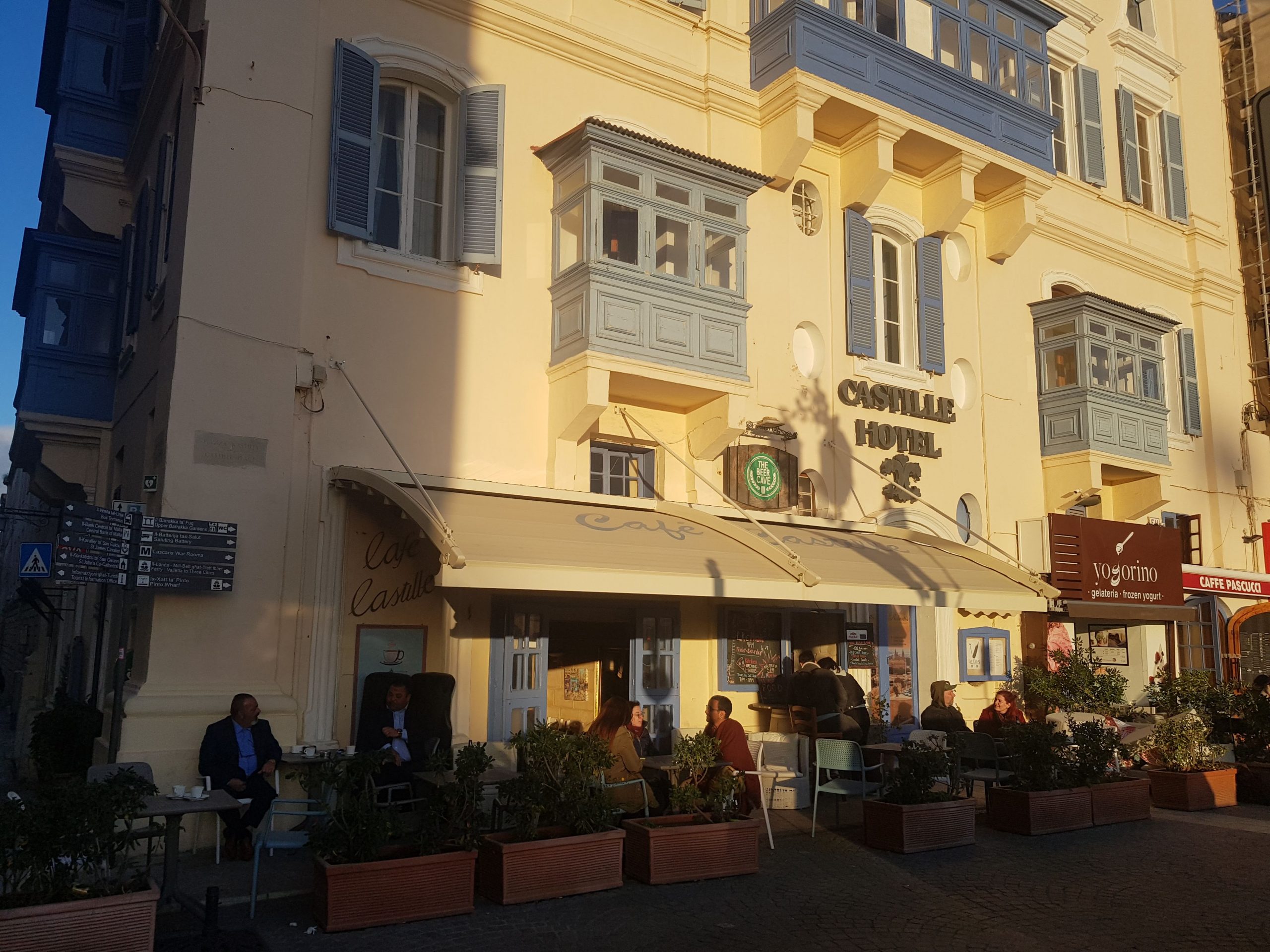
    There aren’t a large number of craft beer bars in Valletta, or indeed in Malta, so it wasn’t too onerous a challenge to try and visit them all in an evening. Liam and I were certainly brave and courageous in our endeavours. The first one of the evening was the Beer Cave, located under the Castille Hotel in the heart of the city.

    The entrance takes you straight down into the cellar, or cave, and it feels like a welcoming place. With one exception, which was the ridiculous volume of the music. I assume they thought it would attract people, but I can’t think of one single craft beer bar I’ve been to where they play music at high levels when there’s no-one in there. Personally, I like those bars who generate their own atmosphere without needing the crutch of music, but if they’re going for that (and this venue is big on live music and bands, which they seemingly do well), it’s probably best set against how many people are actually in the bar. So, we were always destined to make this a quick visit.

    The staff member was friendly enough, I’m not sure that he was entirely familiar with the options, but since he couldn’t clearly hear what I was saying and I couldn’t clearly hear what he was saying, it’s a hard one to call. Which is another issue really, this type of bar can surely only benefit from lots of engagement between customers and the bar staff, or just between customers. I’m perhaps just too old to be doing lots of yelling. The beer choices were also pretty well curated in terms of beer types, it seemed to cater to most needs. I had my delicious stout and Liam got his grapefruit pale ale.

    Downstairs, in an atmospheric location at least. I’d say that this is a music venue which happens to sell craft beer as opposed to a craft beer bar, but it’s well reviewed and so is clearly meeting a need. The bar remained empty all the time that we were in there, other than for two people who came down the steps and then went back up them again. Anyway, I’m glad it’s there, craft beer should be for the many, not the few.

  • Chesterfield – Chesterfield Museum and Art Gallery

    Chesterfield – Chesterfield Museum and Art Gallery

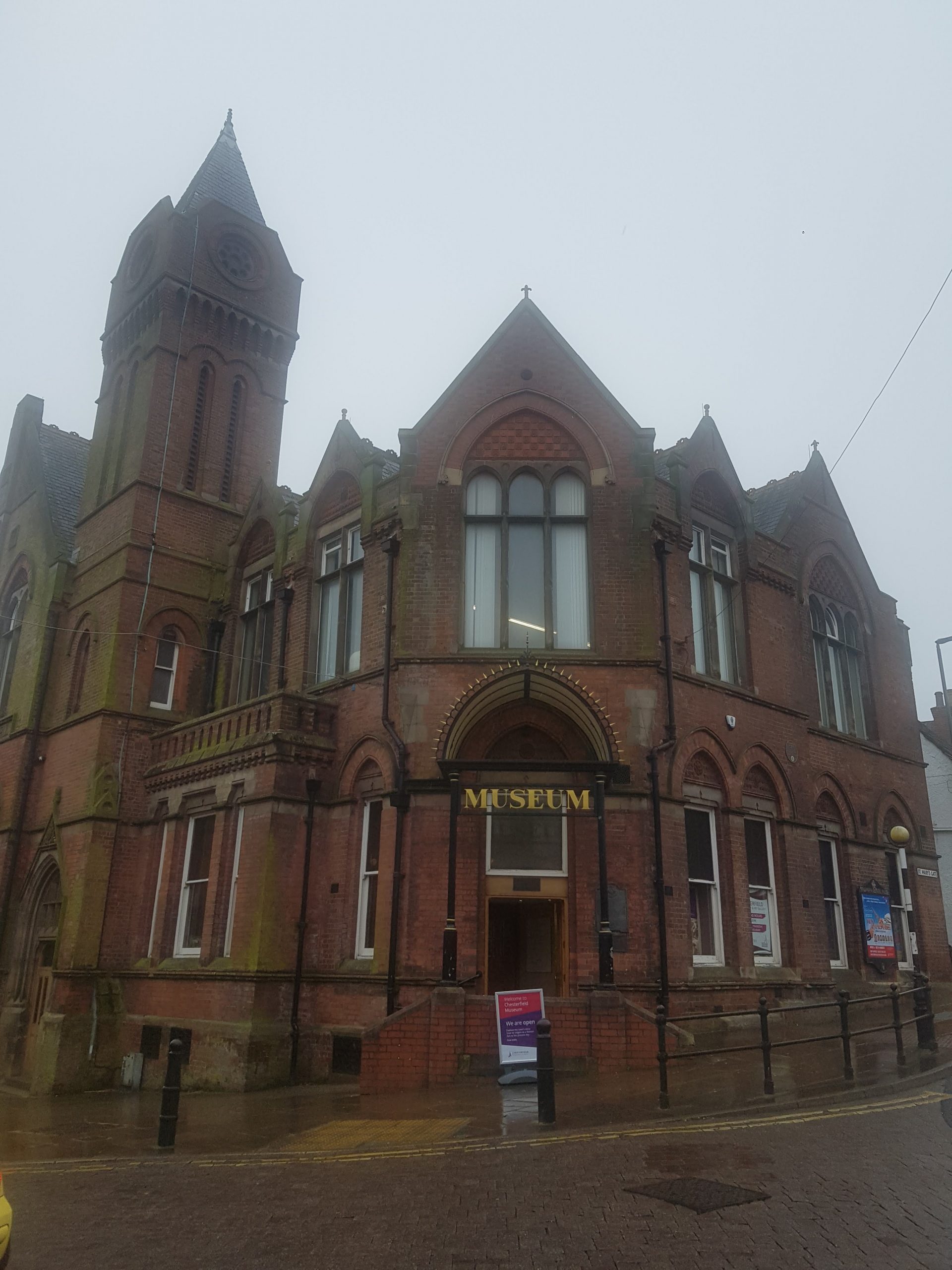
    This charming museum and art gallery in Chesterfield is free of charge and I was fortunate that I had time to visit as it’s opening hours are a little limited and they only just overlapped with when I was in the town.

    One of the main rooms of the museum, which was formerly the town’s library until a new building was constructed in the 1980s.

    There are some books for sale here, but what’s more exciting is that this is an original cart from when the building was used as a library. Yes, I found this exciting. Sorry.

    This is a longcase clock which was given to Chesterfield Council by Mrs A Hadfield, who slightly complexly was the mother of Councillor Hadfield and the donation was in honour of her late husband Walter. A member of the museum staff notes on their web-site that this is the loudest of all the exhibits they have, as well as being just a little erratic in terms of its time-keeping.

    Apparently this is a ground paddle and is a mechanism which is located next to the top gate of a lock. It is from Chesterfield Canal and it allowed boaters (or whatever they’re called) to fill the lock with water.

    Something quite unique, these are glass tubes owned by George Stephenson, the Father of the Railways. Their function was for cucumbers to grow straight, a simple little piece of technology.

    These are from the local packaging company, Robinsons, who are still trading today and who made all of the Smarties tubes, amongst many other things.

    This is the largest item in the museum’s collection and one which has some heritage. It’s from the Church of St Mary and All Saints over the road, which is also known as the Crooked Spire. It’s a windlass which was used during the church’s construction to lift heavy weights and people would have had to walk within in to get the wheel to turn. This was left in the church tower for many centuries and it was only removed in 1947 when they needed to make space to fit a new set of bells.

    I hadn’t realised this, but the information board by these coins mentions that in the late sixteenth century the country started to run out of currency. So, local traders produced their own coins, or trade tokens, including the town’s Angel Inn.

    All in all, a rather lovely museum and the staff there were welcoming and keen to engage. I also thought that it was a particularly well curated museum, as sometimes provincial museums can focus on a few topics which have no relation to each other, whereas here there was a complete history of the town with few obvious gaps other than perhaps their coverage of the World Wars. I fear that these sort of museums are very vulnerable to budget cuts, but hopefully it will continue for many more years to come.

  • Dictionary of the Vulgar Tongue – Day Six

    Dictionary of the Vulgar Tongue – Day Six

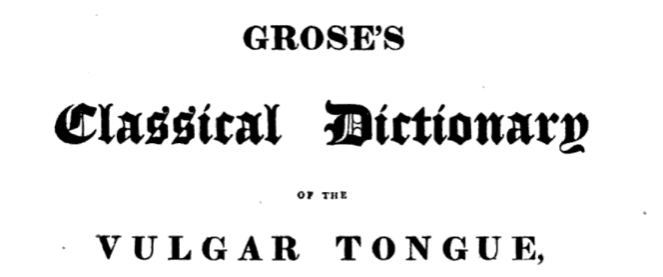
    The Dictionary of the Vulgar Tongue was first published at the end of the eighteenth century, and given that the Coronavirus crisis is giving too much time to read books, I thought I’d pick a daily word from it until I got bored…..

    Arsy Yarsey

    This rather lovely little term used in the seventeenth and eighteenth centuries simply means to fall head over heels, deriving from arsy-versy used from as early as the sixteenth century which had a wider meaning of topsy turvy or back to front. I’m not sure that this term ever appeared much in print, I’m guessing that it was used more in the vernacular.

  • Florence – Palazzo Vecchio (Tower)

    Florence – Palazzo Vecchio (Tower)

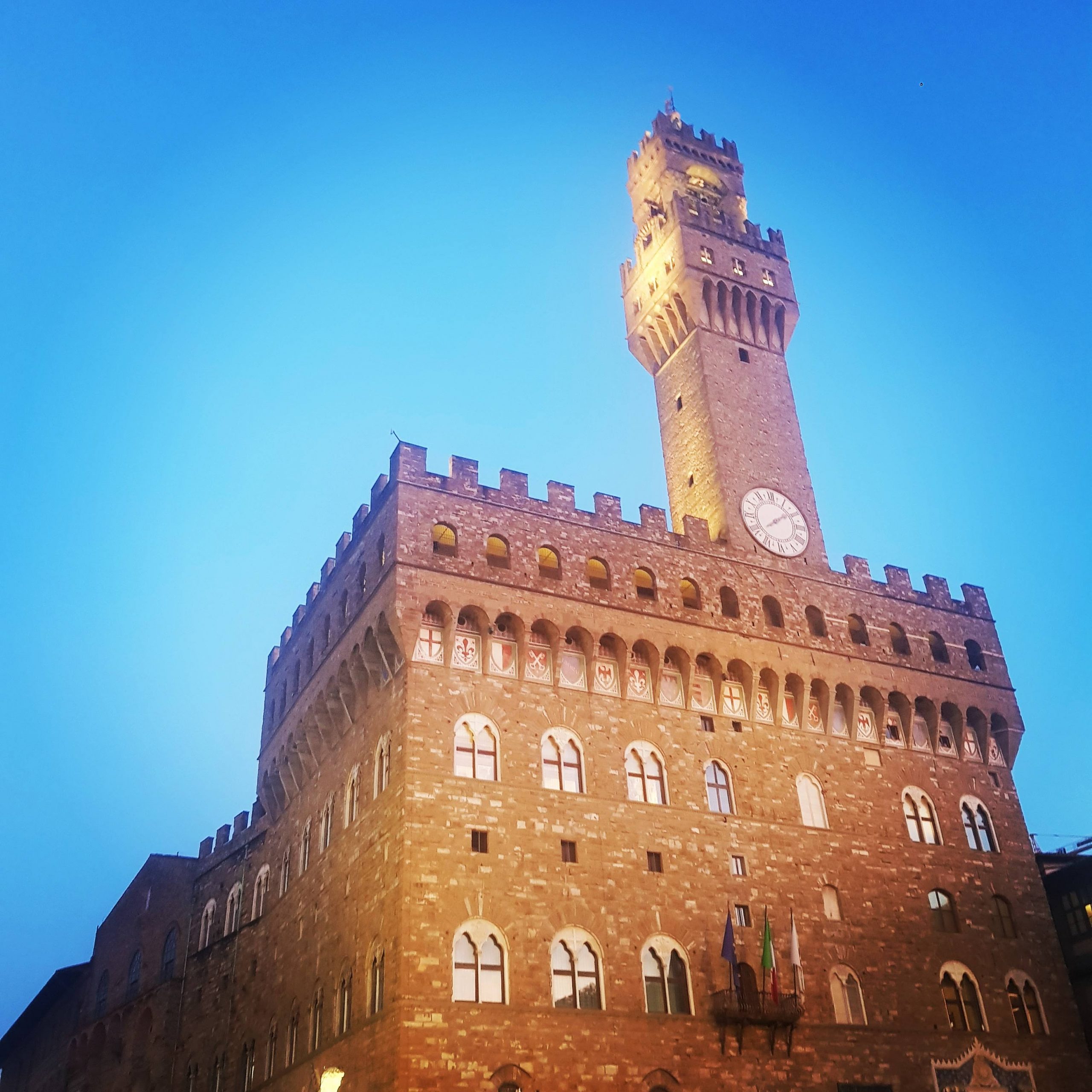
    The tower of the Palazzo Vecchio is 95 metres in height and was built in the thirteenth century, making it one of the oldest parts of the palace complex. The tower isn’t centred at the heart of the building, solely because the rest of the palace was later built around it. The tower is sometimes called Torre d’Arnolfo after its designer, Arnolfo di Cambio, who was also responsible for the construction of Florence Cathedral.

    A view of the tower from the lower platform.

    The walk to the top is easy in terms of the steps being wide and there’s space for people to pass. The system for entering the tower was also well managed, there are a limited number of people who are allowed to climb the steps to the top of the tower at any one time. When we got our tickets on the ground floor to see the palace, a helpful staff member suggested that we go to the tower first as it wouldn’t be as busy. That advice seemed useful, as the queues got much longer throughout the day (even in February) and we only had to wait around five minutes for our turn.

    There were views of the Uffizi Gallery, which takes up both sides of this neighbouring building.

    There were some excellent views of the city, but I’ve placed those in a separate post.

    Structural supports were evident as we ascended the tower.

    Unfortunately, visitors can’t climb to the very top as this section is closed off.

    This was under one of the wooden beams at the top of the tower, dated to 1690.

    I had a little look on TripAdvisor and most people enjoyed their experience. I did note this review, entirely bizarre….

    “For the person top of the tower your english is not up to standards , you should be fired if you can handle being polite or professional to people that come to visit and spend money in your country, thats why you have a job ( without visitors , no job!!). The only things Italian should stick with it are being in the field with food, harsh but sincere !!!!”

    It’s almost as though Florence is in England with the expectation that security staff should speak English. Most do, but I don’t see why they should have to….

    We used the Firenze Card to get entrance to all of the various areas of the Palazzo Vecchio, but for anyone who just wanted to climb the tower it’s €6.50. Children can climb the tower if they’re with a responsible adult (that’s me out then) unless they’re under the age of six, then they can’t. The museum warns that people with vertigo shouldn’t climb the tower, although personally, I didn’t find it at all bad as there weren’t really any sheer drops that had to be encountered. I think we were done in around half an hour, including the queueing, ascent, viewing and descent times and the views are just as good as other locations such as from the Cathedral.

  • Bristol – Ibis Bristol Temple Meads

    Bristol – Ibis Bristol Temple Meads

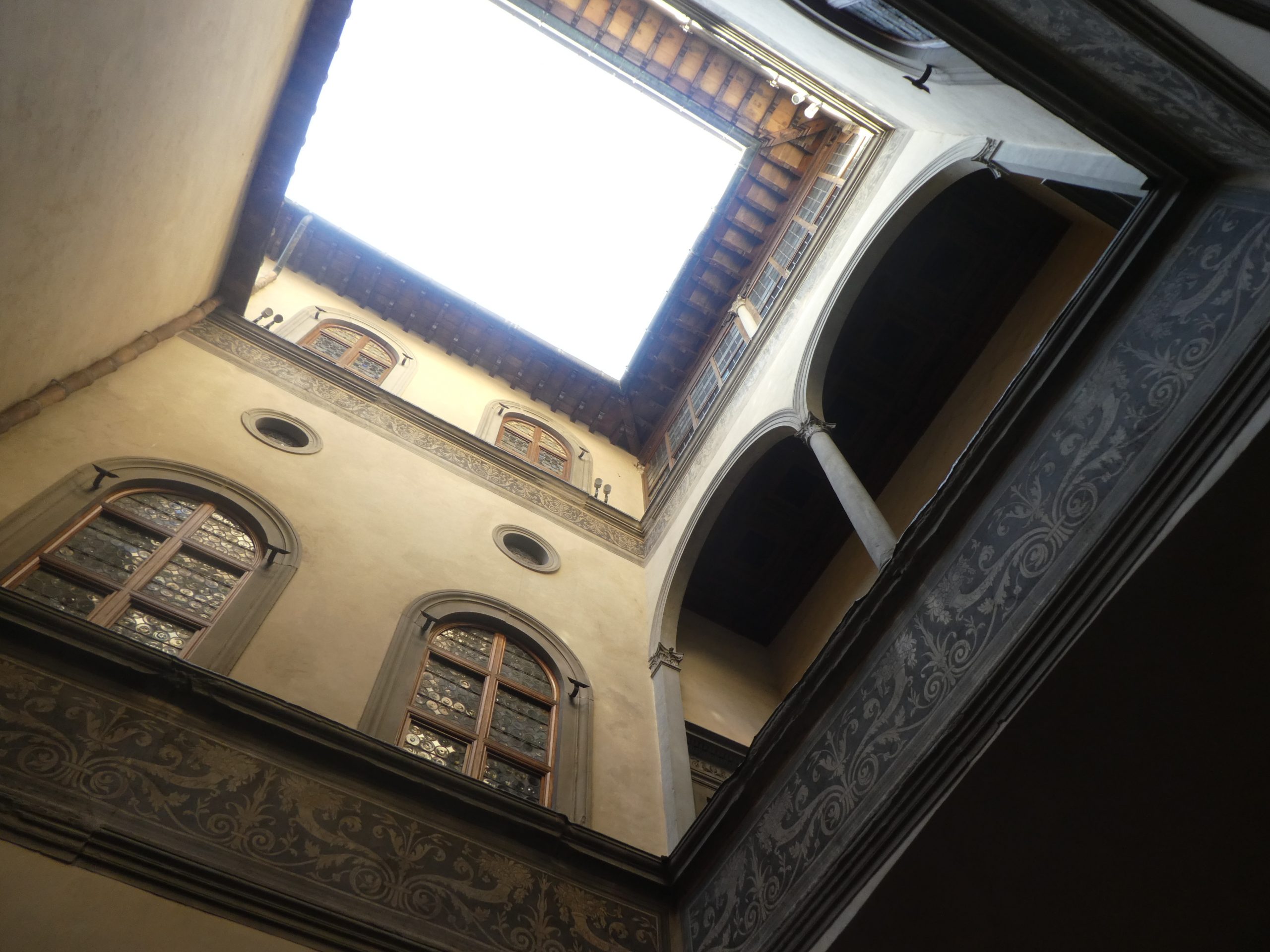
    I can’t write much about this hotel, as this was a cancelled stay due to the Coronavirus. But, I wanted to note how helpful the hotel was in what must be trying circumstances for them. I paid for this booking, which was for the two days after the now cancelled Rambers General Council, primarily through loyalty points and the helpful hotel staff member wanted to check with Accor that I could get the points back if they processed the cancellation. They confirmed I could and I have within just a couple of hours got them back in my account.

    Swift, efficient and polite – an impressive response time from Accor.

  • Florence – Palazzo Vecchio (Views from the Tower)

    Florence – Palazzo Vecchio (Views from the Tower)

    Just photos in this post, these are views of the city taken from the top of the tower at the Palazzo Vecchio.

  • Florence – Palazzo Vecchio (Hall of Geographical Maps – Cornwall)

    Florence – Palazzo Vecchio (Hall of Geographical Maps – Cornwall)

    This is a photo of the sixteenth century UK map of Cornwall in the Hall of Geographical Maps.

    Not the clearest of photos, my camera zoom struggled a little when taking these images. Anyway, there are some geographical errors in the coastline of Cornwall, but it’s near enough there. Tintagel and Padstow are visible on the northern tip of the county, up to Bideford a little further north. Okehampton and Launceston are in the centre of the map, with St. Germans on the southern coast. Further to the west, there’s Bodmin and St. Columb, with Truro below them. I can’t make out some of the other locations, primarily as the photograph quality isn’t perfect, but again, it’s an interesting overview of what an Italian thought was here many centuries ago.

  • Dictionary of the Vulgar Tongue – Day Five

    Dictionary of the Vulgar Tongue – Day Five

    The Dictionary of the Vulgar Tongue was first published at the end of the eighteenth century, and given that the Coronavirus crisis is giving too much time to read books, I thought I’d pick a daily word from it until I got bored…..

    Ark Ruffians

    The dictionary defines this as “rogues who, in conjunction with watermen, robbed, and sometimes murdered, on the water, by picking a quarrel with the passengers in a boat, boarding it, plundering, stripping, and throwing them overboard.”

    I’m unsure whether the author simply made this up, as there is no mention of this in any UK or US newspaper that I can find. Nearly every Internet search of the term just brings up the dictionary itself, so if this was a phrase then it wasn’t very widespread. It would be interesting though if this practice did take place, something akin to highwaymen on the rivers.