Author: admin

  • Norwich – Name Origin

    Norwich – Name Origin

    Since I’ve been merrily writing about the name origins of numerous villages around Norfolk, it perhaps makes sense to mention the county’s major city. No, not Dereham, it’s Norwich.

    The Concise Oxford Dictionary comments on the origins:

    Norwich, Norfolk. Norowic in 930, Noruic in Domesday Book. North Town.

    This is one of the book’s shorter definitions and Norvic is still used today, not least by the Bishop of Norwich who signs off with this title. The explanation, as the book says, is simple, it just means North Town, so that makes this blog post nice and easy….. The Saxon ‘wich’ meaning settlement or town is relatively frequently seen, including at Ipswich, Harwich, Greenwich and so on.

  • Saxlingham – St. Mary’s Church

    Saxlingham – St. Mary’s Church

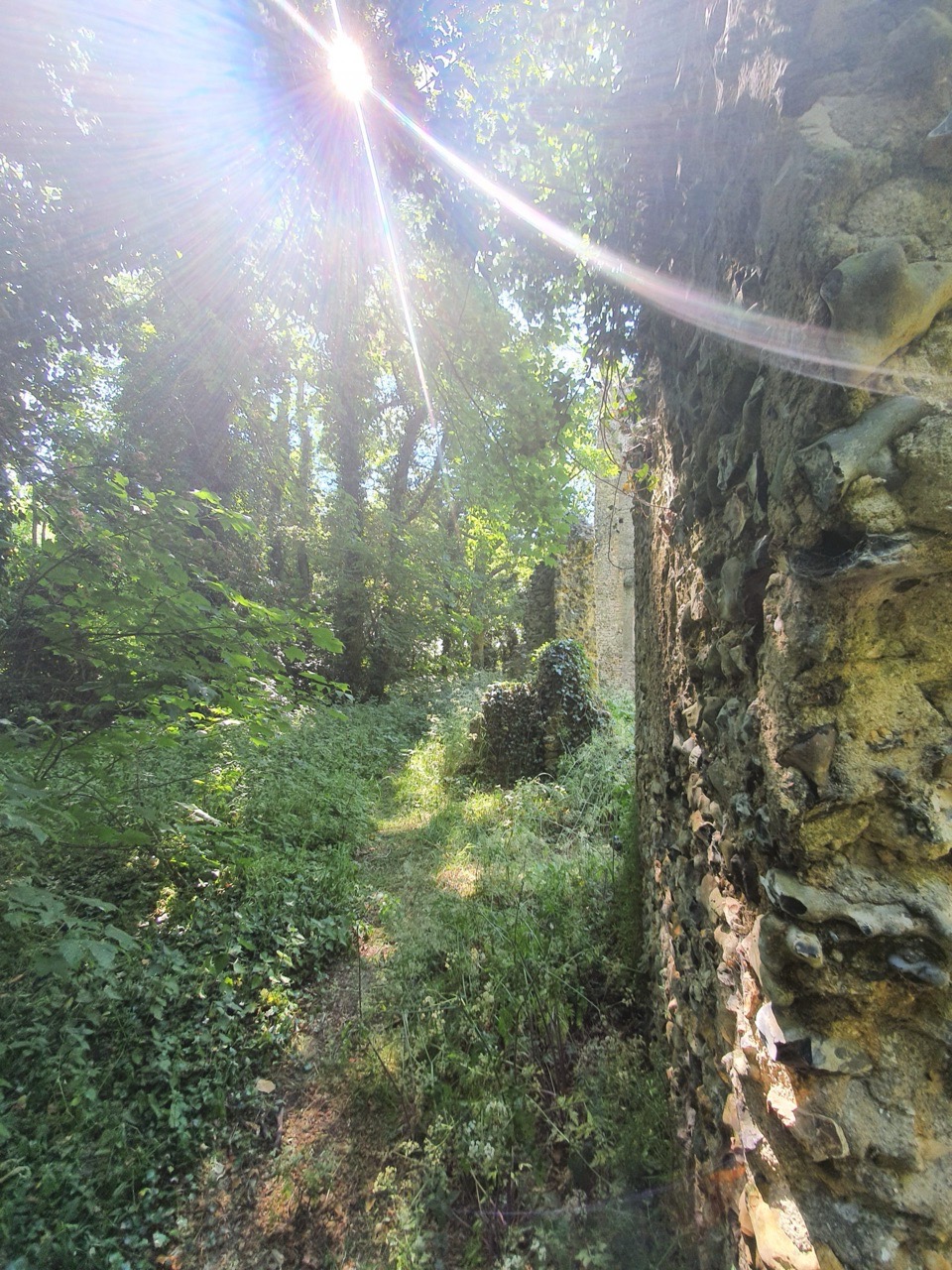
    I’m going to lump the Saxlinghams together for the purposes of this blog, but this ruined church is in Saxlingham Thorpe.

    St. Mary’s was first built in around the tenth century, although the tower dates from the fifteenth century and was one of the last parts to be added. The tower, which once had two bells, retains most of its original height and like the rest of the church is constructed using flint with brick dressing.

    Looking towards the end of the church at the chancel, which was extended in the late medieval ages and it’s still evident where the building was extended by the change of stonework.

    Repairs to the church stopped in 1684 and it soon started to fall down. Some interiors and structural elements were taken to the nearby St. Mary’s Church in Saxlingham Nethergate. Now surrounded by trees, there was a medieval village around here, but people moved away for agricultural needs and it was that population movement that led to the church falling out of use.

  • Streets of Norwich – Drays Yard

    Streets of Norwich – Drays Yard

    Part of my Streets of Norwich project….

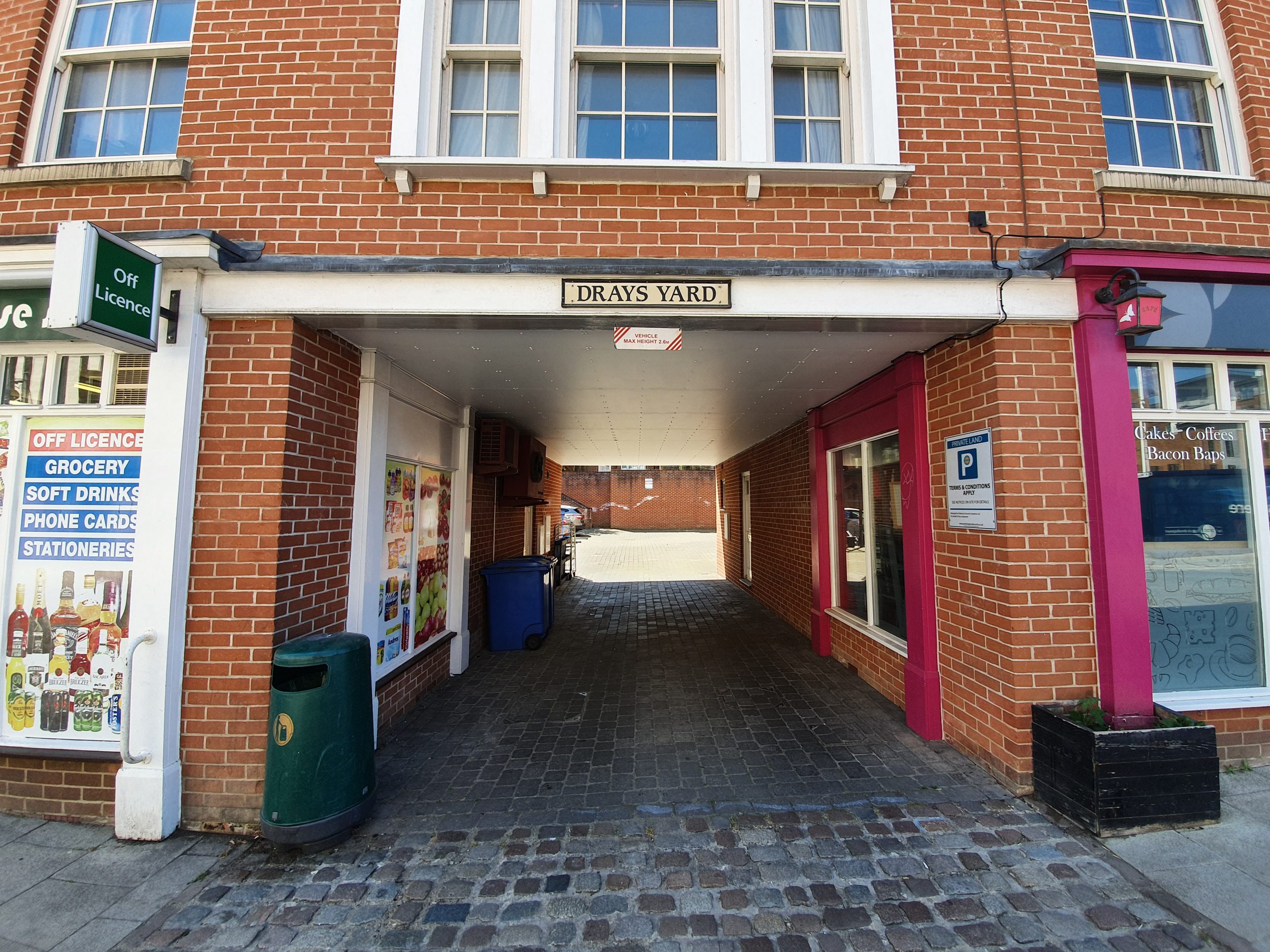
    I include this yard mostly for completeness than for any historical interest, as it’s a new yard with a limited amount of heritage. Located off of King Street, it’s located roughly in between the two PH symbols on the above map, on the King Street Old Brewery side of the map.

    As for why its called Drays Yard (the word dray is a beer delivery, or more precisely the cart the beer was carried on) I’m not sure, but I imagine it’s linked to the former nearby King Street Brewery site.

    There are mostly new residential plots in the yard.

  • Streets of Norwich – Scott’s Yard

    Streets of Norwich – Scott’s Yard

    Part of my Streets of Norwich project….

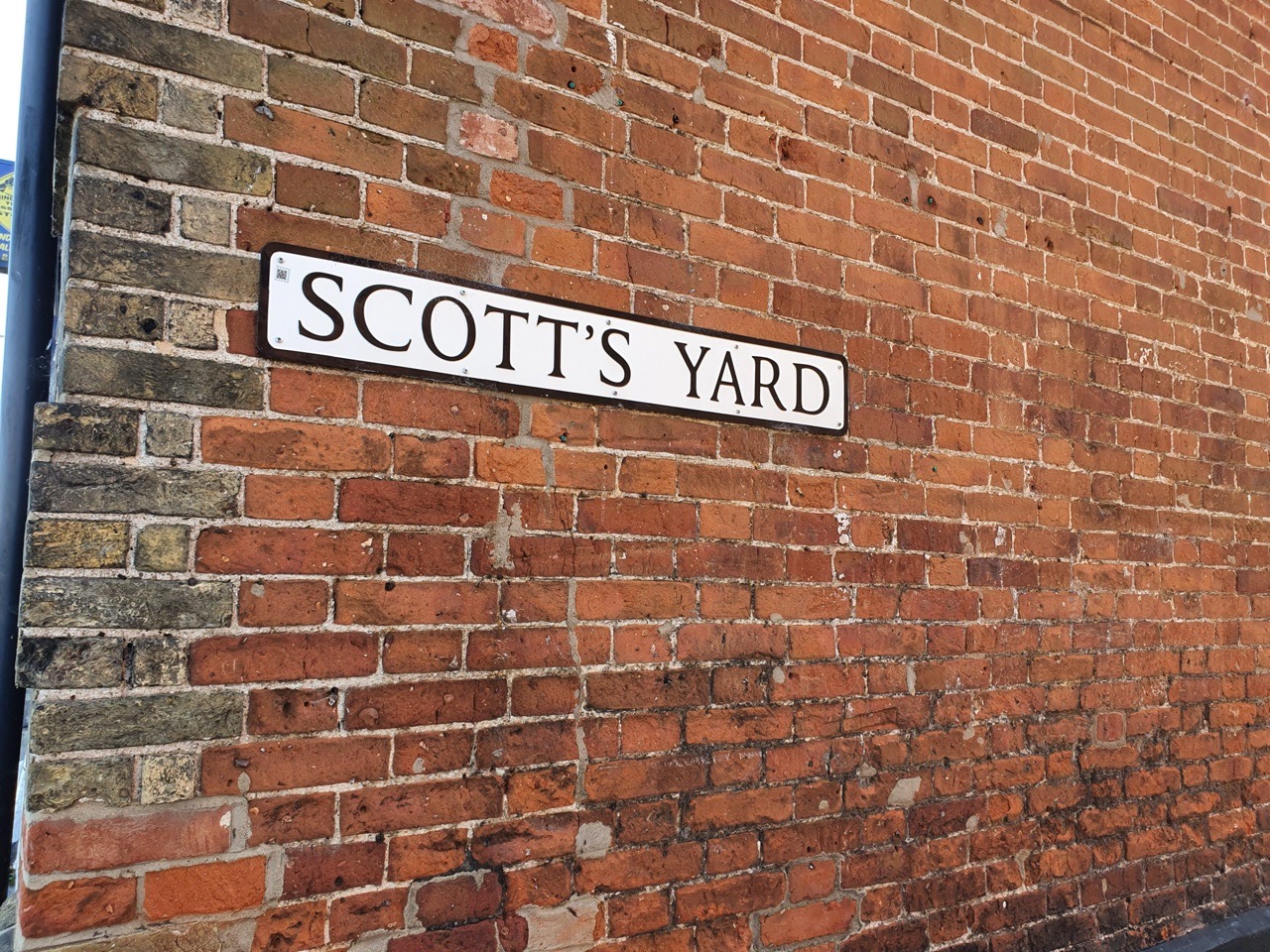
    Scott’s Yard is located off of Ber Street, connecting into Jolly Butchers Yard. It too once had a pub at its entrance, the Old Friends, which opened in the 1860s and was closed down in 1908 as part of the national plan to pay compensation to the owners of licensed properties (and it mostly went to the owners, not much went to the licencees themselves) in a bid to reduce the number of pubs.

    The yard was formerly primarily residential, but became more commercial during the late twentieth-century. This has since changed since planning permission was given in 2016 to demolish a warehouse and to build five residential dwellings.

  • Rail Delivery Group and the Department for Transport

    Rail Delivery Group and the Department for Transport

    As another of my asides, this is an article from Rail magazine this issue, a query regarding rail vouchers which were about to expire. This is the sort of maddening decision which alienates people from the rail network, a decision would have likely been made immediately by the rail operating groups, or indeed the old British Rail, but is caught in a Government department that doesn’t want to answer. Anyway, that’s as political as I’m getting and at least I’m fortunate not to have any rail vouchers.

  • Dictionary of the Vulgar Tongue – Day Seventy-Seven

    Dictionary of the Vulgar Tongue – Day Seventy-Seven

    The Dictionary of the Vulgar Tongue was first published at the end of the eighteenth century, and given that the Coronavirus crisis is giving too much time to read books, I thought I’d pick a daily word from it until I got bored…..

    Chummage

    Another one of the dictionary’s longer definitions, “money paid by the richer sort of prisoners in the Fleet and King’s Bench, to the poorer, for their share of a room. When prisons are very full, which is too often the case, particularly on the even of an insolvent act, two or three persons are obliged to sleep in a room. A prisoner who can pay for being alone, chooses two poor chums, who for a stipulated price, called chummage, give up their share of the room, and sleep on the stairs, or, as the term is, ruff it”.

    A guide at the time the dictionary was published gives great details about Fleet prison, which had 109 rooms and 89 of these could receive chums. Fifteen rooms were given away to the poor or large families (and as an aside, Fleet and King’s Bench had many debtors in who would have had little money), a practice known as Bartholomew Fair, whereas three rooms had no fireplace and were exempt from chummage and two were used for the blind, the mad or those it was probably just easiest to give their space.

    The process was strictly regimented so that new prisoners were placed in turn around the rooms and the concept was that the existing prisoner in a room was the owner, the newcomer was the chum. However, neither could force anything on the other, they could only pay each other out and that process was overseen by the warden. It would cost 4 shillings to buy someone out of a room, with rent then payable to the prison warden and this charge would depend whether it was a furnished or unfurnished room.

    As an aside, it’s far from the free for all I had expected in nineteenth-century prisons…. But, the above rules were for master’s side of the prison, whereas the common side was a different affair. Here people were dumped in larger cells and they didn’t pay fees, but were entitled to sit and beg at the side of the prison from people passing by. This might be handy for those who were debtors and who needed to buy themselves out of prison.

    There were usually around 200 prisoners in Fleet, but there were also another 75 or so who lived in the area of the Liberty of the Fleet, located around the prison. Prisoners could stay here instead, usually choosing accommodation to suit their wealth, but they had to give a deposit to the prison warden as a security against them running off. This was less as the warden was worried they might escape and go on the run, it was solely to ensure that they received their money, as prisons were run privately as profit-making enterprises.

    Another prison where chummage was common, and only debtors didn’t have to pay, was Marshalsea and the going rate in 1818 was half a crown a week to “make the roommate go away”, typically to a cold and bleak part of the buildings. It’s all a sign of how the rich and the poor certainly used to have different prison experiences…..

  • Trowse – Name Origin

    Trowse – Name Origin

    Since a few of our walks have cut through Trowse, not least this one, here’s something about the origins of the village name.

    The Concise Oxford Dictionary comments on the origins:

    Trowse Newton, Norfolk. Treus Newtona in Domesday Book, Trous in 1254 and Trowes cum Newtone in 1316. Comes from Scandinavian tre-hus, or wooden house.

    The village is more formally known as Trowse with Newton and back in the tenth century, it was the case that Newton was the more important manner, and Trowse the attached settlement. There are some differing views about this, some people feel that it is ‘tree-house’ because the properties were once built in a wet area and needed to be raised.

    The argument on Wikipedia is that it’s named after a gate that could be lifted up and down, and they make some link to the word trousers. Personally, I think that sounds not inconsiderably fanciful. I’m with the settlement being named after the wooden houses that were located here in the tenth century, nothing to do with houses being built on stilts or with things being lifted up and down.

  • Pulham Market Railway Station For Sale

    Pulham Market Railway Station For Sale

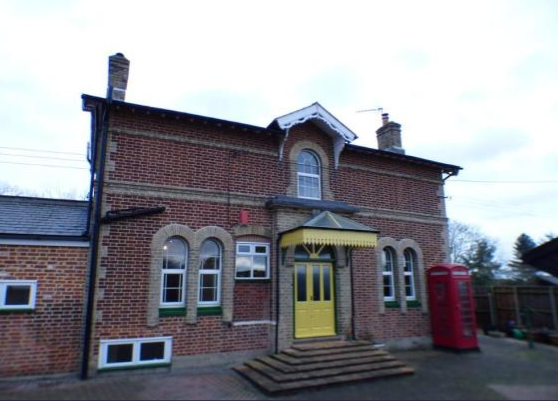
    This would be a quite marvellous place to live, the former railway station of Pulham Market. Of course, it’d be even better if it had remained in use rather than being closed down to passengers in 1953, but at least it has been preserved. The 4-bedroom property is for sale with a suggested house price of £465,000, although it all looks spacious and there’s still a long platform at the rear. There’s also a bonus that the old red phone box and the signalling equipment put up by the platforms are all included in the sale.

    The property details are on the Rightmove web-site.

  • More BA Routes Lost

    More BA Routes Lost

    Along with the temporary suspension to numerous destinations, sad to see that BA have recently announced that they have stopped flying to four locations.

    They’re:

    London Heathrow – Beirut (Lebanon)

    London Heathrow – Helsinki (Finland)

    London Heathrow – Leeds Bradford (UK)

    London Heathrow – Moscow Sheremetyevo (Russia)

    The Leeds Bradford link to London seemed relatively popular, but there’s been an environmental argument for a while about whether this is a sensible use of aircraft. Moscow continues to be served by Moscow Domodedovo, but BA must be expecting that a permanent fall in the number of people prepared to go to Russia.

    Disappointed about the removal of the Helsinki route as I planned to use that next year to get to Tallinn (after getting a ferry across the Gulf of Finland), a direct BA route they shut down in 2019. It looks BA has given up on great swathes of eastern Europe, which will be a handy boost to Ryanair and Wizzair. There’s always Finn Air, who are Oneworld, but I rarely see anything keenly priced there.

    Hopefully when things return to some form of normality then BA can start looking at new routes to replace the ones that have been lost.

  • Lakenham – Name Origin

    Lakenham – Name Origin

    Following on from our walk which briefly went across Lakenham.

    The Concise Oxford Dictionary comments on this town name:

    Lakenham, Norfolk. Lakemham in Domesday Book, Lakeham in 1212, Lakenham 1247. Probably Laca’s Ham.

    So this is Laca’s village, a similar derivative to Lakenheath, which is the landing place of Laca’s people. It may be that Laca was just a local leader, but it’s probably more of a ‘tribe’ of fen-dwellers. With very little change to the place name over the last 1,000 years.