Author: admin

  • Dictionary of the Vulgar Tongue – Day Eighty-Seven

    Dictionary of the Vulgar Tongue – Day Eighty-Seven

    The Dictionary of the Vulgar Tongue was first published at the end of the eighteenth century, and given that the Coronavirus crisis is giving too much time to read books, I thought I’d pick a daily word from it until I got bored…..

    Conger

    This is defined as “to conger; the agreement of a set or knot of booksellers of London, that whosoever of them shall buy a good copy, the rest shall take off such a particular number, in quires, at a stated price; also booksellers joining to buy either a considerable or dangerous copy”.

    This was an arrangement amongst booksellers, which were nearly all in London, to jointly finance the production of a book and they purchased shares to that effect and also agreed to purchase a certain number of copies for their shops. This agreement took hold in the early eighteenth century and lasted until around the middle of the nineteenth century. The subscription model was the other way of funding expensive books, such as encyclopaedias, where purchasers would subscribe in advance to help fund the cost of production and printing.

    The conger agreement was financially very useful to the booksellers and they fought to retain permanent copyright for everything that was produced. Eventually, the courts started to decide that this made books more expensive for the general public and that excessive power was being retained with the sellers. The principle of copyright was extended and the conger model started to face away as competition increased.
  • British Airways – New Club Europe Catering

    British Airways – New Club Europe Catering

    This is the new Club Europe catering that will be used by British Airways over the next three months or so, something of a change from the more substantial and usually cooked offering that was previously provided. Clearly not quite as exciting, but needs must given the current situation. Those passengers in Euro Traveller, who were previously given nothing as it was buy on board, do now get basic soft drinks free of charge.

  • $20,000 to Walk the Appalachian Trail and Drink Beer

    $20,000 to Walk the Appalachian Trail and Drink Beer

    The chance to walk a long-distance trail in the United States and drink beer, but only US citizens can apply. I’ve heard of worse ideas…..

    https://www.dbbrewingcompany.com/cho/rules/

  • Dictionary of the Vulgar Tongue – Day Eighty-Six

    Dictionary of the Vulgar Tongue – Day Eighty-Six

    The Dictionary of the Vulgar Tongue was first published at the end of the eighteenth century, and given that the Coronavirus crisis is giving too much time to read books, I thought I’d pick a daily word from it until I got bored…..

    Comus’s Court

    A little bit niche perhaps, the dictionary defines this as “a social meeting formerly held at the Half Moon tavern in Cheapside”. This London pub operated from at least the mid-seventeenth century until 1817, by which time it had become known as the New London Tavern. It’s so niche as to not really be relevant to most of its readers even at the time, but it does paint a picture of what London was like at the end of the eighteenth century.

  • Great Yarmouth – Name Origin

    Great Yarmouth – Name Origin

    Since I’m on a roll with these name origins, and I want a relatively complete list for Norfolk, back to The Concise Oxford Dictionary Of English Placenames.

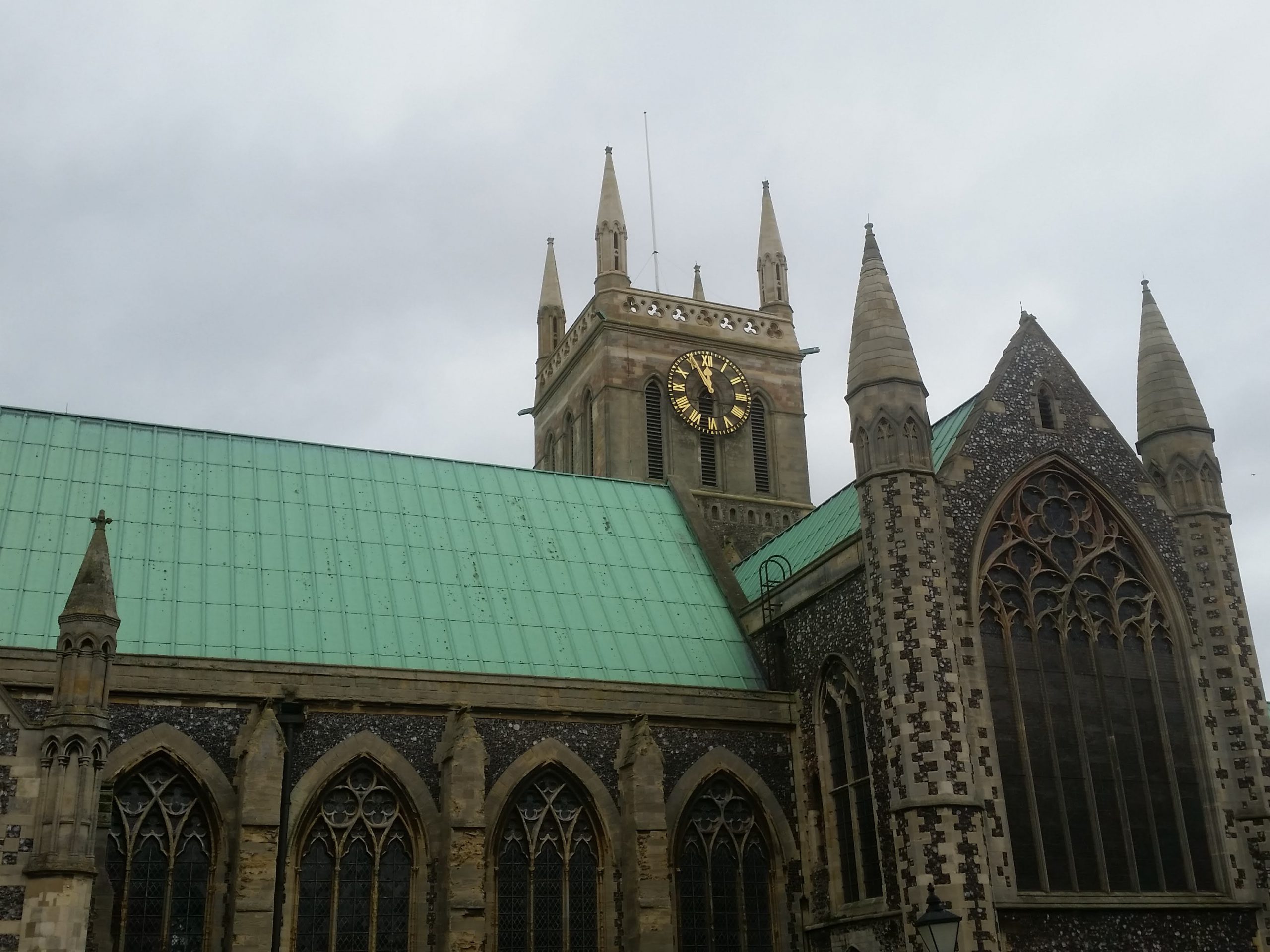
    Great Yarmouth, Norfolk. Gernemwa in Domesday Book, Gernemuta Magna in 1254. The mouth of the River Yare.

    The Magna means great, which is solely to avoid confusion with Southtown on the southern side of the river, formerly known as Little Yarmouth. The word origin is different from Yarmouth on the Isle of Wight, but the word Great has probably persisted to differentiate those two towns. ‘Garienis’ is the Saxon word for the River Yare, so it started with something like ‘Garmud’ and that ‘d’ at the end was pronounced as ‘th’.

  • Brundall – Name Origin

    Brundall – Name Origin

    Brundall was on our third training walk for the LDWA 100, so here’s a quite meander over to The Concise Oxford Dictionary Of English Placenames.

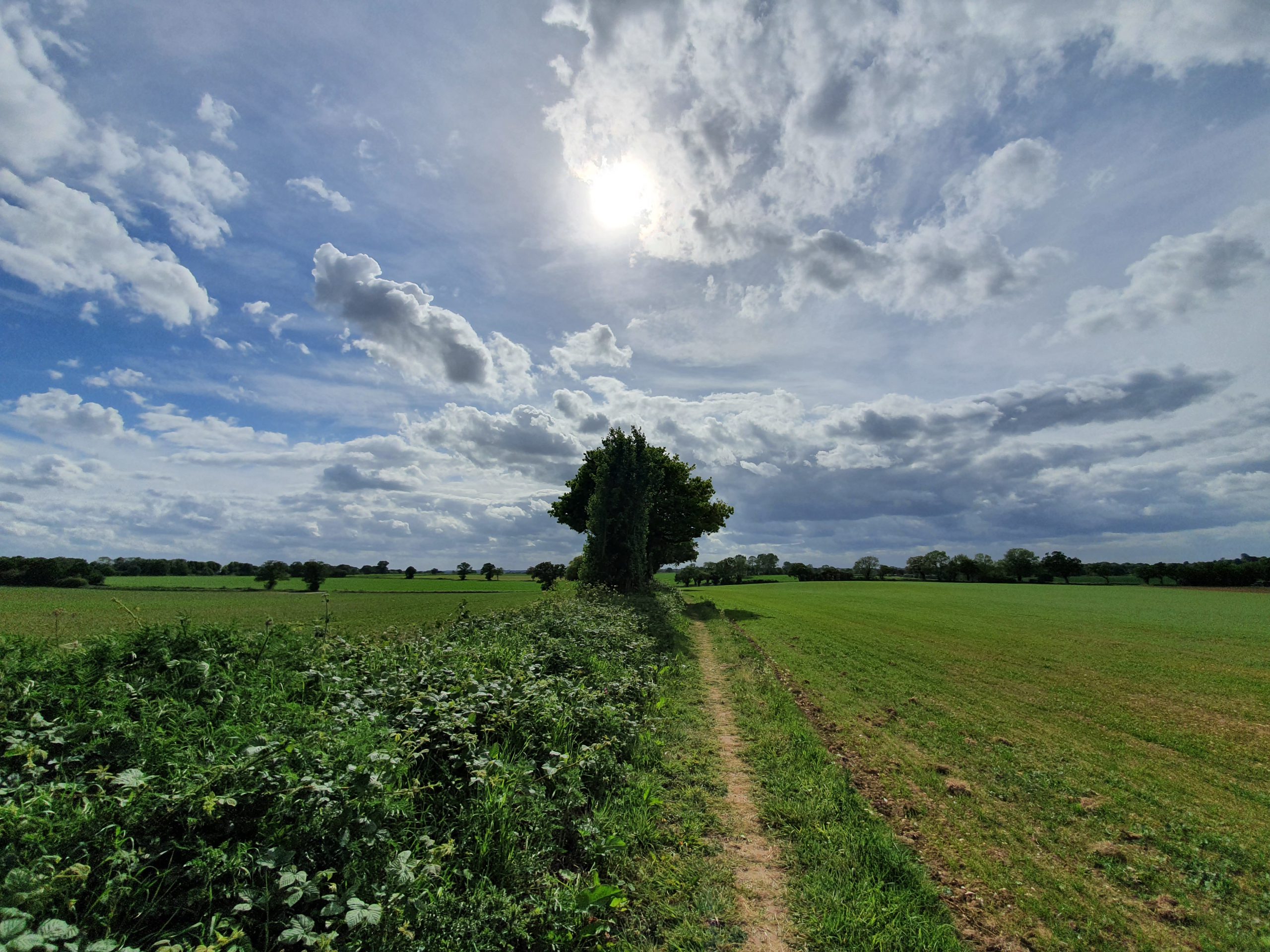
    Brundall, Norfolk. Brundala in Domesday Book, Brundale in 1180 and Brundhal in 1257. Perhaps a compound of Old English bromede, or broomy, and Halh.

    The ‘halh’ bit is usually a secret place, a tucked away area or some land which is separate from its administrative area. The word ‘broom’ is an old English word for a bramble and by coincide (I assume) there’s also a boat company called Brooms of Brundall. All sounds a bit convoluted and unlikely to me, but I like the idea of Brundall meaning ‘the secret brambled area’.

  • Bath – Beckford’s Tower (Tomb of William Beckford)

    Bath – Beckford’s Tower (Tomb of William Beckford)

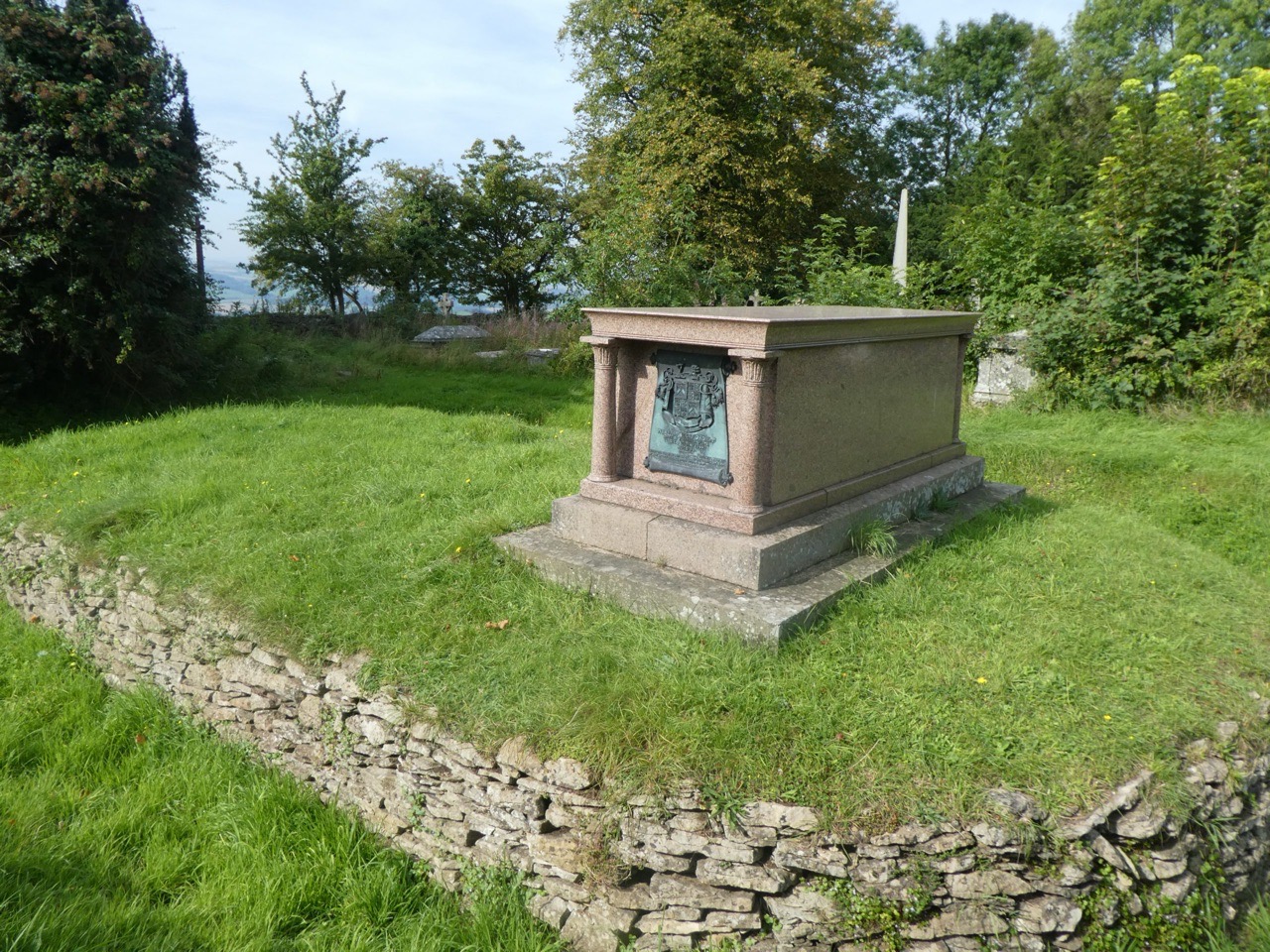
    The tomb of William Thomas Beckford (1760-1844), with Beckford’s Tower in the background, more on which in another post. Beckford managed to have quite a few interests, aided with a substantial legacy from his father of the same name, which included literature, art collecting, travelling and building design.

    Beckford was buried at Bath Abbey cemetery on 11 May 1844 and the tower where he wanted to be buried, then called Lansdown Tower but now better known as Beckford’s Tower, was flogged off to the publican of the Freemasons Arms on Abbey Green who planned to use the land as a beer garden. I doubt Beckford would have been entirely satisfied at this, but fortunately for him, his daughter was able to buy back the land and in 1848, Beckford was buried outside the tower in this grand pink granite tomb. This had proved impossible earlier on as it was consecrated ground, but permission was granted and there are now around 5,000 other burials at the site.

  • Bath – December 25th Shop

    Bath – December 25th Shop

    When I took this photo in 2017, I assumed that this was just a shop set-up for Christmas, although I thought that they were being a little enthusiastic opening in August. The shop on Cheap Street was though much more permanent, run for over 30 years by Graham Tomkiss, but it sadly closed in 2018. A pop-up shop opened on New Bond Street for Christmas 2019, but there’s no confirmation yet whether there will be anything for 2020.

    For children though, this must have kept the excitement of Christmas alive for the whole year.

  • British Airways – Booking Again

    British Airways – Booking Again

    It’s a relief, for the first time in months, to be able to book a flight and see this e-mail arrive. OK, it’s just a domestic flight for later in the year, but nonetheless….

  • Dictionary of the Vulgar Tongue – Day Eighty-Five

    Dictionary of the Vulgar Tongue – Day Eighty-Five

    The Dictionary of the Vulgar Tongue was first published at the end of the eighteenth century, and given that the Coronavirus crisis is giving too much time to read books, I thought I’d pick a daily word from it until I got bored…..

    Coliander or Coriander Seeds

    Defined in the dictionary simply as “money”, I don’t have much to add to this, although it’s slightly intriguing that the word used to have two forms of spelling. The root of the word is from the Greek ‘koriannon’, so the change from the ‘r’ to an ‘l’ must have been a confusion as the word evolved into English, but there are written references to its spelling as coliander for nearly 1,000 years.

    As an aside, the use of the word ‘coriander’ has been relatively common in texts for nearly 300 years, albeit with a more recent surge in the usage over the last few decades.

    Back to the meaning as money, Green’s Dictionary of Slang states that “seeds provide a form of growth necessary for life, thus figurative synonymn with money”, although this seems a bit convoluted as there are many different seeds and why would coriander be singled out?