Author: admin

  • Smithsonian Magazine – Charlie Papazian

    Smithsonian Magazine – Charlie Papazian

    There’s an excellent article in this month’s Smithsonian Magazine about Charlie Papazian, a craft beer pioneer in the United States. I hadn’t realised that in the early 1970s, it was illegal to home-brew in the United States, probably some legacy from the Prohibition era when a nation feared the consumption of alcohol.

    The author of the article, Matthew Shaer, asked Papazian:

    “Could you have back in the 1970s have imagined walking into a brewery and ordering a peanut-butter-and-jelly-flavored stout?”

    Papazian replied:

    “It’s difficult to stress how different things were—at every level”.

    Quite right and, incidentally, that stout sounds delicious….

    There are two paragraphs in the article which are a reminder of just how far craft beer has come, and I agree with the “largely interchangeable” comment from the author….

    “Today, when many states in the nation are home to 100 breweries and some states count six or eight times that number, it seems almost impossible to imagine that beer was a relatively uniform and even uninspired commodity for most of recent American history. Lagers pale in color and low in alcohol were popular as refreshment but did not engender much connoisseurship or olfactory debate. It was the stuff you slugged back after mowing the lawn on a hot day.

    In 1949, the year Papazian was born, the market was almost entirely dominated by big corporations that specialized in largely interchangeable German-style beers: Miller, Pabst, Budweiser, Coors. “I grew up in a mid-century culture, where with food, it was cool to be homogeneous,” Papazian recalled. “You turned on the TV, and it was Velveeta cheese, it was frozen dinners, it was white bread. Wonder Bread! Flavor diversity wasn’t really a thing.”

    I don’t know anything about Papazian other than what’s written in this article, but it sounds like he has made a fine contribution to craft beer…..

  • Florence – Museo degli Innocenti (Christ the Redeemer by Vincenzo Ulivieri)

    Florence – Museo degli Innocenti (Christ the Redeemer by Vincenzo Ulivieri)

    This representation of Christ the Redeemer was painted by Vincenzo Ulivieri, or perhaps Francesco Morandini (also known as Poppi) but I’ve lost something in translation as the gallery states this was painted in 1530 on wood. That might make sense, but the same gallery information board says Ulivieri lived from 1565 until 1600 and Morandini lived from 1544 until 1597, so something doesn’t quite work there.

    Dating of the painting to one side, it’s a copy of the artwork painted by Andrea del Sarto in around 1515 for the Santissima Annunziata. This copy was commissioned by Vincenzo Borghini, a Benedictine monk who was the rector, or prior, at the Ospedale degli Innocenti from 1552. To my untrained eye, the painting of the face looks a little crude, but the colours remain rather vibrant and the face of Christ looks warm and compassionate.

  • LDWA 100 – Q & As with David Morgan

    LDWA 100 – Q & As with David Morgan

    This page is all part of my effort to walk the 2021 LDWA 100.

    In the first part of my new series of probing interviews (OK, not that probing, this isn’t the Daily Mail, although perhaps in a few months maybe the readers of this blog will demand sensationalism….) with experienced LDWA 100 walkers. And there can be few people more cool, calm and collected than the LDWA’s national chair, David Morgan. I can say, if there wasn’t an IT fund to raise money for, I suspect we in Norfolk & Suffolk might be raising money to fund a statue in somewhere like Fakenham of this towering walking figure.

    My efforts to walk the 100 will be more like Alan Partridge, but they all count…. You can follow David on Twitter at https://twitter.com/ldwachair.

    So, here we go. People may be surprised that I wrote these questions and not someone like Jeremy Paxman, as I feel they cover the important parts of walking.

    Q. When was your first 100?

    I entered my first 100 mile walk in 1995. I retired at the breakfast point and was wholly underprepared for the mental challenge that the Shropshire 100 offered. I’d not been required to complete a qualifier and I know that if I’d walked 50 miles, I’d have been better prepared. The first 100 that I finished was the Yorkshire Dales 100 in 1996.

    Q. Were you nervous before starting that first 100?

    I wouldn’t say that I was nervous, but I was apprehensive about the challenge that I faced.

    Q. When you finished your first 100, did you think you’d do another?

    I said ‘Never Again’. And we know what happened to that statement!!

    Q. Is completing the 100 just as much about being a mental challenge as a physical one? What would you say to people who are easily distracted and might want to stop to pop in a pub or a Greggs en route?

    I think that the 100 is definitely more of a mental challenge than a physical one. That’s not to underestimate the physical effort required, but it always seems possible to put one foot in front of the other if the mind tells you it’s possible.

    Being distracted by food is a good thing! The way to approach that distraction is to convince yourself that you’re providing the body with calories for later on in the walk. If you have a pint, limit yourself to one. I know lots of people who have done that and I like to have a bottle at the finish waiting for me as an incentive!

    Q. When you’re tired and parts of you are hurting which you don’t want to be hurting, how do you get the motivation to keep going?

    It’s that mental battle again. Focus on the surroundings, the beauty of what you are walking through and take your mind off the pain that you might be experiencing. If it’s at night, it’s often possible to focus on views, particularly when high on a hill or gaze at the stars and enjoy what’s above!

    Q. Have you hallucinated towards the end of a walk?

    I’ve only hallucinated once and that was in 1996 on my first 100. I could see faces in rocks and as I climbed a large hill towards Malham, the path that had become very muddy in the rain became a pink colour.

    Q. What practical advice do you have about foot care? For example, is Sudocrem useful and do you recommend changing socks regularly?

    I don’t use Sudocrem on my feet; I save that for other body parts and use it liberally!

    As for my feet, I always smear them with Vaseline and always wear two pairs of socks. One thin pair next to my feet and a slightly thicker pair on top of that. I change my socks and reapply Vaseline every 15-20 miles. I haven’t had a blister on a 100 in over five years since pursuing this approach.

    Q. You get to a checkpoint and have to choose. Two sausage rolls or one steak bake?

    Tough choice. Quantity or quality? I think I’d go for one steak bake!!

    Q. Are your spirits lifted when being welcomed into LDWA checkpoints?

    Definitely. LDWA volunteers on the 100 instinctively know what you need. The kindness and support offered is humbling. Wonderful people will take your mug and get a cup of tea whilst others will get you food. Others will see when entrants need a bit more TLC and will help them recover before sending them on their way. Marshals do not want to see people retiring at their checkpoints and will do everything they can to help people succeed.

    Q. Is it acceptable to have a little craft beer when 80 miles into the 100 miles?

    Definitely!! If it lifts your spirit, why not?!

    Q. Do you prefer route descriptions or GPX?

    I use both. I prefer to navigate by route description primarily, but use my GPS when a path junction is unclear. I prefer the route description because it helps to keep my mind active and to also ensure that I know exactly where I am in the route description. I particularly like to navigate at night time by the route description and often assume that 100 yards takes about 1 minute to walk. So, if I see a 1000 yard stretch, I can relax for about 8 minutes before ‘switching on’ and looking for the next feature.

    Q. Have you been scared of a sheep / cow / snake / pig / seagull or similar on a challenge walk?

    A badger ran out in front of me on the 2017 North Yorkshire Moors 100 and I jumped backwards as it startled me! I admit my heart did miss a beat!

    Q. To those people who are thinking about taking part in their first challenge event, maybe just 18 miles, what advice would you give them?

    Enjoy the experience, engage in conversation with other walkers, focus only on the next checkpoint, enjoy the hospitality that the LDWA is famous for and once you’ve finished, look forward to booking yourself onto the next adventure.

  • Caistor Saint Edmund – Photos

    Caistor Saint Edmund – Photos

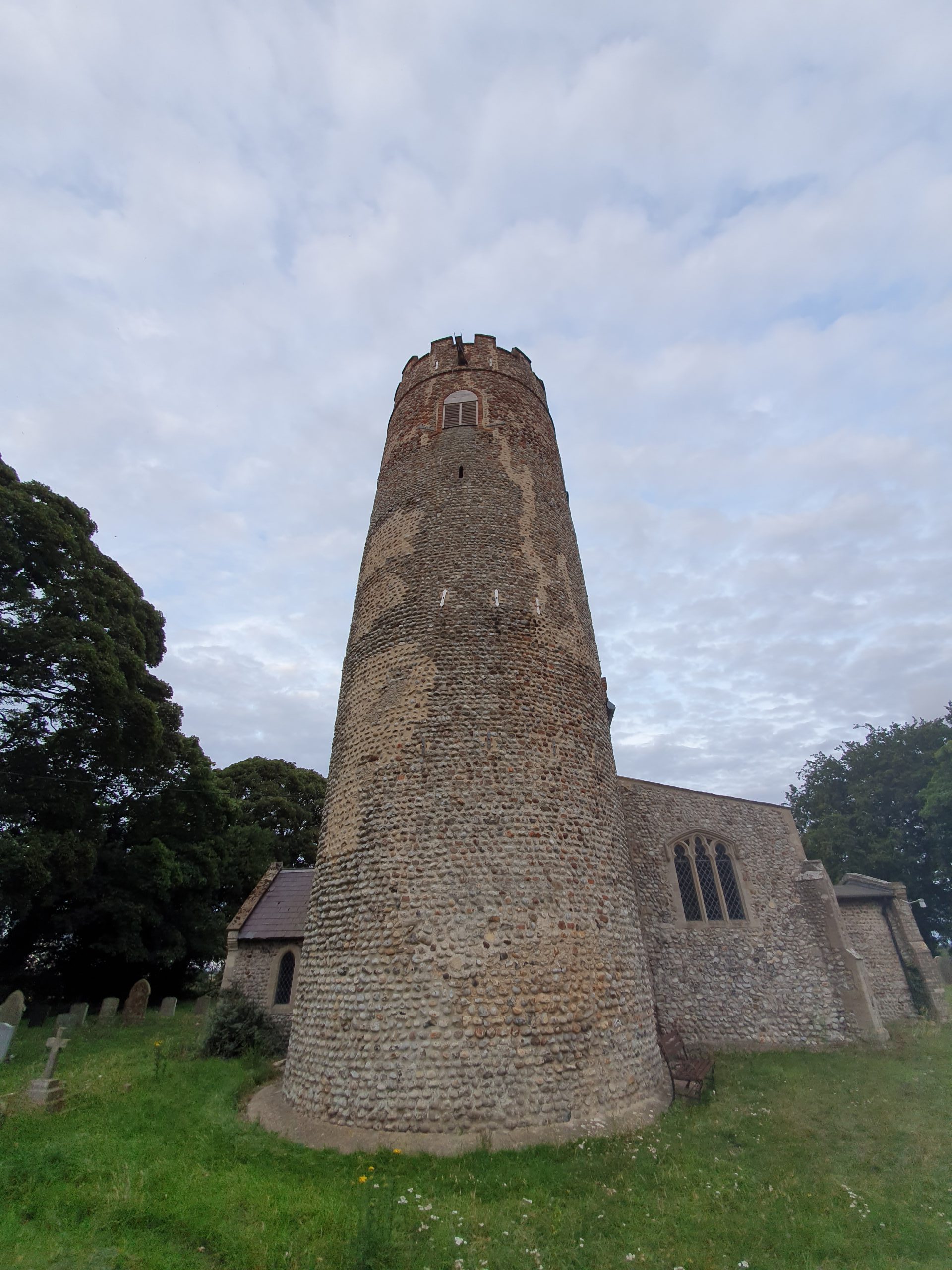
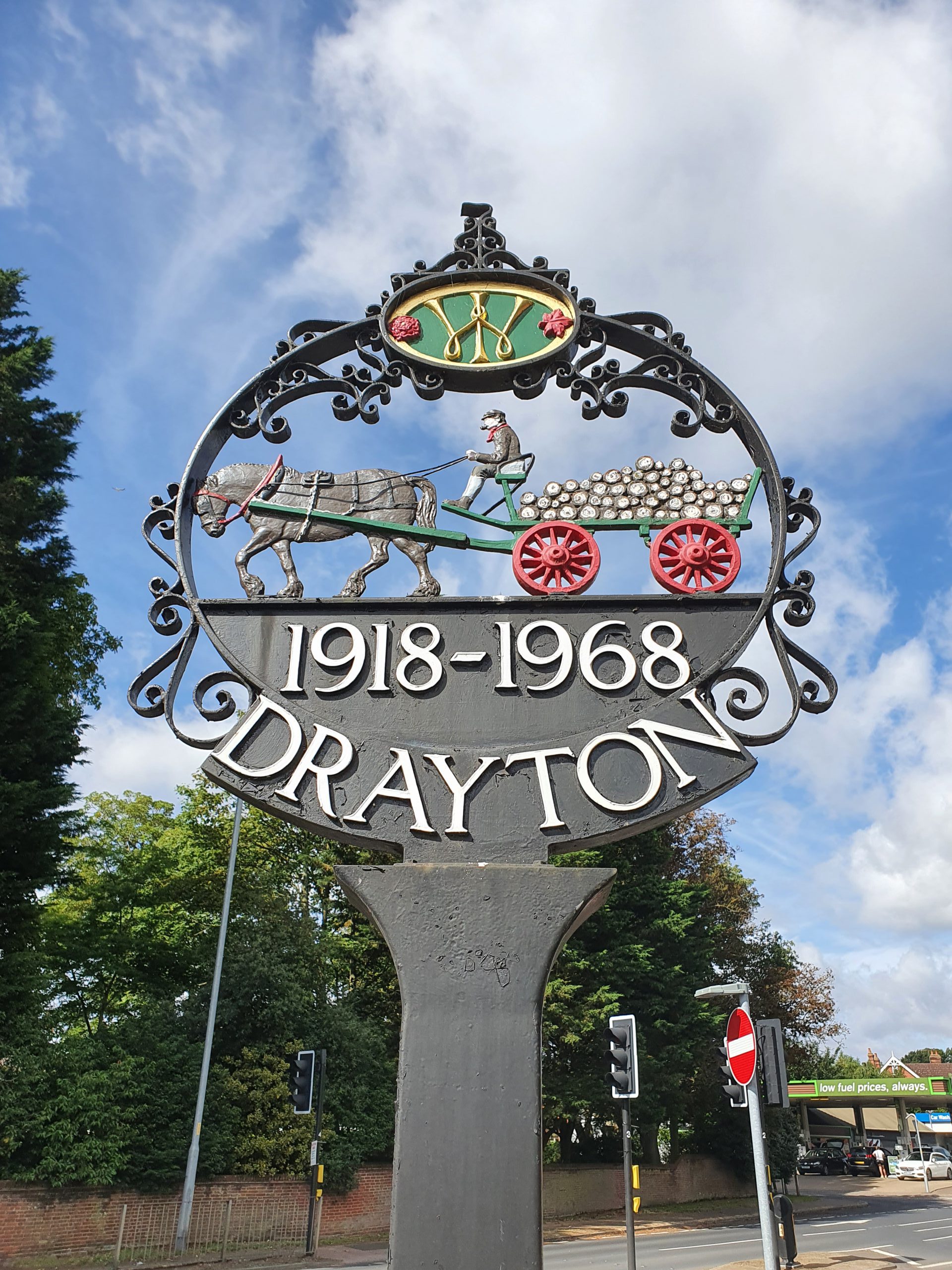
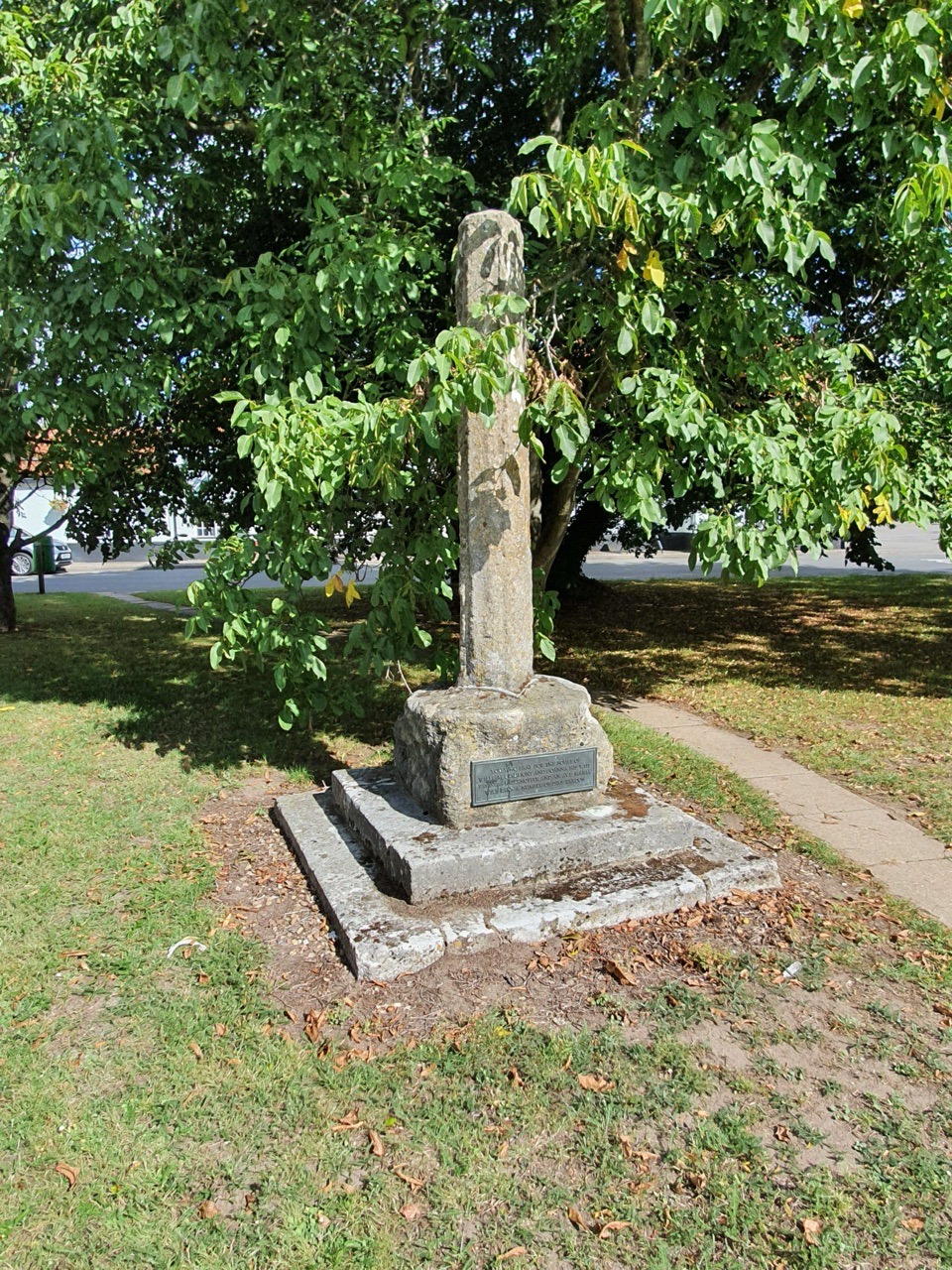
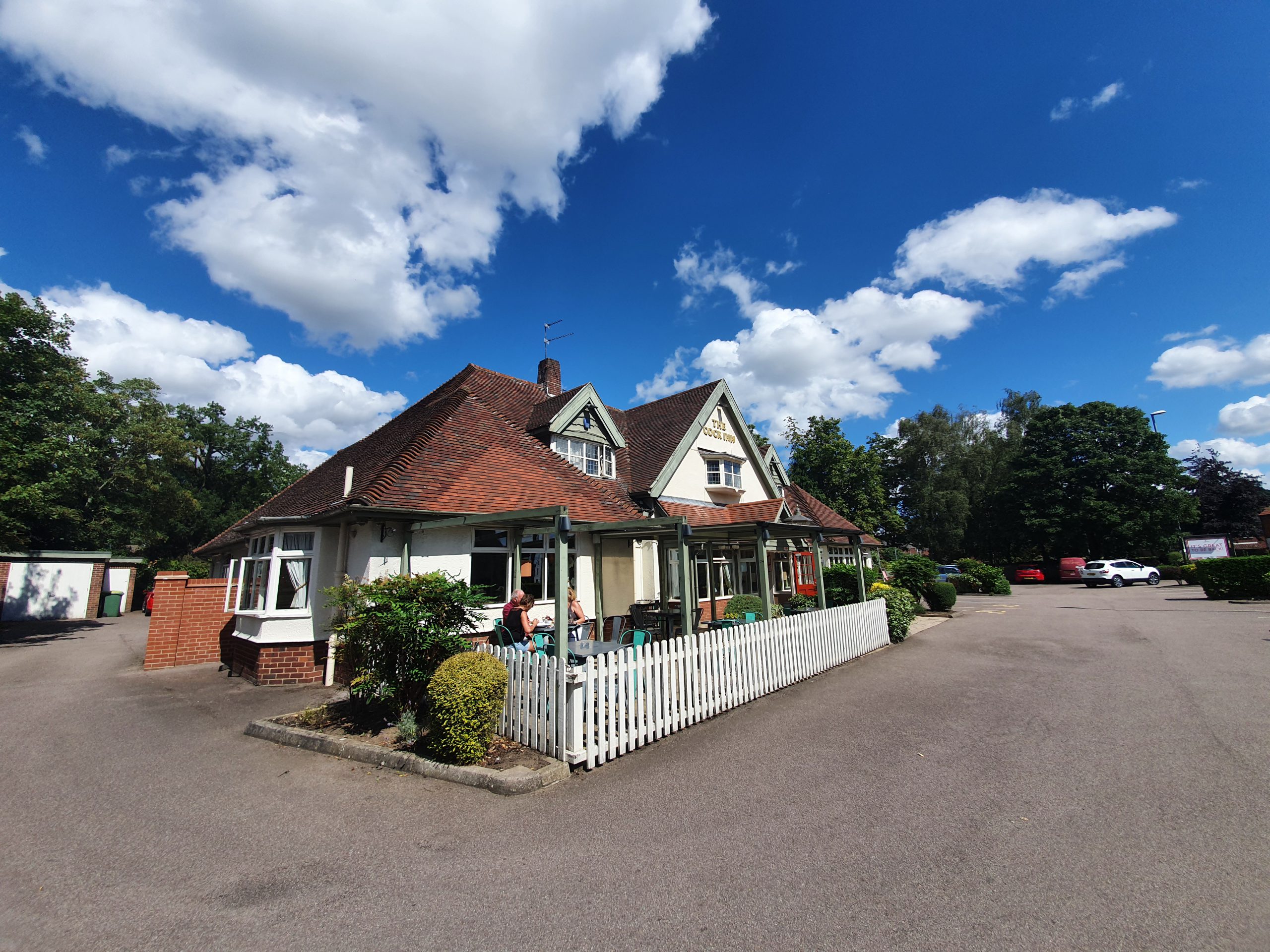
    Just photos in this post, from a walk around the Caistor Saint Edmund area. Could have done without the aggressive sheep stamping its foot in one of the fields, but fortunately, it thought better of attacking us. And we were also pleased not to see the snakes mentioned on a sign near High Ash Farm.


  • Dictionary of the Vulgar Tongue – Day Ninety-Two

    Dictionary of the Vulgar Tongue – Day Ninety-Two

    The Dictionary of the Vulgar Tongue was first published at the end of the eighteenth century, and given that the Coronavirus crisis is giving too much time to read books, I thought I’d pick a daily word from it until I got bored….

    Crispin’s Holiday

    The dictionary defines this as “every Monday throughout the year, but most particularly the 25th of October, being the anniversary of Crispinus and Crispianus”. Spelled as Crispin and Crispinian today, this pair are the patron saints of cobblers, tanners and leather workers and they were persecuted in the third century for their Christian faith. The men worked as shoe-makers and were tortured on the orders of the Roman Emperor and then thrown into the river with millstones around their necks. Somehow, this effort didn’t manage to kill them, so they were then beheaded on 25 October 285AD.

    The Battle of Agincourt was fought on 25 October 1415 and so a link developed between that victory along with Crispin and Crispinian, with numerous other battles since also fought on 25 October. A Feast Day was held on 25 October, but there were numerous industries such as butchers, shoemakers, fishmongers and the like who often didn’t work on Mondays, so they were said to be having a Crispin’s Holiday.

  • Norwich – Thorpe Marshes and Dead Cygnets

    Norwich – Thorpe Marshes and Dead Cygnets

    Not particularly positive news, Thorpe Marshes (where I visited a couple of weeks ago) has had dogs running off leads which have killed some cygnets.

    Norfolk Wildlife Trust said about the three killed cygnets:

    “One of them was witnessed by somebody who is a regular visitor to the marshes and it was very upsetting for them to see. The mute swan had moved her nest to a dyke near a footpath, but that does not excuse the owners of these dogs. They should be kept on leads. We understand that people like to walk dogs, but running them off a lead in a nature reserve is not a good idea. We are appealing to people to be sensible and responsible”.


  • Florence – San Lorenzo Church (Facade)

    Florence – San Lorenzo Church (Facade)

    San Lorenzo is one of the most important churches in Florence, but from its frontage, it doesn’t exactly look inspirational. Unfinished facades aren’t rare, with Florence Cathedral only seeing its frontage being completed in the late nineteenth century, but this one has just never been completed. In 1515, Michaelangelo drew up plans for an internal and external facade, but only the former was constructed.

    The Medici web-site has an image of what the external facade would have looked like if it had been completed and there have been numerous attempts, including recently, to reconstruct the frontage and to complete the works. The problem now though is that many people don’t want a historic building having a modern frontage stuck on the front of it, even if it is completed to the plans that Michaelangelo drew up over 500 years ago. So, this is probably what the facade will look like permanently, and it does have some raw beauty to it.

  • Florence – San Lorenzo Church (Tomb of Donatello)

    Florence – San Lorenzo Church (Tomb of Donatello)

    Donatello (1386-1466) was a sculptor, artist and architect who was born and died in Florence and his tomb is today in the crypt of San Lorenzo church. He worked on numerous projects within the church, including the Passion Pulpit, which was his last work. His burial was a prestigious one, it’s known that the sculptor Andrea della Robbia was one of the people who carried him to his final resting place, with his tomb being located underneath the altar of the church.

    The inscription on the tomb reads something like:

    “Here lies the body of Donatello, celebrated for reviving the ancient art of sculpting, most dear to the Medici Princes, generous patrons of the liberal arts who, as they revered him while he was alive, so they erected a tomb for him after death in a place close to their own.”

  • Florence – San Lorenzo Church (Passion Pulpit)

    Florence – San Lorenzo Church (Passion Pulpit)

    This rather grand pulpit was designed by Donatello (1386-1466) in around 1460 and it was the last of his works, sitting near to the Resurrection Pulpit which he had also designed. It’s 2.8 metres in length and 1.37 metres in height, taking into account the height of the columns, although the marble columns were a later addition.

    It’s also not entirely clear that they were built as pulpits, as they’re of a strange shape for that purpose, so they may perhaps have been designed as tombs. A suggestion that they might have been used as a choir loft has been mooted, although the choir wouldn’t exactly have had much space.

    There are Biblical scenes beautifully carved around the pulpit (or whatever it is) and Donatello’s elements were in bronze. Above is the south side of the pulpit, with the left-hand panel being the Flagellation, which was a section made from burnished wood added in the seventeenth century, similar to the middle panel which is of John the Apostle.

    The right-hand section on the south side is though Donatello’s work, the Oration of the Garden, showing the Mount of Olives of Gethsemane. The guide suggests that this depth of perspective is so finely carried out that it was attributed to Donatello, with Bartolomeo Bellano completing the remaining parts of the section. And I’m hardly in a position to know any better to dispute that…..

  • Dictionary of the Vulgar Tongue – Day Ninety-One

    Dictionary of the Vulgar Tongue – Day Ninety-One

    The Dictionary of the Vulgar Tongue was first published at the end of the eighteenth century, and given that the Coronavirus crisis is giving too much time to read books, I thought I’d pick a daily word from it until I got bored…..

    Crew

    The dictionary defines this as “a knot or gang; also a boat or ship’s company. The canting crew are thus divided into twenty-three orders” and these are then listed:

    “Men

    1. Rufflers
    2. Upright Men
    3. Hookers or Anglers
    4. Rogues
    5. Wild Rogues
    6. Priggers of Prancers
    7. Palliardes
    8. Fraters
    9. Jarkmen or Patricoes
    10. Fresh Water Mariners or Whip Jackets
    11. Drummerers
    12. Drunken Tinkers
    13. Swaddlers or Pedlars
    14. Abrams

    Women

    1. Demanders for Glimmer or Fire
    2. Bawdy Baskets
    3. Morts
    4. Autem Morts
    5. Walking Morts
    6. Doxies
    7. Delles
    8. Kinching Morts
    9. Kinching Coes”

    Some list and I’ll come onto some more of these definitions in future weeks as I stumble across them in the dictionary. But the aim of this list was to place criminals into some sort of order in how they were respected by the rest of the canting, or criminal, community. I’m not entirely sure why some of these categories managed to get themselves to the top, the ‘rufflers’ are a group who pretend to be former soldiers. But, I like some of the phrases, some of them sound like rivals to the Bullingdon Club.