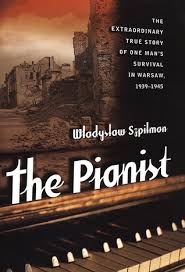
I rewatched The Pianist film a couple of weeks ago, which is the true story of Władysław Szpilman, a Jewish pianist who survived the Second World War having gone through severe adversity. I haven’t read the book itself, although I now have a copy and will finish it this week. The film came out in 2002 and was directed by Roman Polanski, who himself had been imprisoned in the Krakow ghetto as a child.

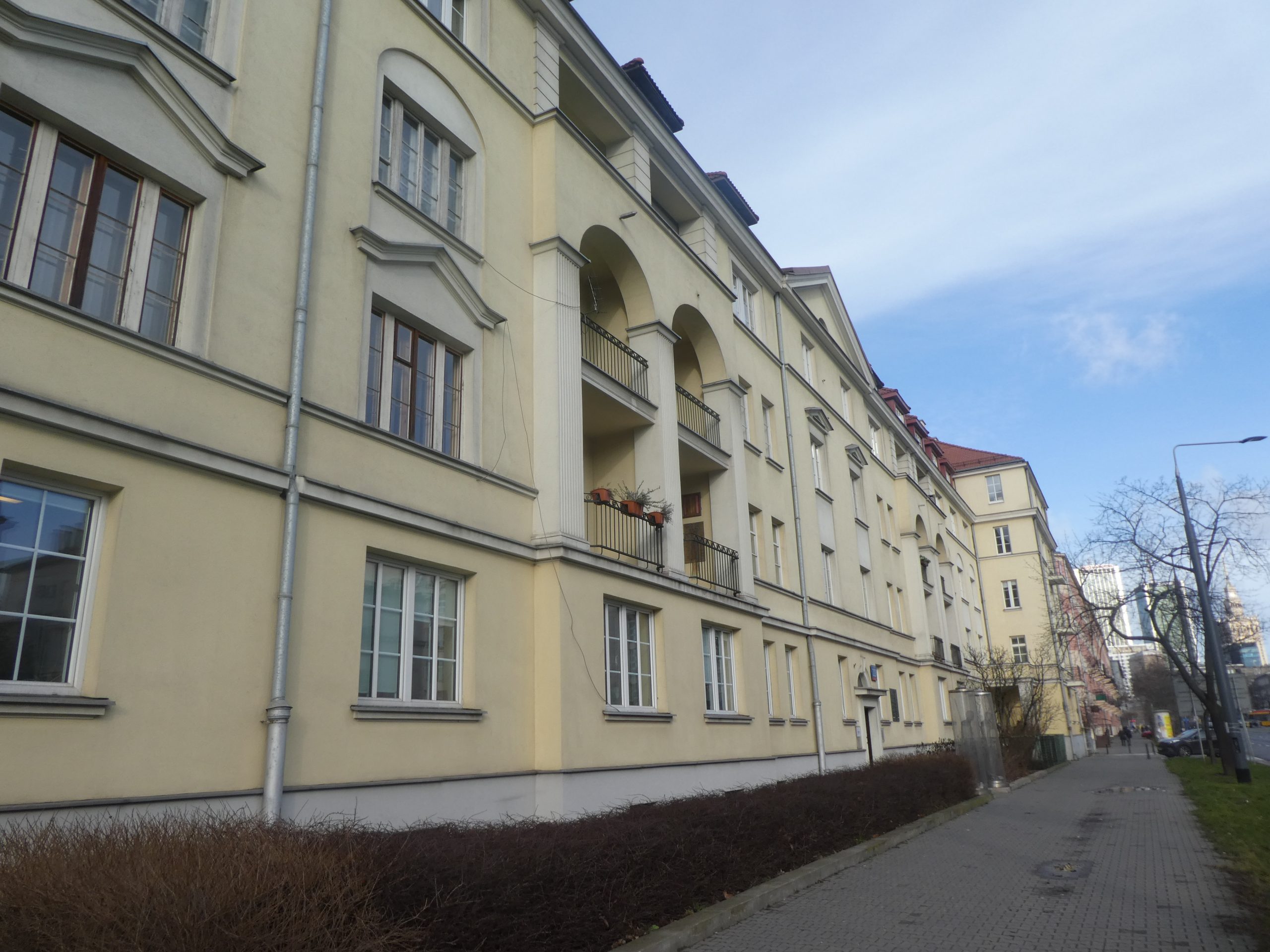
Anyway, after many near captures by Germans in Warsaw, and a period in the Warsaw ghetto, Szpilman thinks his time is up when a German officer finds him hiding in the damaged building at al. Niepodległości 223, in the above photo. His story is long and complex, too long to repeat here, but Szpilman was near to death on numerous occasions.
The German officer was Wilhelm Hosenfeld, but this man was different to what Szpilman would have initially feared and he disagreed with the atrocities which were being committed against the Jewish community in Poland and indeed to non-Jewish Poles. He protected Szpilman and his decency and valour secured him a posthumous listing in the Righteous Among the Nations. Only 627 Germans have been recognised in this way, with few being senior members of the military.

There is now a plaque outside the building.

This is Wilhelm Hosenfeld, who saved the life of Władysław Szpilman, who was able to return to his musical career and lived until 2000. Szpilman lost all of his close family members and it was only a series of miracles that he managed to survive himself in the remains that left of Warsaw. Hosenfeld was killed by the Soviets in 1952, but he saved Szpilman and it was rather lovely to see the building where his act of kindness took place.