Tag: St. John’s Church

  • Great Yarmouth – St. John’s Church

    Great Yarmouth – St. John’s Church

    [I originally posted this in August 2018, but I’ve reposted it to fix the broken image links]

    20180830_171645

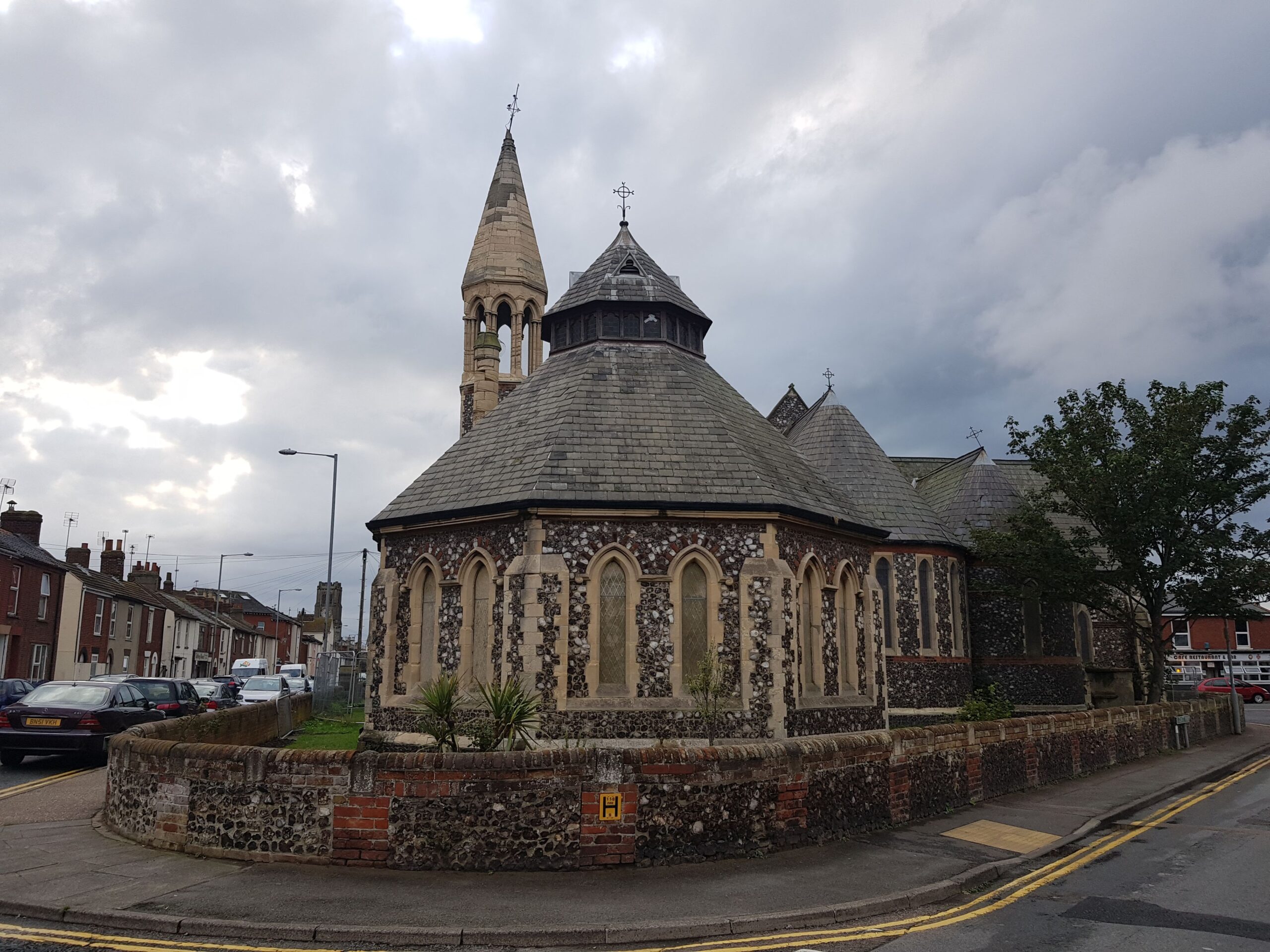
    A short way from the busy seafront is this closed and redundant church, looking a little sad. Its future is though more positive, as it was sold to the Great Yarmouth Preservation Trust in 2016 for £1 and the organisation has plans to restore the building and use it for the community. The funds aren’t currently in place to complete the project, but the Trust seems hopeful that they can be secured.

    20180830_171641

    A rather charming tree in the churchyard.

    20180830_171605

    Sadly, at the moment the entire church is fenced off. The church had first opened in 1858 when it was opened by the Beach and Harbour Mission. During the Victorian period the church was primarily used by the local beachmen, sailors and their families.

    20180830_171543

    The church’s former chapter house. The building was built by John Henry Hakewill, who designed and restored many churches during the mid-Victorian period.

    20180830_171619

    The Trust is restoring and preserving seven documents which were found in the church, including an impressive baptism roll. It’s delightful that these documents have been secured for the future, as without the Trust’s intervention there must have been the risk that the church would have been turned into flats and the contents lost for ever. The kneeler cushions, which had been left unused for years, were also kept and there are plans to repair and preserve them.

    The restoration of the church appears to be in good hands, and the Trust said to the local media that the repairs would be sensitive and that the interior wouldn’t be reconstructed. Hopefully in a few years this building will once again be used by the community, and I can then have a little look inside.
  • Bremen – St. John’s Church

    Bremen – St. John’s Church

    [I originally posted this in April 2018, but I’ve reposted it to fix the broken image links]

    20180427_150137

    This is a fourteenth century church in the Schnoor district of Bremen and it replaced a thirteenth century building that had been on the same site. It was run by Franciscan monks, but was closed down following the Reformation and turned into a mental asylum and hospital.

    20180427_145640

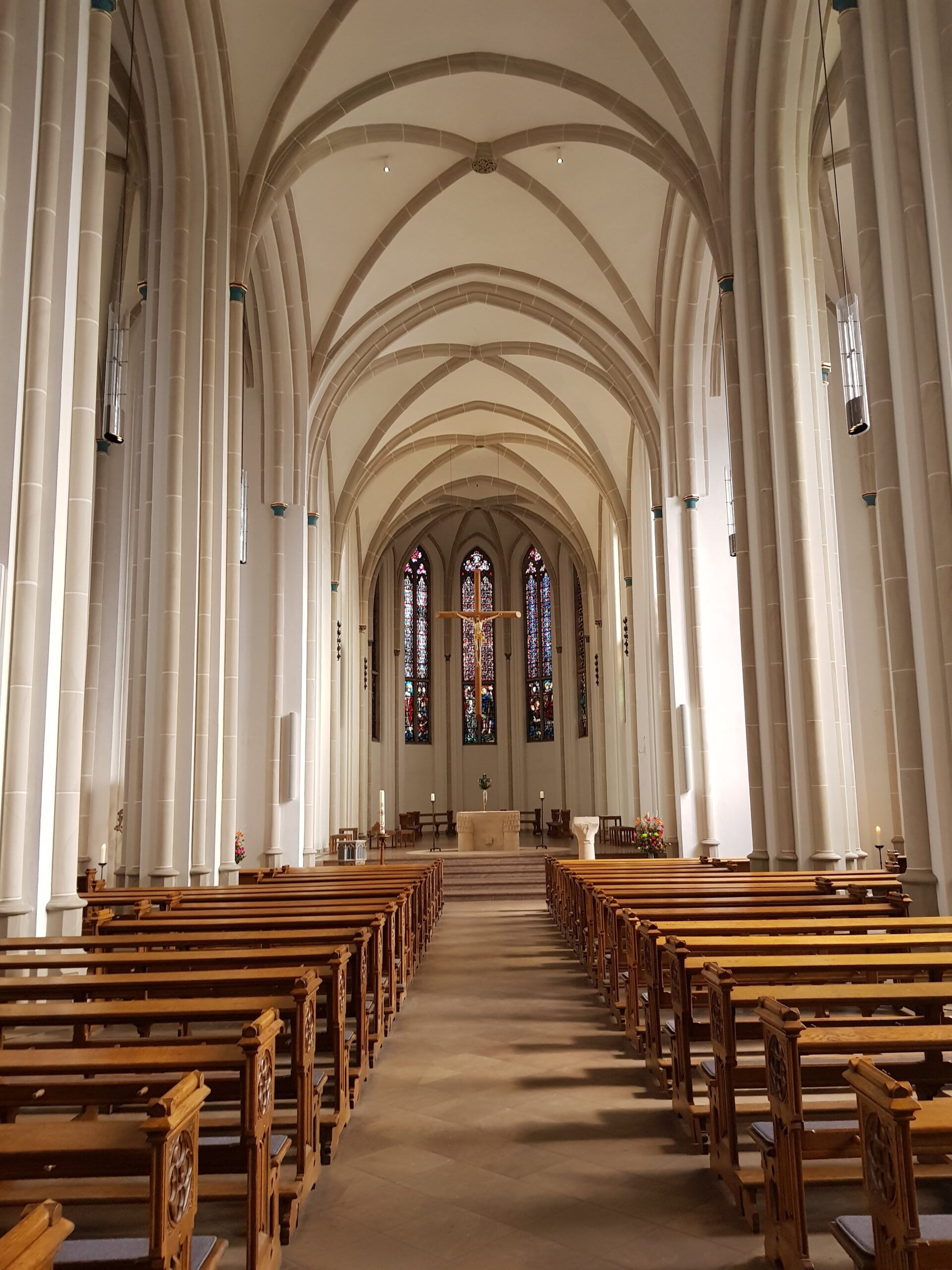
    The tall nave, with the interior being bright and relatively free of decoration. There was a plan in the early nineteenth century to turn the nave into a warehouse and just use the choir area for worship, but this was narrowly avoided.

    20180427_145818

    There were many of these panels which were set into the walls.

    20180427_145926

    The organ, which dates to 1965. The building had been damaged during the Second World War and the roof destroyed, but it was repaired and in 1992 there was reconstruction of the interior to extend the crypt.

  • Hoveton – St. John’s Church (Elizabeth Agnes Thrower)

    Hoveton – St. John’s Church (Elizabeth Agnes Thrower)

    Located in the churchyard of St. John’s Church in Hoveton, this unusual grave marker is that of Elizabeth Agnes Thrower. Aged just 27 at her death, the grave marker was paid for by her husband, Alfred Thrower. Elizabeth died on 25 July 1892 and was buried on 31 July 1892, in a service overseen by the vicar Jonathan William Woolley. Sadly, that’s as far as I’ve got with the story of Elizabeth’s life, but her grave marker is near to the entrance to the church and is quite evocative of the period.

  • Hoveton – St. John’s Church

    Hoveton – St. John’s Church

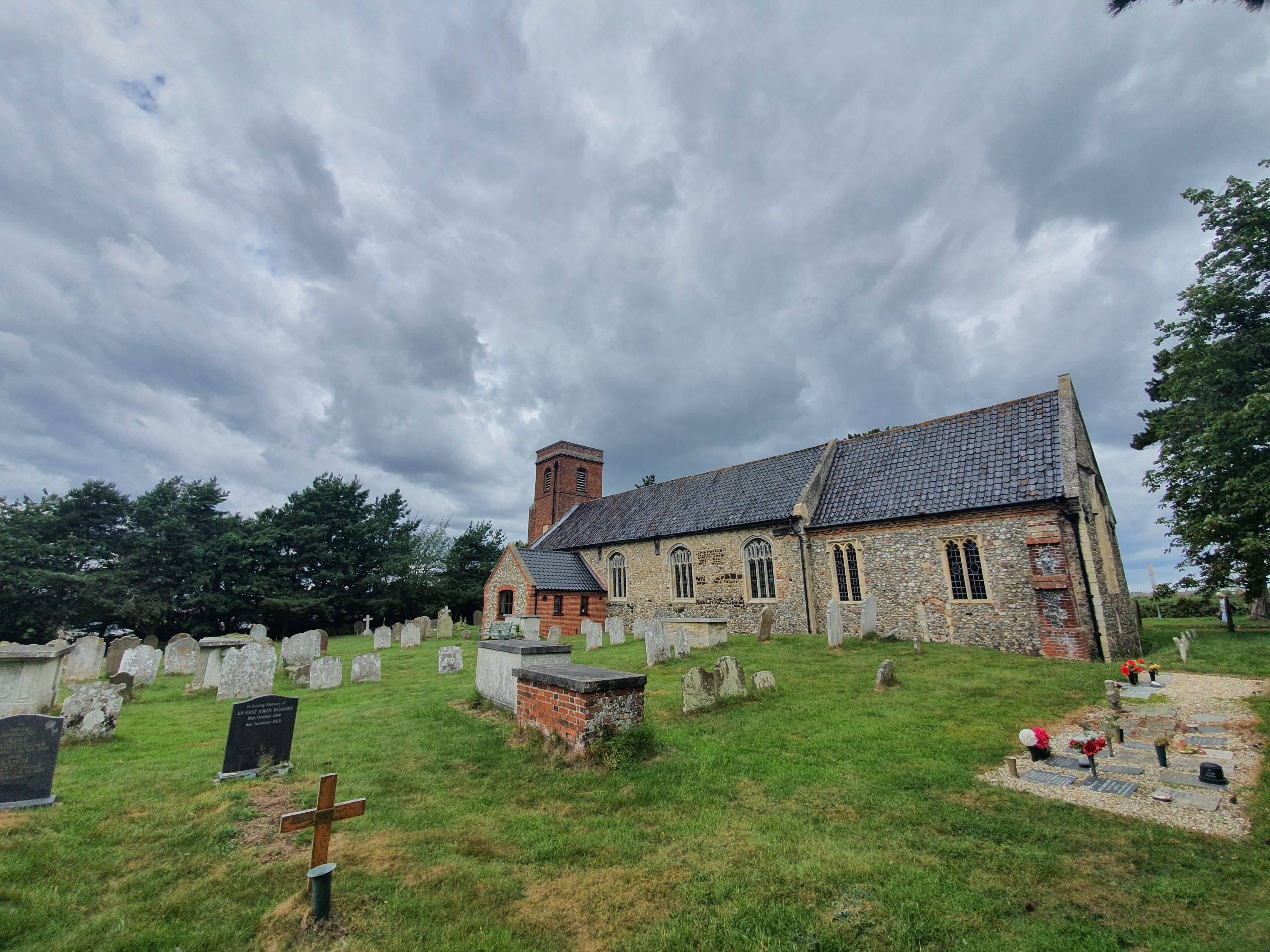
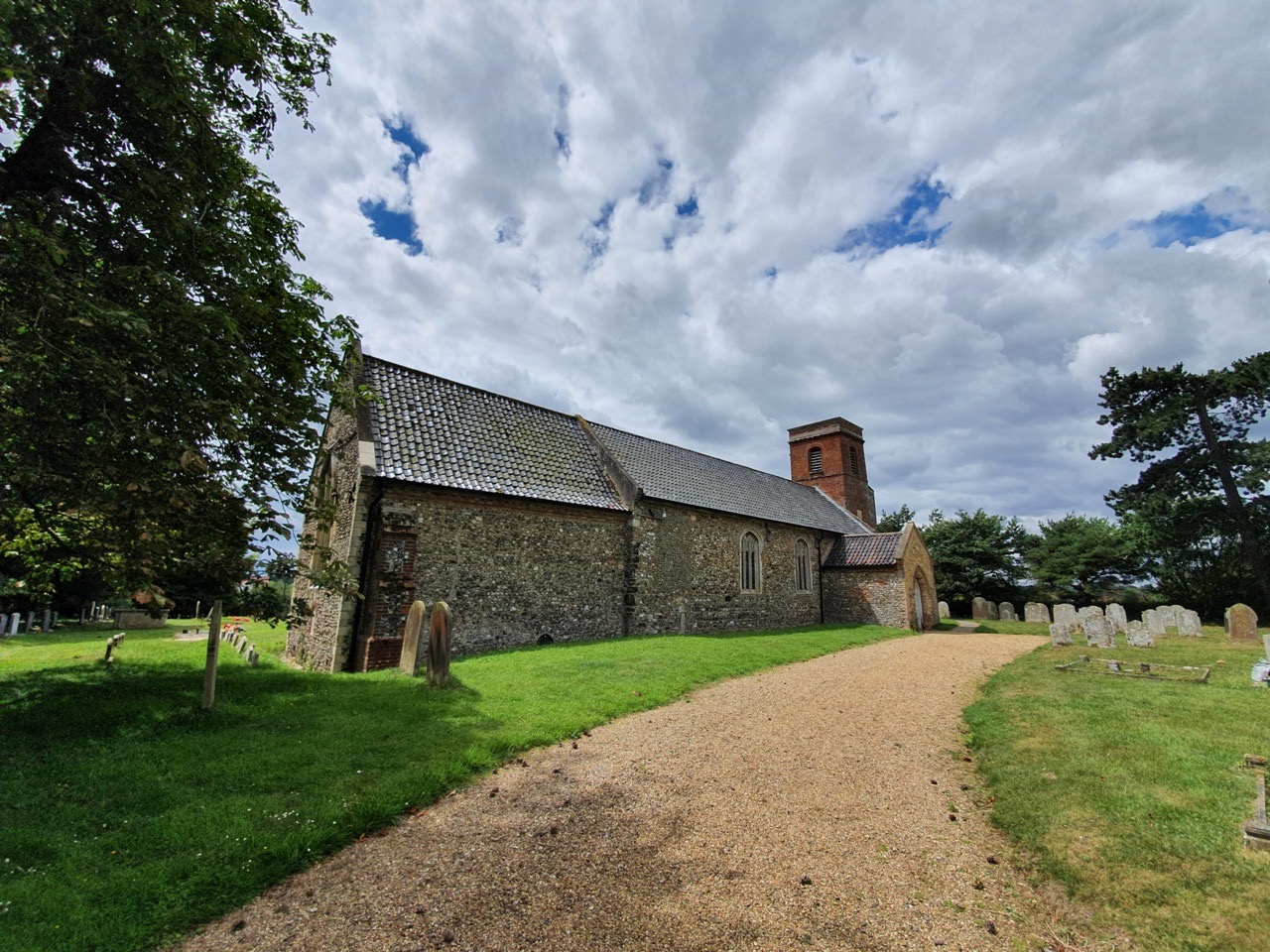
    The parish church of Hoveton is a short walk from the village centre, now dominated by Roys of Wroxham. The nave of the church dates to the late eleventh century, with the chancel being a little later and was finished at the end of the thirteenth century. The church was once alone at the top of a small hill that overlooked the village, but more modern building development has brought it into an urban setting.

    The brick tower was constructed in the 1760s.

    There are a few architectural styles here and the chancel door on the south side of the church has been bricked up, probably relatively early on.

    The church was modernised in 1890 under the supervision of HJ Green and in August 1889 the EDP mentioned the fund-raiser that was taking place to secure funds for this. There was a military band, lawn tennis, fish ponds, photography, fortune-telling, an art gallery, concerts and refreshments. That’s some considerable effort for a church bazaar, I’m impressed.

  • Riga – St. John’s Church

    There has been a religious building on this site since the thirteenth century, with the Catholic church functioning until 1522. That was the year of the Reformation in Riga and the building was taken out of religious use and for a time was used as a stable for animals.

    During the Napoleonic Wars the Russians used the building as a warehouse, but it was again later brought back into use as a church. Indeed the church has gone through numerous fires, restorations, rebuilds and improvements. One of these restorations took place after the end of the Second World War, when the roof and floor were badly damaged.

    Slightly irritatingly, there were information boards around the church, but some of them were in the roped off areas. This isn’t an ideal situation for a visitor, but the two information boards that were readable were interesting and informative (as an information board should be….).

    This is a donation billboard from 1761, thanking those who had contributed to paying for a new church organ. The church refers to it as “the oldest known social marketing in the city”, although there are some boards like this in the UK as well, but they were sometimes more to prove that the donor’s money hadn’t been pinched by the church staff….

    The nave stands 26 metres high and this is a fine example of Gothic rib vaulting.

    The pulpit.

    The organ.

    The nave, albeit slightly lop-sided (the photo, not the church). It’s a fine church right in the heart of Riga, today used by the Lutherans, although more information boards would have perhaps improved this visit.